Short brown hair is a classic canvas that deserves dimension and depth, and lowlights are the secret weapon that transforms flat brunette locks into multi-dimensional masterpieces.
If you’re a brunette looking to add richness, texture, and visual interest to your short hairstyle without the commitment of dramatic color changes, lowlights offer the perfect solution.
This comprehensive guide explores 30 trendy lowlight techniques specifically designed for short brown hair, covering everything from subtle caramel undertones to bold chocolate ribbons that create movement and sophistication.
Whether you have a pixie cut, bob, or lob, you’ll discover expert techniques, color combinations, placement strategies, and maintenance tips that will help you achieve salon-quality results.
We’ll walk you through warm and cool toned options, face-framing techniques, dimensional blending methods, and seasonal color trends that complement various skin tones and personal styles.
Get ready to transform your short brown hair with lowlights that add depth, enhance your natural beauty, and make your hairstyle truly unforgettable.
1. Chocolate Ribbon Lowlights
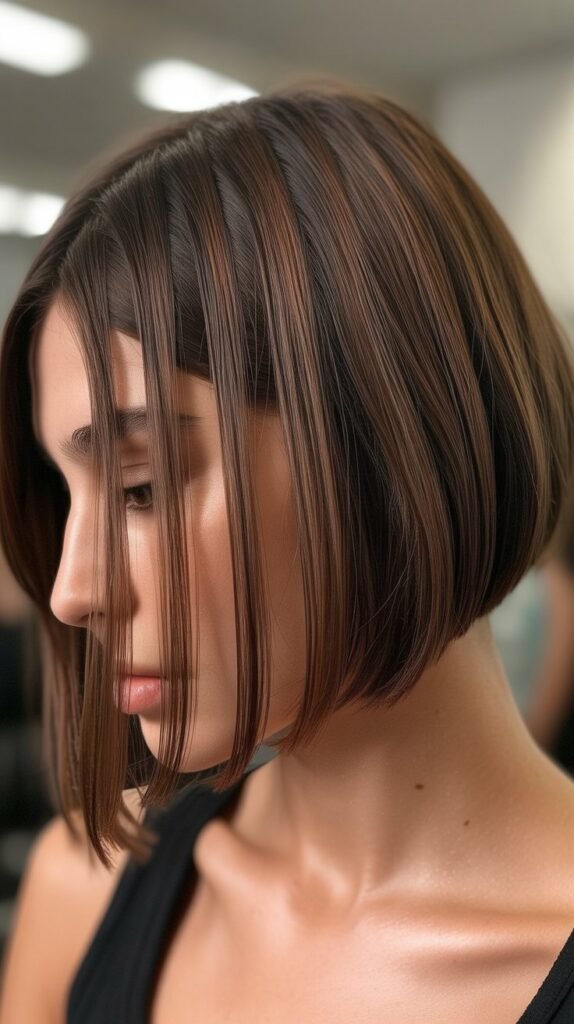
Chocolate ribbon lowlights create bold, defined strands of deep brown that weave through your short hair like elegant ribbons of richness.
This technique adds dramatic contrast while maintaining a natural brunette appearance, perfect for those who want noticeable dimension without venturing into unnatural territory.
- Deep chocolate shades work exceptionally well on medium brown base colors, creating a striking two-toned effect that catches light beautifully.
- The ribbon technique involves painting lowlights in vertical sections that are slightly wider than traditional highlights, typically ranging from half an inch to one inch in width.
- This method is particularly effective on bob haircuts and textured pixie styles where the defined strands can be seen clearly from multiple angles.
- Stylists recommend placing chocolate ribbons strategically around the face and crown area to frame features and add visual height.
- The contrast between your base brown and the chocolate lowlights creates the illusion of thicker, fuller hair, which is especially beneficial for fine or thinning short hair.
- Maintenance is relatively low since the darker color grows out more naturally than highlights, requiring touch-ups every 10-12 weeks.
- For the most natural appearance, choose a chocolate shade that is 2-3 levels darker than your natural brown hair color.
2. Espresso Bean Balayage Lowlights

Espresso bean balayage lowlights bring a hand-painted, artistic approach to adding depth with rich, coffee-inspired tones that blend seamlessly into short brown hair.
This freehand technique creates a soft, natural gradient that looks effortlessly chic and requires minimal maintenance.
- Balayage lowlights differ from traditional foil lowlights by being painted directly onto the hair in sweeping motions, creating a more organic, less uniform appearance.
- Espresso tones are incredibly versatile, complementing both warm and cool brown base colors while adding sophisticated depth.
- The technique focuses on applying darker color to the mid-lengths and ends while keeping the roots slightly lighter, which creates beautiful dimension on short hairstyles.
- Short hair benefits tremendously from balayage lowlights because the color placement can be customized to enhance your specific cut and face shape.
- This method works exceptionally well on layered bobs, shaggy pixies, and asymmetrical short styles where the varied lengths showcase the color gradient.
- Stylists typically use multiple espresso shades during application to ensure the lowlights have depth and complexity rather than appearing flat or one-dimensional.
- The grow-out phase is virtually seamless since balayage creates a melted, blended effect rather than harsh lines of demarcation.
3. Caramel-Brown Dimensional Lowlights

Caramel-brown dimensional lowlights combine warm caramel undertones with rich brown bases to create a multifaceted color that adds warmth and sophistication to short brunette hair.
This approach uses both lowlights and subtle highlights to build a three-dimensional color story.
- Dimensional coloring involves using at least three different shades to create depth, typically including your base color, caramel lowlights, and slightly lighter brown tones.
- The caramel tones add warmth that can brighten your complexion and make brown eyes appear more vibrant and luminous.
- This technique is particularly flattering on individuals with warm or neutral skin undertones, as it enhances natural warmth without creating harsh contrasts.
- Strategic placement of caramel-brown lowlights around the face creates a soft, face-framing effect that draws attention to your features.
- The blending of multiple tones prevents the “stripy” appearance that can occur with single-shade lowlights, resulting in a more natural, lived-in look.
- Short haircuts like bobs and lobs showcase dimensional color exceptionally well because every angle reveals different tones and creates visual interest.
- Maintenance involves using color-safe, sulfate-free shampoos and deep conditioning treatments every week to preserve the vibrancy of both the caramel and brown tones.
4. Ash Brown Shadow Root Lowlights

Ash brown shadow root lowlights create a cool-toned, rooted effect that adds depth at the crown while maintaining lighter ends.
This technique is perfect for brunettes who want a low-maintenance, edgy look that complements cool skin undertones.
- Shadow root technique involves applying darker color to the first 1-2 inches of hair near the scalp, creating a gradual fade into the lighter base color.
- Ash brown tones neutralize any unwanted warmth or brassiness in brown hair, creating a sophisticated, modern appearance.
- This method is exceptionally low-maintenance since the intentionally darker roots eliminate the need for frequent touch-ups as your hair grows.
- Cool ash tones complement individuals with cool or neutral skin undertones, pink or rosy complexions, and blue or green eyes.
- The shadow effect adds visual depth and dimension that makes short hair appear thicker and more voluminous.
- Stylists often combine ash brown shadow roots with cooler brown lowlights throughout the mid-lengths for a cohesive, multidimensional look.
- Purple-toning shampoos used once weekly help maintain the ash tones and prevent the color from turning brassy or warm over time.
5. Mahogany Peek-a-Boo Lowlights
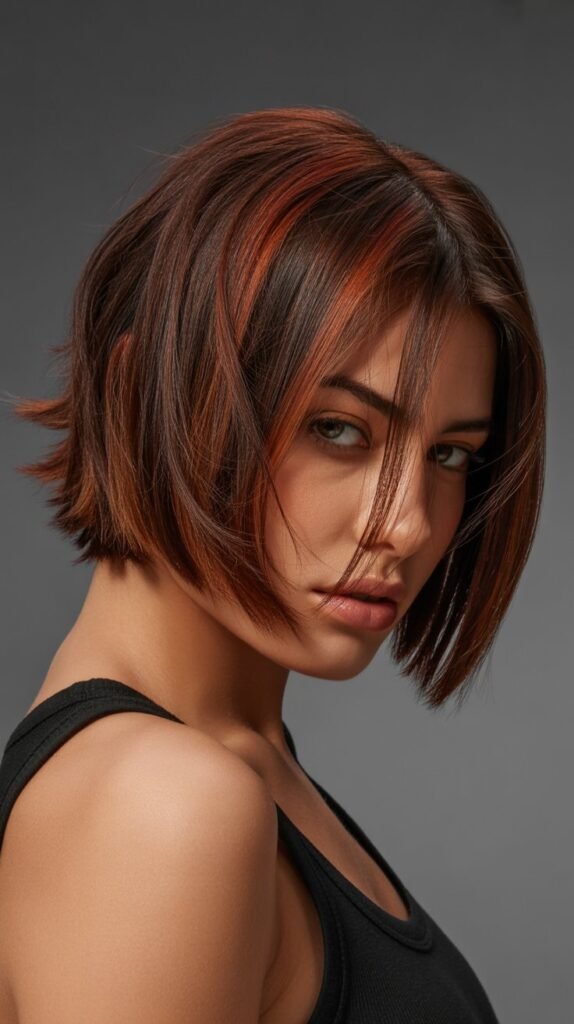
Mahogany peek-a-boo lowlights feature hidden sections of rich, reddish-brown color that flash through your short hair with movement, creating a playful and unexpected color dimension.
This placement technique keeps the lowlights concealed beneath top layers for a subtle yet striking effect.
- Peek-a-boo lowlights are strategically placed in the underlayers of your hair, making them visible only when you move or style your hair in certain ways.
- Mahogany tones add a luxurious, warm reddish depth that complements brown hair beautifully while providing an element of surprise.
- This technique works exceptionally well on pixie cuts with longer top sections, stacked bobs, and undercut styles where the hidden layers can be revealed.
- The concealed placement means you can maintain a professional appearance with hair down while revealing bolder color when you style your hair up or tucked behind your ears.
- Mahogany shades are particularly flattering on individuals with warm skin undertones, olive complexions, and brown or hazel eyes.
- Stylists recommend placing peek-a-boo lowlights along the nape, sides, and bottom layers where they’ll create the most dramatic reveal effect.
- Maintenance is minimal since the lowlights are hidden and any regrowth remains concealed beneath the top layers of hair.
6. Mocha Swirl Lowlights

Mocha swirl lowlights blend creamy coffee tones throughout short brown hair in a swirled, marbled pattern that creates soft, flowing dimension.
This artistic technique mimics the appearance of a mocha beverage with its blended, swirled aesthetic.
- The swirl technique involves twisting small sections of hair during color application to create a spiral effect where the lowlight color blends organically with your base.
- Mocha tones offer a perfect middle ground between warm and cool browns, making them universally flattering across various skin tones.
- This method creates a seamless, blended appearance without harsh lines, ideal for those who want subtle dimension rather than dramatic contrast.
- Short textured cuts, wavy bobs, and tousled pixies showcase mocha swirls beautifully as the natural texture enhances the swirled color pattern.
- The technique requires an experienced colorist who understands how to twist and paint the sections for optimal color distribution and blending.
- Mocha swirl lowlights reflect light differently from multiple angles, creating dynamic dimension that changes as you move.
- Color longevity is excellent with this technique since the blended application means there are no harsh regrowth lines to worry about.
7. Deep Burgundy Accent Lowlights

Deep burgundy accent lowlights introduce rich, wine-inspired tones to short brown hair, creating bold pops of color that add drama and personality without overwhelming your natural brunette base.
These strategic accents work as statement pieces within your overall color scheme.
- Burgundy accents work best when applied sparingly to 10-15% of your hair, creating focal points that draw the eye without dominating your natural brown color.
- The deep wine tones complement brown hair by adding a luxurious, jewel-toned richness that appears sophisticated rather than artificial.
- Strategic placement around the face, at the temple area, or in the fringe creates face-framing effects that enhance your features.
- This technique is particularly popular during fall and winter months when deeper, richer tones align with seasonal fashion trends.
- Burgundy lowlights require more maintenance than traditional brown lowlights since red tones tend to fade faster, necessitating color-depositing products.
- The contrast between burgundy and brown creates visual texture and movement that makes short hair appear fuller and more dynamic.
- Individuals with warm or neutral skin tones and brown or green eyes typically find burgundy accents most flattering.
8. Chestnut Ombré Lowlights

Chestnut ombré lowlights create a graduated effect where hair transitions from a lighter brown at the roots to deeper chestnut tones at the ends.
This technique adds depth while maintaining a natural, sun-kissed appearance on short hair.
- Unlike traditional ombré which goes from dark to light, lowlight ombré reverses the process by deepening the color toward the ends.
- Chestnut tones are warm, rich browns that add earthiness and natural dimension to brunette hair.
- This technique works surprisingly well on short hair when the gradient is compressed into a shorter length, creating a subtle yet noticeable transition.
- Lobs, long pixies, and chin-length bobs provide enough length to showcase the ombré effect while maintaining the technique’s integrity.
- The graduated application means regrowth blends naturally, making this one of the most low-maintenance lowlight options available.
- Stylists typically blend 3-4 chestnut shades throughout the ombré process to ensure the transition appears seamless rather than banded.
- Heat styling tools can be used to enhance the ombré effect, as curls and waves showcase the color transition more dramatically.
9. Smoky Brown Root Smudge Lowlights

Smoky brown root smudge lowlights create a soft, hazy transition at the root area that blends seamlessly into the rest of your short hair.
This technique adds depth while eliminating harsh regrowth lines for an effortlessly lived-in appearance.
- Root smudging involves applying a darker, smoky brown shade directly to the roots and then blending it down into the rest of the hair using gentle, pressing motions.
- This technique creates a shadow effect that adds instant dimension and depth at the crown, making hair appear fuller and more voluminous.
- The smudged application eliminates harsh lines of demarcation, meaning regrowth appears intentional rather than neglected.
- Smoky brown tones are typically cool to neutral, making them versatile enough to complement most brown hair shades and skin tones.
- Short hair benefits tremendously from root smudging because it creates the illusion of depth without requiring color throughout the entire length.
- The technique can be customized by adjusting how far down the smudge extends, typically ranging from 1-3 inches depending on hair length.
- Maintenance intervals can be extended to 12-16 weeks since the intentionally darker, blended roots disguise natural regrowth effectively.
10. Cinnamon Spice Lowlights
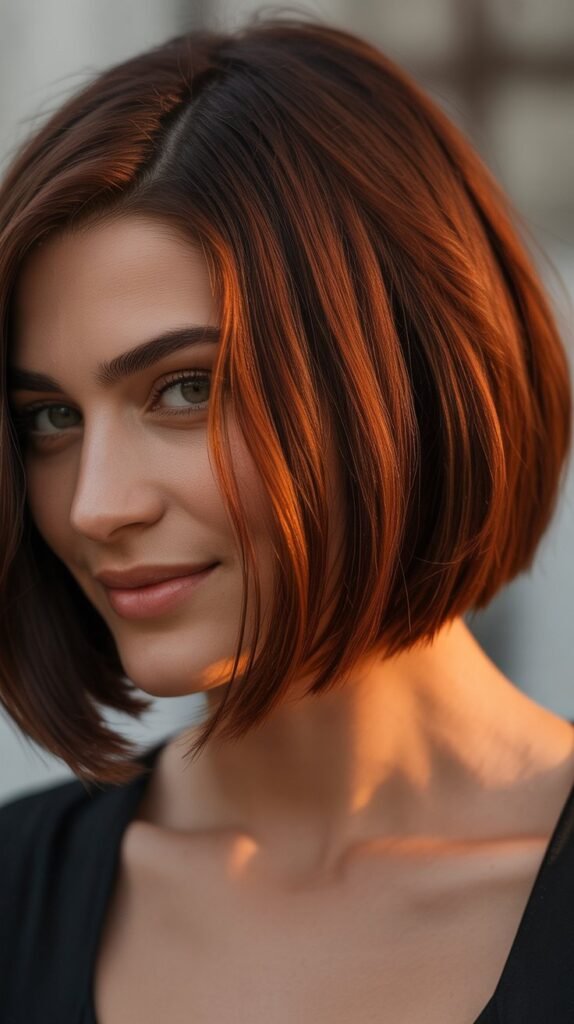
Cinnamon spice lowlights infuse warm, spicy brown tones throughout short hair, creating a rich, autumnal dimension that adds warmth and depth.
These reddish-brown lowlights complement natural brunettes beautifully while adding a touch of unexpected color.
- Cinnamon tones fall between auburn and brown, offering warm, spicy richness that enhances brown hair without appearing overtly red.
- These lowlights work exceptionally well on individuals with warm skin undertones, golden or peachy complexions, and brown or amber eyes.
- The warm tones in cinnamon lowlights can brighten your overall appearance and add a healthy, vibrant glow to your complexion.
- Stylists typically apply cinnamon lowlights using both foil and balayage techniques to create varied placement and natural-looking dimension.
- The spicy undertones become more visible in natural sunlight, creating a dynamic color that changes appearance depending on lighting conditions.
- Cinnamon lowlights pair beautifully with honey or caramel highlights to create a fully dimensional, warm-toned color palette.
- Color-protecting products with UV filters help preserve the warm cinnamon tones and prevent them from fading to brassy or orange hues.
11. Cool Brunette Panel Lowlights
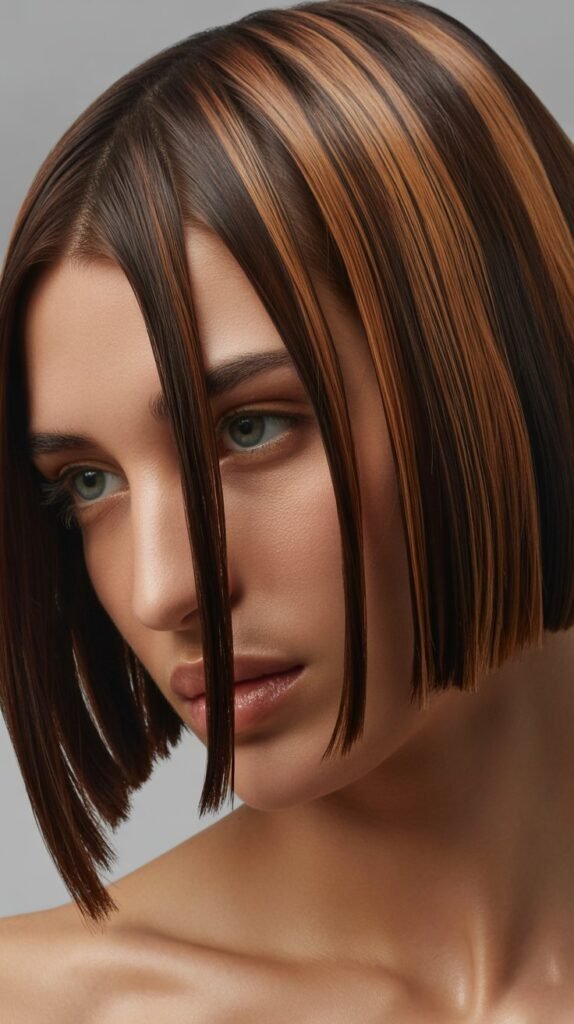
Cool brunette panel lowlights create thick, blocked sections of cool-toned brown that add bold, graphic dimension to short hair.
This modern technique offers a contemporary, fashion-forward approach to lowlighting that makes a statement.
- Panel lowlights involve applying color to larger, more defined sections rather than thin, scattered pieces, creating a chunky, intentional look.
- Cool brunette shades contain ash, violet, or blue undertones that neutralize warmth and create a sophisticated, polished appearance.
- This technique works particularly well on geometric bobs, blunt cuts, and sleek pixies where the defined sections enhance the precision of the haircut.
- The bold placement of panel lowlights creates visual interest and dimension without requiring numerous color applications, making it time-efficient.
- Cool tones complement individuals with cool skin undertones, pink complexions, and blue, gray, or green eyes.
- The panels can be strategically placed to contour the face, create slimming effects, or draw attention to specific features.
- Maintenance involves toning treatments every 4-6 weeks to preserve the cool brunette shades and prevent them from warming up over time.
12. Honey-Touched Brown Lowlights
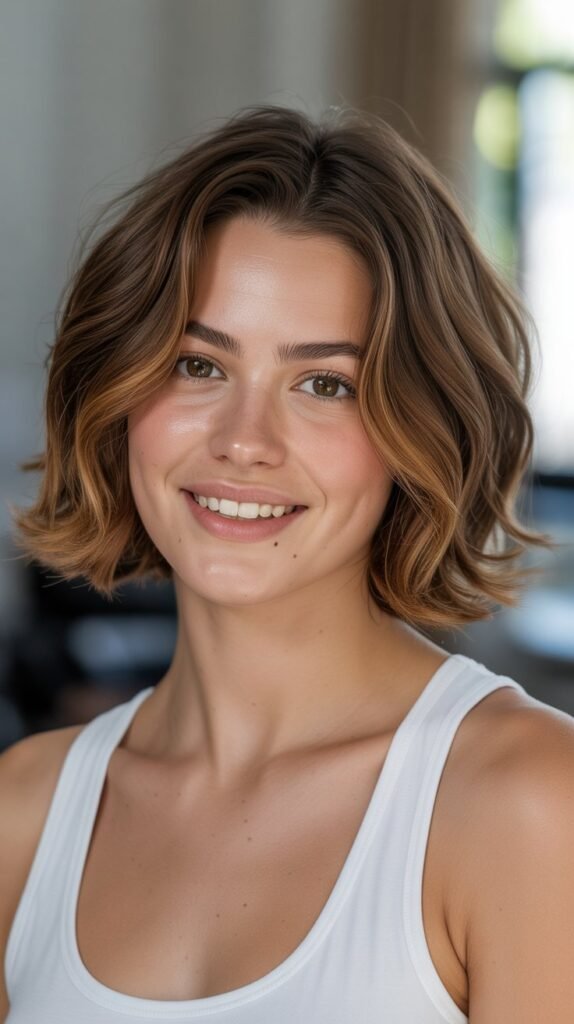
Honey-touched brown lowlights combine deeper brown bases with subtle honey undertones that add warmth and luminosity to short brunette hair.
This technique creates a sun-kissed, natural appearance that brightens without looking artificially highlighted.
- The honey-touched technique involves blending warm honey tones into brown lowlights rather than creating separate highlight and lowlight sections.
- This approach creates a unified, cohesive color story where the warmth appears to be naturally occurring rather than artificially added.
- Short hair showcases honey-touched lowlights beautifully because the compact length allows every color nuance to be visible and appreciated.
- The technique is particularly effective for creating a healthy, vibrant appearance that suggests time spent outdoors in natural sunlight.
- Honey undertones work best on individuals with warm or neutral skin tones and can help brighten sallow or dull complexions.
- Stylists achieve this look by intermixing honey and brown shades during application, creating a melted, blended effect throughout.
- The warm tones require protection from sun exposure and chlorine, which can cause honey shades to turn brassy or orange.
13. Chocolate Cherry Lowlights

Chocolate cherry lowlights merge deep chocolate browns with subtle cherry undertones, creating a rich, multidimensional color that adds depth with a hint of unexpected color.
This combination offers sophistication with a playful twist.
- The cherry undertones in this technique are subtle enough to add interest without making the hair appear overtly red or unnatural.
- Chocolate cherry lowlights work exceptionally well on medium to dark brown base colors where the depth can be fully appreciated.
- The combination creates a dimensional effect where the color appears to shift between pure chocolate and hints of cherry depending on lighting.
- This technique suits individuals looking for something slightly bolder than traditional brown lowlights without committing to vivid fashion colors.
- The cherry tones add warmth and richness that can complement warm and neutral skin tones, particularly those with yellow or golden undertones.
- Stylists typically apply this color using fine weaving techniques to ensure the chocolate and cherry tones blend seamlessly throughout the hair.
- Color-depositing conditioners in burgundy or red-brown shades help maintain the cherry undertones between salon visits.
14. Toffee Melt Lowlights

Toffee melt lowlights create a buttery, smooth transition between rich toffee browns and your natural base color, mimicking the appearance of melted toffee candy.
This technique emphasizes seamless blending and soft, natural-looking dimension.
- The melting technique involves extensive blending at the borders between the toffee lowlights and your base color to eliminate any visible lines.
- Toffee tones are warm, golden browns that add richness without appearing too red or too cool, making them universally flattering.
- This approach creates a soft, romantic appearance that works beautifully for both casual and professional settings.
- Short wavy or curly hair showcases toffee melt lowlights exceptionally well as the texture enhances the melted, flowing appearance of the color.
- The technique requires an experienced colorist who understands proper blending methods to achieve the signature melted effect.
- Toffee shades complement a wide range of skin tones but are particularly flattering on warm and neutral complexions.
- Maintenance is relatively low since the melted blending disguises regrowth and creates a lived-in appearance that ages gracefully.
15. Deep Walnut Lowlights
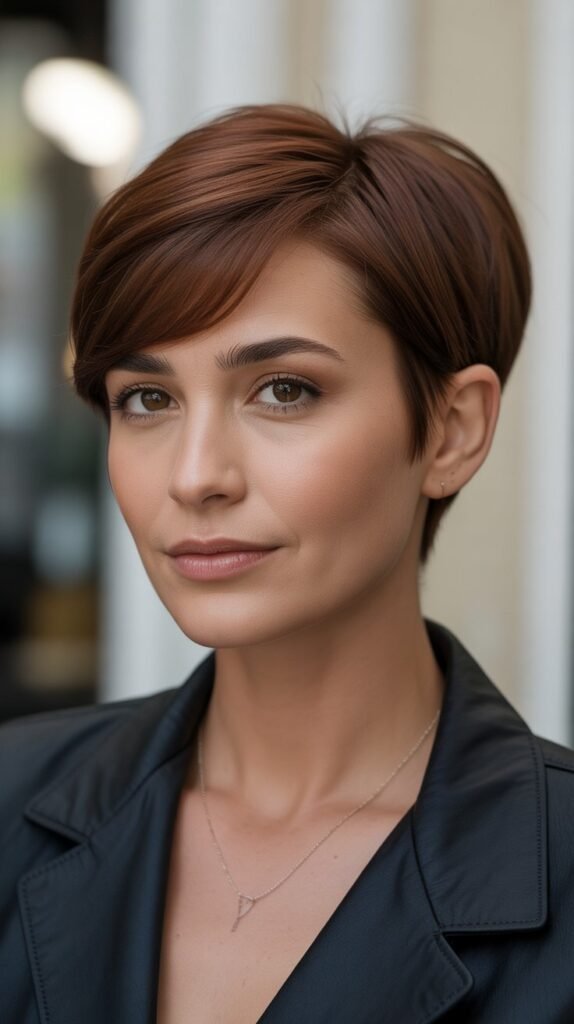
Deep walnut lowlights introduce rich, dark brown tones with subtle warmth that create dramatic depth on short brunette hair.
This sophisticated technique adds intensity while maintaining a natural, elegant appearance.
- Walnut shades are among the darkest lowlight options, offering maximum contrast and dimension against medium to light brown base colors.
- The subtle warmth in walnut tones prevents the color from appearing flat or one-dimensional, adding complexity to the overall look.
- Deep walnut lowlights work particularly well for creating slimming, contouring effects when placed strategically around the face and neckline.
- This technique is ideal for individuals seeking a dramatic transformation without lightening their hair or using artificial-looking colors.
- The dark lowlights create shadows and depth that make short hair appear fuller, thicker, and more voluminous.
- Walnut tones complement most skin tones but are particularly striking on individuals with olive, tan, or deep complexions.
- The dark color maintains its richness longer than lighter tones, requiring touch-ups only every 10-14 weeks depending on hair growth rate.
16. Caramel Macchiato Lowlights

Caramel macchiato lowlights blend warm caramel tones with deeper brown shades to create a coffee-inspired color palette that adds dimension and warmth to short brown hair.
This technique mimics the layered appearance of the popular coffee beverage.
- The macchiato-inspired technique involves creating distinct yet blended layers of caramel and brown, visible but seamlessly integrated.
- Warm caramel tones brighten the overall appearance while the deeper brown lowlights maintain depth and prevent the color from appearing flat.
- This multi-tonal approach creates the illusion of movement and texture, particularly beneficial for fine or straight short hair.
- The layered color placement mimics natural hair that has been sun-lightened over time, creating an authentic, organic appearance.
- Caramel macchiato lowlights work beautifully on bobs, lobs, and layered pixie cuts where the varied lengths showcase the color dimension.
- Individuals with warm skin undertones, golden or peachy complexions, and brown or hazel eyes find this combination particularly flattering.
- Regular use of purple or blue-toning treatments helps balance the warmth and prevent the caramel tones from turning brassy.
17. Icy Brown Lowlights

Icy brown lowlights incorporate cool, almost gray-toned browns that add edgy, modern dimension to short hair.
This technique creates a sophisticated, high-fashion appearance that’s perfect for trendsetters.
- Icy brown tones contain significant amounts of gray, blue, or violet pigments that create an ultra-cool, almost metallic appearance.
- This technique is particularly popular among individuals seeking a contemporary, fashion-forward look that stands apart from traditional warm browns.
- The cool tones work exceptionally well on individuals with cool or neutral skin undertones, particularly those with pink, rosy, or porcelain complexions.
- Icy brown lowlights can help neutralize unwanted orange or brassy tones in natural brown hair, creating a cleaner, more refined appearance.
- The technique requires regular toning maintenance to preserve the cool, icy quality and prevent the color from warming up over time.
- Short, sleek hairstyles like blunt bobs, geometric pixies, and straight lobs showcase icy brown lowlights most effectively.
- Purple-toning shampoos and conditioners are essential for maintaining the cool tones between salon visits.
18. Bronze Shimmer Lowlights
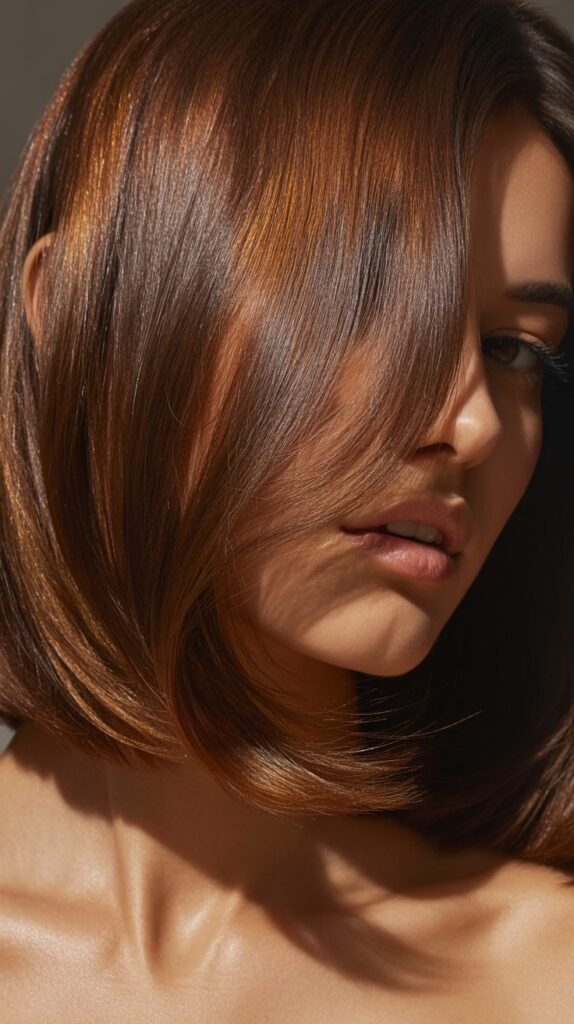
Bronze shimmer lowlights add metallic, luminous brown tones that catch and reflect light beautifully, creating a shimmering effect throughout short brown hair.
This technique adds both dimension and a subtle shine that appears to glow.
- Bronze tones contain warm, golden-copper pigments that create a metallic appearance without looking artificial or costume-like.
- The shimmer effect is achieved through glossing treatments applied after the lowlights are processed, sealing the cuticle and enhancing light reflection.
- This technique works beautifully on textured short hair where the varied surface area catches light from multiple angles, maximizing the shimmer effect.
- Bronze shimmer lowlights are particularly stunning in natural sunlight where the metallic quality becomes most visible and dynamic.
- The technique suits individuals with warm or olive skin tones and can add a healthy, radiant glow to the overall appearance.
- Regular glossing treatments every 4-6 weeks help maintain the shimmer effect and keep the lowlights looking fresh and luminous.
- Bronze tones complement brown, amber, and green eyes particularly well, creating harmonious color coordination between hair and features.
19. Cocoa Dust Lowlights

Cocoa dust lowlights create soft, diffused brown tones that appear powdered throughout short hair, adding subtle depth without harsh lines.
This delicate technique mimics the appearance of cocoa powder dusted across your hair.
- The dusting technique involves applying color in a stippling or feathering motion that creates a soft, almost airbrrushed appearance.
- Cocoa tones are neutral to slightly warm browns that add depth while maintaining a natural, understated look.
- This method is ideal for individuals seeking very subtle dimension who want to avoid dramatic color changes or obvious lowlight placement.
- Short hair benefits from the cocoa dust technique because the compact length allows the subtle color variations to be appreciated up close.
- The diffused application creates a soft-focus effect that can minimize the appearance of fine lines and imperfections in hair texture.
- Cocoa dust lowlights work on virtually all skin tones due to their neutral quality and subtle application method.
- Maintenance is minimal since the diffused, subtle nature of the lowlights means regrowth blends imperceptibly with the existing color.
20. Hazelnut Swirl Lowlights

Hazelnut swirl lowlights blend warm, nutty brown tones in a swirled pattern that creates organic, flowing dimension throughout short hair.
This technique adds warmth and natural-looking depth with an artistic application method.
- Hazelnut shades are warm browns with golden-beige undertones that add luminosity and warmth without appearing overly red or orange.
- The swirling application technique creates natural-looking color flow that mimics how hair naturally lightens and darkens with movement and texture.
- This method works particularly well on wavy or curly short hair where the natural texture enhances the swirled appearance of the color.
- Hazelnut tones are universally flattering but particularly complement warm and neutral skin tones, adding a healthy, natural glow.
- The technique requires twisting or spiraling sections of hair during color application to achieve the signature swirled effect.
- Hazelnut swirl lowlights create dimension that appears effortless and lived-in, perfect for individuals seeking a low-maintenance color option.
- The warm tones benefit from regular use of color-protecting products to prevent fading and maintain vibrancy between salon appointments.
21. Midnight Brown Lowlights

Midnight brown lowlights introduce deep, almost-black brown tones that create dramatic depth and intensity on short hair.
This bold technique adds maximum contrast while maintaining a natural brunette appearance.
- Midnight brown is the darkest lowlight option before reaching true black, offering intense depth that creates striking dimension.
- The deep tones work exceptionally well for creating contouring effects that can slim and sculpt the face when placed strategically.
- This technique is ideal for individuals with naturally dark brown hair who want to add dimension without lightening their base color.
- Midnight brown lowlights create shadows that make short hair appear significantly thicker and fuller, particularly beneficial for fine hair types.
- The dramatic contrast between midnight brown and lighter base colors creates a bold, fashion-forward statement that stands out.
- These lowlights complement deep skin tones, olive complexions, and individuals with dark eyes particularly well.
- The nearly-black color maintains its intensity longer than lighter shades, requiring touch-ups only every 12-16 weeks depending on preference.
22. Amber Glow Lowlights
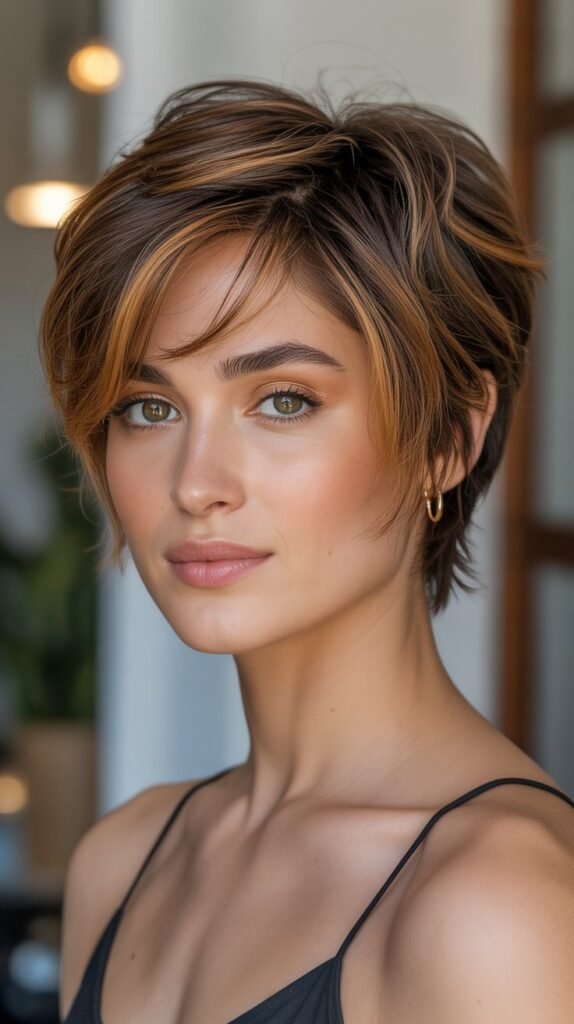
Amber glow lowlights infuse warm, honey-golden brown tones that create a luminous, glowing effect throughout short hair.
This technique adds warmth and radiance while maintaining depth and dimension.
- Amber tones contain yellow-gold pigments that create a warm, glowing appearance reminiscent of backlit amber gemstones.
- The glowing effect is enhanced through strategic placement that allows lowlights to catch and reflect light naturally throughout the day.
- This technique works beautifully for adding warmth to ashy or cool-toned brown hair, creating a more balanced, sun-kissed appearance.
- Amber glow lowlights complement warm skin tones, golden complexions, and individuals with brown, amber, or hazel eyes particularly well.
- Short layered cuts showcase amber lowlights exceptionally as the varied lengths create multiple surfaces for light reflection and color display.
- The warm tones add a healthy, vibrant quality to your overall appearance, making skin look more radiant and youthful.
- Regular use of color-protecting products with UV filters helps prevent the amber tones from oxidizing or turning brassy over time.
23. Taupe Brown Lowlights
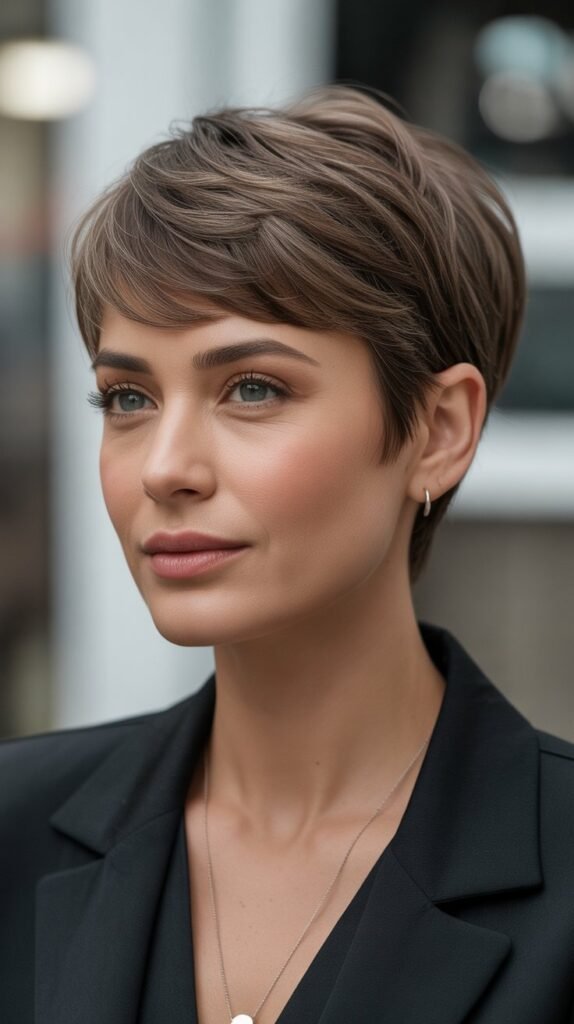
Taupe brown lowlights blend cool gray-brown tones that create sophisticated, muted dimension on short hair.
This technique offers a contemporary, understated approach to adding depth without bright or warm tones.
- Taupe is a unique color that sits between brown and gray, offering cool neutrality that’s both modern and timeless.
- These lowlights work exceptionally well for individuals who want to experiment with gray tones without fully committing to silver or gray hair.
- Taupe brown lowlights complement cool skin tones, individuals with salt-and-pepper hair who want to blend grays, and those seeking ash-toned dimension.
- The muted quality of taupe creates a sophisticated, professional appearance appropriate for conservative work environments while remaining stylish.
- Short hair in sleek, polished styles showcases taupe lowlights beautifully, emphasizing the refined, elegant nature of the color.
- This technique requires regular toning to maintain the cool gray-brown quality and prevent the color from warming or turning muddy.
- Taupe lowlights can help transition to natural gray hair by blending existing grays with brown base colors seamlessly.
24. Chestnut Flame Lowlights

Chestnut flame lowlights combine deep chestnut browns with subtle flame-red undertones that create dynamic, fiery dimension on short hair.
This technique adds warmth and interest with a hint of unexpected color.
- The flame element refers to subtle red or copper undertones woven into chestnut brown lowlights, creating depth with a hint of fire.
- These lowlights create a dynamic color that appears to shift between pure chestnut and hints of red depending on lighting conditions.
- The technique works particularly well for fall and winter color trends when deeper, richer tones are most popular and seasonally appropriate.
- Chestnut flame lowlights complement warm skin tones, individuals with freckles, and those with brown, green, or amber eyes.
- The combination of chestnut depth and flame undertones creates visual interest without appearing overly bold or unnatural.
- Stylists typically use fine weaving or slicing techniques to integrate the flame undertones throughout the chestnut base seamlessly.
- Color-depositing treatments in auburn or copper shades help maintain the flame undertones between salon visits.
25. Cappuccino Foam Lowlights

Cappuccino foam lowlights create a frothy, multi-tonal brown effect that mimics the layers of foam on a cappuccino.
This technique blends multiple brown shades to create soft, dimensional depth throughout short hair.
- The cappuccino-inspired technique involves blending at least three different brown shades in varying placements to create a layered, frothy appearance.
- Multiple tones ranging from light mocha to deep espresso create complexity and prevent the color from appearing flat or one-dimensional.
- This method works exceptionally well on textured short hair where the natural movement enhances the layered color effect.
- The varied tones create depth that makes hair appear fuller and thicker, particularly beneficial for fine or thin short hair.
- Cappuccino foam lowlights suit virtually all skin tones due to the variety of brown shades used, allowing customization based on individual coloring.
- The blended application creates a soft, romantic appearance appropriate for both professional and casual settings.
- Maintenance involves regular conditioning treatments to keep all color tones vibrant and properly hydrated, preventing any single shade from fading faster than others.
26. Russet Brown Lowlights
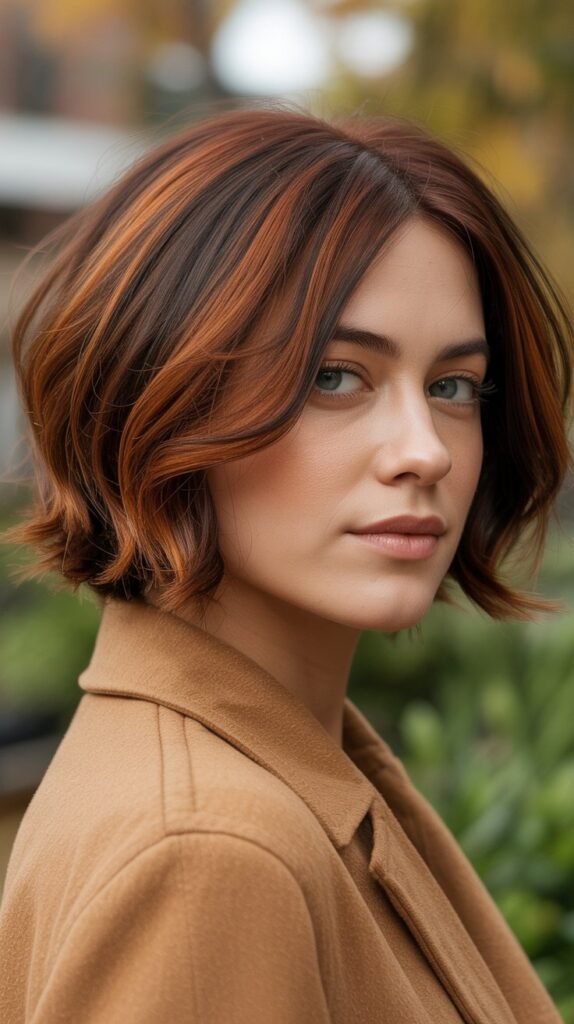
Russet brown lowlights introduce earthy, reddish-brown tones that add autumnal warmth and organic dimension to short hair.
This technique creates a natural, outdoorsy appearance with rich, earth-inspired color.
- Russet is a distinctive reddish-brown shade found in autumn leaves, offering warmth that feels natural and seasonally appropriate year-round.
- The earthy quality of russet lowlights creates an organic, outdoorsy aesthetic that appeals to individuals seeking nature-inspired color.
- These lowlights work particularly well on individuals with warm or neutral skin tones and can enhance natural freckles beautifully.
- The reddish undertones add vibrancy and life to brown hair without appearing overtly red or artificial.
- Russet tones complement green, hazel, and brown eyes exceptionally well, creating harmonious color coordination.
- Short layered cuts showcase russet lowlights effectively as the varied lengths allow the reddish-brown tones to be visible from multiple angles.
- The warm red tones require protection from sun and heat styling to prevent fading, necessitating regular use of color-protecting products.
- Russet lowlights can be customized from subtle to bold depending on the amount of red pigment added to the brown base.
27. Slate Brown Lowlights
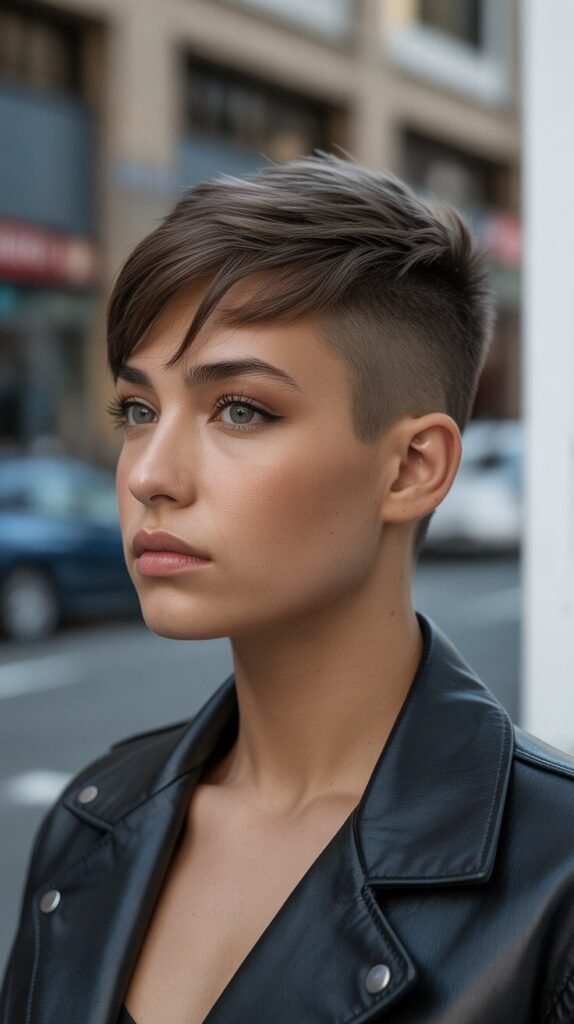
Slate brown lowlights combine cool gray undertones with brown bases to create a modern, industrial-inspired color palette.
This technique adds edgy, contemporary dimension perfect for fashion-forward individuals.
- Slate tones contain significant gray pigments mixed with brown, creating a cool, almost metallic appearance that’s distinctly modern.
- This technique appeals to individuals seeking alternative, fashion-forward color without venturing into unnatural fantasy shades.
- Slate brown lowlights work exceptionally well on cool skin tones, individuals with blue or gray eyes, and those with naturally cool-toned hair.
- The gray-brown combination creates sophisticated depth that’s appropriate for professional environments while remaining stylish and current.
- Short geometric cuts like angular bobs, undercuts, and structured pixies showcase slate lowlights beautifully, emphasizing the modern aesthetic.
- The technique requires consistent toning every 4-6 weeks to maintain the cool slate quality and prevent warmth from developing.
- Purple and blue-toning products are essential for maintaining the gray undertones and preventing the color from turning muddy or brassy.
- Slate lowlights can serve as a transitional color for individuals considering going fully gray or silver in the future.
28. Butterscotch Brown Lowlights

Butterscotch brown lowlights blend golden, candy-inspired tones with rich brown bases to create sweet, luminous dimension.
This technique adds warmth and brightness while maintaining depth throughout short hair.
- Butterscotch tones are warm golden-browns that create a sweet, inviting appearance reminiscent of the popular candy.
- The luminous quality of butterscotch lowlights adds brightness to your overall appearance without requiring traditional highlighting.
- This technique works beautifully for individuals seeking warmth and dimension who want to avoid the high maintenance of blonde highlights.
- Butterscotch lowlights complement warm skin tones, golden complexions, and individuals with brown, amber, or hazel eyes particularly well.
- The golden tones reflect light beautifully, creating a healthy, glossy appearance that suggests well-maintained, conditioned hair.
- Short textured cuts benefit tremendously from butterscotch lowlights as the movement showcases the golden tones from various angles.
- Regular glossing treatments help maintain the candy-like shine and prevent the butterscotch tones from appearing dull or brassy.
- The warm golden pigments require UV protection to prevent fading and oxidation, especially during summer months.
29. Smoky Espresso Lowlights

Smoky espresso lowlights create a hazy, deep brown effect that adds mysterious, sultry dimension to short hair.
This technique combines the richness of espresso with cool smoky undertones for a sophisticated appearance.
- The smoky element adds cool gray or violet undertones to deep espresso brown, creating complexity and preventing the color from appearing flat.
- This technique creates a moody, sophisticated aesthetic perfect for evening looks and dramatic styling.
- Smoky espresso lowlights work on various skin tones but are particularly striking on individuals with cool or neutral undertones.
- The deep, mysterious quality of the color adds maturity and sophistication appropriate for professional and formal settings.
- Short styles with texture and movement showcase the smoky espresso effect beautifully as light plays across the varied tones.
- The technique involves layering multiple shades of espresso with varying levels of smoky undertones to create depth and complexity.
- Regular toning treatments preserve the smoky quality and prevent the cool undertones from fading to reveal unwanted warmth.
- Smoky espresso lowlights pair beautifully with matte styling products that enhance the hazy, diffused appearance of the color.
30. Toasted Almond Lowlights
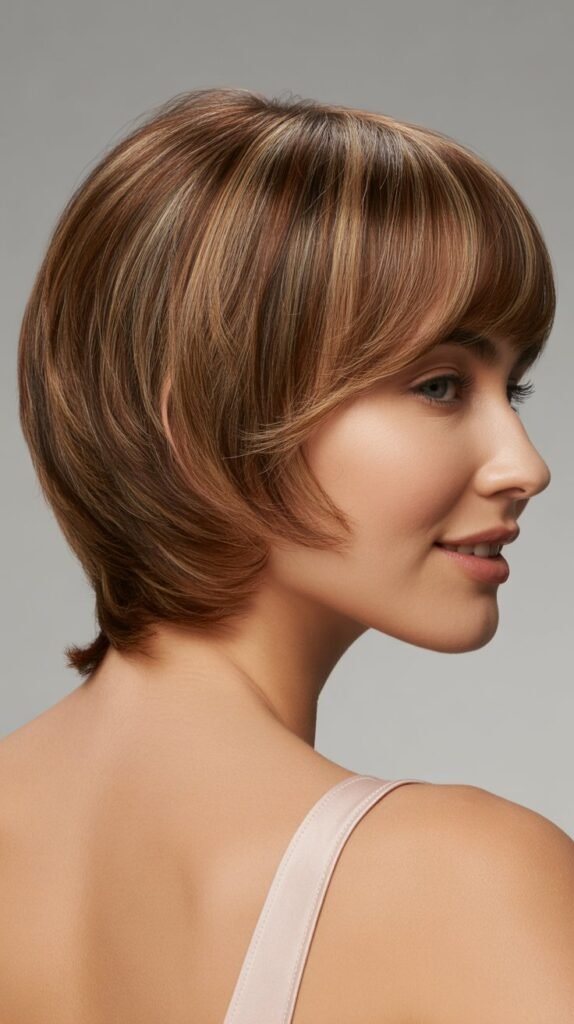
Toasted almond lowlights introduce warm, nutty brown tones with beige undertones that create soft, natural-looking dimension.
This technique adds subtle warmth and depth perfect for individuals seeking understated enhancement.
- Toasted almond is a unique shade that combines warm brown with neutral beige, creating a sophisticated color that’s neither too warm nor too cool.
- The nutty quality adds organic depth that appears completely natural, perfect for individuals who want dimension without obvious coloring.
- This technique works exceptionally well on light to medium brown base colors where the almond tones can create visible yet subtle contrast.
- Toasted almond lowlights complement a wide range of skin tones due to their balanced, neutral-warm quality.
- The beige undertones brighten the overall appearance slightly while the brown depth maintains richness and prevents the color from appearing washed out.
- Short bobs, lobs, and layered pixie cuts showcase toasted almond lowlights beautifully, allowing the subtle color variations to be appreciated.
- The neutral quality of toasted almond means the color ages gracefully and regrowth blends seamlessly with minimal maintenance required.
- Regular use of hydrating hair masks helps maintain the glossy, healthy appearance that allows the subtle lowlights to shine through effectively.
Lowlight Maintenance and Care Tips
Maintaining your lowlights properly ensures long-lasting color vibrancy and healthy hair condition. Following the right care routine makes a significant difference in how your lowlights look and how long they retain their beautiful dimension.
- Use lukewarm or cool water when washing hair to seal the cuticle and lock in color pigments effectively.
- Limit heat styling to 2-3 times per week maximum, as excessive heat causes premature color fading and damage.
- Invest in professional-grade, color-safe hair care products specifically formulated to maintain lowlight vibrancy and prevent fading.
- Schedule regular glossing treatments at your salon to refresh shine and enhance color depth between full lowlight applications.
- Protect your hair from chlorine and salt water by applying leave-in conditioner before swimming and rinsing immediately afterward.
- Consider using color-depositing conditioners that match your lowlight shade to refresh color and extend time between salon visits.
- Avoid washing hair for 48-72 hours after getting lowlights to allow the color to fully set and bond with the hair shaft.
- Sleep on silk or satin pillowcases to reduce friction that can cause color fading and hair damage overnight.
Choosing the Right Lowlights for Your Skin Tone
Selecting lowlight shades that complement your skin tone ensures a harmonious, flattering appearance. Understanding your undertones helps you choose colors that enhance your natural beauty rather than clash with your complexion.
- Warm skin tones (golden, peachy, yellow undertones) look best with caramel, honey, cinnamon, chestnut, butterscotch, russet, and amber lowlights.
- Cool skin tones (pink, rosy, blue undertones) are most flattered by ash brown, slate, icy brown, taupe, mahogany, and cool brunette lowlights.
- Neutral skin tones (balanced warm and cool undertones) can wear virtually any lowlight shade but particularly suit mocha, toasted almond, and chocolate tones.
- Olive skin tones are beautifully complemented by deep walnut, espresso, bronze, and chestnut flame lowlights that enhance the golden-green undertones.
- Fair skin requires careful consideration—opt for lowlights no more than 2-3 shades darker than your base to avoid harsh contrast.
- Medium skin tones can handle more dramatic contrast and suit a wide range of lowlight shades from subtle to bold.
- Deep skin tones look stunning with rich, intense lowlights like midnight brown, deep walnut, and smoky espresso that create dimension without appearing muddy.
- Consider your eye color when selecting lowlights—brown eyes suit warm tones, blue eyes complement cool tones, and green eyes are enhanced by copper or russet shades.
For more guidance on choosing flattering hair colors, explore resources from professional colorists at Redken’s Color Theory Guide and Wella Professional’s Color Education.
Lowlights vs. Highlights: Understanding the Difference
Understanding the distinction between lowlights and highlights helps you communicate effectively with your stylist and achieve your desired look. Both techniques add dimension but work in opposite ways to create different effects.
- Lowlights are shades darker than your base color, adding depth, richness, and shadow effects that create the illusion of fullness.
- Highlights are lighter than your base color, adding brightness, lift, and sun-kissed effects that create contrast and lightness.
- Lowlights work by creating shadows that add dimension and make hair appear thicker, particularly beneficial for fine or flat hair.
- Highlights work by creating light-reflecting strands that draw the eye upward and can make features appear brighter.
- Lowlights require less maintenance than highlights because darker colors blend more naturally with regrowth and don’t show roots as obviously.
- Highlights demand more frequent touch-ups and toning to prevent brassiness and maintain the lightened color integrity.
- Combining both lowlights and highlights creates the most dimensional, natural-looking color with both depth and brightness.
- Lowlights are less damaging to hair since they don’t require bleaching or lightening, only depositing darker pigment.
- Highlights can be more damaging because they require lifting natural pigment, which opens the hair cuticle and can cause dryness.
- For short brown hair, lowlights often provide more noticeable dimension than highlights since the darker tones create stronger contrast.
- Lowlights are ideal for transitioning from light hair to darker shades gradually without a dramatic, all-over color change.
- Highlights are better for brightening overall appearance and creating a sun-kissed, summery look.
Best Short Haircuts for Showcasing Lowlights
Certain short haircuts showcase lowlights more effectively than others due to their structure, layers, and styling versatility. Choosing a cut that complements your lowlight placement maximizes the dimensional effect.
- Textured bobs with internal layers create movement that showcases multiple lowlight tones from various angles as hair shifts.
- Asymmetrical cuts with one side longer than the other provide varied lengths that display lowlight dimension dramatically.
- Layered pixies offer different length levels that allow lowlights to be visible on multiple planes, creating depth and interest.
- Lobs (long bobs) provide sufficient length to showcase gradient lowlight techniques like ombré while remaining short and manageable.
- Stacked bobs with shorter backs and longer fronts create opportunities for peek-a-boo lowlights in the underlayers.
- Shaggy cuts with choppy layers and texture enhance the dimension created by lowlights, making color variations more visible.
- Blunt bobs with one-length cuts showcase panel lowlights and bold color placement beautifully due to their clean lines.
- Undercut styles provide perfect canvases for peek-a-boo lowlights hidden beneath longer top sections.
- Side-swept pixies with longer fringe sections allow for face-framing lowlights that draw attention to features.
- Curly or wavy short cuts naturally showcase lowlight dimension as the texture creates shadows and highlights organically.
- Avoid very short, close-cropped cuts if you want visible lowlights—they require at least 2-3 inches of length to showcase color dimension.
- Discuss lowlight placement with your stylist before cutting to ensure the haircut and color work together harmoniously.
Styling Tips to Enhance Your Lowlights
Proper styling techniques can dramatically enhance the visibility and beauty of your lowlights. The right products and methods make your dimensional color appear more vibrant and noticeable.
- Use lightweight shine serums or oils on dry hair to enhance light reflection and make lowlight dimension more visible.
- Create loose waves or curls using a curling iron or wand to add texture that showcases multiple lowlight tones simultaneously.
- Try side parts instead of center parts to create asymmetry that displays lowlight placement more dramatically.
- Use volumizing products at the roots to lift hair away from the scalp, allowing lowlights throughout the lengths to be more visible.
- Tuck one side behind your ear to reveal peek-a-boo lowlights and create an asymmetrical, dimensional appearance.
- Avoid heavy, matte styling products that dull hair and hide color dimension—opt for glossy, light-reflecting formulas instead.
- Blow-dry hair with a round brush to create movement and body that prevents hair from lying flat and hiding lowlight depth.
- Experiment with different styling directions—blow-drying forward, backward, or to the sides reveals different lowlight placements.
- Use texturizing sprays or dry shampoo to add grit and separation that prevents hair from clumping and hiding dimensional color.
- Consider finger-styling or tousling hair rather than brushing it smooth to maintain texture that showcases lowlight variations.
- Strategic use of hair accessories like clips or headbands can reveal hidden lowlights in underlayers.
- Natural lighting showcases lowlights best, so style near windows or outdoors when possible to see the true dimensional effect.
Seasonal Lowlight Trends for Short Brown Hair
Lowlight trends shift with the seasons, offering opportunities to refresh your look throughout the year. Understanding seasonal color trends helps you stay current while maintaining a timeless, flattering appearance.
Spring Lowlight Trends:
- Light mocha and milk chocolate tones that feel fresh and soft for the renewal season.
- Subtle honey-touched browns that add warmth without appearing summery.
- Cool taupe lowlights for a sophisticated, modern spring aesthetic.
Summer Lowlight Trends:
- Caramel and butterscotch lowlights that complement sun-kissed skin and outdoor activities.
- Bronze shimmer lowlights that reflect summer light beautifully.
- Lighter, airier lowlight placements that create dimension without heaviness.
Fall Lowlight Trends:
- Rich cinnamon spice and russet brown lowlights that echo autumn foliage.
- Deep chestnut flame and mahogany tones that add warmth for cooler weather.
- Pumpkin spice-inspired lowlights combining warm browns with subtle copper undertones.
Winter Lowlight Trends:
- Deep midnight brown and smoky espresso lowlights that feel luxurious and sophisticated.
- Cool slate brown and icy brown tones that complement winter fashion.
- Rich burgundy and chocolate cherry accents that add jewel-toned depth.
- Consider transitioning your lowlight shade gradually between seasons for a natural, evolving look.
- Winter lowlights typically trend darker and richer, while summer lowlights tend toward lighter, warmer tones.
- Fall offers the most opportunity for bold, creative lowlight colors like burgundy and copper undertones.
- Spring lowlights focus on renewal with softer, fresher tones that brighten after winter’s darker colors.
- Consult fashion and beauty trend forecasts each season to stay informed about emerging lowlight color trends.
Common Lowlight Mistakes to Avoid
Avoiding common lowlighting mistakes ensures beautiful, professional-looking results that enhance rather than detract from your short brown hair. Being aware of potential pitfalls helps you achieve the dimensional color you desire.
- Choosing lowlights too dark creates harsh, unnatural-looking contrast—select shades no more than 2-3 levels darker than your base.
- Over-processing hair with too many lowlight applications damages hair structure and creates muddy, undefined color.
- Ignoring skin tone when selecting lowlight shades results in unflattering color that clashes with your complexion.
- Placing lowlights incorrectly without considering face shape can create unflattering shadows or emphasize features you’d prefer to minimize.
- Skipping strand tests before full application risks unexpected color results or damage to your hair.
- Using box dyes for lowlights rarely produces salon-quality results and can create uneven, patchy color.
- Neglecting hair health before coloring—damaged hair absorbs color unevenly, producing inconsistent lowlight results.
- Applying too many lowlights overwhelms your natural color and eliminates the dimensional effect you’re trying to create.
- Choosing trendy colors without considering longevity may result in lowlights that quickly look dated or require frequent changes.
- Failing to communicate clearly with your stylist about desired results leads to misunderstandings and disappointing outcomes.
- Washing hair too soon after lowlight application causes premature fading before color fully sets.
- Using heat styling immediately after coloring can compromise color integrity and cause uneven fading.
- Consult with a professional colorist before attempting lowlights at home to understand the complexity and potential risks involved.
DIY vs. Professional Lowlights: What You Need to Know
Deciding between professional salon lowlights and at-home application requires understanding the benefits, risks, and requirements of each approach. Making an informed choice ensures the best results for your short brown hair.
Professional Salon Lowlights:
- Colorists understand color theory, placement techniques, and customization for individual hair types and skin tones.
- Professional products are higher quality with better color payoff and less damage than retail options.
- Salons offer precision application with proper sectioning, weaving, and blending techniques that create seamless dimension.
- Professional services include consultations to determine the most flattering lowlight options for your unique features.
- Salons provide correct processing times and application methods that minimize damage while maximizing color results.
- Professional colorists can correct mistakes or adjust color during application if results aren’t developing as expected.
- Salon visits typically cost $75-$250 depending on location, stylist experience, and complexity of lowlight technique.
DIY At-Home Lowlights:
- At-home kits cost significantly less, typically $10-$30, making them budget-friendly for those with limited resources.
- Application requires significant skill, steady hands, and understanding of color theory to achieve professional-looking results.
- Mistakes are difficult to correct at home and may require expensive professional color correction services.
- Box dyes often produce less predictable results on previously colored hair or varied hair textures.
- DIY application limits your ability to see the back and sides of your head, potentially resulting in uneven placement.
- At-home lowlights work best for those with coloring experience who understand their hair’s porosity and color history.
- If attempting DIY lowlights, always perform a strand test first to predict how the color will develop on your specific hair.
- Research proper application techniques through video tutorials from professional colorists before attempting at-home application.
- For complex techniques like balayage, panels, or peek-a-boo placement, professional application is strongly recommended.
- Consider starting with a professional application, then maintaining with at-home glossing treatments to extend color between salon visits.
For professional techniques and guidance, consult resources from the Professional Beauty Association and certified colorists.
Conclusion
The journey through these 30 Trendy Lowlights for Short Brown Hair on Brunettes reveals the incredible versatility and transformative power of dimensional color.
From subtle cocoa dust effects to dramatic midnight brown panels, lowlights offer endless possibilities for enhancing your short brown hair with depth, richness, and sophisticated dimension.
Whether you prefer warm caramel undertones, cool slate aesthetics, or bold burgundy accents, there’s a lowlight technique perfectly suited to your personal style, skin tone, and maintenance preferences.
The key to achieving stunning lowlights lies in understanding your unique features, choosing complementary tones, working with skilled professionals, and maintaining your color with proper care routines.
Short brown hair provides the perfect canvas for showcasing dimensional color because every angle reveals new tones and textures that catch light beautifully throughout your day.
By selecting the right lowlight technique from this comprehensive guide and following expert maintenance advice, you’ll transform your short brunette locks into a multi-dimensional masterpiece that turns heads and boosts confidence.
Remember that the best lowlights enhance your natural beauty rather than compete with it, creating a harmonious, polished appearance that feels authentically you while adding that extra touch of sophistication and style.
