Short layered haircuts have revolutionized the way women approach their hairstyles, offering a perfect blend of sophistication, manageability, and contemporary flair.
Whether you’re contemplating a dramatic transformation or simply seeking a refreshing update to your current look, 36 Chic Short Layered Haircuts presents an exhaustive collection of styles that cater to every face shape, hair texture, and personal aesthetic.
Layers add dimension, movement, and volume to short hair, creating styles that are both effortlessly chic and remarkably versatile.
From the timeless pixie cut with feathered layers to the modern shaggy bob, these haircuts eliminate the weight of long hair while maintaining femininity and edge.
This comprehensive guide explores various layered short haircuts, providing detailed insights into styling techniques, maintenance requirements, and how to choose the perfect cut for your unique features.
You’ll discover options suitable for fine hair that needs volume, thick hair that requires thinning, and everything in between.
Each style featured in this article has been carefully selected to showcase the transformative power of layering when applied to shorter lengths.
The beauty of short layered haircuts lies in their adaptability—they work beautifully for professional settings, casual outings, and special occasions alike.
As you navigate through these 36 stunning options, you’ll find inspiration for your next salon visit and gain confidence in selecting a cut that complements your lifestyle and enhances your natural beauty.
1. Classic Layered Pixie Cut
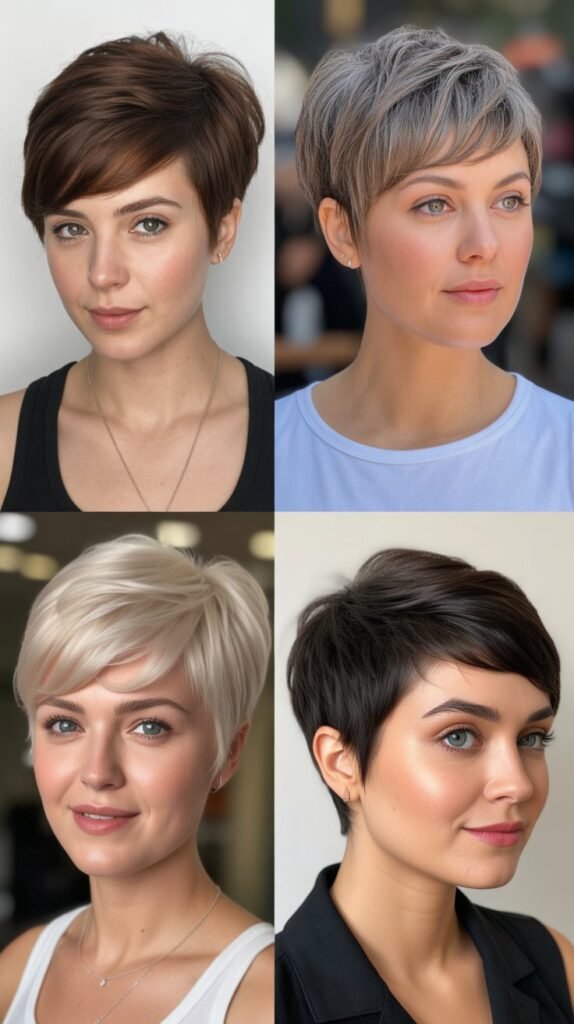
The classic layered pixie cut remains one of the most timeless and flattering short hairstyles for women of all ages.
This style features shorter sides and back with slightly longer layers on top, creating texture and dimension. The strategic layering adds movement and prevents the cut from appearing too severe or masculine.
Key Features:
- The top layers typically measure between 2 to 4 inches, allowing for versatile styling options
- Side sections are cut shorter to create a tapered effect that elongates the neck
- Face-framing pieces can be customized to soften angular features or add definition to round faces
- The crown area receives additional layering to create lift and volume
- Texture is achieved through point-cutting or razor techniques that remove bulk while maintaining density
Styling Benefits:
- Requires minimal styling time, making it perfect for busy lifestyles
- Can be styled sleek and polished for professional settings or tousled for casual occasions
- Works exceptionally well with fine to medium hair textures
- The layers create natural volume without requiring extensive product application
- Grows out gracefully, maintaining shape between salon visits
2. Textured Shaggy Bob
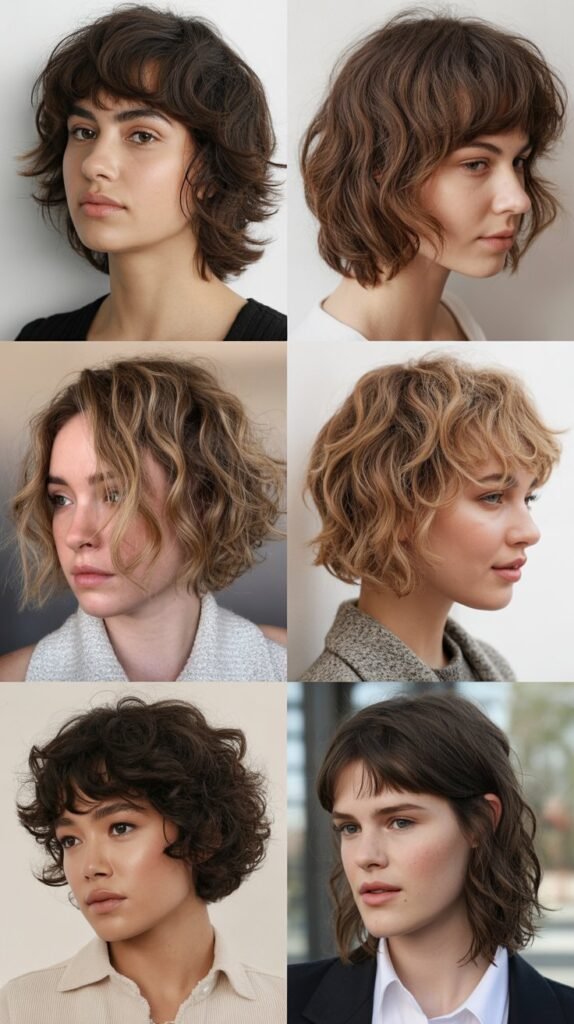
The textured shaggy bob brings a contemporary edge to traditional bob haircuts through choppy, irregular layers that create deliberate dishevelment.
This modern interpretation adds youthful energy and effortless coolness to short hair. The cut works by incorporating multiple layer lengths throughout, resulting in a piece-y, lived-in appearance.
Construction Details:
- The perimeter length typically falls between chin and shoulder level
- Interior layers are cut at varying lengths to create intentional disconnection
- Razoring techniques are frequently employed to soften edges and add texture
- The ends are deliberately jagged rather than blunt to enhance the shaggy aesthetic
- Fringe or bangs can be incorporated to complement the overall disheveled look
Maintenance Considerations:
- Regular trims every 6-8 weeks maintain the intended shape and prevent overgrowth
- Sea salt spray or texturizing products enhance the natural piece-y appearance
- Air-drying often produces the most authentic shaggy texture
- The style accommodates natural texture, making it ideal for wavy or slightly curly hair
- Color techniques like balayage or highlights add dimension to the layered structure
3. Feathered Layers for Fine Hair
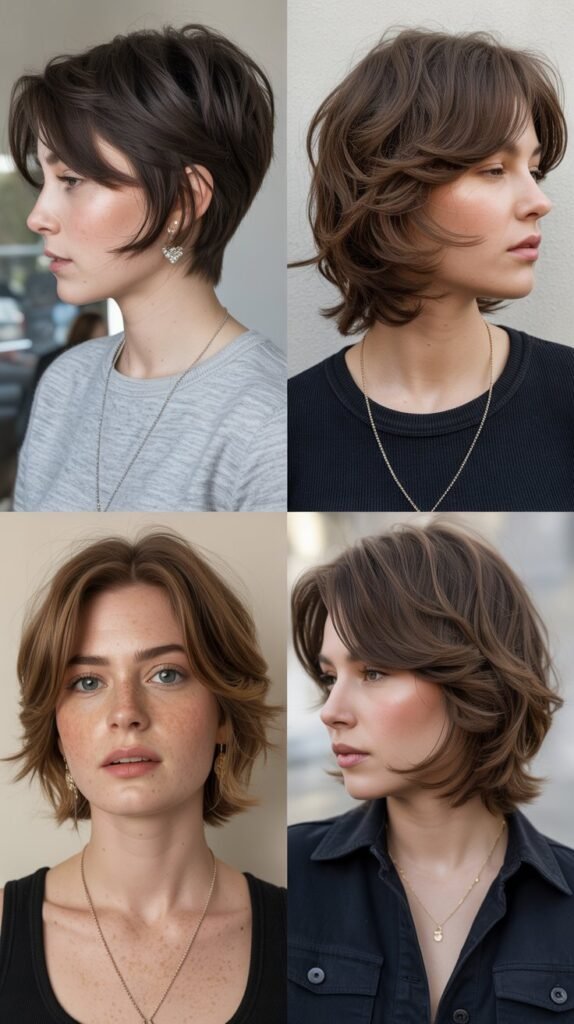
Feathered layers specifically designed for fine hair create the illusion of thickness and fullness through strategic cutting techniques.
This approach uses soft, wispy layers that blend seamlessly, adding movement without sacrificing precious volume. The feathering method involves cutting hair at slight angles to create delicate, tapered ends.
Technical Approach:
- Layers are cut with minimal graduation to avoid removing too much density
- The cutting angle creates a feather-like effect where strands taper naturally
- Crown layers are kept slightly longer to maintain maximum fullness at the top
- Point-cutting techniques refine the ends without creating harsh lines
- The overall length remains relatively consistent to preserve the appearance of thickness
Volume-Enhancing Strategies:
- Blow-drying with a round brush lifts roots and maximizes volume potential
- Lightweight volumizing products add body without weighing down delicate strands
- Strategic layering around the face creates the impression of fuller, thicker hair
- The feathered ends move freely, generating visual interest and dimension
- Color placement with highlights at the crown can further enhance the volumized effect
4. Asymmetrical Layered Bob
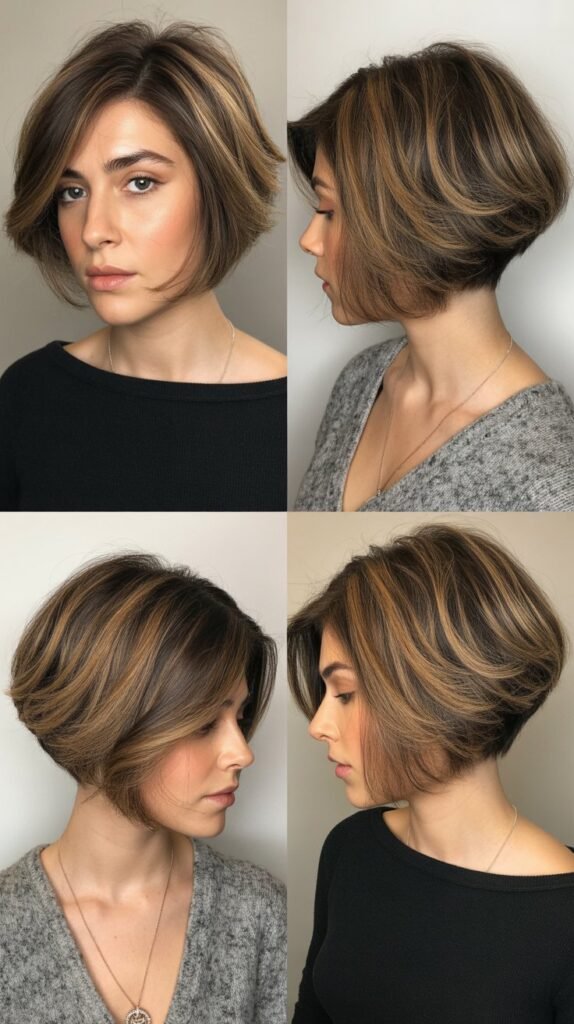
The asymmetrical layered bob makes a bold statement through its intentionally uneven lengths, combining edginess with sophistication.
One side is cut noticeably shorter than the other, creating dramatic angles and visual interest. Layers throughout add dimension and prevent the style from appearing too geometric or rigid.
Design Elements:
- The longer side typically extends to chin length or below, while the shorter side may reach ear level
- Internal layering softens the stark contrast between the two lengths
- The back section can be graduated or stacked for added volume and shape
- Face-framing layers on the longer side create flattering contours
- The asymmetry can be subtle or extreme depending on personal preference
Styling Versatility:
- The longer side can be tucked behind the ear to showcase the dramatic difference
- Straightening emphasizes the clean, architectural lines of the cut
- Adding waves or curls softens the angular appearance for a more romantic look
- The style works beautifully with both side and center parts
- Bold color choices or undercuts on the shorter side amplify the edgy aesthetic
5. Choppy Layers with Bangs
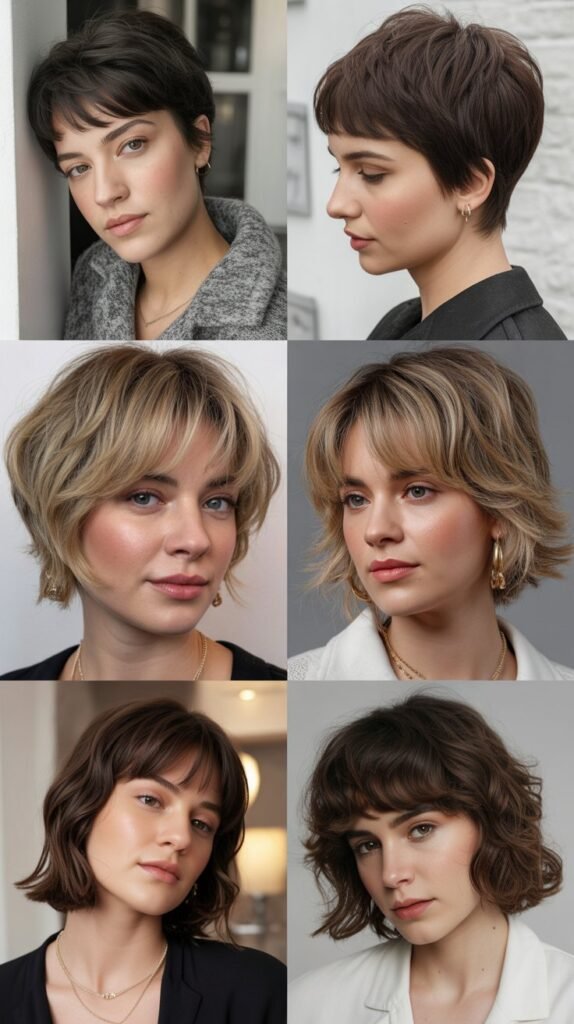
Choppy layers paired with bangs create a youthful, fashion-forward appearance that balances structure with texture.
The irregular, piece-y layers provide movement and dimension, while bangs add a focal point that frames the face. This combination works exceptionally well for creating a modern, editorial-inspired look.
Layer Construction:
- Choppy layers are created using slide-cutting or razoring techniques for irregular ends
- The layers vary significantly in length to create intentional disconnection
- Texture is concentrated throughout the mid-lengths and ends
- The overall silhouette maintains structure while appearing effortlessly undone
- Bang length and style can be customized to complement face shape
Bang Variations:
- Blunt bangs create a strong, graphic statement that contrasts with choppy layers
- Side-swept bangs offer a softer, more versatile framing option
- Wispy, textured bangs integrate seamlessly with the layered structure
- Curtain bangs provide a trendy, face-flattering alternative
- The combination requires regular bang trims between full haircuts to maintain optimal length
6. Stacked Layers at the Back
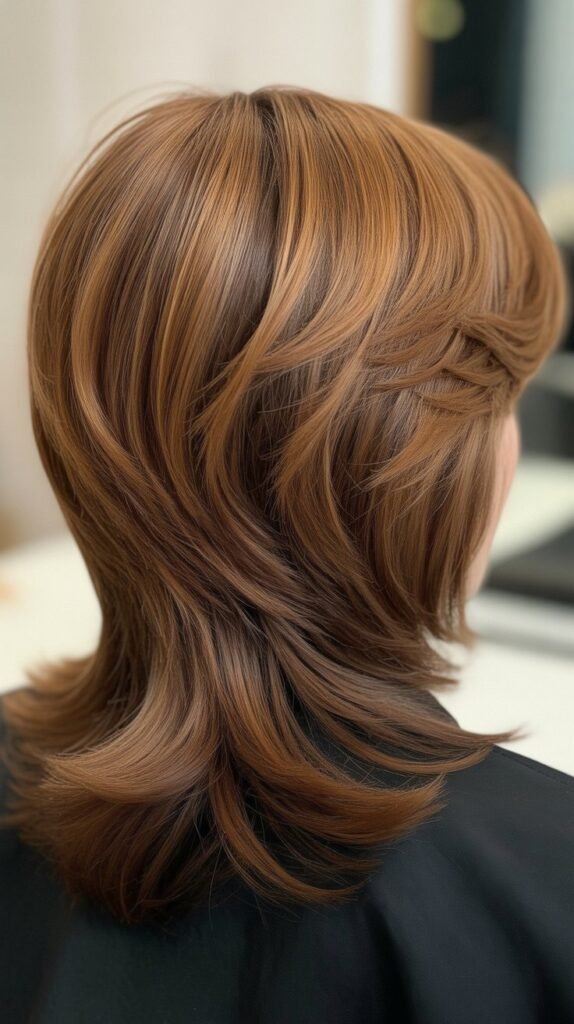
Stacked layers at the back create dramatic volume and a rounded silhouette that adds sophistication to short haircuts.
This technique involves cutting the back section in graduated layers that stack upon each other, with each layer slightly longer than the one beneath it. The result is a beautifully shaped back profile with enhanced fullness.
Structural Components:
- The shortest layers at the nape gradually increase in length toward the crown
- The stacking creates a curved, dome-like shape at the back of the head
- Weight is removed from the interior while maintaining density at the surface
- The technique adds significant height and volume to flat or fine hair
- Front and side sections can feature different layering techniques for balance
Shape Considerations:
- The rounded back complements angular face shapes by adding softness
- The stacked structure requires regular maintenance every 4-6 weeks to preserve shape
- Blow-drying techniques emphasize the stacked layers and enhance volume
- The cut works particularly well for women seeking a polished, professional appearance
- Color graduation following the stacked layers can emphasize the dimensional structure
7. Piece-y Layers for Thick Hair
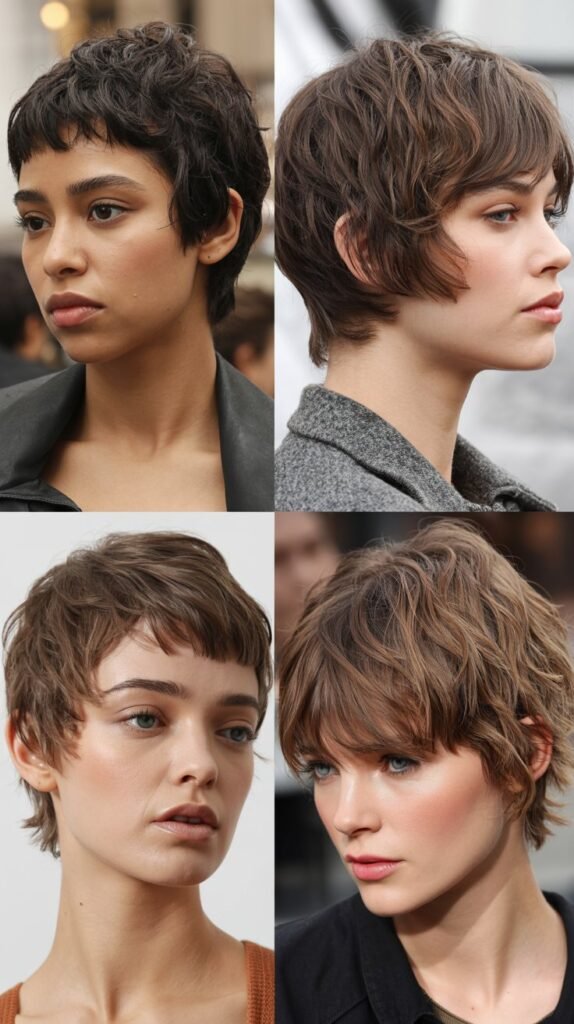
Piece-y layers designed for thick hair address the challenge of bulkiness while maintaining density where it matters.
This cutting approach removes interior weight through strategic layering, creating separation and movement without compromising the hair’s natural fullness. The result is a lighter, more manageable style that showcases texture.
Weight Removal Techniques:
- Deep point-cutting creates separation between sections, reducing visual heaviness
- Slide-cutting removes bulk from the interior without affecting the perimeter length
- Razoring thins out dense areas while creating soft, feathered edges
- Multiple layer lengths prevent the hair from appearing too uniform or blocky
- Strategic thinning around the face reduces overwhelming volume in that crucial area
Manageability Improvements:
- The piece-y texture allows thick hair to dry faster and style more easily
- Reduced bulk decreases styling time and product requirements
- The layers prevent the dreaded “triangle shape” common with thick, short hair
- Natural texture becomes an asset rather than a challenge to work against
- The cut maintains enough density to prevent thin or sparse appearance
8. Layered Pixie with Long Bangs
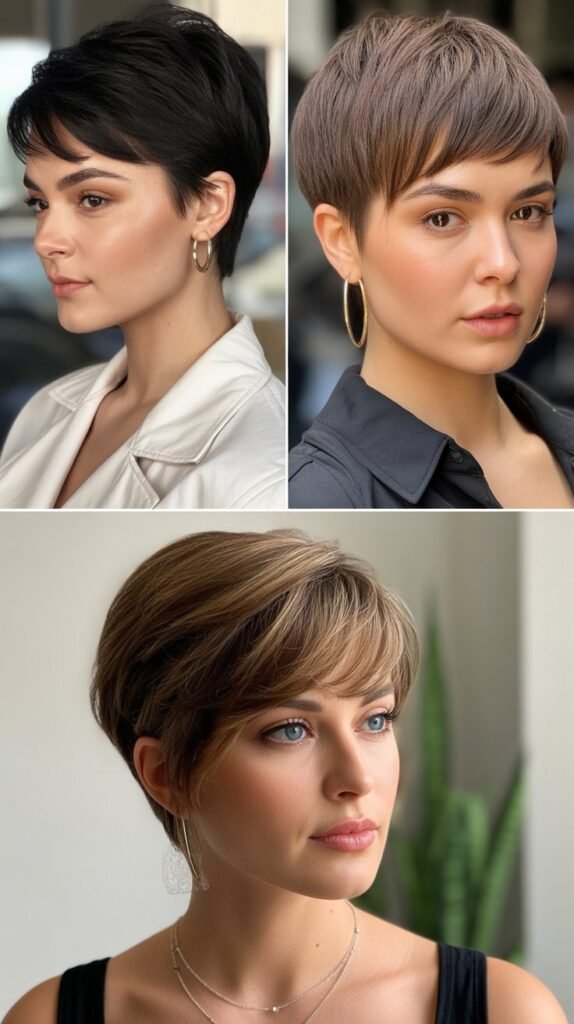
The layered pixie with long bangs combines the practicality of ultra-short hair with the femininity of extended face-framing pieces.
The longer bangs create a striking contrast against the cropped sides and back, offering styling versatility and a softer overall appearance. This style beautifully balances edgy and elegant elements.
Proportional Elements:
- Side and back sections are cut very short, typically between 1-2 inches
- The top section features layered texture for volume and movement
- Bangs extend significantly longer, often reaching eyebrow length or below
- The transition between short and long sections is carefully blended
- Face-framing layers connect the bangs to the overall structure
Styling Options:
- Long bangs can be swept dramatically across the forehead for a glamorous look
- Side-parting creates asymmetry and adds visual interest
- The bangs can be pinned back for a completely different appearance
- Styling products add definition to the longer pieces while controlling shorter sections
- The contrast between lengths makes this cut particularly photogenic and striking
9. Soft Layered Lob
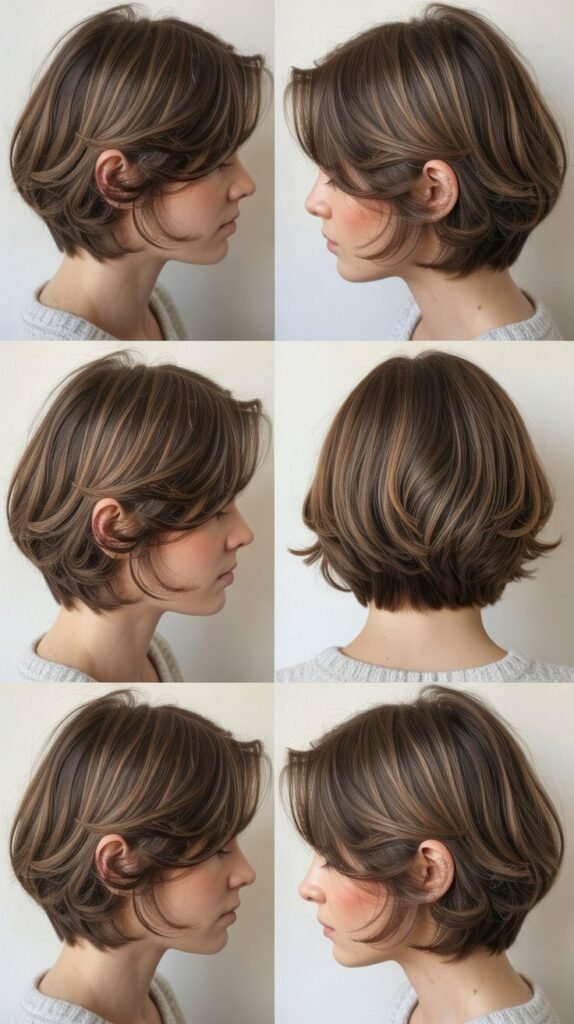
The soft layered lob (long bob) represents the perfect middle ground between short and medium length, offering versatility through gentle, blended layers.
This style typically falls between chin and collarbone length, with layers that create subtle movement rather than dramatic texture. The softness comes from seamless blending and minimal disconnection.
- Layers are cut with minimal graduation to maintain a cohesive, unified appearance
- The longest layers frame the face while shorter interior layers add body
- Ends are often point-cut or softly textured rather than heavily choppy
- The overall silhouette remains relatively uniform without stark length differences
- Face-framing layers begin near the cheekbone or chin for subtle definition
Versatile Styling:
- The length accommodates various styling techniques from straight to wavy
- Can be worn sleek and professional or tousled for casual elegance
- The soft layers enhance natural texture without requiring extensive manipulation
- Works beautifully with all face shapes due to its balanced proportions
- Transitions seamlessly between hair growth stages, reducing the need for frequent trims
10. Undercut with Layered Top
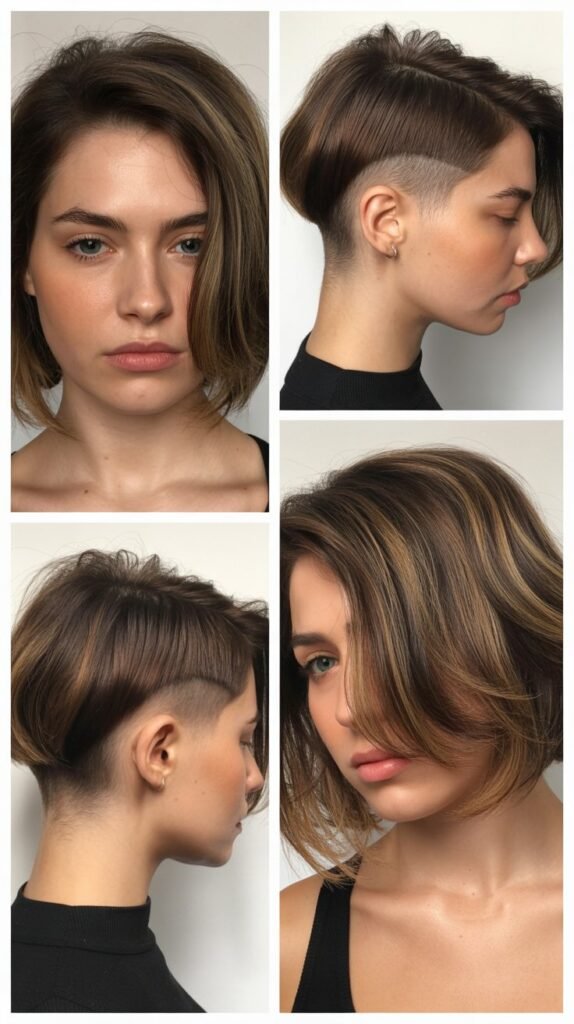
The undercut with layered top creates dramatic contrast through extreme length differences, pairing closely shaved or buzzed sides and back with a fuller, layered top section.
This bold style makes a strong statement while offering surprising versatility in how the top is styled. The stark contrast emphasizes the textured layers above.
Structural Contrast:
- Sides and back are clipper-cut to very short lengths, often using guards #1-4
- The top section retains significantly more length, typically 3-6 inches
- Clear demarcation exists between the undercut and the layered top portion
- Internal layering in the top section creates texture and styling flexibility
- The contrast can be subtle with a gradual fade or dramatic with a hard line
Top Section Styling:
- The layered top can be slicked back for a polished, professional appearance
- Messy, textured styling creates an edgy, contemporary look
- The length allows for various directions including forward, back, or to the side
- Strong hold products maintain structure and definition throughout the day
- The undercut significantly reduces overall styling time and heat exposure
11. Graduated Layers for Volume
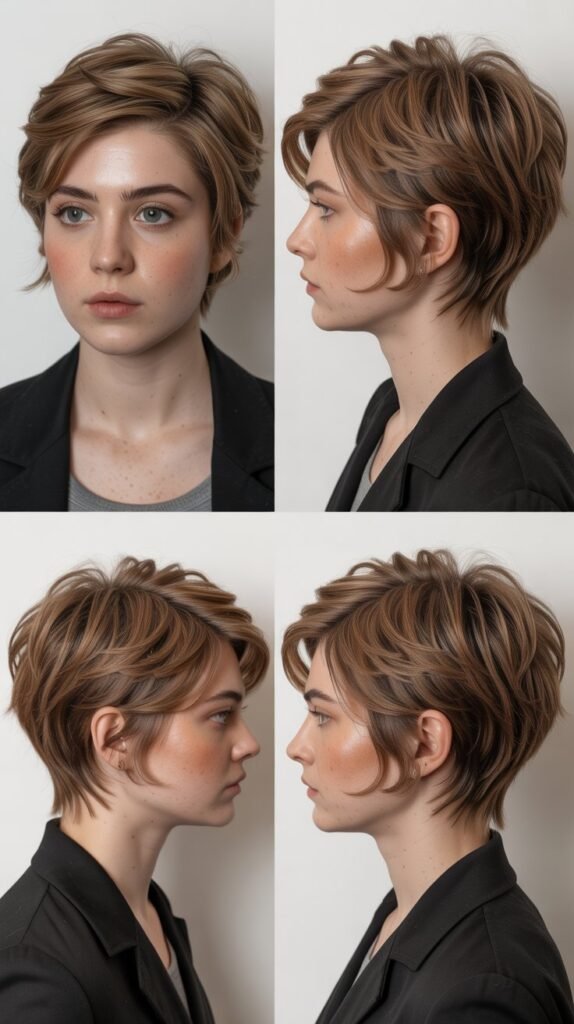
Graduated layers specifically engineered for volume utilize precise cutting angles that stack hair in a way that maximizes fullness and lift.
This technique creates a pyramid-like structure where each successive layer is slightly longer, building upon the foundation below. The result is impressive volume, particularly at the crown and back.
Volume-Building Technique:
- The shortest layers at the crown area create lift at the hair’s highest point
- Each subsequent layer increases in length as it moves down the head
- The graduation angle determines the amount of volume created
- Strategic elevation during cutting ensures layers fall in a volume-enhancing pattern
- The technique works particularly well for fine or aging hair lacking natural body
Maximizing Fullness:
- Blow-drying with proper technique amplifies the volume built into the cut
- Root-lifting products applied at the crown enhance the graduated structure
- The cut maintains volume even as hair grows, extending time between appointments
- Back-combing at the roots further emphasizes the volumized shape
- The graduated structure creates the illusion of thicker, denser hair
12. Side-Swept Layers
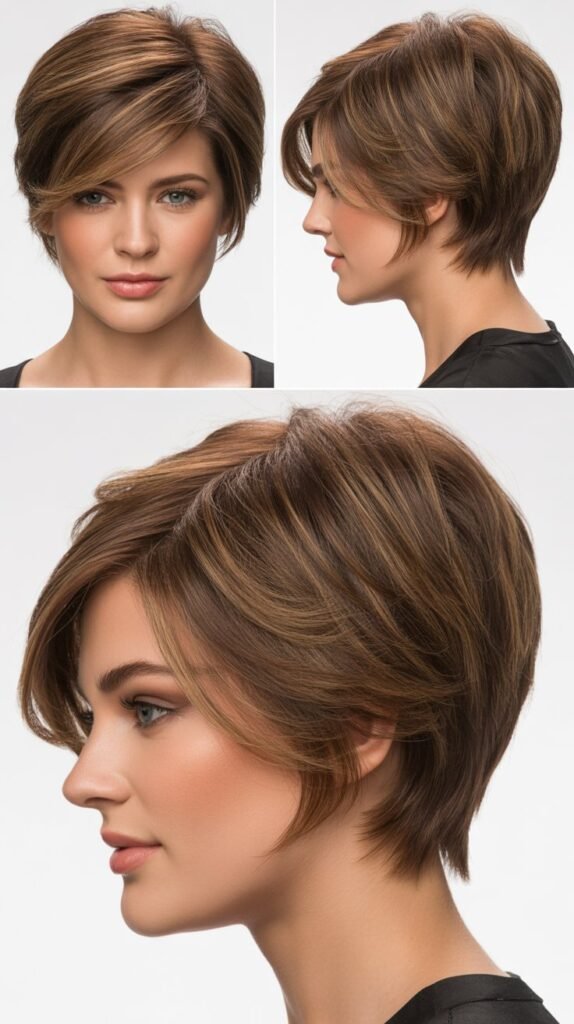
Side-swept layers create movement and asymmetry through directional cutting that encourages hair to fall naturally to one side.
This approach adds dimension and visual interest while flattering most face shapes. The layers are strategically placed to enhance the side-swept direction and create a flowing, dynamic appearance.
Directional Design:
- Layers are cut with consideration for the hair’s natural growth patterns and intended direction
- A deep side part establishes the foundation for the sweeping motion
- Face-framing layers on the heavier side create elegant curves as they fall forward
- The shorter side may feature minimal layering to maintain clean lines
- Internal layers support the directional flow without disrupting the surface appearance
Styling Requirements:
- Blow-drying in the intended direction reinforces the side-swept pattern
- Smoothing products help maintain sleek lines along the swept sections
- The style works particularly well with hair that has natural movement or wave
- Regular repositioning of the part maintains the dramatic side-swept effect
- The asymmetrical appearance creates visual interest without permanent commitment
13. Layered Crop with Texture
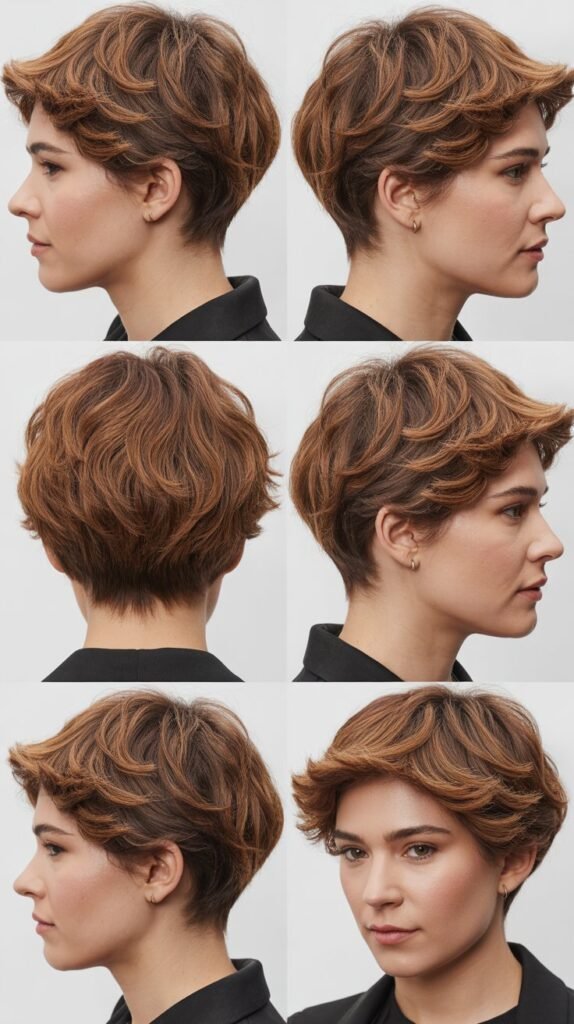
The layered crop with texture delivers a contemporary, fashion-forward aesthetic through ultra-short length combined with deliberately enhanced texture.
This style keeps hair very close to the head while using layering techniques to create dimension and visual interest. The texture prevents the crop from appearing too severe or masculine.
Texture Creation Methods:
- Razoring creates soft, irregular edges that enhance natural texture
- Point-cutting adds separation between sections for a piece-y appearance
- Slide-cutting removes weight while maintaining surface texture
- Choppy layers throughout create intentional imperfection
- The crown area receives additional texturizing for lift and interest
Style Characteristics:
- The overall length typically measures between 1-3 inches throughout
- Product application is essential to define and enhance the textured layers
- The cut works beautifully with naturally textured or wavy hair types
- Minimal styling time makes this ideal for low-maintenance lifestyles
- The androgynous aesthetic appeals to those seeking a bold, modern look
14. Face-Framing Layers
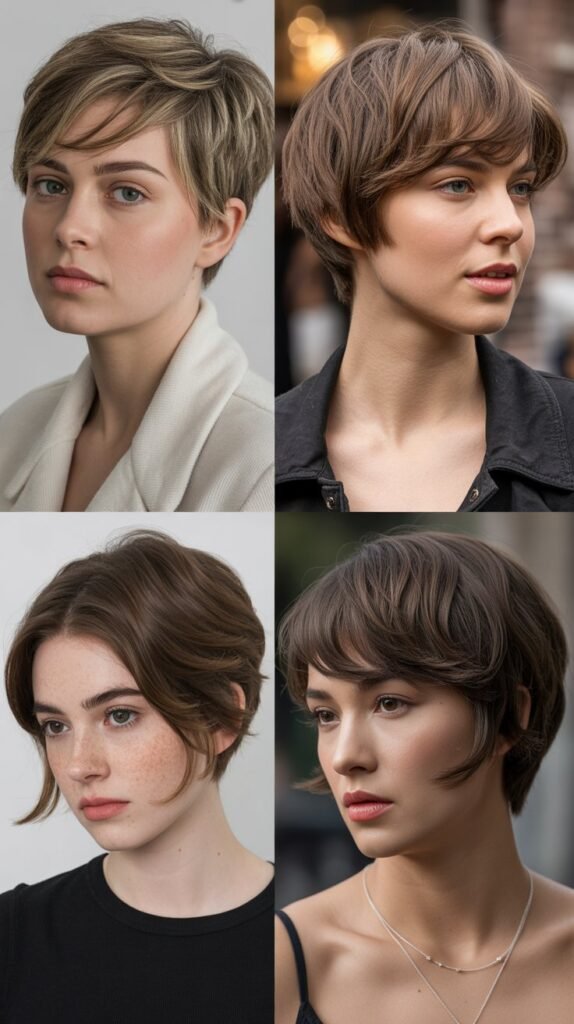
Face-framing layers strategically placed around the perimeter create flattering contours that highlight facial features and soften or define face shapes.
These layers are carefully customized based on individual features, with lengths and angles adjusted to enhance natural beauty. The technique draws attention to the eyes and cheekbones while creating movement.
Customization Approach:
- Layers begin at varying points depending on desired emphasis—cheekbone, jawline, or chin
- Angular face shapes benefit from softer, longer face-framing pieces that add curves
- Round faces are complemented by layers that create vertical lines and length
- The face-framing sections are cut separately from the interior layers for precision
- Length and angle adjustments accommodate features like high cheekbones or strong jawlines
Flattering Effects:
- Properly placed face-framing layers can make faces appear slimmer or more balanced
- The layers draw the eye inward toward the center of the face
- Movement around the face creates a softening, feminine effect
- The technique works with various interior layer structures and overall lengths
- Face-framing layers can be adjusted at each appointment as face shapes change with age
15. Razored Layers for Movement
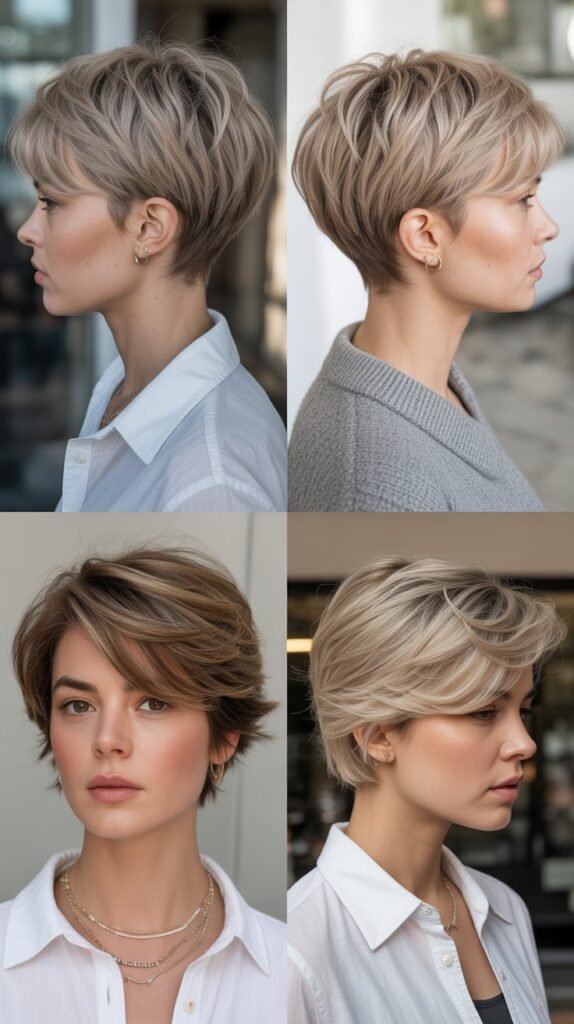
Razored layers create exceptional movement and fluidity through a specific cutting technique that uses a straight razor instead of scissors.
This method produces softer, feathered edges that move more freely than scissor-cut layers. The razoring removes weight while creating texture, resulting in hair that appears to flow naturally with minimal styling.
Razor Cutting Technique:
- A straight razor is used at angles to slice through hair rather than blunt-cutting
- The technique creates tapered ends that are thinner than their base
- Weight removal occurs throughout the hair shaft, not just at the ends
- The razoring produces a softer, more organic edge than scissor cutting
- Multiple passes with the razor can create increasingly dramatic texture
Movement Benefits:
- The feathered ends move independently, creating a flowing, kinetic appearance
- Hair styled with razored layers appears to have more natural sway and bounce
- The technique is particularly effective for thick hair that needs weight removal
- Razored layers enhance natural wave or curl patterns
- The movement reduces the styled appearance, creating an effortless aesthetic
16. Crown Layers for Lift
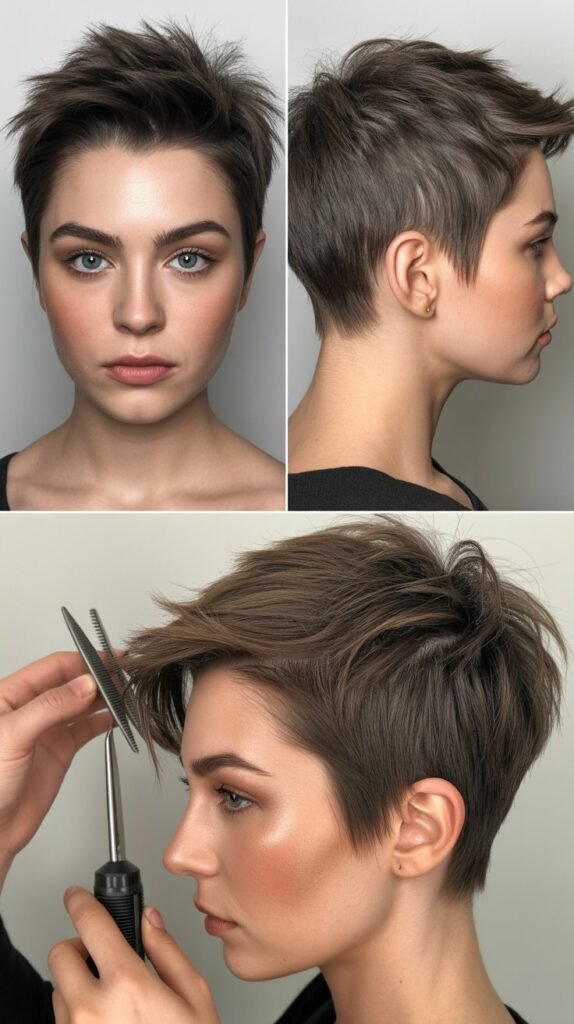
Crown layers specifically designed for lift address the common concern of flat hair at the top of the head.
This strategic layering technique focuses on creating shorter layers precisely at the crown area, which naturally lifts away from the scalp when styled. The result is impressive height and volume where it’s most visible and impactful.
Strategic Layer Placement:
- The shortest layers are positioned at the exact crown point of the head
- Surrounding layers gradually increase in length to create smooth transitions
- The crown layers typically measure 2-3 inches to achieve optimal lift
- Elevation during cutting ensures the layers will naturally stand away from the scalp
- The technique avoids creating a choppy or disconnected appearance at the crown
Lift Maximization:
- Blow-drying crown layers in an upward direction while they’re damp maximizes height
- Root-lifting products or volumizing mousses enhance the natural lift
- Round brush styling at the crown creates additional volume and smoothness
- The lifted crown balances the overall proportions of short haircuts
- Teasing or back-combing at the crown further amplifies the volume for special occasions
17. Layered A-Line Bob
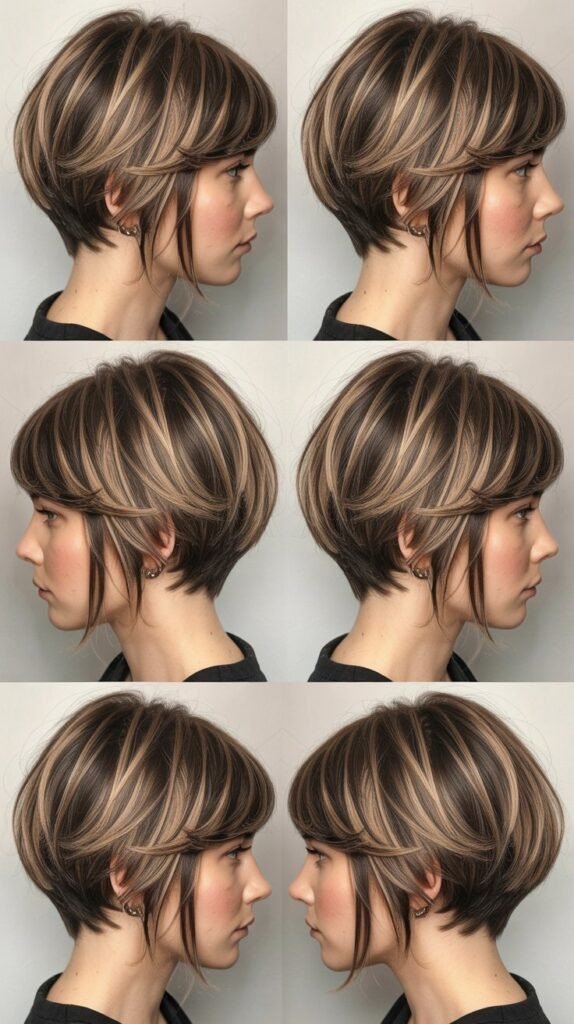
The layered A-line bob features a distinctive graduated silhouette where the front is longer than the back, creating an angular, forward-sloping profile.
Adding layers throughout this structure introduces movement and dimension while maintaining the characteristic A-line shape. This style combines classic elegance with contemporary texture.
A-Line Architecture:
- The perimeter gradually increases in length from back to front
- The back may be stacked or graduated for additional volume and shape
- Front sections typically reach chin length or slightly below
- The angle can be subtle or dramatic depending on preference
- Internal layers are strategically placed to maintain the A-line integrity
Layer Integration:
- Interior layers add body without disrupting the external A-line shape
- Point-cutting at the ends softens the line while maintaining length
- The layers prevent the style from appearing too heavy or triangular
- Face-framing layers at the front enhance the elongating effect
- The combination creates movement while preserving the structured silhouette
18. Wispy Layers Throughout
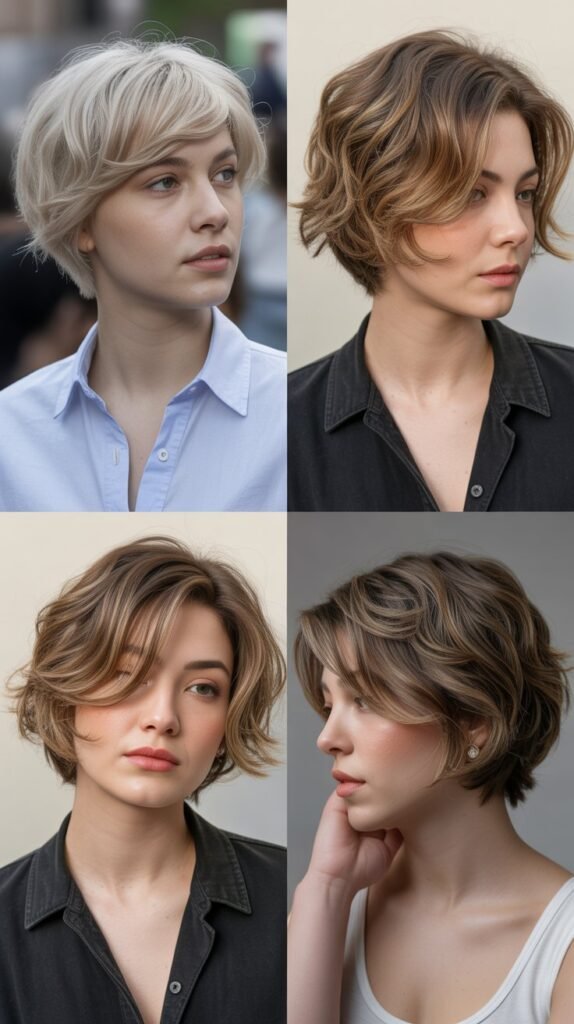
Wispy layers throughout create an ultra-feminine, delicate appearance characterized by soft, feathered ends and intentional lightness.
This approach uses fine layering techniques to reduce density while creating an airy, almost ethereal quality. The wispy effect makes hair appear softer and more touchable while reducing visual weight.
Wispy Texture Creation:
- Point-cutting creates irregularity at the ends that produces the wispy effect
- Thinning shears may be used sparingly to reduce density without creating harsh lines
- Razor techniques can create the soft, tapered ends characteristic of wispy layers
- The layers are typically numerous but subtle, creating cumulative softness
- Ends are intentionally thinned to achieve the delicate, piece-y appearance
Aesthetic Qualities:
- The wispy layers create a romantic, softer alternative to choppy or blunt cuts
- This technique works particularly well for fine to medium hair textures
- The delicate ends catch light differently, creating dimensional interest
- Minimal product application maintains the lightweight, airy quality
- The wispy effect softens facial features and creates a youthful appearance
19. Disconnected Layers
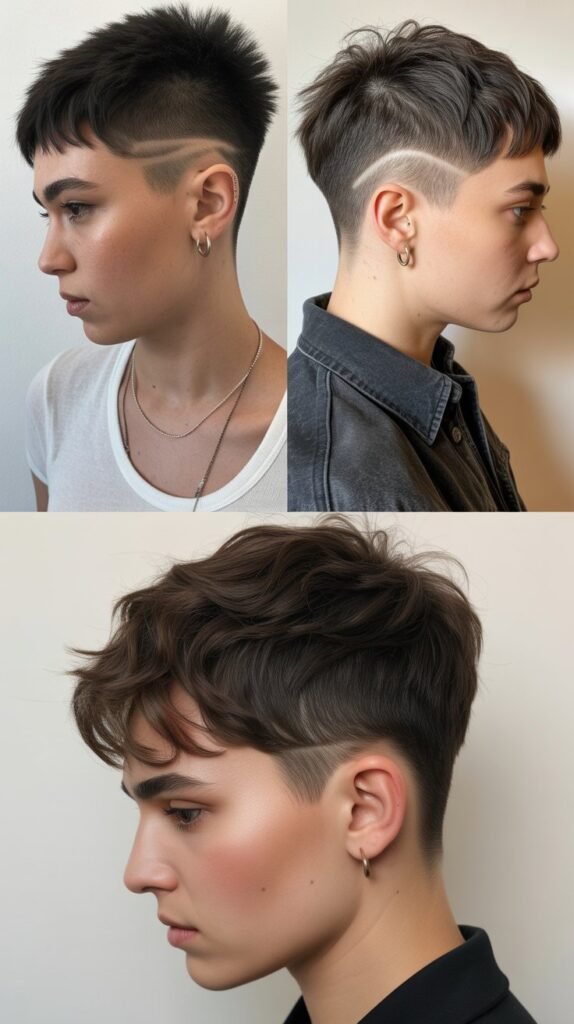
Disconnected layers feature intentional gaps in length between different sections, creating a modern, edgy aesthetic through deliberate contrast.
Unlike traditional blended layers, disconnected layers maintain distinct separation, with clearly visible differences between layer lengths. This technique produces a bold, fashion-forward appearance with strong graphic qualities.
Disconnection Technique:
- Sections are cut at significantly different lengths without blending transitions
- The contrast between layers is emphasized rather than minimized
- Top layers may be substantially shorter or longer than underlying sections
- The technique creates a piece-y, separated appearance with visible demarcation
- Disconnected layers work particularly well with straight hair that showcases the contrast
Bold Styling:
- The separation between layers is accentuated through styling products and techniques
- Texture products define individual sections and enhance disconnection
- The style makes a strong statement suitable for creative or fashion-forward individuals
- Color contrast between disconnected sections amplifies the graphic effect
- The intentional imperfection creates an avant-garde, editorial appearance
20. Tapered Layers at the Nape
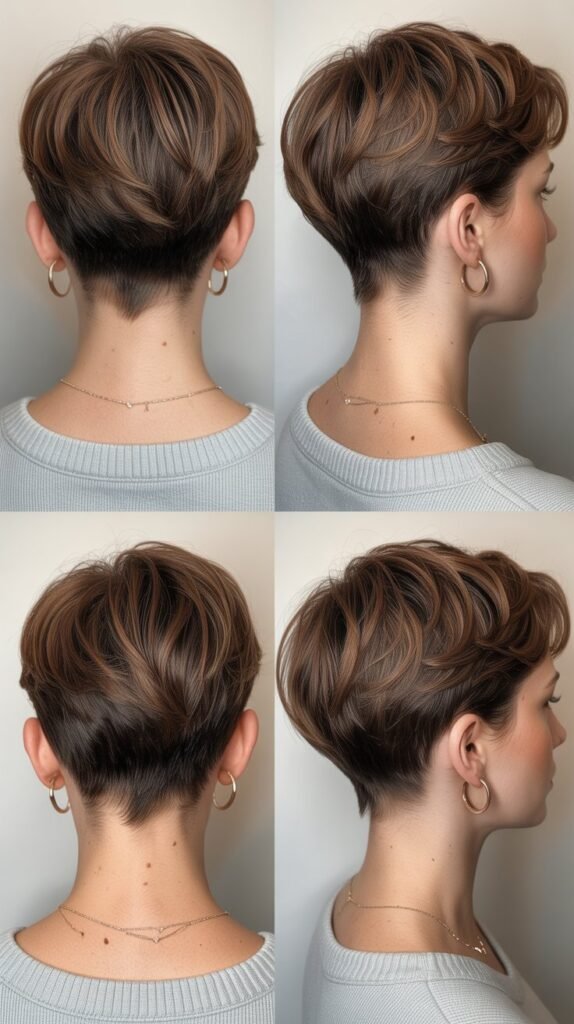
Tapered layers at the nape create a refined, polished finish to short haircuts by gradually decreasing length toward the neckline.
This technique produces a clean, elegant back profile while adding sophistication to the overall style. The tapering creates a smooth transition from the main body of hair to the neckline.
Tapering Mechanics:
- The nape area is cut progressively shorter as it approaches the hairline
- Clippers or scissors create the graduated taper depending on desired precision
- The transition from longer layers to the tapered nape is carefully blended
- The technique can be subtle for a natural look or more pronounced for definition
- Proper tapering eliminates bulk at the nape while maintaining shape
Neckline Refinement:
- The tapered nape creates a clean, finished appearance viewed from behind
- This technique is particularly flattering for showcasing the neck and shoulders
- Regular maintenance of the taper extends the fresh-from-the-salon appearance
- The refined nape complements both professional and casual styling
- Tapering works with various hair types and overall cut structures
21. Layered Pixie with Undercut
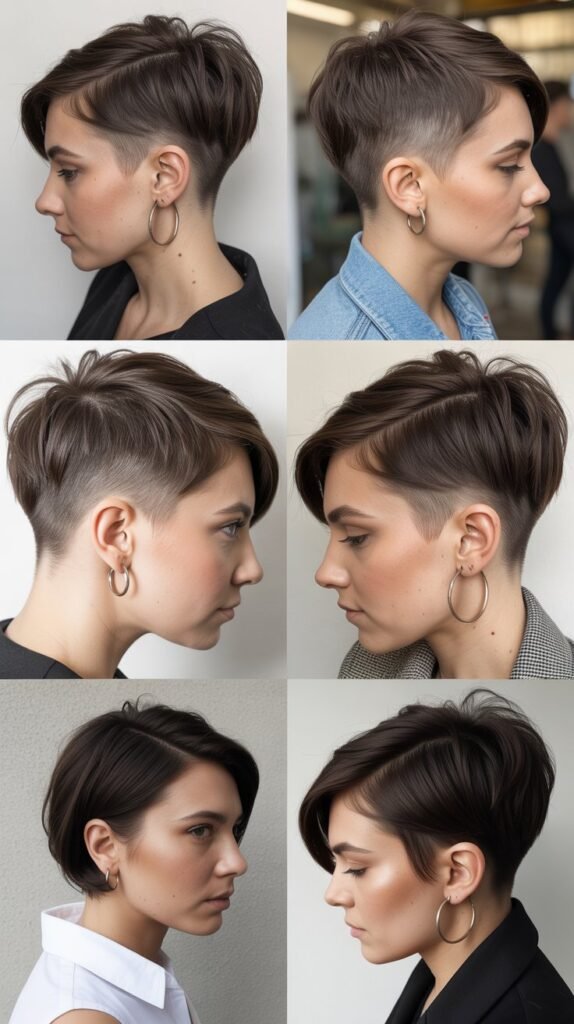
The layered pixie with undercut combines the textured volume of a pixie cut with the edgy contrast of shaved or closely cropped sides and back.
This hybrid style offers dramatic dimension through the juxtaposition of very short and longer sections. The layered top provides styling versatility while the undercut reduces bulk and adds contemporary edge.
Hybrid Construction:
- The undercut section is typically clipper-cut to very short lengths
- The top section features multiple layers for texture and volume
- Clear delineation exists between the undercut and the longer pixie portion
- The layered top can range from 2-5 inches depending on desired drama
- Transition zones can be blended or kept sharp for different aesthetic effects
Styling Dynamics:
- The undercut significantly reduces overall styling time and heat damage
- The layered top can be styled in numerous directions and textures
- The contrast between sections creates visual interest from all angles
- Maintenance involves regular undercut trims to preserve the contrast
- The style allows for creative design elements or patterns in the undercut section
22. Soft Layers for Mature Hair
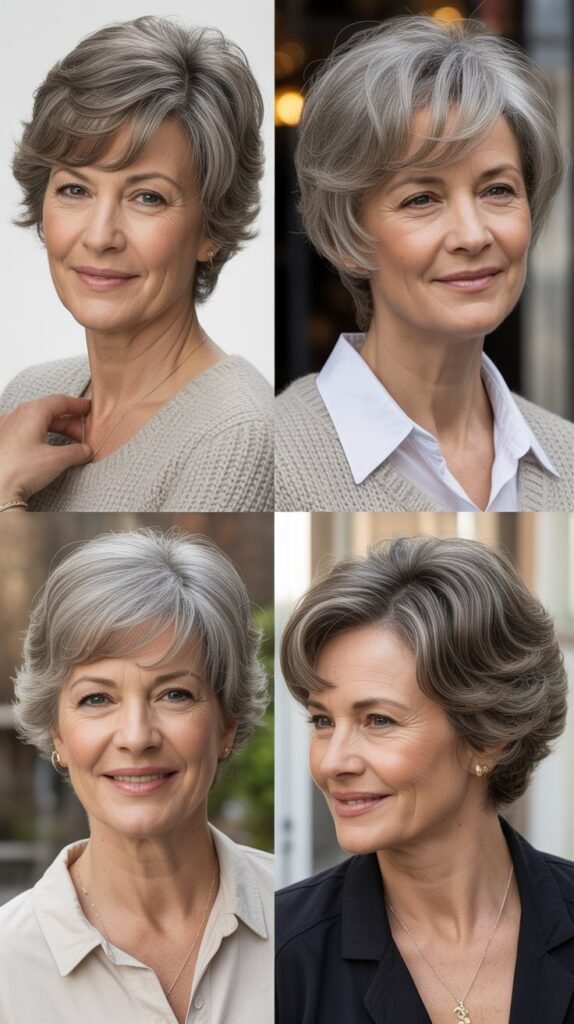
Soft layers designed specifically for mature hair address age-related changes in texture, density, and volume while creating a flattering, youthful appearance.
This approach uses gentle layering that adds body without removing necessary density, strategically placed to counteract thinning patterns. The softness comes from seamless blending and consideration for hair’s changing characteristics.
Age-Appropriate Considerations:
- Layers are cut conservatively to maintain maximum density where hair is thinning
- Crown layers add lift to areas where hair tends to flatten with age
- Face-framing layers are strategically placed to soften and flatter mature features
- The overall length is chosen to optimize volume without appearing age-inappropriate
- Blending techniques create seamless transitions without harsh lines
Flattering Characteristics:
- Soft layers create movement that adds vitality to aging hair
- The technique accommodates changing hair texture from coarse to fine
- Strategic layering can minimize the appearance of thinning areas
- The style balances sophistication with modern relevance
- Proper layering makes styling easier as hair becomes more difficult to manage with age
23. Choppy Layers with Side Part
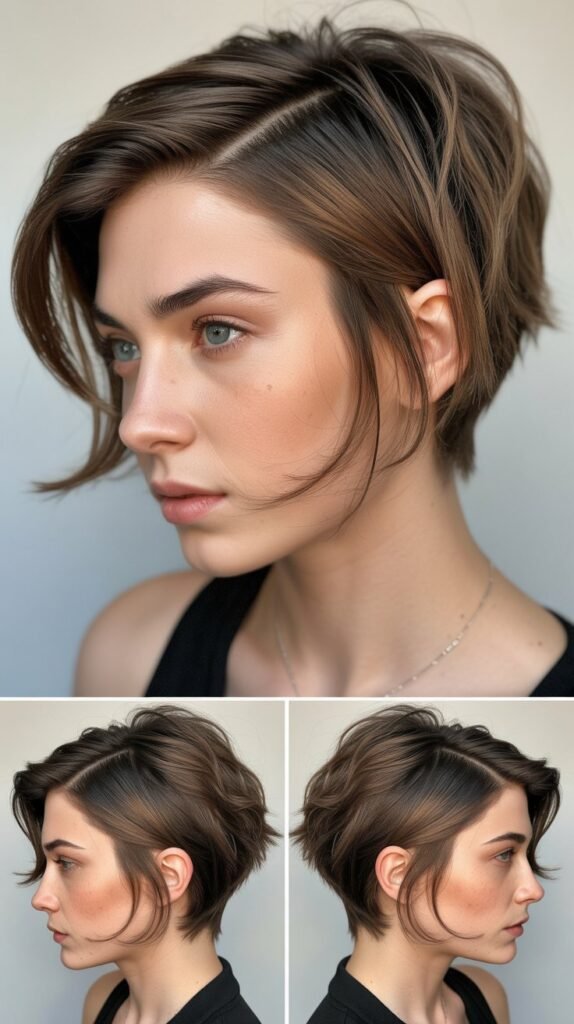
Choppy layers with a side part combine textured, piece-y layers with the classic elegance of a deep side parting.
This pairing creates interesting contrast—the structured part provides definition while the choppy layers add contemporary edge and movement. The combination works exceptionally well for short to medium-short lengths.
Structural Elements:
- The deep side part creates a clear division that adds visual interest
- Choppy layers on both sides of the part maintain texture and dimension
- The heavier side features more substantial volume and movement
- The lighter side may be tucked behind the ear or styled close to the head
- Point-cutting and texturizing techniques create the intentionally uneven layers
Style Composition:
- The side part adds a touch of vintage glamour to the modern choppy texture
- Hair naturally sweeps across the forehead from the deeper part
- The contrast between the structured part and messy layers creates balanced interest
- Styling products define the choppy pieces while maintaining the clean part line
- The look transitions easily from polished professional to casually tousled
24. Rounded Layers for Fullness
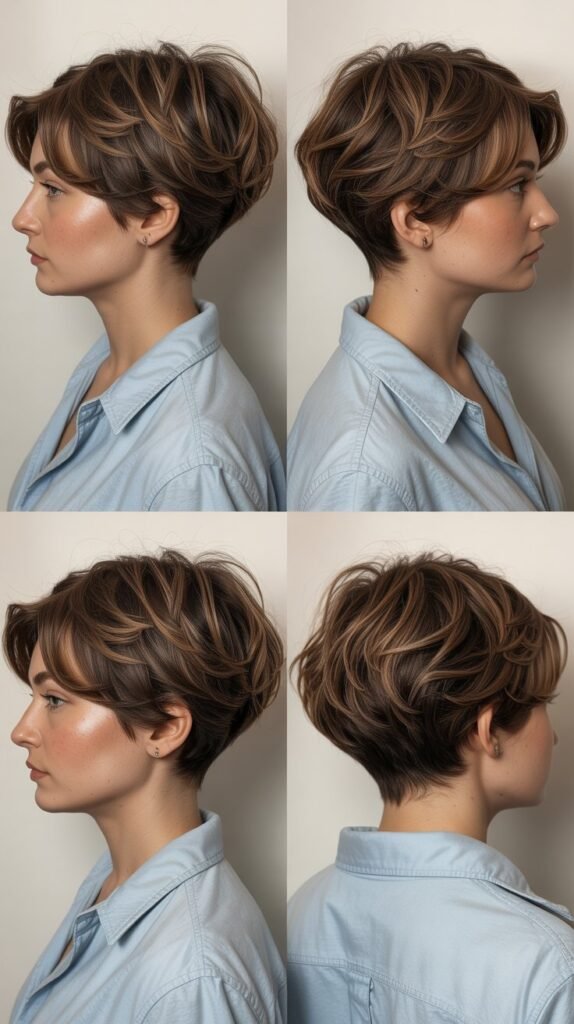
Rounded layers engineered for fullness create a dome-like silhouette that maximizes volume and creates a soft, feminine shape.
This technique involves cutting layers in a curved pattern that follows the natural contour of the head, with lengths carefully calculated to build upon each other. The result is impressive fullness with a polished, intentional appearance.
Rounded Cutting Pattern:
- Layers follow the natural curvature of the head rather than falling straight
- The cutting creates a convex shape that appears full and rounded
- Each layer is precisely calibrated to support the layers above it
- The technique builds maximum volume at the crown and sides
- The rounded pattern creates a soft, approachable appearance
Fullness Optimization:
- The curved layer pattern naturally creates space between strands for volume
- Blow-drying emphasizes the rounded shape and maximizes fullness
- The style works particularly well for fine hair lacking natural body
- The fullness remains visible and intentional rather than appearing teased or forced
- The rounded silhouette complements most face shapes by adding softness
25. Layered Bob with Curved Ends
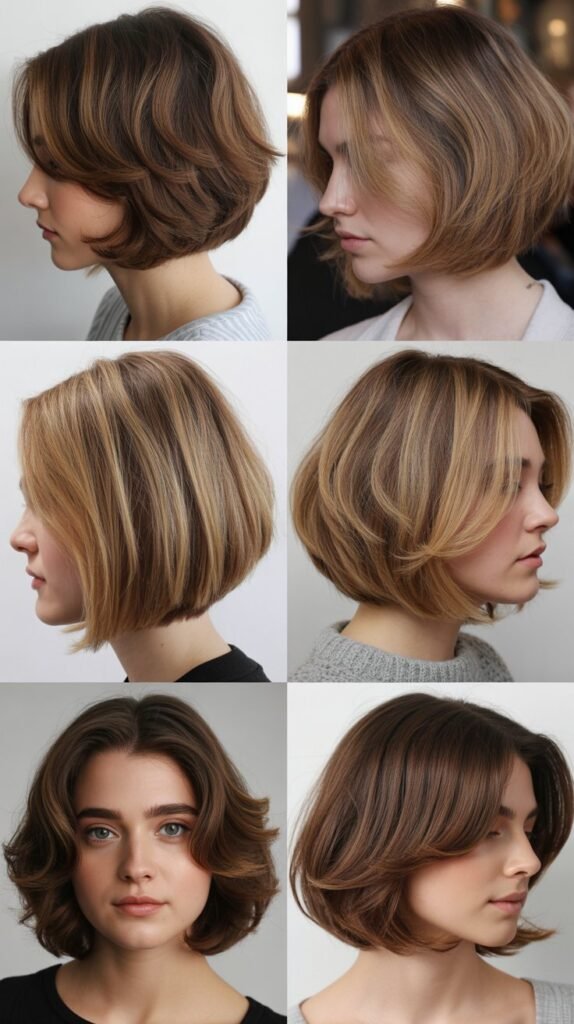
The layered bob with curved ends features internal layering combined with a distinctive rounded perimeter that curves gently under or outward.
This style blends the structure of a classic bob with softer, more organic lines. The curved ends can be styled to flip inward for polish or outward for playfulness, while layers add dimension throughout.
Curve Creation:
- The perimeter is cut with consideration for how ends naturally want to move
- Internal layers add body that supports the curved end shape
- Round brush blow-drying creates and emphasizes the curve direction
- The ends can curve inward toward the face or outward away from it
- Strategic layering ensures the curve remains consistent around the entire perimeter
Styling Versatility:
- Inward curves create a polished, sophisticated appearance ideal for professional settings
- Outward flips add youthful energy and vintage-inspired charm
- The curved ends can be straightened for a sleeker, more modern interpretation
- Hot tools like curling irons or flat irons help establish and maintain the curve
- The style references classic bob aesthetics while incorporating contemporary layering
26. Micro Layers Throughout
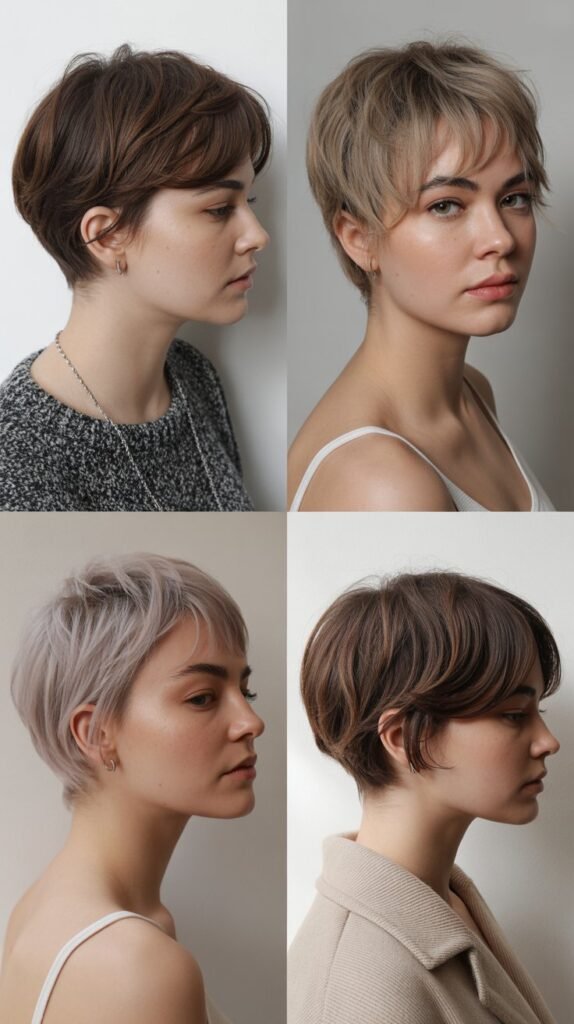
Micro layers throughout the hair incorporate numerous subtle layers with minimal length variation between them.
This technique creates dimension and movement through cumulative effect rather than dramatic contrast. The micro layering approach adds interest and texture while maintaining a cohesive, unified appearance with no obvious disconnection.
Fine Layer Execution:
- Layers are cut with very small increments of length difference
- The technique requires precision to create the subtle gradations
- Numerous layers work together to create gentle dimension
- The cumulative effect produces movement without obvious separation
- Blending is seamless with no clear demarcation between layer lengths
Subtle Enhancement:
- The micro layers catch light subtly, creating soft dimensional interest
- This approach works excellently for those wanting movement without dramatic texture
- The technique is particularly effective for fine to medium hair textures
- Natural hair movement is enhanced without looking heavily layered or choppy
- The style maintains a polished appearance while avoiding flatness
27. Layered Cut with Volume at Crown
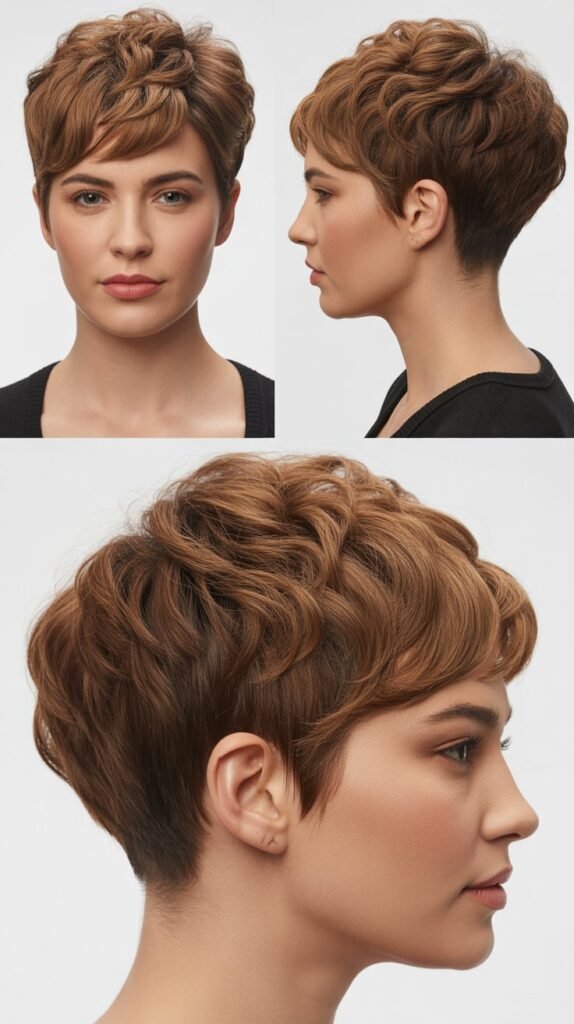
A layered cut specifically emphasizing volume at the crown addresses one of the most common hair concerns—flatness at the top of the head.
This design concentrates shorter, strategic layers at the crown while appropriately layering the remainder of the hair. The focused approach creates impressive height where it’s most impactful and visible.
Crown-Focused Design:
- The crown area receives the shortest layers to maximize lift potential
- Layers radiate outward from the crown point, gradually increasing in length
- The cutting elevation ensures layers will stand away from the scalp when styled
- Surrounding areas are layered to complement and balance the crown volume
- The technique creates a focal point of height at the most visible area
Height Maximization:
- Blow-drying with targeted airflow at the crown amplifies natural lift
- Volumizing products concentrated at the roots enhance the crown layers
- The height creates favorable proportions for the overall hairstyle
- The lifted crown draws the eye upward, creating a lengthening effect
- Back-combing at the crown provides additional height for special occasions
28. Layered Shag with Bangs
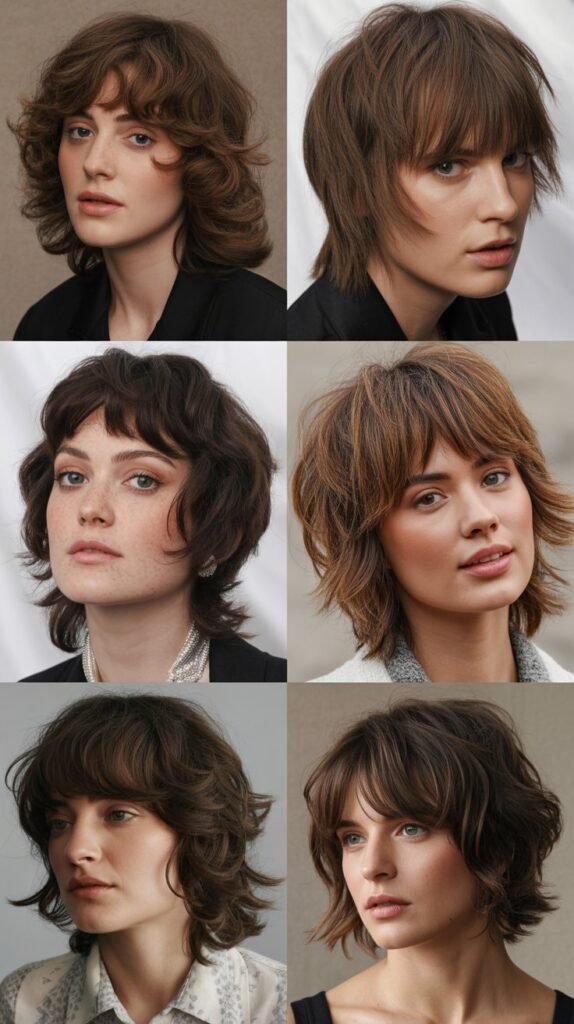
The layered shag with bangs revives a classic style with contemporary updates, featuring multiple choppy layers throughout combined with various bang options.
This combination creates maximum texture, movement, and retro-inspired cool. The shag’s deliberately messy aesthetic pairs perfectly with bangs that can be styled straight, side-swept, or wispy.
Shag Characteristics:
- Multiple layers throughout create the signature shaggy, piece-y texture
- The layers are irregularly cut to enhance the deliberately disheveled appearance
- Razoring techniques add additional texture and reduce weight
- The overall silhouette is full and rounded with significant movement
- Face-framing layers are particularly emphasized in the shag structure
Bang Integration:
- Straight-across bangs add to the retro, rock-inspired aesthetic
- Curtain bangs create a softer, more contemporary interpretation
- Wispy, textured bangs integrate seamlessly with the layered structure
- The bangs add another dimensional element to the already textured cut
- Regular bang maintenance between full haircuts keeps the style looking intentional
29. Graduated Bob with Layers
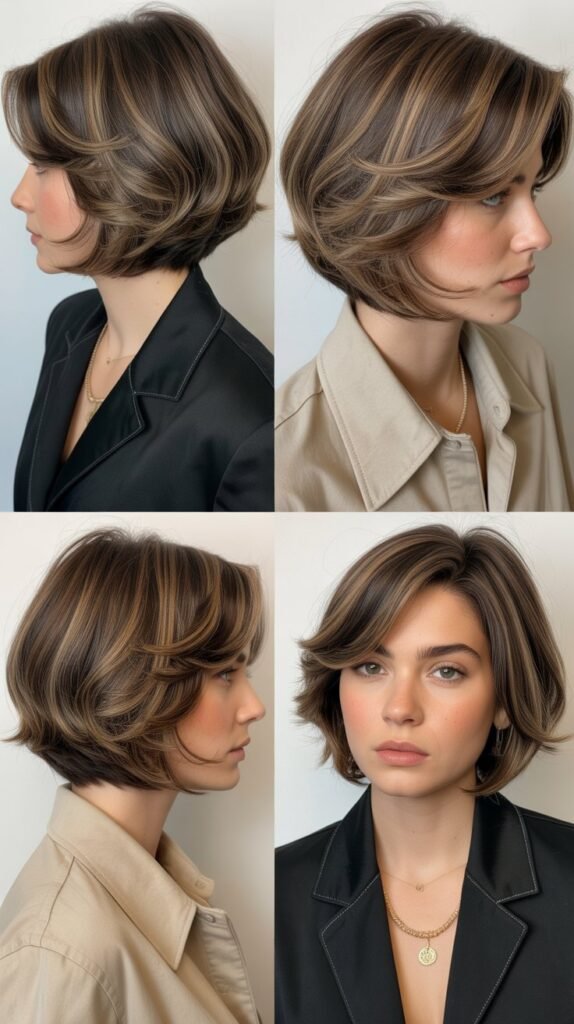
The graduated bob with layers combines two powerful cutting techniques—graduation for shape and layering for texture.
The graduation creates an angled silhouette with shorter back and longer front, while internal layers add movement and dimension. This sophisticated combination results in a structured yet dynamic style with impressive versatility.
Dual Technique Application:
- The perimeter follows a graduated line from short back to longer front
- Internal layers are strategically placed within the graduated structure
- The layers prevent the weight line from appearing too heavy or blunt
- The graduation creates natural volume at the back and nape
- The combination maintains structure while introducing organic movement
Balanced Structure:
- The graduated angle provides clear architectural lines and shape
- Internal layers soften the structure and add contemporary relevance
- The style offers the best of both worlds—precision and texture
- Face-framing layers at the front enhance the elongating graduated angle
- The cut maintains its shape excellently as it grows, extending salon visit intervals
30. Textured Layers for Curly Hair
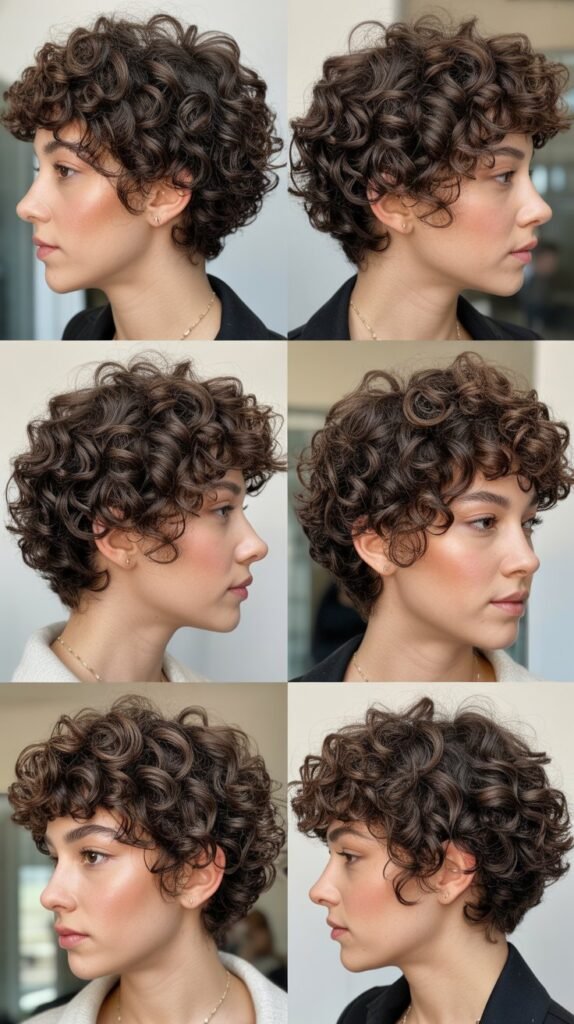
Textured layers specifically designed for curly hair address the unique challenges and opportunities of working with natural curl patterns.
This specialized approach uses layering to reduce bulk, enhance curl definition, and create shape without disrupting the natural texture. The technique requires understanding of how curls behave when cut and styled.
Curl-Specific Cutting:
- Layers are often cut on dry hair to see how curls naturally fall
- The cutting technique accounts for curl shrinkage and spring
- Strategic layering removes weight that can pull curls downward
- Interior layers create space for curls to form without overcrowding
- The cutting angles follow the curl pattern rather than fighting against it
Curl Enhancement:
- Proper layering allows individual curls to separate and define clearly
- Weight removal prevents the pyramidal shape common with layered curly hair
- The texture is enhanced rather than minimized or straightened
- Different curl types (loose waves to tight coils) require adjusted layering approaches
- The style celebrates natural texture while creating an intentional, shaped appearance
31. Layered Crop with Longer Top
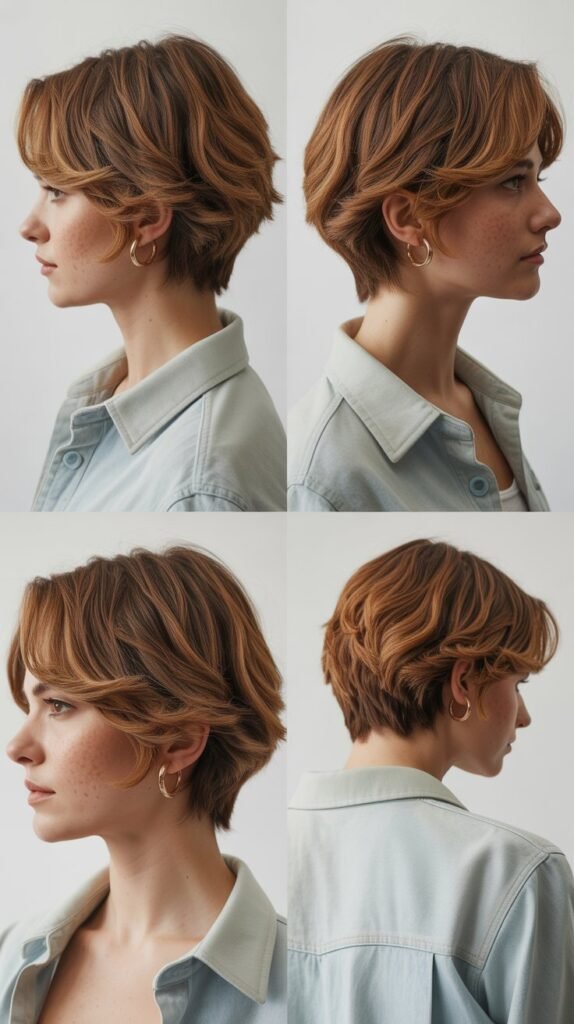
The layered crop with longer top creates interest through strategic length contrast, keeping the sides and back very short while maintaining significantly more length on top.
This modern style offers styling versatility through the longer upper section while keeping overall maintenance minimal. The layered top adds texture and dimension to the longer area.
Proportional Design:
- Sides and back are cropped close, typically clipper-cut or scissor-cut very short
- The top section retains length ranging from 3-6 inches
- Multiple layers in the top section create texture and styling flexibility
- The transition between short and long can be blended or defined
- The longer top becomes the focal point and primary styling area
Top Section Options:
- The layered top can be styled forward, backward, or to the side
- Product application creates different textures from sleek to messy
- The length allows for temporary color or styling experiments
- Enough length exists for various trends without committing to overall length
- The short sides keep the overall look modern and manageable
32. Angled Layers Around Face
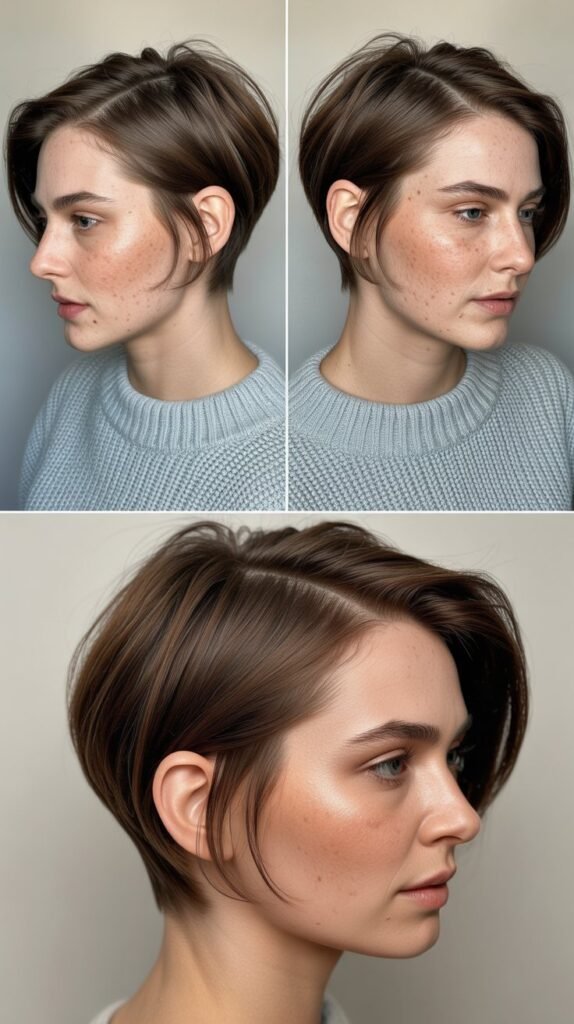
Angled layers around the face use strategic cutting angles to create flattering lines that enhance facial features and bone structure.
These layers are precisely cut to angle toward or away from the face, creating movement that draws attention to eyes, cheekbones, and jawline.
The angulation is carefully calculated based on individual facial proportions and desired effects.
Angular Cutting Approach:
- Layers are cut at specific angles rather than straight across
- The angle direction is chosen to complement or counterbalance facial features
- Forward-angling layers draw attention inward toward the face
- Backward-angling layers create width and balance for narrow faces
- The angles can be subtle or dramatic depending on desired impact
Feature Enhancement:
- Properly angled layers can create the illusion of higher cheekbones
- The technique softens or defines the jawline as needed
- Angles direct the eye toward the most flattering facial features
- The geometric precision creates a polished, intentional appearance
- Regular maintenance preserves the precise angles and their flattering effects
33. Layered Pixie with Tapered Sides
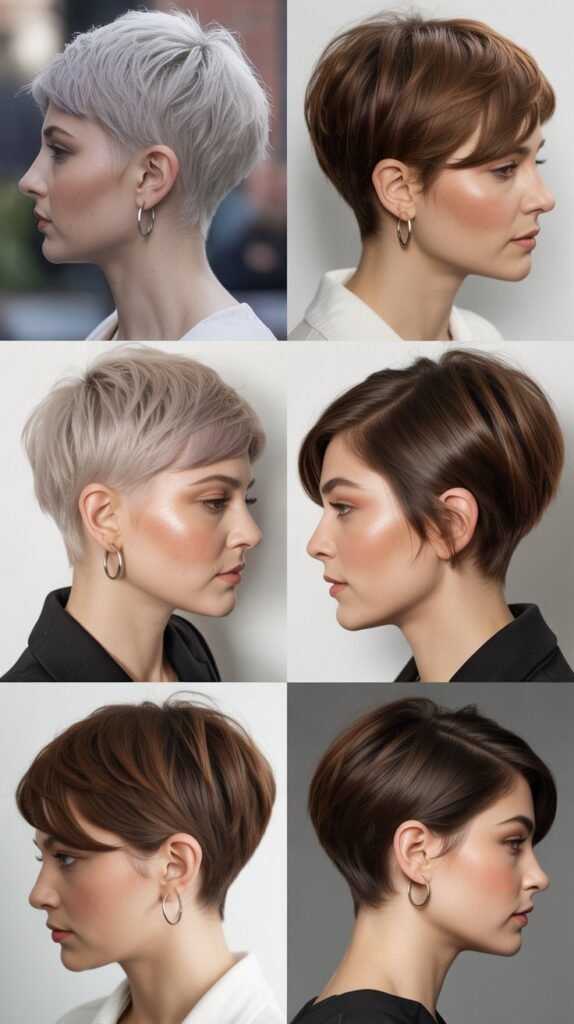
The layered pixie with tapered sides combines the textured volume of a pixie cut with the clean, graduated finish of tapered side sections.
This style maintains fullness and movement on top while creating sleek, refined lines along the sides and around the ears. The taper adds sophistication and polish to the playful pixie structure.
Combination Technique:
- The top section features multiple layers for volume and texture
- Side sections are cut progressively shorter as they approach the hairline
- The taper creates smooth transitions without harsh lines
- Clippers or scissors create the graduation depending on desired precision
- The layered top contrasts beautifully with the sleek tapered sides
Refined Characteristics:
- The tapered sides create a polished, finished appearance around the ears
- This combination offers both edginess from the pixie and sophistication from the taper
- The style showcases the neck and jawline through the clean side taper
- Maintenance is relatively minimal with the short overall length
- The contrast between textured top and sleek sides creates dimensional interest
34. Soft Layers with Middle Part
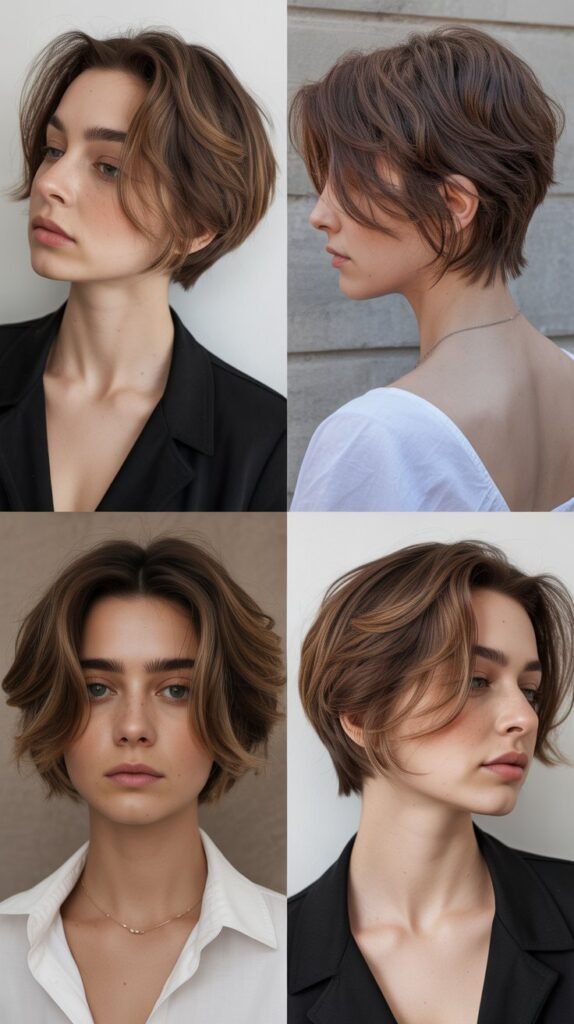
Soft layers with a middle part create a balanced, symmetrical appearance that’s both classic and contemporary.
The center parting divides the hair evenly while soft layers add gentle movement and dimension without harsh texture. This combination works beautifully for creating a polished yet effortless aesthetic.
Symmetrical Design:
- The middle part creates a clean division down the center of the head
- Layers are cut symmetrically on both sides for balanced appearance
- Soft blending techniques create gentle transitions between layer lengths
- The layers frame the face equally on both sides
- The overall effect is harmonious and proportionally pleasing
Balanced Aesthetic:
- The middle part suits most face shapes by creating vertical lines
- Soft layers prevent the symmetry from appearing too rigid or severe
- The style has a timeless quality that transcends trend cycles
- Natural hair texture is enhanced rather than heavily manipulated
- The balanced proportions create a sense of calm, intentional styling
35. Multi-Dimensional Layers
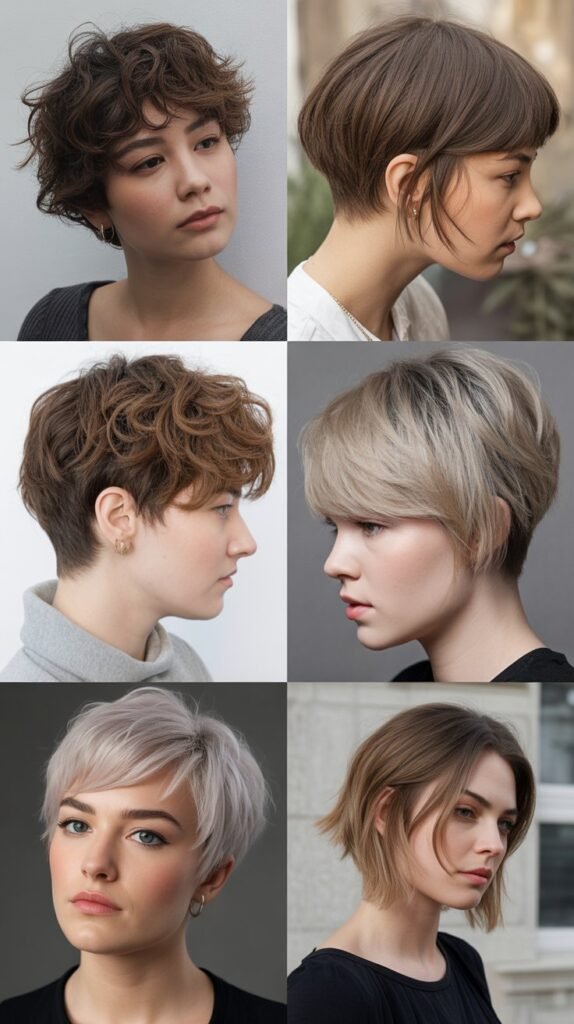
Multi-dimensional layers incorporate varying lengths, textures, and cutting techniques throughout the hair to create maximum visual interest and dimension.
This complex approach combines elements of choppy layers, feathered ends, graduated sections, and strategic weight removal. The result is a highly textured, dynamic style with depth and movement.
Layered Complexity:
- Multiple cutting techniques are employed throughout different sections
- Layer lengths vary significantly to create intentional contrast
- Some areas feature heavier, blunter sections while others are feathered and light
- The complexity creates visual depth similar to dimensional color techniques
- Each section serves a specific purpose in the overall dimensional effect
Visual Depth:
- The varied layers catch light differently, creating natural highlighting effects
- Movement appears from multiple angles due to the complex layer structure
- The style has a custom, highly personalized appearance
- Different textures within one cut prevent monotony and flatness
- The multi-dimensional approach requires skilled execution for balanced results
36. Layered Cut with Piecey Ends
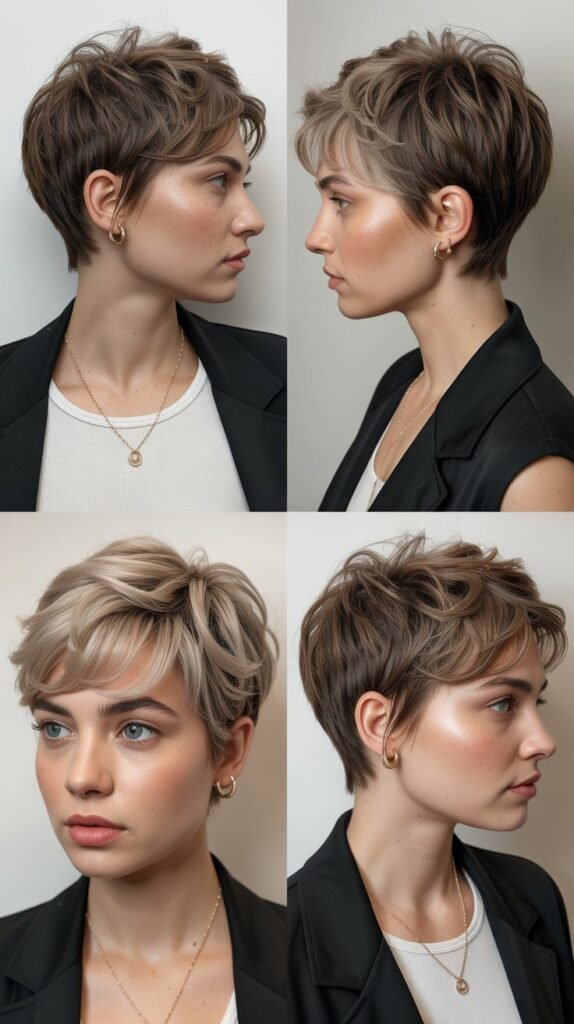
The layered cut with piecey ends features internal layering throughout combined with intentionally separated, textured ends that create definition and movement.
The piece-y ends are achieved through specific texturizing techniques that remove weight while creating separation. This combination delivers both volume through layering and contemporary texture at the perimeter.
End Texturizing:
- Point-cutting creates irregular, separated ends that don’t fall uniformly
- Razor techniques can achieve the light, piece-y effect at the perimeter
- The ends are intentionally thinned to create definition and separation
- Interior layers support the piece-y ends while adding body throughout
- Product application emphasizes the separation and defines individual pieces
Contemporary Texture:
- The piece-y ends create a modern, undone aesthetic
- The texture prevents the cut from appearing too finished or rigid
- Individual pieces can be styled and shaped for customized looks
- The separation at the ends adds movement and kinetic energy
- The style strikes a balance between structured layers and textured freedom
Conclusion
As we’ve explored throughout this comprehensive guide, 36 Chic Short Layered Haircuts offer endless possibilities for transformation, self-expression, and style refinement.
From the timeless elegance of soft layered lobs to the bold statement of disconnected layers and undercut variations, there’s truly a short layered haircut to complement every face shape, hair texture, and personal aesthetic.
The beauty of layering lies in its ability to solve common hair challenges—adding volume to fine hair, removing bulk from thick hair, creating movement in straight hair, and defining curls in textured hair.
Each of the 36 styles presented demonstrates how strategic layering transforms short hair from simple to spectacular, from ordinary to extraordinary.
Whether you’re drawn to the low-maintenance appeal of a textured crop, the professional polish of graduated layers, or the romantic softness of wispy layers throughout, these cuts prove that short hair can be just as versatile and feminine as longer lengths.
The key to selecting your perfect short layered haircut lies in understanding your hair’s natural characteristics, considering your lifestyle and styling commitment, and working with a skilled stylist who can customize the cut to your unique features.
Remember that the most flattering haircut isn’t necessarily the trendiest one—it’s the one that makes you feel confident, beautiful, and authentically yourself. As you consider these options for your next salon appointment, think about which characteristics resonate most with your personal style goals and which practical considerations matter most in your daily life.
Short layered haircuts continue to evolve with fashion trends while maintaining their fundamental appeal: they’re chic, manageable, and endlessly adaptable.
The 36 styles explored in this article represent just the beginning of what’s possible when you combine the sophistication of short hair with the dimensional beauty of layering.
