
Growing out a pixie cut doesn’t have to be an awkward, frustrating journey filled with bad hair days and constant hat-wearing.
The transition from ultra-short to longer locks can actually be an exciting opportunity to experiment with dozens of fresh, stylish looks that work beautifully at every stage.
This comprehensive guide to 53 Easy Grow Pixie Hairstyles That Look Good Growing Out will transform your perspective on the growing-out process, showing you exactly how to style your hair through each phase with confidence and creativity.
Whether you’re just a few weeks into your grow-out or several months in, you’ll discover flattering cuts, clever styling techniques, and expert tips that make every length look intentional and chic.
From textured crops and side-swept styles to edgy undercuts and romantic soft waves, these versatile options prove that the in-between stages can be just as stunning as your final goal length.
1. The Classic Textured Pixie Grow-Out
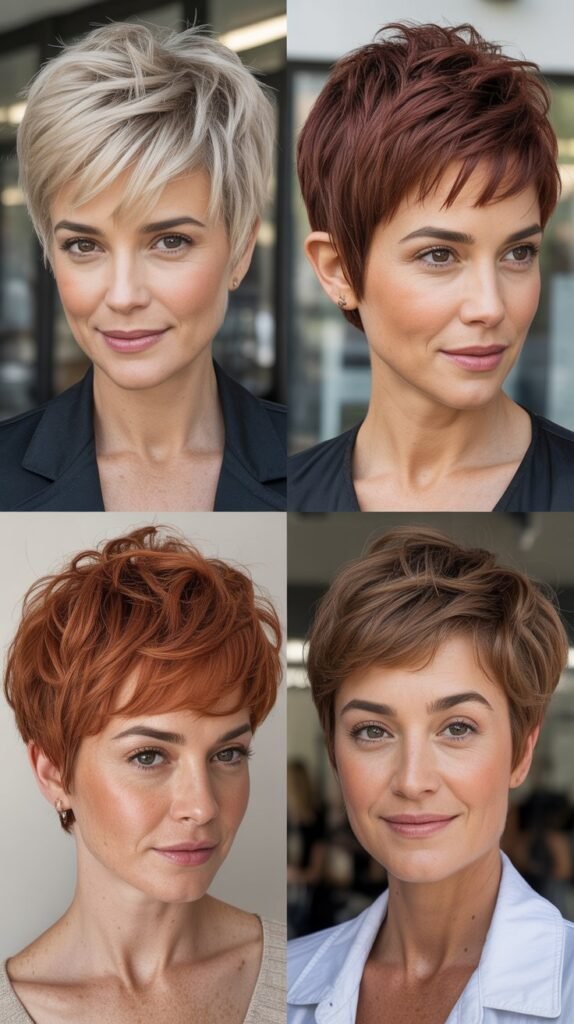
The textured pixie serves as the perfect foundation for growing out your hair while maintaining style and dimension.
This approach adds movement and interest to hair that’s moving past the ultra-short phase, typically when you’re 4-8 weeks into your grow-out journey.
- Point-cut layers create natural texture that prevents the boxy, growing-out appearance many people dread during transition periods.
- Texturizing products like sea salt spray or matte pomade help enhance the piece-y, lived-in look that makes this style so effortlessly cool.
- The crown area maintains slightly more length while the sides and back stay shorter, creating a balanced silhouette that looks intentional.
- This cut works exceptionally well with natural hair movement and can be styled messy for casual days or smoothed for professional settings.
- Regular trims every 5-6 weeks keep the shape clean while allowing overall length to increase gradually and evenly.
2. Side-Swept Asymmetrical Bob Transition
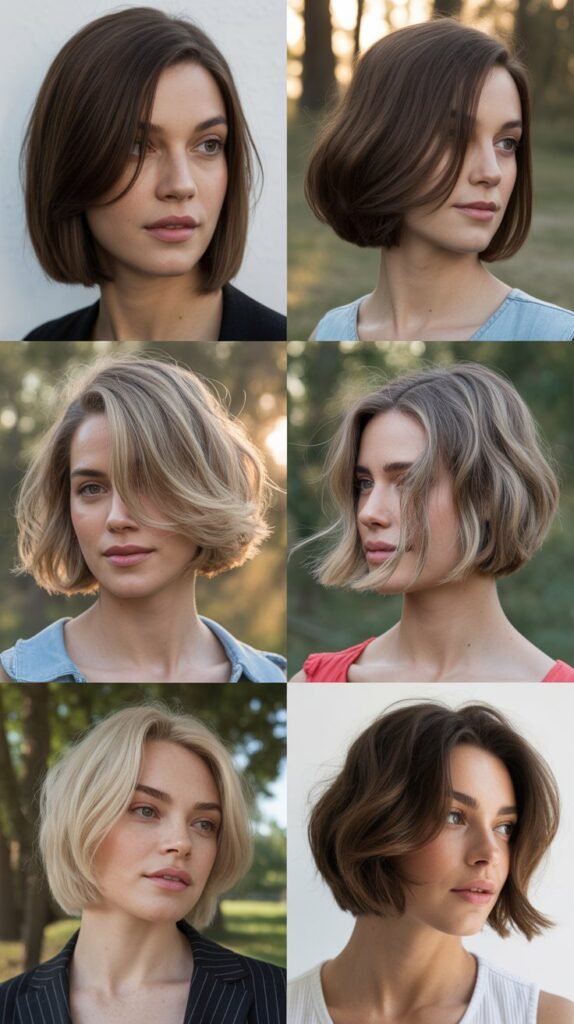
As your pixie reaches chin-grazing length, the asymmetrical bob becomes an exciting styling option that celebrates uneven growth.
This deliberately off-center look turns the awkward stage into a fashion-forward statement, typically achieved around 3-4 months into growing out.
- One side intentionally maintains 1-2 inches more length than the other, creating dramatic angles that frame the face beautifully.
- Deep side parts enhance the asymmetrical effect and help disguise any uneven growth patterns that occur naturally during transition.
- Blow-drying with a round brush adds volume at the roots while creating smooth, polished ends that look sophisticated and deliberate.
- This style particularly flatters oval and heart-shaped faces by drawing attention to cheekbones and creating visual interest through geometric lines.
- Strategic layering at the shorter side prevents the style from appearing lopsided or accidentally unfinished when viewed from different angles.
- The longer side can be tucked behind the ear for versatility, offering two distinct looks within one haircut for maximum styling flexibility.
3. Edgy Undercut with Longer Top
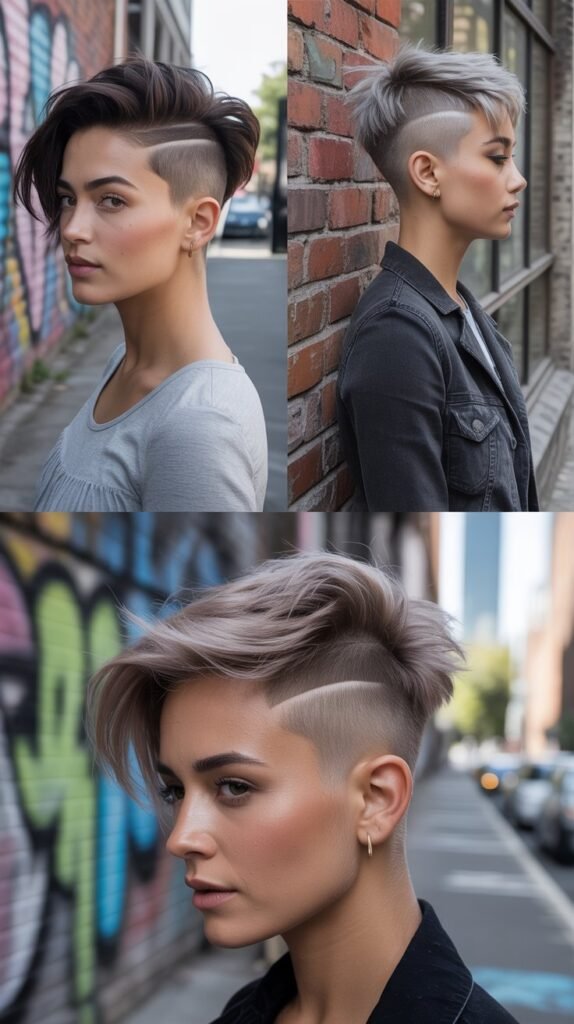
Maintaining an undercut while growing out the top section creates a striking contrast that extends your pixie’s lifespan considerably.
This bold approach keeps things fresh during the 2-5 month transition period when the top starts getting long enough to style in multiple ways.
- The disconnected lengths create dimension that makes styling easier as the top section gains length while sides remain closely cropped.
- Regular maintenance on the undercut sections every 3-4 weeks keeps the contrast sharp and prevents the style from looking grown-out or unkempt.
- Styling products with strong hold become essential for lifting and directing the longer top section away from the face with definition.
- This cut works beautifully with natural texture including waves and curls, which add volume and personality to the longer top section.
- The undercut can feature designs or patterns for those wanting extra creative expression during their transition to longer lengths.
- This style offers protection from unflattering mushroom shapes that sometimes occur when growing out a pixie without strategic cutting.
4. Soft Feminine Pixie with Face-Framing Pieces
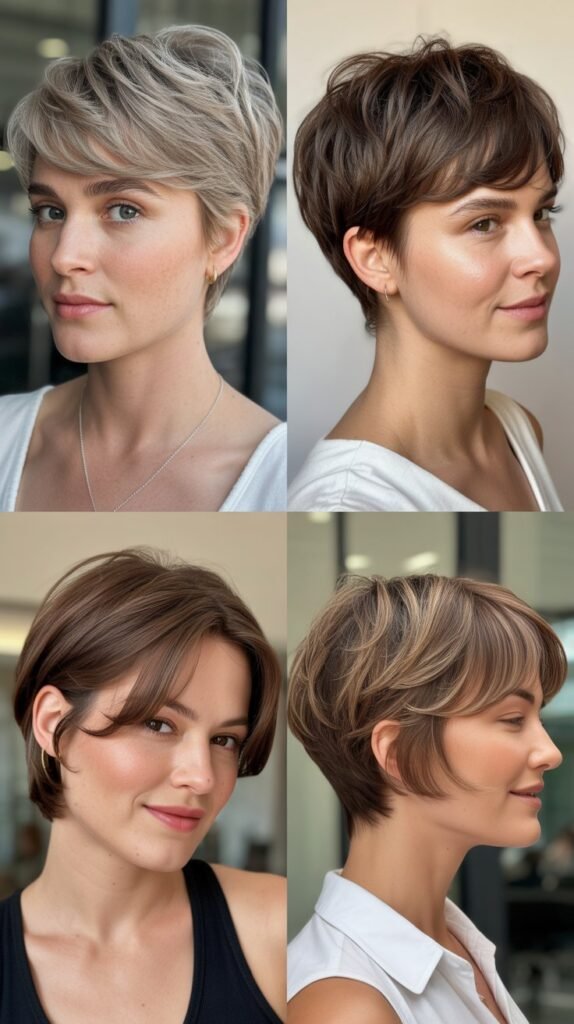
For those seeking a gentler approach to growing out, the soft feminine pixie with longer pieces around the face offers romantic versatility.
This style emerges around 6-10 weeks into your grow-out and provides a delicate, approachable aesthetic.
- Longer pieces at the temples and sideburns create a flattering frame that softens angular features and draws attention to eyes.
- Tapered necklines maintain a clean silhouette even as the crown and front sections gain length for overall balanced proportions.
- Light texturizing rather than heavy layering preserves density while removing bulk, making the style easier to manage during awkward phases.
- This approach particularly suits fine to medium hair textures that benefit from the weight distribution and movement these cuts provide.
- Gentle blow-drying with fingers rather than brushes maintains the soft, airy quality that defines this feminine styling approach.
- Minimal product application keeps the look natural while light serums add shine and control flyaways without weighing down delicate strands.
5. Curly Pixie Transition Styles
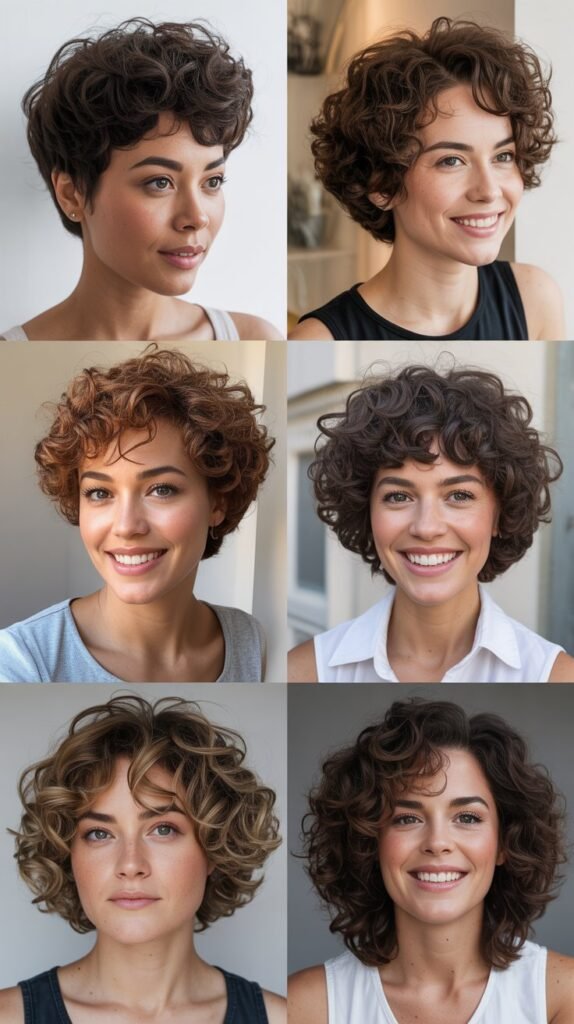
Growing out a curly pixie presents unique challenges and opportunities, as natural curl patterns can help disguise awkward lengths beautifully.
Between months 2-6, curly hair naturally creates volume and shape that straight hair requires significant styling to achieve.
- Curl-specific cutting techniques like DevaCurl or Rezo methods ensure each curl forms properly as length increases throughout the transition.
- Moisture-rich products including leave-in conditioners and curl creams become non-negotiable for maintaining healthy, defined curls during growth.
- The “pineapple” technique for sleeping protects curl formation and reduces morning styling time when hair reaches 3-4 inches of length.
- Diffusing on low heat settings enhances natural curl patterns while adding volume at the roots for a fuller appearance during growth.
- Strategic layering removes weight that can cause curls to lose shape while preventing the triangular silhouette that plagues growing curly hair.
- Regular deep conditioning treatments counteract potential damage from previous heat styling and support healthier, faster growth throughout the process.
6. Slicked-Back Pixie with Wet Look
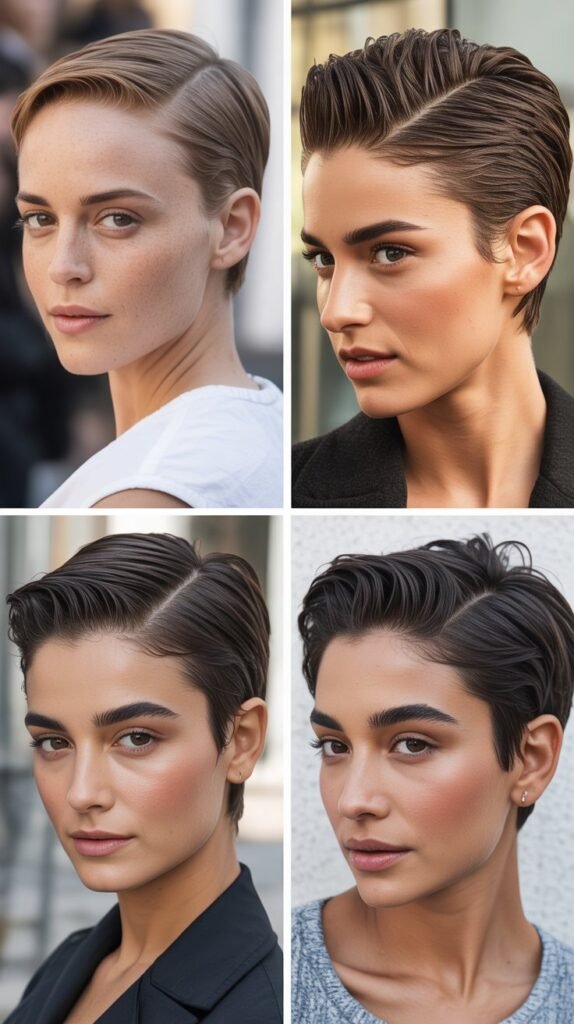
The slicked-back wet look offers a chic, editorial solution for pixie hair at almost any growth stage.
This sophisticated style works particularly well from 4 weeks through 4 months of growth, adapting elegantly as lengths change.
- Strong-hold gel or pomade applied to damp hair creates the signature shine and control that defines this polished, high-fashion aesthetic.
- Combing hair directly back from the hairline eliminates concerns about part placement and works with virtually any face shape or hair texture.
- This style excels for formal events where a put-together appearance is essential but hair length limits traditional updo options.
- The wet look actually improves with slightly longer lengths as the added weight helps hair stay in place more reliably throughout wear.
- Minimal touch-ups required throughout the day make this an ideal choice for busy professionals navigating the growing-out process practically.
- The sleek appearance draws attention to facial features including eyes, cheekbones, and bone structure, creating a striking, confident presentation.
7. Tousled Bedhead Pixie
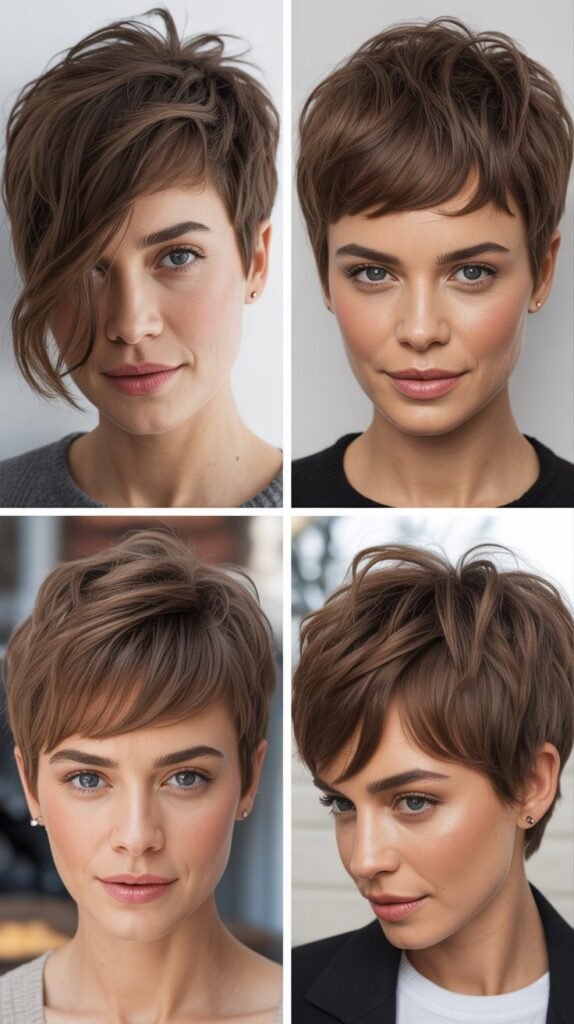
Embracing intentional dishevelment, the bedhead pixie style turns morning hair into an enviable, effortless look.
This approach works beautifully during the 6-12 week growing-out phase when hair has enough length to create texture but isn’t long enough for traditional styling.
- Matte texturizing paste worked through dry hair creates piece-y separation and definition that looks undone yet deliberate and stylish.
- Running fingers through hair while blow-drying creates natural lift and movement without the stiffness of brush-styled looks that can appear dated.
- This style particularly flatters thick hair textures that have natural body and movement, making styling incredibly quick and low-maintenance.
- The deliberately messy aesthetic disguises uneven growth patterns and makes awkward lengths appear intentional rather than accidental or neglected.
- Sleeping on slightly damp hair can actually enhance the tousled effect, reducing morning styling time to just a few quick adjustments.
- This versatile look transitions seamlessly from casual weekend activities to creative professional environments without requiring restyling or product changes.
8. Pixie with Micro Bangs
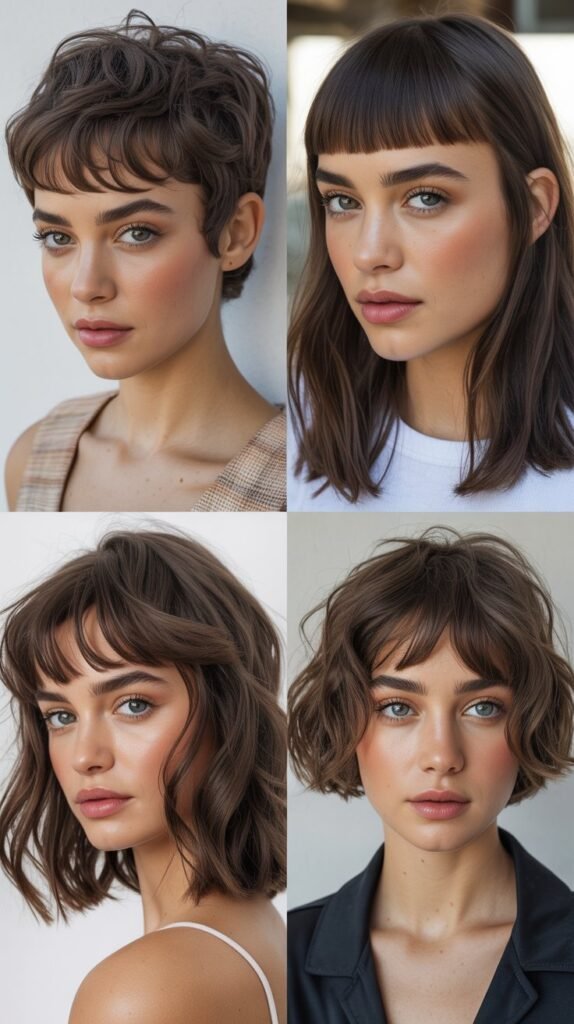
Adding micro bangs to a growing pixie creates a bold statement that refreshes your look during transition periods.
This eye-catching detail works best when the crown section reaches 2-3 inches, typically around the 3-4 month mark of growing out.
- Blunt-cut bangs sitting 1-2 inches above eyebrows create a striking focal point that draws attention away from potentially awkward side and back lengths.
- Regular bang trims every 2-3 weeks maintain the precise line that makes this look so impactful and fashion-forward when executed correctly.
- The contrast between micro bangs and longer crown sections adds architectural interest that makes the overall style appear more intentional and designed.
- This bold choice suits confident personalities who embrace fashion-forward aesthetics and aren’t afraid to stand out in professional and social settings.
- Styling requires minimal effort as the straight, blunt line naturally falls into place with simple blow-drying and light product application.
- Micro bangs work across face shapes but particularly complement longer, oval faces by visually shortening proportions and creating better balance.
9. Side Part Pixie with Volume
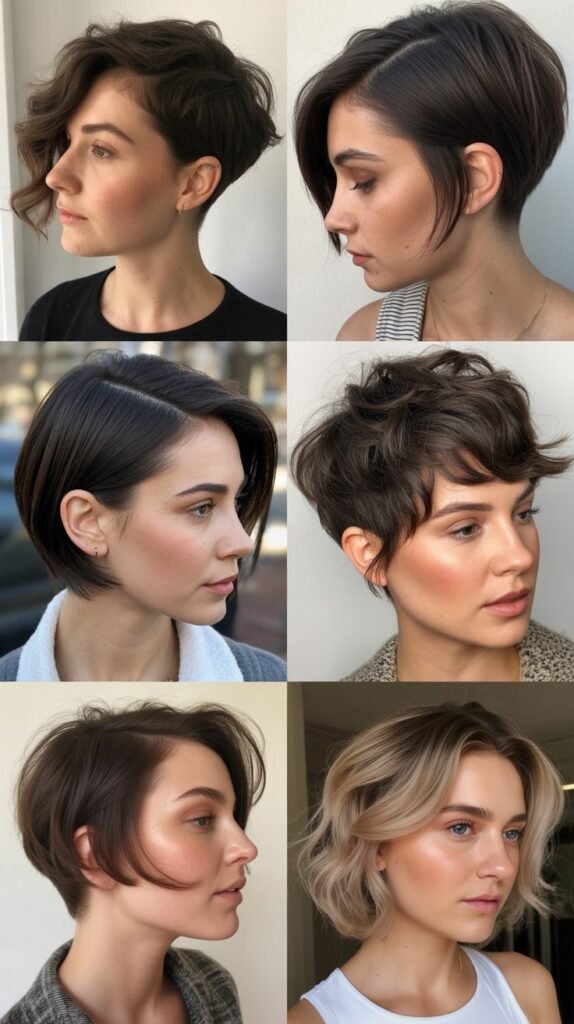
A deep side part with volumized styling transforms a growing pixie into a glamorous, red-carpet-ready look.
This elegant approach becomes possible around 8-12 weeks into growing out when hair has sufficient length to direct and style with purpose.
- Creating the part at least 2 inches off-center produces dramatic asymmetry that adds visual interest and sophistication to growing-out lengths.
- Volumizing mousse applied at damp roots provides lift and body that prevents the flat, lifeless appearance common in transition-phase pixie cuts.
- Blow-drying against the natural growth pattern increases root lift and creates lasting volume that holds throughout the day without constant touch-ups.
- The heavier side can be styled forward over the forehead or swept back behind the ear for two distinctly different looks from one cut.
- This style particularly complements fine hair textures that benefit from the illusion of density created by strategic part placement and styling techniques.
- Evening out the part every few days with a tail comb maintains the clean line that makes this style look polished and professionally executed.
10. Choppy Layered Pixie
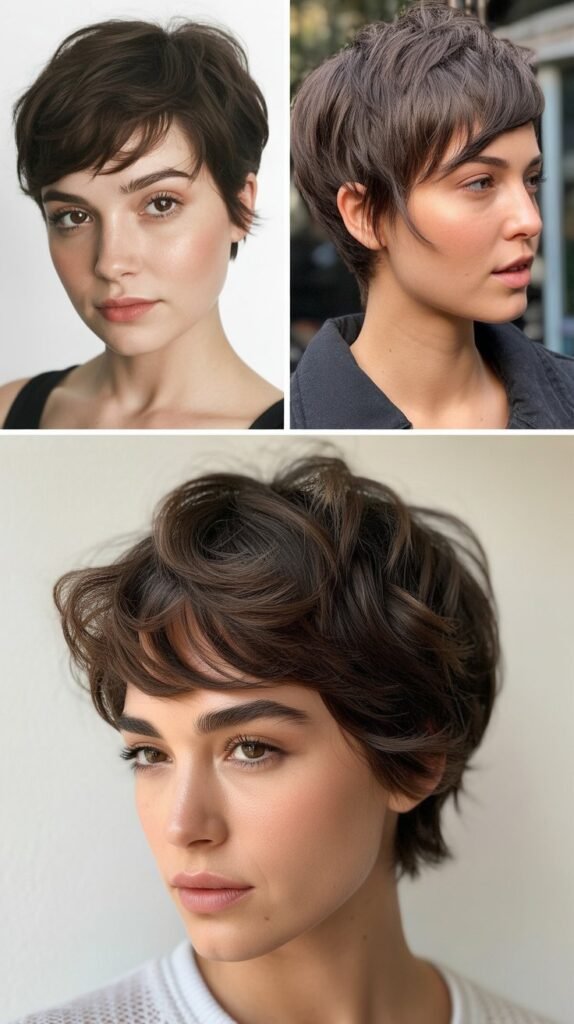
Embracing choppy, disconnected layers creates an edgy, modern aesthetic perfect for the pixie grow-out phase.
This style works exceptionally well from 2-5 months of growth when varying lengths can be strategically incorporated into the overall design.
- Razor cutting techniques create soft, feathered ends that blend seamlessly while maintaining the intentionally choppy, piece-y texture throughout.
- Varying layer lengths by 1-2 inches adds dimension and movement that prevents the flat, one-length appearance during awkward growth stages.
- This approach disguises uneven growth particularly well, as the deliberately irregular lengths make natural growth patterns part of the style’s aesthetic.
- Strong-hold texturizing spray enhances the choppy definition and helps individual pieces maintain separation throughout the day without stiffness.
- The style adapts easily to different occasions by adjusting product application—more for edgy definition, less for softer, workplace-appropriate styling.
- This cut works beautifully with both straight and wavy textures as natural movement enhances the intentionally imperfect, modern appearance designers intend.
11. Pin-Curl Vintage Pixie
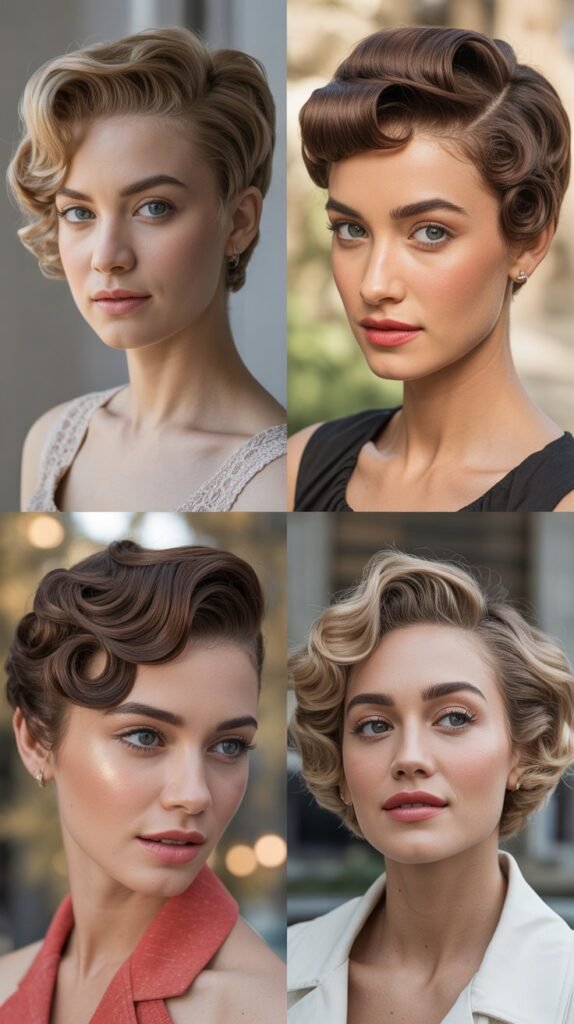
Drawing inspiration from 1920s and 1950s glamour, pin curls transform a growing pixie into a retro-chic statement.
This technique becomes feasible around 10-14 weeks of growth when hair reaches sufficient length to wrap around fingers or small rollers.
- Setting damp hair in small pin curls overnight creates uniform, defined waves that add glamorous vintage appeal to otherwise awkward lengths.
- Strong-hold setting lotion or mousse ensures curls maintain their shape throughout the day, essential for this high-maintenance but stunning styling approach.
- Brushing out the curls gently after they’ve completely dried creates softer waves and volume without the tight curl formation showing.
- Strategic placement of curls around the face frames features beautifully and draws attention to eyes and cheekbones with period-appropriate elegance.
- This style pairs beautifully with vintage fashion and works exceptionally well for themed events, photo shoots, or anyone embracing retro aesthetics.
- The technique requires practice but once mastered, becomes a reliable solution for special occasions throughout the entire growing-out journey.
12. Pixie with Headband Accessories
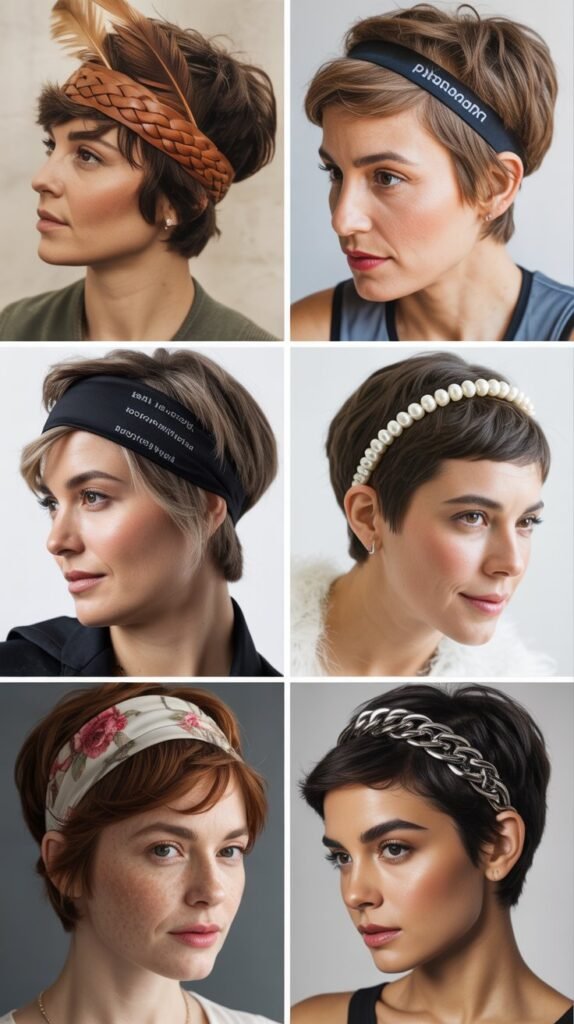
Incorporating headbands into pixie styling offers both practical and aesthetic benefits during growth phases.
This accessory-focused approach works at virtually any stage, from ultra-short through the awkward in-between months, making it incredibly versatile.
- Wide fabric headbands cover the crown area where hair might be sticking up awkwardly, providing instant styling solutions for difficult-to-manage growth.
- Embellished or decorative headbands transform a simple growing pixie into an accessorized statement look suitable for parties and special occasions.
- Athletic headbands keep short pieces off the face during workouts, solving the practical problem of newly-long hair falling into eyes during exercise.
- Positioning headbands at different placements changes the entire aesthetic—closer to the hairline for a retro vibe, further back for bohemian styling.
- Velvet, silk, or metal headbands add textural interest and elevate even the most basic pixie cut into something more deliberately styled and put-together.
- This approach requires zero hair styling skill making it perfect for those who want to look polished without mastering complex techniques during transition.
13. Spiky Textured Crown
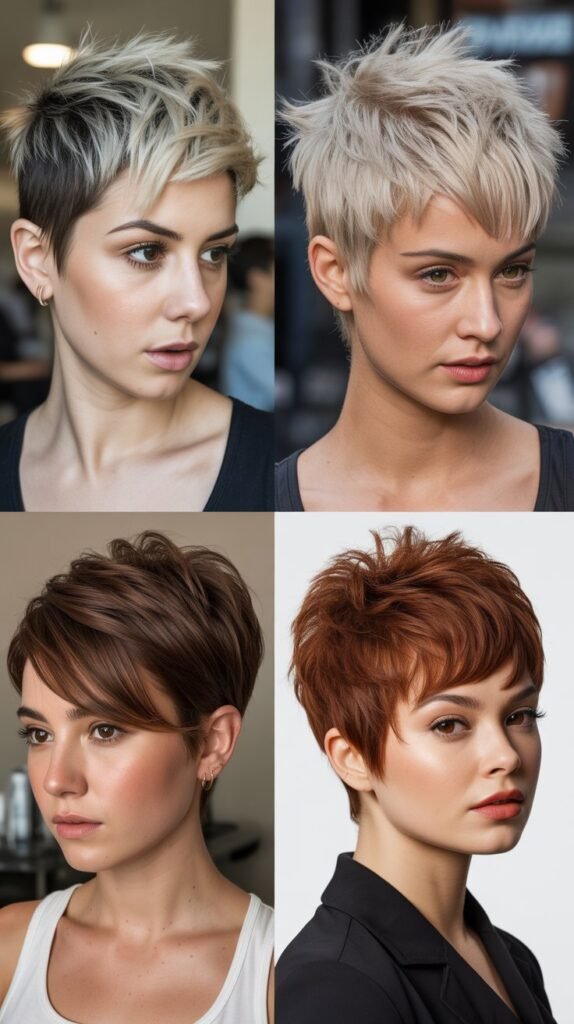
Creating intentional spikes on top while keeping sides shorter offers an edgy, punk-inspired alternative during pixie growth.
This bold style works best from 6-16 weeks of growth when the crown has enough length to stand upright with product support.
- Strong-hold gel or fiber paste provides the grip needed to make short-to-medium lengths defy gravity and maintain upright positioning throughout wear.
- Applying product to damp hair and blow-drying upward sets the foundation for spikes before adding finishing product for definition and hold.
- The contrast between vertical crown styling and smooth sides creates architectural interest that makes growing lengths appear intentional and fashion-forward.
- This style particularly suits bold personalities who embrace alternative aesthetics and appreciate the rock-and-roll heritage of spiky hairstyling traditions.
- Adjusting spike height and density allows for customization ranging from subtle texture to dramatic, attention-grabbing statements depending on occasion and mood.
- The style requires daily restyling but takes only 5-10 minutes to achieve, making it practical for those comfortable with morning hair routines.
14. Sleek One-Length Bob Transition
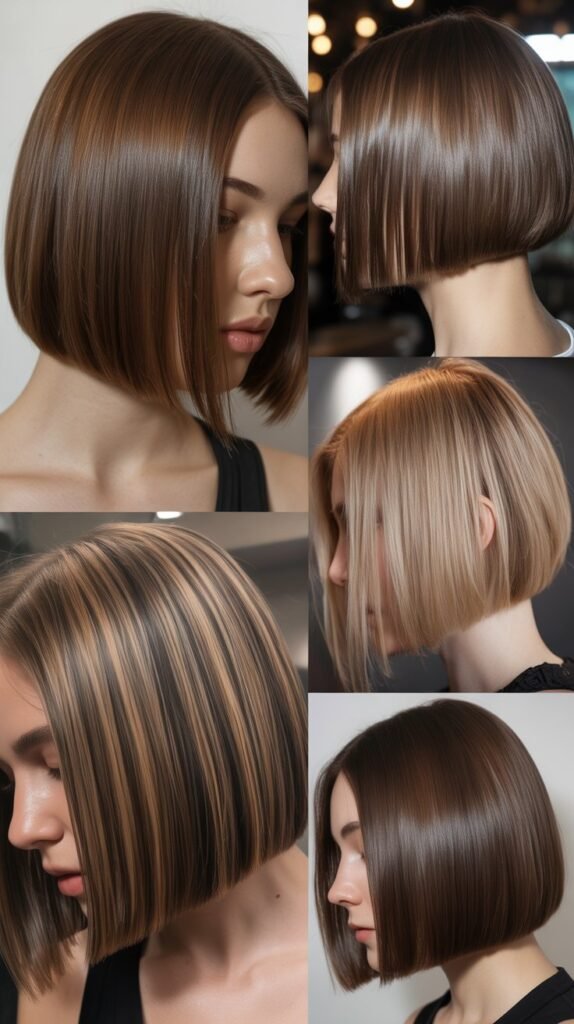
Transitioning to a one-length bob offers a polished, classic approach to growing out a pixie cut.
This style typically emerges around 5-7 months of growth when hair reaches a uniform length that sits between the ears and shoulders.
- Blunt cutting all sections to the same length creates a clean, geometric line that looks intentionally styled rather than accidentally grown-out.
- Regular trims every 6-8 weeks maintain the precise hemline while allowing overall length to increase gradually toward the desired final goal.
- Flat ironing or blow-drying smooth emphasizes the clean lines and glossy appearance that makes this classic style so timelessly appealing.
- This approach works beautifully for professional environments where conservative, polished styling is expected or preferred over edgier alternatives.
- The one-length cut provides versatility as hair can be worn down, tucked behind ears, or clipped back as length increases beyond chin level.
- Shine-enhancing products like serums or oils become essential for maintaining the glossy, healthy appearance that makes this simple cut look expensive.
15. Pixie with Faux Hawk Styling
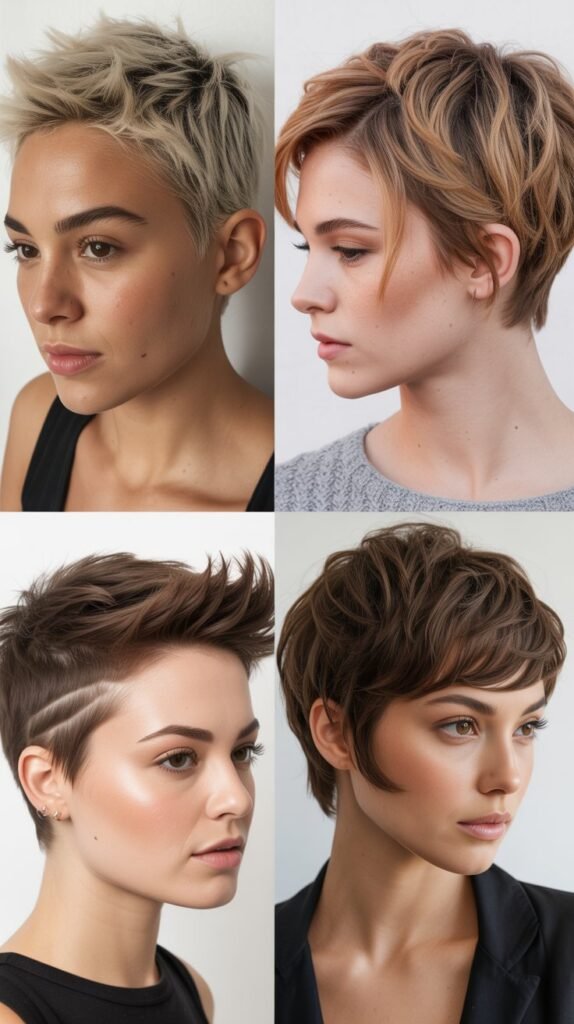
Creating a faux hawk with a growing pixie adds drama and edge while cleverly managing uneven lengths.
This bold styling approach works from 4-20 weeks of growth, adapting beautifully as the mohawk section gains length and prominence.
- Concentrating volume and height along the center section from hairline to crown creates the signature mohawk silhouette without actual shaving or commitment.
- Sides slicked down with gel or pomade emphasize the contrast and make the center section appear even more dramatic and deliberately styled.
- This style disguises uneven growth patterns particularly well, as the intentional disparity in heights makes natural growth inconsistencies part of the design.
- Adjusting the width and height of the faux hawk allows for customization from subtle office-appropriate versions to dramatic weekend statement styling.
- The look transitions from edgy to elegant depending on product choice and styling intensity, offering surprising versatility throughout the growing process.
- This approach works across hair textures including straight, wavy, and curly, with each type bringing unique character to the faux hawk aesthetic.
16. Soft Waves for Growing Pixie
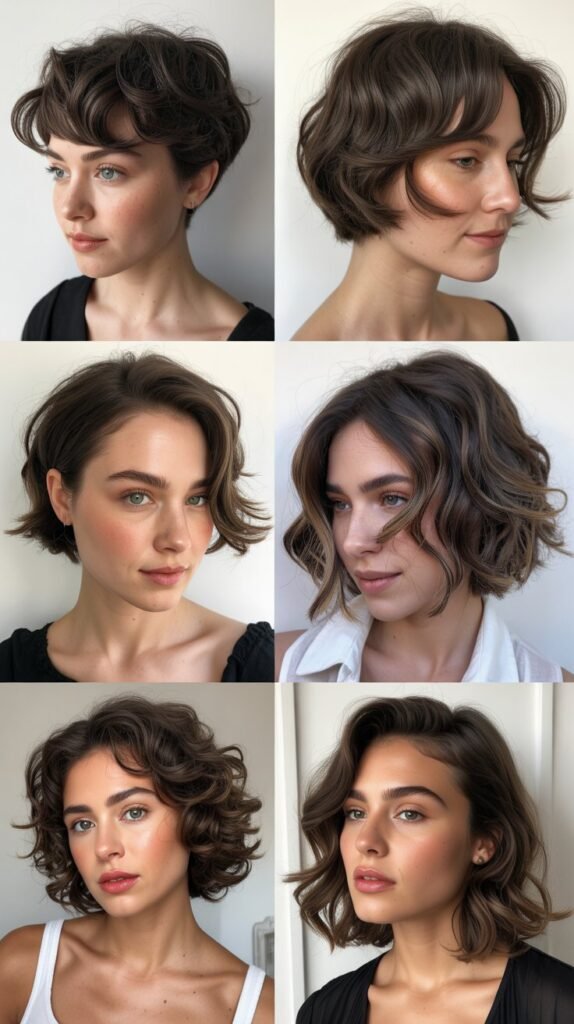
Introducing soft waves creates romantic movement in growing pixie hair, transforming edgy crops into feminine styles.
This technique becomes possible around 10-16 weeks when hair reaches sufficient length to wrap around styling tools effectively.
- Using a small-barrel curling iron or wand on 1-inch sections creates gentle bends that add movement without appearing overly curled or dated.
- Alternating curl directions prevents waves from clumping together and creates the natural-looking, piece-y movement that defines modern wave styling.
- Texturizing spray applied after curling breaks up uniform wave patterns and adds that lived-in, effortless quality that makes the style appear unforced.
- This softer approach works beautifully for dates and romantic occasions where ultra-edgy pixie styling might feel too severe or harsh.
- Waves add volume to fine hair making this technique particularly valuable for those whose straight pixie appears flat or lifeless during growth phases.
- The gentle styling requires less heat than straightening, making it a healthier option for hair that’s already stressed from the growing-out process.
17. Deep Side Sweep with Bobby Pins
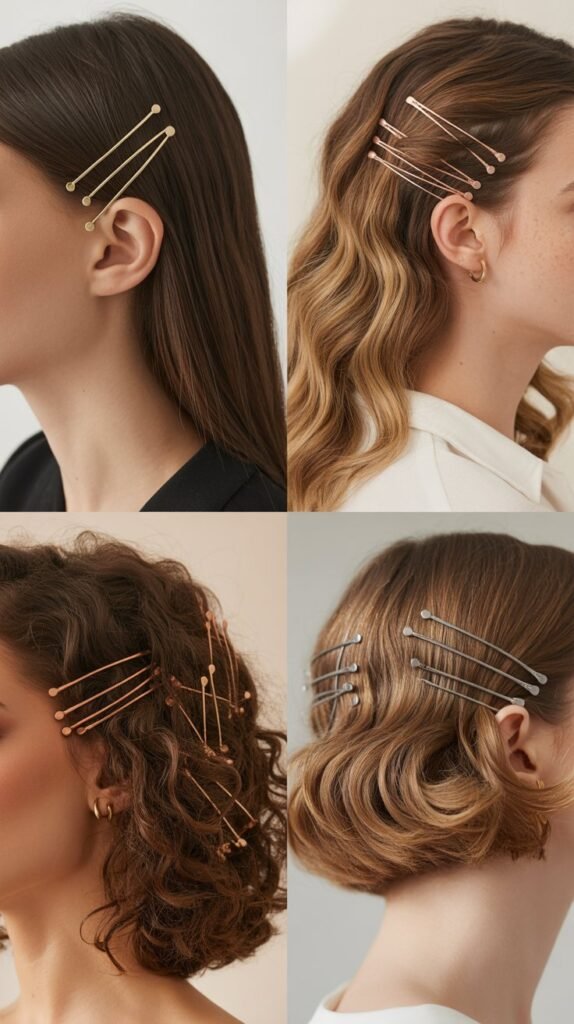
Strategic bobby pin placement transforms a growing pixie into an elegant side-swept style.
This practical yet beautiful approach works throughout the entire growing-out process, from 8 weeks onward when pieces start falling into eyes.
- Gathering hair from the shorter side toward the opposite temple creates dramatic asymmetry that looks intentionally styled rather than accidentally lopsided.
- Decorative bobby pins in metallic finishes or embellished designs turn functional hair management into an accessory statement that elevates the look.
- Crisscrossing pins for extra security ensures the style lasts throughout the day without constant readjustment or pieces falling loose frustratingly.
- This technique particularly helps during the 3-5 month phase when hair is too long to style up but too short for traditional clips or ties.
- Matching pin color to hair tone creates an invisible hold for professional settings while contrasting colors make a bold fashion statement.
- The swept direction can be changed daily for styling variety without cutting or significantly altering the underlying hair length or structure.
18. Textured Fringe Forward Style
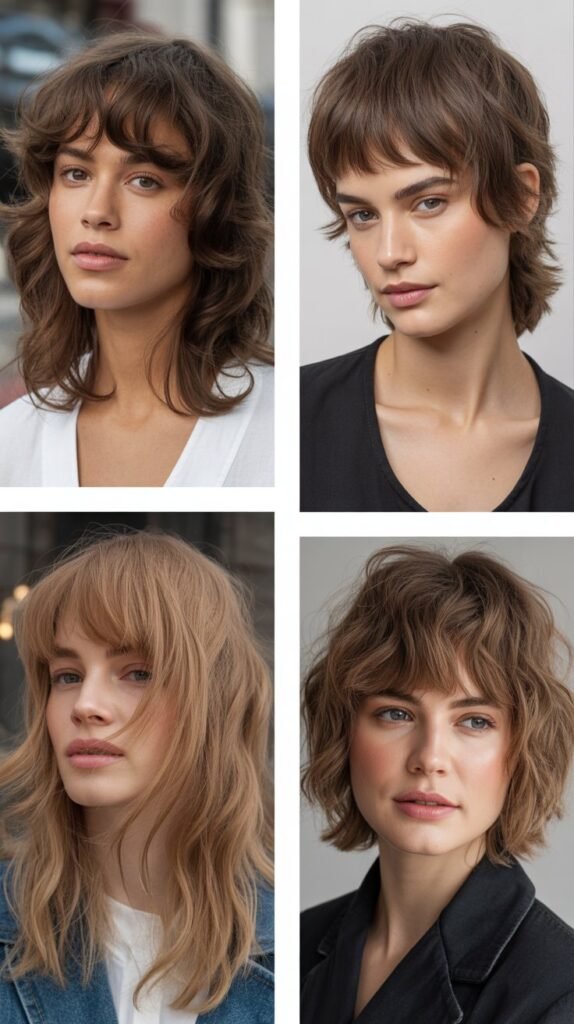
Styling all hair forward with textured fringe creates a modern, editorial look during pixie growth.
This approach works exceptionally well from 8-20 weeks when hair has enough length to be directed forward without standing up awkwardly.
- Blow-drying hair forward from the crown establishes the foundation for this style, creating natural movement toward the face rather than upward or back.
- Texturizing paste or clay worked through the fringe creates definition and separation that prevents the solid, heavy appearance that ruins this look.
- The forward styling disguises hairline irregularities and camouflages any thinning areas that become visible as hair grows and styling options change.
- This aesthetic suits creative professionals and fashion-forward individuals who appreciate modern, slightly unconventional approaches to pixie maintenance.
- Adjusting fringe length and texture offers customization from choppy and edgy to soft and romantic depending on cutting and styling techniques employed.
- The style frames the face beautifully drawing attention to eyes while providing forehead coverage for those self-conscious about this facial area.
19. Graduated Pixie Bob
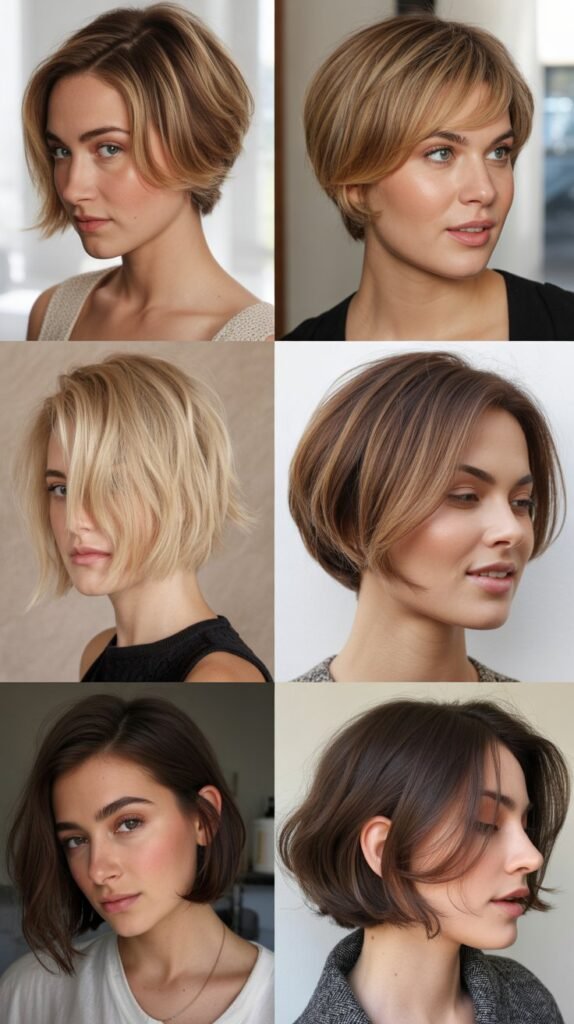
The graduated pixie bob features shorter layers in back that progressively lengthen toward the front, creating elegant angles.
This transitional cut typically works best around 4-6 months into growing out when enough length exists to create visible graduation.
- The stacked back maintains shorter length while preventing the duck-tail effect that plagues many grow-out attempts during mid-length phases.
- Front pieces reaching chin length or longer create face-framing angles that flatter most face shapes and draw attention upward to eyes.
- This cut disguises uneven growth between sections, as the intentional length variation makes natural differences appear part of the planned design.
- Blow-drying with a round brush emphasizes the smooth lines and adds volume at the crown where graduated layers can sometimes appear flat.
- The style offers professional polish appropriate for conservative workplaces while maintaining enough edge and modernity to feel current and stylish.
- Maintenance requires trims every 5-7 weeks to keep the graduation clean and prevent the back from getting too long and losing its shape.
20. Pixie with Hair Scarves
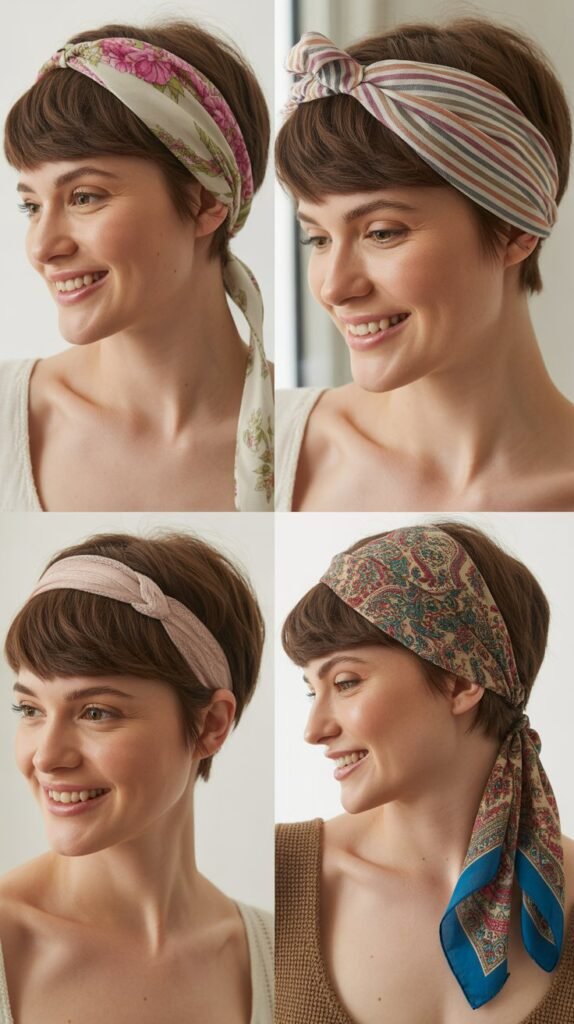
Incorporating hair scarves adds color, pattern, and vintage charm to growing pixie cuts.
This accessory approach works beautifully at any growth stage, offering instant styling solutions when hair won’t cooperate with traditional techniques.
- Tying scarves headband-style covers the crown where awkward growth often occurs while adding a pop of color and personality to simple pixie cuts.
- Knotting scarves at the side creates asymmetry and vintage appeal reminiscent of 1940s and 1950s glamour icons and pin-up styling.
- Silk scarves add luxury while preventing hair breakage that cotton can cause, making them both beautiful and functionally beneficial during growth.
- Pattern and color choices transform the mood from bohemian with paisley to preppy with stripes or sophisticated with solid jewel tones.
- This solution requires zero styling skill making it perfect for those who struggle with heat tools or product application during awkward phases.
- Scarves instantly elevate simple outfits creating a pulled-together appearance even when hair itself is uncooperative or in an unflattering growth stage.
21. Brushed Back Pixie with Gel
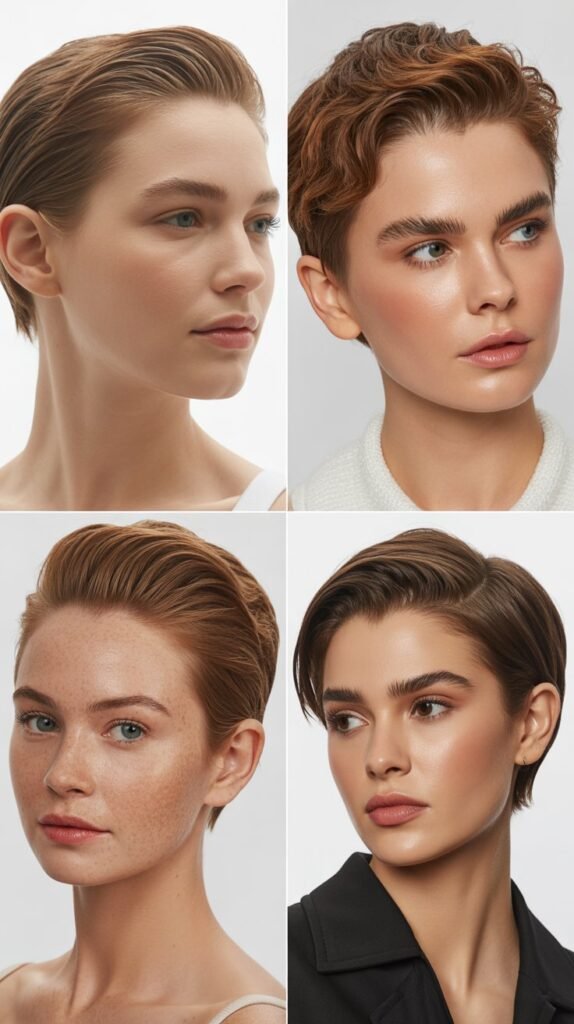
Slicking hair straight back with gel creates a powerful, confident aesthetic during pixie growth.
This bold approach works from 6-24 weeks, adapting as hair gains length and develops different styling possibilities over time.
- Strong-hold gel applied to wet hair provides the grip and shine that defines this sleek, powerful aesthetic often associated with high fashion and editorial styling.
- Combing hair directly back from the hairline eliminates concerns about parts, cowlicks, or directional growth patterns that complicate other styling approaches during growth.
- This style emphasizes facial structure making it particularly flattering for those with strong bone structure, high cheekbones, or striking features to showcase.
- The wet-look finish works for formal events where dramatic, high-impact styling makes a statement and demonstrates fashion confidence and awareness.
- Minimal maintenance throughout the day makes this practical for long workdays or events where bathroom access for touch-ups might be limited or inconvenient.
- The sleek appearance pairs beautifully with bold makeup and statement jewelry, creating a cohesive, high-fashion aesthetic from head to accessories.
22. Pixie with Shaved Designs
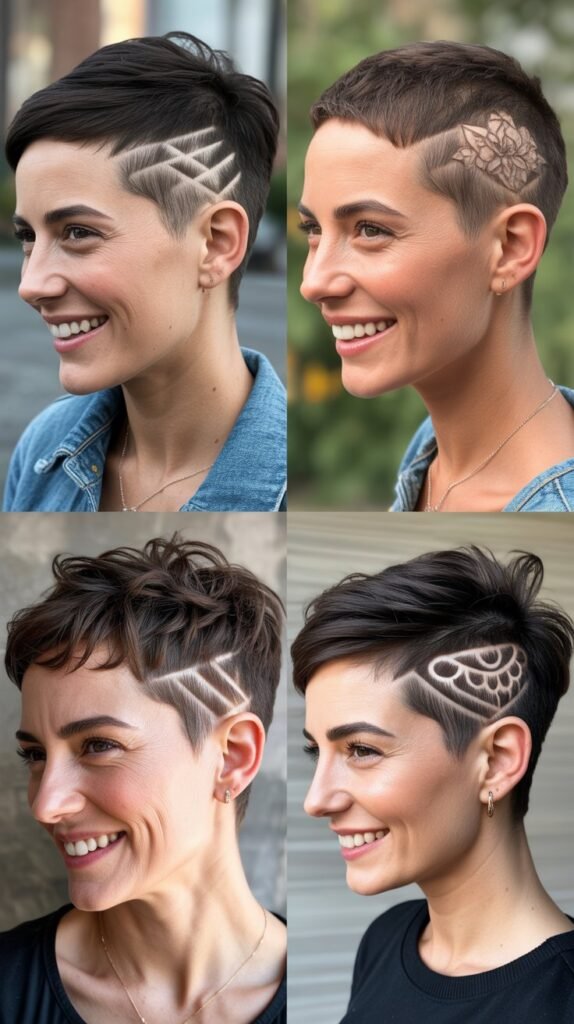
Adding shaved patterns or designs to undercut sections creates personalized artistry during pixie growth.
This bold customization works best during the first 6 months when maintaining shorter sides and back contrasts with the growing top section.
- Geometric patterns like lines, triangles, or stars add visual interest and personality that transforms a simple pixie into wearable art and personal expression.
- The designs require maintenance every 2-3 weeks as hair growth quickly blurs crisp lines, making this option best for those committed to regular salon visits.
- Placement on sides or back keeps designs versatile, as they can be hidden for conservative settings or displayed proudly during casual activities.
- This approach particularly suits creative professionals in industries where personal expression through appearance is accepted or even celebrated and encouraged.
- Working with skilled barbers or stylists ensures clean, professional-looking designs that enhance rather than detract from the overall pixie aesthetic and balance.
- The contrast between shaved designs and longer sections creates dimension that makes the growing-out process appear intentional rather than neglected or accidental.
23. Curly Fringe Pixie
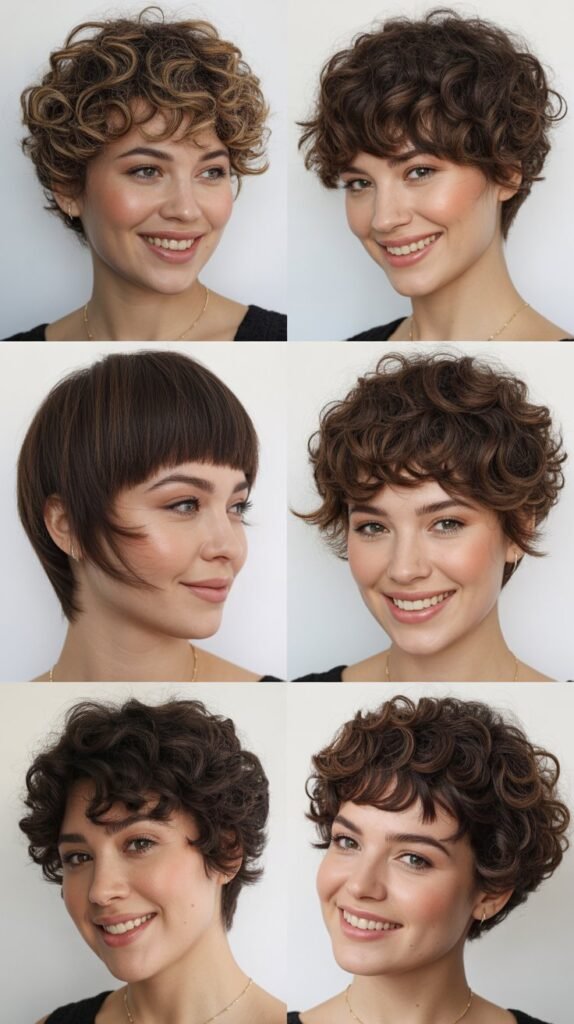
Embracing natural curl pattern in the fringe creates soft, romantic styling for curly-haired individuals growing out pixies.
This approach works beautifully from 8-20 weeks when curls have enough length to spring properly and frame the face naturally.
- Curl-enhancing creams applied to damp hair define individual curl clumps and reduce frizz that can make curly pixie growth appear messy or unkempt.
- Diffusing with a blow dryer on low heat enhances natural curl formation while adding volume without causing the frizz that results from air-drying alone.
- The curly fringe naturally disguises uneven lengths as curl formation creates visual interest that draws attention away from awkward growth patterns underneath.
- This style works particularly well with spiral and ringlet curl patterns that have defined shape and bounce rather than loose, undefined waves.
- Regular moisturizing treatments become essential as curly hair tends toward dryness, and healthy curls form better than damaged, dried-out ones.
- The romantic, soft aesthetic suits those wanting to maintain femininity during the pixie growing-out process rather than embracing edgier alternatives.
24. Layered Nape with Long Top
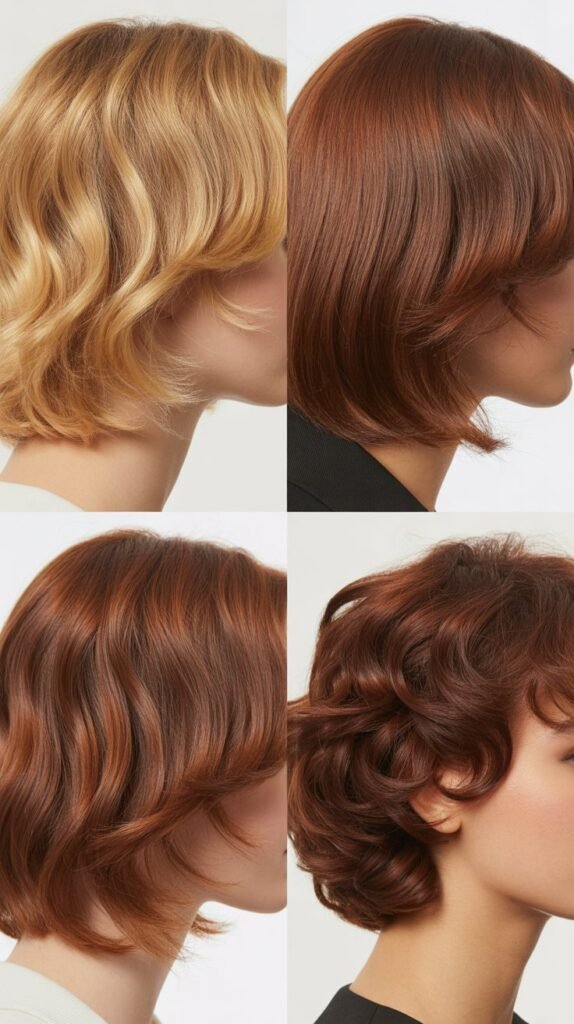
Creating contrast between a short, layered nape and longer top section offers dimensional styling during pixie growth.
This cut works well around 3-6 months when the top has gained significant length while the back threatens to become unruly.
- The tapered nape prevents the awkward length that appears when the back grows faster than other sections, a common pixie growing-out frustration.
- Longer top layers provide styling versatility for slicking back, brushing forward, or creating height and volume depending on occasion and preference.
- This cut extends the pixie’s lifespan by maintaining the crop aesthetic while gradually allowing length to accumulate where you actually want it—on top.
- The disconnected lengths create modern edge that makes the style appear current and fashion-forward rather than simply grown-out and neglected.
- Maintenance requires attention to the nape every 4-5 weeks while the top grows freely, requiring clear communication with your stylist about goals.
- This approach works across hair textures including straight, wavy, and curly, with each bringing unique character to the layered dimensional effect created.
25. Pompadour Pixie Style
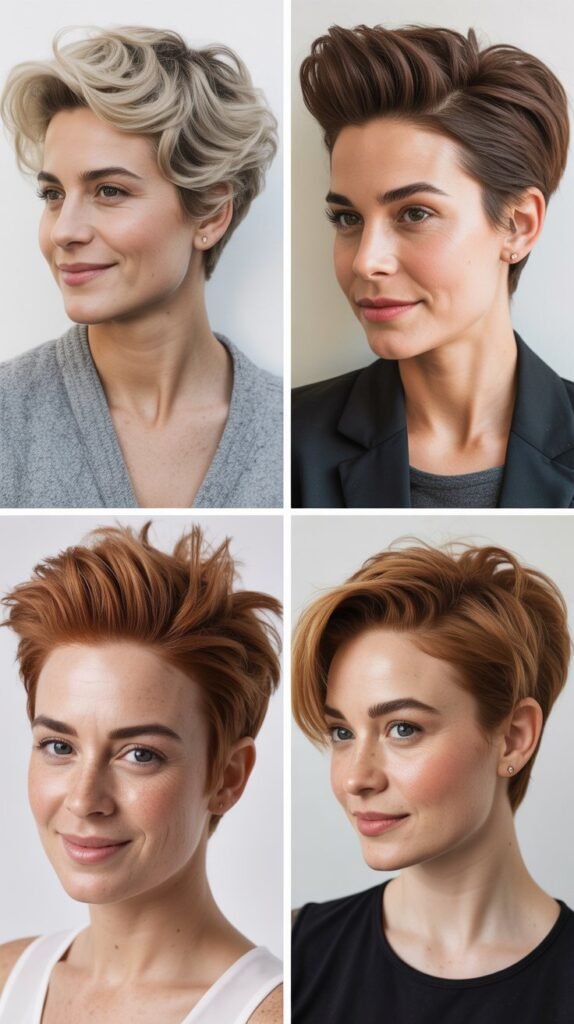
Creating volume and height at the front in classic pompadour fashion adds vintage glamour to growing pixies.
This dramatic styling becomes possible around 8-16 weeks when the front section has sufficient length to lift and style backward with volume.
- Backcombing or teasing the front section creates the foundation for height, with smooth outer layers concealing the teased interior for polished appearance.
- Strong-hold spray or mousse locks the lifted style in place throughout the day, preventing collapse that ruins the dramatic pompadour silhouette.
- The style draws attention upward elongating the face and creating striking proportions that make a confident style statement rooted in vintage aesthetics.
- Modern pompadours often feature softer, less structured versions than vintage iterations, making them more versatile for contemporary styling and occasions.
- This approach works particularly well with thick hair that has natural body and can support volume without looking limp or flat after hours.
- Pairing the pompadour with shaved or short sides creates maximum contrast and emphasizes the dramatic height achieved at the crown and front sections.
26. Wispy Temple Details
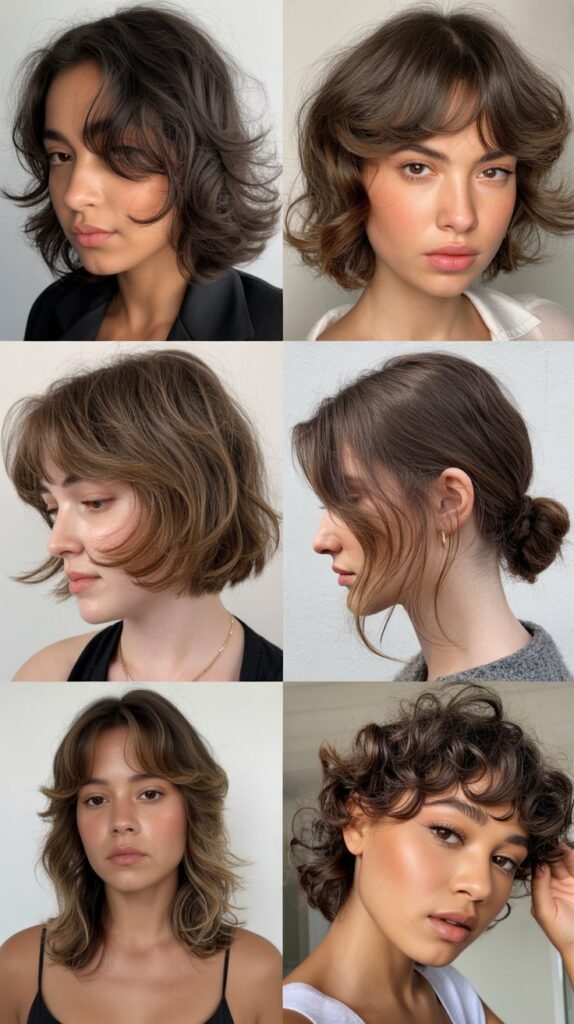
Maintaining longer, wispy pieces at the temples creates feminine softness during pixie growth.
These face-framing elements work beautifully from 6 weeks onward, adding delicate detail that softens otherwise edgy or severe pixie silhouettes.
- Point-cutting temple pieces creates feathered, delicate ends that appear soft and intentional rather than blunt or harsh against the face.
- These longer pieces disguise strong jawlines and create visual softness that balances angular features for more classically feminine appearance and proportions.
- Temple details require minimal styling usually falling naturally into attractive positions with just finger-combing or light product application for definition.
- This element adds versatility as wispy pieces can be tucked behind ears for a different look or worn forward for maximum face-framing effect.
- The delicate details age beautifully as hair grows, transitioning seamlessly into longer styles without awkward phases that require complete restyling or cutting.
- This approach suits those seeking subtle femininity during pixie growth rather than bold, edgy alternatives that might feel too severe or dramatic.
27. Pixie with Ear Tuck
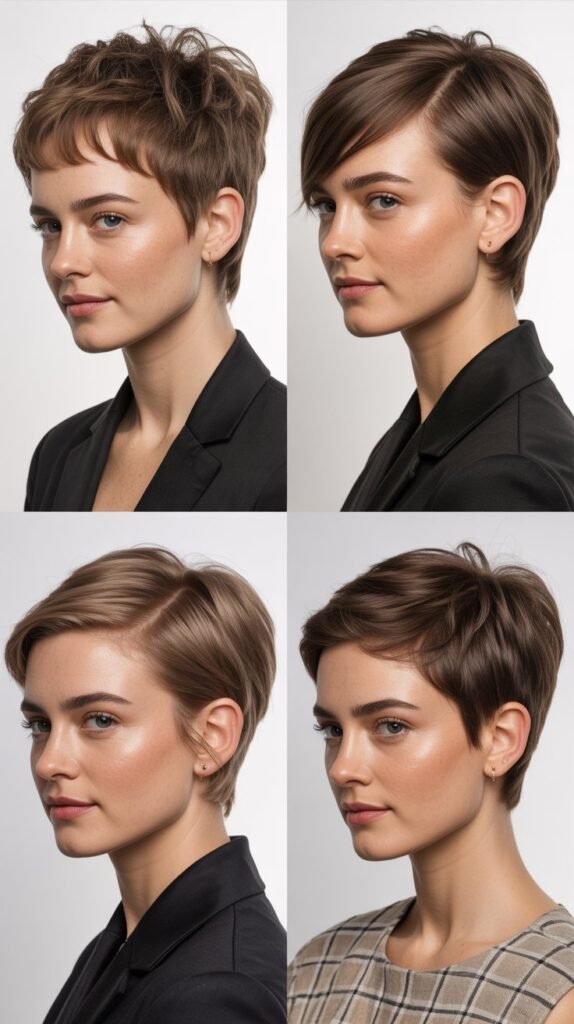
Tucking one side behind the ear while leaving the other forward creates instant asymmetry in growing pixies.
This simple styling trick works at almost any growth stage, offering easy variety without products or heat tools.
- The tucked side reveals earrings or ear jewelry making this styling choice particularly effective for showcasing beautiful accessories and creating visual interest.
- Switching which side gets tucked daily provides styling variety and prevents hair from developing permanent directional tendencies that limit future styling options.
- This technique works across all hair textures requiring no special products or skills, making it accessible even for those who struggle with styling.
- The asymmetry creates visual interest that distracts from awkward growth lengths and makes the style appear more intentional and deliberately designed.
- Maintaining the tuck requires occasional readjustment** throughout the day but takes mere seconds, making it practically maintenance-free compared to complex styles.
- This simple approach offers professional polish while keeping hair off the face during work or activities where forward-falling hair becomes annoying or impractical.
28. Textured Quiff Styling
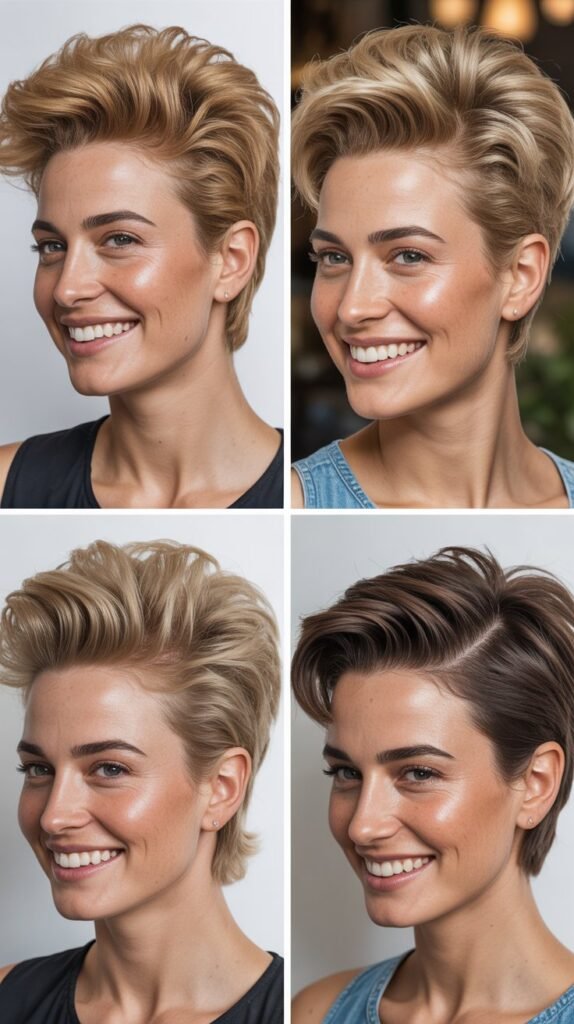
Creating a textured quiff at the front adds height and modern edge to growing pixies.
This confident styling approach works from 8-24 weeks, becoming easier and more dramatic as the front section gains length and styling capability.
- Blow-drying the front section upward and back establishes the quiff foundation, creating lift from the roots that defines this bold styling technique.
- Texturizing products like paste or fiber add definition and piece-y separation that makes the quiff appear intentionally tousled rather than stiff or dated.
- The elevated front draws attention to eyes while creating visual height that can balance facial proportions and add striking architectural interest to the overall look.
- This style bridges masculine and feminine aesthetics appealing to those who appreciate androgynous styling and fashion-forward gender-neutral approaches to appearance.
- Adjusting quiff height and texture allows customization from subtle professional versions to dramatic statement styles for creative or evening occasions and events.
- The quiff works particularly well with undercut sides as the contrast emphasizes the height and makes the overall style appear more deliberate and edgy.
29. Soft Pixie Bob Hybrid
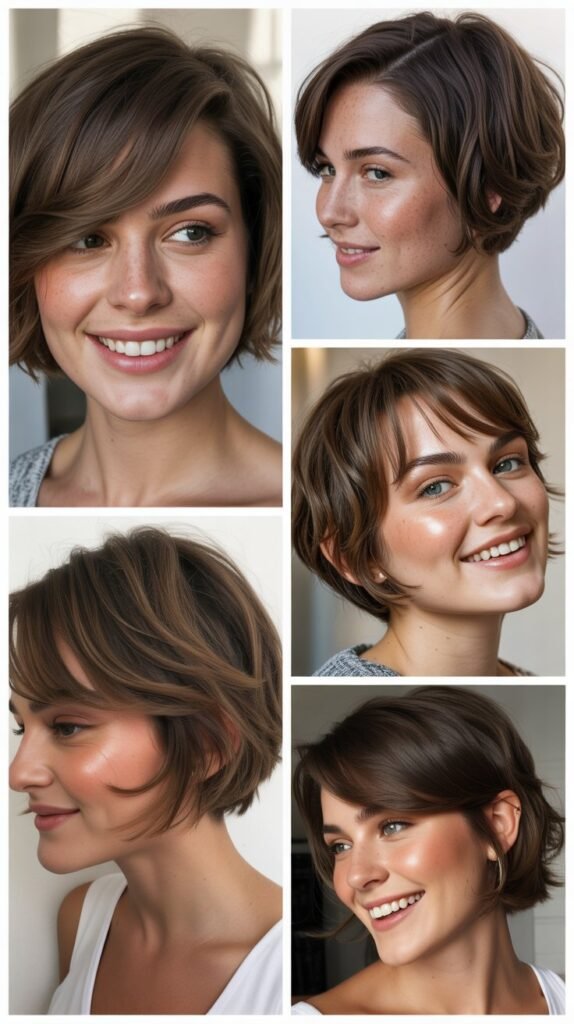
Blending pixie elements with emerging bob length creates a flattering hybrid style.
This transitional cut typically works around 5-8 months of growth when hair reaches that in-between stage where it’s too long for a pixie but too short for a proper bob.
- Maintaining shorter layers in back while allowing front and sides to grow creates a flattering silhouette that prevents unflattering mushroom shapes common in this phase.
- The hybrid style offers the best of both cuts providing pixie versatility in back while introducing bob-length styling options around the face where it matters most.
- Regular shaping every 6-7 weeks keeps the hybrid intentional-looking rather than simply appearing as a grown-out pixie that’s lost its intended shape completely.
- This approach particularly suits those unsure about bob commitment as it allows gradual length increase while maintaining familiar pixie elements in less visible areas.
- Styling products remain similar to pixie routines making the transition feel manageable rather than requiring entirely new techniques and product investments immediately.
- The hybrid creates flattering face framing at a stage when many find their growing pixie most challenging and aesthetically frustrating to manage daily.
30. Crown Braids for Growing Pixie
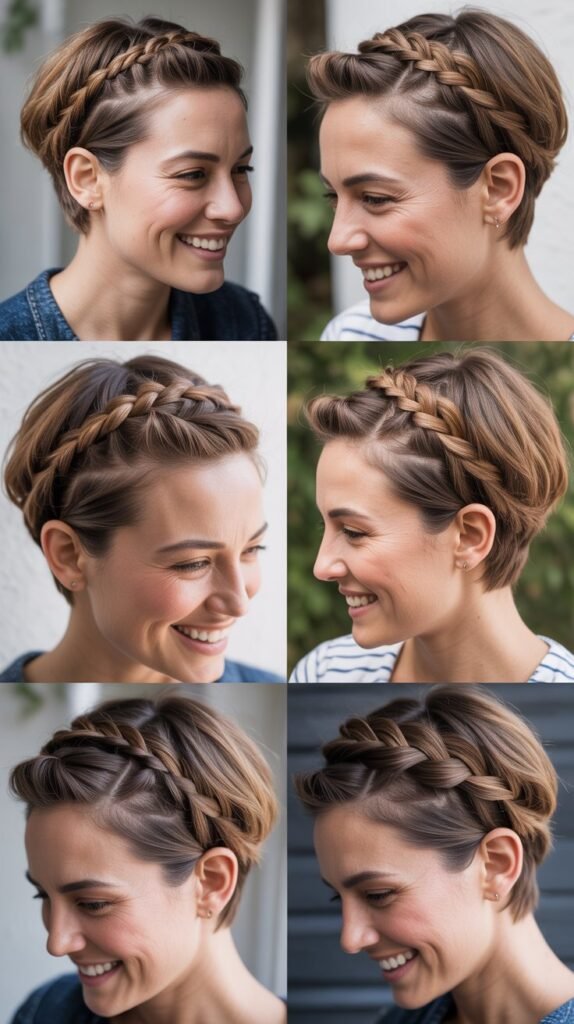
Incorporating tiny braids in longer crown sections adds boho charm to growing pixies.
This technique becomes possible around 12-20 weeks when crown hair reaches 2-3 inches, sufficient length for basic braiding techniques and secure holding.
- Multiple tiny braids running parallel create texture and visual interest while managing hair that’s too long to style up but too short to fall properly.
- This approach works particularly well with undercuts as the contrast between shaved sections and detailed braiding creates compelling visual layering and dimension.
- Braids can be temporary or maintained for several days, providing styling longevity that reduces daily maintenance requirements during busy periods or travel.
- Adding small elastics or decorative clips to braid ends keeps them secure while introducing additional color and textural elements to the overall aesthetic.
- The bohemian vibe suits casual, creative environments where unconventional styling is appreciated and personal expression through appearance is encouraged and celebrated.
- This technique offers practice for braiding skills that will become increasingly useful as hair continues growing toward longer lengths in future months.
31. Voluminous Blow-Out Pixie
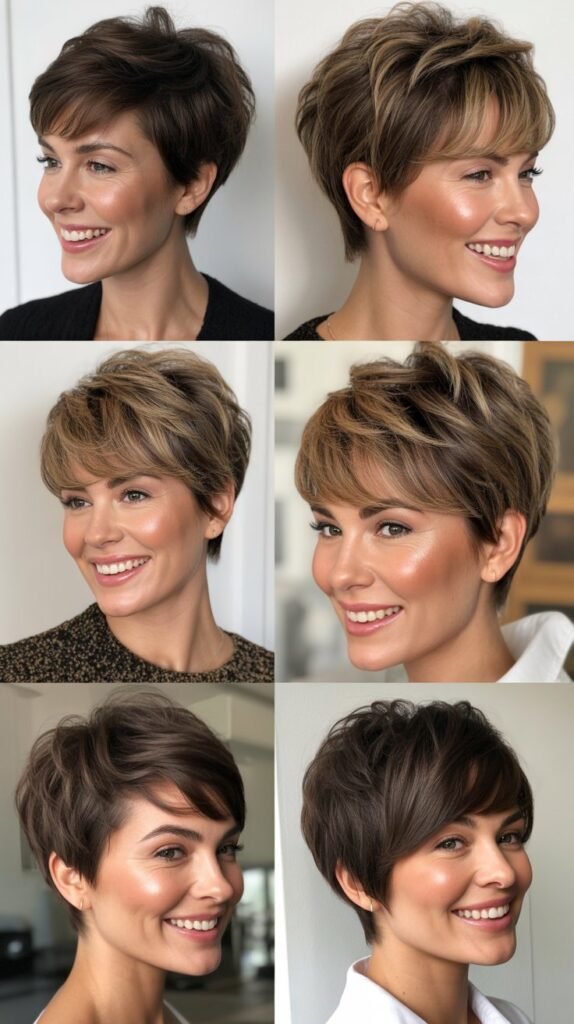
Creating volume through blow-drying techniques gives body and life to growing pixies.
This classic approach works throughout the growing-out process, particularly effective from 8 weeks onward when hair has sufficient length to lift from roots.
- Using a round brush while blow-drying lifts hair at the roots and creates smooth, directed volume that lasts throughout the day with proper product foundation.
- Volumizing mousse or spray applied to damp roots provides the grip and support needed for fine or straight hair to maintain lifted styling without falling flat.
- Directing the blow dryer downward along the hair shaft smooths the cuticle and adds shine while the round brush creates the actual volume and shape.
- This technique suits professional environments where polished, classic styling demonstrates attention to appearance without trending too edgy or casual for workplace standards.
- The voluminous approach particularly benefits fine hair that tends toward flatness during growth phases when natural body diminishes with added weight from length.
- Learning proper blow-drying techniques provides a foundational skill that remains valuable throughout the growing-out journey and into longer lengths beyond pixie.
32. Messy Top Knot for Longer Pixie
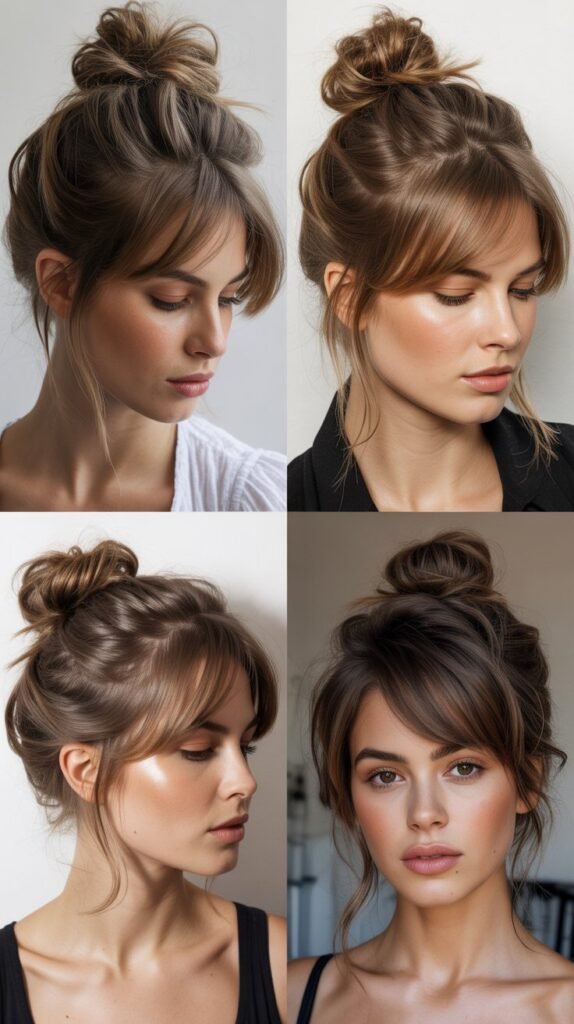
Once pixie length reaches about 3-4 inches on top (typically 6-8 months), a messy top knot becomes possible.
This playful style offers a break from constantly styled hair and provides a casual, effortless aesthetic perfect for weekends.
- Gathering just the crown section into a tiny knot leaves shorter sections free, creating an intentionally undone look that suits casual activities and environments.
- Small elastic bands designed for fine hair provide hold without creating the creases and damage that larger bands cause in shorter, more delicate hair lengths.
- Deliberately pulling a few face-framing pieces loose softens the look and prevents the severe appearance that can result from pulling all hair back tightly.
- This style works wonderfully for workouts keeping growing lengths off the face and neck during exercise when loose hair becomes annoying and uncomfortable.
- The messy aesthetic embraces imperfection making this an ideal low-pressure style for those who struggle with achieving polished looks during awkward growth phases.
- As hair continues growing the top knot increases in size and prominence, creating a natural progression toward fuller bun styles in future months.
33. Slicked Side Pixie with Part
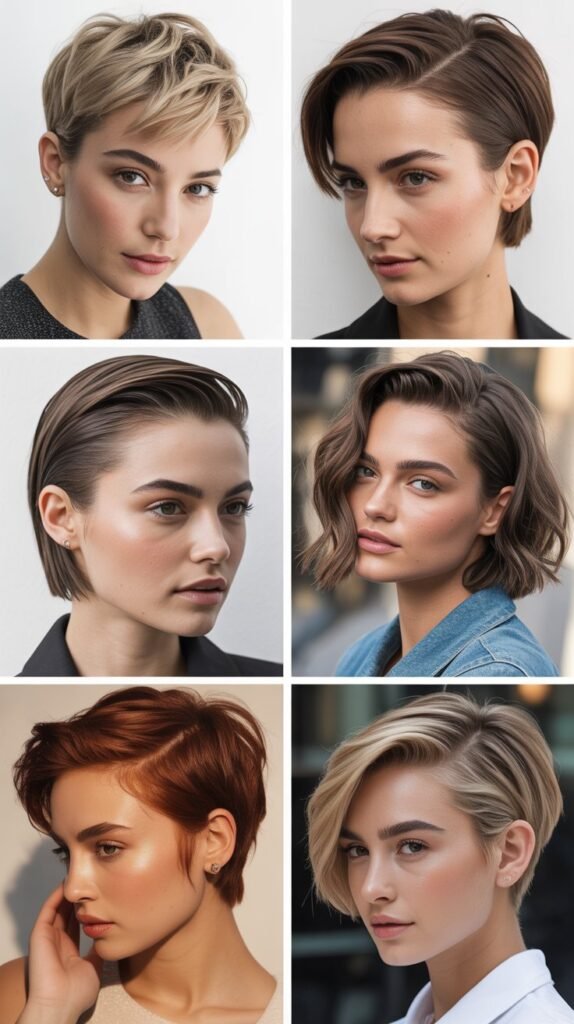
Creating a severe side part with slicked styling offers dramatic sophistication for growing pixies.
This high-impact approach works from 8-24 weeks, becoming increasingly dramatic as length allows more hair to be directed across the head.
- Positioning the part 3-4 inches off-center creates maximum drama and asymmetry that makes a strong style statement appropriate for fashion-forward environments and events.
- Strong-hold gel or pomade slicks hair flat against the head, creating the smooth, controlled aesthetic that defines this polished, editorial styling approach successfully.
- The heavier side cascades forward covering one side of the face partially, creating mystery and visual interest through strategic coverage and revelation.
- This style pairs beautifully with bold makeup particularly statement lips or dramatic eyes that balance the severity of the slicked hair styling effectively.
- The look works across professional and evening contexts adapting based on outfit and occasion from corporate boardroom to nighttime social events seamlessly.
- Minimal touch-ups required throughout wear make this practical despite its high-impact appearance, as strong products maintain the sleek styling reliably for hours.
34. Curly Pixie with Definition Cream
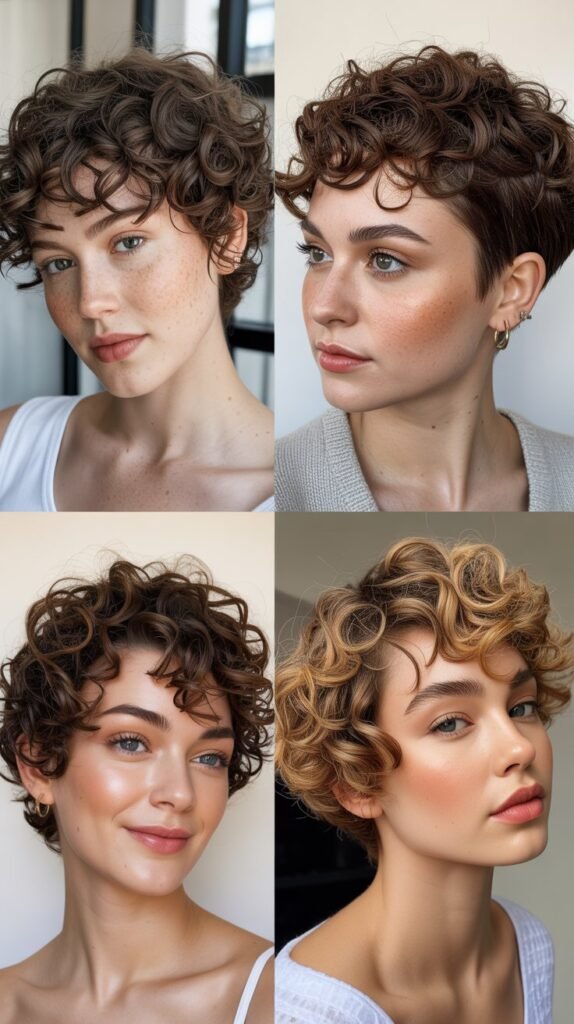
For natural curls, using definition cream creates bouncy, controlled styling during pixie growth.
This approach works beautifully from 6 weeks onward, becoming increasingly effective as curls have more length to form proper spirals and defined patterns.
- Applying curl cream to soaking wet hair ensures even distribution and maximum curl definition without the crunchiness that gels can sometimes create in curly textures.
- Scrunching hair upward while applying product encourages curl formation and prevents the stretching that occurs with downward combing through curls during styling.
- Air-drying or diffusing on low settings maintains curl integrity without the frizz that high heat causes, essential for healthy-looking defined curls during growth.
- The defined curls naturally disguise awkward lengths as their three-dimensional formation creates visual interest that draws attention away from uneven growth patterns underneath.
- Regular deep conditioning treatments support curl health and formation, as moisturized curls spring better and appear more defined than dry, damaged ones.
- This low-manipulation approach reduces breakage and supports length retention, helping curly hair grow faster and healthier than constant heat styling would allow.
35. Pixie with Hair Clips and Barrettes
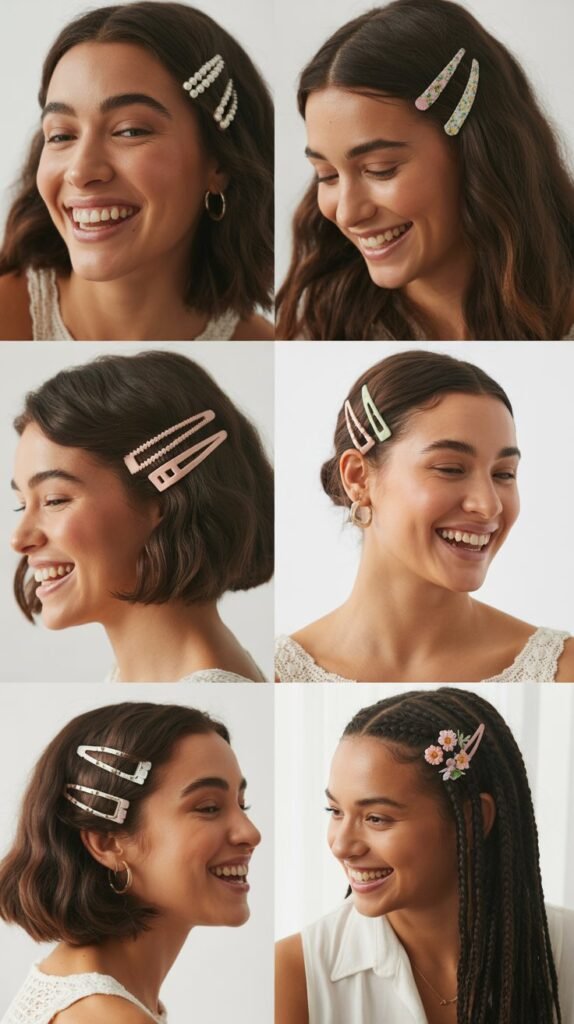
Using decorative clips and barrettes adds personality while managing growing pixie lengths.
This accessory-focused solution works at any growth stage, offering both practical hold and aesthetic enhancement simultaneously without requiring styling skill.
- Pearl-embellished barrettes add elegance appropriate for professional settings and special occasions where sophisticated appearance matters but hair length limits traditional styling.
- Geometric metal clips create modern edge that complements contemporary fashion sensibilities and adds architectural interest to otherwise simple pixie cuts during growth.
- Positioning clips asymmetrically creates visual interest and fashion-forward styling that makes growing pixie lengths appear intentionally designed rather than accidentally unmanaged.
- Using multiple small clips rather than one large one distributes holding power more evenly and creates a more intentional, decorated aesthetic throughout the hairstyle.
- Clip placement can change daily offering styling variety without the commitment or skill required for heat styling or complex product manipulation techniques.
- This approach requires zero heat or damaging processes making it one of the healthiest ways to manage growing hair while still maintaining stylish, put-together appearance daily.
36. Brushed Forward Bowl Cut Style
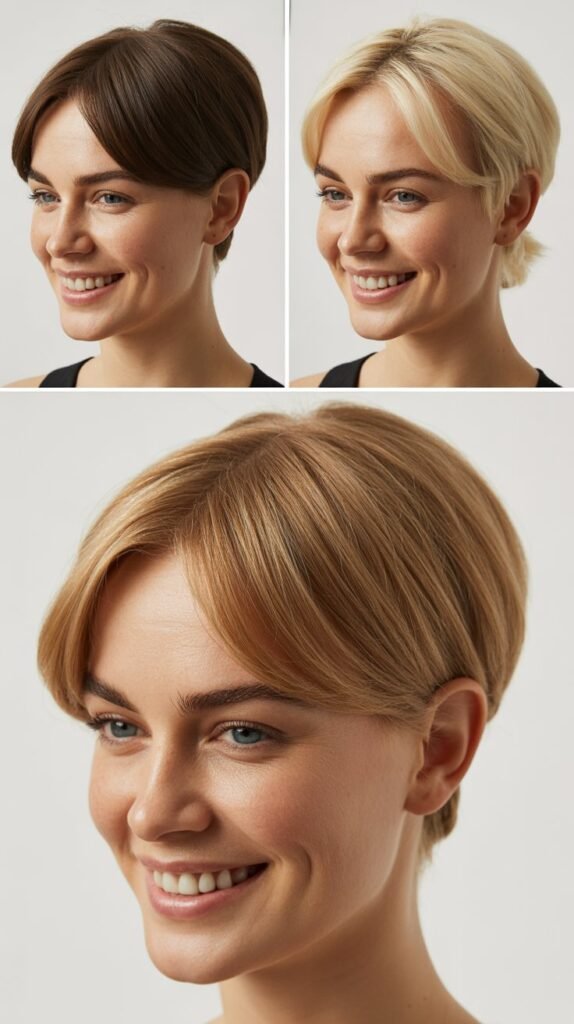
Styling a growing pixie into a modern bowl cut interpretation creates retro-contemporary appeal.
This bold approach works around 10-16 weeks when hair reaches sufficient uniform length around the head for this distinctive rounded silhouette.
- Blunt cutting around the perimeter creates the signature bowl shape that defines this look, updated from vintage versions with softer, more wearable contemporary interpretations.
- Brushing all hair forward toward the face establishes the rounded silhouette that characterizes bowl cuts while managing various growth stages uniformly and effectively.
- This style particularly suits oval and heart-shaped faces that can carry the rounded framing without emphasizing unwanted facial width or disproportion in bone structure.
- The bold aesthetic appeals to fashion-forward individuals comfortable with unconventional styling that makes strong statements rather than following mainstream beauty conventions exactly.
- Maintenance requires regular trims every 4-5 weeks to keep the blunt perimeter clean and maintain the precise lines that make this cut impactful rather than sloppy-looking.
- Modern styling products add texture and separation that prevents the solid, heavy appearance of vintage bowl cuts while maintaining the recognizable silhouette successfully.
37. Pixie with Shag Layers
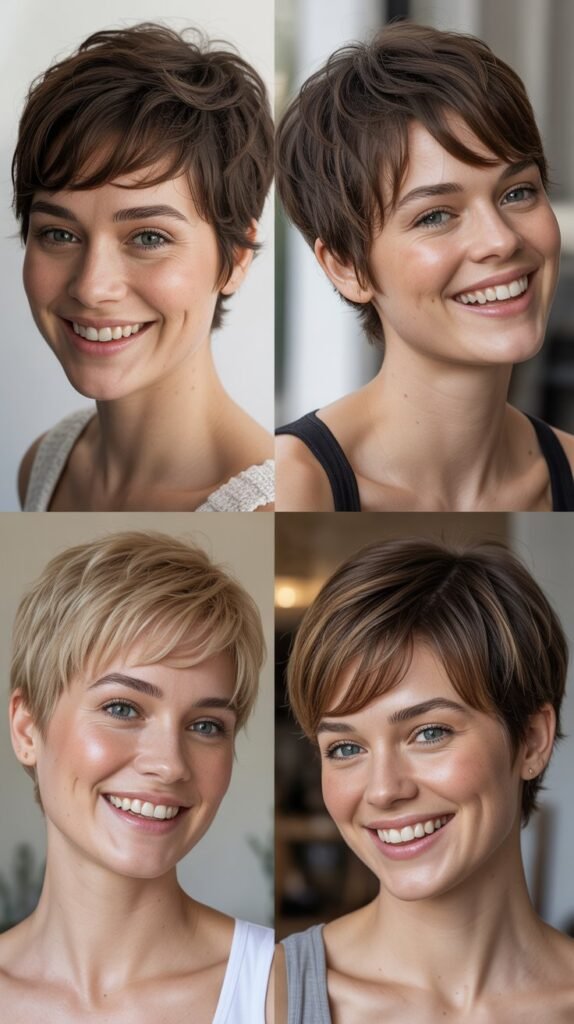
Incorporating shag-style layers creates a rock-and-roll aesthetic in growing pixies.
This textured approach works wonderfully from 10-24 weeks, adding movement and dimension that disguises awkward lengths while delivering enviable edge and attitude.
- Varying layer lengths significantly creates the disconnected, piece-y appearance that defines shag cuts and makes them so texturally interesting and visually dynamic.
- Razor cutting techniques produce the feathered, soft ends essential for authentic shag texture rather than the blunt heaviness that characterizes more traditional layer cutting.
- This style works beautifully with natural texture including waves and slight bends that enhance the intentionally messy, lived-in aesthetic shag cuts embody historically.
- Minimal styling required as the cut itself provides texture and interest, making this ideal for those preferring low-maintenance approaches during the growing-out process.
- The rock-and-roll heritage of shag cuts appeals to those with alternative, creative aesthetics who appreciate music-inspired fashion and beauty sensibilities in their appearance.
- This layering extends pixie lifespan significantly as the intentionally uneven lengths make the style look designed rather than simply grown-out and neglected over months.
38. Smooth Side-Parted Pixie
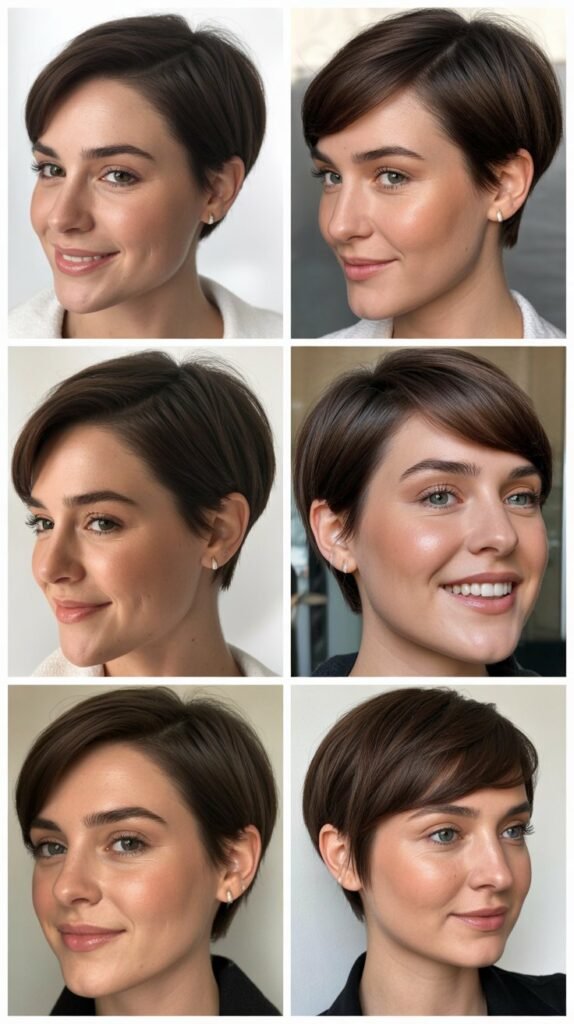
A sleek side part with smooth styling creates timeless elegance in growing pixies.
This classic approach works from 6-20 weeks, offering polished sophistication appropriate for conservative professional environments and formal occasions consistently.
- Creating a clean part with a tail comb provides precision that elevates the overall polished appearance and demonstrates attention to grooming details consistently.
- Flat ironing or blow-drying completely smooth creates the glossy, sleek appearance that characterizes this elegant styling approach and makes it feel expensive-looking always.
- Shine serum or oil applied sparingly enhances the glossy finish without creating greasy appearance, catching light beautifully for photogenic results in any lighting.
- This understated elegance suits conservative workplaces where more adventurous styling might be inappropriate but looking polished and professional remains essential to career success.
- The style requires relatively low maintenance throughout the day compared to more complex pixie styling, making it practical for long workdays with limited touch-up access.
- This approach never goes out of style providing a timeless aesthetic that photographs beautifully and works across decades without appearing dated or tied to specific trends.
39. Pixie with Finger Waves
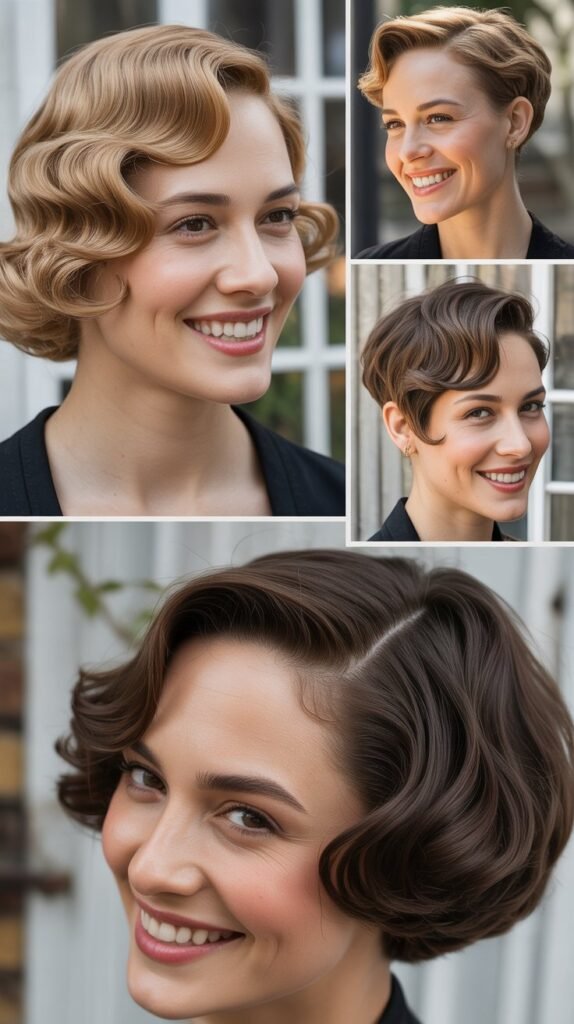
Creating finger waves adds vintage glamour to growing pixie hair.
This detailed technique works best around 12-20 weeks when hair reaches sufficient length to form the S-shaped curves that define authentic finger wave styling historically.
- Setting lotion or strong-hold mousse provides the grip needed to form and hold waves without modern heat tools, staying true to vintage technique origins.
- Creating alternating S-curves using fingers and comb requires patience and practice but delivers stunning old-Hollywood glamour impossible to achieve with other methods currently.
- The technique works beautifully for special events including themed parties, vintage photoshoots, or anyone who appreciates authentic period styling and classic beauty aesthetics.
- Hair must be damp during formation and allowed to dry completely while waves are clipped in place, requiring time commitment but delivering remarkable results.
- This labor-intensive styling creates appreciation for vintage beauty routines while providing unique styling options unavailable through modern quick-styling approaches alone.
- The dramatic waves draw attention making this a statement look that announces confidence, creativity, and appreciation for beauty history and craftsmanship in appearance.
40. Textured Pixie with Sea Salt Spray
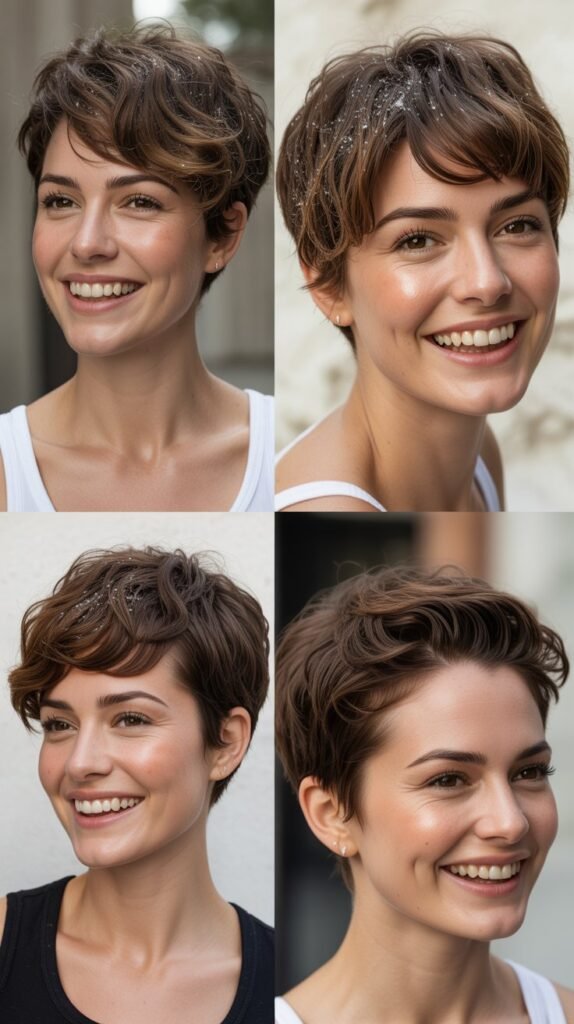
Using sea salt spray creates beachy, tousled texture perfect for casual pixie styling.
This effortless approach works from 6 weeks onward, adding that coveted “just came from the beach” appearance without actual ocean exposure or elaborate styling.
- Spraying product onto damp hair allows the salt to enhance natural texture as hair dries, creating organic-looking waves and movement throughout the cut.
- Scrunching hair while it dries encourages texture formation and prevents the flat appearance that can result from air-drying without manipulation or encouragement.
- The matte finish provides casual, undone appeal that suits weekend activities, beach outings, and relaxed social situations where polished styling feels inappropriately formal.
- This approach works across hair textures enhancing natural wave patterns in wavy hair while adding grip and body to straight hair that typically lacks volume.
- The beachy aesthetic never requires perfection, making this ideal for those who struggle with achieving polished looks or prefer more relaxed, low-pressure styling approaches.
- Sea salt can be drying so following with occasional deep conditioning treatments maintains hair health while enjoying the styling benefits regularly without damage.
41. Pixie Mullet Style
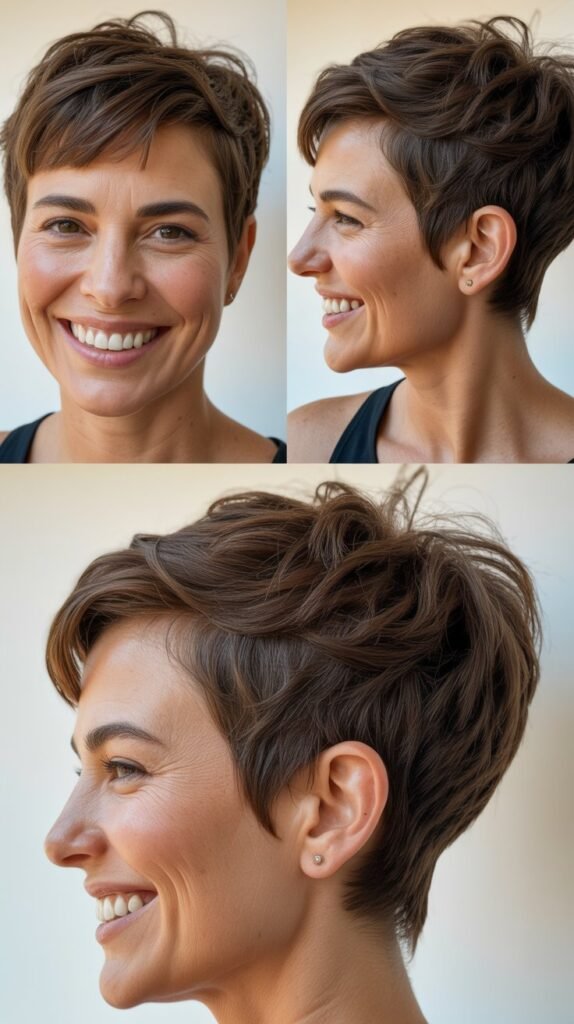
Embracing the mullet aesthetic—shorter on top and sides, longer in back—creates bold, unconventional styling.
This daring approach works particularly well around 4-7 months when the back has grown significantly while other sections remain relatively short.
- The intentional length disparity makes the often-frustrating uneven growth pattern of pixies into a deliberate style statement that’s currently trending in fashion-forward circles.
- Modern mullets feature softer transitions than vintage versions, making them more wearable for everyday life while maintaining the signature silhouette that defines the cut.
- This bold choice suits creative professionals and those in alternative communities where unconventional appearance is celebrated rather than judged negatively or professionally limiting.
- Styling products help define the contrast between sections, with more texture on top and potentially sleeker styling in the longer back section for definition.
- The mullet works surprisingly well across gender presentations offering androgynous appeal that transcends traditional beauty conventions and gendered styling expectations completely.
- Maintenance requires strategic trimming of the shorter sections while allowing the back to grow, demanding clear communication with stylists about the intentional nature of length differences.
42. Sleek Pixie with Middle Part
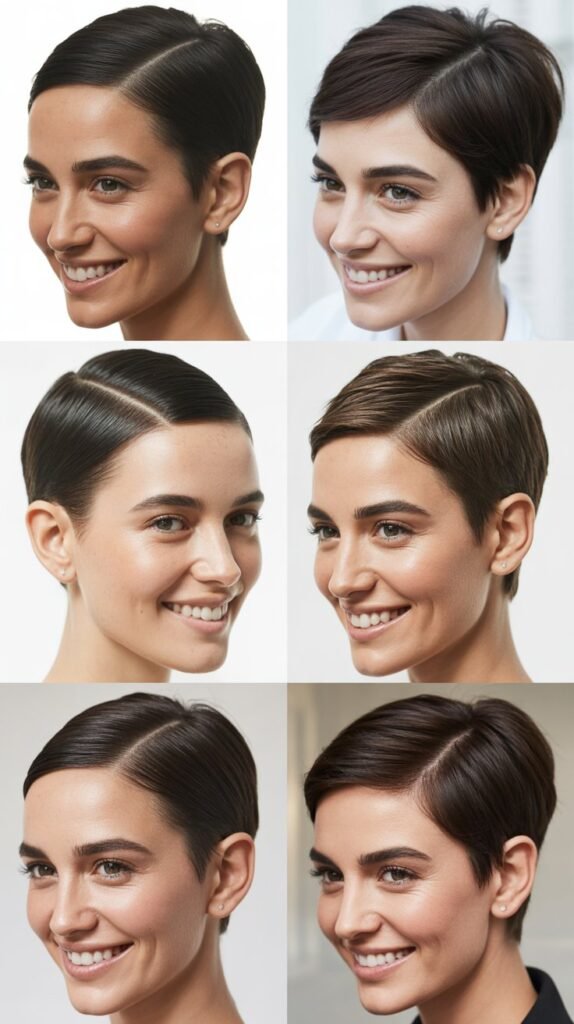
Creating a center part with sleek styling offers symmetrical sophistication for growing pixies.
This balanced approach works from 10-20 weeks when hair reaches sufficient length to part and lay flat on both sides without standing awkwardly upright.
- The centered part creates facial symmetry that can be particularly flattering for those with balanced, proportionate features they wish to highlight through intentional styling.
- Flat ironing both sides smooth achieves the sleek, polished finish that makes this simple style appear deliberately elegant rather than accidentally plain or understated.
- This approach suits minimalist aesthetics where clean lines and simplicity create impact through precision and restraint rather than elaborate decoration or complexity.
- The symmetrical styling offers a break from the asymmetry popular in many pixie styles, providing variety and freshness during the growing-out journey’s progression.
- Shine-enhancing products become essential for maintaining the glossy, healthy appearance that elevates this simple styling into something that appears expensive and well-maintained.
- The precise part requires regular adjustment as hair grows and may shift, but this attention to detail demonstrates overall grooming care and sophistication consistently.
43. Pixie with Temporary Color
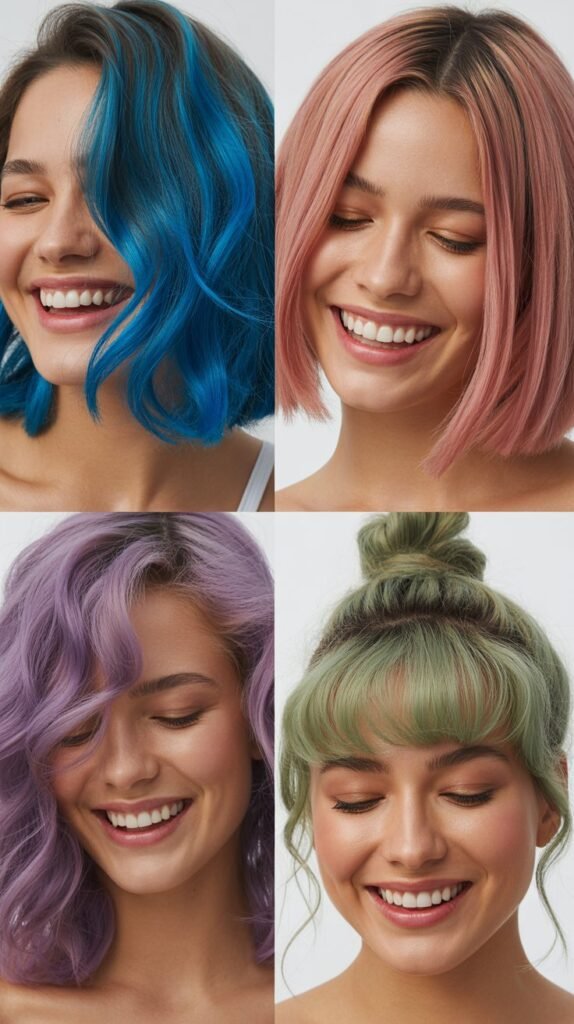
Adding temporary hair color introduces playful variety without permanent commitment during pixie growth.
This experimental approach works at any growth stage, offering creative expression that washes out completely, perfect for those wanting temporary change.
- Color sprays, chalks, or wash-out dyes provide options ranging from subtle tints to dramatic statements depending on desired impact and personal comfort levels with bold color.
- Experimenting with color distracts from potentially awkward growth lengths by shifting attention to the creative color choices rather than hair length or styling challenges.
- Temporary color requires no damage unlike permanent dyes, making it a healthy choice for hair that’s already stressed from the growing-out process and regular styling.
- Different colors for different occasions offers flexibility—professional neutrals for work, creative brights for weekends, creating multiple looks from one base cut during growth.
- This playful approach suits creative personalities who enjoy experimentation and aren’t afraid to stand out or make temporary bold statements through appearance choices.
- The temporary nature allows trying trends like pastels or neons without the commitment or maintenance that permanent fashion colors require long-term successfully.
44. Brushed-Up Quiff with Undercut
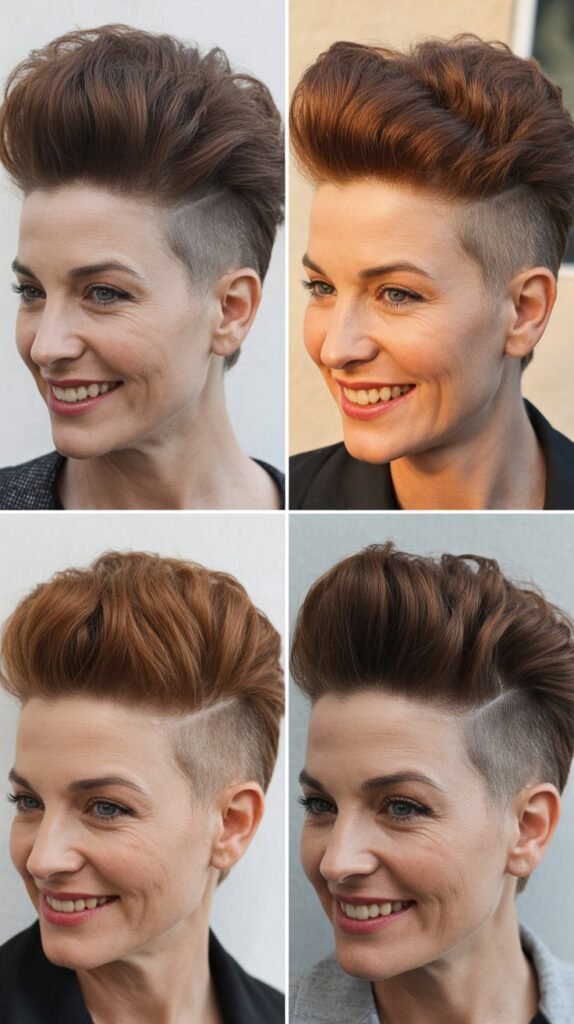
Combining an undercut with a dramatically brushed-up quiff creates maximum contrast and impact.
This bold styling works from 8-24 weeks, becoming increasingly dramatic as the top section gains length while sides stay cropped close.
- The height differential between shaved sections and lifted top creates architectural drama that makes a powerful style statement in professional and social contexts.
- Strong-hold products become essential for maintaining the vertical styling against gravity throughout the day without constant touch-ups or product reapplication during wear.
- This style draws the eye upward creating visual height that can balance facial proportions and add presence without physically changing face shape or features.
- The dramatic aesthetic suits bold personalities who enjoy attention and aren’t uncomfortable being noticed or standing out in groups through distinctive appearance choices.
- Maintaining the undercut every 3-4 weeks keeps the contrast sharp and prevents the style from losing its impact as shaved sections begin growing and blurring edges.
- The quiff portion adapts as it grows longer, eventually allowing different styling options while maintaining the contrast that makes this cut so distinctively impactful.
45. Soft Pixie with Long Bangs
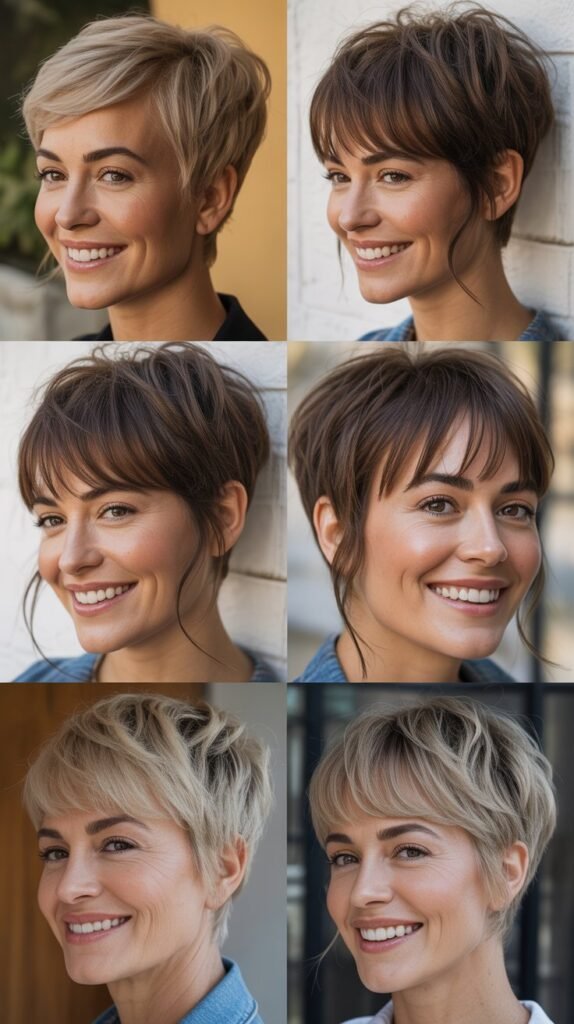
Maintaining longer bangs while keeping the rest short creates versatile styling options.
This approach works from 6 weeks onward, offering the security of hair to hide behind while experimenting with shorter lengths elsewhere during transition.
- Bangs reaching below eyebrows or longer provide styling versatility including swept-to-side, pinned-back, or forward-covering options depending on mood and occasion appropriately.
- The longer front creates balance for those uncomfortable with ultra-short styles everywhere, offering a security blanket of familiar length during the pixie-growing transition period.
- This cut flatters most face shapes as the adjustable bang positioning allows customization—forward for forehead coverage, swept-back for openness, side for asymmetry effectively.
- Styling products help control bangs throughout the day, with options ranging from sleek and straight to textured and piece-y depending on desired aesthetic and environment.
- The versatility makes this practical for those transitioning between different life contexts like conservative workplaces and creative social circles requiring appearance flexibility regularly.
- As hair grows the bangs can gradually merge with side lengths, creating a natural progression toward bob lengths without awkward in-between stages requiring constant adjustment.
46. Pixie with Crown Twist Detail
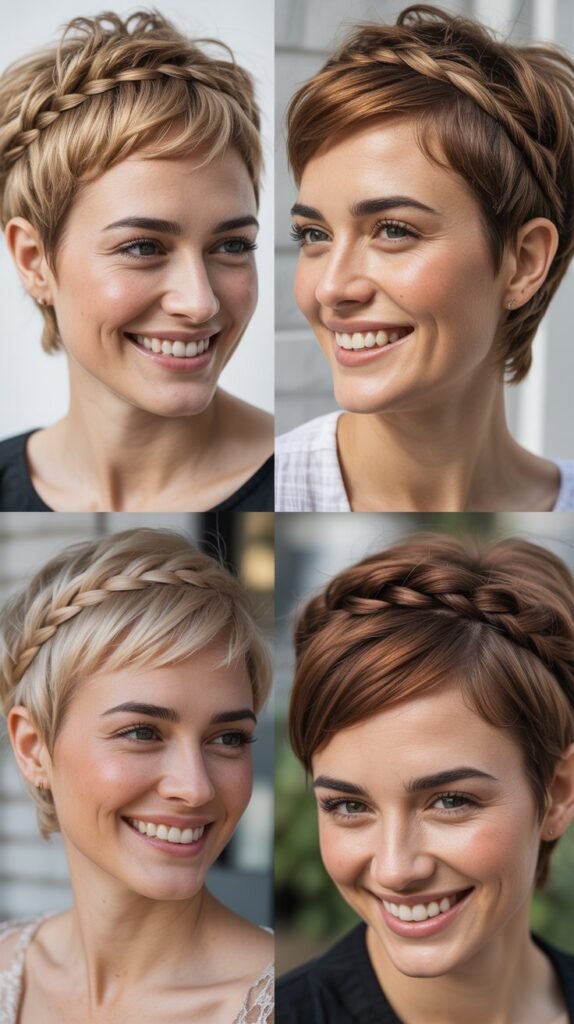
Twisting small sections at the crown adds delicate detail to growing pixies.
This subtle technique works around 10-16 weeks when crown hair reaches sufficient length to twist and secure, providing a romantic, whimsical touch to otherwise simple styling.
- Two-strand twists create rope-like texture that adds visual interest without the complexity of braiding, making this accessible for those with limited hairstyling experience.
- Securing twists with small pins keeps them in place throughout the day while the decorative pins themselves can add color and sparkle to the overall look.
- This delicate detail suits romantic occasions and adds femininity to pixie cuts that might otherwise feel too edgy or severe for special events like dates or weddings.
- The technique requires minimal time taking just a few minutes to create while delivering significant styling impact that elevates the overall appearance noticeably beyond basic styling.
- Multiple small twists can be created rather than one large one, allowing customization of the detailed pattern across the crown for varied aesthetic effects.
- This approach grows out gracefully as the twists can be placed higher or lower on the head as length increases, adapting naturally to changing hair length throughout months.
47. Pixie with Mini Ponytail
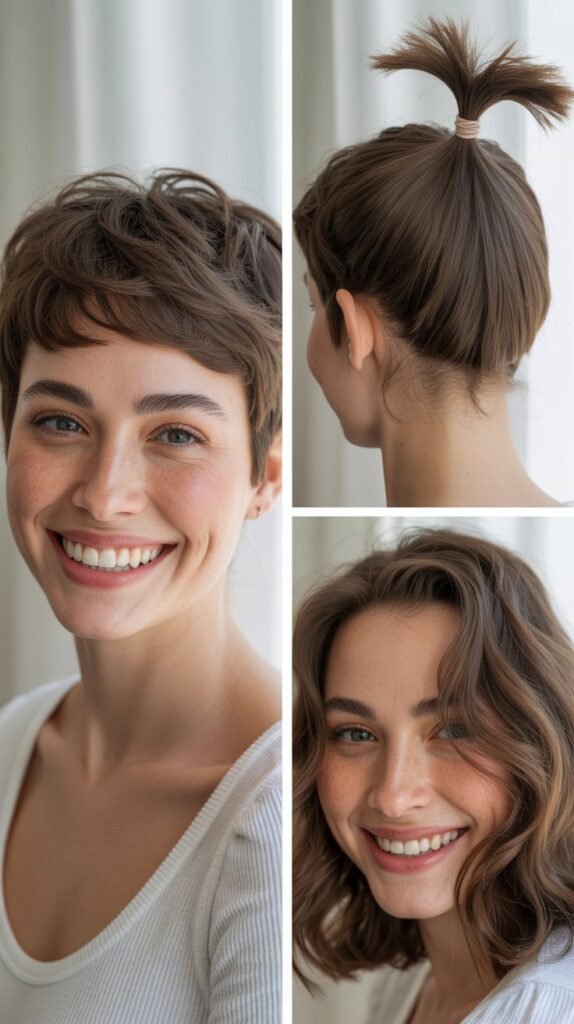
Once the crown section reaches about 3 inches (typically 6-10 months), gathering it into a tiny ponytail becomes possible.
This playful style offers surprising versatility and provides relief from constantly styled hair during the growing-out process.
- Using small elastic bands designed for fine hair prevents breakage and damage that larger bands cause when wrapped multiple times around small amounts of short hair.
- The mini ponytail keeps growing top section off the face during workouts, cooking, or other activities where loose hair becomes annoying or unhygienic to manage.
- Deliberately leaving face-framing pieces loose softens the look and prevents the severe, pulled-back appearance that occurs when absolutely all hair is gathered tightly back.
- This casual styling suits weekend activities and informal settings where polished appearance isn’t required but looking put-together still matters somewhat to personal standards.
- The playful aesthetic adds youthful energy that many find refreshing during the often-frustrating growing-out process when serious styling feels too demanding daily.
- As hair continues growing the ponytail becomes more substantial, eventually transforming into legitimate small buns or half-up styles with increasing length naturally.
48. Sleek Pixie with Wet Look Finish
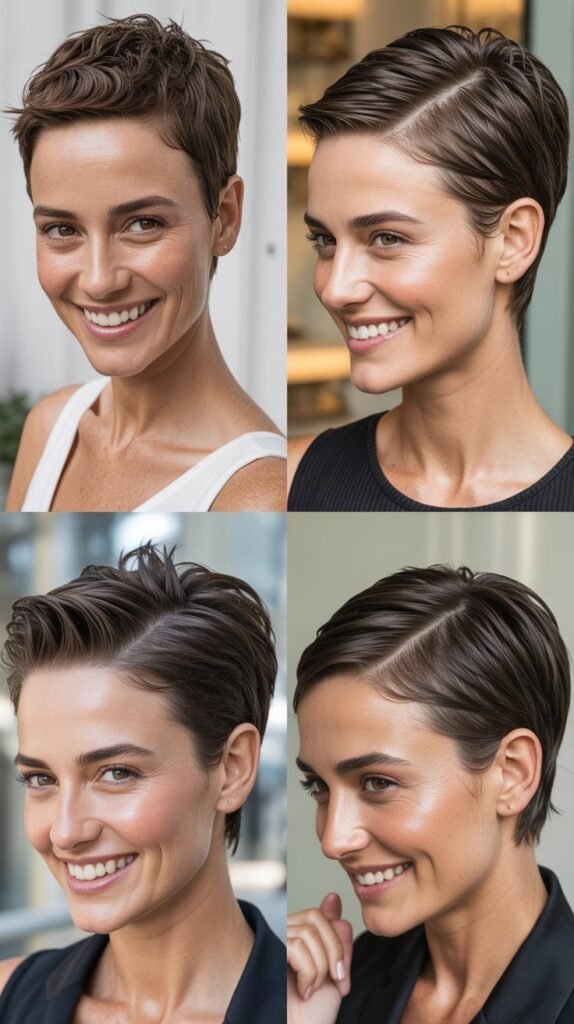
Creating a wet-look finish with gel provides editorial, high-fashion styling for growing pixies.
This bold approach works from 6-20 weeks, delivering glossy, sculptural results that photograph beautifully and make strong aesthetic statements in any setting.
- Generous gel application to damp hair creates the signature shine and hold that defines the wet look, requiring more product than typical daily styling uses.
- Combing hair into desired shape while wet ensures clean lines and deliberate styling before the gel dries and locks everything in place for hours of wear.
- This dramatic aesthetic suits fashion-forward contexts including photo shoots, fashion events, or creative professional environments where bold styling is appreciated and celebrated.
- The sculptural quality of the style creates hair that looks almost architectural, turning functional styling into an artistic statement piece atop the head strikingly.
- This approach works across hair textures as the heavy product application overrides natural texture, creating uniform appearance regardless of whether hair is naturally straight, wavy, or curly underneath.
- The wet look pairs dramatically with bold makeup and statement fashion, creating cohesive high-impact aesthetics from head to toe that command attention unapologetically always.
49. Pixie Bob with A-Line Shape
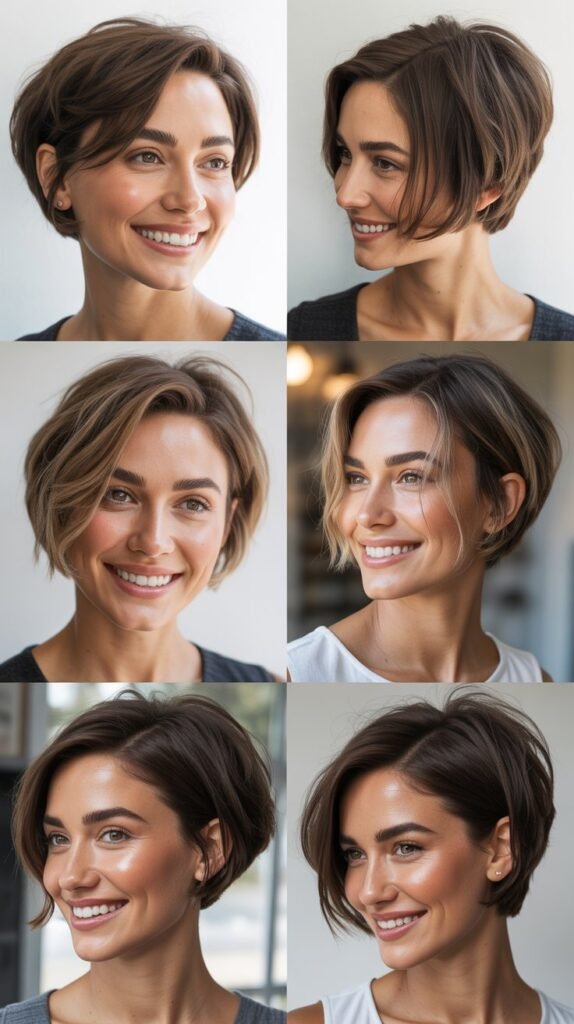
Creating an A-line shape—shorter in back, gradually longer toward front—offers classic sophistication during pixie growth.
This tailored approach typically works best around 4-7 months when enough length differential exists to create visible angle and dramatic line.
- The angled cut creates flattering face framing that draws attention to jawlines and cheekbones while providing the movement and dimension that makes haircutting an art form.
- This classic shape suits professional environments where conservative yet stylish appearance demonstrates both fashion awareness and workplace appropriateness without conflicts or attention concerns.
- Regular trims maintain the clean line that defines A-line cuts, requiring salon visits every 6-8 weeks to keep the angle sharp and prevent the cut from looking grown-out lazily.
- Blow-drying with a round brush enhances the smooth lines and adds slight bend or movement at the ends for softness rather than severe geometric strictness always.
- The versatile length accommodates various styling options from sleek and straight to textured and wavy, offering variety without requiring dramatic cutting or commitment changes.
- This cut gracefully transitions toward full bob length, eventually losing the severe angle but maintaining attractive proportions throughout the entire growing journey naturally ahead.
50. Pixie with Hair Jewelry
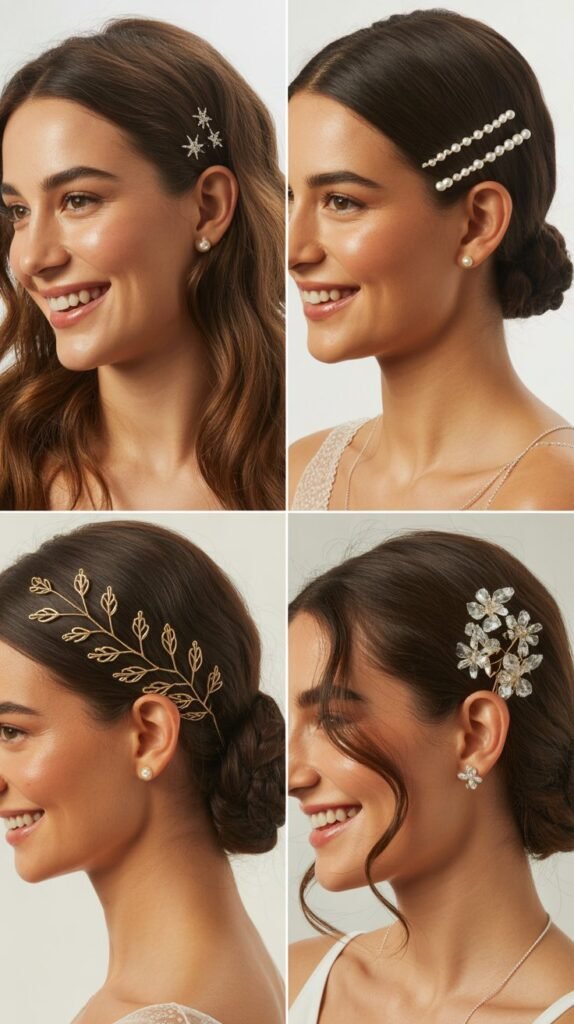
Incorporating hair jewelry including decorative pins, chains, or clips adds personalized artistry to growing pixies.
This accessory approach works at any growth stage, transforming simple cuts into decorated, individualized style statements without heat or permanent changes.
- Delicate chains or connecting pins create ornate decoration across the scalp, turning hair into a canvas for wearable art that expresses personality and creativity uniquely.
- Placement changes the entire aesthetic from bohemian when scattered randomly to structured when arranged in geometric patterns across sections of visible scalp areas.
- This approach particularly suits special occasions including parties, festivals, or photo shoots where creative expression through appearance is encouraged and even expected from attendees.
- Hair jewelry requires no styling skill making it accessible for those who struggle with heat tools or product application but still want decorated, interesting hair appearance.
- The decorative elements draw attention away from potentially awkward growth lengths by shifting focus to the creative accessories rather than hair length or styling itself.
- Mixing metals and styles creates personalized combinations that reflect individual taste, allowing endless variety from minimal to maximalist depending on personal aesthetic preferences completely.
51. Textured Crop with Fringe
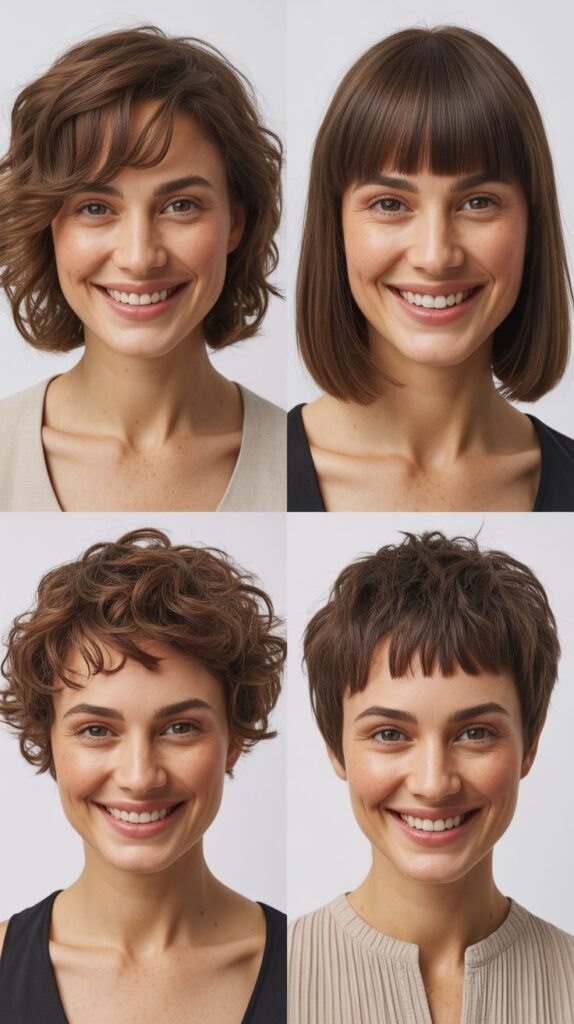
Maintaining a textured crop with defined fringe creates contemporary, low-maintenance styling during pixie growth.
This approach works from 8-20 weeks, offering easy daily styling that looks intentionally designed rather than accidentally neglected or poorly maintained.
- Choppy, piece-y texture throughout creates movement and dimension that prevents the flat, heavy appearance that can plague growing pixie cuts without proper layering techniques.
- The defined fringe section provides a focal point and frames the face attractively while disguising any forehead concerns or hairline irregularities naturally and effectively.
- Minimal styling required as the cut itself provides built-in texture and interest, ideal for those preferring quick morning routines without sacrificing style completely.
- This modern aesthetic suits contemporary fashion sensibilities and works across professional and casual contexts without appearing too edgy or conservative for either environment.
- The textured approach disguises uneven growth particularly well since intentional irregular lengths make natural growth patterns appear part of the designed cut rather than accidents.
- Matte styling products enhance the piece-y texture without adding shine, maintaining the modern, undone quality that makes this cut feel current and fashion-forward consistently.
52. Side-Shaved Pixie
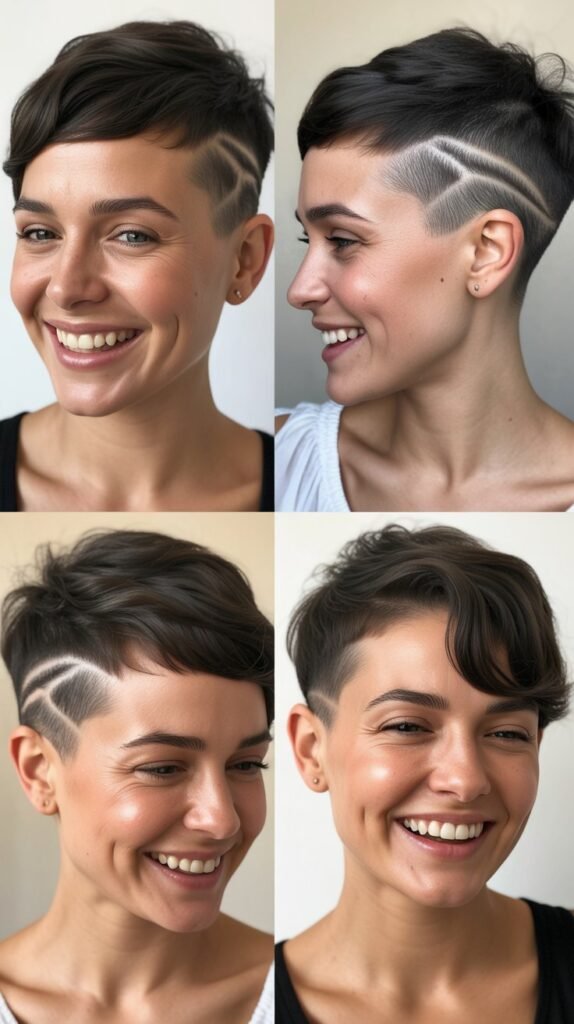
Shaving one side completely while maintaining length on the other creates dramatic asymmetry.
This bold approach works throughout growing-out, with the contrast becoming more pronounced as the un-shaved side gains length over months naturally.
- The extreme contrast makes a powerful style statement that suits confident personalities comfortable with attention and standing out dramatically in any group or setting.
- Maintaining the shaved side every 2-3 weeks keeps the contrast sharp and prevents the style from losing impact as the shaved section begins sprouting noticeable growth.
- The longer side provides versatility for styling forward, swept back, or curled depending on occasion while the shaved side remains consistent and unchanging dramatically.
- This cut works beautifully with natural texture on the longer side, as waves or curls add volume and personality that contrasts interestingly with the clean-shaved sections.
- The asymmetry can be adjusted as hair grows by gradually allowing more of the shaved side to gain length, creating a progressive transition toward more balanced cuts eventually.
- This bold choice suits creative industries and alternative communities where unconventional appearance is celebrated rather than judged negatively or seen as unprofessional in workplace contexts.
53. Pixie with Swooped Fringe
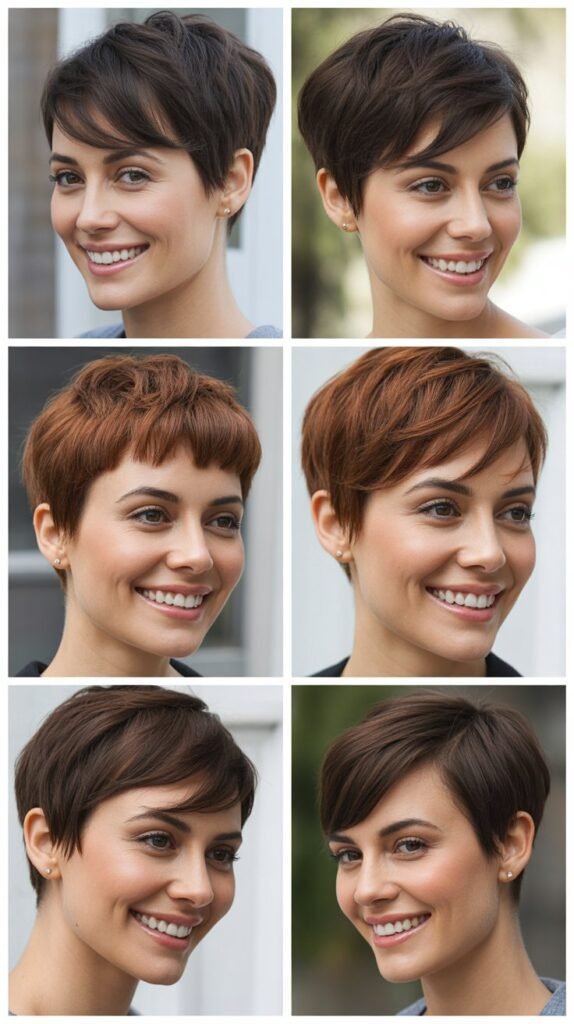
Creating a dramatic swoop in the front fringe adds movement and dimension to growing pixies.
This dynamic styling works from 10-20 weeks when front sections have enough length to create visible curve and directional flow across the forehead area.
- Using a round brush while blow-drying creates the curved shape that defines the swoop, directing hair from one side of the forehead across to the opposite side smoothly.
- The swooping motion adds femininity to potentially severe pixie cuts, softening the overall aesthetic while maintaining the edgy, short length that characterizes the style.
- This styling flatters most face shapes by creating diagonal lines that add visual interest and draw attention across rather than just vertically or horizontally on the face.
- Light-hold products maintain the swoop without stiffness, allowing natural movement while keeping the directional flow intact throughout the day’s activities and environmental factors.
- The dramatic fringe draws attention to eyes and creates a focal point that distracts from potentially awkward lengths in other sections during the growing-out transition period.
- Changing the swooping direction occasionally prevents hair from developing permanent directional tendencies that might limit future styling options as length continues increasing naturally forward.
