
Dark chocolate brown hair has emerged as the ultimate sophisticated shade for those seeking rich, multidimensional color that flatters virtually every skin tone.
Whether you’re transitioning from jet black, covering grays, or simply craving a luxurious new look, 64 Salon Perfect Dark Chocolate Brown Hair Dye & Gloss Trends offers an extensive guide to achieving and maintaining this coveted color.
This comprehensive article explores professional salon techniques, at-home application methods, trending variations from subtle caramel highlights to bold cherry undertones, maintenance routines that preserve vibrancy, and expert tips for selecting the perfect dark chocolate shade for your unique features.
From classic solid colors to modern balayage techniques, glossing treatments that add mirror-like shine, and color-correction strategies, you’ll discover everything needed to master this timeless yet contemporary hair color trend that continues dominating runways, red carpets, and social media feeds worldwide.
1. Understanding Dark Chocolate Brown Hair Color Chemistry
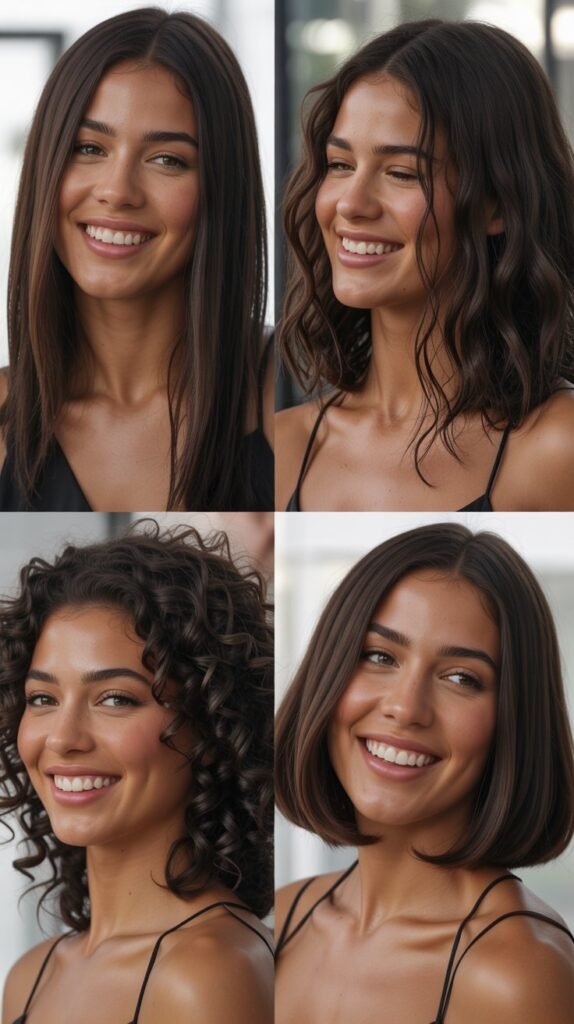
Dark chocolate brown sits perfectly between deep espresso and medium brown, offering warmth without appearing overly red or orange.
This shade contains carefully balanced pigment molecules that create depth while reflecting light beautifully.
- Professional colorists formulate dark chocolate brown using a combination of cool and warm undertones that prevent the flat, one-dimensional appearance common in box dyes
- The color typically registers as a level 3 or 4 on the professional hair color scale, placing it in the dark brown category with rich dimensional qualities
- Eumelanin and pheomelanin pigments work together in this shade, with eumelanin providing the brown base while pheomelanin adds subtle warmth
- Quality dark chocolate formulations include conditioning agents like keratin, argan oil, and proteins that protect hair structure during the coloring process
- The molecular size of dark chocolate brown pigments allows them to penetrate the hair cuticle effectively, resulting in longer-lasting color compared to lighter shades
- Understanding your natural hair’s undertones—whether cool, warm, or neutral—helps colorists customize the perfect dark chocolate shade for seamless blending
- This color works exceptionally well for covering gray hair because the depth masks white strands while the warmth prevents a harsh, artificial appearance
2. Salon vs. At-Home Dark Chocolate Brown Application
Choosing between professional salon services and at-home coloring depends on your hair’s current condition, desired results, and budget considerations. Both options offer distinct advantages when pursuing dark chocolate brown perfection.
- Salon colorists can customize formulations specifically for your hair texture, porosity, and natural base color, ensuring optimal results
- Professional applications include pre-color treatments that balance porosity, preventing uneven color absorption that creates splotchy results
- At-home box dyes provide convenience and cost savings but contain standardized formulas that may not account for individual hair variations
- Salon visits allow for advanced techniques like lowlights, highlights, or balayage that add dimension impossible to achieve with single-process box color
- Professional colorists can lift darker existing color safely before applying dark chocolate brown, whereas at-home lightening often causes significant damage
- Box dyes work best for individuals with virgin hair or those maintaining an existing dark chocolate shade rather than making dramatic changes
- The average salon dark chocolate brown service costs between $80-200 depending on location and hair length, while quality at-home kits range from $8-25
- Salons provide strand testing to preview results and adjust formulation before committing to full application
- At-home application requires careful sectioning, precise timing, and thorough saturation—skills that improve with practice but may challenge first-time users
- Professional color corrections for failed at-home attempts often cost significantly more than the original salon service would have
3. Preparing Your Hair for Dark Chocolate Brown Transformation
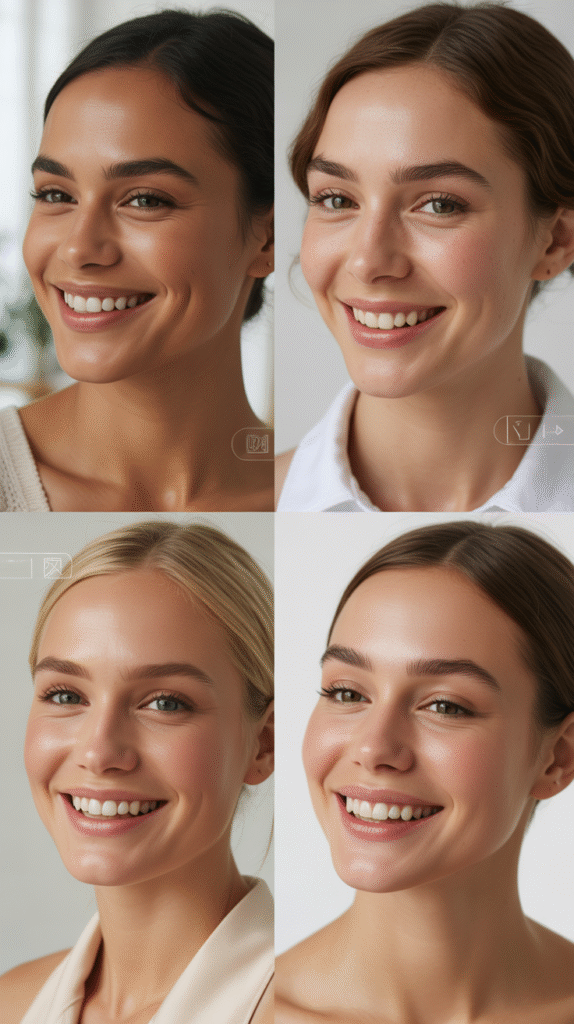
Proper preparation creates the foundation for successful color application and long-lasting results. The condition and history of your hair significantly impact how dark chocolate brown develops and maintains.
- Deep conditioning treatments applied 1-2 weeks before coloring strengthen hair structure and improve color absorption uniformity
- Clarifying shampoos remove product buildup, hard water minerals, and styling residue that create barriers to even pigment penetration
- Avoid washing hair 24-48 hours before coloring, as natural oils protect the scalp from irritation while still allowing color to process effectively
- Document your hair history including previous colors, chemical treatments, and heat damage to help colorists formulate appropriately
- Strand tests reveal how your specific hair will respond to dark chocolate brown, preventing unwanted surprises
- Protein treatments repair damaged areas that might otherwise grab color unevenly, creating dark spots or patches
- Trim split ends before coloring, as damaged ends absorb pigment differently than healthy mid-lengths and roots
- Discontinue using purple or blue-toning shampoos at least two weeks before application, as these can interfere with warm chocolate tones
- Protective treatments containing ingredients like olaplex rebuild broken bonds in chemically-treated or heat-damaged hair
- Consider your skin’s undertones when selecting your specific dark chocolate shade—cool undertones pair beautifully with ashier chocolates while warm undertones complement richer, redder variations
4. Classic Solid Dark Chocolate Brown Application Technique
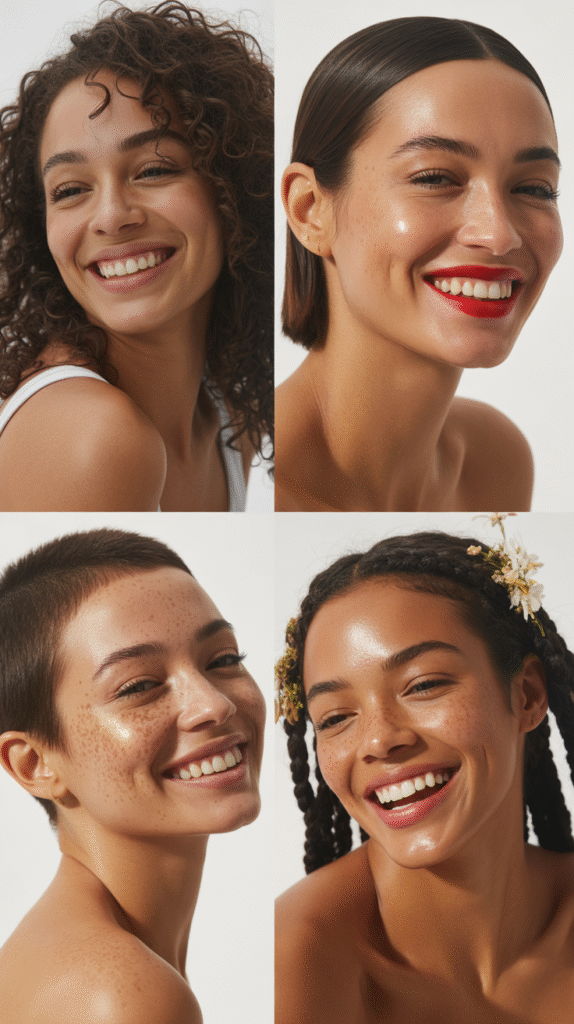
The single-process solid color application remains the most popular method for achieving uniform dark chocolate brown coverage throughout. This traditional approach delivers consistent, reliable results.
- Begin by sectioning hair into four quadrants from ear to ear and front to back, securing each with clips for organized application
- Mix color according to manufacturer instructions, typically combining colorant with developer in a 1:1 or 1:2 ratio depending on formulation
- Apply color first to mid-lengths and ends, as roots process faster due to scalp heat and should be colored last
- Use a tint brush to paint color onto small subsections, ensuring complete saturation from root to tip without missing spots
- Processing time typically ranges from 30-45 minutes depending on desired depth and your hair’s porosity
- Gently emulsify color during the final 5 minutes by adding small amounts of water and massaging through hair to enhance shine
- Rinse with lukewarm water until it runs clear, then apply color-safe conditioner to seal the cuticle and lock in pigment
- Avoid shampooing for 48-72 hours post-application to allow color molecules to fully oxidize and stabilize within the hair shaft
- The first shampoo should use sulfate-free, color-safe formulas to prevent premature fading
- Expect dark chocolate brown to appear slightly darker immediately after application, settling into the true shade within 1-2 washes
5. Dark Chocolate Brown with Caramel Balayage Highlights
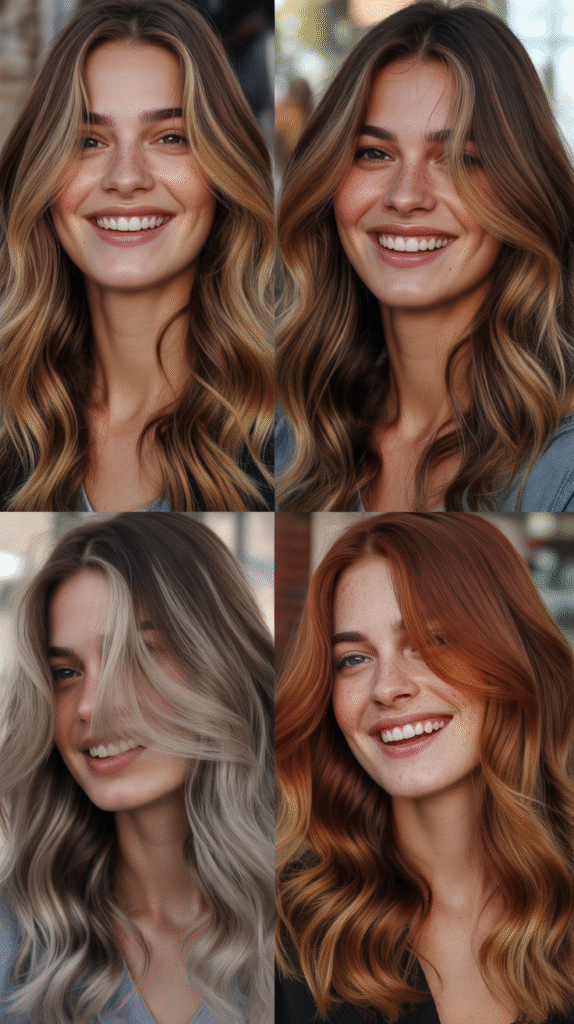
This trending combination adds warmth and dimension to dark chocolate brown base color through strategically painted caramel highlights. The contrast creates natural-looking depth that catches light beautifully.
- Balayage involves hand-painting lightener onto select sections rather than using traditional foil highlights for softer, more blended results
- Colorists typically lighten pieces around the face, crown, and ends where sun would naturally create dimension
- The caramel highlights should be 2-3 shades lighter than the dark chocolate base for subtle sophistication rather than stark contrast
- Face-framing highlights brighten complexions and create a youthful, sun-kissed appearance without requiring full highlights
- The grow-out process appears more natural with balayage since there’s no harsh line of demarcation at the roots
- Toning the lightened pieces with caramel or honey shades removes unwanted brassiness while adding richness
- This technique works exceptionally well for those transitioning from darker colors who want gradual lightening without dramatic change
- Maintenance requires touch-ups every 10-14 weeks rather than the 6-8 weeks needed for traditional highlights
- The dimensional effect adds movement to hair, making it appear thicker and more voluminous
- Different placement patterns—such as ribboning, money piece, or full balayage—create varied effects from subtle to statement-making
6. Glossing Treatments for Mirror-Shine Dark Chocolate
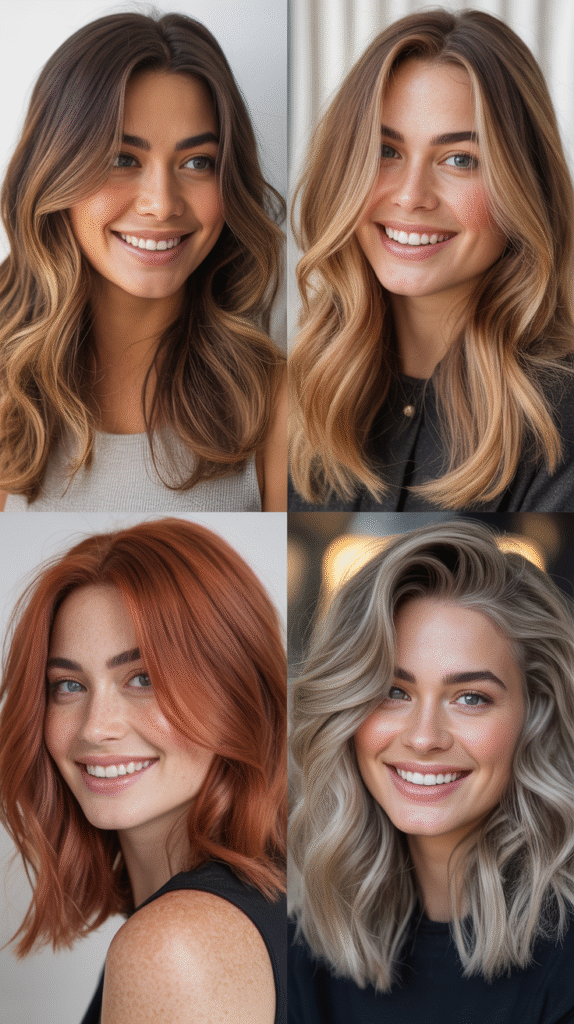
Hair glosses and glazes enhance dark chocolate brown with incredible shine while depositing subtle tonal adjustments. These semi-permanent treatments revolutionize color maintenance between full applications.
- Glosses contain no ammonia and low-volume developers, making them significantly less damaging than permanent color
- Professional glossing services typically process for 15-20 minutes and add reflective shine that lasts 4-6 weeks
- Clear glosses enhance natural dark chocolate tones while smoothing the cuticle for glass-like shine
- Tinted glosses can adjust undertones—adding warmth with golden glazes or cooling brassiness with ash-toned versions
- At-home glossing products like Madison Reed Color Reviving Gloss or dpHUE Gloss+ offer salon-quality results with simple application
- Glosses fill in microscopic gaps in the hair cuticle created by heat styling, environmental damage, and chemical processing
- The reflective properties make hair appear healthier, fuller, and more vibrant even without changing the actual color
- Regular glossing every 4-6 weeks extends the life of permanent color by refreshing tones between full applications
- These treatments work particularly well on color-treated hair that has lost shine due to oxidation and fading
- Combining glossing with deep conditioning treatments maximizes both shine and moisture retention
7. Dark Chocolate Brown for Different Skin Tones
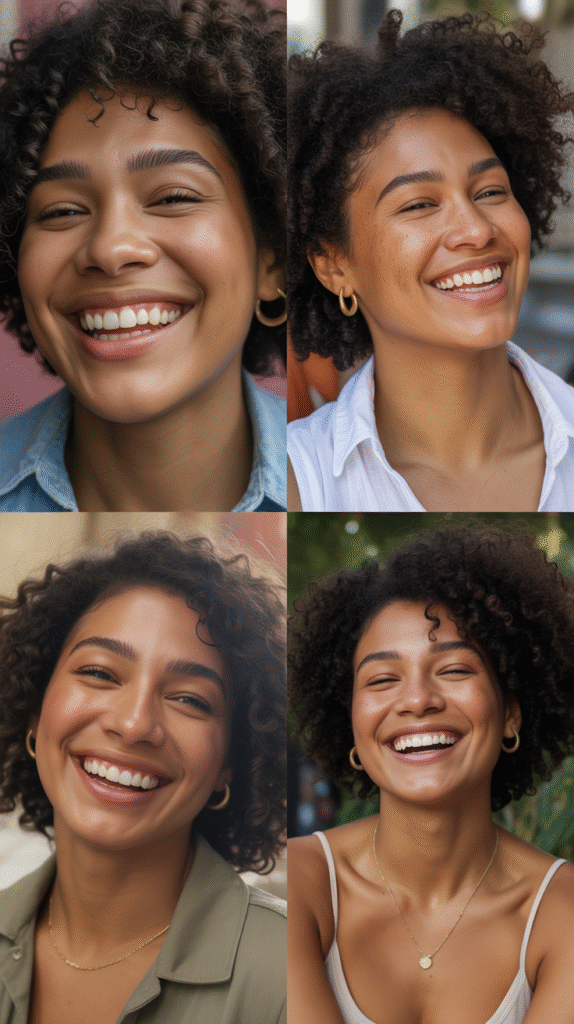
Selecting the right dark chocolate brown variation ensures harmonious color that enhances your natural complexion. Understanding undertones creates flattering, personalized results.
- Fair skin with cool undertones looks stunning with ashy dark chocolate browns that contain subtle violet or blue bases
- Fair warm-toned skin pairs beautifully with richer chocolate shades containing auburn or copper undertones
- Medium olive complexions glow with neutral dark chocolate browns that balance cool and warm pigments
- Medium warm skin tones are complemented by chocolate browns with golden, caramel, or honey undertones
- Deep skin with cool undertones can carry off true dark chocolate with subtle burgundy or plum reflects
- Deep warm-toned skin looks magnificent with the richest chocolate browns containing mahogany or chestnut notes
- Yellow-based undertones require avoiding overly ashy chocolates that may appear muddy or dull against the complexion
- Pink or red-based undertones should avoid overly warm chocolates that can create an unflattering clash
- Testing color swatches against your inner wrist helps visualize how different chocolate variations complement your skin
- Natural hair color often indicates which chocolate brown undertones will appear most natural and harmonious
8. Maintaining Dark Chocolate Brown Vibrancy
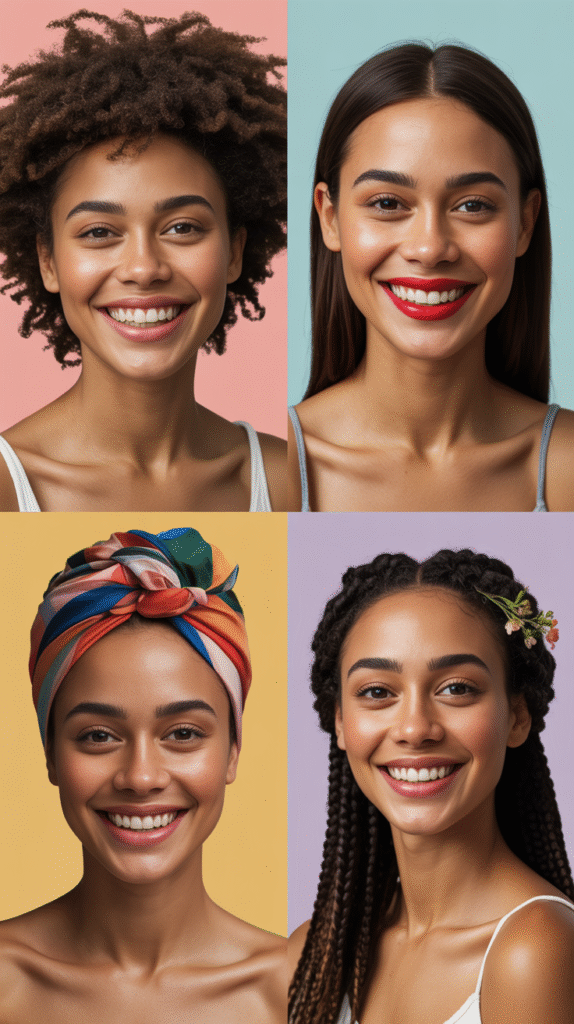
Preserving the richness and shine of dark chocolate brown requires specific care routines that protect against fading and dullness. Proper maintenance extends salon-quality results significantly.
- Sulfate-free shampoos prevent color molecules from being stripped away during cleansing, with options like Pureology or Redken Color Extend
- Color-depositing conditioners like Overtone or Kristin Ess refresh dark chocolate tones between full color applications
- Washing hair in cool or lukewarm water closes the cuticle and prevents color bleeding compared to hot water
- Limiting washing to 2-3 times weekly preserves natural oils that protect color while preventing excessive fading
- UV-protectant hair products shield pigment from sun damage that causes fading and brassiness
- Heat protectant sprays create barriers against styling tool damage that dulls color and decreases shine
- Deep conditioning masks weekly replenish moisture lost during the coloring process and maintain healthy appearance
- Avoid chlorinated pools or use protective swim caps, as chlorine can strip color and create greenish tones
- Professional toning treatments every 6-8 weeks neutralize any unwanted warm or brassy tones that develop
- Sleep on silk or satin pillowcases to reduce friction that causes color fade and damage to the hair cuticle
9. Dark Chocolate Brown with Auburn Lowlights
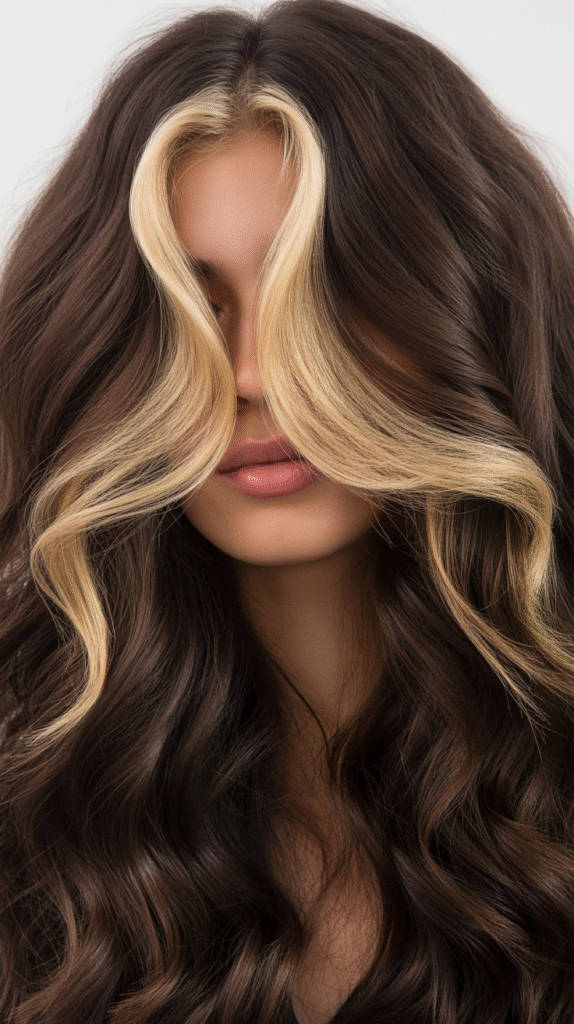
Auburn lowlights woven throughout dark chocolate brown create sophisticated depth and richness. This dimensional technique adds warmth without appearing overly red.
- Lowlights involve adding darker tones rather than lighter ones, creating depth in the base color
- Auburn shades containing red-brown pigments complement chocolate bases while adding subtle vibrancy
- Strategic placement underneath the top layers creates a multi-tonal effect visible when hair moves
- This technique works exceptionally well for adding richness to flat, one-dimensional dark brown hair
- The auburn tones peek through when styled, creating interest without overwhelming the chocolate base
- Lowlights require less maintenance than highlights since regrowth blends more naturally with the darker base
- Professional colorists often combine both highlights and lowlights for maximum dimension and natural appearance
- Auburn variations range from subtle mahogany to vibrant copper, each creating different effects against chocolate
- The contrast between chocolate and auburn creates the illusion of thicker, fuller hair
- This combination particularly flatters warm and neutral skin tones by enhancing natural coloring
10. Gray Coverage with Dark Chocolate Brown
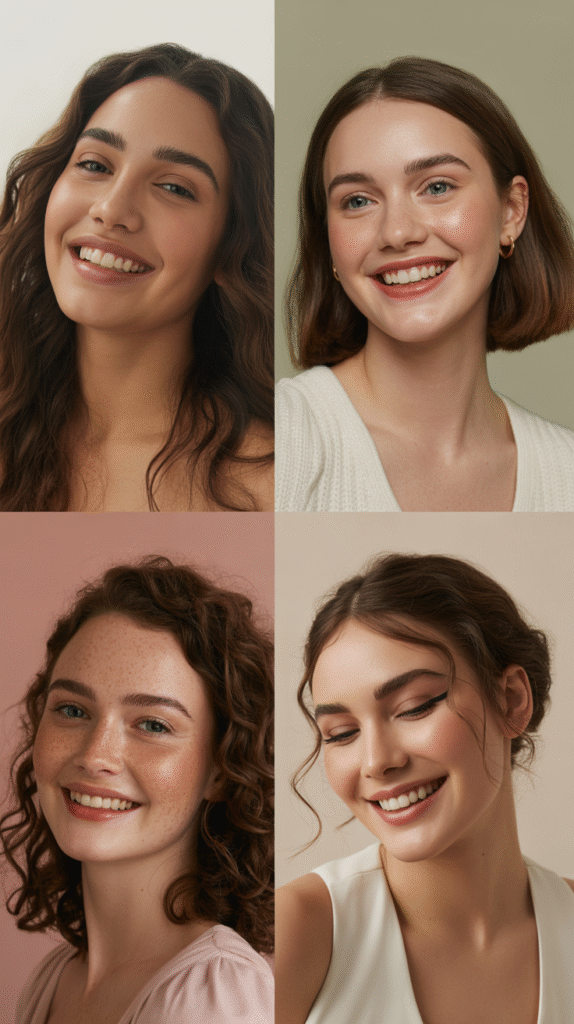
Dark chocolate brown excels at concealing gray hair while maintaining natural-looking results. The depth and warmth of this shade effectively mask white strands without appearing harsh.
- Permanent color formulations provide the most reliable gray coverage, with pigment molecules penetrating deeply into the hair shaft
- Adding extra depth or neutral tones to the formula ensures complete coverage of resistant gray hair
- Processing time may need extension for coarse or resistant gray hair to allow full pigment penetration
- Blend gray strategically by leaving some face-framing silver pieces for a modern, intentional look rather than complete coverage
- Root touch-ups every 4-6 weeks maintain seamless coverage as new gray growth appears
- Demi-permanent options work for those with less than 50% gray, offering gentler formulations with 4-6 week longevity
- Pre-softening treatments open resistant gray cuticles, improving color absorption and coverage quality
- The warm undertones in dark chocolate brown prevent the flat, dull appearance that can occur with cool-toned browns on gray
- Color-depositing shampoos and conditioners extend coverage between applications by refreshing tones
- Combining dark chocolate base with subtle highlights creates dimension that makes minor gray regrowth less noticeable
11. Dark Chocolate Brown Ombré Transitions
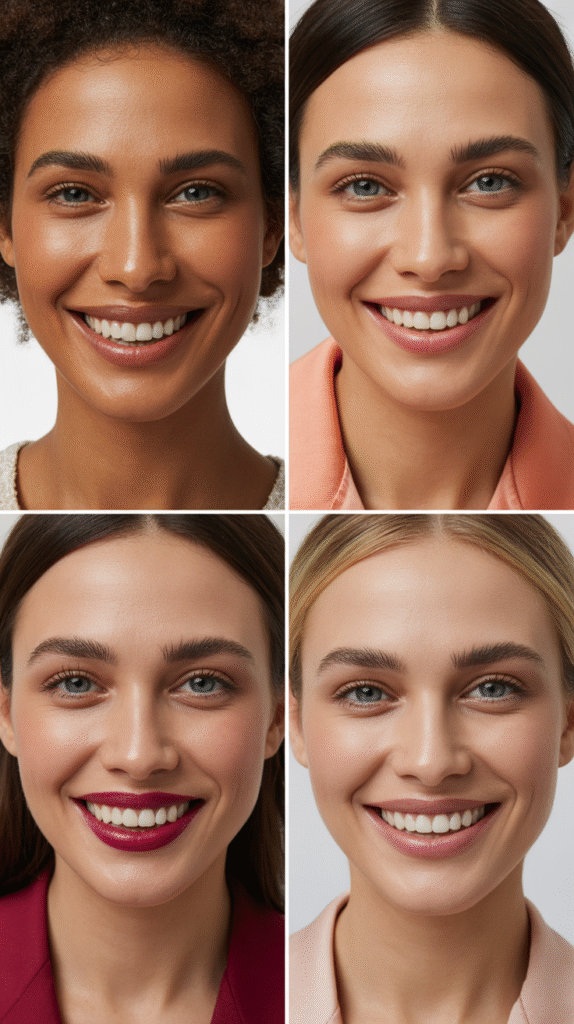
Ombré creates dramatic gradient effects from dark chocolate roots to lighter ends. This low-maintenance style offers bold dimension with natural-looking transitions.
- The classic ombré maintains dark chocolate at roots and gradually lightens through mid-lengths to caramel or honey ends
- Reverse ombré features lighter roots transitioning to dark chocolate ends, creating an unexpected, edgy appearance
- The transition zone typically begins at ear-level, though placement varies based on hair length and desired effect
- Balayage techniques create softer, more blended transitions compared to traditional ombré’s more defined gradient
- This style requires minimal maintenance since roots remain dark, eliminating the need for frequent touch-ups
- Toning the lightened sections prevents brassiness and ensures harmonious color flow from dark to light
- Dark chocolate ombré works beautifully on long hair where there’s sufficient length to showcase the full gradient
- The contrast adds instant dimension and movement without requiring all-over lightening that can damage hair
- Various ending shades—from subtle caramel to bold blonde—create different levels of drama and contrast
- Professional application ensures even, balanced transitions without harsh lines or uneven color distribution
12. Correcting Box Dye Disasters with Dark Chocolate Brown
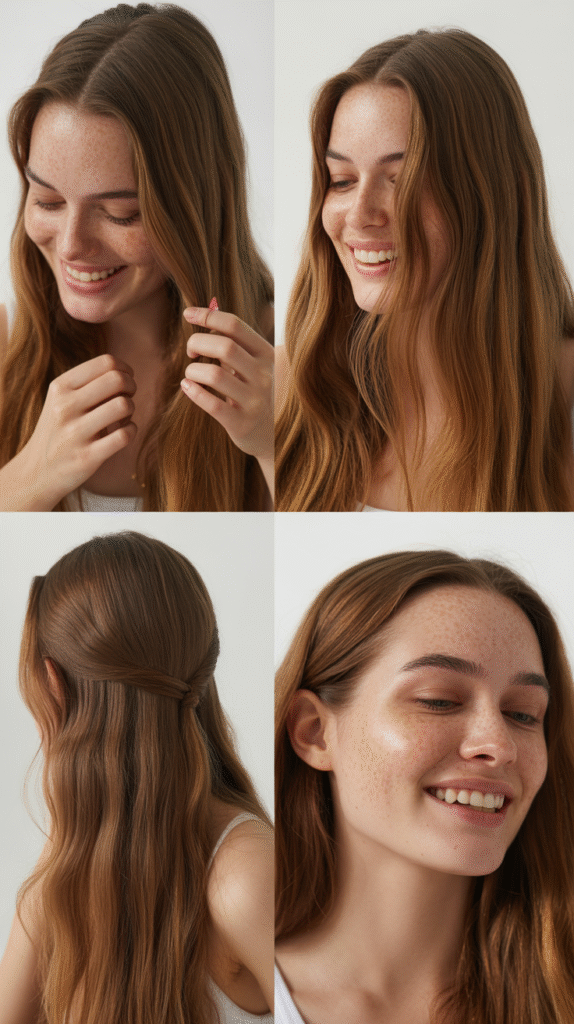
Box dye mistakes create common color challenges, but dark chocolate brown can correct many issues when applied properly. Professional intervention often produces the best rescue results.
- Overly dark black box dye requires color removal before dark chocolate brown can be applied successfully
- Color removers like Color Oops or Color Fix shrink dye molecules for washing out without bleach damage
- Patchy, uneven color from improper box dye application needs professional color correction to create uniform dark chocolate
- Brassy orange tones from failed lightening attempts can be neutralized and covered with properly-formulated dark chocolate
- Multiple color correction sessions may be necessary for severely damaged or multi-toned hair
- Deep conditioning treatments between correction sessions restore moisture and strength for healthier final results
- Strand testing before full correction application prevents additional disasters and ensures desired outcome
- Allowing hair to rest 2-4 weeks between color removal and dark chocolate application minimizes damage
- Professional colorists assess porosity and damage levels to customize formulations that won’t further compromise hair health
- Realistic expectations about color correction timelines prevent disappointment—severe cases may require months of gradual improvement
13. Dark Chocolate Brown Hair Gloss Formulations
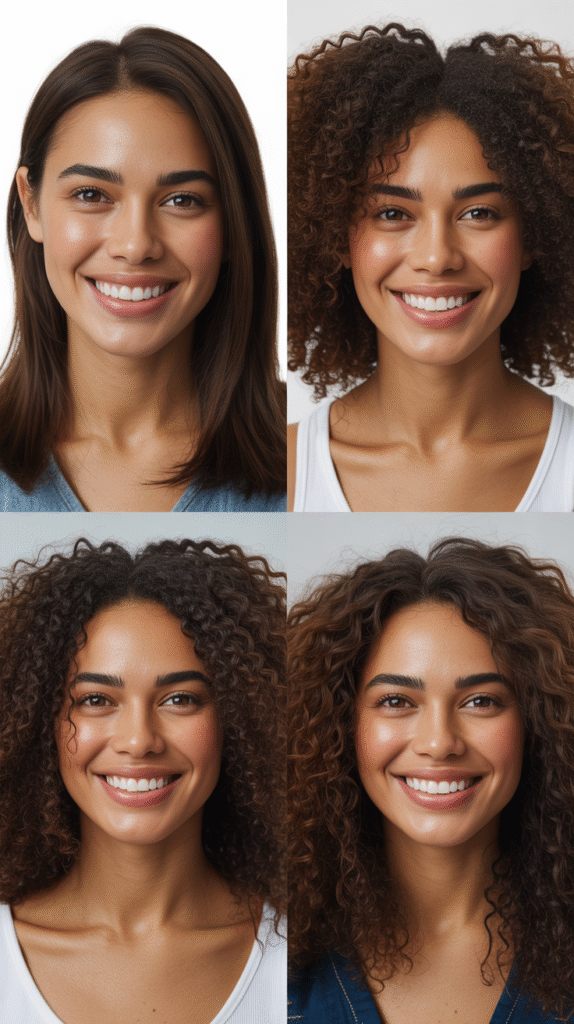
Understanding gloss formulations helps select the perfect product for refreshing and enhancing dark chocolate brown between full color services. Different formulas serve distinct purposes.
- Demi-permanent glosses deposit color while enhancing shine, lasting 12-24 shampoos depending on hair porosity
- Semi-permanent glosses coat the hair shaft without penetrating deeply, providing shine and tonal adjustment for 4-8 washes
- Clear glosses add pure shine without altering color, ideal for maintaining dark chocolate richness
- Color-depositing glosses refresh faded tones while adding dimension and correcting unwanted warmth or coolness
- Professional glosses from brands like Redken Shades EQ or Wella Color Touch offer superior shine and longevity
- At-home glossing kits provide convenience with formulations like eSalon Custom Hair Color or Kristin Ess Temporary Tint
- Glosses containing proteins and conditioning agents simultaneously treat and beautify hair
- Application technique affects results—even saturation and proper processing time ensure optimal shine and color
- Acidic pH levels in quality glosses seal the cuticle, creating the signature glass-like shine
- Combining glossing with regular deep conditioning maximizes both moisture retention and color vibrancy
14. Seasonal Dark Chocolate Brown Variations
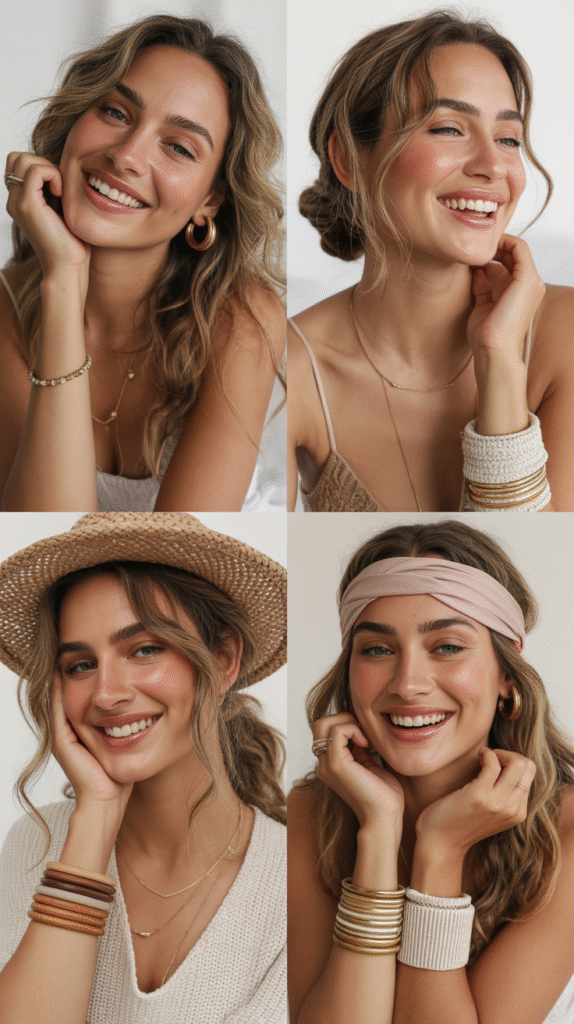
Adapting dark chocolate brown seasonally keeps your look fresh while complementing changing light conditions and fashion trends. Subtle shifts create year-round appeal.
- Winter dark chocolate incorporates cooler, ashier tones that harmonize with muted seasonal wardrobes and lower light levels
- Spring chocolate browns add golden and honey highlights reflecting increased sunlight and lighter, brighter aesthetics
- Summer variations include sun-kissed caramel balayage mimicking natural lightening from beach days and outdoor activities
- Fall chocolate browns embrace richer auburn, copper, and mahogany lowlights echoing autumn foliage colors
- Seasonal adjustments can be achieved through glossing treatments rather than full color changes for subtle transitions
- Deeper, richer chocolate tones in winter create cozy, sophisticated looks perfect for holiday events
- Lighter, warmer variations in summer prevent dark chocolate from appearing too heavy in bright sunlight
- Strategic highlighting and lowlighting techniques adjust seasonal appearance without changing the base color
- Color-depositing products allow temporary seasonal shifts that wash out, providing flexibility without commitment
- Understanding how natural and artificial lighting affects dark chocolate helps anticipate seasonal color shifts
15. Dark Chocolate Brown for Different Hair Textures
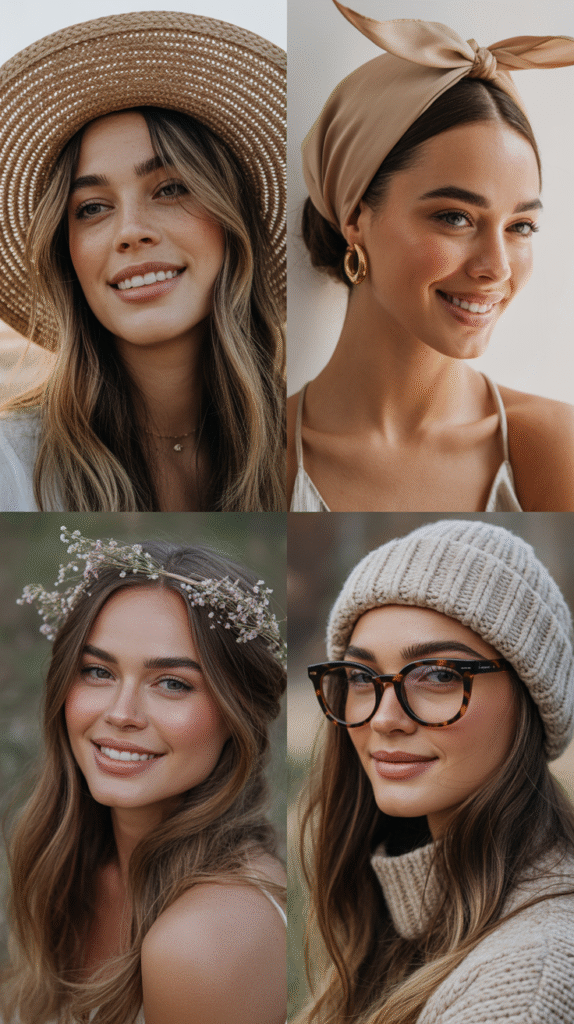
Hair texture significantly impacts how dark chocolate brown appears and how it should be applied. Customizing approaches ensures optimal results across hair types.
- Straight hair showcases dark chocolate’s shine and dimension most prominently, requiring quality gloss treatments for maximum effect
- Wavy hair benefits from balayage or highlights that accentuate natural movement and texture
- Curly hair displays dark chocolate beautifully with dimensional color placement that highlights curl patterns
- Coily hair requires moisture-rich formulations and gentle processing to maintain curl integrity while achieving rich color
- Fine hair appears thicker with multi-dimensional dark chocolate incorporating subtle highlights and lowlights
- Thick hair handles bold color variations and high-contrast techniques without appearing too busy
- Porous hair absorbs color quickly and may process faster, requiring reduced processing times
- Low-porosity hair needs longer processing or heat application to open the cuticle for pigment penetration
- Damaged hair requires bond-building treatments during coloring to prevent additional breakage
- Textured hair benefits from color application on stretched hair to ensure even coverage and saturation
16. DIY Dark Chocolate Brown Root Touch-Up
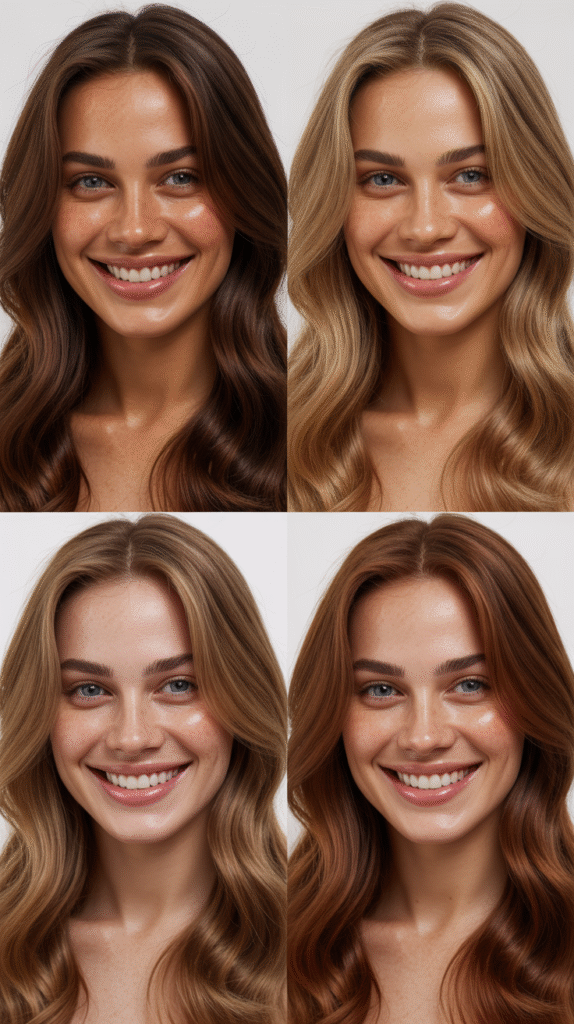
Maintaining dark chocolate brown between salon visits requires mastering root touch-up techniques. Proper application prevents demarcation lines and uneven color.
- Select a root touch-up product matching your exact dark chocolate shade by comparing to mid-length hair in natural light
- Section hair into small quadrants for organized, thorough application without missing spots
- Apply color to roots only, avoiding overlap onto previously colored hair that can cause darkness buildup
- Use a small applicator brush or precision tip for controlled application directly at the scalp
- Process for the recommended time—typically 20-30 minutes—setting a timer to prevent over-processing
- Feather color slightly beyond the root line during the final 5 minutes to blend with existing color
- Temporary root concealers like spray or powder provide instant coverage between permanent touch-ups
- Root touch-ups every 4-6 weeks maintain seamless color without visible regrowth lines
- Color-depositing root touch-up products offer semi-permanent coverage that refreshes with each wash
- Proper lighting during application ensures you can see all roots clearly, preventing missed sections
17. Dark Chocolate Brown with Rose Gold Undertones
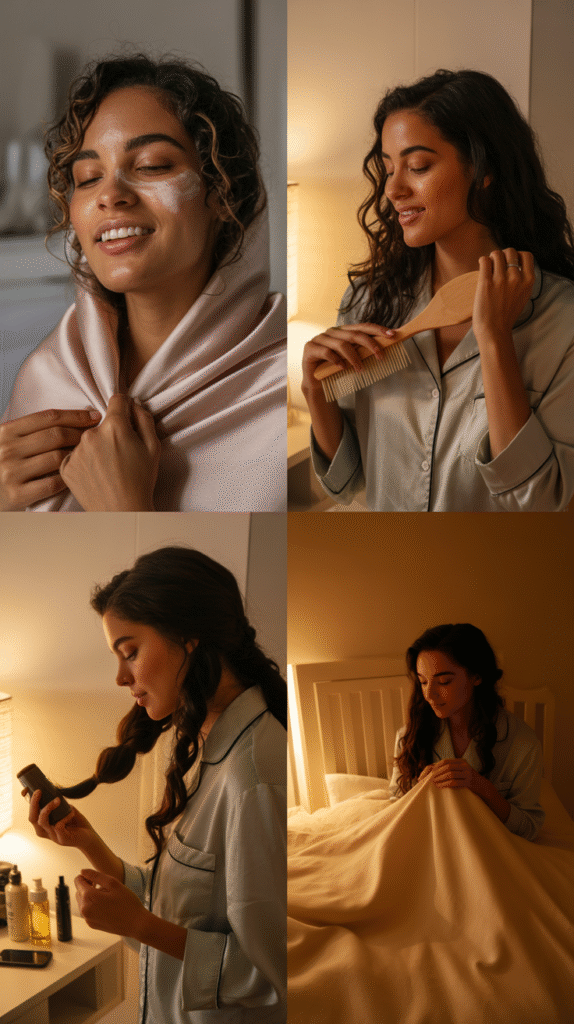
Combining dark chocolate brown with rose gold creates an unexpected, romantic variation. This trending fusion balances warmth and coolness for unique sophistication.
- Rose gold undertones contain pink and copper pigments that add softness to dark chocolate’s depth
- This combination flatters cool and neutral skin tones particularly well by introducing subtle warmth without appearing brassy
- Application involves either toning dark chocolate with rose gold gloss or incorporating rose gold highlights throughout
- The effect appears subtle in indoor lighting but reveals beautiful pink-copper reflects in sunlight
- Rose gold tones require purple-based shampoos and conditioners to prevent fading toward brassy orange
- This variation works beautifully for those wanting to try trendy rose gold without committing to all-over light pink shades
- The dark chocolate base provides depth while rose gold adds femininity and contemporary edge
- Regular glossing treatments maintain the delicate rose gold tones that can fade more quickly than standard browns
- Various intensities—from barely-there pink to prominent copper-rose—create different levels of impact
- This combination photographs beautifully, making it popular among social media enthusiasts and content creators
18. Professional Color Melting Techniques for Dark Chocolate
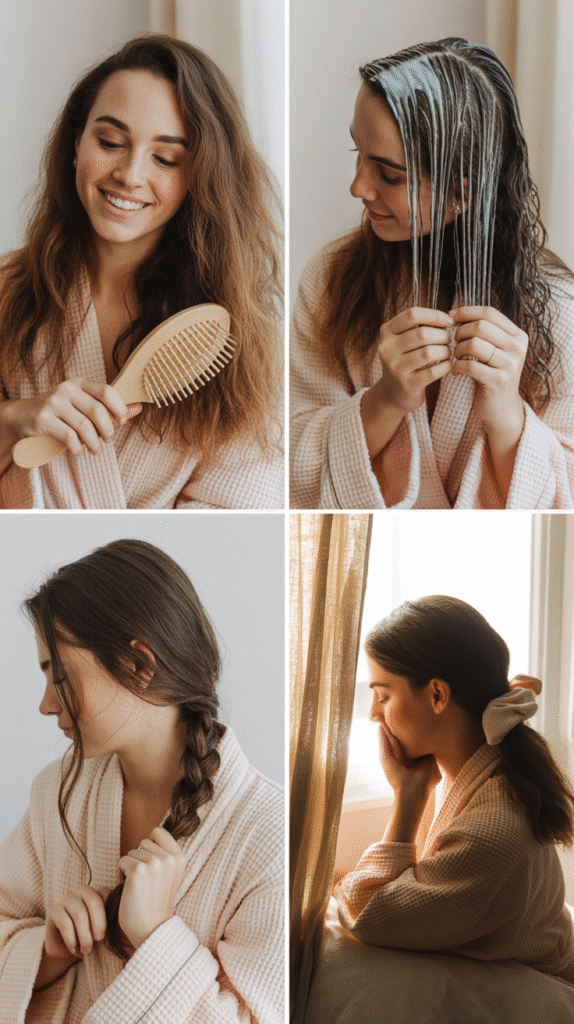
Color melting creates seamless transitions between dark chocolate and complementary shades. This advanced technique produces incredibly natural-looking dimension.
- Color melting involves applying multiple shades that blend together during processing for gradual, imperceptible transitions
- The technique typically starts with dark chocolate at roots, transitioning through medium chocolate to lighter ends
- Unlike ombré’s distinct gradient, color melting creates such subtle shifts that individual colors appear impossible to distinguish
- Professional colorists use overlapping application techniques that allow shades to merge during processing
- This method works exceptionally well for creating natural-looking sun-kissed effects on dark chocolate bases
- The seamless nature means minimal maintenance with graceful grow-out that doesn’t require frequent touch-ups
- Color melting suits all hair lengths but showcases particularly beautifully on medium to long hair
- Multiple tones—often 3-5 different shades—create the ultra-blended, multidimensional result
- The technique requires advanced skills and color theory knowledge, making professional application highly recommended
- Results appear incredibly natural, as if hair has been kissed by sun over time rather than artificially colored
19. Dark Chocolate Brown Moisture Retention Strategies
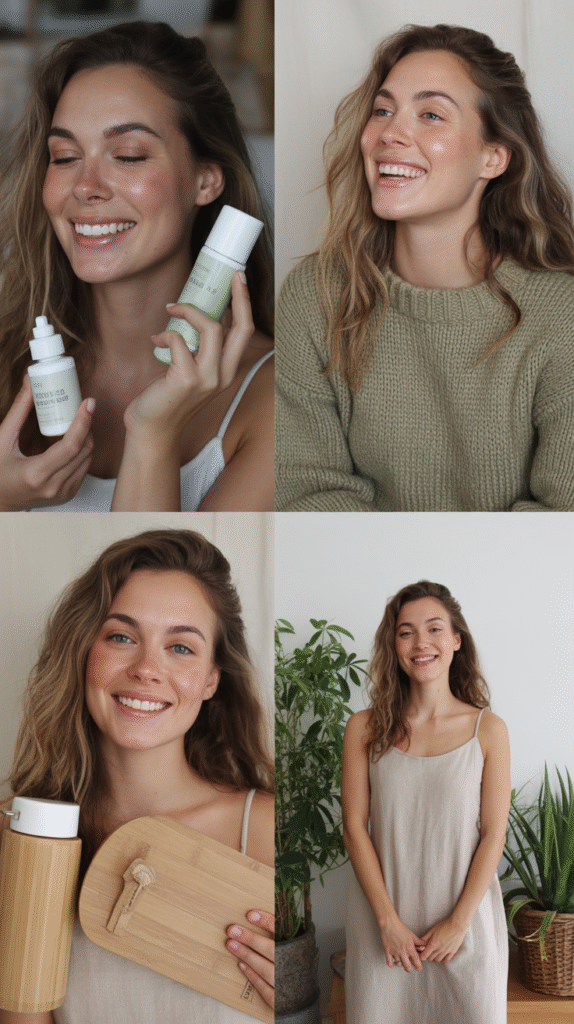
Maintaining moisture in dark chocolate brown hair preserves color vibrancy, shine, and overall health. Hydration-focused routines prevent dryness and dullness.
- Deep conditioning treatments containing shea butter, argan oil, or coconut oil replenish moisture depleted during coloring
- Leave-in conditioners provide ongoing hydration protection throughout the day against environmental stressors
- Hair masks applied weekly target damage and dryness with intensive moisture therapy
- Protein-moisture balance remains crucial—too much protein causes brittleness while excessive moisture creates limpness
- Avoiding excessive heat styling preserves natural moisture and prevents color-fading damage
- Microfiber towels or t-shirts absorb water gently without the roughness of regular towels that damage cuticles
- Cool water rinses seal the cuticle after conditioning, locking in moisture and enhancing shine
- Humectants like glycerin and honey attract moisture from the air, keeping hair hydrated in humid conditions
- Protective hairstyles minimize manipulation and environmental exposure that depletes moisture
- Regular trims remove dried, damaged ends that absorb moisture unevenly and appear dull
20. Dark Chocolate Brown Money Piece Highlights
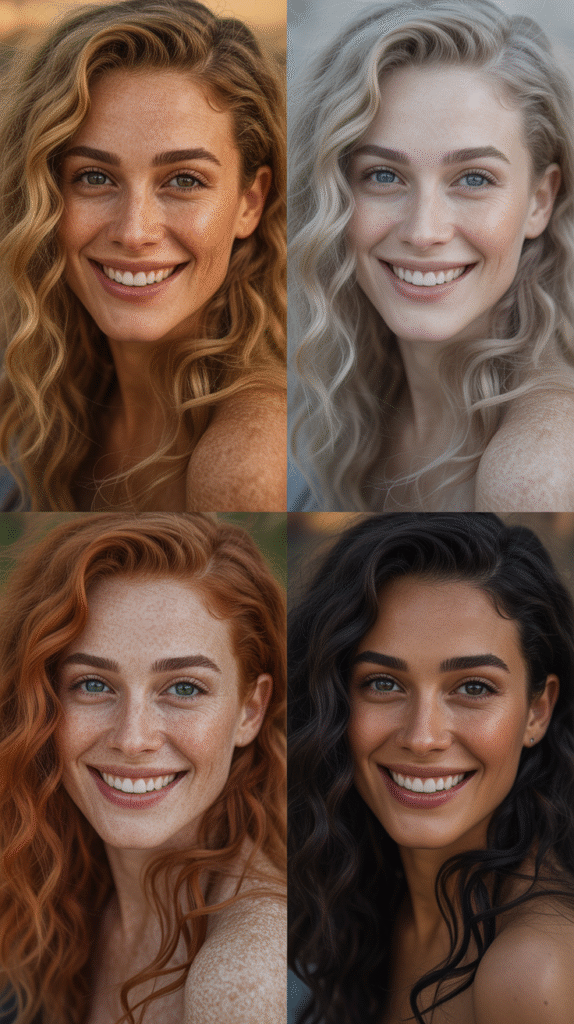
Money piece highlights frame the face with strategically placed lighter sections. This contemporary technique brightens complexions while keeping most hair dark chocolate.
- Money pieces consist of two thick highlights flanking the face from root to tip on both sides
- These face-framing sections typically lighten 3-5 shades from the dark chocolate base for noticeable contrast
- The brightening effect illuminates facial features and creates a lifted, youthful appearance
- Popular variations include caramel, honey, or even blonde money pieces depending on desired drama level
- This technique requires significantly less maintenance than full highlights since only small sections need touching up
- The bold placement makes a statement while keeping the majority of hair dark and low-maintenance
- Money pieces can be customized in width from thin accents to thicker, more prominent sections
- They work beautifully for those hesitant to commit to all-over highlights but wanting some dimension
- The contrast creates instant face-framing dimension in photos and videos
- Regular toning prevents money pieces from becoming brassy as they lighten and fade over time
21. Preventing Brassiness in Dark Chocolate Brown
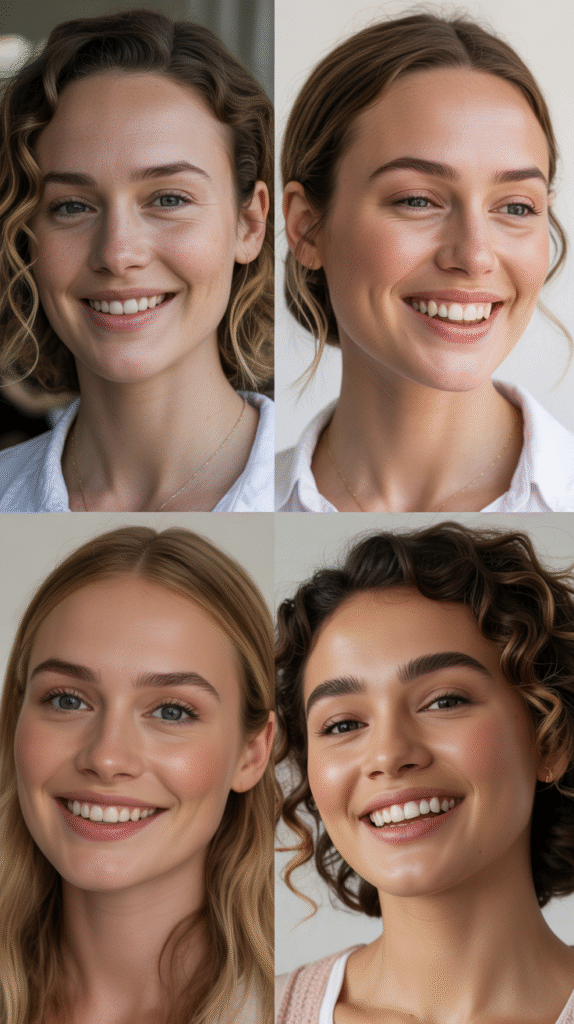
Brassiness occurs when dark chocolate brown develops unwanted orange or red tones. Understanding prevention and correction keeps color rich and true.
- Purple-based toning shampoos neutralize unwanted warm tones by depositing cool pigments that counterbalance orange
- Blue-based products correct red or pink tones that occasionally develop in dark chocolate browns
- Hard water minerals cause color oxidation and brassiness, remedied by chelating or clarifying shampoos used monthly
- UV exposure fades color and creates warmth, prevented with UV-protectant hair products and hats
- Chlorine and saltwater strip color and create oxidation, requiring protective measures before swimming
- Heat styling without protection damages cuticles and allows pigment to escape, creating faded, brassy tones
- Quality color formulations with proper undertone selection prevent brassiness from developing initially
- Cool-toned dark chocolate formulas resist brassiness better than warm-based formulas for certain hair types
- Regular glossing treatments deposit fresh pigment that counteracts any developing warmth
- Professional toning services every 6-8 weeks correct brassiness while refreshing overall color vibrancy
22. Dark Chocolate Brown Balayage Placement Patterns
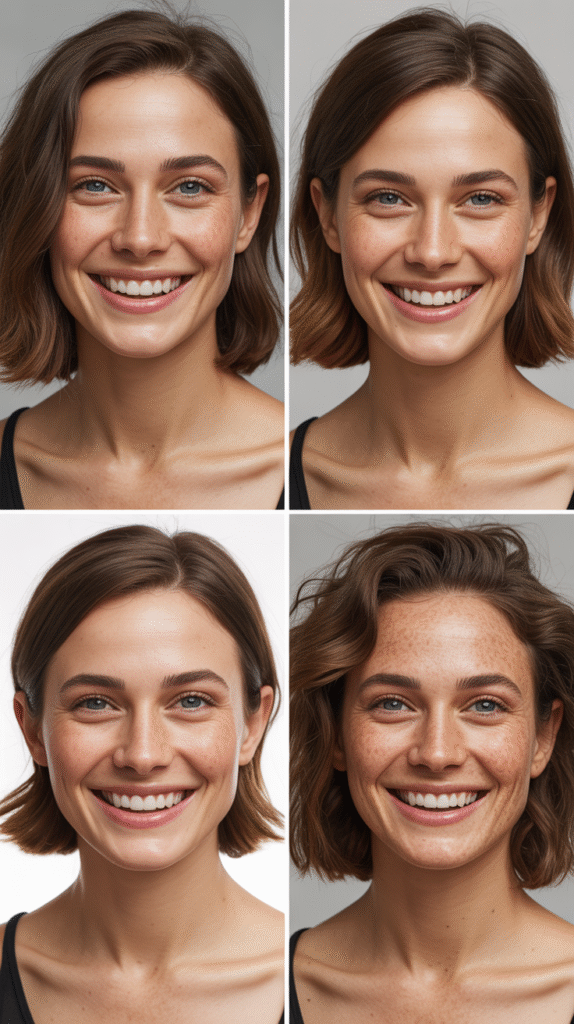
Strategic balayage placement creates varied effects from subtle to dramatic. Understanding placement patterns helps achieve desired dark chocolate dimension.
- Traditional balayage concentrates lightening on the bottom half of hair, creating natural sun-kissed effects
- Face-framing balayage focuses lighter pieces around the hairline and front sections for brightening impact
- Partial balayage adds dimension to specific areas like the crown or ends while keeping most hair dark
- Full balayage incorporates highlights throughout all sections for maximum dimension and lightness
- Ribboning technique places vertical lighter sections throughout for bold, high-contrast results
- Babylights involve ultra-fine highlights that mimic natural childhood lightening for subtle dimension
- Balayage placement should consider face shape—certain patterns elongate or widen facial appearances
- The hand-painted nature allows complete customization to enhance individual features and preferences
- Different sectioning patterns—diagonal, horizontal, or vertical—create varied blending and dimension effects
- Discussing placement goals with your colorist ensures results align with lifestyle, maintenance preferences, and aesthetic desires
23. Dark Chocolate Brown for Transitioning from Black

Moving from black to dark chocolate brown requires careful processing to avoid damage while achieving desired lightness. Strategic approaches ensure healthy, beautiful results.
- Color removers shrink black dye molecules for gentle removal without harsh bleach, though multiple applications may be necessary
- Gradual lightening through multiple sessions prevents excessive damage compared to single aggressive treatments
- Adding subtle highlights first creates dimension while slowly introducing lighter tones toward overall dark chocolate
- Professional colorists assess black’s permanency—box dye versus salon color—to determine appropriate removal methods
- Patience proves essential as transitioning from black often requires 6-12 months for complete, healthy transformation
- Deep conditioning between lightening sessions restores moisture and strength for each subsequent treatment
- Starting with dark chocolate lowlights creates depth variation without requiring overall base lightening
- Realistic expectations prevent disappointment—very dark black may only lighten to deepest chocolate initially
- Protein treatments repair bonds broken during color removal and lightening processes
- The darkest chocolate shades can sometimes be achieved over black with minimal lightening, offering faster results
24. Dark Chocolate Brown Color-Depositing Products
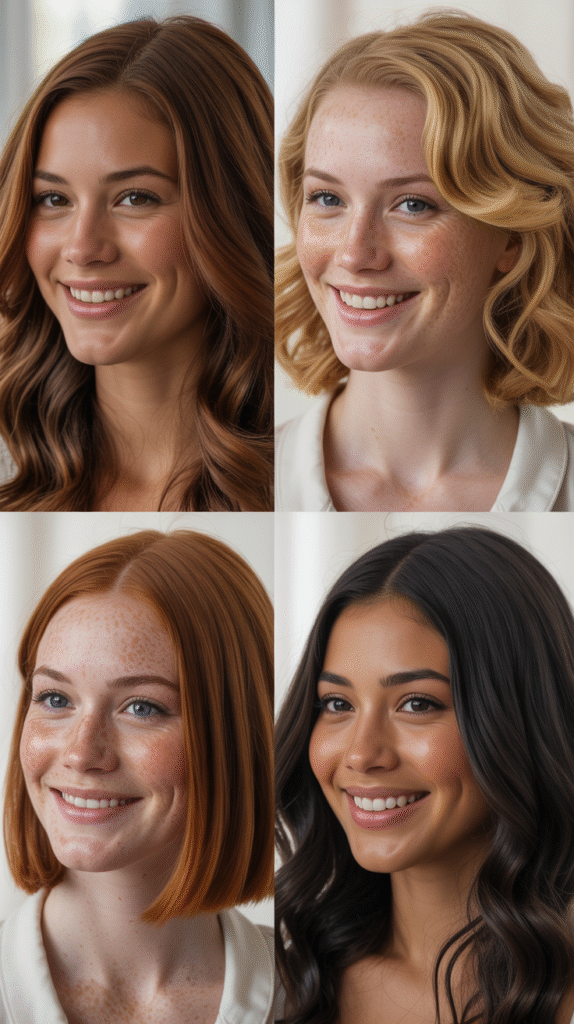
Color-depositing products maintain dark chocolate vibrancy between salon visits. Understanding options helps select ideal maintenance tools.
- Color-depositing shampoos like Keracolor or Celeb Luxury refresh tones during regular washing
- Color-depositing conditioners including Overtone or Viral provide intensive pigment while conditioning
- Temporary color glosses such as dpHUE or Kristin Ess offer salon-quality shine and toning at home
- Color-depositing masks combine deep conditioning with pigment refreshing for dual benefits
- Weekly use prevents fading and maintains rich dark chocolate intensity
- These products cannot lighten hair or dramatically change color, only enhance and maintain existing shades
- Proper application involves saturating hair completely and processing for recommended times—often 3-15 minutes
- Gloves prevent hand staining during application of pigmented products
- Color intensity builds with regular use, so starting conservatively prevents over-depositing
- These products work particularly well for extending salon color between full applications, reducing frequency and cost
25. Dark Chocolate Brown with Subtle Violet Undertones
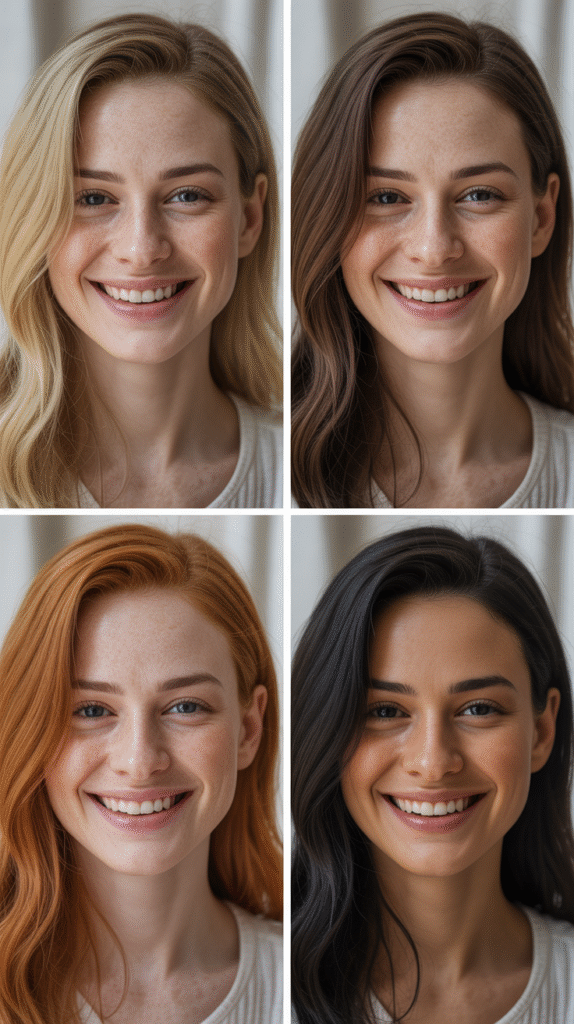
Violet undertones add cool sophistication to dark chocolate brown. This variation creates depth while preventing warm, brassy tones.
- Violet-based dark chocolate browns suit cool-toned complexions particularly beautifully
- The subtle purple undertones become visible primarily in certain lighting, adding intrigue without appearing obviously purple
- This variation resists brassiness naturally since violet neutralizes unwanted orange and yellow tones
- Color formulation includes violet or blue-based pigments mixed with traditional brown shades
- Regular purple shampoo use enhances and maintains the cool violet undertones
- The effect creates almost black-appearing depth in low light while revealing beautiful violet dimension in sunshine
- This variation photographs exceptionally well with the violet adding depth and richness to images
- Cool violet-chocolate combinations pair beautifully with fair to medium skin tones
- The sophisticated, edgy appearance appeals to those wanting unique dark chocolate that stands apart
- Glossing with violet-tinted products refreshes the cool undertones between full color applications
26. Protecting Dark Chocolate Brown from Environmental Damage
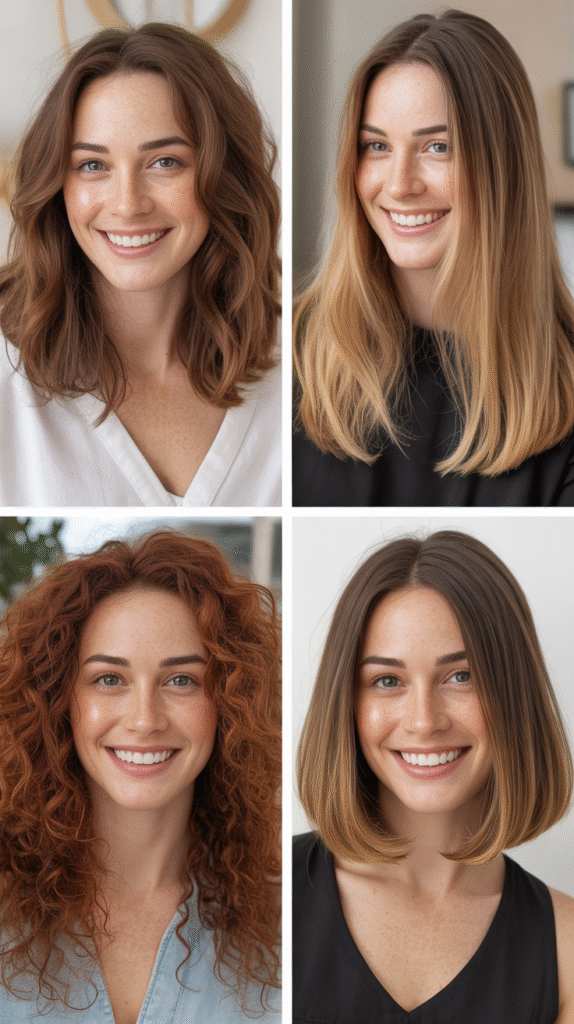
Environmental factors fade and damage dark chocolate brown hair. Protective measures preserve color investment and hair health.
- UV rays oxidize color molecules causing fading and brassiness, prevented with UV-protectant sprays and serums
- Pollution particles coat hair and dull shine, removed through weekly clarifying treatments
- Hard water minerals create buildup that blocks moisture and causes color shift, remedied with chelating shampoos
- Chlorine strips color and creates greenish tones, avoided by wetting hair with clean water before swimming
- Saltwater dehydrates hair and fades color, prevented with leave-in conditioners before ocean exposure
- Extreme temperatures—both hot and cold—stress hair and accelerate color fading
- Protective hairstyles minimize exposure when spending extended time outdoors
- Regular deep conditioning repairs environmental damage and restores moisture balance
- Quality leave-in products create barriers against pollution and environmental stressors
- Indoor heating and air conditioning dehydrate hair, requiring humidifiers and extra conditioning
27. Dark Chocolate Brown Glossing Timeline
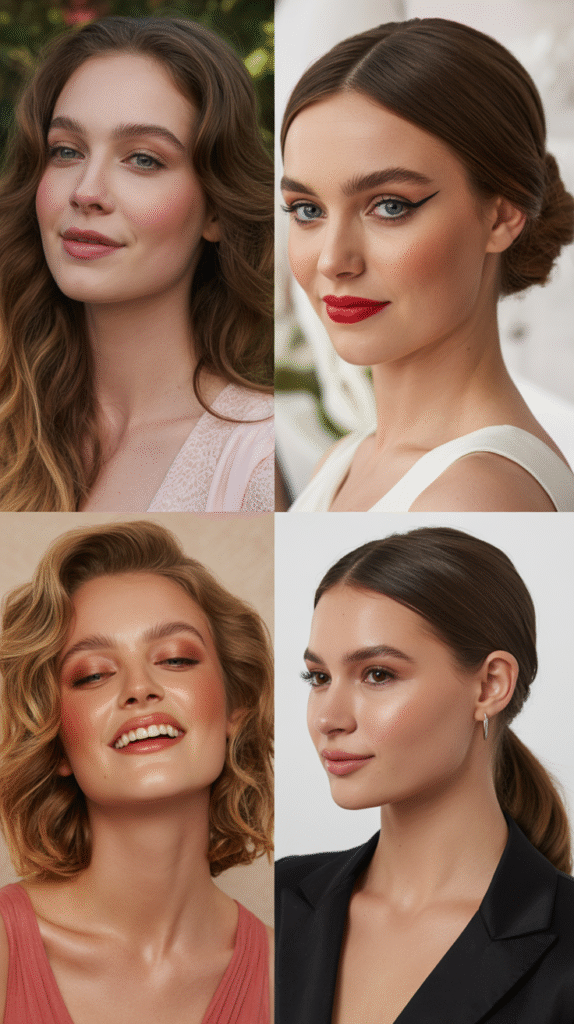
Establishing a glossing schedule maintains optimal dark chocolate shine and tone. Regular treatments prevent dullness and fading.
- Initial gloss application immediately following permanent color seals cuticles and maximizes shine
- Maintenance glossing every 4-6 weeks refreshes tones and restores diminished shine
- High-porosity hair may require more frequent glossing—every 3-4 weeks—due to faster fading
- Low-porosity hair maintains gloss longer, allowing 6-8 week intervals between treatments
- Clear glosses can be used more frequently—even weekly—for pure shine enhancement without color buildup
- Tinted glosses should be spaced appropriately to prevent color from becoming too dark or too cool
- Seasonal adjustments may require more frequent glossing in summer when sun exposure increases fading
- At-home glossing can alternate with professional treatments for cost-effective maintenance
- Tracking gloss timing helps establish personalized schedules based on individual fading patterns
- Combining glossing with deep conditioning appointments maximizes hair health and appearance
28. Dark Chocolate Brown Root Shadowing Technique
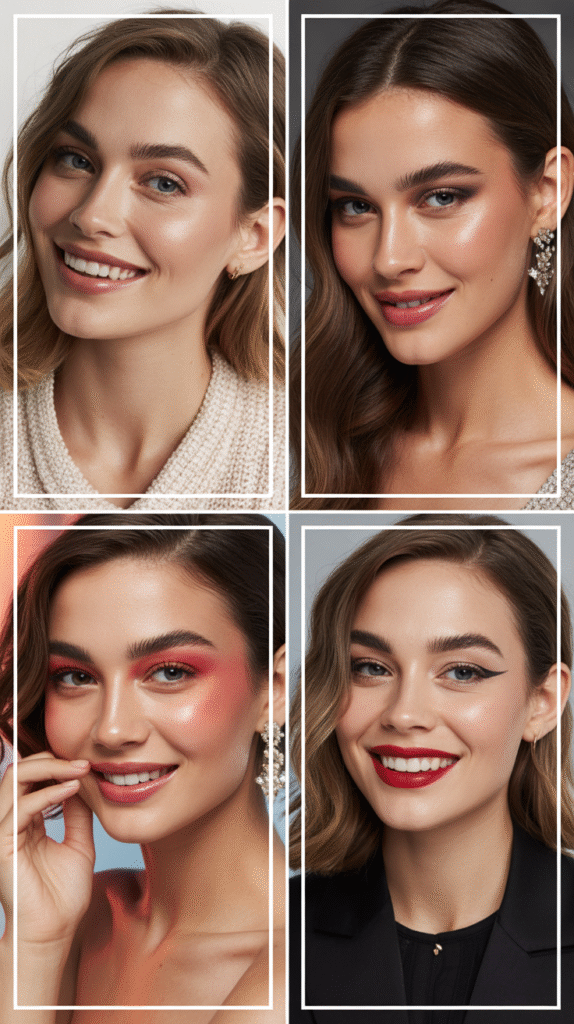
Root shadowing creates soft, natural-looking dimension by keeping roots slightly darker than lengths. This technique extends time between color appointments.
- The darkest chocolate shade applies to roots while slightly lighter chocolate colors mid-lengths and ends
- Gradual blending prevents harsh lines, creating imperceptible transitions between shades
- This technique works beautifully with highlights or balayage, adding depth to dimensional color
- Root shadowing allows 8-12 weeks between touch-ups versus 4-6 weeks for solid color
- The darker roots create a subtle shadow effect that appears naturally grown-in
- Different depth levels—from barely noticeable to dramatic contrast—create varied effects
- The technique adds instant dimension even to solid dark chocolate brown without highlights
- Professional application ensures smooth blending and appropriate depth selection
- Root shadowing particularly benefits those with fast-growing hair or busy schedules
- The natural appearance mimics how hair naturally lightens from sun exposure toward ends
29. Dark Chocolate Brown Hair Porosity Considerations
Hair porosity dramatically affects how dark chocolate brown develops and maintains. Understanding porosity guides product and technique selection.
- Low-porosity hair features tightly closed cuticles that resist color penetration, requiring heat or longer processing
- High-porosity hair has damaged, open cuticles that absorb color quickly but release it rapidly, causing faster fading
- Normal porosity accepts and retains color optimally with standard processing times and maintenance
- Strand tests reveal individual porosity by placing hair in water—sinking indicates high porosity, floating suggests low
- Protein treatments fill gaps in high-porosity hair, helping retain color longer
- Clarifying treatments remove buildup on low-porosity hair, improving color acceptance
- Processing time adjustments account for porosity—less time for high, more for low
- Color formulations may require modification based on porosity for optimal results
- Glossing frequency depends on porosity, with high-porosity hair benefiting from more frequent treatments
- Understanding your hair’s porosity empowers better color decisions and maintenance strategies
30. Dark Chocolate Brown Celebrity Inspiration
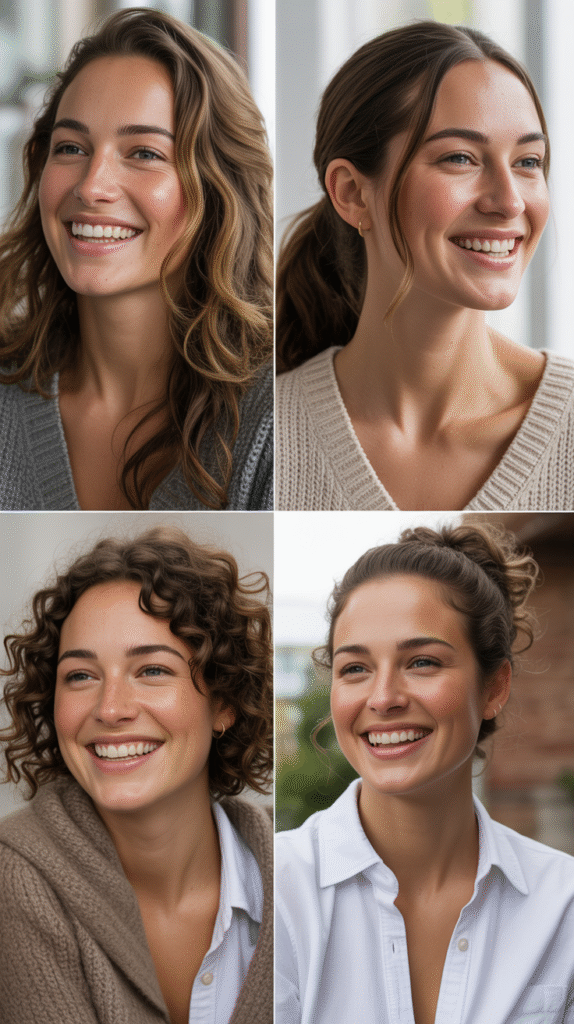
Celebrity dark chocolate brown hair provides inspiration and reference for salon consultations. Analyzing these looks helps communicate desired results.
- Mila Kunis showcases classic dark chocolate brown with subtle dimension and healthy shine
- Eva Longoria often wears rich chocolate with caramel highlights for warmth and brightness
- Selena Gomez has sported various dark chocolate shades from cool-toned to warm variations
- Zendaya experiments with dark chocolate incorporating both cool and warm undertones beautifully
- Lucy Hale demonstrates how dark chocolate with balayage creates youthful, dimensional looks
- Kim Kardashian has worn deep chocolate browns with glossy, mirror-like shine
- Bringing reference photos to salon consultations ensures colorist understanding of desired outcome
- Celebrity inspiration should be adjusted for individual skin tones, hair textures, and maintenance abilities
- Analyzing what specifically appeals—the depth, shine, dimension, or undertones—helps communicate effectively
- Professional colorists can adapt celebrity looks to suit individual features and lifestyles
31. Dark Chocolate Brown Haircare Product Essentials
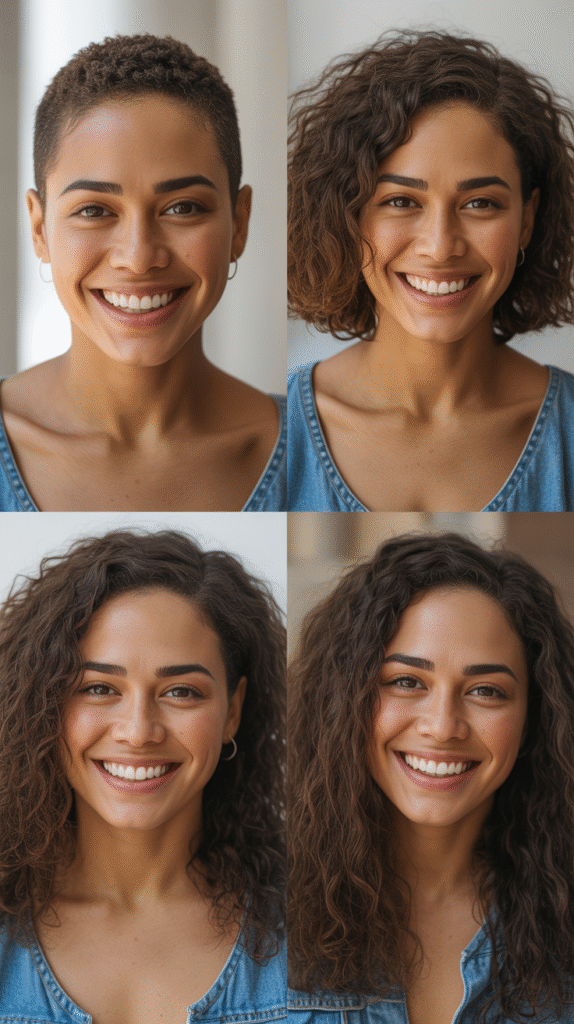
Building a proper product routine maintains dark chocolate brown vibrancy and health. Essential products target specific color-maintenance needs.
- Sulfate-free shampoo like Pureology Hydrate prevents color stripping during cleansing
- Color-safe conditioner such as Redken Color Extend provides moisture while protecting pigment
- Weekly deep conditioning masks like Olaplex No. 8 repair damage and restore shine
- Heat protectant sprays including Kenra Platinum create barriers against styling damage
- UV-protectant products like Alterna Bamboo UV+ shield color from sun-induced fading
- Color-depositing treatments refresh tones between full applications
- Leave-in conditioners provide ongoing protection and moisture throughout the day
- Clarifying shampoo used monthly removes buildup that dulls color and shine
- Glossing products add mirror-like shine and tone correction
- Hair oils seal cuticles and add finishing shine without weighing hair down
32. Dark Chocolate Brown Reverse Balayage
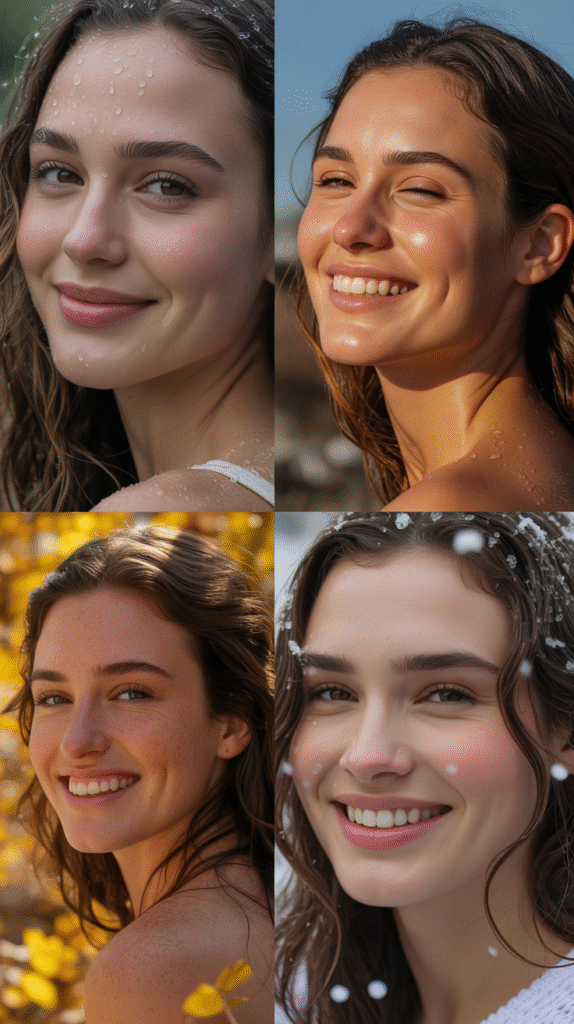
Reverse balayage adds darker lowlights to lightened hair or creates depth in flat color. This technique builds dimension through darkness rather than lightness.
- The process involves painting darker chocolate sections onto lighter base colors
- Reverse balayage creates depth and dimension in over-highlighted or overly light hair
- Strategic placement adds shadows that make color appear more natural and multidimensional
- This technique helps transition those wanting to go darker without solid, all-over application
- The gradual introduction of dark chocolate allows comfortable adjustment to deeper shades
- Reverse balayage can correct overly light results from previous coloring sessions
- The added depth creates movement and interest while maintaining some lighter dimension
- Processing time varies based on desired darkness and starting hair color
- Regular maintenance keeps the dimensional balance between dark and light sections
- This approach works beautifully for creating fall/winter transitions from summer-lightened hair
33. Dark Chocolate Brown for Fine Hair Volume Illusion
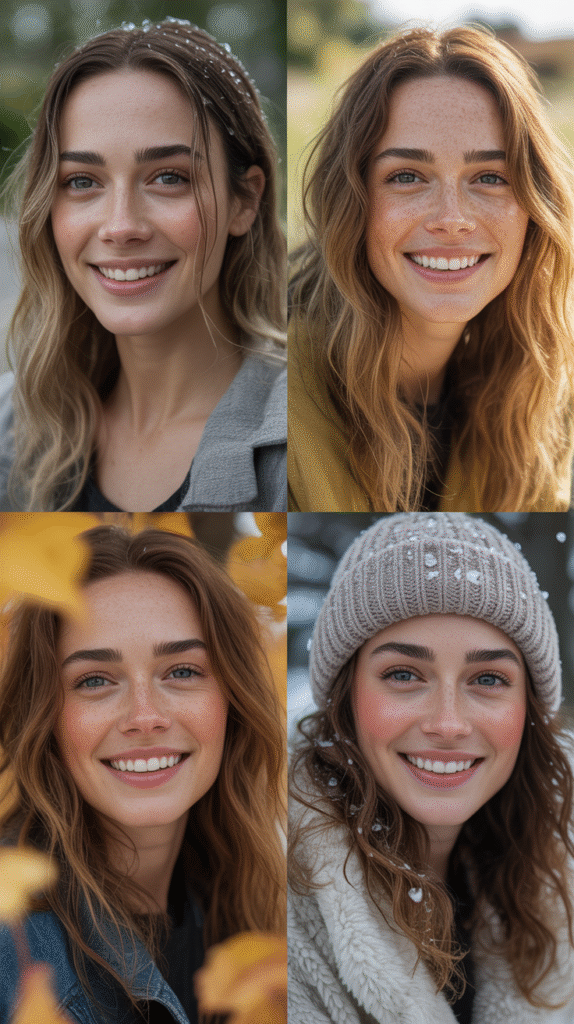
Strategic dark chocolate brown application creates the illusion of thicker, fuller hair. Color placement and technique make fine hair appear more voluminous.
- Dimensional coloring with multiple chocolate tones adds depth that creates fullness illusion
- Highlights placed on top layers catch light, making hair appear lifted and voluminous
- Lowlights underneath add shadow and depth that suggests density
- Root shadowing creates dimension at the base that mimics fuller, thicker roots
- Avoiding solid, one-dimensional color prevents flat appearance that emphasizes thinness
- Balayage placement that focuses on face-framing areas draws attention away from thinner sections
- Glossing treatments add shine that reflects light, creating appearance of more hair
- Slightly lifting roots during coloring can add subtle dimension that suggests volume
- Toning to cooler chocolates can make hair appear denser than warm tones
- Multiple subtle shades—even just 1-2 levels apart—create significant volumizing effects
34. Dark Chocolate Brown Maintenance Cost Analysis
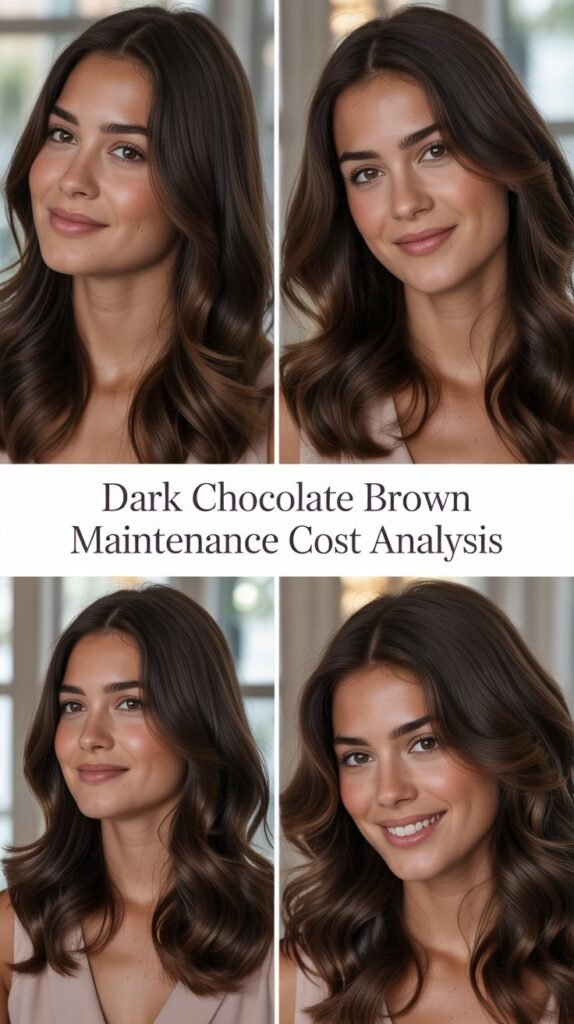
Understanding the true cost of maintaining dark chocolate brown helps budget appropriately. Costs vary significantly based on technique and service location.
| Service Type | Salon Cost Range | Frequency | Annual Cost | At-Home Alternative | At-Home Annual Cost |
|---|---|---|---|---|---|
| Solid Color | $80-$150 | Every 6-8 weeks | $520-$975 | Box Dye | $64-$130 |
| Balayage | $150-$300 | Every 10-14 weeks | $585-$1,170 | Not recommended | N/A |
| Root Touch-Up | $50-$100 | Every 4-6 weeks | $433-$1,300 | Root Touch-Up Kit | $48-$120 |
| Glossing | $50-$80 | Every 4-6 weeks | $433-$1,040 | At-Home Gloss | $96-$240 |
| Deep Conditioning | $30-$60 | Monthly | $360-$720 | DIY Mask | $60-$120 |
- Geographic location significantly impacts pricing, with major cities commanding premium rates
- Stylist experience level affects cost, with master colorists charging 30-50% more than junior stylists
- Hair length and thickness determine product usage and therefore price
- Combination services often provide cost savings versus booking treatments separately
- At-home maintenance reduces salon frequency, lowering overall annual costs
- Quality products—both professional and at-home—provide better results and longevity, ultimately saving money
- Establishing relationships with colorists can yield loyalty discounts or special pricing
- Balayage and dimensional techniques require less frequent maintenance despite higher initial costs
- Annual cost projections help determine realistic budget for desired dark chocolate maintenance level
35. Dark Chocolate Brown Photo Lighting Considerations
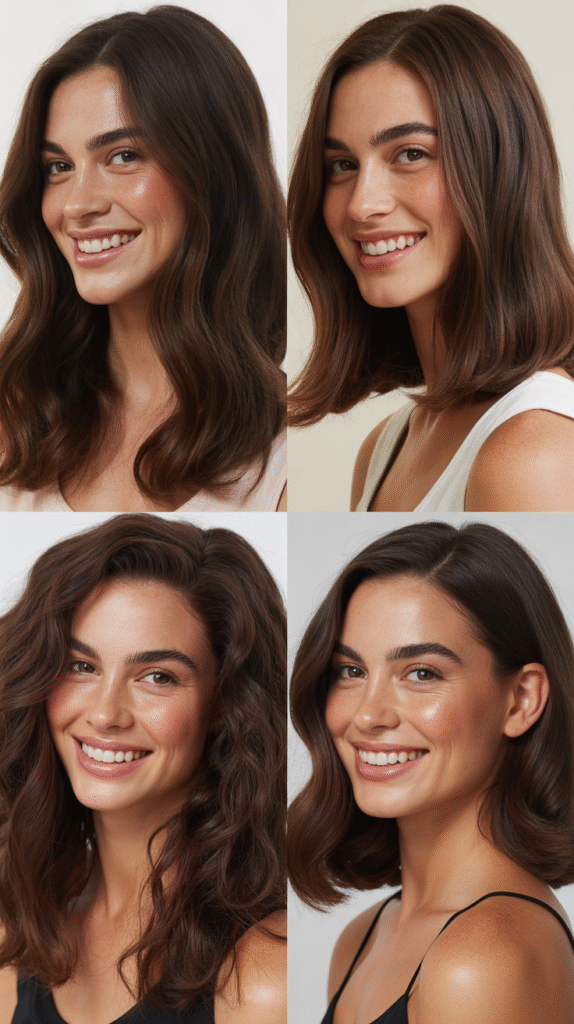
Dark chocolate brown appears dramatically different in various lighting conditions. Understanding this helps manage expectations and optimize photographic results.
- Natural sunlight reveals true color depth and any dimensional highlights or lowlights
- Indoor artificial lighting can make dark chocolate appear flat or alter undertones
- Flash photography often creates reflective shine spots that may wash out dimension
- Outdoor shade provides even, flattering light that showcases dark chocolate richness
- Ring lights and soft boxes create optimal conditions for showcasing color in selfies and photos
- Golden hour lighting adds warmth to dark chocolate, enhancing red and caramel undertones
- Overcast days provide diffused light that shows true color without harsh shadows
- Fluorescent lighting can create cool, sometimes greenish casts on dark chocolate browns
- Understanding your hair’s photographic behavior helps position yourself in flattering light
- Professional photographers adjust white balance to accurately capture dark chocolate tones
36. Dark Chocolate Brown Split-End Prevention
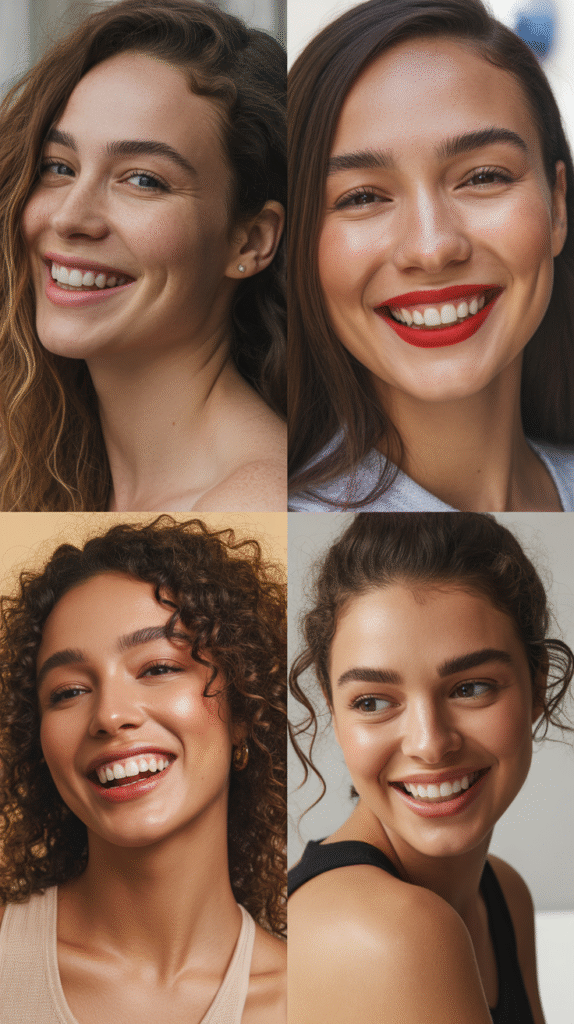
Preventing split ends maintains dark chocolate brown’s polished appearance. Color-treated hair requires extra attention to end integrity.
- Regular trims every 6-8 weeks remove damaged ends before splitting worsens
- Heat protectants create barriers that prevent styling damage leading to splits
- Deep conditioning masks strengthen hair structure, making it more resistant to splitting
- Avoiding excessive heat styling reduces the primary cause of split ends
- Protein treatments fortify weak areas prone to breaking and splitting
- Gentle detangling starting from ends prevents mechanical breakage
- Silk or satin pillowcases reduce nighttime friction that causes damage
- Protective hairstyles minimize environmental exposure and manipulation
- Avoiding tight elastic bands prevents stress points where splitting commonly occurs
- Oils applied to ends seal cuticles and prevent moisture loss that leads to brittleness
37. Dark Chocolate Brown Ammonia-Free Alternatives
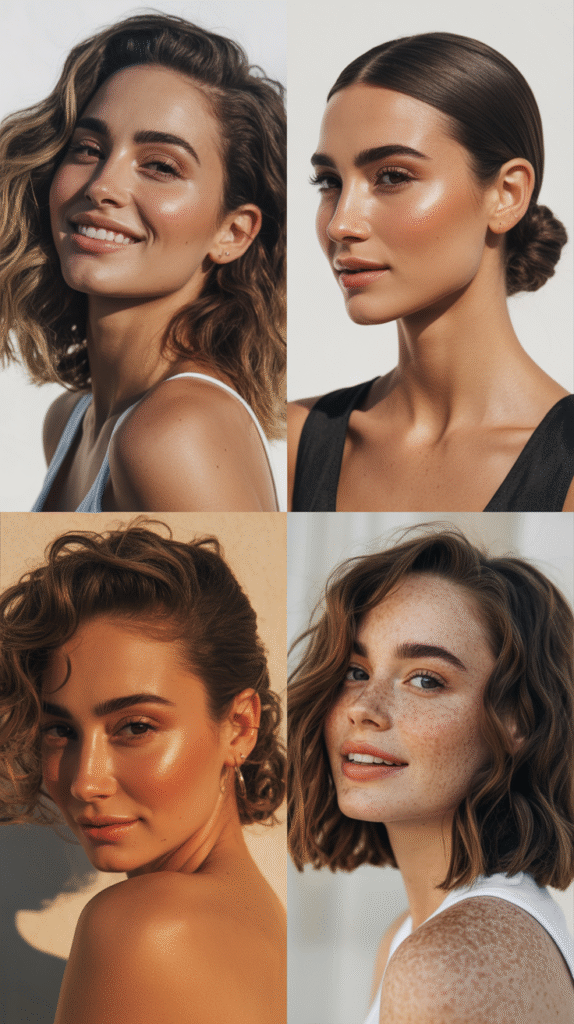
Ammonia-free color options provide gentler dark chocolate brown application. These formulations suit sensitive scalps and health-conscious individuals.
- Ammonia-free colors use alternative alkalizing agents like ethanolamine to open cuticles
- These formulations produce less odor during processing, creating more pleasant experiences
- Gentler chemistry reduces scalp irritation and allergic reactions
- Ammonia-free options typically provide excellent gray coverage and color vibrancy
- Processing times may extend slightly compared to traditional ammonia formulations
- Brands like L’Oréal INOA and Wella Koleston Perfect offer professional ammonia-free dark chocolate options
- Results last comparably to ammonia-based colors when properly formulated and applied
- These options work well for frequent color users concerned about chemical exposure
- Demi-permanent and semi-permanent options naturally exclude ammonia while providing beautiful color
- Consulting with colorists about ammonia-free preferences ensures appropriate product selection
38. Dark Chocolate Brown Color Fade Timeline
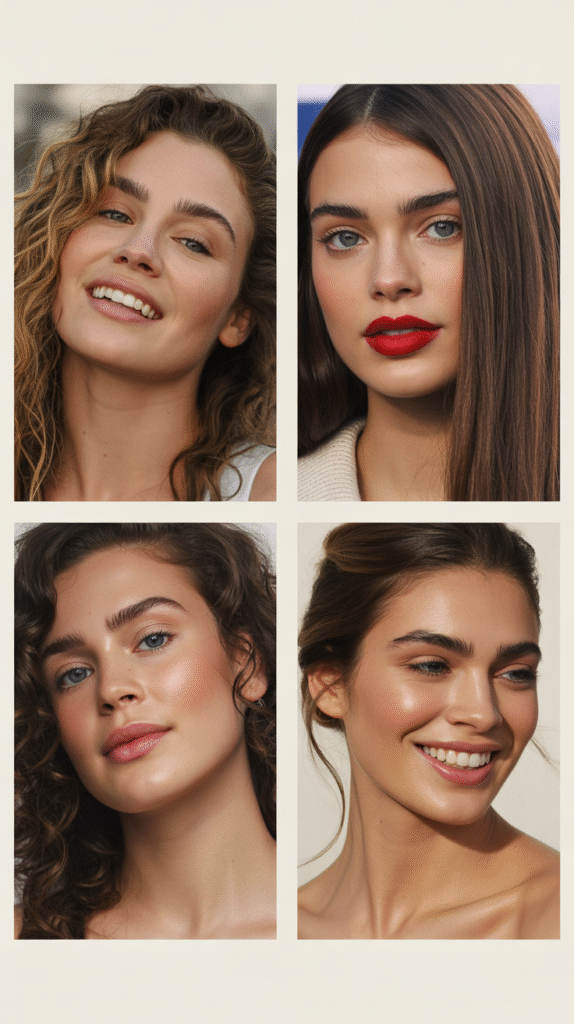
Understanding the natural fading process helps plan maintenance and set realistic expectations. All permanent color fades gradually over time.
- Weeks 1-2: Color appears richest and most vibrant immediately following application with maximum shine
- Weeks 3-4: Slight fading begins as color oxidizes, particularly noticeable in high-porosity hair
- Weeks 5-6: Dimensional tones may lighten more than base color, creating increased contrast
- Weeks 7-8: Noticeable fading occurs with possible warmth or brassiness developing, signaling refresh needs
- Weeks 9-10: Significant fading apparent without intervention, color appears dull or brassy
- Weeks 11-12: Roots show obvious regrowth, overall color appears washed-out requiring professional attention
- Glossing at week 4-6 extends vibrancy by 3-4 additional weeks
- Color-depositing products slow fading progression throughout the timeline
- Proper homecare extends each phase, delaying the need for full reapplication
- Individual fading rates vary based on hair porosity, product quality, and maintenance routines
39. Dark Chocolate Brown for Covering Highlights
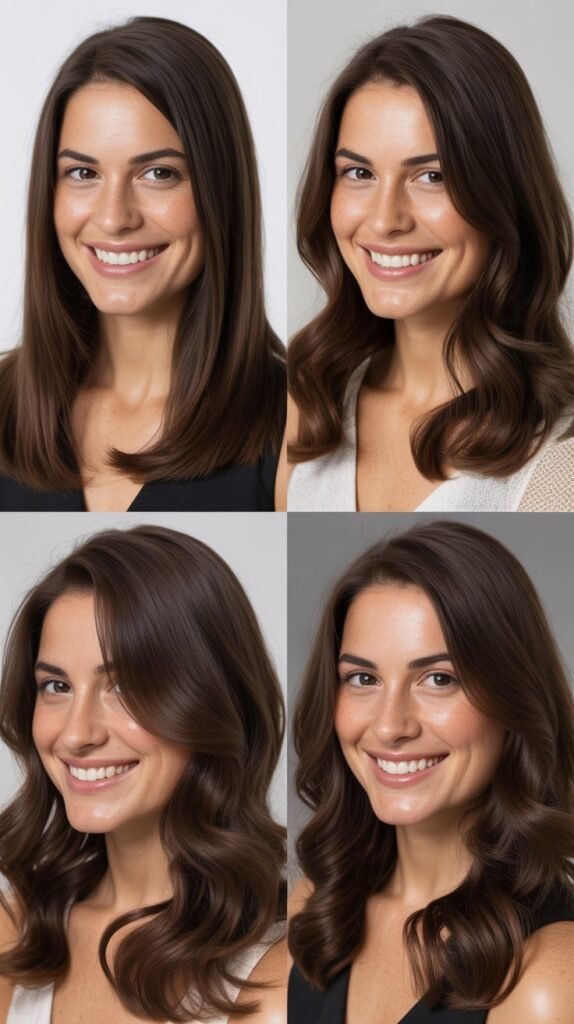
Transitioning from highlighted hair to solid dark chocolate brown requires careful application. The lightened sections may grab color differently than virgin hair.
- Pre-pigmentation fills porous highlighted sections with base color, ensuring even dark chocolate application
- Filler treatments deposit missing warm tones in bleached sections, preventing ashiness
- Strand testing reveals how highlights will accept dark chocolate, allowing formulation adjustments
- Multiple color sessions may be necessary for dramatically highlighted hair to achieve even chocolate brown
- Slightly darker application on highlights compensates for their increased porosity and ensures color matching
- Demi-permanent color works well for initial coverage, allowing gradual color building
- Avoiding immediate permanent color on highlights prevents overly dark results
- Patience proves essential as fully covering heavy highlights to uniform dark chocolate takes time
- Professional expertise significantly impacts results when covering extensive highlighting
- Deep conditioning between applications maintains hair health throughout the transition process
40. Dark Chocolate Brown Hairline and Temple Coverage
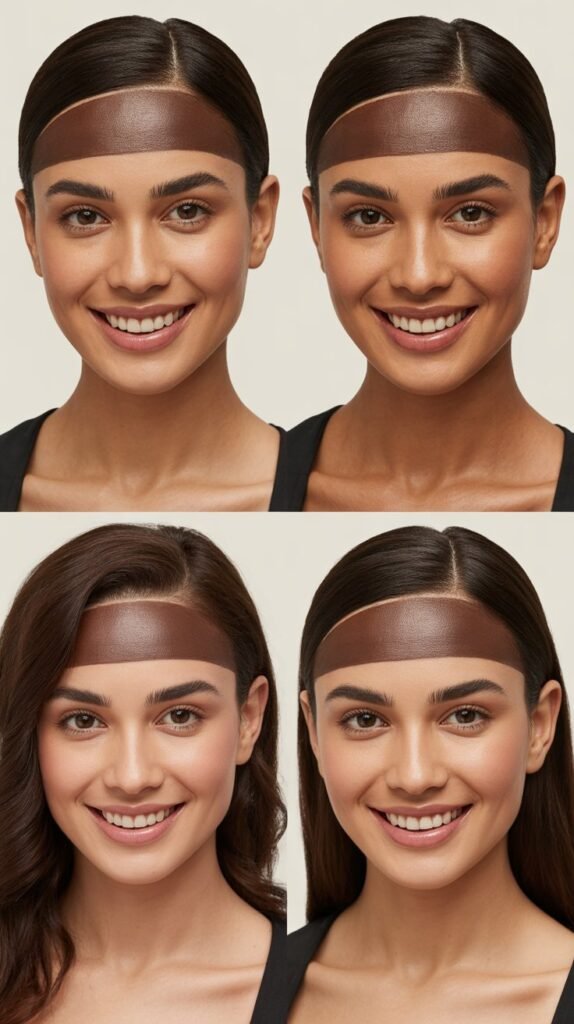
Gray hairline and temples often require extra attention during dark chocolate brown application. These areas tend to be more resistant to color.
- Resistant gray areas benefit from slightly longer processing times for complete coverage
- Starting application at temples and hairline ensures maximum processing time in stubborn areas
- Pre-softening treatments open resistant cuticles, improving color penetration
- Slightly warmer formulations cover resistant gray better than cool-toned chocolates
- Ensuring complete saturation at hairline prevents patchy, incomplete coverage
- Using brush application rather than bottle applicators provides better control in detailed areas
- Body heat from the scalp can accelerate processing, but resistant gray may still need extra time
- Regular root touch-ups prevent gray from becoming too extensive and difficult to cover
- Some individuals have naturally more resistant temple hair requiring specialized attention
41. Dark Chocolate Brown Curly Hair Application
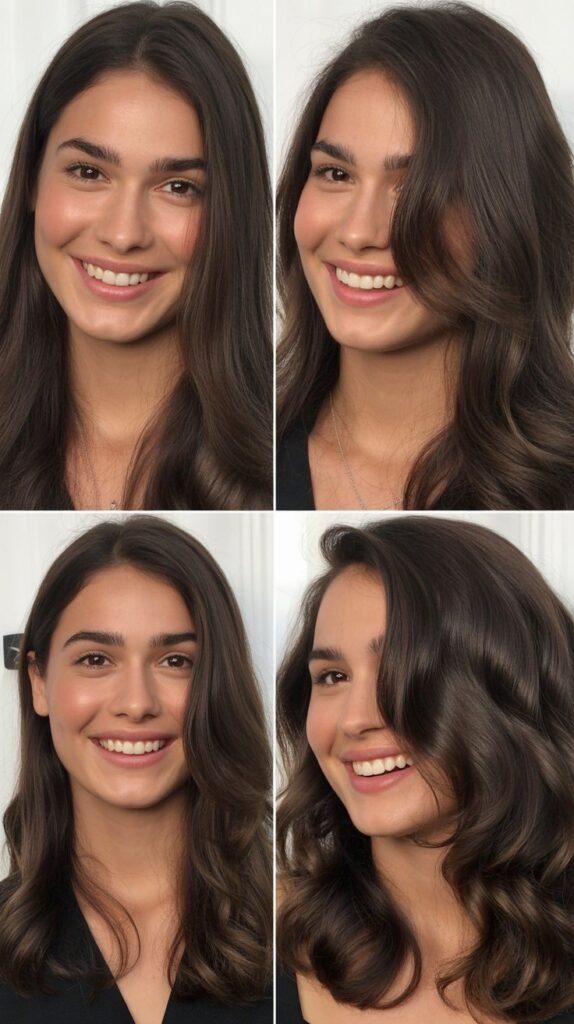
Curly hair requires modified dark chocolate brown application techniques. Proper methods ensure even coverage and maintained curl integrity.
- Applying color to stretched or blow-dried curly hair ensures thorough saturation and even distribution
- Section size should be smaller than for straight hair, allowing color to reach all curl layers
- Moisture-rich formulations prevent excessive dryness that damages curl patterns
- Processing caps or plastic wraps maintain moisture and heat for optimal color development
- Avoiding manipulation during processing prevents curl disruption and frizz
- Deep conditioning immediately following color restores moisture essential for curl health
- Color application follows curl pattern direction for natural results
- Resistant curly hair may require slightly longer processing times
- Protein treatments before coloring strengthen curls against chemical stress
- Post-color curl-defining products restore pattern definition diminished during processing
42. Dark Chocolate Brown Tone Correction Methods
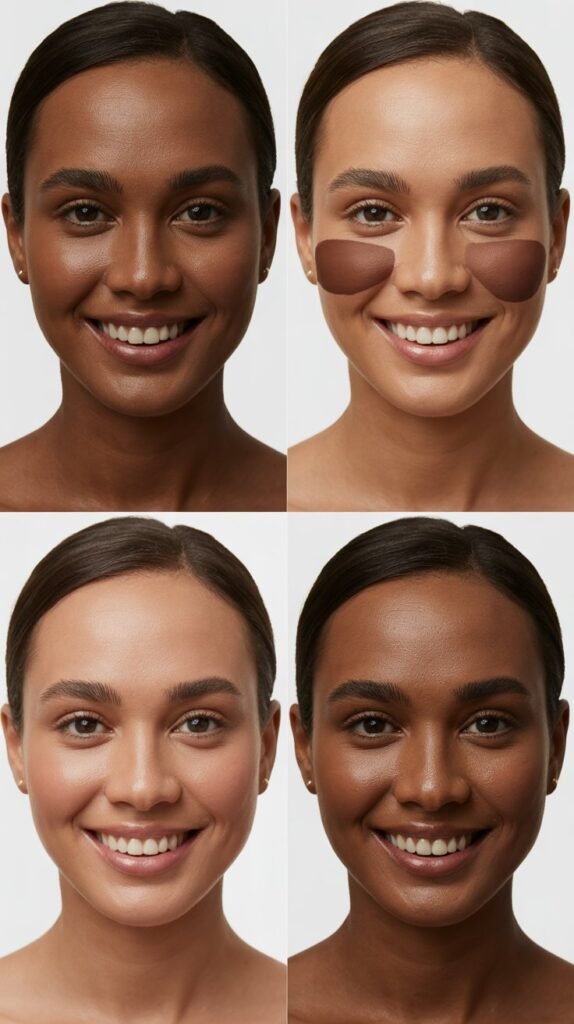
When dark chocolate brown develops unwanted tones, correction techniques restore desired color. Various issues require different solutions.
- Orange brassiness corrects with blue-based toners or purple shampoos that neutralize warmth
- Red tones require green-based correction products to neutralize unwanted ruddiness
- Ashy, dull chocolate browns benefit from warm-toned glosses that add richness
- Color-depositing conditioners provide gradual tone adjustment without harsh correction
- Professional toning services quickly correct significant tone issues
- Clarifying shampoos remove buildup that can cause tone shifts before attempting correction
- Multiple gentle corrections prevent over-toning that creates new problems
- Identifying the cause of tone shifts—hard water, product buildup, sun exposure—prevents recurrence
- Cool-toned dark chocolate maintenance prevents warm brassiness from developing
- Regular glossing provides ongoing tone maintenance, reducing need for correction
43. Dark Chocolate Brown Henna Integration
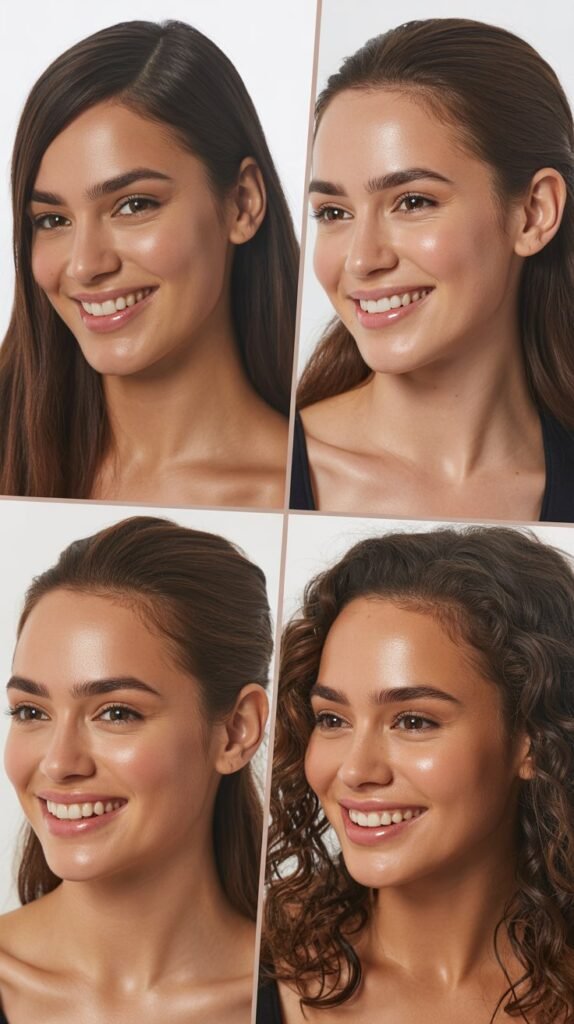
Combining henna with conventional dark chocolate brown requires understanding henna’s unique properties. These natural dyes interact differently than chemical colors.
- Henna creates permanent color that cannot be removed, only grown out or covered
- Chemical color over henna may produce unexpected results including green tones
- Testing on a small section reveals compatibility before full application
- Waiting 6-12 months after henna before chemical color reduces unpredictability
- Some henna brands contain metallic salts that react badly with chemical dyes
- Pure, body-art quality henna (BAQ) works most safely with chemical colors
- Professional expertise proves essential when transitioning from henna to chemical dark chocolate
- Gradual color building over multiple sessions creates safer henna coverage
- Dark chocolate brown over henna may result in darker than expected outcomes
- Alternative approaches include working with henna-friendly colorists or continuing henna-only coloring
44. Dark Chocolate Brown Hair Bonding Treatments
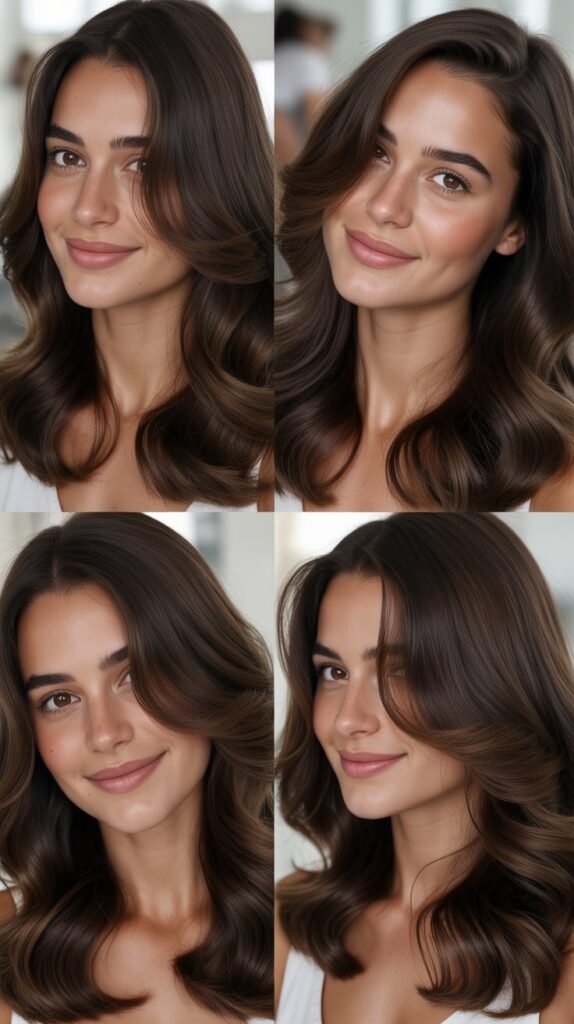
Bond-building treatments protect hair during dark chocolate brown coloring. These products minimize damage and maintain hair integrity.
- Olaplex added during coloring reconnects broken disulfide bonds caused by chemical processing
- K18 treatments repair damage at the molecular level, restoring hair strength
- Wellaplex and Fibreplex offer salon alternatives to Olaplex with similar bond-building benefits
- These treatments allow healthier color results, especially for damaged or previously processed hair
- Standalone bond-building treatments between color services maintain ongoing hair health
- Reducing damage enables more frequent coloring for those maintaining dimensional dark chocolate
- Cost additions for bonding treatments range from $20-50 but significantly improve hair condition
- At-home bonding products extend professional treatments between salon visits
- Combining bonding treatments with deep conditioning maximizes hair health and appearance
- These technologies make achieving dark chocolate brown possible for previously too-damaged hair
45. Dark Chocolate Brown Scalp Health Considerations
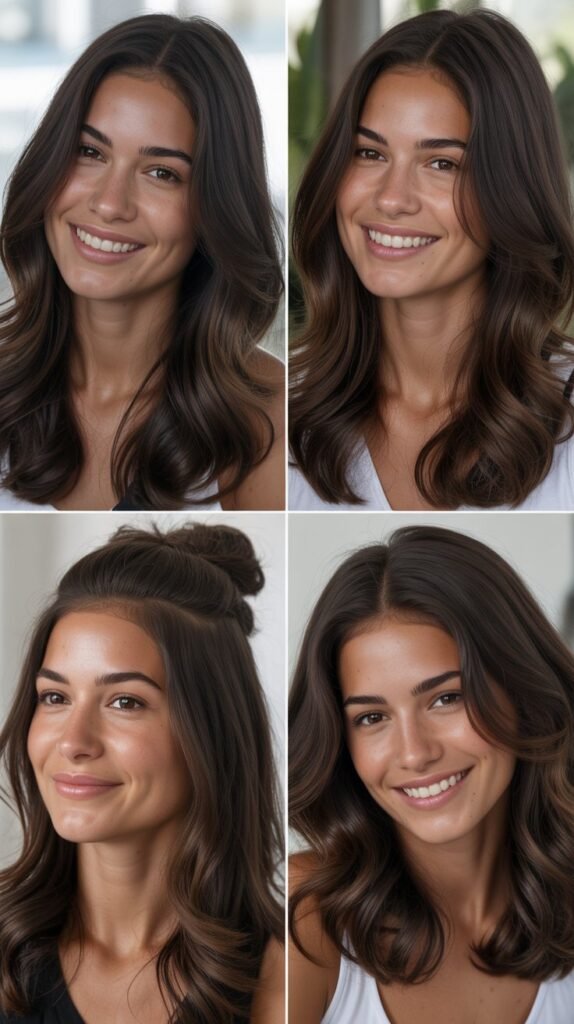
Maintaining scalp health during dark chocolate brown coloring ensures comfortable, successful results. Scalp condition affects both application and outcome.
- Scalp exfoliation before coloring removes dead skin and product buildup for even color application
- Avoiding irritation by not washing hair immediately before coloring allows natural oils to protect scalp
- Sensitive scalp formulations reduce burning and discomfort during processing
- Barrier creams along hairline prevent skin staining without interfering with color
- Post-color scalp treatments soothe any irritation and restore balance
- Individuals with psoriasis or eczema should consult dermatologists before chemical coloring
- Patch tests identify potential allergic reactions before full application
- Maintaining healthy scalp between colorings through gentle cleansing and proper nutrition supports hair health
- Avoiding scratching or irritating scalp 24-48 hours before color prevents increased sensitivity
- Professional colorists adjust techniques for those with scalp sensitivities
46. Dark Chocolate Brown Balayage Aftercare
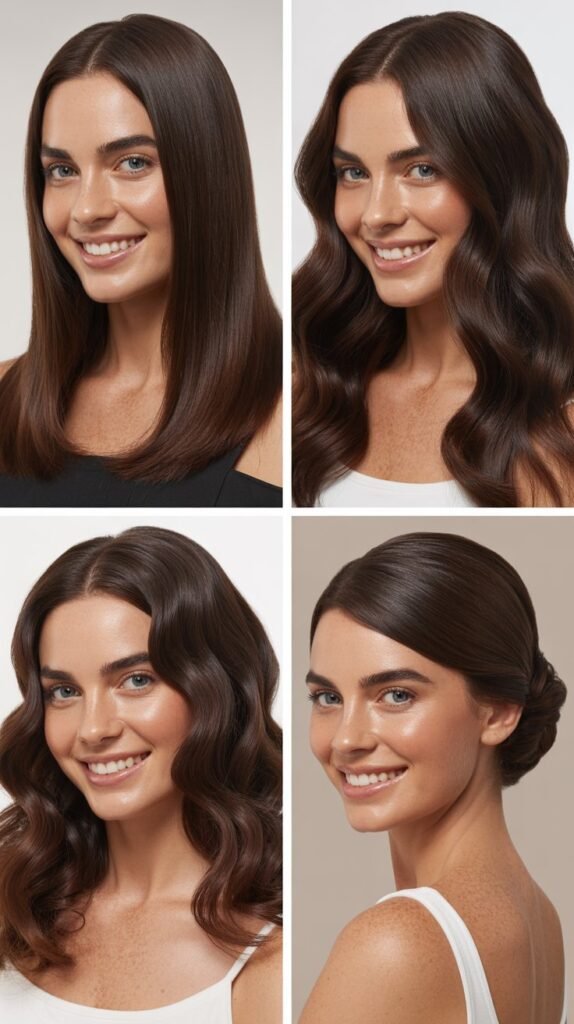
Balayaged dark chocolate brown requires specific aftercare to maintain dimensional beauty. Proper care preserves both base color and highlights.
- Purple shampoo maintains caramel or blonde balayage pieces, preventing brassiness in lighter sections
- Color-depositing dark chocolate conditioner refreshes base color between salon visits
- Focusing deep conditioning on lightened ends prevents dryness in more porous balayage sections
- Heat protectant proves especially crucial for highlighted pieces more vulnerable to damage
- Alternating between color-safe and clarifying shampoos balances color maintenance and cleanliness
- Glossing treatments unify tone across both dark base and lighter balayage sections
- Protecting highlighted pieces from sun exposure prevents excessive lightening and brassiness
- Regular trims maintain balayage ends that experience more processing damage
- Styling products that enhance dimension—like texturizing sprays—showcase balayage beauty
- Understanding which products suit base versus highlights optimizes overall appearance
47. Dark Chocolate Brown Low-Maintenance Variations
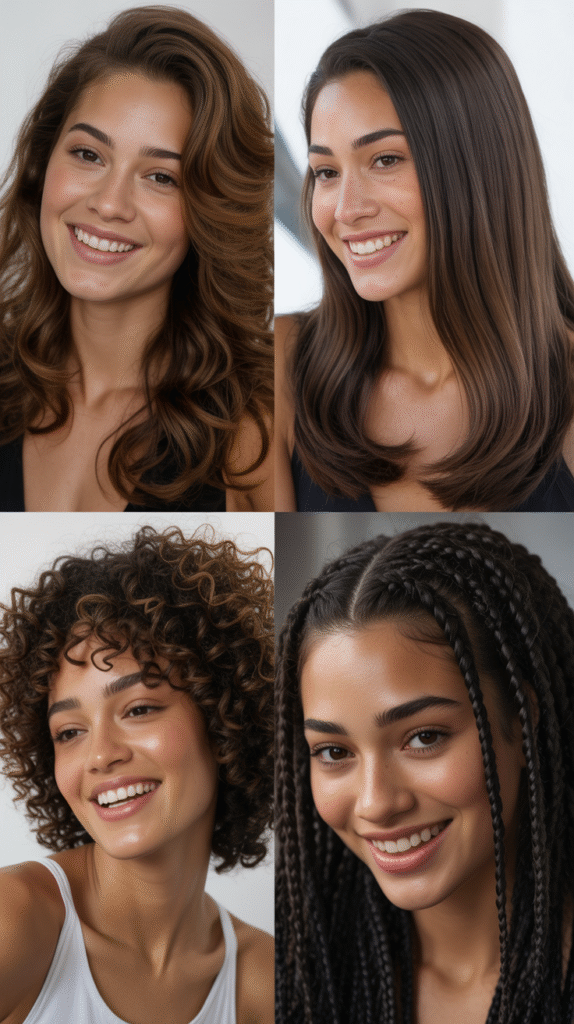
Certain dark chocolate brown techniques minimize upkeep for busy lifestyles. Strategic choices reduce salon frequency without sacrificing beauty.
- Root shadowing allows 10-12 weeks between touch-ups versus 4-6 for solid color
- Balayage grows out naturally without harsh demarcation lines requiring frequent correction
- Single-process dark chocolate on naturally dark hair requires minimal maintenance
- Semi-permanent color offers low-commitment options that fade gradually without obvious roots
- Choosing chocolate shades close to natural color extends time between necessary touch-ups
- Babylights provide subtle dimension that remains flattering as it grows
- Demi-permanent color refreshes tone without the commitment of permanent application
- Avoiding high-contrast highlights reduces maintenance needs
- Strategic glossing extends color vibrancy between full applications
- Embracing natural root depth as part of the look eliminates constant root coverage
48. Dark Chocolate Brown Color Theory Application
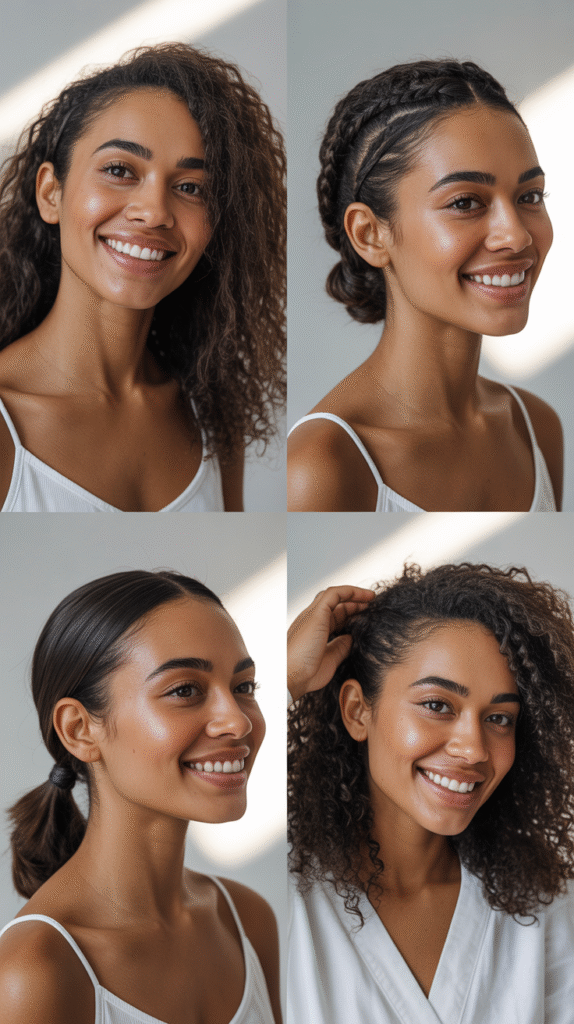
Understanding color theory optimizes dark chocolate brown results. Scientific color principles guide successful application and correction.
- The color wheel shows complementary colors—orange and blue, red and green—that neutralize each other
- Warm dark chocolate contains red and orange undertones while cool chocolate includes blue and violet
- Level systems (1-10) indicate color depth, with dark chocolate typically sitting at 3-4
- Tone indicates warmth or coolness—neutral (N), ash (A), warm (W), red (R)
- Mixing complementary tones neutralizes unwanted colors in correction scenarios
- Understanding undertones helps select dark chocolate shades that complement skin tones
- Developer strength (10, 20, 30, 40 volume) determines lifting power, affecting final results
- Processing time influences color depth and tone development
- Starting base color significantly impacts final dark chocolate results and formulation needs
- Color theory knowledge empowers better communication with colorists and realistic expectations
49. Dark Chocolate Brown Extension Matching
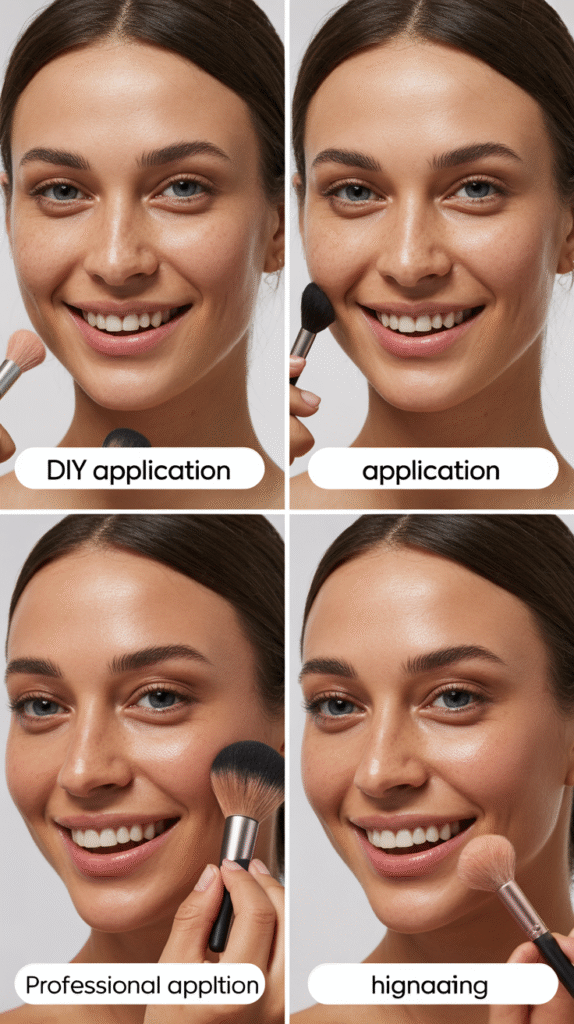
Matching extensions to dark chocolate brown hair requires attention to detail. Proper selection creates seamless, natural-looking results.
- Professional color matching in natural lighting ensures accurate extension shade selection
- Multiple extension shades often create more natural dimension than single-color sets
- Custom-dyeing extensions to exact dark chocolate match provides most seamless results
- Tape-in, clip-in, or sewn extensions each have different color-matching considerations
- Balayaged or ombré extensions complement dimensional dark chocolate hair beautifully
- Extension quality affects color appearance—human hair holds color most naturally
- Blending extension pieces with natural hair through strategic placement creates invisible integration
- Maintaining both natural hair and extensions with matching products preserves color harmony
- Heat styling extensions requires lower temperatures than natural hair to prevent color shift
- Regular extension maintenance includes color refreshing to match natural hair’s evolution
50. Dark Chocolate Brown for Mature Hair
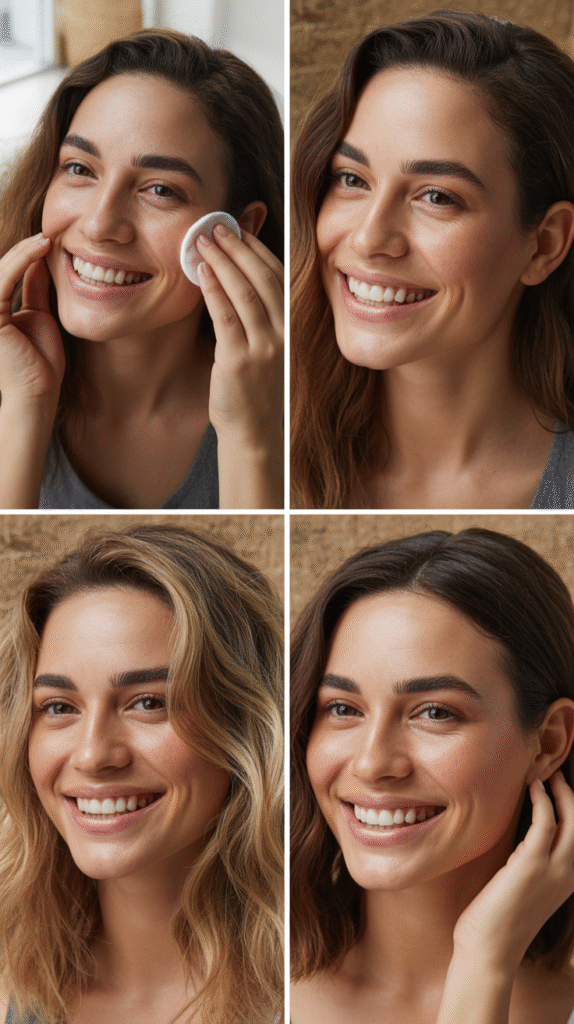
Mature hair has unique characteristics requiring modified dark chocolate brown approaches. Understanding these differences ensures beautiful, age-appropriate results.
- Gray hair has different texture—often coarser or wiry—requiring adjusted formulations
- Mature hair may be thinner, making dimensional color especially important for fullness illusion
- Avoiding overly dark or harsh chocolates prevents aging appearance
- Softer dark chocolate with subtle highlights creates youthful, fresh looks
- Gray coverage formulations provide better results on mature hair than standard colors
- Pre-softening treatments help resistant gray accept color more readily
- Conditioning becomes even more crucial as mature hair tends toward dryness
- Avoiding extremes—very dark or very light—generally flatters mature complexions best
- Multi-dimensional approaches with lowlights and highlights add softness
- Professional colorists experienced with mature hair deliver most flattering results
51. Dark Chocolate Brown Gloss vs. Glaze Differences
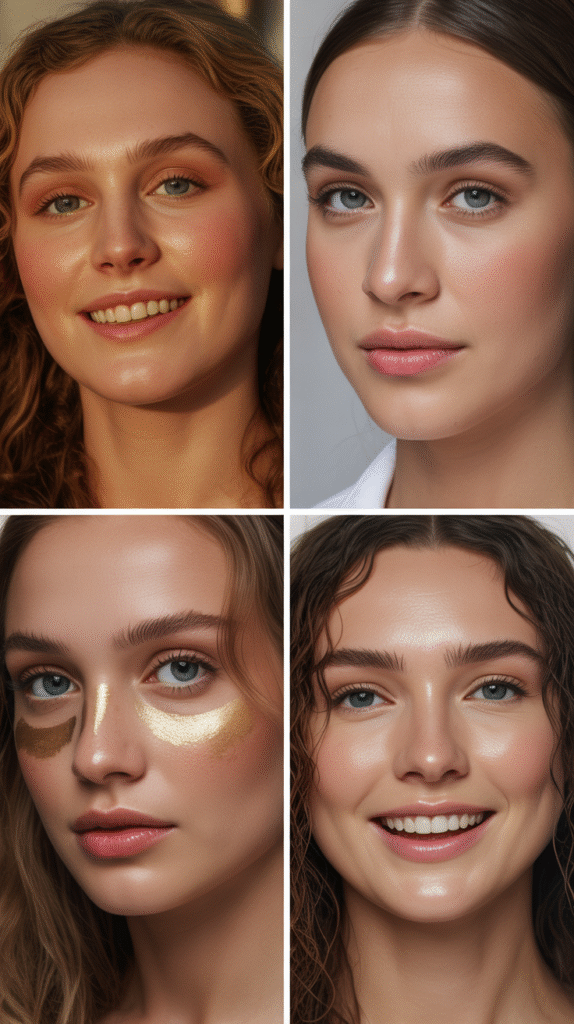
Understanding the distinction between glosses and glazes helps select appropriate treatments. While often used interchangeably, subtle differences exist.
- Glosses typically contain very low-volume developer (5-10 volume) and process longer for deeper penetration
- Glazes often require no developer, coating the hair surface for pure shine without color change
- Semi-permanent glosses last 4-6 weeks while glazes may fade within 2-3 weeks
- Clear glazes add pure shine without altering color whatsoever
- Tinted glosses adjust tone while adding shine—dual benefits in single treatment
- Professional glosses penetrate slightly deeper than glazes for longer-lasting results
- At-home products often blur these distinctions with varying formulations
- Glazes work excellently for event preparation requiring temporary high-shine
- Glosses suit regular maintenance routines for ongoing color and shine preservation
- Both treatments seal cuticles and enhance dark chocolate brown’s natural beauty
52. Dark Chocolate Brown Seasonal Color Shifts
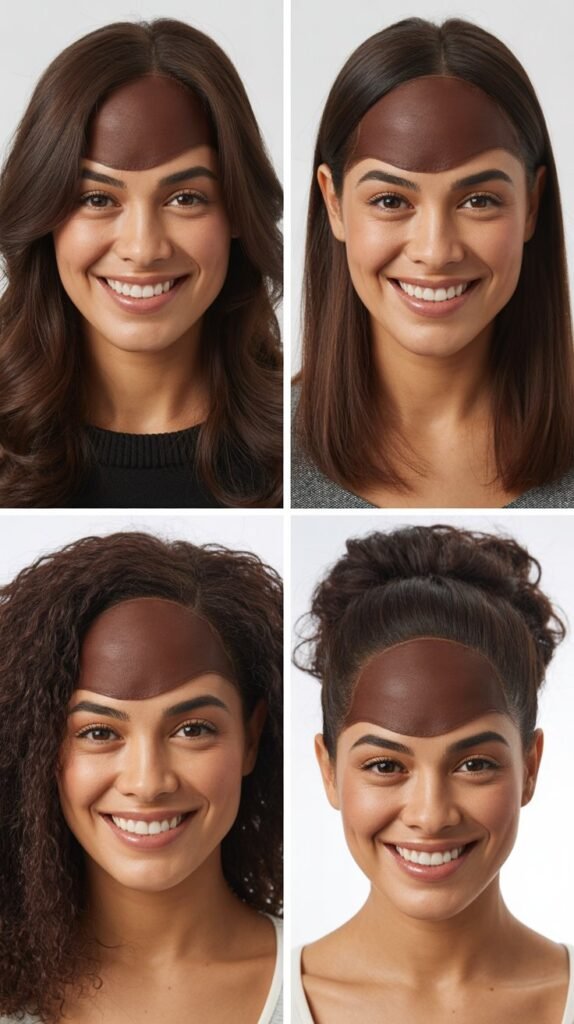
Dark chocolate brown can shift tonally throughout seasons due to environmental factors. Understanding these changes helps manage expectations and maintenance.
- Summer sun exposure lightens and warms dark chocolate, often creating brassy tones
- Winter indoor heating dehydrates hair, potentially making color appear dull
- Spring humidity can enhance curl and wave, changing how color reflects light
- Fall’s lower humidity may flatten hair, affecting color’s dimensional appearance
- Chlorine from summer swimming can create unwanted green tones in dark chocolate
- Winter hats and static affect hair texture and color presentation
- Adjusting maintenance routines seasonally preserves color quality year-round
- Increased UV protection in summer prevents excessive lightening and damage
- Winter moisture treatments combat dry heating effects on color vibrancy
- Seasonal glossing adjustments maintain optimal tone through changing conditions
53. Dark Chocolate Brown Color Removal Techniques
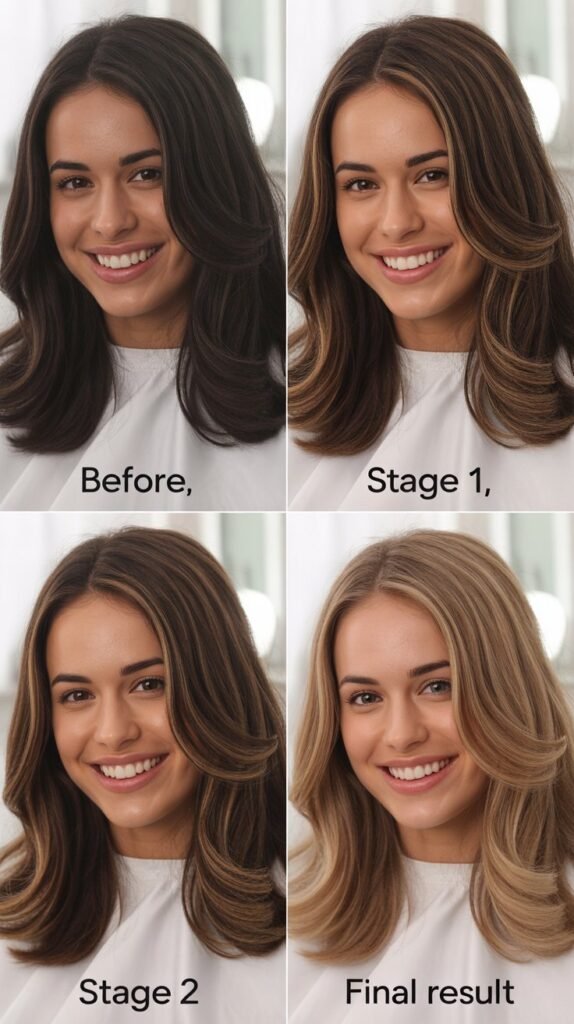
Sometimes complete color removal becomes necessary before achieving desired dark chocolate brown. Safe removal methods protect hair health.
- Color removers like Color Oops shrink dye molecules for gentle washing out without bleach
- Clarifying treatments gradually fade semi-permanent and demi-permanent colors
- Vitamin C treatments mixed with shampoo provide DIY color-fading options
- Professional color correction often proves safest for significant color changes
- Multiple removal sessions prevent excessive damage compared to aggressive single treatments
- Deep conditioning between removal attempts maintains hair health
- Bleach represents the most aggressive removal method, requiring professional expertise
- Allowing time between removal and recoloring prevents compounded damage
- Some colors—especially reds and blacks—resist removal more stubbornly than others
- Realistic timelines expect weeks to months for complete, healthy color removal
54. Dark Chocolate Brown Makeup Pairing
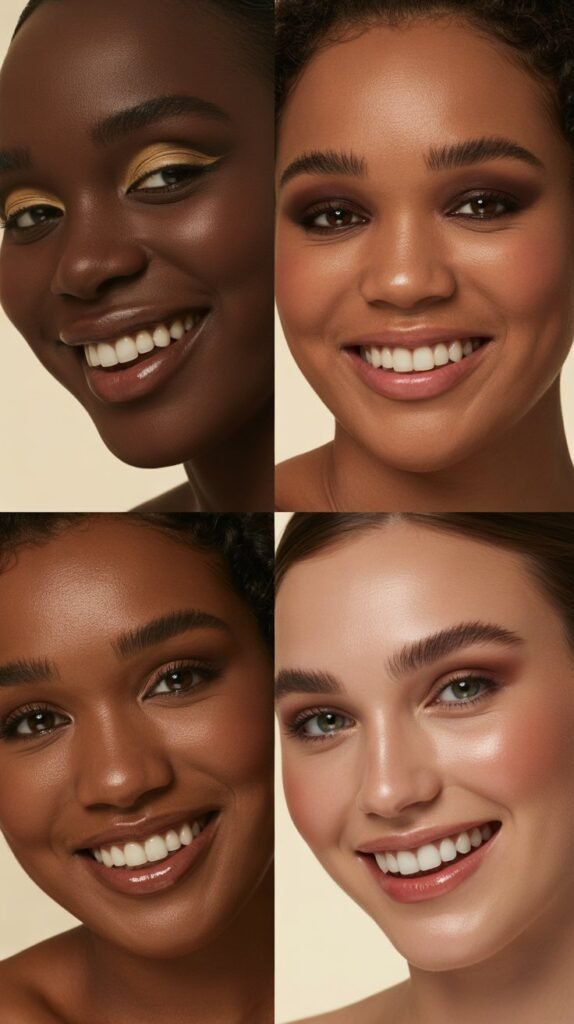
Dark chocolate brown hair pairs beautifully with specific makeup choices. Coordinating cosmetics enhances overall appearance harmoniously.
- Warm dark chocolate browns complement earthy makeup tones—terracotta, bronze, warm browns
- Cool-toned chocolate hair suits plum, mauve, and cool-toned pink makeup shades
- Bold lip colors like deep berry, wine, or classic red create stunning contrast with dark chocolate
- Neutral makeup allows dark chocolate brown to serve as the primary color statement
- Eye makeup in complementary shades—golden, copper, bronze—enhances warm chocolates
- Ash-toned makeup coordinates beautifully with cool violet-chocolate hair
- Highlighting and contouring techniques should consider whether chocolate has warm or cool undertones
- Brow products should match or fall slightly warmer than hair color for natural appearance
- Seasonal makeup adjustments complement seasonal chocolate brown variations
- Overall color harmony between hair and makeup creates polished, cohesive looks
55. Dark Chocolate Brown Pre-Lightening Requirements
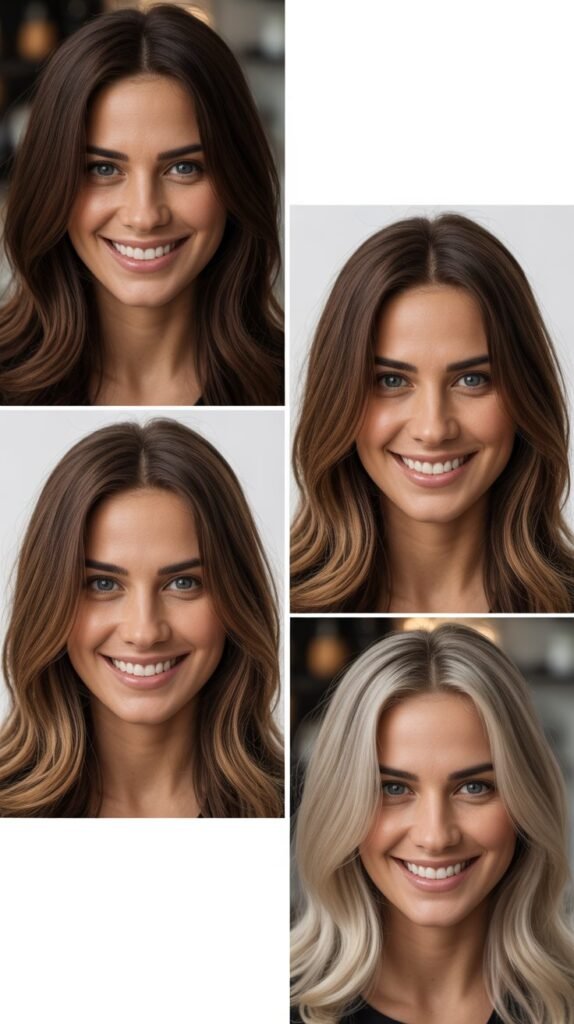
Sometimes achieving specific dark chocolate shades requires pre-lightening. Understanding when and how to lighten ensures successful results.
- Very dark black hair may need slight lifting to accept true dark chocolate tones
- Target chocolate shades with caramel or golden undertones often require pre-lightening for vibrancy
- Lifting 1-2 levels provides canvas for rich, dimensional dark chocolate application
- Bond-building treatments during lightening minimize damage
- Toning immediately after lightening prevents brassiness before applying chocolate
- Professional assessment determines whether pre-lightening is truly necessary
- At-home pre-lightening risks uneven results and significant damage
- Multiple gentle lifting sessions prove safer than aggressive single treatments
- Understanding your starting level helps determine if pre-lightening is required
- Some dark chocolate formulations contain enough lift to achieve desired results without separate lightening
56. Dark Chocolate Brown Humidity Effects
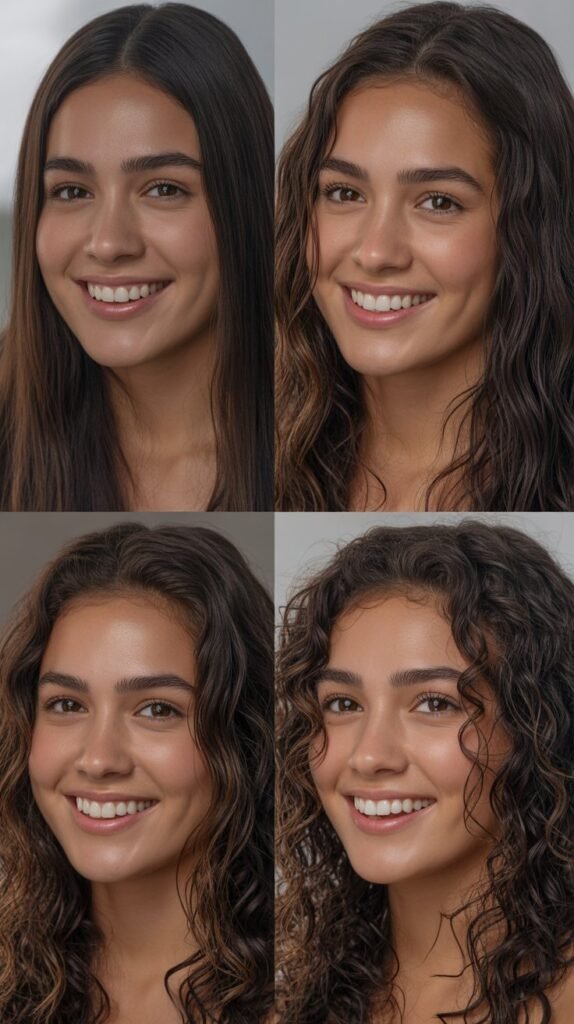
Humidity dramatically affects dark chocolate brown hair’s appearance and manageability. Understanding these effects helps optimize styling and maintenance.
- High humidity can enhance natural curl and wave in colored hair
- Frizz becomes more pronounced in humid conditions, potentially affecting color’s sleek appearance
- Anti-humidity products help maintain smooth, polished dark chocolate styles
- Humidity can slightly alter how color reflects light, affecting perceived depth
- Deep conditioning treatments improve moisture balance, reducing frizz in humid climates
- Avoiding excessive manipulation in humidity prevents frizz and disrupted color shine
- Protective styles work well in very humid conditions while showcasing color
- Dry climates may make hair appear drier, requiring extra conditioning to maintain vibrancy
- Glossing treatments seal cuticles against humidity-induced frizz and dullness
- Climate-appropriate styling products optimize dark chocolate brown appearance in local conditions
57. Dark Chocolate Brown Trending Social Media Looks
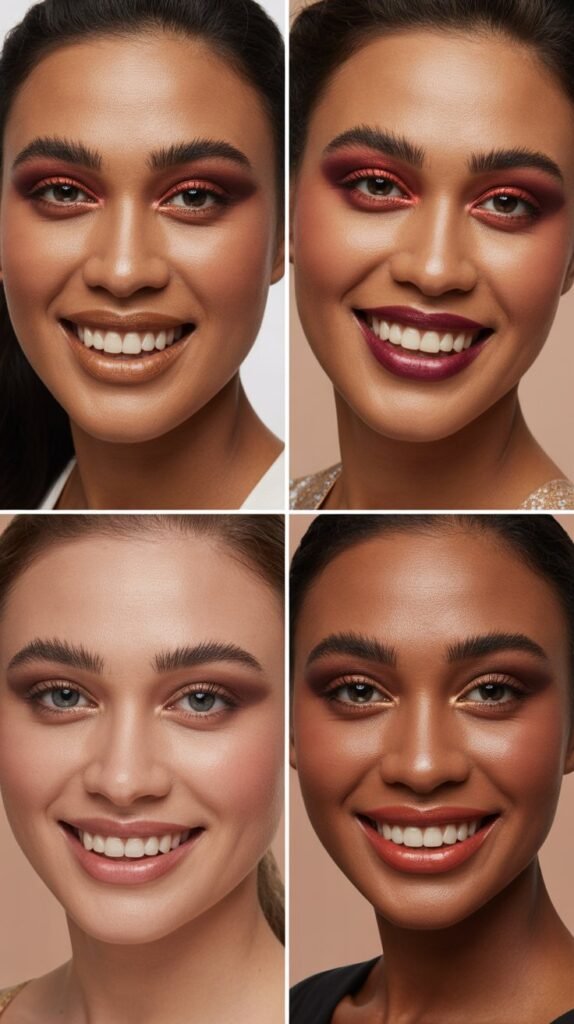
Social media platforms showcase trending dark chocolate brown variations. Current popular looks provide inspiration for your next color appointment.
- Espresso chocolate brown: Ultra-rich, almost-black chocolate trending on Instagram and TikTok
- Cinnamon swirl balayage: Dark chocolate base with warm cinnamon highlights creating swirled dimension
- Mocha mousse: Medium-dark chocolate with subtle cool undertones, Pantone-inspired trend
- Chocolate cherry: Dark chocolate with burgundy or cherry lowlights for unexpected pop
- Glazed chocolate: High-gloss dark chocolate emphasizing mirror-like shine over dimension
- Toasted coconut highlights: Warm, neutral highlights through dark chocolate base
- Chocolate-covered strawberry: Dark chocolate with rose gold or strawberry blonde face-framing pieces
- Social media provides visual references for salon consultations
- Filters and editing may alter true color appearance—discuss realistic expectations with colorists
- Trending looks inspire personalized variations suited to individual features and lifestyles
58. Dark Chocolate Brown Professional Formulation Secrets
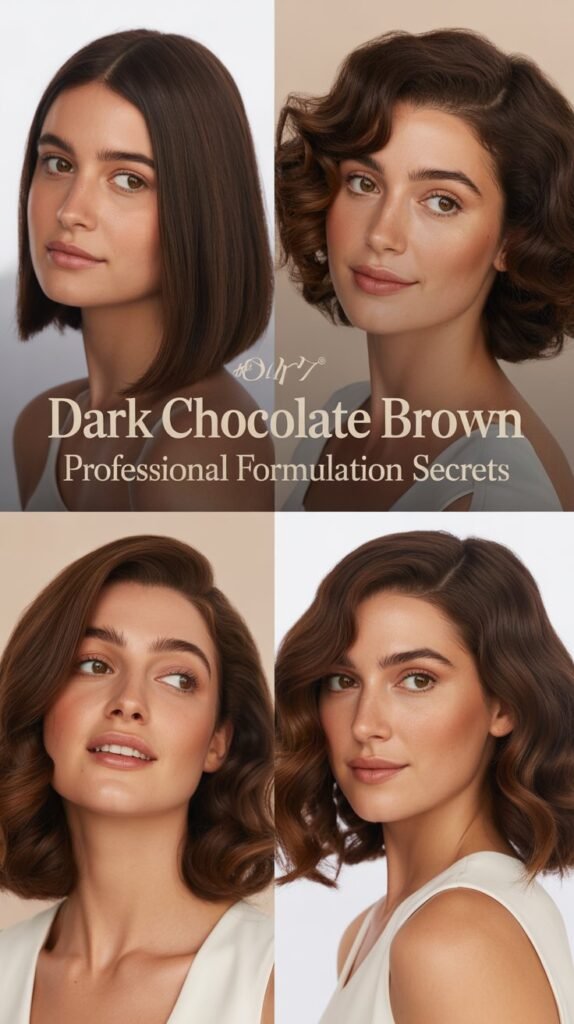
Professional colorists employ specific techniques for superior dark chocolate brown results. Understanding these methods elevates color quality.
- Custom color formulation blends multiple shades for multidimensional chocolate rather than single-tube application
- Developer selection balances lifting power with hair health—typically 10-20 volume for dark chocolate
- Adding neutral or ash tones prevents brassiness in final results
- Timing application starting points based on hair’s varying porosity ensures even processing
- Protein fillers on porous sections create even base for color acceptance
- Slightly over-depositing color accounts for initial fade, maintaining richness longer
- Temperature control during processing affects final color development and tone
- Precise measuring ensures consistent, repeatable results
- Strand testing throughout service allows real-time formulation adjustments
- Post-color acidic rinses seal cuticles for maximum shine and longevity
59. Dark Chocolate Brown Vegan and Cruelty-Free Options
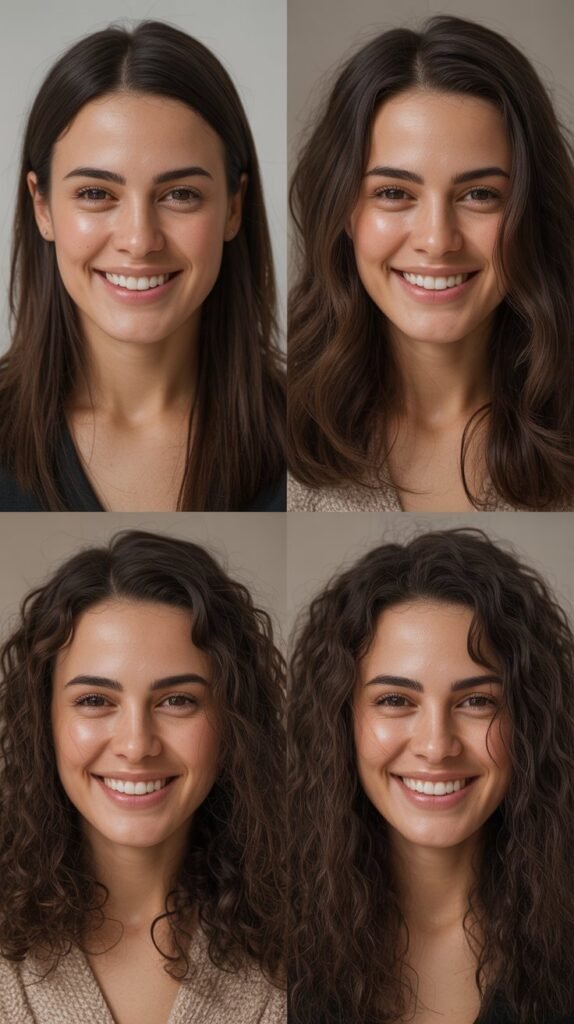
Conscious consumers seek vegan and cruelty-free dark chocolate brown options. Many quality alternatives exist for ethical coloring.
- Brands like Aveda, Oway, and Natulique offer professional vegan color lines
- Madison Reed provides at-home vegan, cruelty-free dark chocolate options
- Henna and plant-based dyes offer completely natural alternatives, though with different results
- Reading ingredient lists identifies animal-derived components like keratin or carmine
- Cruelty-free certification ensures no animal testing occurred during development
- Vegan colors perform comparably to traditional formulations in coverage and longevity
- Professional salons increasingly offer vegan color menus for ethical consumers
- These options suit those with allergies to animal-derived ingredients
- Environmental consciousness drives growth in sustainable, vegan color technology
- Quality vegan colors achieve beautiful dark chocolate brown without compromising ethics
60. Dark Chocolate Brown Color Bleed Prevention
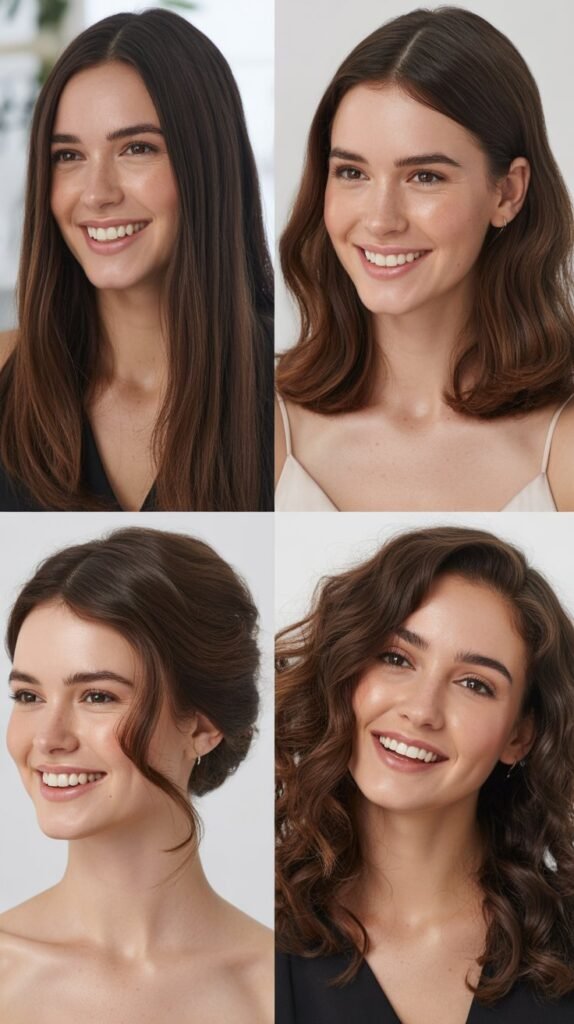
Preventing color bleed maintains dark chocolate vibrancy and protects clothing and linens. Proper techniques seal color effectively.
- Rinsing until water runs completely clear after coloring prevents future bleeding
- Acidic final rinses (vinegar or specialized products) close cuticles and lock pigment
- Using cool water for washing prevents cuticle opening that releases color
- Color-sealing products create barriers against moisture-induced bleeding
- Drying hair completely before bed prevents pillow staining from damp, bleeding color
- High-quality permanent color bleeds less than cheaper formulations
- First few washes experience most color bleeding—using dark towels prevents staining
- Sulfate-free shampoos reduce color bleeding during regular maintenance
- Avoiding hot styling tools on damp hair prevents heat-induced color release
- Properly sealed color shouldn’t bleed significantly after initial settling period
61. Dark Chocolate Brown Hairline Blending Techniques
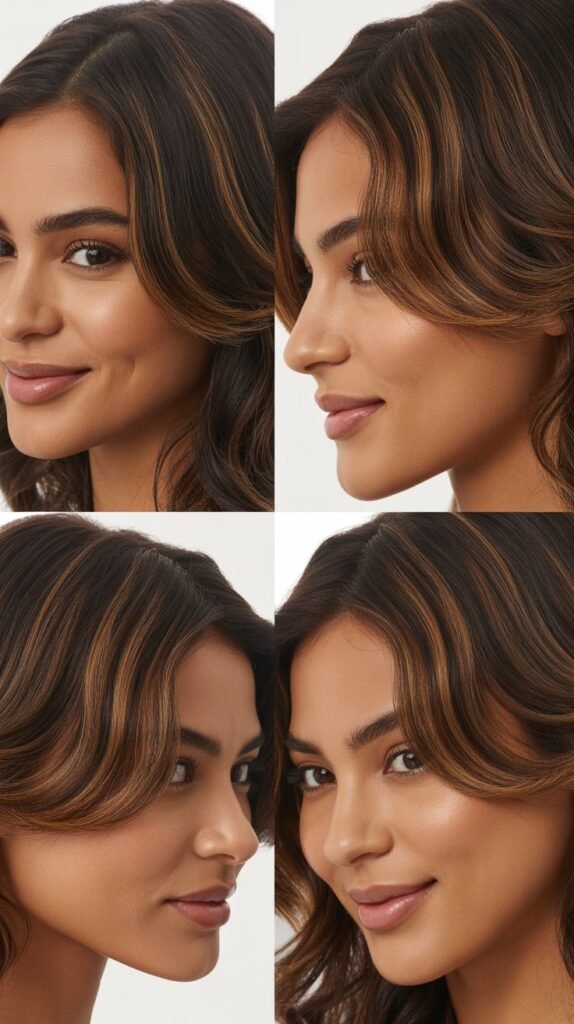
Seamless hairline blending creates natural-looking dark chocolate brown. Attention to this detail prevents obviously colored appearance.
- Feathering color slightly beyond the hairline creates soft, natural transitions
- Avoiding harsh lines at the temples and forehead prevents wig-like appearance
- Baby hair sections receive gentler application for delicate, natural results
- Blending techniques vary based on whether hairline is receding, widow’s peak, or straight
- Using smaller sections near hairline ensures thorough yet gentle coverage
- Processing time may reduce slightly for delicate hairline hair
- Natural hairline irregularities should be maintained rather than creating artificial straight lines
- Face-framing highlights can soften and blend hairline beautifully
- Post-color styling that incorporates baby hairs into overall look enhances natural appearance
- Professional expertise proves valuable for achieving invisible hairline blending
62. Dark Chocolate Brown Color Psychology
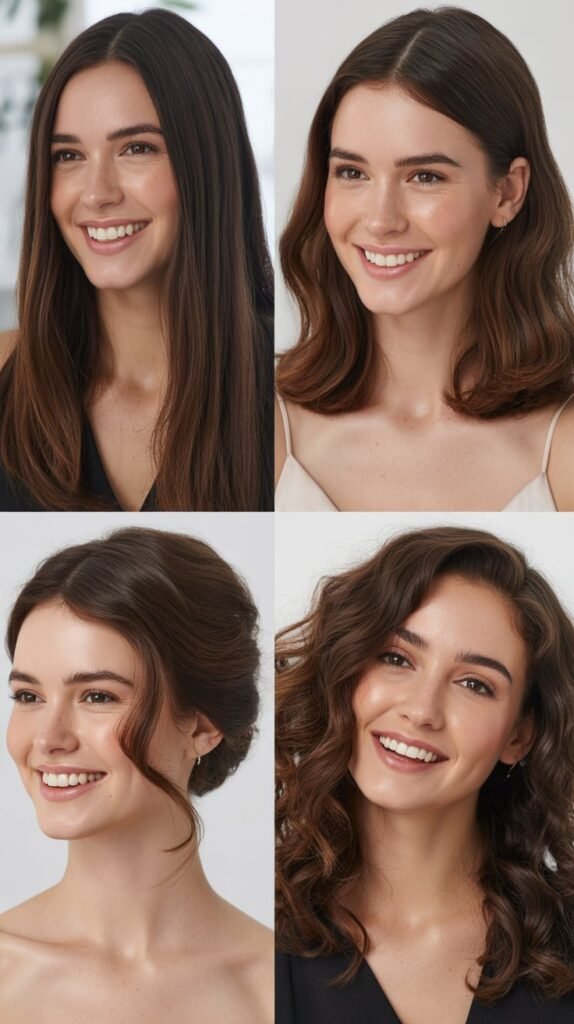
Hair color affects perception and confidence. Understanding dark chocolate brown’s psychological impact informs color choices.
- Dark chocolate brown conveys sophistication, reliability, and approachability
- The warmth in chocolate tones creates friendly, welcoming impressions
- Deeper shades project authority and professionalism in workplace settings
- Dark chocolate suits conservative environments while remaining current and stylish
- The natural appearance creates trustworthy, authentic impressions
- Glossy dark chocolate suggests health consciousness and self-care
- Dimensional chocolate indicates attention to detail and personal investment
- Color confidence affects how individuals carry themselves and interact
- Choosing colors that align with self-image enhances overall confidence
- Dark chocolate brown’s versatility suits various personal and professional contexts
63. Dark Chocolate Brown Multi-Cultural Considerations
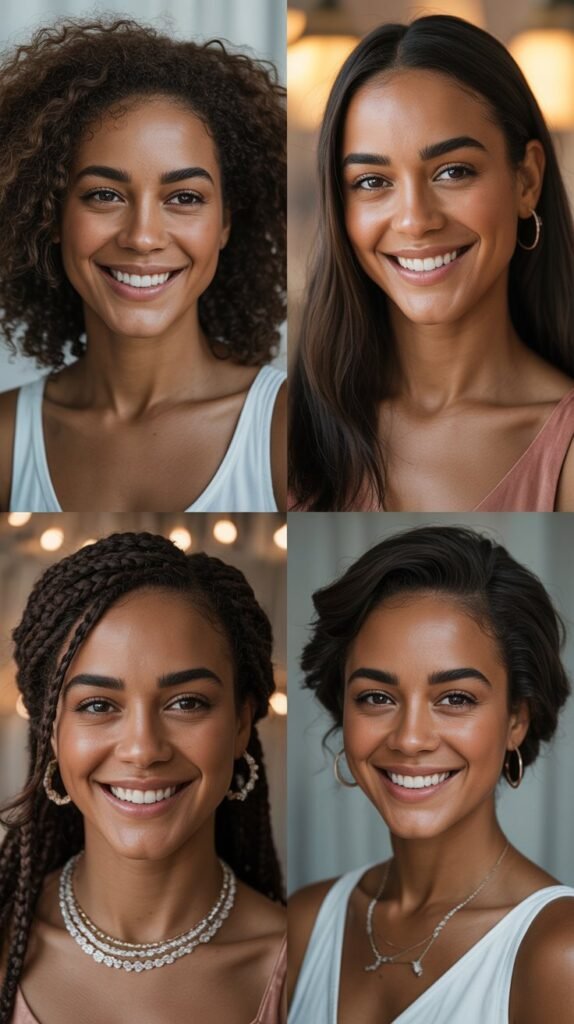
Dark chocolate brown beautifully complements diverse ethnicities and cultural backgrounds. Understanding cultural context enriches color choices.
- Dark chocolate works universally across ethnicities due to its natural depth and warmth
- Asian hair often requires minimal lifting to achieve rich dark chocolate tones
- African American hair showcases dark chocolate with incredible shine when properly conditioned
- Latina/Hispanic individuals often have natural warm undertones that harmonize with chocolate browns
- Middle Eastern complexions glow with dark chocolate containing subtle auburn or mahogany
- Cultural beauty standards influence color preferences and acceptable workplace appearances
- Some cultures celebrate natural dark hair, making chocolate brown an accessible color choice
- Religious or cultural guidelines may influence color decisions—dark chocolate often fits within modest parameters
- Diverse representation in color inspiration helps visualize results across skin tones
- Professional colorists experienced with various hair types ensure culturally appropriate, beautiful results
64. Dark Chocolate Brown Long-Term Color Journey Planning
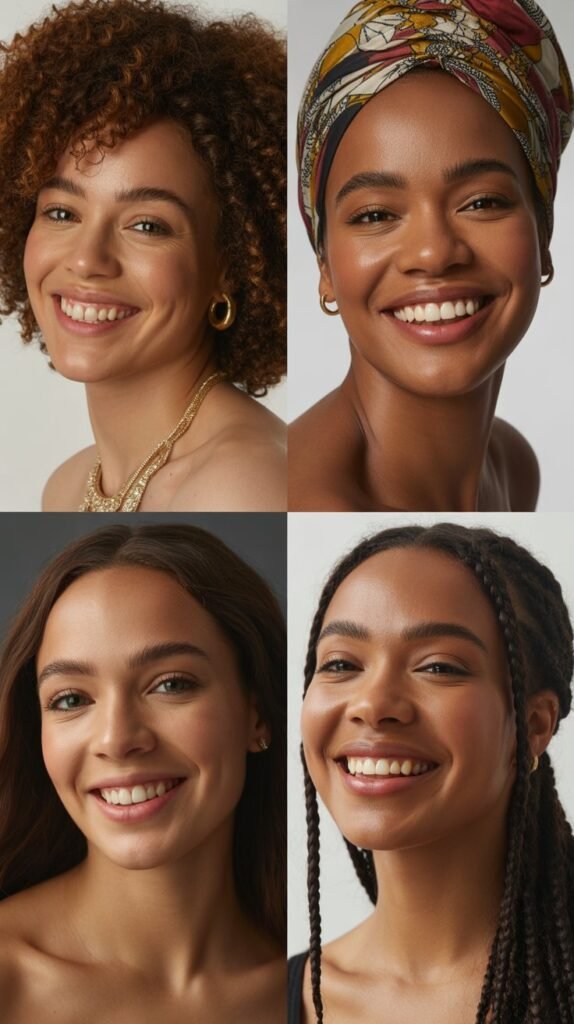
Planning your dark chocolate brown journey ensures sustained satisfaction. Strategic long-term thinking optimizes results and investment.
- Establishing realistic maintenance schedules prevents surprise costs or time commitments
- Considering life changes—seasons, events, lifestyle shifts—helps plan color evolution
- Building relationships with trusted colorists ensures consistent quality over time
- Budgeting for professional services, at-home maintenance, and quality products prevents financial stress
- Understanding your hair’s growth rate and gray progression informs touch-up frequency
- Planning color adjustments around major life events ensures optimal appearance when it matters
- Documenting color history helps colorists deliver consistent results and avoid past mistakes
- Setting long-term hair health goals guides decision-making about frequency and techniques
- Remaining flexible allows adapting your dark chocolate brown as trends and preferences evolve
- Celebrating your color journey maintains enthusiasm and confidence throughout
Conclusion
The journey through 64 Salon Perfect Dark Chocolate Brown Hair Dye & Gloss Trends reveals the remarkable versatility and timeless appeal of this sophisticated shade.
From understanding the chemistry behind perfect formulation to mastering maintenance routines, exploring dimensional techniques like balayage and ombré, and discovering how to customize dark chocolate brown for individual skin tones and hair textures, this comprehensive guide equips you with professional-level knowledge.
Whether you’re covering gray, transitioning from another color, or simply enhancing your natural brunette base, dark chocolate brown offers endless possibilities for personalization through undertones, glossing treatments, and strategic highlighting.
The secret to maintaining salon-perfect dark chocolate brown lies in commitment to proper care including sulfate-free products, regular deep conditioning, UV protection, and periodic glossing treatments that preserve richness and shine.
By applying the techniques, tips, and insights shared throughout this exploration of dark chocolate brown trends, you’ll achieve and maintain the luxurious, multidimensional color that continues captivating beauty enthusiasts worldwide, proving that this classic shade remains forever relevant in the ever-evolving world of hair color.
