
Wispy bangs paired with layered medium-length hair create a transformative look that combines softness, movement, and effortless style.
This comprehensive guide explores 67 soft and chic wispy bangs with layers for medium hair that add instant volume, covering everything from styling techniques and maintenance tips to face-shape considerations and seasonal adaptations.
Whether you’re contemplating a dramatic hair transformation or simply looking to refresh your current style, this article will walk you through the essential knowledge needed to achieve perfectly wispy, voluminous bangs that complement layered medium hair.
You’ll discover expert insights on cutting techniques, styling products, celebrity-inspired looks, and practical solutions for common challenges, ensuring you have all the information necessary to make confident decisions about this flattering hairstyle that continues to dominate fashion runways and social media feeds alike.
1. Understanding Wispy Bangs: The Foundation of Soft, Voluminous Style
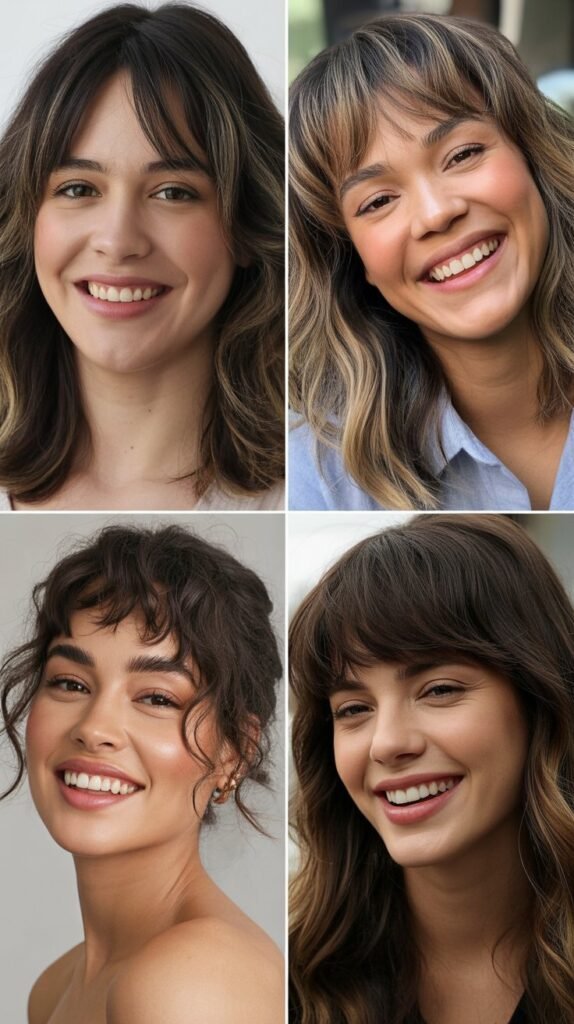
Wispy bangs represent a delicate approach to fringe styling that differs significantly from blunt, heavy bangs through their feathered, lightweight texture and subtle, face-framing effect.
- These bangs are characterized by their soft, piece-y texture created through point-cutting or razor techniques that remove weight while maintaining length variation
- The “wispy” quality comes from thin, separated strands that allow glimpses of the forehead rather than creating a solid curtain of hair
- This bangs style works exceptionally well with layered medium hair because both elements share the common goal of creating movement and dimension
- Wispy bangs add instant volume by creating the illusion of fuller hair through their textured, multidimensional appearance
- The layers in medium-length hair complement wispy bangs by ensuring the overall hairstyle maintains balance and doesn’t appear bottom-heavy
- This combination suits various hair textures, from straight to wavy, though styling approaches may differ based on natural hair characteristics
- The versatility of wispy bangs allows them to be worn swept to the side, parted in the middle, or styled forward depending on personal preference and face shape
2. The Science Behind Volume: How Layers and Wispy Bangs Create Fullness
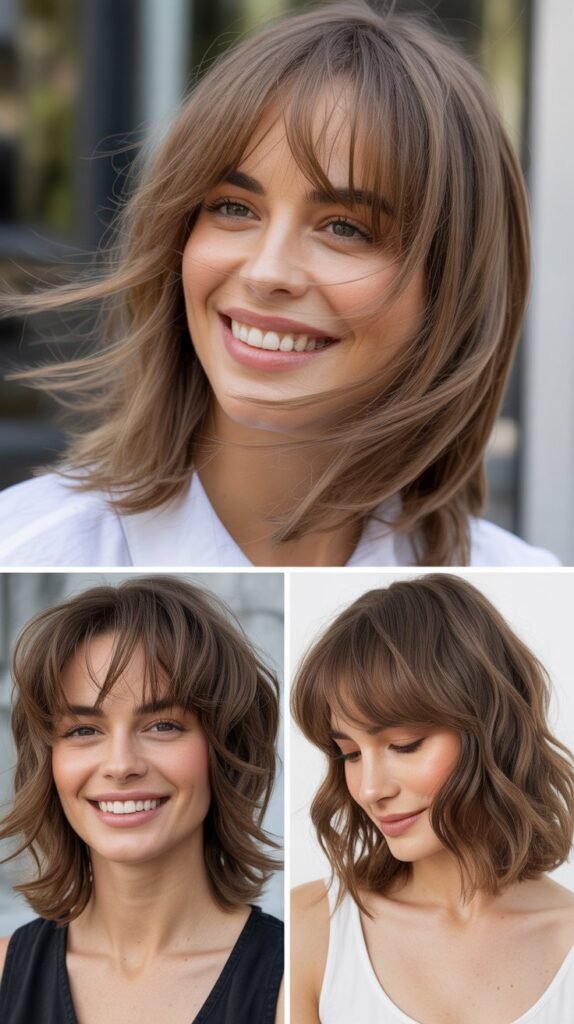
The volumizing effect of combining wispy bangs with layered medium hair stems from fundamental hairstyling principles related to weight distribution, dimension, and visual perception.
- Layers remove excess weight from the hair, allowing individual sections to lift more easily from the roots rather than being pulled down by heavy ends
- When hair is cut in layers, shorter pieces naturally stack over longer pieces, creating depth and the appearance of increased thickness
- Wispy bangs contribute to volume perception by adding dimension to the front hairline, drawing the eye upward and creating height at the crown
- The graduated lengths in both layers and wispy bangs reflect light differently, creating shadows and highlights that make hair appear fuller and more textured
- Strategic layering around the face frames features while creating movement that suggests abundance rather than flatness
- The contrast between shorter wispy bang pieces and longer layered sections creates visual interest that the brain interprets as increased volume
- Proper cutting techniques ensure that layers don’t create holes or gaps but instead build upon each other to maximize the fullness effect
3. Face Shape Compatibility: Matching Wispy Bangs to Your Features
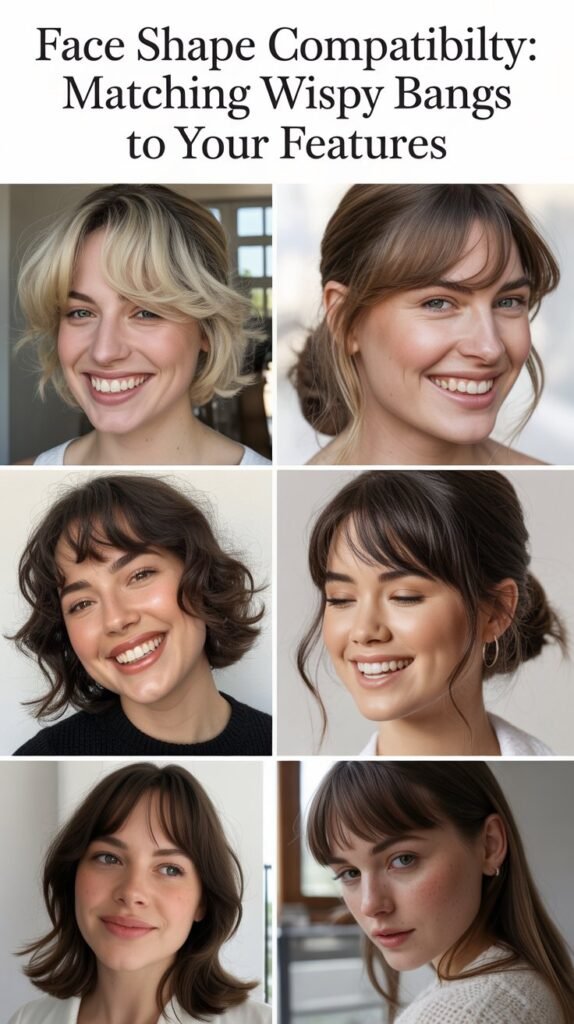
Selecting the right wispy bang style for your face shape ensures the most flattering result that enhances your natural features while adding volume.
- Oval faces enjoy the most versatility and can wear virtually any wispy bang style, from side-swept to center-parted variations
- Round faces benefit from longer, side-swept wispy bangs that create diagonal lines across the forehead, visually lengthening the face
- Square faces are softened by wispy bangs with slightly curved shaping that breaks up angular jawlines and adds feminine softness
- Heart-shaped faces look best with wispy bangs that are fuller at the center and taper toward the temples, balancing a wider forehead with a narrower chin
- Long or rectangular faces are complemented by fuller, more substantial wispy bangs that shorten the appearance of facial length
- Diamond-shaped faces pair well with side-swept wispy bangs that draw attention to the eyes while softening prominent cheekbones
- The key is working with your stylist to customize bang length, density, and shape to your specific facial proportions rather than following a one-size-fits-all approach
4. Essential Cutting Techniques for Perfect Wispy Bangs
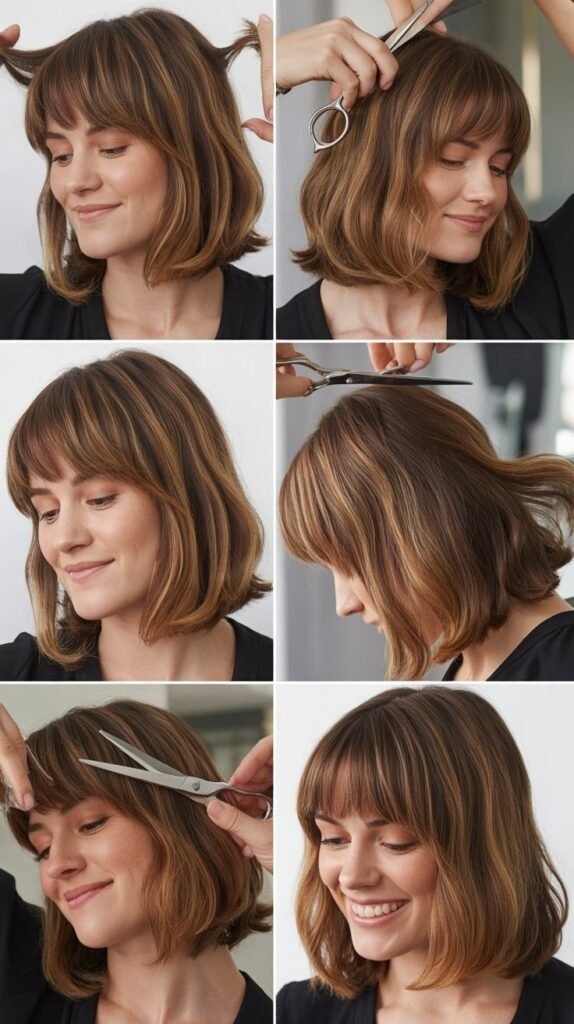
Achieving truly wispy bangs requires specific cutting methods that create the characteristic soft, feathered texture rather than a blunt, harsh line.
- Point cutting involves holding scissors vertically and cutting into the hair ends at various depths to create soft, irregular edges
- Razor cutting uses a straight razor to slice through hair strands, creating ultra-fine, feathered tips that naturally separate
- Slide cutting (also called slithering) involves opening and closing scissors while sliding down the hair shaft to remove bulk and create texture
- The stylist should work with dry hair when possible for wispy bangs, as wet hair shrinks significantly when dry and can result in bangs that are too short
- Twist cutting involves twisting small sections of bang hair before point-cutting, which creates natural separation and prevents the bangs from appearing too uniform
- Proper tension control during cutting ensures that bangs don’t spring up too short, particularly important for those with naturally curly or wavy hair
- The connection between wispy bangs and the surrounding layers should be seamless, with gradual transitions that prevent obvious demarcation lines
5. Layering Strategies for Medium Hair That Maximize Volume
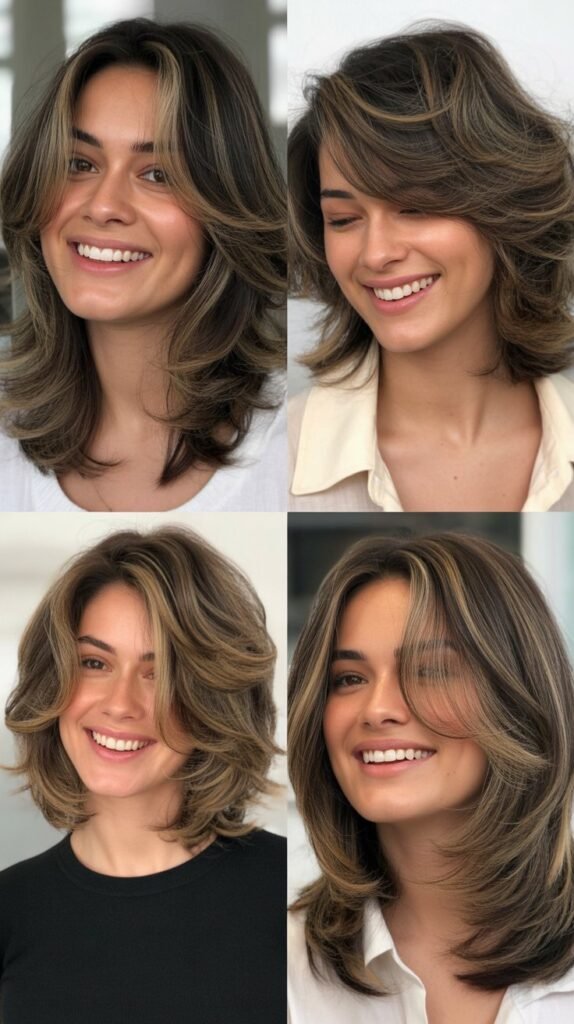
Strategic layering throughout medium-length hair creates the foundation for volume that complements wispy bangs and produces a cohesive, full-bodied style.
- Face-framing layers begin around the cheekbone or chin and create movement that draws attention to facial features while adding dimension
- Interior layers are cut throughout the mid-sections of the hair to remove weight and allow the hair to lift from the roots
- Perimeter layers involve graduating the ends of the hair to create a soft, blended finish rather than a blunt, heavy line
- The ideal layer graduation for volume is typically 1-2 inches between each layer, preventing excessive thinning while maintaining fullness
- Crown layers specifically target the top of the head where volume is most visible and impactful
- Layers should be customized based on hair density—those with thick hair can accommodate more aggressive layering, while fine hair requires gentler graduation
- The longest layers in medium hair typically fall between the collarbone and shoulders, with the shortest layers (excluding bangs) starting around the chin or cheekbone area
| Layer Type | Placement | Purpose | Best For |
|---|---|---|---|
| Face-framing | Cheekbone to chin | Draws attention to features | All face shapes |
| Interior | Throughout mid-sections | Removes weight, adds lift | Thick to medium hair |
| Crown | Top of head | Creates height | Fine to medium hair |
| Perimeter | Hair ends | Softens overall shape | All hair types |
6. Hair Texture Considerations: Adapting Wispy Bangs to Different Hair Types
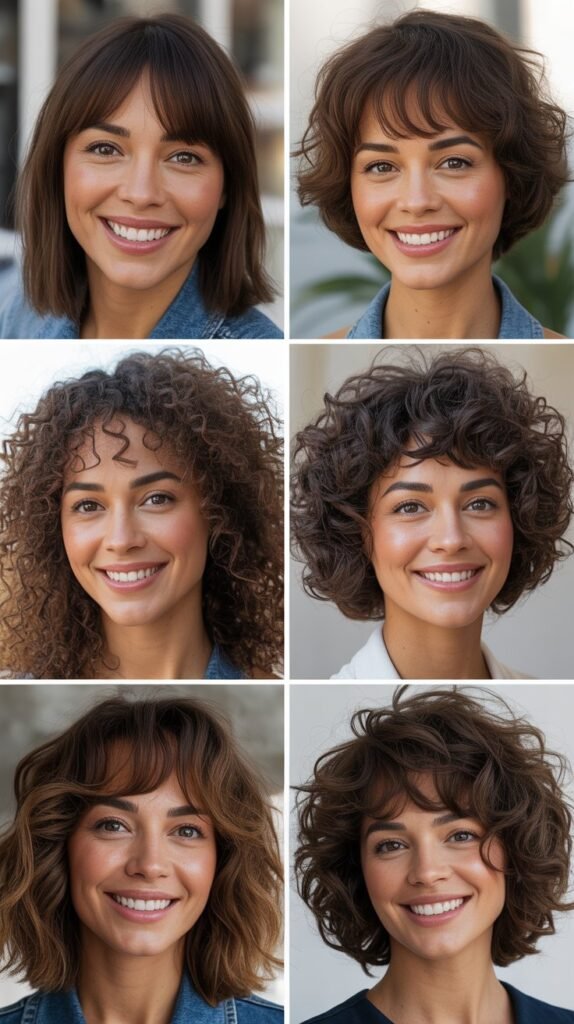
Understanding your natural hair texture is crucial for achieving and maintaining wispy bangs that enhance volume rather than create styling challenges.
- Straight hair naturally separates and shows texture easily, making it ideal for wispy bangs, though it may require texturizing products to prevent bangs from lying too flat
- Wavy hair creates natural movement in wispy bangs but may need smoothing products to prevent frizz while maintaining the piece-y texture
- Curly hair requires longer initial bang length to account for shrinkage and may need regular straightening or curl definition to maintain the wispy appearance
- Fine hair benefits from wispy bangs because the lighter texture doesn’t overwhelm delicate strands, though volumizing products are essential
- Thick hair can support fuller wispy bangs without appearing too heavy, and thinning techniques are crucial to achieve the characteristic airiness
- Coarse hair may resist the wispy texture and require more product and styling time to achieve the soft, separated look
- Those with combination textures (such as straight roots with wavy ends) should work with their stylist to customize the cutting approach for their specific hair behavior
7. The Perfect Bang Length for Maximum Volume and Versatility
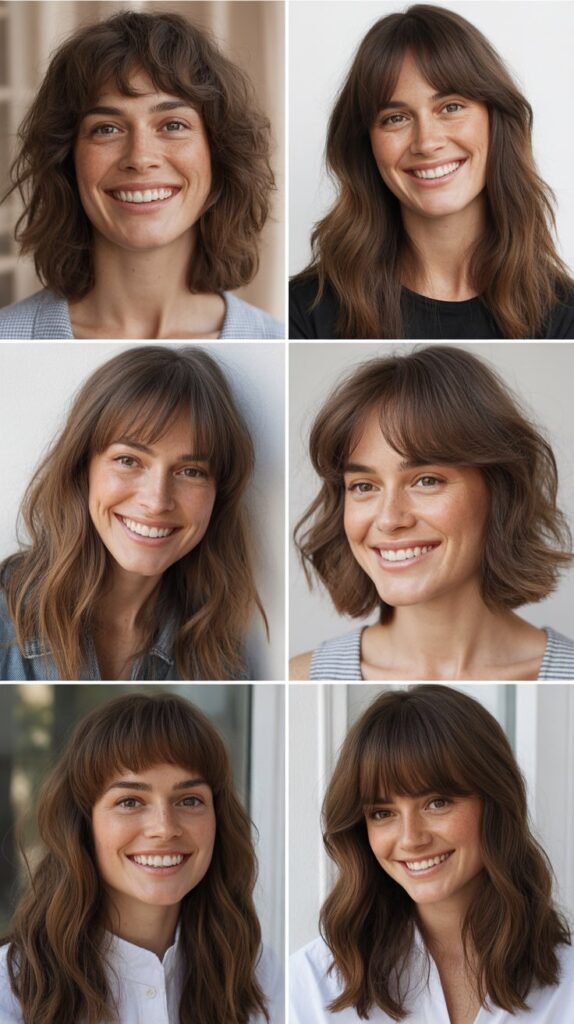
Determining the ideal length for wispy bangs ensures they enhance volume while remaining functional and flattering for your lifestyle and face shape.
- Eyebrow-grazing length (sitting just at or slightly above the eyebrows) is the most universally flattering and creates the strongest volume effect at the forehead
- Eye-skimming bangs fall between the eyebrows and eyelashes, offering a sultry look while still framing the eyes effectively
- Cheekbone-length wispy bangs (often called curtain bangs) part in the center or side and frame the face without obscuring the forehead
- Shorter wispy bangs (above the eyebrows) create a youthful, edgy appearance but require more frequent trims to maintain the intended length
- The length should account for your hair’s natural growth pattern and cowlicks, which can cause bangs to part or stand up unexpectedly
- Those who wear glasses should consider how frames interact with bang length, potentially opting for slightly longer bangs that won’t constantly brush against lenses
- Lifestyle factors such as athletic activities, professional dress codes, and maintenance commitment should influence length decisions
8. Essential Styling Products for Wispy Bangs and Layered Hair
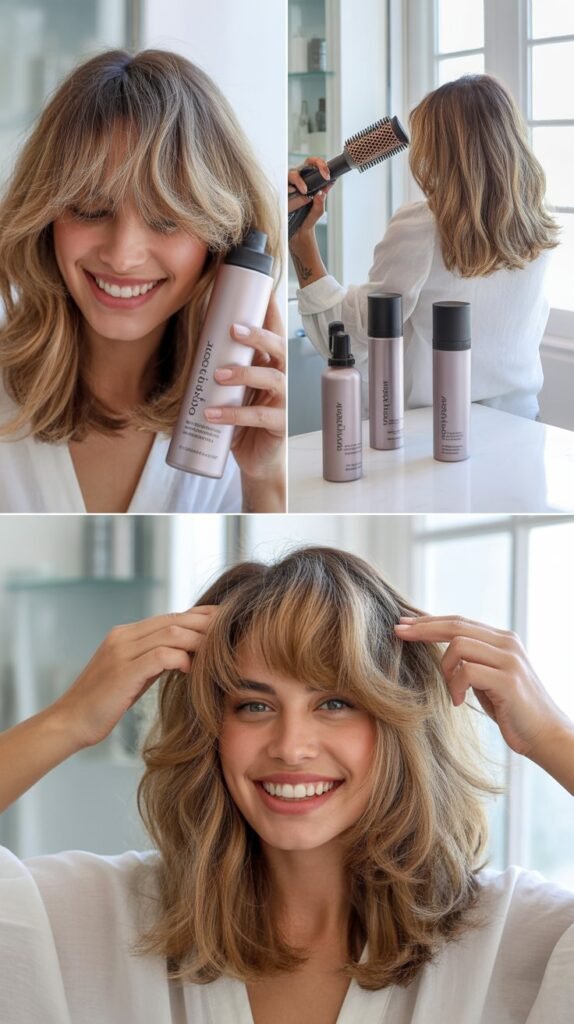
The right product selection makes the difference between wispy bangs that look effortlessly chic and those that appear limp, greasy, or unmanageably frizzy.
- Lightweight volumizing mousse applied to damp roots before blow-drying creates lift throughout layered hair without weighing down wispy bangs
- Texturizing spray or dry shampoo adds grip and separation to bangs, enhancing the piece-y, wispy quality while absorbing excess oil
- Heat protectant spray is non-negotiable when using hot tools on bangs, which are styled more frequently than the rest of the hair
- Lightweight serum or oil (used sparingly) smooths frizz on bang ends while maintaining the airy texture essential to the wispy look
- Root-lifting powder or spray targets the crown area where layered hair benefits most from extra height and volume
- Finishing spray with flexible hold keeps wispy bangs in place without creating stiffness or crunchiness that destroys the soft aesthetic
- Leave-in conditioner or detangler helps manage the layered lengths without making hair heavy, particularly important for those with tangly or fine hair
9. Step-by-Step Blow-Drying Technique for Maximum Volume
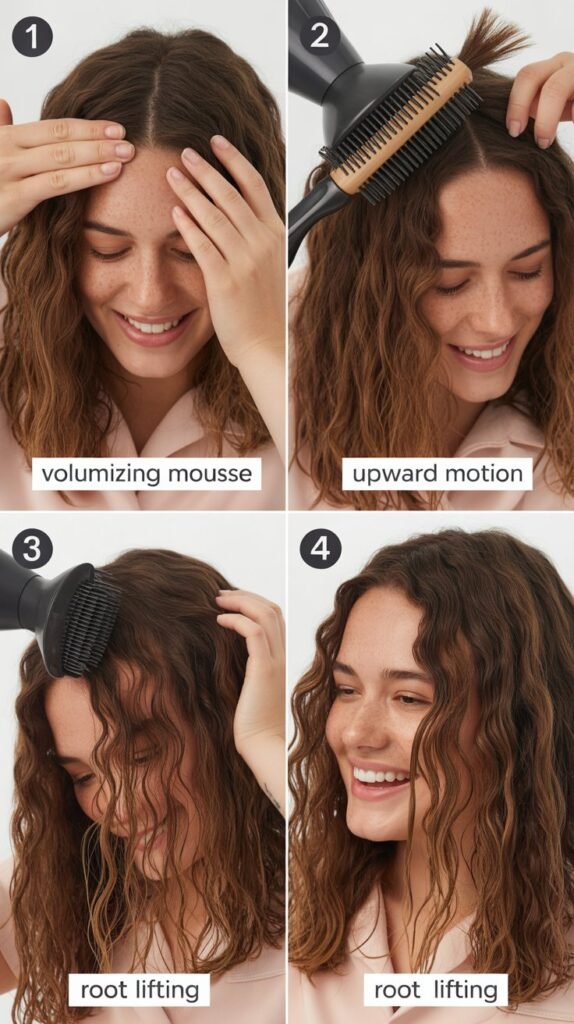
Proper blow-drying technique is fundamental to achieving the volume promised by the combination of wispy bangs and layered medium hair.
- Start with damp, not soaking wet hair – towel dry thoroughly and apply heat protectant and volumizing products before beginning
- Dry the wispy bangs first using a small round brush (1-1.5 inches) to create slight curve and direction while the hair is most receptive to shaping
- Use the cool shot button after each section of bangs is dried to set the shape and add longevity to the style
- Flip your head upside down when blow-drying the layers to encourage roots to lift away from the scalp and create volume at the crown
- Direct airflow from roots to ends along the hair shaft to smooth the cuticle while maintaining body rather than causing frizz
- Focus on the crown and top layers with a medium round brush, rolling sections up and away from the head to build height
- Finish with bangs directed slightly to the side or separated in the center with fingers, using low heat and the concentrator nozzle for precision
10. Hot Tool Techniques: Curling Irons and Flat Irons for Enhanced Volume
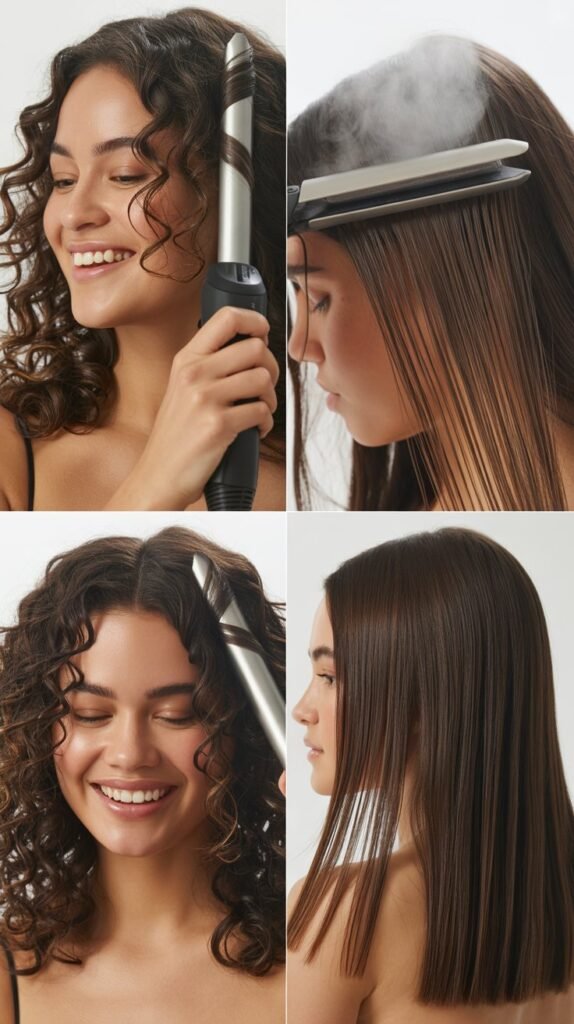
Strategic use of hot tools elevates wispy bangs and layered hair from simply blown-dry to beautifully voluminous and polished.
- Small barrel curling iron (3/4 to 1 inch) works best for wispy bangs, creating subtle bends that add dimension without obvious curls
- Wrap bangs around the iron horizontally rather than vertically to create a soft curve that follows the natural forehead shape
- For layers, alternate curl direction (some pieces toward the face, others away) to create natural-looking volume and movement
- Flat iron techniques can also create volume by twisting the iron slightly while pulling through sections, creating gentle waves
- Focus hot tool work on the top layers and face-framing pieces where volume is most visible and impactful
- Don’t over-curl or over-straighten – the goal is enhanced natural texture that maintains the wispy, piece-y quality rather than creating uniform, structured curls
- Allow curls to cool completely before touching them, then gently separate with fingers (never a brush) to maintain volume while softening the curl pattern
11. Morning Styling Routine: Quick Volume in Under 10 Minutes
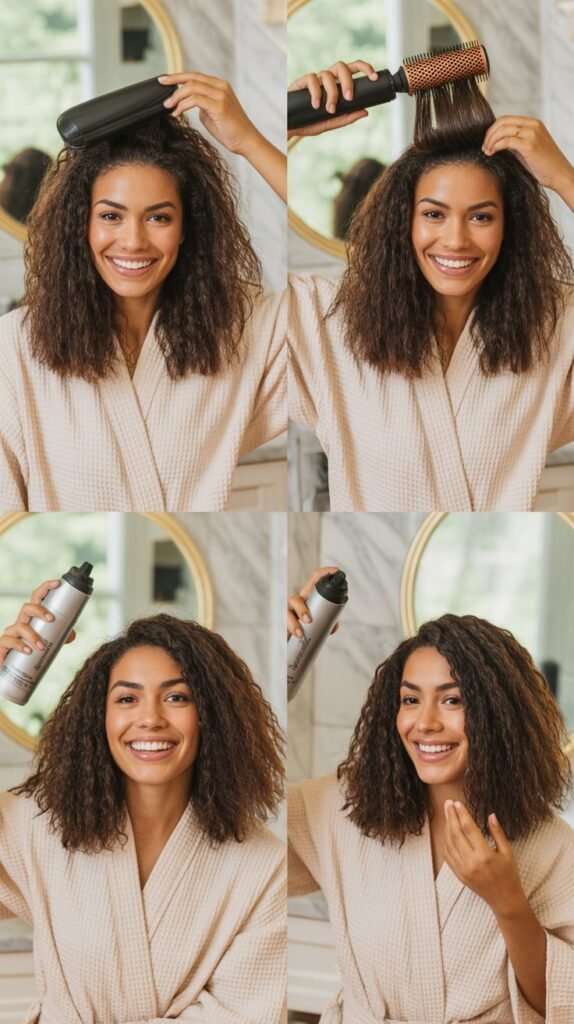
A streamlined morning routine ensures your wispy bangs and layered hair maintain volume and style even on busy days.
- Day 1 (wash day) requires the full blow-dry routine outlined previously, establishing the foundation for several days of easier styling
- Day 2-3 styling begins with dry shampoo at the roots, particularly on the crown and bang area, to absorb oil and restore texture
- Refresh wispy bangs with a quick pass of the flat iron or by misting lightly with water and blow-drying just the bang section with a round brush
- Revive flattened layers by flipping hair upside down, spraying roots with texturizing spray, and gently scrunching while blow-drying with a diffuser
- Add volume to crown by teasing gently at the roots of the top layers, then smoothing the surface layer over the teased section
- Finish with fingers rather than a brush to maintain separation and piece-y texture in both bangs and layers
- Touch-ups take 5-10 minutes when you’ve established good initial styling and use the right products to extend the life of your style
12. Evening and Nighttime Hair Care for Volume Preservation
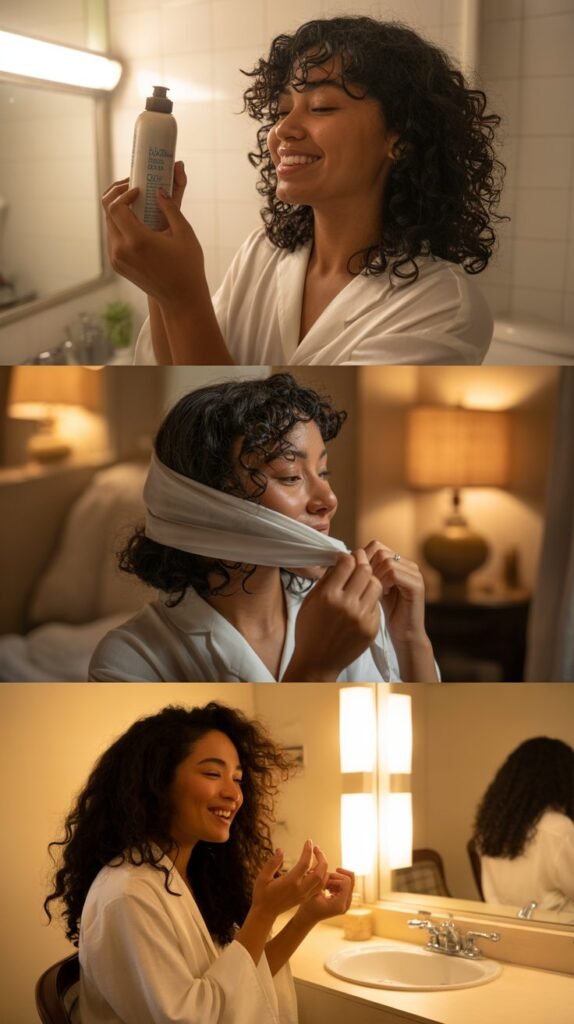
How you treat your wispy bangs and layered hair in the evening and overnight significantly impacts next-day volume and style longevity.
- Avoid sleeping with wet hair as this creates unpredictable bends and flattening that are difficult to fix without complete restyling
- Use a silk or satin pillowcase to reduce friction that can flatten layers and cause frizz in wispy bangs
- Consider a loose topknot or bun positioned high on the head to preserve volume at the crown while keeping bangs free
- Some stylists recommend clipping wispy bangs away from the face with a small clip to prevent forehead oils from making them greasy overnight
- Others suggest a loose headband positioned behind the bangs to keep them forward and separated rather than pressed flat against the forehead
- Braiding the longer layers loosely can create gentle waves that add volume for the next day, though this works better for textured rather than sleek styles
- Morning refresh is easier when you’ve protected your style overnight rather than waking up to completely flattened hair that requires full restyling
13. Seasonal Adaptations: Styling Wispy Bangs Year-Round
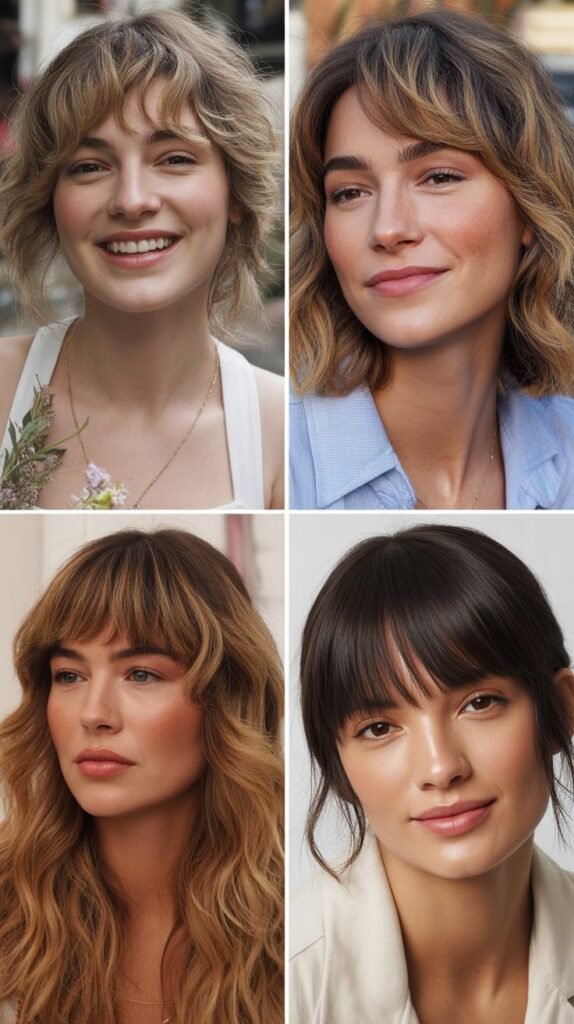
Different weather conditions require adapted approaches to maintaining voluminous wispy bangs and layered hair throughout the year.
- Summer humidity is the enemy of wispy bangs, requiring anti-humidity products and potentially more frequent touch-ups throughout the day
- Winter static can make fine, wispy bangs fly away uncontrollably, combated with leave-in conditioner and avoiding synthetic hats when possible
- Spring rain necessitates waterproof styling products and possibly accepting a slightly more textured, natural look on particularly wet days
- Fall dryness may require more moisturizing products to prevent wispy ends from becoming brittle and breaking, losing the soft texture
- Sun protection is important for hair health year-round but especially in summer, with UV-protective sprays preventing color fade and damage
- Wool hats in winter should be lined with silk or satin to prevent friction that flattens volume and creates static in bangs
- Seasonal product rotation ensures you’re using formulations appropriate for the climate challenges you’re currently facing
14. Color Techniques That Enhance Dimension and Volume
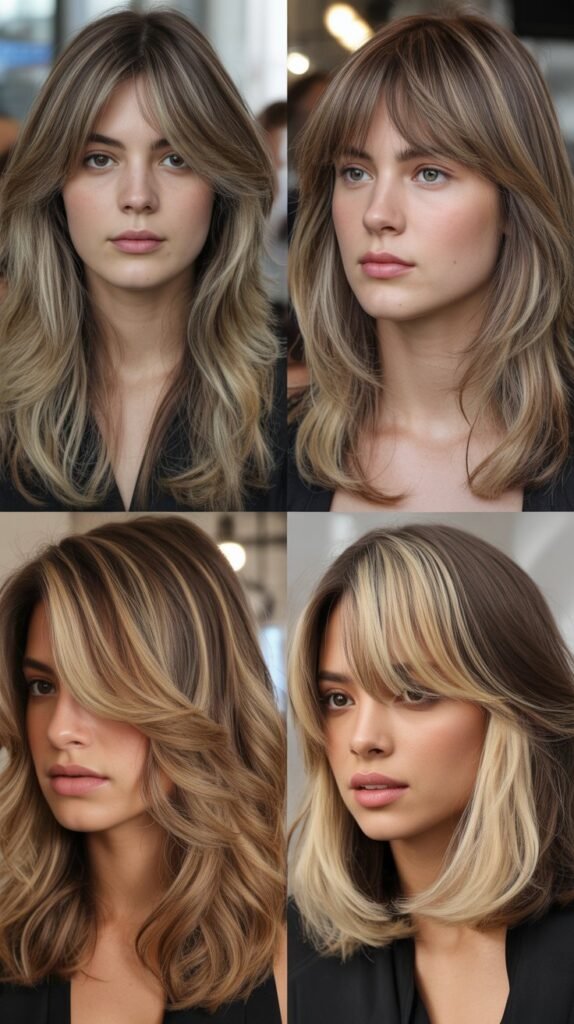
Strategic coloring techniques amplify the dimensional, voluminous effect of wispy bangs and layered hair through light and shadow play.
- Balayage highlighting creates natural-looking dimension by painting lighter pieces throughout the layers, making them appear more textured and full
- Face-framing highlights around the wispy bangs and front layers draw attention forward and make features pop while creating brightness
- Lowlights add depth that makes highlights appear even brighter, creating contrast that the eye reads as increased dimension and volume
- Shadow rooting allows darker roots to gradually lighten toward the ends, creating depth at the crown that makes the overall style appear fuller
- Money piece highlights (bright face-framing sections) specifically emphasize the area where wispy bangs meet the layered sides
- Avoid overly uniform color which can make even well-cut layers appear flat and one-dimensional, reducing the visual volume effect
- The right color placement works with your cut rather than against it, with your colorist considering the layer pattern when deciding highlight placement
15. Common Styling Mistakes That Flatten Volume
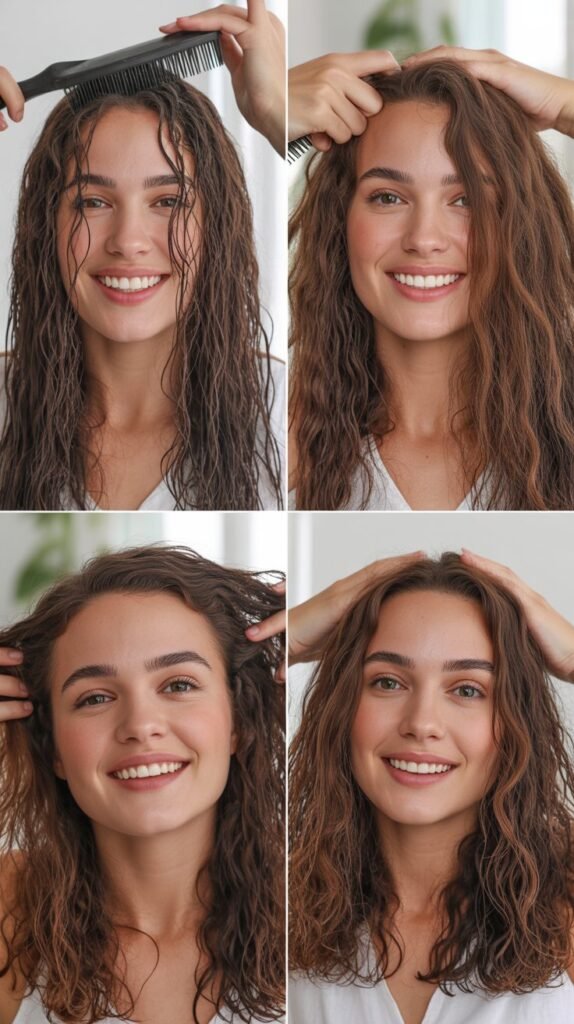
Avoiding these frequent errors ensures your wispy bangs and layered hair maintain maximum volume and don’t fall flat.
- Over-brushing is perhaps the most common mistake, as it pulls out the texture and separation essential to both wispy bangs and voluminous layers
- Using too much product weighs down fine hair and makes even thick hair appear greasy and limp, particularly problematic for bangs
- Blow-drying with hair hanging down rather than lifting sections up and away from the scalp prevents volume from developing at the roots
- Neglecting the back layers while focusing only on the visible front sections creates an unbalanced shape that appears flat from behind
- Cutting your own bangs between salon visits often results in blunt lines that destroy the wispy texture and require professional correction
- Washing bangs daily may seem necessary for oil control but actually stimulates more oil production over time, creating a vicious cycle
- Using heavy conditioner on roots is unnecessary and counterproductive, as conditioner should be focused on mid-lengths and ends to avoid weighing down the crown
16. Bang Maintenance Schedule: When to Trim for Optimal Shape
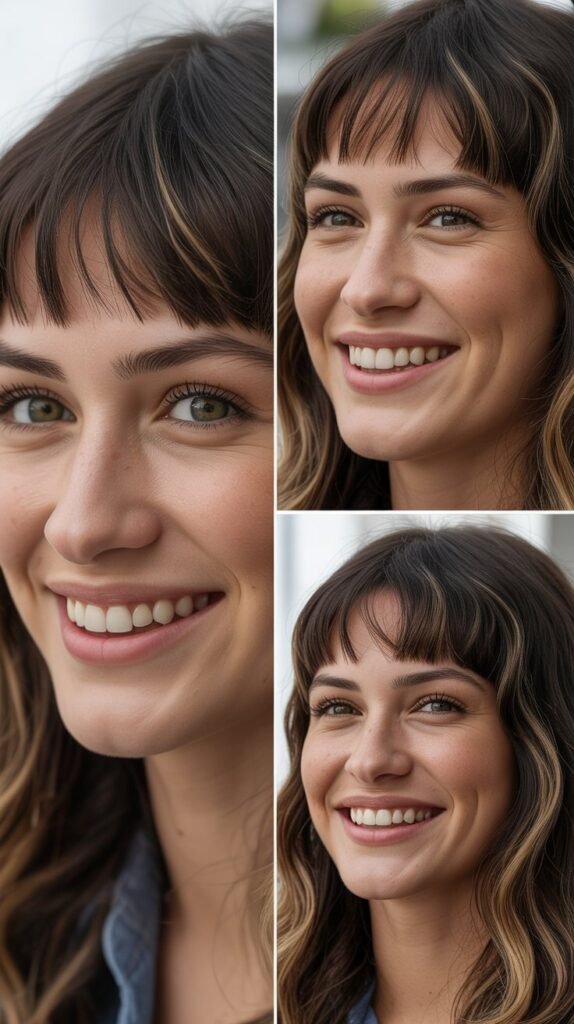
Regular maintenance is crucial for keeping wispy bangs looking intentional and fresh rather than overgrown and shapeless.
- Professional bang trims every 2-3 weeks keep the length and shape exactly where you want them, preventing the “growing out” look
- Full haircut every 6-8 weeks maintains the layer integrity throughout your medium-length hair and ensures seamless transitions between sections
- Bang-only appointments are typically quick (15-20 minutes) and less expensive than full haircuts, making frequent maintenance more accessible
- Between appointments, resist the urge to trim your own wispy bangs as home cutting rarely achieves the same feathered, professional texture
- If you must trim at home, use professional hair-cutting shears, never regular scissors, and only remove tiny amounts using point-cutting technique
- Watch for signs you need a trim: bangs reaching the middle of your eyes, losing their wispy separation, or beginning to part in unwanted places
- Some salons offer complimentary bang trims between regular appointments, making maintenance easier and more affordable
| Maintenance Type | Frequency | Duration | Purpose |
|---|---|---|---|
| Bang trim | 2-3 weeks | 15-20 min | Maintain length and shape |
| Full haircut | 6-8 weeks | 45-60 min | Refresh layers and overall shape |
| Deep conditioning | 1-2 weeks | 20-30 min | Maintain hair health |
| Color touch-up | 6-8 weeks | 90-120 min | Maintain dimension and coverage |
17. Growing Out Wispy Bangs: Graceful Transition Strategies
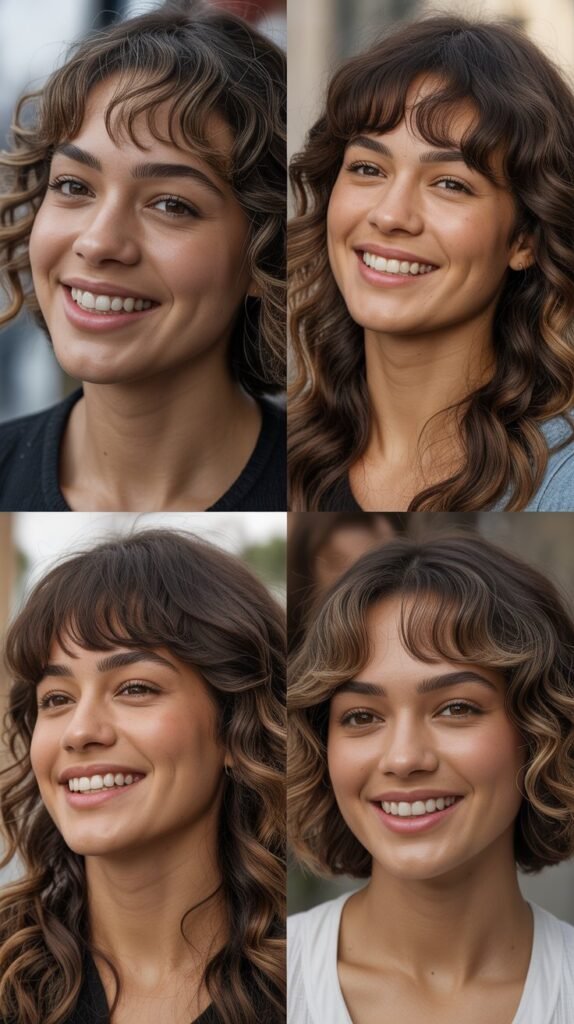
When you’re ready for a change, growing out wispy bangs can be managed gracefully with the right approach and styling techniques.
- The awkward phase (when bangs are past your eyes but too short to tuck behind ears) lasts approximately 4-6 weeks with strategic cutting
- Ask your stylist to gradually lengthen the center sections while keeping side sections longer, creating a curtain bang effect during the transition
- Side-sweeping techniques using a round brush and blow dryer can keep growing bangs off your face while maintaining style
- Hair accessories like headbands, clips, and bobby pins become your best friends for managing in-between lengths elegantly
- Texturizing spray and dry shampoo add grip that helps style bobby pins and accessories to hold growing bangs in place
- Consider transitioning to curtain bangs rather than eliminating bangs entirely, as this allows for graceful growth while maintaining a bang element
- Be patient – fully growing out bangs to blend with shoulder-length hair takes approximately 6-8 months, but strategic cutting makes the journey less painful
18. Celebrity-Inspired Wispy Bang Styles for Different Occasions
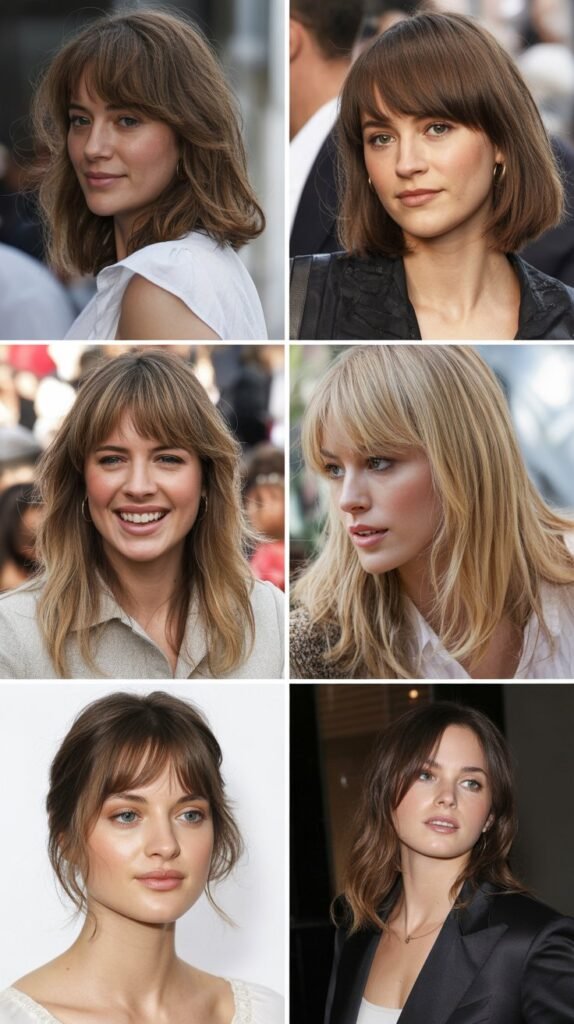
Drawing inspiration from celebrity styles helps visualize how wispy bangs and layered medium hair can work for various settings and personal aesthetics.
- Dakota Johnson’s effortless curtain bangs demonstrate how wispy bangs can look sophisticated and casual simultaneously, perfect for everyday wear
- Alexa Chung’s piece-y, textured bangs show how the style works for a more edgy, fashion-forward approach with significant texture and separation
- Taylor Swift’s soft, romantic bangs illustrate how wispy bangs can be styled in a more polished, elegant way for formal occasions
- Zooey Deschanel’s fuller wispy bangs prove that the style doesn’t have to be ultra-thin and can work with more density while maintaining softness
- Camila Cabello’s side-swept bangs showcase how adding directional styling creates a more dramatic, glamorous effect for evening events
- Emma Stone’s varied bang styles over the years demonstrate the versatility possible within the wispy bang category, from shorter to longer lengths
- The common thread among all these celebrity interpretations is the soft, textured quality that avoids harsh lines and blunt edges
19. DIY Bang Styling Hacks for Emergency Situations
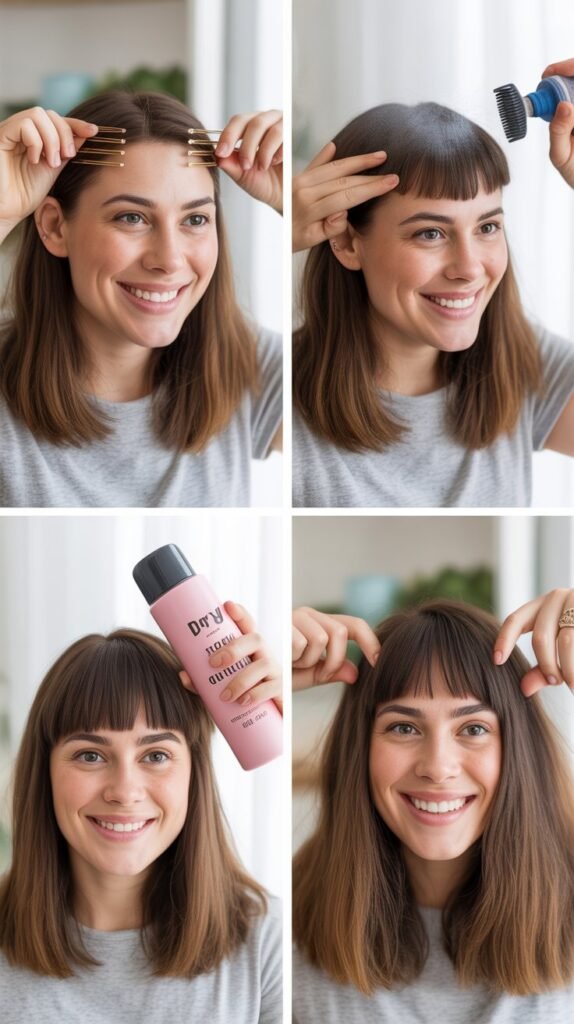
Sometimes you need quick fixes when your wispy bangs aren’t cooperating and you don’t have time for a complete restyling session.
- The bathroom steam trick involves turning on a hot shower, closing the door, and letting steam relax stubborn cowlicks and bends in your bangs
- Velcro rollers in the bang section while you do makeup create volume and shape in just 10-15 minutes without heat damage
- The bobby pin set uses crossed bobby pins to hold bangs in your desired shape while they cool after blow-drying
- Dry shampoo as texturizer works in a pinch when you’re out of texturizing spray, adding grip and separation to limp bangs
- A damp washcloth can be used to wet just the bang section for a quick refresh without washing your entire head
- Headbands and clips styled intentionally rather than as a last resort can turn a bad bang day into a cute accessory-focused look
- The hand-dry method involves applying a small amount of styling cream to damp bangs and using just your fingers and body heat to shape them naturally
20. Professional Versus At-Home Styling: Knowing When to Seek Help
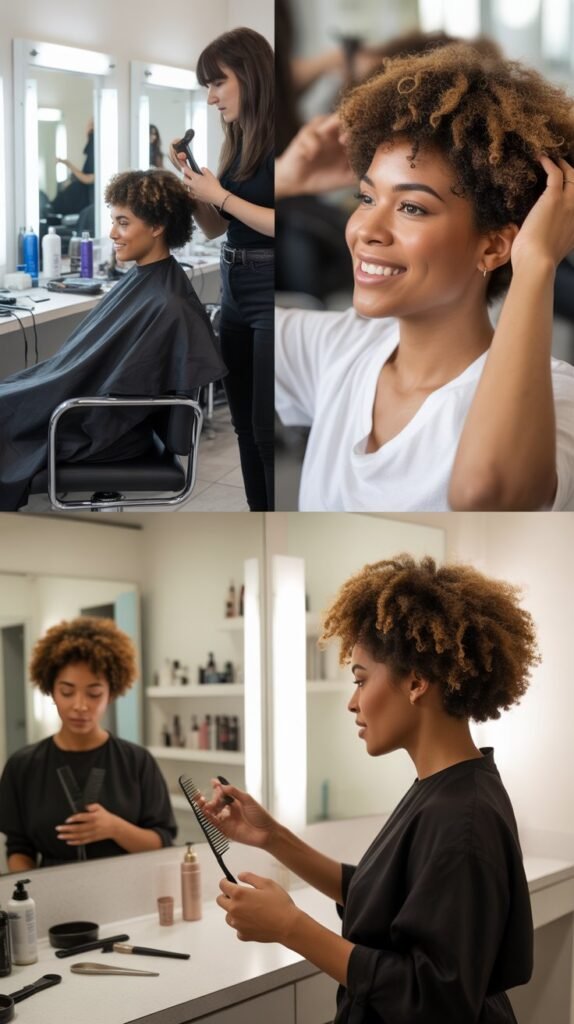
Understanding when to handle styling yourself and when to seek professional assistance ensures the best results for your wispy bangs and layered hair.
- Initial cutting should always be professional as the foundation of your style determines how easily it will be to maintain at home
- Coloring services are generally best left to professionals, particularly for dimensional techniques like balayage that enhance volume through placement
- Fixing mistakes should never be DIY – if you’ve cut your bangs too short or created uneven layers, see a professional immediately before making it worse
- Daily styling can be done at home once you’ve learned the proper techniques, possibly through a salon styling lesson or tutorial
- Major changes like switching from side-swept to center-parted bangs or dramatically changing layer length should be done in a salon
- Maintenance trims every few weeks can be done at home if you’re confident and skilled, but professional trims ensure better results for most people
- The cost-benefit analysis should consider that professional services provide expertise, quality products, and reduced risk of mistakes that are expensive to fix
21. Face-Framing Highlights Specifically for Wispy Bangs
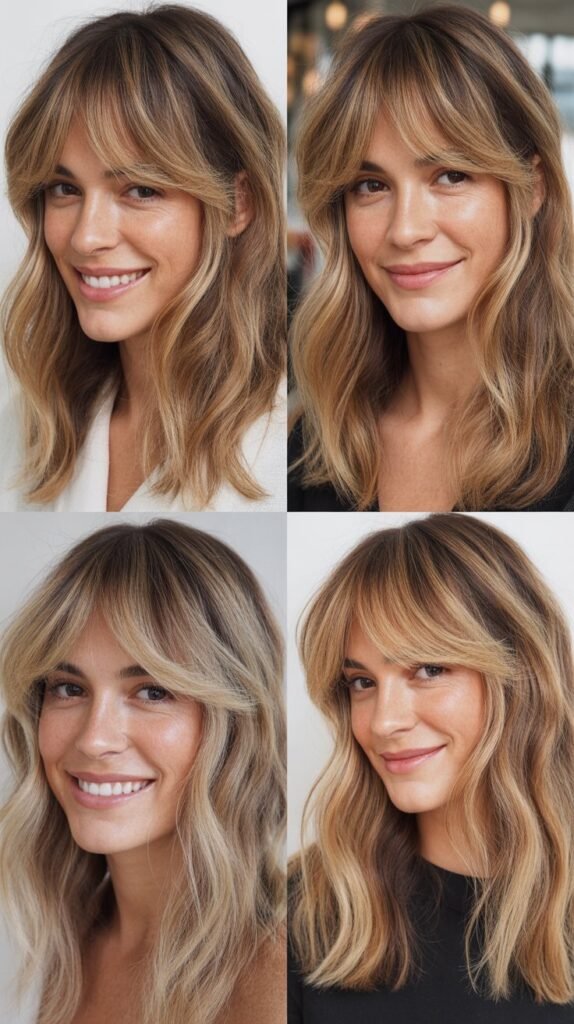
Strategic highlighting around wispy bangs creates brightness that draws attention to the face and enhances the dimensional, voluminous effect.
- Placement within the bangs themselves involves painting fine highlights through the wispy pieces to create depth and prevent a flat, one-tone appearance
- Highlights should be 1-2 shades lighter than the base color for a natural effect, or 3-4 shades for a more dramatic, high-contrast look
- The money piece technique places the brightest highlights in the first few sections on either side of the face, framing features beautifully
- Babylight technique creates ultra-fine, delicate highlights specifically in the wispy bang area for a sun-kissed, natural appearance
- Avoid over-highlighting the bangs as too much lightener can damage the fine, frequently-styled hair and cause breakage
- Tone is crucial – cool-toned highlights create a more modern, edgy look while warm tones appear softer and more traditional
- Maintenance is more frequent for face-framing highlights as regrowth is highly visible, typically requiring touch-ups every 6-8 weeks
22. The Psychology of Bangs: Why This Style Boosts Confidence
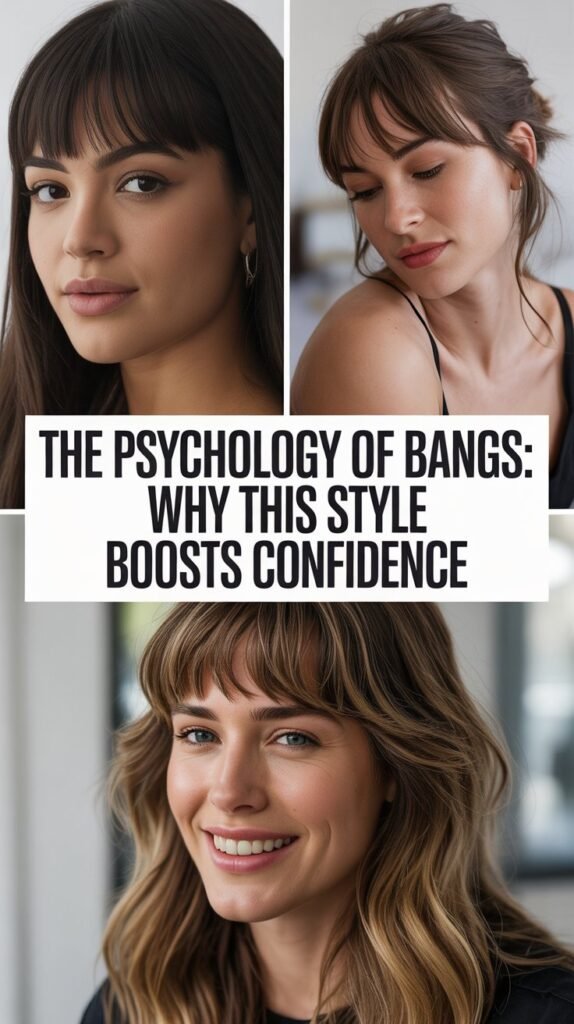
Understanding the psychological impact of wispy bangs helps explain why so many people feel transformed after adding this element to their hairstyle.
- Bangs frame the face similarly to how a frame enhances a painting, drawing attention to eyes and other facial features you want to highlight
- The transformation effect of cutting bangs provides a significant change without the commitment of dramatically different length or color
- Wispy bangs specifically feel less intimidating than blunt bangs, making them a “safe” way to experiment with fringe for first-timers
- Face-framing layers with bangs create a “pulled-together” appearance even on days when you’ve done minimal styling to the rest of your hair
- The volume they add contributes to the perception of overall hair fullness, which many people associate with youth and vitality
- Styling your bangs becomes a small ritual of self-care that starts your day with intentional grooming and attention to appearance
- Studies suggest that people feel more confident when they have hairstyles that align with their desired self-image, and bangs can be part of achieving that alignment
23. Budget-Friendly Styling Tools Worth the Investment
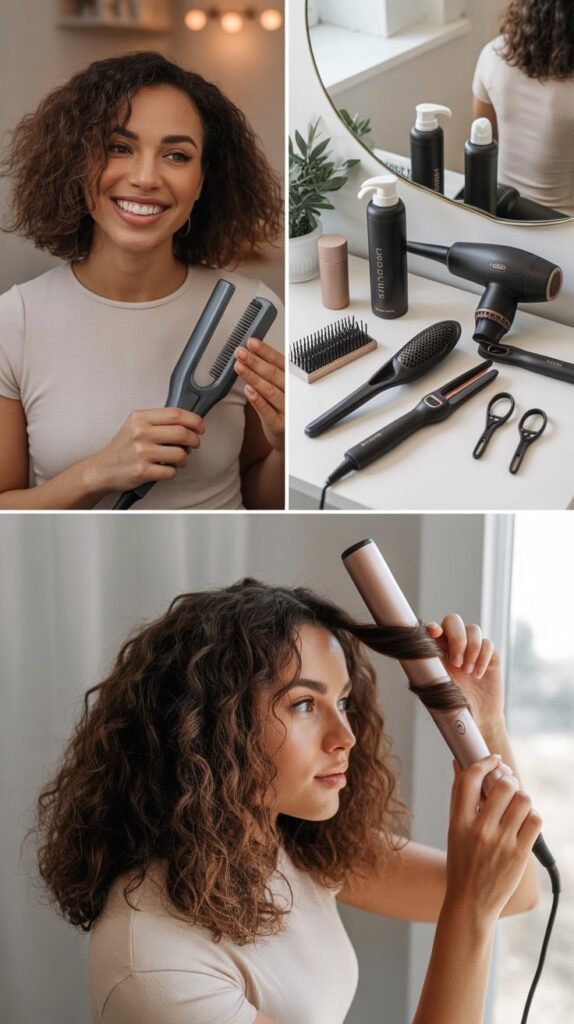
You don’t need expensive equipment to style wispy bangs and layered hair effectively, but certain tools provide significantly better results than others.
- A quality round brush (1-1.5 inch barrel) made with boar bristles or a combination of boar and nylon creates smoothness while adding volume
- Professional-grade blow dryer with concentrator nozzle provides better heat distribution and direction than basic drugstore models
- Small flat iron (½ to 1 inch plates) allows precise styling of wispy bangs without the awkwardness of wide plates designed for full heads of hair
- Wide-tooth comb for detangling prevents breakage in the delicate layered sections and helps distribute products evenly
- Sectioning clips make blow-drying and styling more efficient by keeping sections separated while you work
- Paddle brush with ball-tipped bristles is gentle enough for daily use while smoothing and distributing natural oils
- The total investment for these basic, quality tools ranges from $80-150, far less than a single professional blowout session, and they last for years with proper care
| Tool | Purpose | Price Range | Why It Matters |
|---|---|---|---|
| Round brush (1-1.5″) | Bang styling, volume | $15-30 | Creates shape and lift |
| Blow dryer with nozzle | Drying, smoothing | $30-70 | Even heat, precise direction |
| Small flat iron | Bang touch-ups | $20-40 | Precision styling |
| Wide-tooth comb | Detangling | $5-10 | Prevents breakage |
24. Troubleshooting Greasy Bangs Without Daily Washing
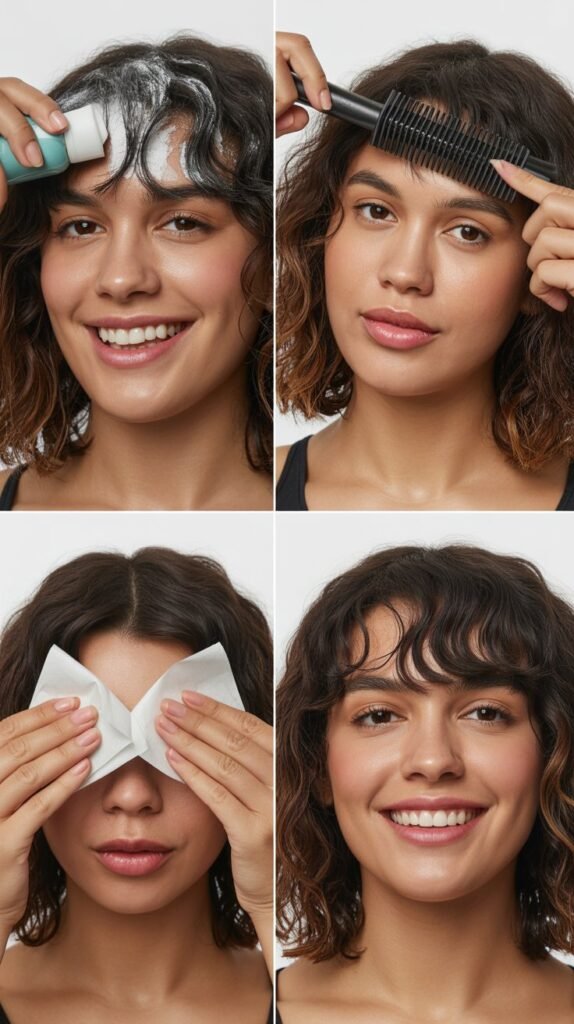
Wispy bangs tend to show oil quickly due to forehead contact, but washing daily creates its own problems by stripping natural oils and triggering increased production.
- Train your scalp by gradually extending time between washes, allowing oil production to regulate to a less excessive level over 2-3 weeks
- Use dry shampoo preventatively rather than reactively, applying it the night before so it has time to absorb oils while you sleep
- Blotting papers designed for facial oil work equally well on bangs and are compact enough to carry for midday touch-ups
- Powder-free makeup setting spray can refresh bangs by removing surface oil without adding visible powder residue
- Avoid touching your bangs throughout the day as oils from your hands transfer to hair and accelerate greasiness
- Consider your skincare products as heavy forehead moisturizers and oils can transfer to bangs and make them appear greasy
- Bang-only washing in the sink takes just 2-3 minutes and can extend the time between full hair washes while keeping your forehead fresh
25. Adapting the Style for Professional Versus Casual Settings
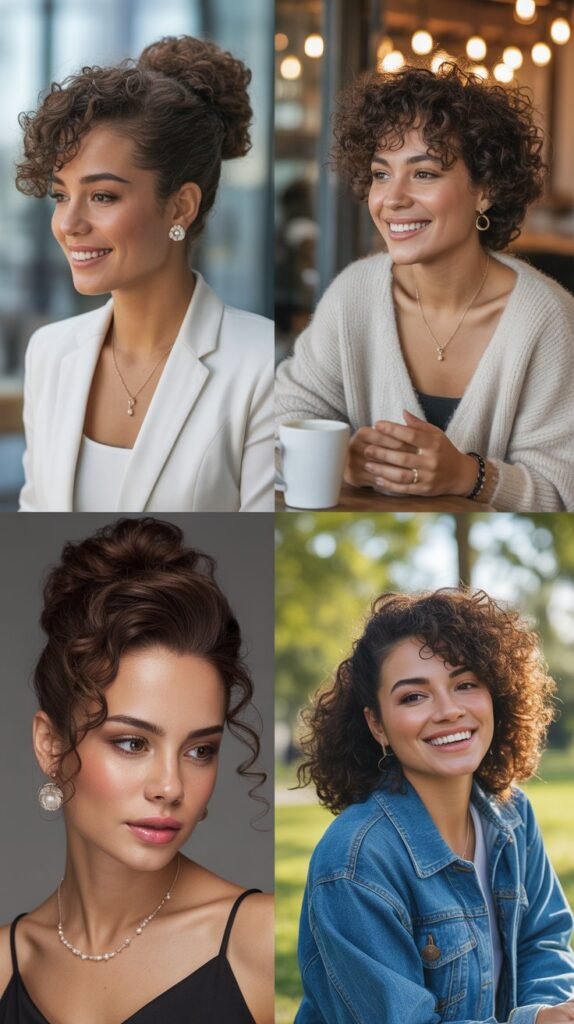
Wispy bangs and layered medium hair offer versatility that can be styled appropriately for both corporate environments and relaxed weekend settings.
- Professional styling involves smoother, more polished techniques with less piece-y texture and more controlled, sleek finish
- Use a boar bristle brush for the workplace to create smoothness while maintaining the soft quality that distinguishes wispy bangs from blunt styles
- Minimal product creates a cleaner, less “done” appearance appropriate for conservative work environments
- Casual styling embraces texture with tousled, piece-y separation enhanced by sea salt spray or texturizing products
- Weekend looks can incorporate more obvious waves, undone texture, and even intentionally messy, bedhead-inspired styling
- The beauty of this hairstyle is that the same cut adapts to both situations through styling choices rather than requiring different haircuts
- Accessories can also shift the vibe – sleek headbands and clips create polish while loose, bohemian accessories enhance casual aesthetics
26. Climate-Specific Product Recommendations
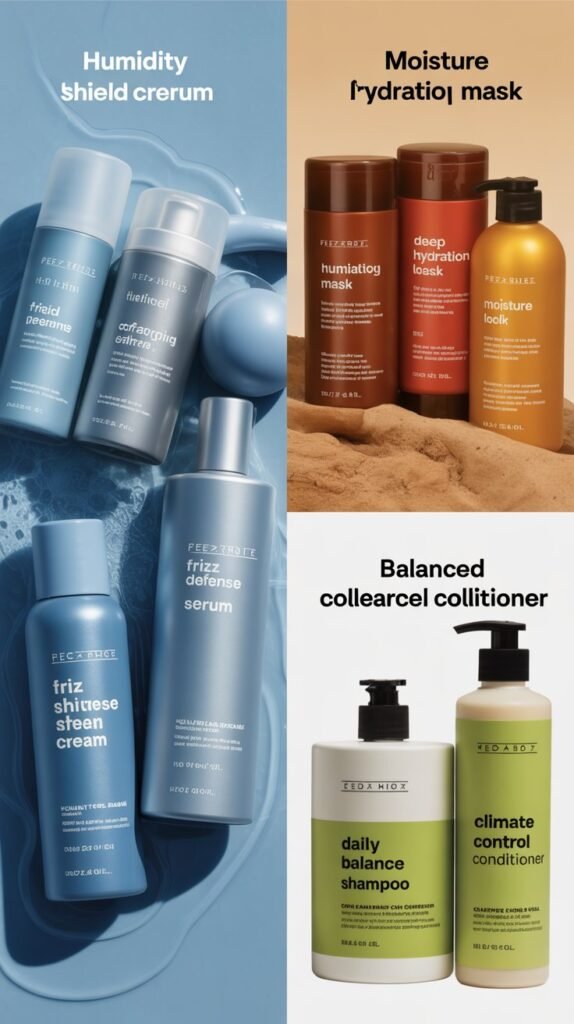
Different climates require different product formulations to maintain wispy bangs and voluminous layers in varying humidity and temperature conditions.
- Humid climates demand anti-frizz serums and humidity-resistant hairsprays that create a barrier against moisture penetration
- Dry climates require more moisturizing products including leave-in conditioners and oils to prevent static and brittleness in delicate bang pieces
- Coastal areas combine humidity challenges with salt air, requiring both anti-frizz and moisture-balancing products
- Urban environments with pollution need clarifying shampoos used weekly to remove buildup while maintaining moisture balance
- Cold, dry winter air necessitates deeper conditioning treatments and protective products to prevent damage from indoor heating
- Tropical climates benefit from lightweight, water-based formulas that won’t melt or become greasy in extreme heat
- Reading ingredient labels helps identify glycerin (great for dry climates, problematic in humidity) and silicones (smoothing but can build up) to make informed choices
27. Incorporating Braids and Updos with Wispy Bangs
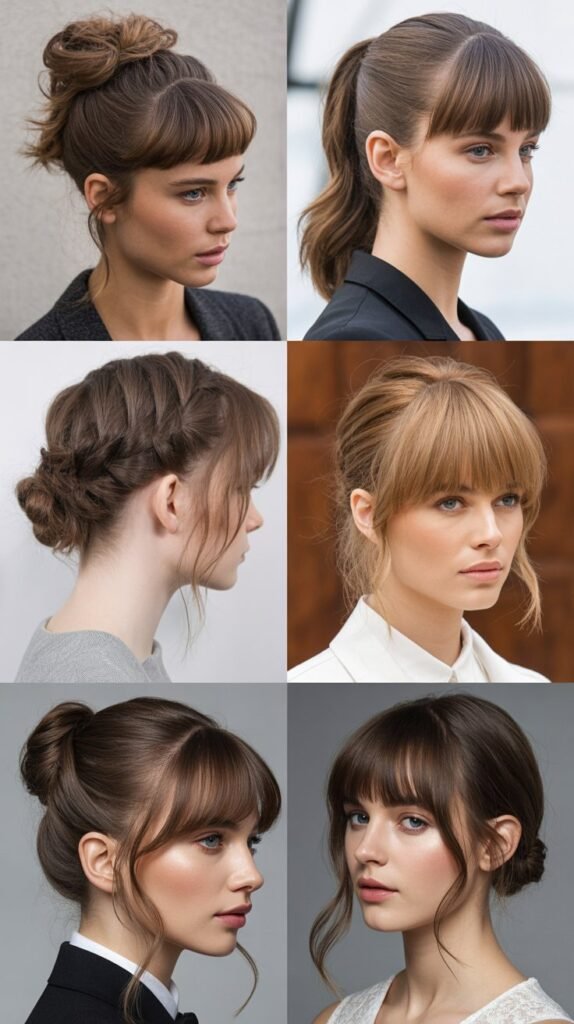
Wispy bangs work beautifully with updo styles and braids, providing face-framing softness that prevents updos from appearing too severe or stark.
- Loose, pulled-out bangs soften any updo style, whether it’s a formal chignon or a casual messy bun
- Some pieces should be deliberately left loose around the face when securing hair up, working with the wispy quality rather than forcing everything into the updo
- Braided updos benefit from textured, piece-y bangs that create continuity with the intentional messiness of bohemian braiding styles
- Sleek buns and ponytails gain femininity and approachability when paired with soft, wispy bangs that prevent an overly severe appearance
- The key is intention – clearly styled loose pieces around the face look deliberate rather than messy or unfinished
- Side-swept bangs particularly complement updos by creating asymmetry and visual interest at the front while the back is secured
- For formal events, a few curled wispy pieces framing the face elevate even simple updos into elegant, polished styles
28. Age-Appropriate Variations: From Teens to Mature Women
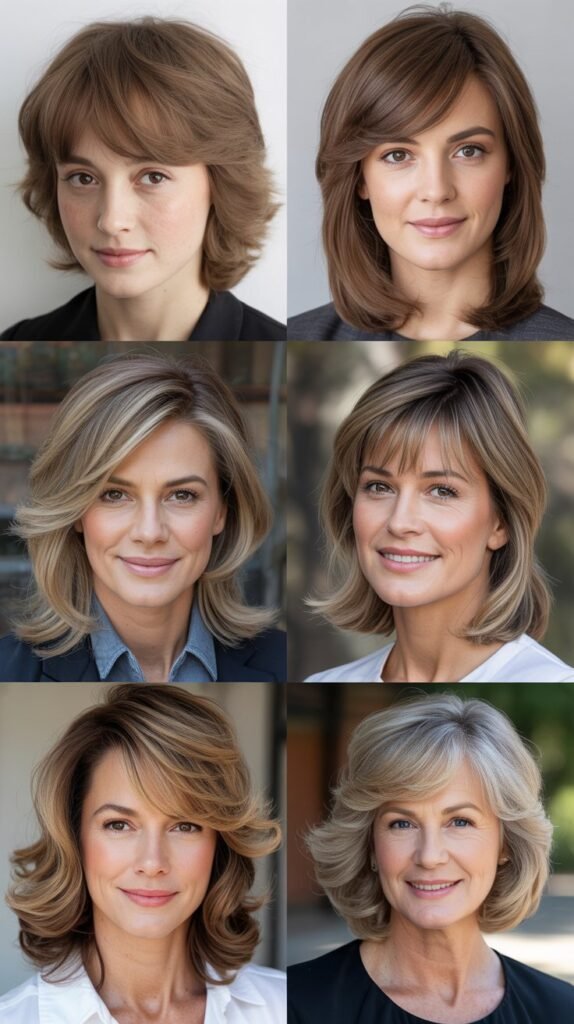
Wispy bangs and layered medium hair work across age groups but can be adapted to feel age-appropriate and flattering for each life stage.
- Teens and early twenties can experiment with edgier, more textured versions with significant piece-y separation and perhaps bolder color contrasts
- Thirties to forties often prefer slightly longer, more sophisticated wispy bangs that balance youthful style with professional polish
- Fifties and beyond benefit from softer, face-framing wispy bangs that camouflage fine lines on the forehead while adding gentle movement
- The layer placement can be adjusted for age – higher layers create more volume for older women experiencing thinning, while younger women can wear varied layer patterns
- Wispy bangs are universally flattering because their soft, feathered quality is more forgiving than blunt styles that can emphasize aging concerns
- Color choices should also adapt – more natural, blended highlights suit mature women while creative colors work for younger demographics
- The styling approach might vary by age with younger people embracing more undone textures and older women preferring polished, smooth finishes
29. Pairing Wispy Bangs with Different Fashion Aesthetics
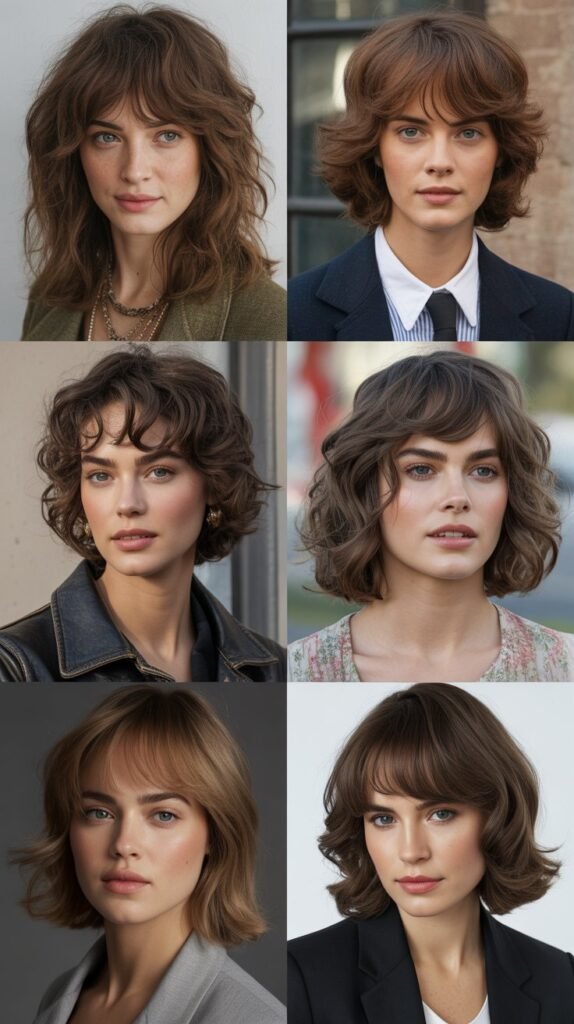
The versatile nature of wispy bangs and layered medium hair allows them to complement virtually any personal style or fashion aesthetic.
- Bohemian/hippie style pairs beautifully with very textured, piece-y wispy bangs and tousled layers that embrace natural waves
- Classic/preppy aesthetic works with smoother, more controlled wispy bangs and polished layers that appear intentional but not overdone
- Edgy/rocker style incorporates heavier, more dramatic wispy bangs with choppy layers and possibly darker, more contrasted color
- Romantic/feminine fashion complements soft, flowing wispy bangs with gentle waves throughout the layered lengths
- Minimalist aesthetic requires the cleanest version of wispy bangs with subtle texture and sleek, simplified styling
- Business professional style adapts the look with more conservative length and polish while maintaining the essential soft quality
- The beauty of this hairstyle is its chameleon-like ability to shift personality through styling choices without requiring a different cut
30. Fitness and Active Lifestyle Considerations
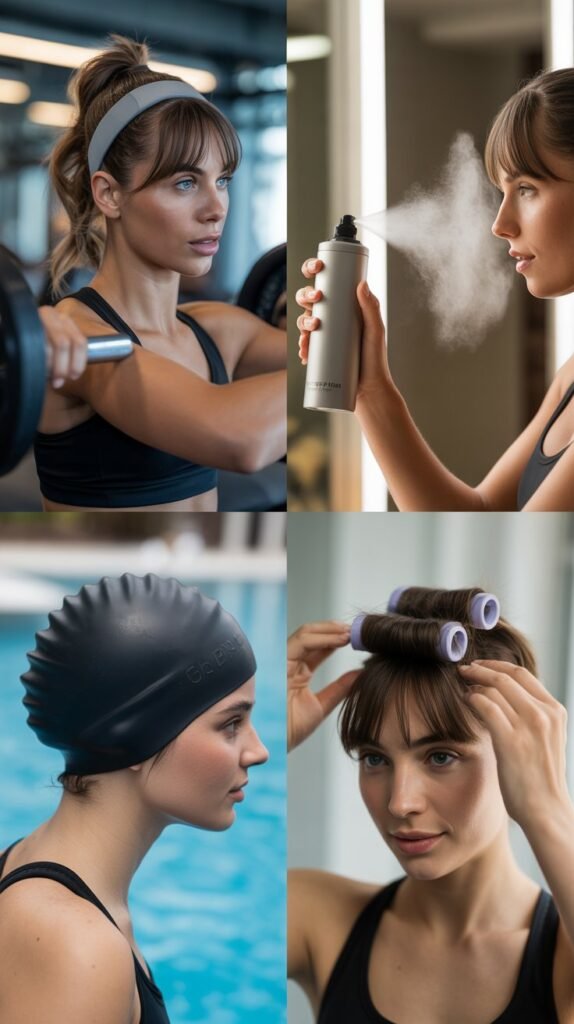
Maintaining wispy bangs while leading an active lifestyle requires strategies for managing sweat, frequent styling, and hair protection during workouts.
- Workout headbands should be positioned behind the bangs rather than across them to prevent crushing the wispy texture and creating strange bends
- For cardio and high-sweat activities, consider pulling bangs back temporarily with a small clip rather than leaving them against your sweaty forehead
- Post-workout bang refresh can be as simple as blotting with a dry towel and misting with dry shampoo rather than washing and restyling
- Swimming presents challenges as chlorine and salt water damage the delicate bang pieces, requiring immediate rinsing and protective leave-in products
- Dry shampoo before working out (rather than after) can help absorb sweat before it makes bangs visibly greasy
- Consider your activity level when choosing bang length – very short wispy bangs may require more frequent touch-ups after workouts than longer curtain bangs
- Velcro rollers post-shower allow you to work out early morning, shower, roll your bangs, and finish getting ready while they dry into shape
31. Pregnancy and Postpartum Hair Changes
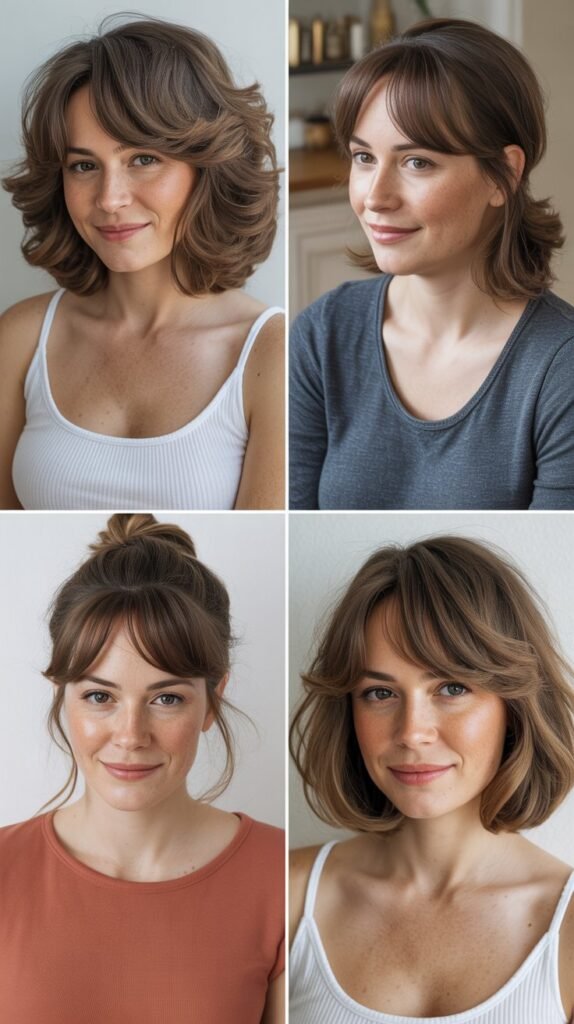
Hormonal fluctuations during pregnancy and postpartum significantly affect hair texture and behavior, requiring adapted approaches to maintaining wispy bangs.
- Pregnancy hormones often make hair thicker and fuller, which can cause previously perfect wispy bangs to feel too heavy and require thinning
- The texture may change from straight to wavy or vice versa, affecting how wispy bangs naturally fall and requiring adjusted styling techniques
- Postpartum hair loss typically occurs 3-6 months after delivery, with significant shedding around the hairline where bangs grow
- Wispy bangs can camouflage the baby hairs and new growth that appear during hair regrowth phases, making them a strategic style choice postpartum
- Low-maintenance becomes crucial during new motherhood, making the easy styling of wispy bangs appealing when time is limited
- Dry shampoo becomes essential when opportunities for washing are less frequent due to baby care demands
- Communicate with your stylist about hormonal changes so they can adapt the cut and recommend appropriate products for your changing hair
32. Cultural and Historical Context of Wispy Bangs
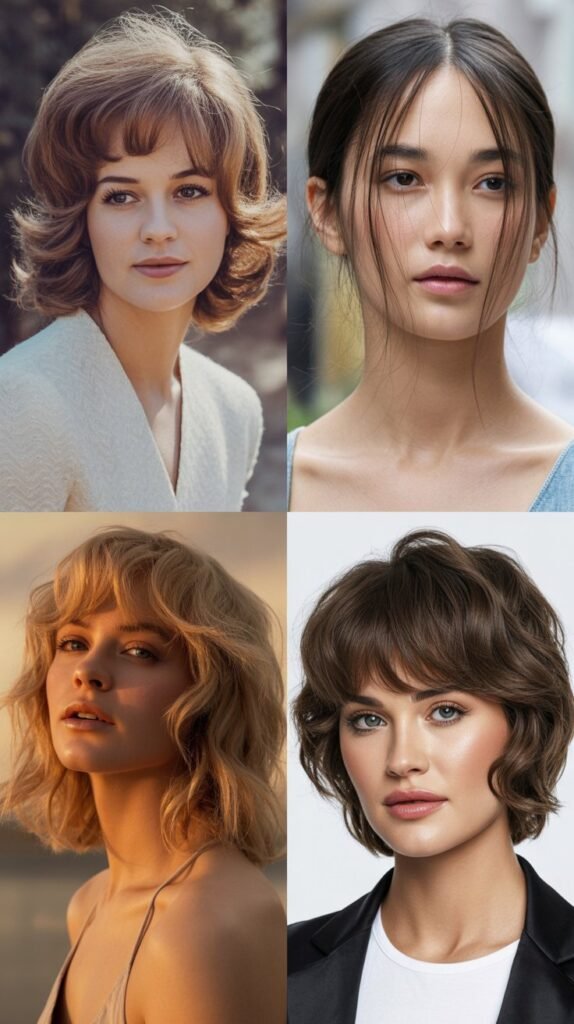
Understanding the evolution and cultural significance of wispy bangs provides appreciation for this enduring style element.
- The 1960s and 70s featured wispy, piece-y bangs as part of the bohemian aesthetic popularized by icons like Jane Birkin and Brigitte Bardot
- Japanese and Korean beauty trends heavily influenced the modern wispy bang resurgence with see-through bangs (“shisoku bangs”) becoming popular in Asia first
- The 2010s saw a major comeback of bangs generally, with wispy variations gaining traction as a softer alternative to the heavy blunt bangs of the mid-2000s
- French girl style has long incorporated effortless, piece-y bangs as part of the coveted undone-yet-polished aesthetic
- Different cultures interpret wispy bangs through their own beauty standards – American styling tends toward more volume while Asian styling often emphasizes delicacy and sheerness
- The pandemic accelerated the wispy bang trend as people cut their own bangs at home and the intentionally imperfect result became fashionable
- Current iterations blend influences from various eras and cultures, creating customizable versions that suit individual preferences
33. Addressing Cowlicks and Growth Patterns in Bangs
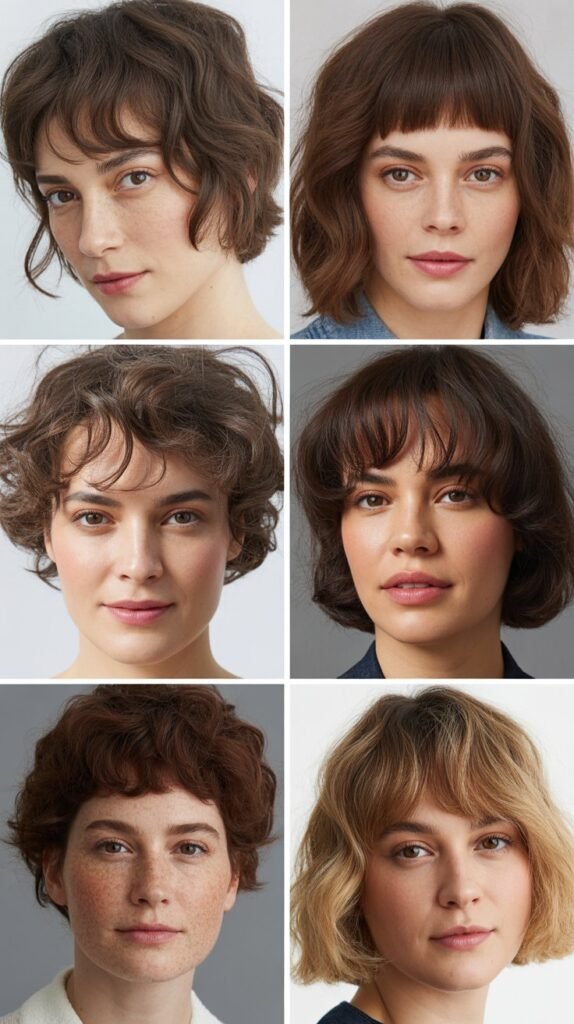
Natural hair growth patterns significantly affect how wispy bangs behave and must be accounted for during cutting and styling.
- Cowlicks are whorls where hair grows in a circular pattern, causing it to stick up or part in unwanted directions
- Work with, not against, your cowlick by parting bangs where the cowlick naturally wants to divide the hair rather than forcing a different part
- Strategic cutting can minimize cowlick impact by removing weight in specific areas and allowing hair to fall more naturally
- Blow-drying while damp (not soaking wet) gives you the best control over training stubborn growth patterns into desired directions
- Using a flat iron on the roots of wispy bangs can temporarily override cowlick direction for special occasions
- Some cowlicks are impossible to completely eliminate, requiring acceptance and styling approaches that work with them rather than fighting them
- Your stylist should cut your bangs while observing your natural growth patterns, ideally on dry hair where these patterns are most visible
34. Building a Wispy Bang-Friendly Haircare Routine
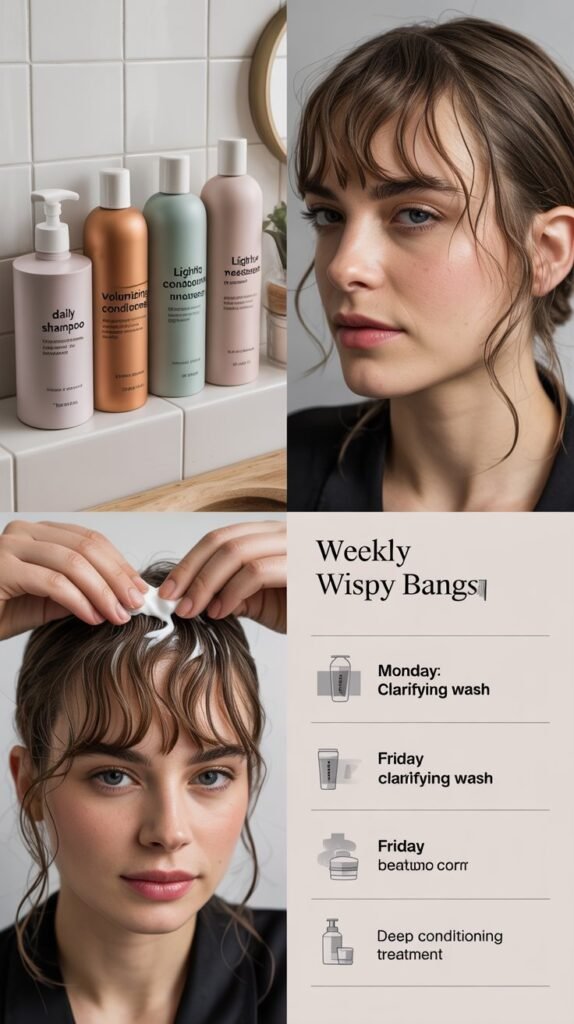
A consistent haircare routine optimized for the needs of wispy bangs and layered hair ensures long-term health and manageability.
- Shampoo frequency should balance cleanliness with maintaining natural oils – typically 2-3 times per week for most hair types
- Clarifying shampoo once weekly removes product buildup that weighs down wispy bangs and prevents volumizing products from working effectively
- Conditioning should focus on mid-lengths to ends, avoiding the root area and bangs which can become weighed down
- Deep conditioning treatments every 1-2 weeks maintain moisture in the ends of layered hair which is prone to dryness
- Heat protectant is non-negotiable for the bang area which receives heat styling almost daily unlike the rest of your hair
- Scalp care including occasional scalp scrubs or treatments ensures healthy hair growth and prevents issues like dandruff that show prominently in bangs
- Regular trims are part of the haircare routine, not separate from it, as they prevent split ends from traveling up the hair shaft and causing damage
35. The Economics of Maintaining Wispy Bangs: Cost Analysis
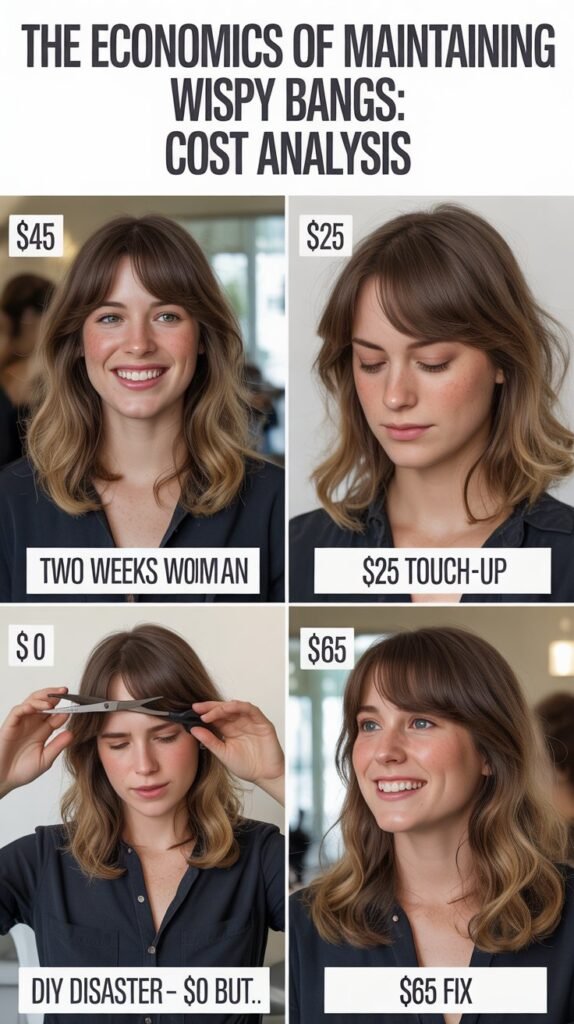
Understanding the financial commitment of maintaining wispy bangs and layered medium hair helps with realistic budgeting and expectations.
- Initial haircut investment ranges from $40-150+ depending on salon prestige, location, and stylist experience level
- Bang trim maintenance every 2-3 weeks adds $15-30 per visit or $180-360 annually if not included with regular cuts
- Full haircuts every 6-8 weeks for layer maintenance cost $40-150 per visit or approximately $240-900 annually
- Color services for dimension-enhancing highlights range from $80-300 per session, required every 6-8 weeks
- Home styling products (shampoo, conditioner, styling products, heat protectant) average $100-200 annually
- Styling tools are a one-time investment of $80-150 that lasts several years with proper care
- The total annual cost for professional maintenance with color ranges from $1,500-3,500 depending on choices and location
| Expense Category | Cost Range | Frequency | Annual Total |
|---|---|---|---|
| Initial haircut | $40-150 | Once | $40-150 |
| Bang trims | $15-30 | Every 2-3 weeks | $180-360 |
| Full haircuts | $40-150 | Every 6-8 weeks | $240-900 |
| Color services | $80-300 | Every 6-8 weeks | $480-1,800 |
| Products | $100-200 | Annual total | $100-200 |
| Tools | $80-150 | One-time | $80-150 |
36. Wispy Bangs for Different Hair Densities
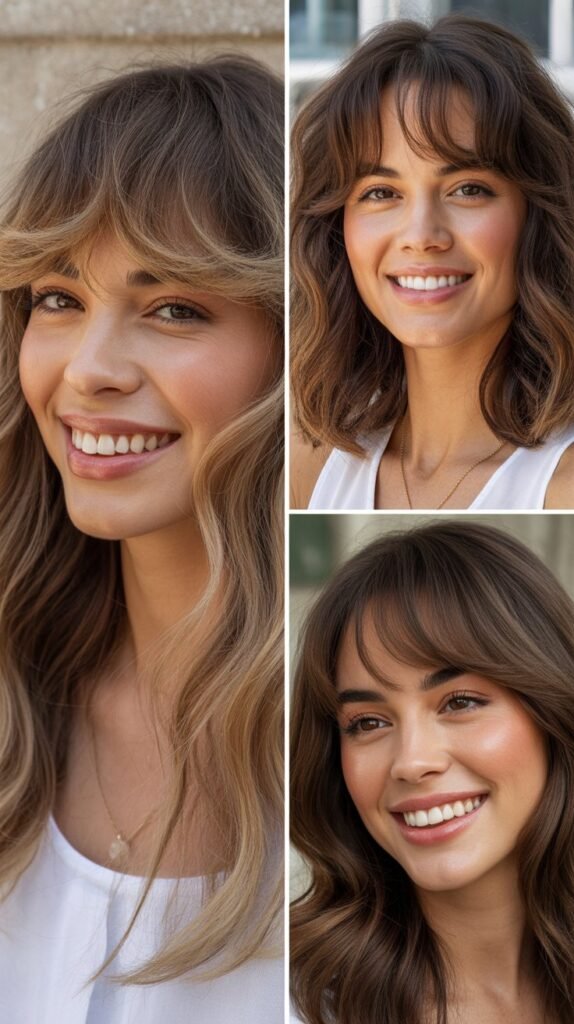
Hair density (how much hair you have) dramatically affects how wispy bangs should be cut and styled for optimal results.
- Fine, thin hair benefits from lighter, more delicate wispy bangs that don’t remove too much of the limited hair available
- For thin hair, the bang section should be smaller and more selective to prevent the rest of the hair from appearing even thinner by comparison
- Medium density hair offers the most flexibility and can support traditional wispy bang approaches without special considerations
- Thick, dense hair requires aggressive thinning techniques to achieve the wispy quality, as unthinned bangs will appear blunt and heavy
- Point cutting, razor work, and slide cutting are all essential for removing bulk from thick hair while creating the desired feathered texture
- The rest of the layered hair should be balanced with the bang density – thick hair needs substantial layering to avoid looking bottom-heavy
- Styling product choices should also reflect density, with volumizing products for thin hair and smoothing, anti-frizz products for thick hair
37. Seasonal Wardrobe Coordination with Hairstyle
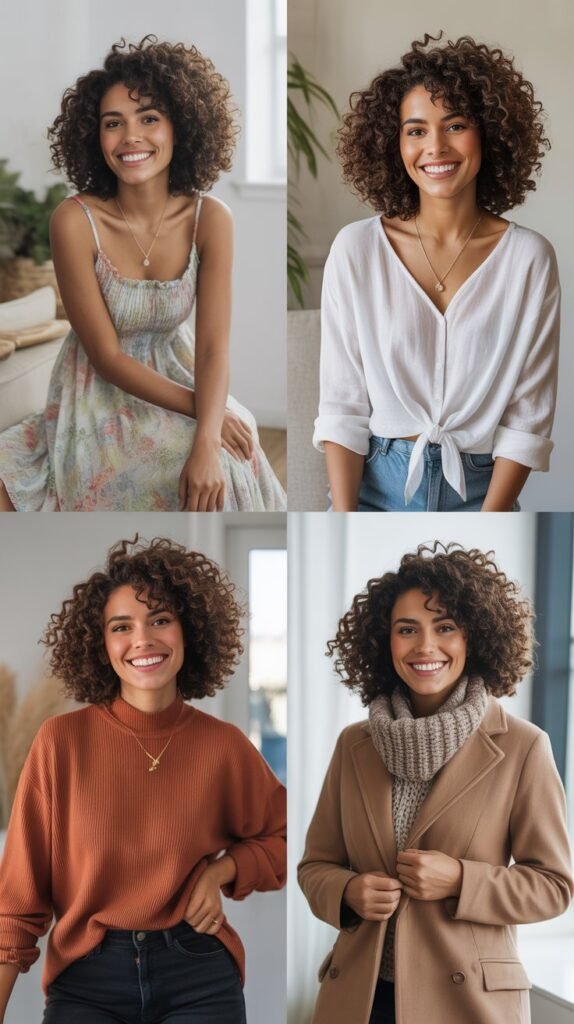
Wispy bangs and layered medium hair can be styled to complement and coordinate with seasonal fashion trends and wardrobe choices.
- Summer’s lighter, breezier clothing pairs well with tousled, textured wispy bangs styled to appear effortless and undone
- Fall’s layered, bohemian fashion complements slightly more structured wispy bangs with warm-toned color that echoes autumn leaves
- Winter’s formal, polished outfits work beautifully with sleeker wispy bangs styled smooth with gentle curve rather than piece-y texture
- Spring’s fresh, romantic aesthetic suits wispy bangs with soft waves and lighter, brighter color highlights
- Consider neck coverage from turtlenecks and scarves in winter when deciding on layer length and bang styling
- Summer updos showcase face-framing wispy bangs that would otherwise be hidden by down hair in cooler months
- The hairstyle’s versatility allows it to shift with your seasonal wardrobe rather than clashing with changing fashion choices
38. Photography and Selfie Optimization for Wispy Bangs
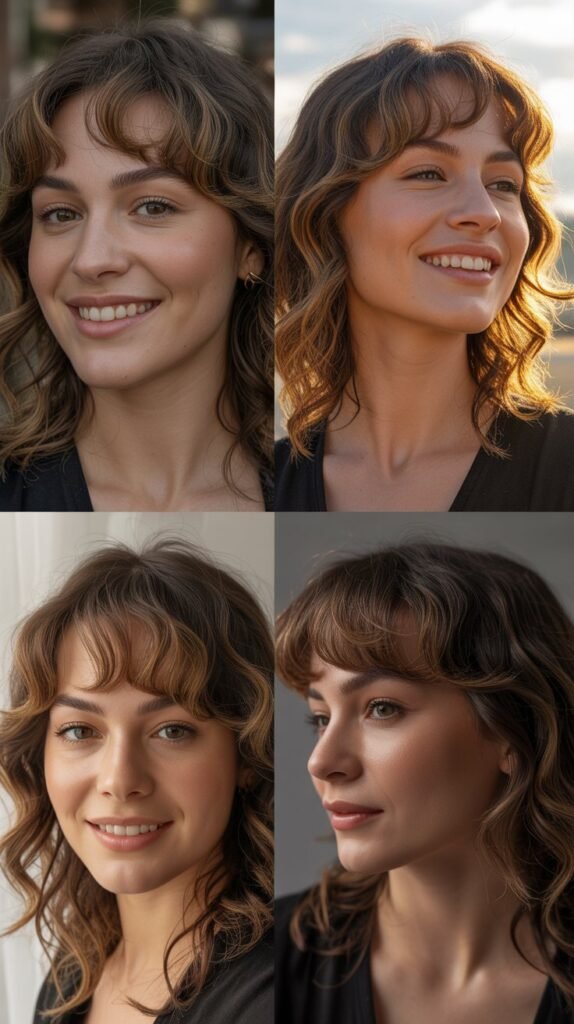
Understanding how wispy bangs photograph helps optimize their appearance in photos and social media content.
- Lighting from slightly above creates the most flattering bang shadows and highlights the textured, dimensional quality
- Direct flash photography tends to flatten wispy bangs and eliminate the depth that makes them interesting, so avoid when possible
- Side lighting emphasizes texture and separation in wispy pieces, making them appear even more dimensional
- The camera angle slightly above eye level prevents bangs from casting shadows on eyes while showing their shape and movement
- Slight wind or fan during photo shoots creates natural-looking movement in both bangs and layers for editorial-quality results
- Avoid harsh top-down lighting which can make the scalp visible through wispy bangs and create unflattering shadows
- For selfies, holding the phone slightly higher than your face and tilting your head slightly forward showcases wispy bangs optimally
39. Transitioning Between Straight and Wavy Styling
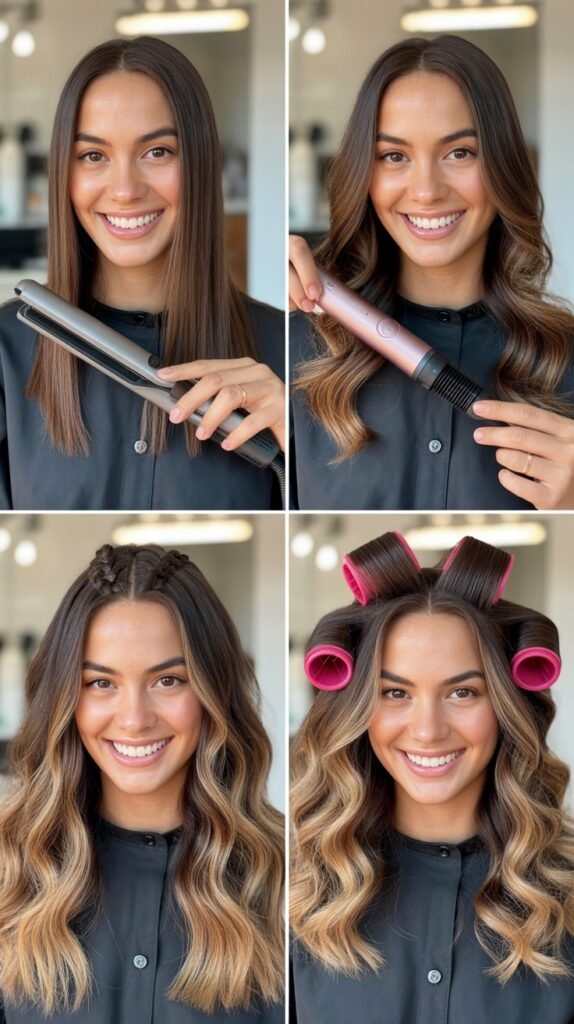
The flexibility to wear wispy bangs and layered hair both straight and wavy maximizes styling options and prevents boredom with your look.
- For straight styling, use a paddle brush and blow dryer with the nozzle pointed downward along the hair shaft to smooth the cuticle
- For wavy styling, scrunch damp hair with mousse or curl cream and either air dry or use a diffuser attachment on low heat
- Wispy bangs remain wispy in both straight and wavy versions, though the styling technique differs slightly for each approach
- Straight wispy bangs are achieved with a small round brush or flat iron creating subtle curve
- Wavy wispy bangs can be scrunched like the rest of the hair or wrapped around a small curling iron for more defined bends
- The layers should be cut to work equally well in both styling approaches, with enough texture to create movement when straight but not so much that they appear choppy when wavy
- Product selection differs between the two styles, with smoothing products for straight and enhancing products for wavy
40. Managing Wispy Bangs During Travel
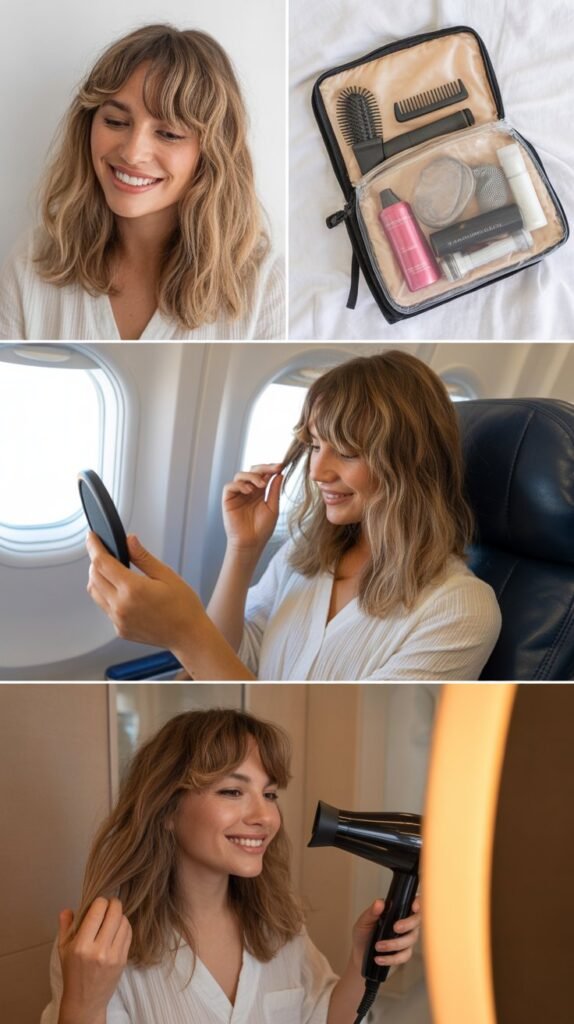
Travel presents unique challenges for maintaining wispy bangs, from limited styling tools to climate changes and time constraints.
- Pack travel-sized versions of your essential products including dry shampoo, texturizing spray, and heat protectant
- A mini flat iron or cordless styling tool takes minimal luggage space while providing bang touch-up capabilities anywhere
- Dry shampoo becomes essential during travel when washing opportunities may be limited or when dealing with hard water
- Consider the destination climate and pack appropriate products – anti-humidity for tropical locations, moisturizing for dry climates
- Protective hairstyles during flights like a loose, low bun keep layers from getting crushed and bangs from becoming greasy against airplane headrests
- Hotel blow dryers rarely match your home equipment quality, so adjust expectations or bring your own lightweight travel dryer
- Plan for quick refresh techniques that work with minimal tools, such as finger-styling with a small amount of product
41. Incorporating Hair Accessories into the Wispy Bang Look
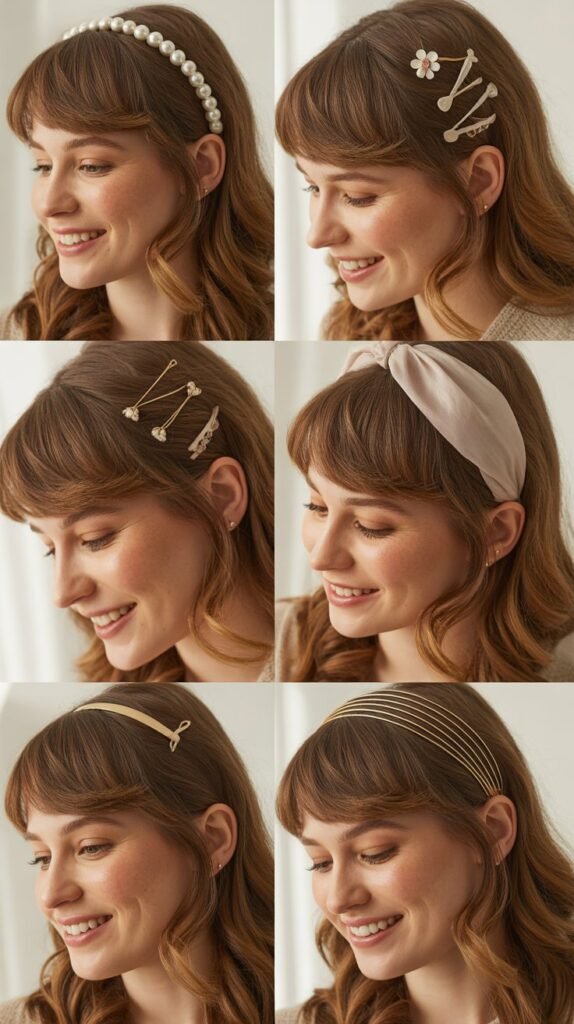
Strategic use of hair accessories enhances wispy bangs and layered hair while providing styling versatility and solving bad hair days.
- Thin headbands positioned behind the bangs add polish without crushing the wispy texture or creating unwanted bends
- Pearl or decorative clips can secure side-swept bangs for an elegant evening look while adding glamorous detail
- Silk scarves wrapped around the head with bangs left out create vintage-inspired style that protects hair while showcasing the face-framing fringe
- Bobby pins in decorative finishes (gold, pearl-embellished) can secure growing-out or longer wispy bangs in intentionally styled ways
- Claw clips secure the back layers while allowing wispy bangs and face-framing pieces to remain loose and flowing
- Avoid accessories that pull too tightly on bangs or create indentations that are difficult to style out later
- The key is balance – accessories should enhance the wispy bang look rather than competing with it or hiding it entirely
42. Color Correction and Damage Repair for Over-Processed Bangs
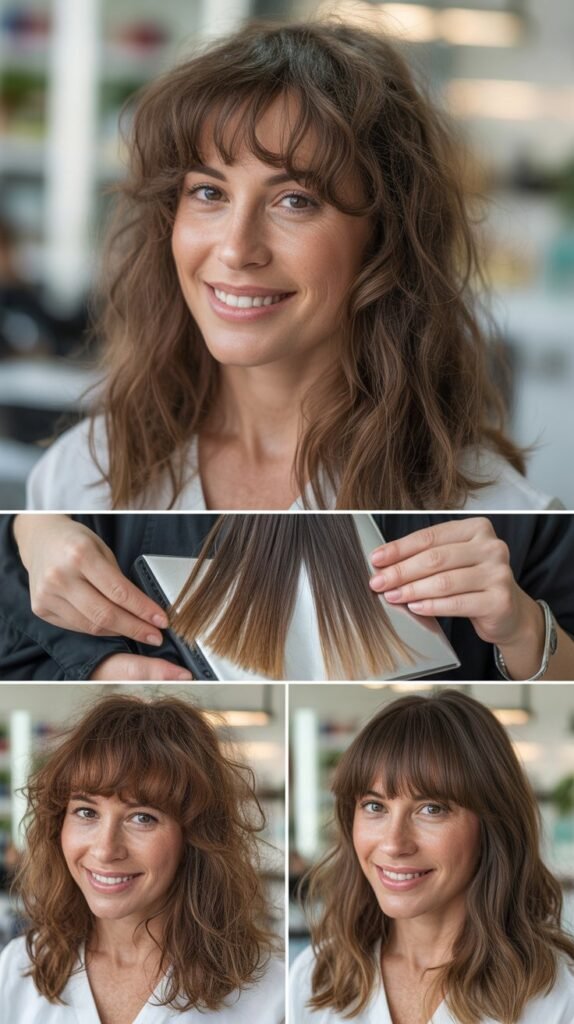
Wispy bangs receive more frequent styling and color exposure than other hair sections, making them vulnerable to damage and requiring special repair approaches.
- Bangs show damage more obviously than other hair sections because they’re constantly visible and frame the face
- Over-lightened bangs become fragile and break easily, requiring protein treatments and reduced heat styling during recovery
- Color correction should be approached cautiously with bangs as removing unwanted tones often requires additional processing
- Olaplex or similar bond-building treatments can repair internal hair structure damaged by excessive coloring or heat styling
- Sometimes cutting off damaged portions is the only solution, though this may temporarily disrupt the desired bang length
- Prevention is crucial – always use heat protectant, avoid over-processing with color, and deep condition regularly
- Consider giving bangs a break from heat styling occasionally by embracing their natural texture or using heatless styling methods
43. Wispy Bangs in Different Lighting Environments
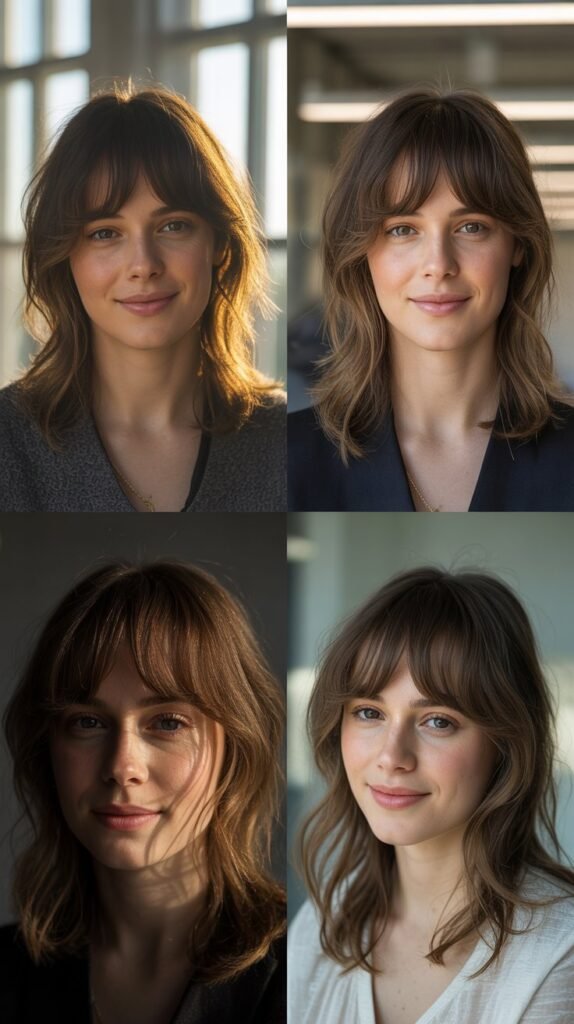
Understanding how wispy bangs appear in various lighting conditions helps optimize styling for specific settings and occasions.
- Natural daylight shows the true texture and dimension of wispy bangs, making it the best lighting for judging styling success
- Fluorescent office lighting can make hair appear flatter and wash out color dimension, requiring slightly more textured styling to maintain visual interest
- Evening/dim lighting conceals much of the wispy texture detail, so bolder separation and slightly more product may be needed for dinner or events
- Photography lighting (bright, directional) emphasizes every detail of texture and separation, requiring careful styling for photo sessions
- Bathroom lighting varies wildly and often includes unflattering overhead fixtures that create shadows under wispy bangs
- Outdoor evening/dusk lighting is particularly flattering for wispy bangs, creating soft shadows that enhance texture naturally
- When styling, consider where you’ll spend most of your day and optimize your technique for those lighting conditions
44. The Role of Diet and Nutrition in Wispy Bang Health
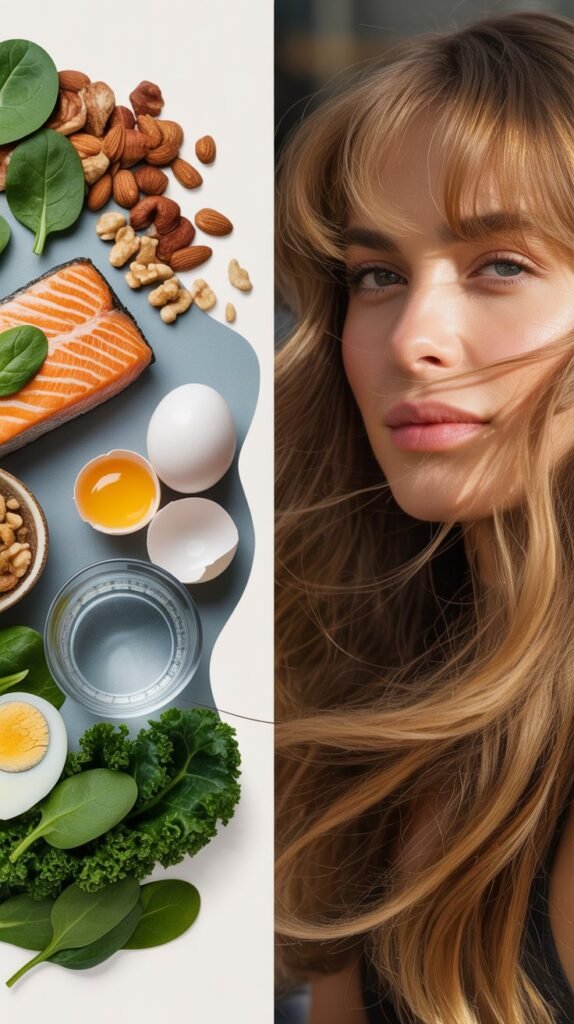
The health and appearance of wispy bangs ultimately depends on internal nutrition and overall hair health, not just external styling.
- Protein intake is essential as hair is primarily made of keratin, a protein structure that requires adequate dietary protein to grow strong
- Biotin (vitamin B7) supports hair health and growth, though deficiency is rare in people eating varied diets
- Iron deficiency can cause hair loss and thinning, particularly noticeable in bangs where new growth is most visible
- Omega-3 fatty acids from fish, nuts, or supplements contribute to scalp health and hair shine
- Hydration affects hair texture and manageability, with dehydrated hair appearing dull and brittle
- Vitamin D deficiency has been linked to hair loss, making supplementation important for those with limited sun exposure
- While supplements can help, they work best when combined with a generally healthy diet rather than compensating for poor nutrition
45. Comparing Wispy Bangs to Other Bang Styles
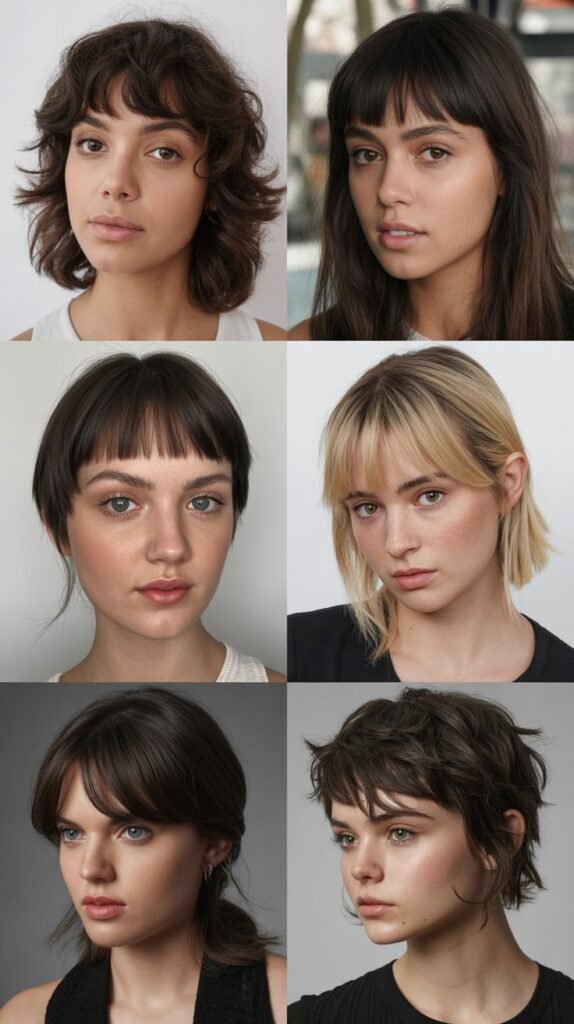
Understanding how wispy bangs differ from other fringe options helps confirm this is the right choice for your goals and preferences.
- Blunt bangs create a solid, heavy line across the forehead, appearing more dramatic and requiring more precise maintenance than wispy styles
- Curtain bangs are technically a type of wispy bang but specifically part in the center and frame both sides of the face
- Baby bangs (micro bangs) sit well above the eyebrows and create an edgy, avant-garde look very different from the soft wispy aesthetic
- Side-swept bangs angle across the forehead rather than falling forward, often blending into longer layers rather than existing as distinct fringe
- Choppy bangs have more varied, dramatic lengths creating an intentionally messy texture that’s less soft than wispy styling
- Wispy bangs offer the best balance of impact and versatility, transforming your look without the high maintenance of very short or very precise styles
- They’re also the most forgiving during the growing-out process if you decide bangs aren’t for you long-term
| Bang Style | Maintenance Level | Versatility | Best For |
|---|---|---|---|
| Wispy | Medium | High | Most face shapes, first-timers |
| Blunt | High | Medium | Oval faces, statement style |
| Curtain | Medium | High | Longer faces, center parts |
| Baby/Micro | Very High | Low | Edgy style, oval faces |
| Side-swept | Low | High | All face shapes, professionals |
46. Creating a Personalized Wispy Bang Styling Routine
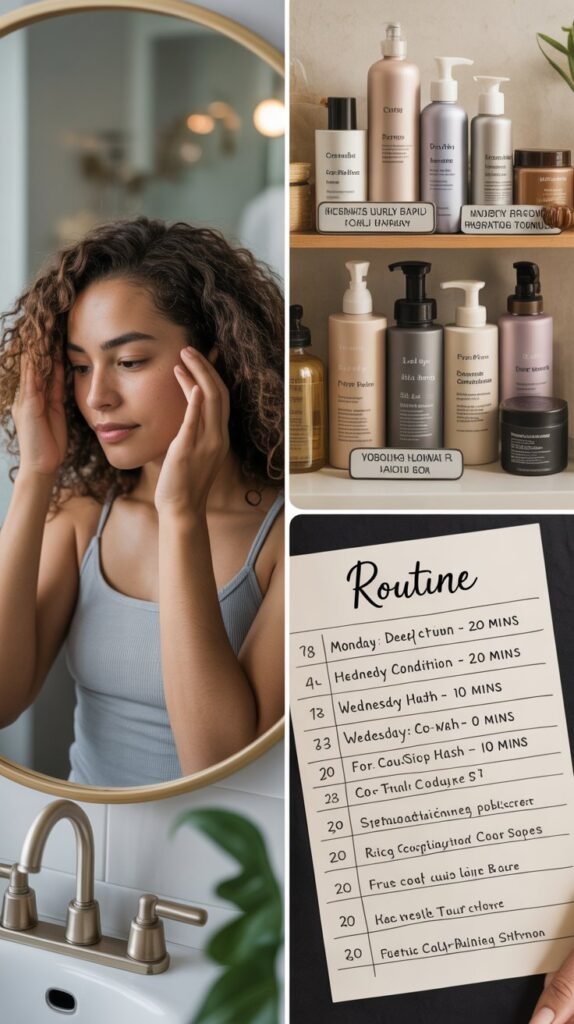
Developing a customized routine based on your specific hair type, lifestyle, and goals ensures consistently great results with minimal frustration.
- Start by identifying your hair type (fine/medium/thick, straight/wavy/curly) as this determines your product and technique needs
- Consider your schedule and realistically assess how much time you can dedicate to bang styling each morning
- Determine your styling skill level and choose techniques that match your current abilities while gradually building more advanced skills
- Select 3-5 core products that address your specific challenges (volume, frizz, oil control) rather than accumulating dozens of products
- Establish a realistic washing frequency based on your hair’s oil production and your lifestyle demands
- Create a backup quick-style method for rushed mornings or when your preferred technique isn’t working
- Review and adjust quarterly as seasons change, your hair grows, or your lifestyle shifts to keep your routine optimized
47. Troubleshooting Common Wispy Bang Frustrations
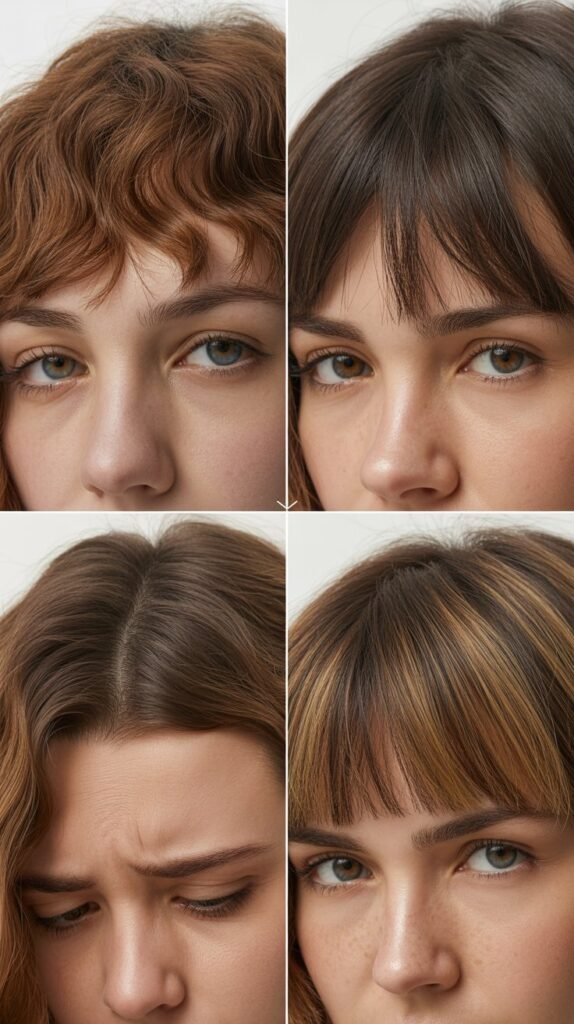
Even well-cut wispy bangs can present challenges that require problem-solving and adapted techniques.
- Bangs falling into eyes constantly often indicates they’re too long and need trimming, or require different styling direction
- Separating into odd sections usually results from cowlicks or growth patterns that need to be worked with rather than fought against
- Appearing too thin and stringy suggests either over-thinning by the stylist or need for volumizing products and different blow-dry technique
- Losing shape by midday indicates inadequate product hold, excessive oil production, or styling techniques that don’t create lasting shape
- Not blending with rest of hair means the transition between bangs and layers needs adjustment by your stylist
- Looking too bulky or heavy requires additional thinning and texturizing, either professionally or carefully at home with proper technique
- Most problems have solutions involving either technique adjustments, product changes, or communication with your stylist about modifications
48. The Sustainability and Ethics of Hair Care Product Choices
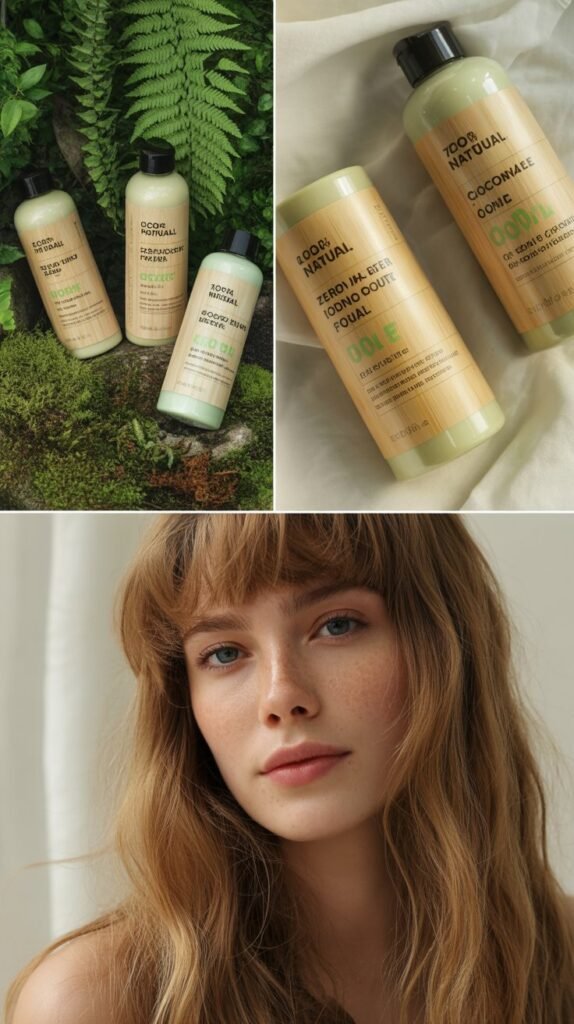
Environmentally conscious consumers can maintain wispy bangs while making ethical product selections that minimize environmental impact.
- Sulfate-free shampoos are gentler on hair and the environment, cleaning effectively without harsh chemicals
- Recyclable or refillable packaging reduces waste from the multiple products required for bang maintenance
- Cruelty-free and vegan products ensure no animal testing or animal-derived ingredients in your hair care routine
- Concentrated formulas require less packaging and shipping resources while providing the same number of applications
- Multi-purpose products (such as leave-in conditioners that also provide heat protection) reduce the total number of products needed
- Natural and organic options minimize synthetic chemicals entering water systems, though they may require adjusted expectations for performance
- Research brands’ sustainability practices beyond just the product itself to support companies with comprehensive environmental commitments
49. Wispy Bangs and Eyewear: Styling with Glasses or Contacts
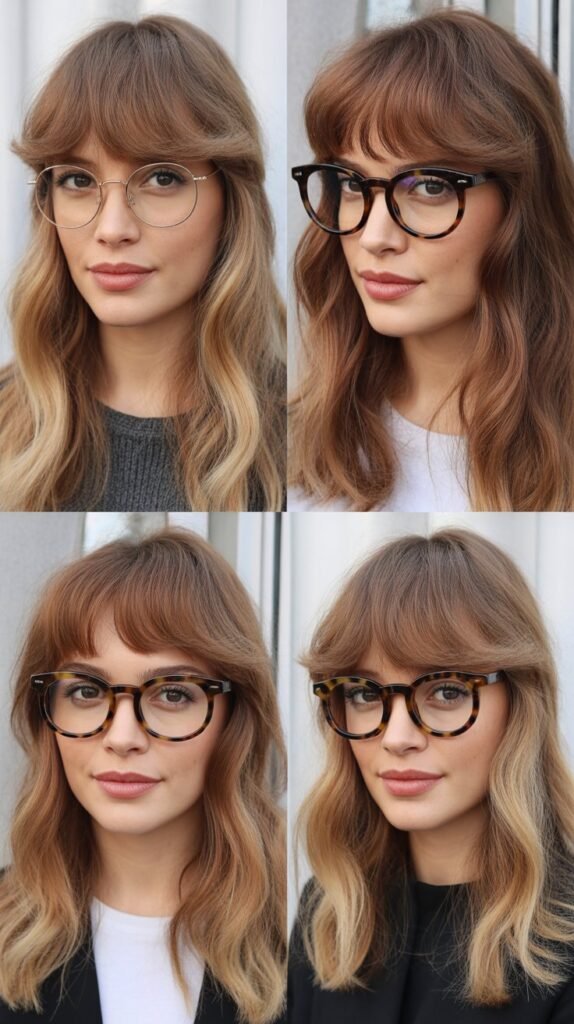
The interaction between wispy bangs and eyeglasses requires special consideration to avoid frustration and maximize appearance.
- Longer wispy bangs (eye-skimming or longer) tend to constantly brush against glasses lenses, creating smudges and irritation
- Eyebrow-grazing length typically works best with glasses, sitting above frames while still providing face-framing benefit
- Thicker frames can visually compete with wispy bangs, making very minimal, delicate bangs feel overwhelmed
- Thin, delicate frames complement wispy bangs beautifully by sharing the same lightweight, subtle aesthetic
- Some people prefer wearing contact lenses on days when they want to showcase their wispy bangs without eyewear interference
- Styling bangs to the side rather than straight forward can reduce glasses-bang interaction while maintaining the style element
- Consider your dominant eyewear preference when deciding on bang length – daily glasses wearers might choose slightly shorter bangs than those who primarily wear contacts
50. The Psychological Preparation for Cutting Wispy Bangs
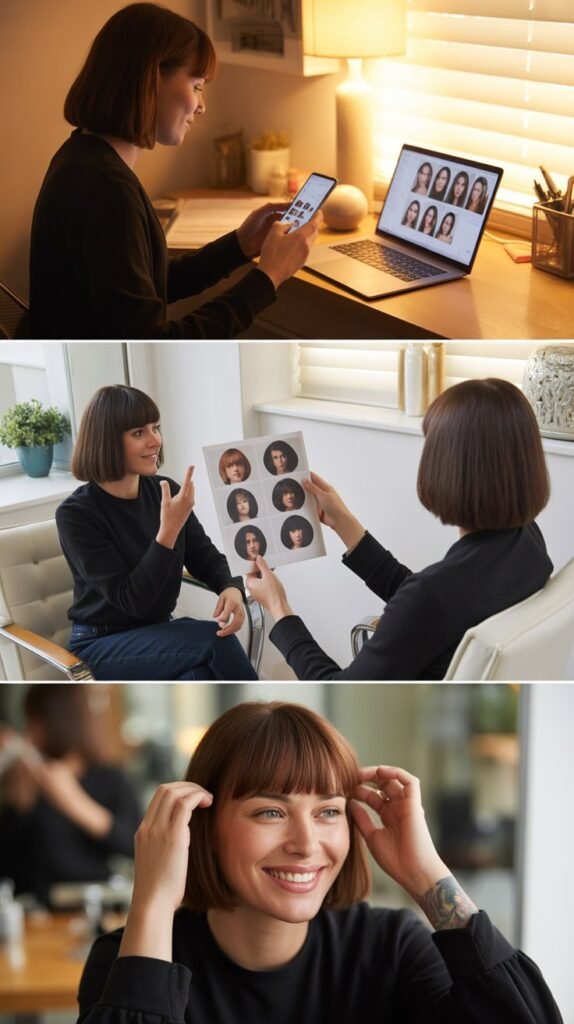
Making the decision to cut bangs represents a significant change that benefits from mental preparation and realistic expectations.
- Understand that bangs require commitment to daily styling and regular maintenance, unlike simply wearing hair without fringe
- Research extensively using photos, videos, and consultations to ensure you truly want bangs rather than making an impulsive decision
- Prepare for an adjustment period of 1-2 weeks where the bangs feel foreign and you’re learning to style them effectively
- Set realistic expectations about styling time and maintenance frequency rather than assuming they’ll be effortless
- Consider starting with longer curtain bangs rather than full wispy bangs if you’re uncertain, as longer versions are easier to grow out if you change your mind
- Plan the timing strategically – avoid cutting bangs right before major events where you want to look your absolute best without any adjustment period
- Remember that hair grows and even if you’re unhappy initially, the situation is temporary and adjustable
51. Advanced Styling Techniques for Special Occasions
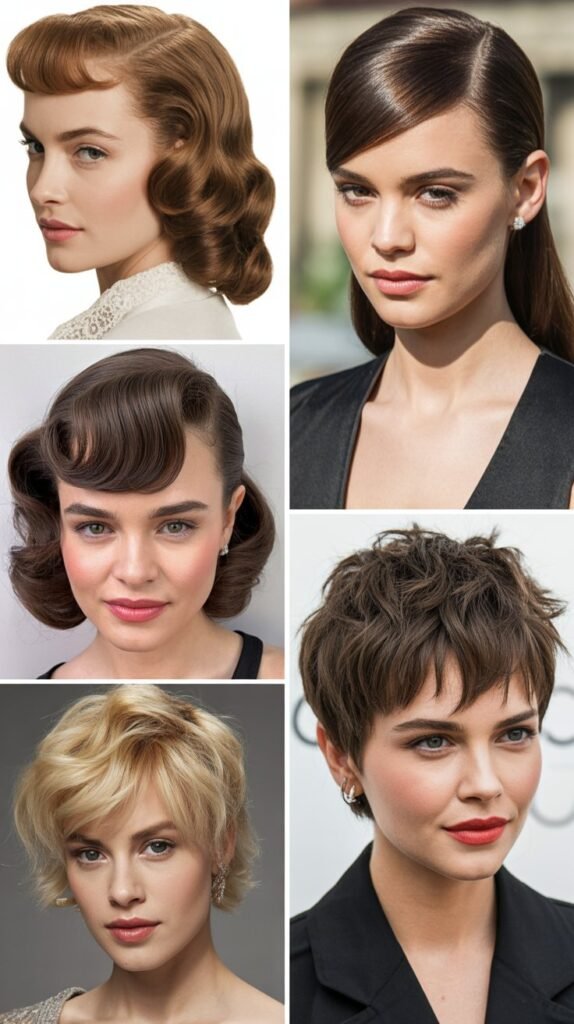
Special events require elevated styling approaches that transform everyday wispy bangs into glamorous, occasion-appropriate elements.
- Vintage-inspired rolls involve setting wispy bangs on large Velcro rollers and spraying for a retro, voluminous curved effect
- Sleek, side-swept styling creates Old Hollywood glamour by smoothing wispy pieces dramatically to one side and securing with decorative pins
- Textured, piece-y styling with additional product creates an edgier, fashion-forward look appropriate for modern, trendy events
- Soft, romantic waves throughout both bangs and layers create a feminine, wedding-appropriate style that photographs beautifully
- Pin-curl sets allow you to create vintage-specific waves in wispy bangs without heat damage, set overnight before an event
- Working with a professional stylist for major events ensures the most polished result and provides learning opportunities for future DIY styling
- Trial runs before events are essential – never try a completely new bang styling technique for the first time on the day of an important occasion
52. Wispy Bangs for Different Professional Fields
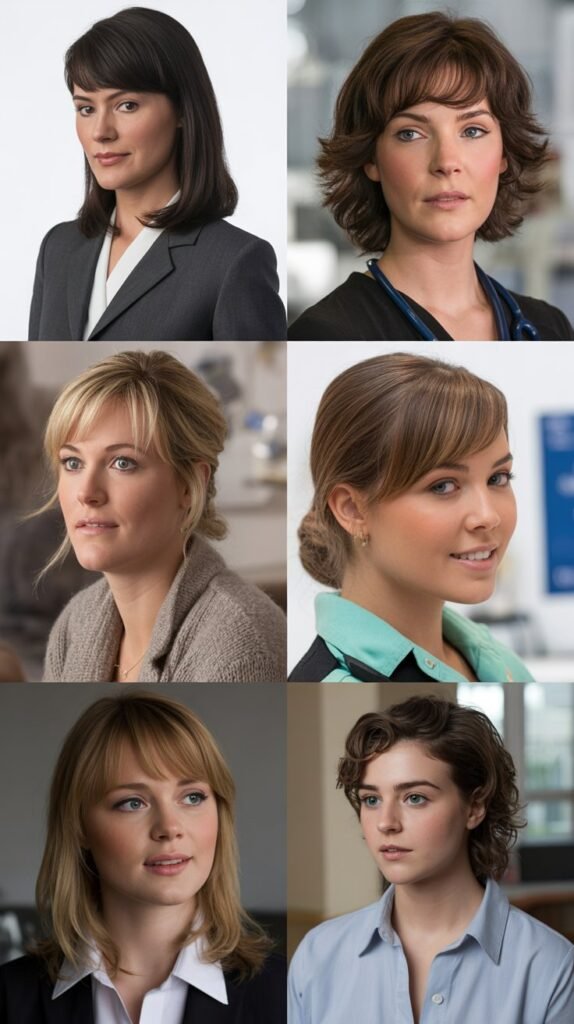
Different career fields have varying aesthetic expectations that can be met while still maintaining wispy bangs and layered hair.
- Corporate environments typically require more polished, conservative styling with smooth wispy bangs rather than heavily textured versions
- Creative industries (fashion, design, media) often welcome more experimental, textured, and bold wispy bang interpretations
- Healthcare and medical fields need styles that can be secured away from the face when necessary, making longer curtain-style wispy bangs ideal
- Education settings benefit from professional but approachable styling that wispy bangs naturally provide through their soft quality
- Customer-facing roles require hairstyles that are neat and put-together without being intimidating, which wispy bangs accomplish well
- Technical fields often have relaxed grooming standards, allowing full range of wispy bang styling from conservative to trendy
- The key is understanding your specific workplace culture rather than making assumptions based on industry stereotypes
53. Combining Wispy Bangs with Other Hair Trends
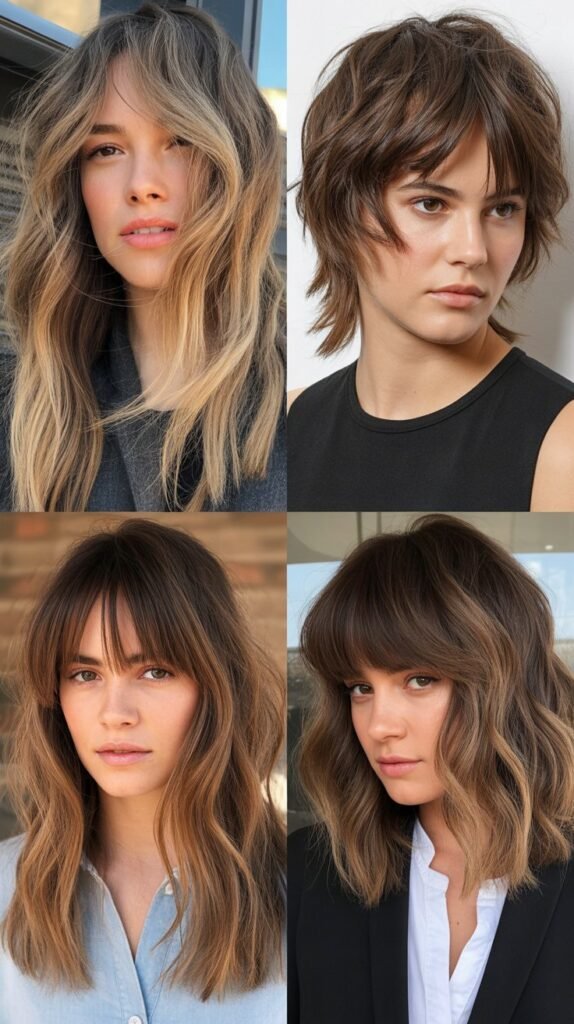
Wispy bangs work synergistically with various contemporary hair trends, creating cohesive, current looks.
- Balayage coloring and wispy bangs are natural partners, both emphasizing dimension, movement, and natural-looking gradation
- Shag haircuts incorporate wispy bangs as part of the overall textured, layered aesthetic that defines the shag style
- Wolf cuts (a modern shag variation) specifically feature wispy, heavily textured bangs as a signature element
- Curtain bangs are essentially a wispy bang variation that’s been trendy enough to warrant its own category
- Face-framing highlights combine perfectly with wispy bangs to create brightness and dimension around the face
- Undone, lived-in styling complements wispy bangs’ intentionally imperfect, piece-y quality
- The common thread connecting these trends is texture, movement, and dimension – all elements that wispy bangs naturally incorporate
54. Long-term Hair Health Strategies for Bang Maintenance
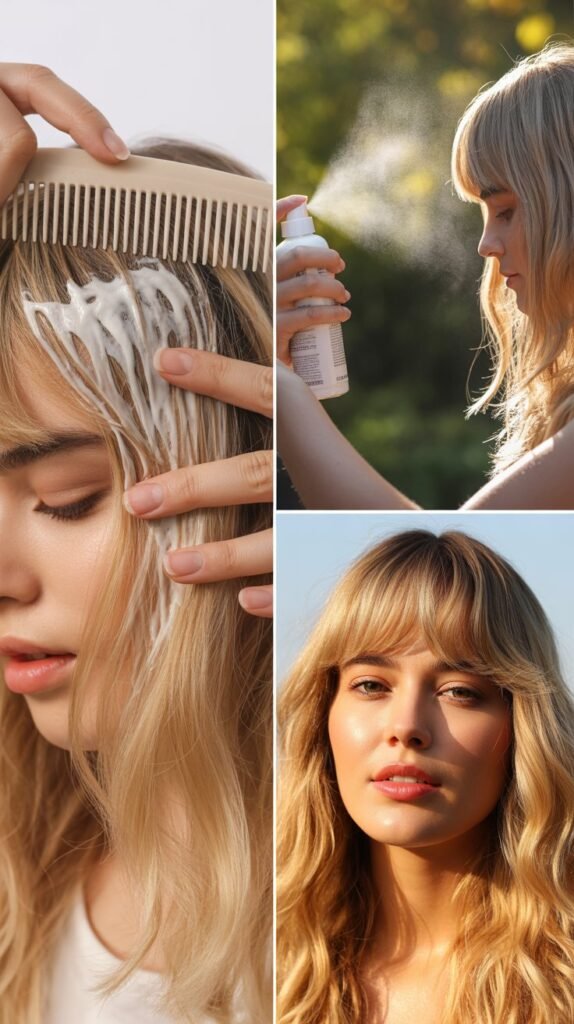
Maintaining the health of frequently-styled wispy bangs over months and years requires strategic approaches beyond daily care.
- Regular protein treatments strengthen bang hair that receives more heat styling than the rest of your hair
- Trimming split ends immediately prevents damage from traveling up the hair shaft and requiring more dramatic cuts later
- Heat-free days (at least 1-2 per week) allow bang hair to recover from constant blow-drying and flat ironing
- UV protection is particularly important for bangs which receive more sun exposure than hair that drapes down your back
- Avoiding over-washing specifically the bang area helps maintain natural oils that protect hair from environmental damage
- Annual bond-building treatments (like Olaplex or similar) repair accumulated damage from styling and coloring
- The goal is sustainability – maintaining bang health for years rather than achieving short-term perfection followed by damage and cutting
55. Emergency Bang Fixes for Disaster Days
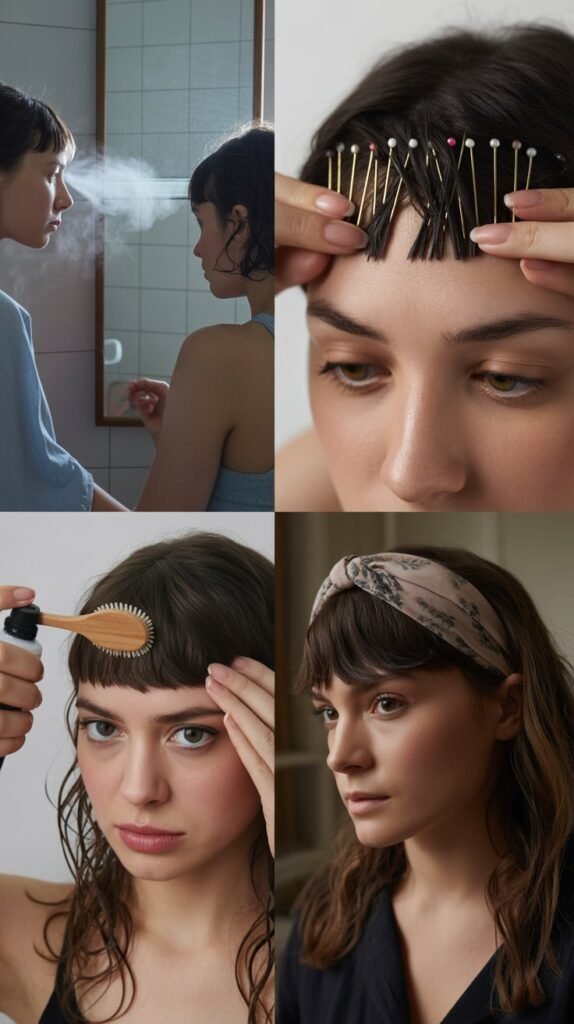
Even with perfect technique and products, some days wispy bangs simply won’t cooperate, requiring quick emergency solutions.
- The shower steam method involves creating steam in your bathroom and allowing it to relax stubborn bends or cowlicks in minutes
- Dry shampoo over-application can be brushed through thoroughly or dabbed away with a damp towel if you’ve used too much
- Wet-and-reset technique uses a spray bottle to dampen bangs, then quick blow-dry with a round brush for a fresh start
- Braiding or twisting bangs while slightly damp allows them to dry into a more manageable texture for especially difficult days
- Strategic pinning with decorative bobby pins or clips transforms a bad bang day into an intentional accessorized look
- Headbands positioned behind bangs smooth them into place while adding a polished accessory element
- Sometimes acceptance is the answer – embracing imperfection and moving on with your day rather than battling uncooperative hair
56. The Science of Hair Texture and Wispy Bangs
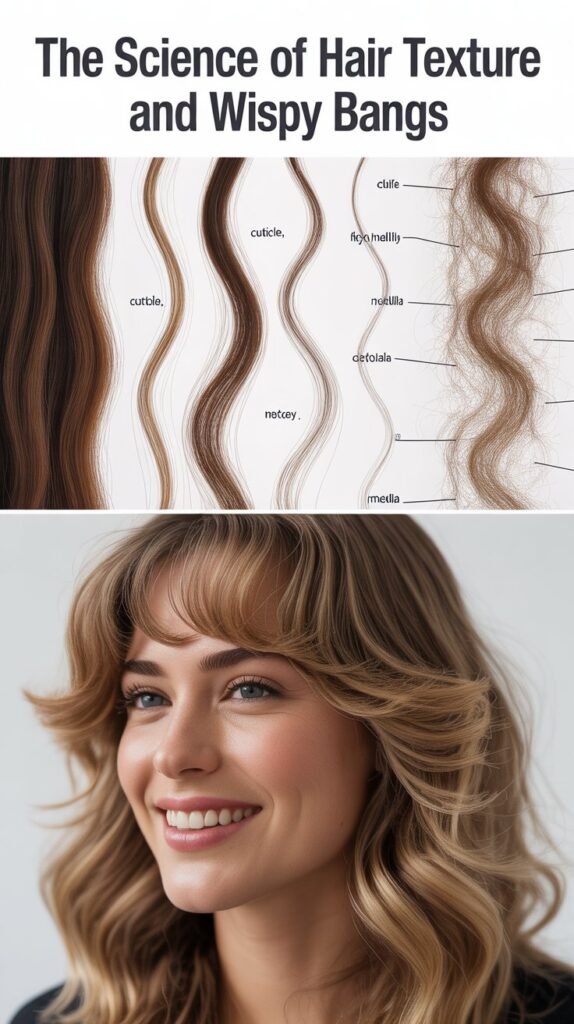
Understanding the biological structure of hair explains why certain techniques and products work better for creating and maintaining wispy texture.
- Hair is made of keratin, a protein with disulfide bonds that determine whether hair is straight, wavy, or curly
- The hair cuticle (outer layer) consists of overlapping scales that can be smoothed flat or roughened depending on styling technique
- Wispy texture is created by disrupting uniform cuticle patterns through cutting techniques that create irregular ends
- Heat styling temporarily breaks hydrogen bonds in hair, allowing reshaping that lasts until the hair gets wet again
- Hair porosity (how easily hair absorbs moisture) affects how well it holds styling and what products work best
- Fine hair has fewer cuticle layers than thick hair, making it more susceptible to damage but easier to style into wispy texture
- Understanding these fundamentals helps you make informed decisions about products and techniques rather than randomly trying things
57. Creating a Wispy Bang Portfolio for Your Stylist
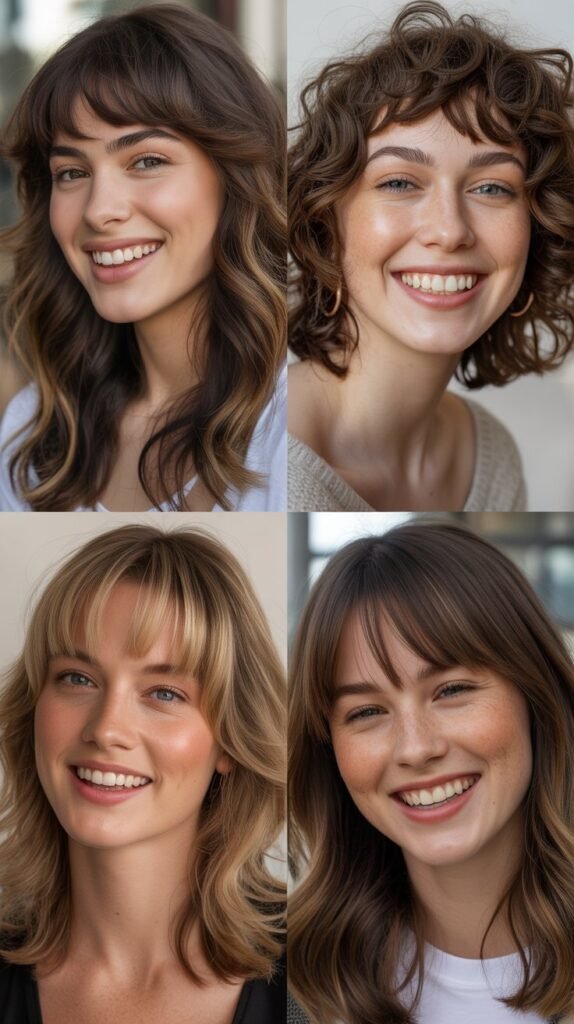
Effective communication with your stylist dramatically improves the likelihood of getting the wispy bangs you actually want.
- Collect 5-10 photos showing different angles and styling variations of the wispy bang look you’re seeking
- Include photos of styles you don’t want to clarify boundaries and prevent misunderstanding
- Choose photos of people with similar hair texture to yours, as wispy bangs look different on straight versus wavy versus curly hair
- Save examples showing the bang length, density, and shape you prefer rather than focusing on color or other elements
- Note specific details you like (how they’re parted, the amount of texture, the way they blend with layers)
- Use your phone’s photo album or a dedicated Pinterest board to organize examples for easy reference during consultations
- Clear visual communication prevents the common disconnect between what you’re imagining and what the stylist understands from verbal descriptions alone
58. Wispy Bangs Across Different Hair Lengths
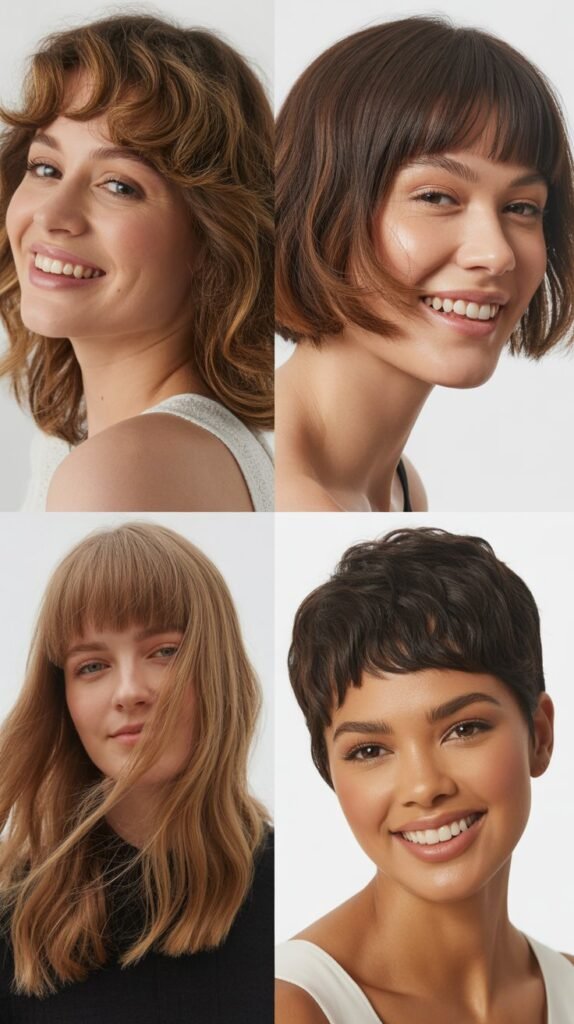
While this guide focuses on medium-length hair, understanding how wispy bangs interact with other lengths provides helpful context.
- Short hair (chin-length or shorter) with wispy bangs creates a gamine, playful appearance that’s particularly low-maintenance
- Medium hair (shoulder-length to collarbone) offers the ideal balance for wispy bangs, providing enough length contrast for the bangs to stand out
- Long hair (below shoulders) with wispy bangs creates drama through the contrast between face-framing fringe and flowing length
- The transition between bangs and the rest of the hair becomes more gradual with longer hair, requiring careful layering to maintain cohesiveness
- Styling time increases with longer hair as there’s more hair to dry and style, though bang maintenance remains constant
- Very long hair can overwhelm delicate wispy bangs, requiring fuller, more substantial fringe to maintain visual balance
- Medium length specifically is optimal for wispy bangs as it provides enough movement and volume without creating maintenance challenges
59. The Future of Wispy Bangs: Trend Predictions
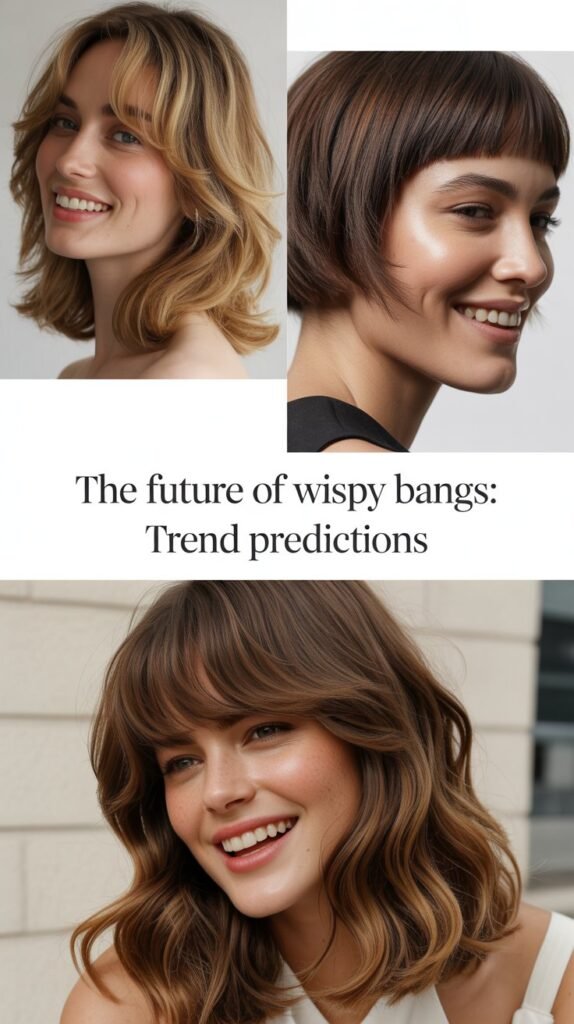
While no one can definitively predict hair trends, analyzing current movements provides insight into how wispy bangs might evolve.
- Increased customization seems likely as people move away from one-size-fits-all trends toward individually tailored variations
- More natural, low-maintenance styling aligns with broader cultural shifts toward authenticity and reduced beauty standards pressure
- Technology integration may include apps that show how wispy bangs would look on your face before committing to the cut
- Sustainability concerns could drive demand for longer-lasting styles like wispy bangs that grow out gracefully versus high-maintenance precision cuts
- Diverse representation is expanding to show wispy bangs on various hair textures and cultural contexts, making the style more inclusive
- The fundamental appeal of face-framing, soft fringe seems timeless enough to persist regardless of whether it’s “trending” in any given year
- Wispy bangs’ flexibility to adapt to various aesthetics suggests they’ll remain relevant even as broader trends shift around them
60. Wispy Bangs and Makeup Coordination
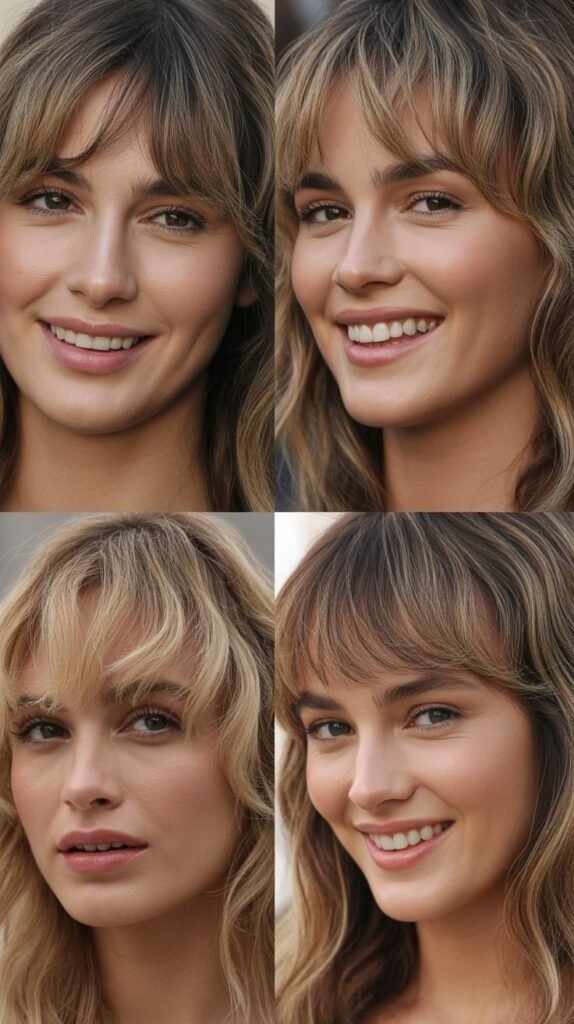
The addition of wispy bangs to your hairstyle may inspire adjustments to your makeup approach for optimal overall appearance.
- Eyebrow grooming becomes more important as wispy bangs draw attention to the eye area and brows are more visible with forehead framing
- Eye makeup can be emphasized since wispy bangs frame and highlight the eyes, making them the natural focal point
- Foundation on the forehead may need adjustment as bangs create less air circulation and can cause more oil and breakouts
- Blush and contour placement may shift slightly to work with the face shape that wispy bangs create
- The overall makeup aesthetic should complement the vibe of your wispy bangs (natural bangs pair with natural makeup, dramatic bangs with bolder makeup)
- Some people find they wear less makeup once they have bangs, as the face-framing effect creates structure and interest without cosmetics
- Experiment with balance – very textured, statement bangs might pair better with minimal makeup, while subtle wispy bangs allow bolder makeup choices
61. Building Confidence with Your New Wispy Bangs
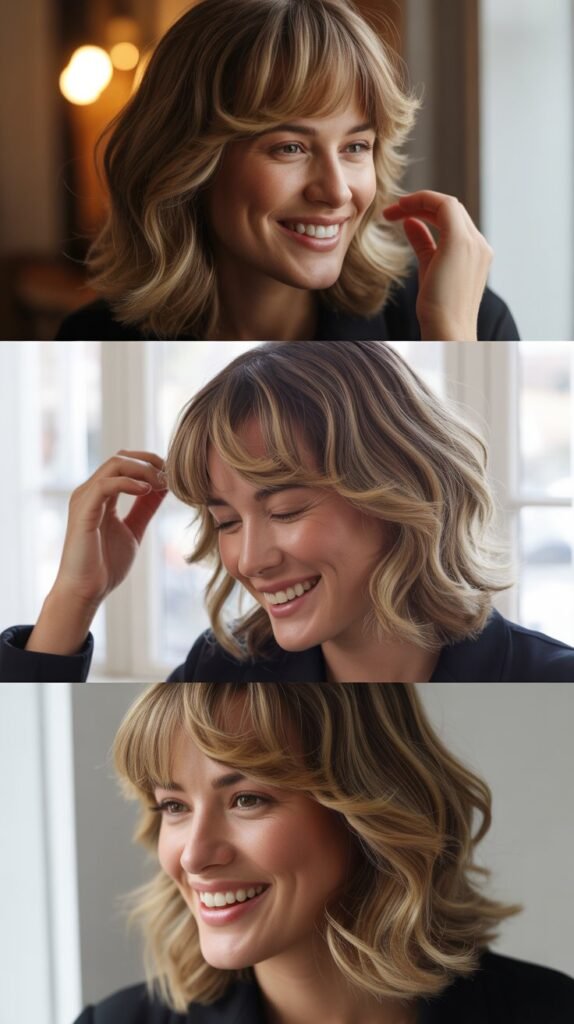
The initial period after cutting bangs requires psychological adjustment and building comfort with your new appearance.
- Take photos from multiple angles to become familiar with how your wispy bangs look from different perspectives
- Wear your new bangs out immediately rather than hiding behind headbands or pins, which only prolongs the adjustment period
- Give yourself 2-3 weeks before making any judgments about whether you like them, as initial discomfort doesn’t indicate long-term dissatisfaction
- Practice styling techniques repeatedly until you develop muscle memory and can achieve consistent results
- Accept compliments graciously rather than dismissing them or expressing regret about cutting bangs
- Remember your reasons for wanting bangs initially – face shape flattery, style change, volume addition – and evaluate whether those goals are being met
- Most people report that initial self-consciousness fades quickly as wispy bangs become part of their normal appearance and self-image
62. Wispy Bangs for Texture Transformation
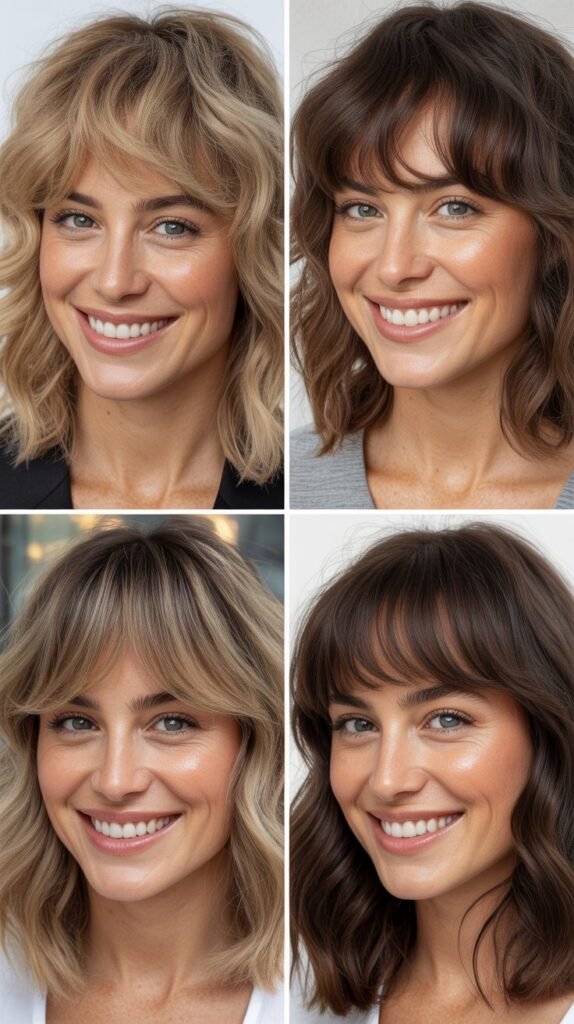
For those with naturally straight or limp hair, wispy bangs can be the gateway to embracing more textured, dimensional styles.
- Adding texture to bangs specifically is often easier than texturizing entire heads of hair, making them an ideal starting point
- Once comfortable with textured bangs, many people extend texturizing techniques to face-framing layers and eventually the full head
- Products that create texture (sea salt spray, dry texture spray, mousse) become less intimidating when first applied only to the small bang section
- Heat-free texturizing methods like braiding or twisting can be practiced on bangs before attempting on longer sections
- The confidence gained from successfully styling textured wispy bangs often translates to experimenting with overall style
- Wispy bangs prove that your hair can hold texture and volume, potentially changing your entire approach to styling
- This transformation from straight, flat styling to textured, dimensional hair often begins with the simple addition of wispy bangs
63. The Relationship Between Wispy Bangs and Overall Health
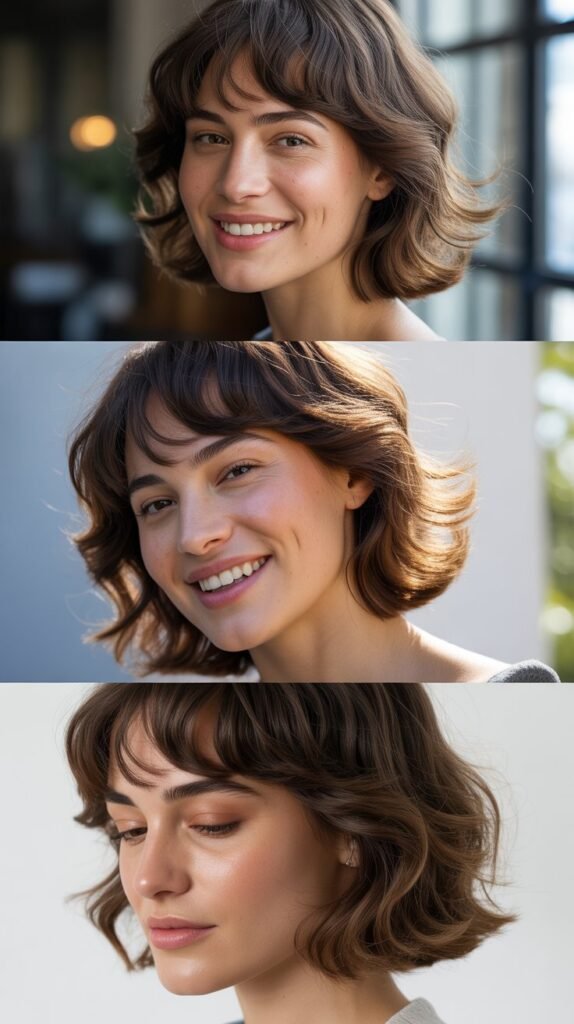
Healthy hair growth and appearance are influenced by factors beyond hair care products and styling techniques.
- Stress levels directly impact hair growth, texture, and oil production, potentially making bang maintenance more challenging during stressful periods
- Sleep quality affects your body’s ability to repair and grow healthy hair, including the frequently-styled bang section
- Hormonal changes from thyroid issues, pregnancy, or menopause can dramatically alter hair texture, requiring styling adjustments
- Medication side effects sometimes include changes to hair texture or increased oil production that affect bang appearance
- Mental health connects to how much energy and attention you have for hair maintenance, making low-maintenance wispy bangs a good choice during challenging periods
- Overall wellness practices like exercise, hydration, and stress management contribute to hair health more than any single product
- Treating hair health holistically rather than focusing only on external products and techniques yields better long-term results
64. Cultural Appropriateness and Wispy Bangs Across Different Communities
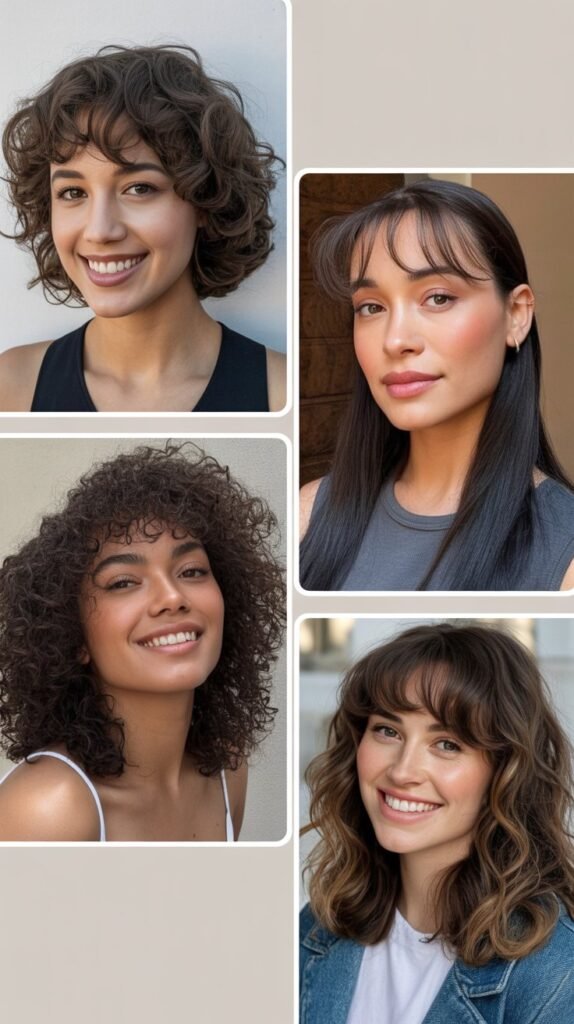
Hairstyle choices exist within cultural contexts that deserve consideration and respect.
- Wispy bangs have appeared across multiple cultures throughout history, from Japanese “shisoku bangs” to French “effortless” fringe to American bohemian styles
- Different textures require different cutting and styling approaches, with curly or coily hair needing particular expertise to achieve wispy effects
- Some stylists specialize in specific hair textures and may provide better results than general stylists for textured or curly hair
- Cultural beauty standards vary regarding what length, density, and style of bangs are considered attractive or professional
- Personal choice should be informed by your own aesthetic preferences rather than conforming to any single cultural standard
- Representation in media has expanded to show wispy bangs styled on diverse hair types and facial features, making the style more universally accessible
- The core principle of soft, face-framing fringe can be adapted to work respectfully and beautifully across cultural contexts
65. Wispy Bangs as Part of a Signature Personal Style
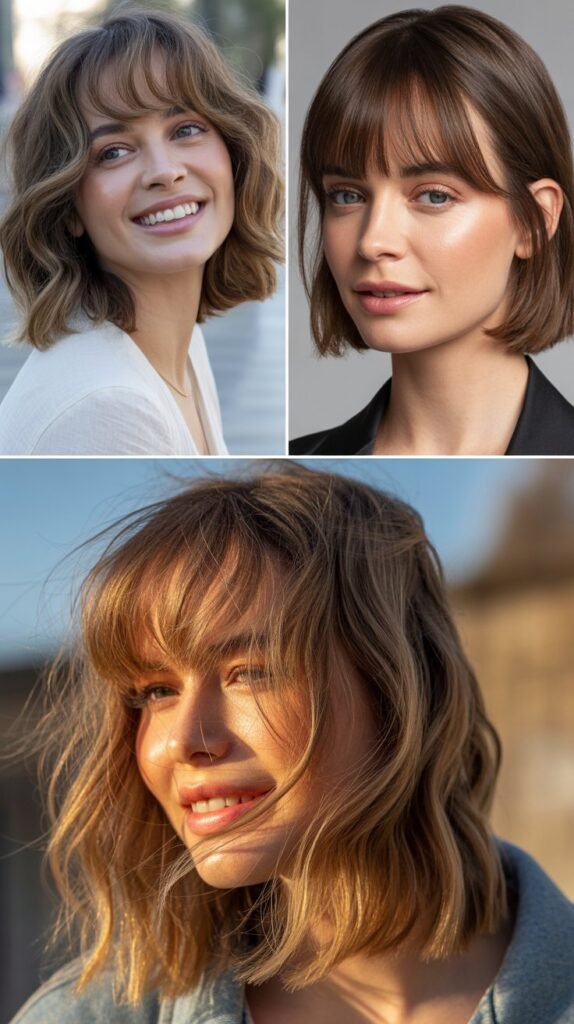
Some people incorporate wispy bangs as a permanent element of their personal aesthetic rather than a temporary trend experiment.
- Signature styles involve finding what works for you and maintaining it with minor variations rather than constantly chasing trends
- Wispy bangs can become part of your recognizable appearance, similar to how certain celebrities are known for their characteristic bangs
- The advantage of a signature look is efficiency – you’ve mastered the styling, understand what products work, and can achieve consistent results
- Minor variations (length adjustments, slightly different textures, seasonal color changes) keep the style from becoming boring while maintaining the core identity
- Professional recognition can be enhanced by a consistent appearance that makes you memorable and polished
- Commitment to bangs eliminates the indecision of whether to cut them, grow them, or change them with each salon visit
- Your signature style should evolve gradually as you age and your life circumstances change while maintaining the essence that makes it “you”
66. Teaching Others to Style Your Wispy Bangs
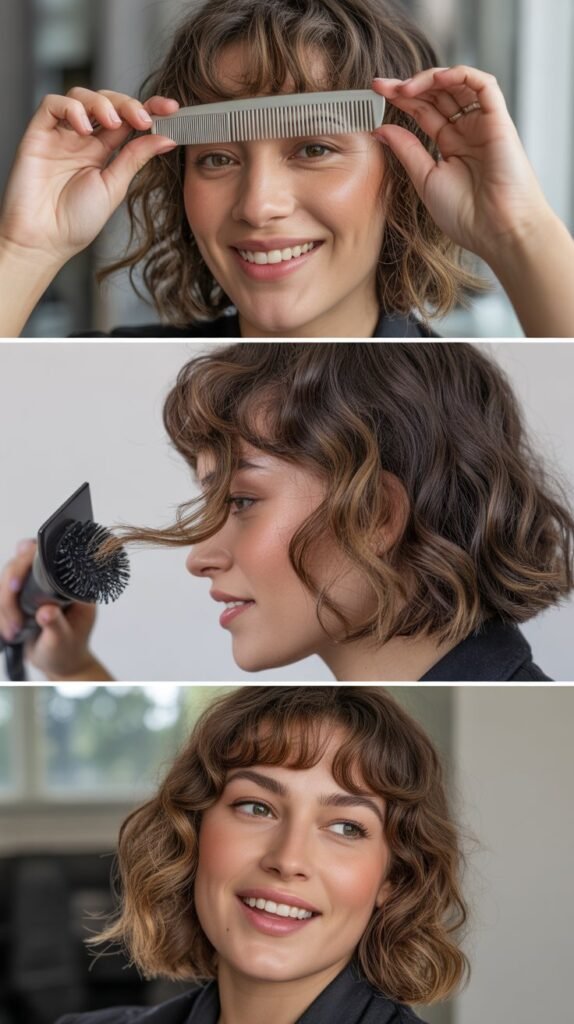
Empowering partners, friends, or family members to help with bang styling can be useful during injury, illness, or other circumstances limiting your ability to style yourself.
- Start with basic techniques like simple blow-drying with a round brush rather than attempting complex styling methods
- Demonstrate on yourself while they watch and take notes or photos of the process and products used
- Practice sessions should occur when you have time to correct mistakes rather than rushing before important events
- Break down the process into discrete steps (apply product, section hair, dry each section, finish with cool air) rather than overwhelming them with everything at once
- Provide simple verbal cues they can remember (“curve the brush under,” “point the dryer downward”) rather than expecting them to remember visual demonstrations perfectly
- Be patient with results that won’t match your own work initially but improve with practice
- This skill proves particularly valuable for those with mobility limitations, new mothers, or anyone experiencing temporary circumstances preventing self-care
67. Celebrating the Versatility of Wispy Bangs and Layered Hair
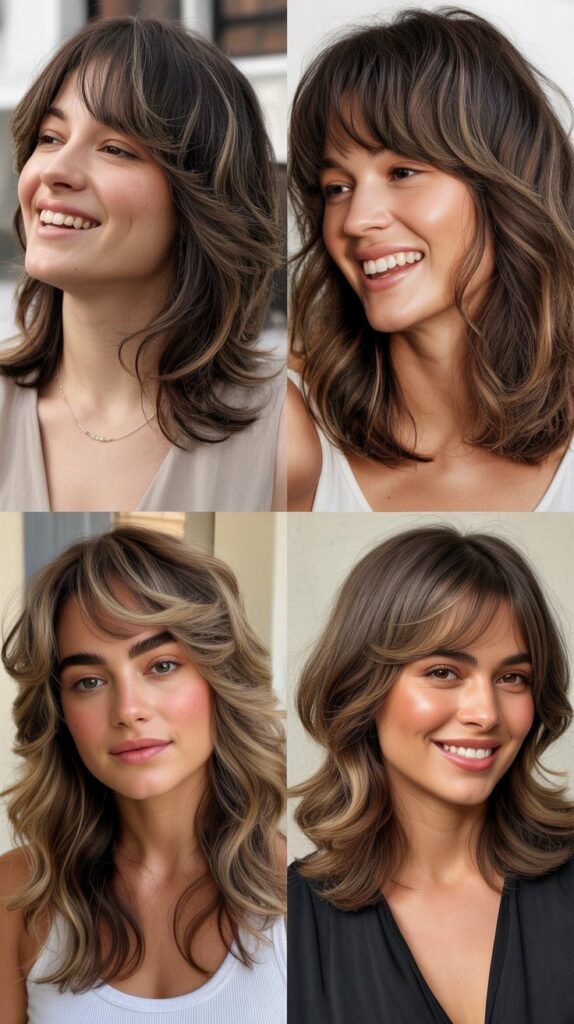
The true power of combining wispy bangs with layered medium hair lies in its remarkable adaptability to diverse needs, preferences, and circumstances.
- This combination works across ages, hair types, face shapes, and personal styles with appropriate customization
- The maintenance level can be scaled from minimal (air-dry with fingers) to elaborate (multiple hot tools and products) based on your commitment
- Both professional and casual settings accommodate this style, making it practical for complex modern lives with varied demands
- The volume-enhancing effect addresses one of the most common hair concerns without requiring permanent texture treatments or excessive product
- Growing trends toward authenticity and low-maintenance beauty align perfectly with wispy bangs’ forgiving, natural quality
- Unlike many styles that require starting over when you tire of them, wispy bangs can be grown into curtain bangs or gradually blended away
- The enduring appeal of this combination suggests it transcends temporary trends to represent a fundamentally flattering approach to medium-length hair
Conclusion
The journey through 67 soft and chic wispy bangs with layers for medium hair that add instant volume reveals that this timeless style combination offers far more than simple aesthetic appeal.
From understanding the technical cutting methods that create the perfect wispy texture to mastering daily styling routines, managing the look across seasons and life stages, and troubleshooting common challenges, achieving and maintaining this flattering hairstyle involves knowledge, practice, and commitment.
Whether you’re considering cutting wispy bangs for the first time or seeking to optimize your current style, the comprehensive information throughout this article about 67 soft and chic wispy bangs with layers for medium hair that add instant volume provides the foundation needed to make informed decisions, communicate effectively with your stylist, and develop the skills necessary for beautiful, voluminous results that enhance your natural features and boost your confidence daily.
