Long hair offers endless styling possibilities, but finding the perfect cut can transform your entire look from ordinary to extraordinary.
Whether you’re seeking a dramatic change or a subtle refresh, the right haircut can add movement, dimension, and personality to your lengthy locks.
This comprehensive guide explores 27+ cute haircuts for long hair you’ll want to try, featuring everything from classic layers and face-framing bangs to modern shag cuts and textured ends.
You’ll discover styles that work for every face shape, hair texture, and lifestyle—from low-maintenance cuts that air-dry beautifully to statement-making styles that turn heads.
Each option is designed to enhance your natural beauty while keeping the length you love, proving that you don’t have to sacrifice your long hair to achieve a fresh, fashion-forward appearance.
Get ready to find your next signature look that combines elegance, versatility, and that undeniable cute factor.
1. Long Layered Haircut
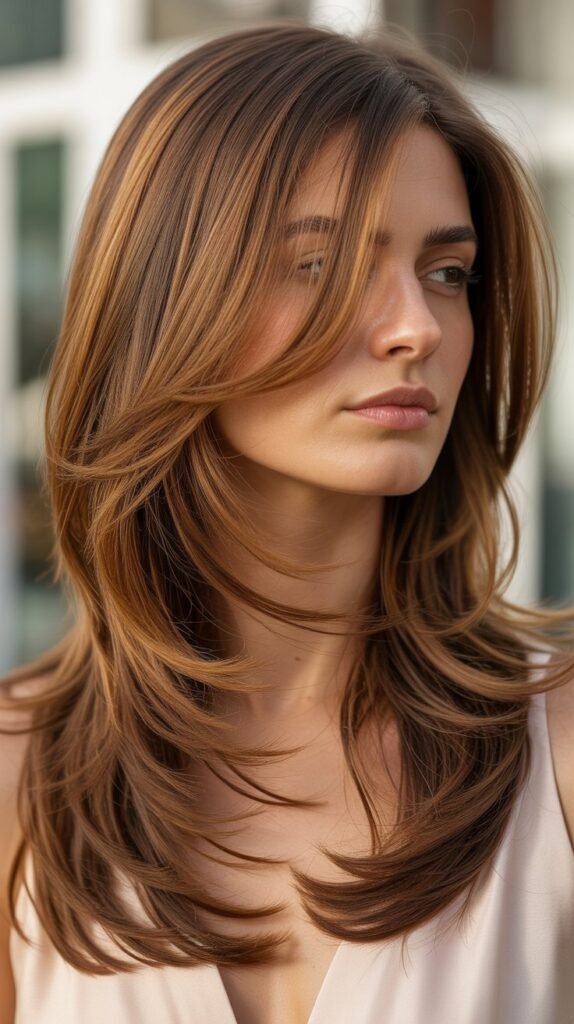
Layers remain the most popular choice for long hair because they add movement and remove bulk without sacrificing length.
This timeless cut creates dimension throughout your hair, preventing the flat, heavy appearance that sometimes plagues one-length styles.
Long layers work beautifully for all hair textures and can be customized to suit your specific needs.
- The long layered haircut strategically removes weight from thick hair while adding volume to fine strands.
- Layers begin anywhere from chin-level to several inches below the shoulders, depending on your preference.
- This cut creates natural movement that makes your hair appear lighter and more dynamic.
- Face-framing layers draw attention to your best features while softening angular jawlines.
- The style works exceptionally well for women with round, oval, or heart-shaped faces.
- Styling becomes effortless as layers naturally fall into place with minimal effort.
- You can achieve beachy waves, sleek straight looks, or voluminous curls with equal ease.
- Regular trims every 8-10 weeks maintain the shape and prevent split ends from traveling up the hair shaft.
2. Curtain Bangs with Long Hair
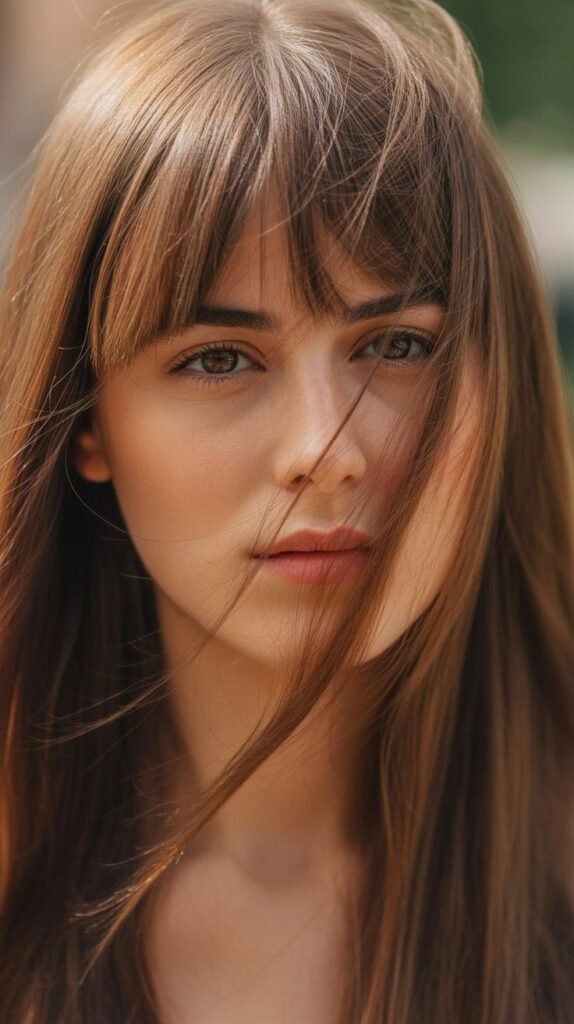
Curtain bangs have become a defining hairstyle trend, offering a softer alternative to blunt bangs while perfectly complementing long hair.
These face-framing pieces part down the middle and sweep to either side, creating a romantic, effortless vibe that recalls 1970s style icons.
The beauty of curtain bangs lies in their versatility and low-maintenance nature.
- Curtain bangs typically start at eyebrow length or slightly longer, gradually blending into your longer layers.
- The center part creates a flattering frame that draws attention to your eyes and cheekbones.
- This style works particularly well for oval, heart-shaped, and square face shapes.
- The bangs can be styled with a round brush for volume or air-dried for a casual, tousled look.
- Unlike blunt bangs, curtain bangs grow out gracefully and require less frequent trimming.
- They add youthfulness to your appearance without the commitment of full fringe.
- The style pairs beautifully with both straight and wavy hair textures.
- You can pin them back when desired, offering styling flexibility for different occasions.
3. V-Cut Layers for Long Hair
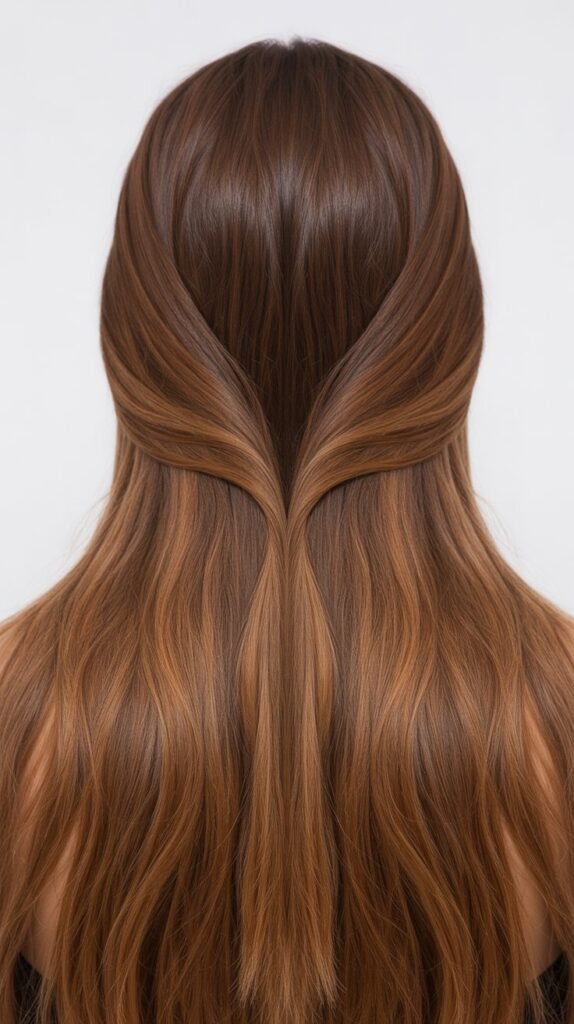
The V-cut creates a distinctive pointed shape at the back of your hair, forming a dramatic “V” silhouette when viewed from behind.
This geometric cut adds visual interest while maintaining maximum length at the center back.
The V-cut works particularly well for those who want to showcase their hair’s length while adding shape and dimension.
- The V-cut features shorter layers on the sides that gradually lengthen toward a central point at the back.
- This cut creates a slimming effect that elongates the neck and draws the eye downward.
- The pointed shape adds movement and prevents hair from appearing boxy or blunt.
- Face-framing pieces are typically incorporated to balance the dramatic back shape.
- This style works beautifully for straight to wavy hair textures that can showcase the geometric lines.
- The V-cut appears especially striking when hair is worn down or in a low ponytail.
- Subtle highlights or balayage enhance the dimensional quality of this cut.
- Regular maintenance every 10-12 weeks keeps the V-shape crisp and defined.
4. Long Shag Haircut
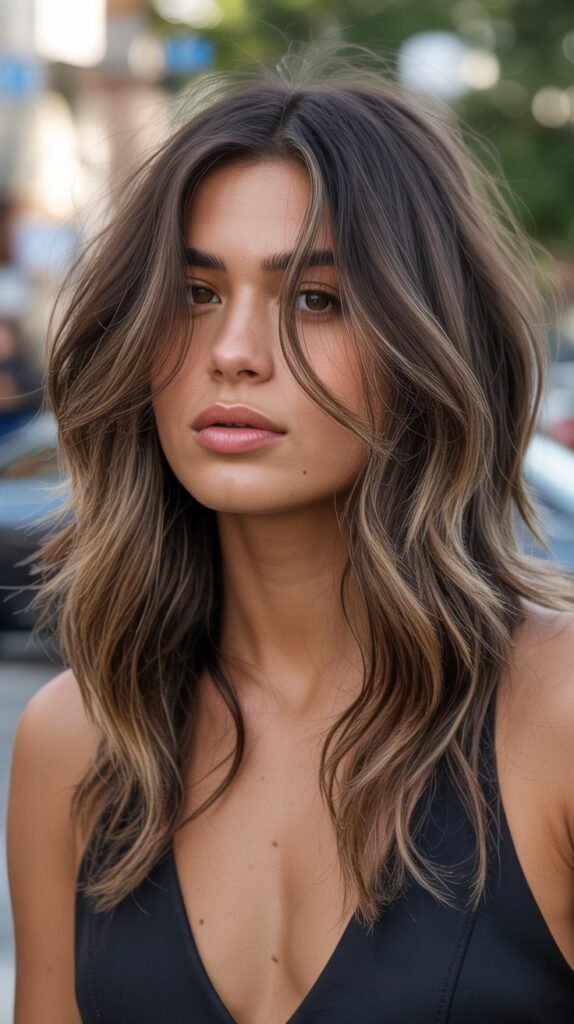
The modern long shag brings rock-and-roll attitude to lengthy locks with choppy layers, textured ends, and effortless movement.
This edgy cut has evolved from its 1970s origins into a contemporary style that works for fashion-forward individuals seeking a laid-back yet polished appearance.
The long shag proves that long hair can be both elegant and rebellious.
- The long shag features heavily layered pieces throughout, creating maximum texture and movement.
- Shorter layers begin around the crown, adding volume and lift at the roots.
- The choppy, piece-y texture prevents hair from looking too polished or structured.
- This cut works exceptionally well for fine to medium hair textures that benefit from added dimension.
- Bangs—whether curtain, wispy, or choppy—complement the shag aesthetic perfectly.
- The style can be worn tousled and messy for casual days or smoothed for more refined occasions.
- Texturizing products enhance the piece-y separation and lived-in quality.
- The long shag requires minimal styling effort, making it ideal for busy lifestyles.
5. Butterfly Haircut for Long Hair
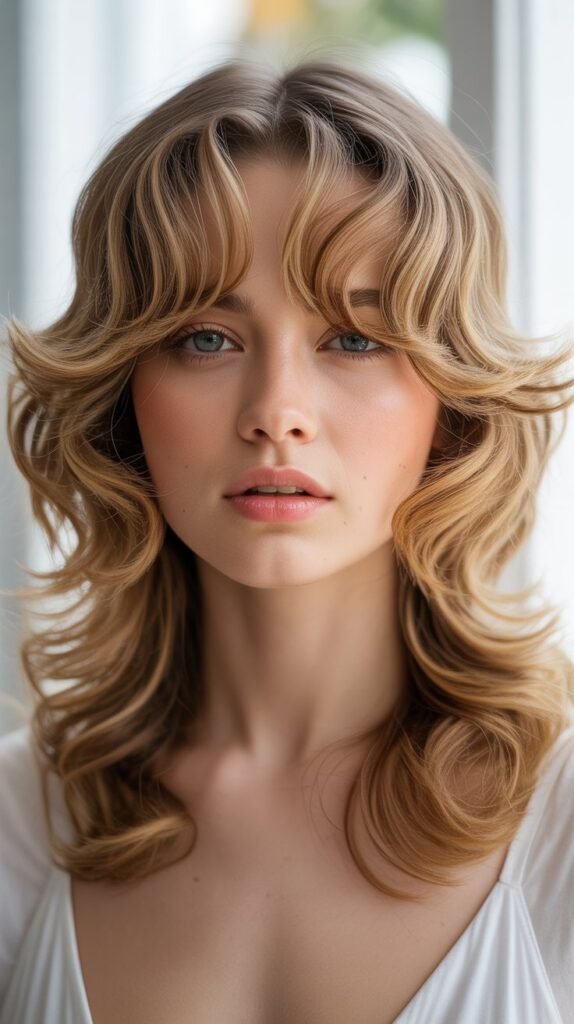
The butterfly haircut takes inspiration from the insect’s wing shape, featuring shorter layers around the crown that create volume and movement reminiscent of butterfly wings.
This trendy cut went viral on social media for good reason—it adds incredible dimension while maintaining length.
The butterfly cut offers the perfect balance between dramatic layering and flowing length.
- The defining feature includes heavily layered pieces around the face and crown area.
- Shorter layers begin at cheek or chin-level, creating maximum lift and volume on top.
- The layers gradually lengthen as they move toward the back, maintaining substantial length.
- This cut creates a flattering frame that highlights cheekbones and softens facial features.
- The butterfly haircut works beautifully for all face shapes, particularly round and square faces.
- Natural texture becomes enhanced as shorter layers spring up and create movement.
- The style appears especially stunning when hair is styled with loose waves or curls.
- Regular trims every 8-10 weeks maintain the distinctive butterfly shape and volume.
6. Long Hair with Side-Swept Bangs
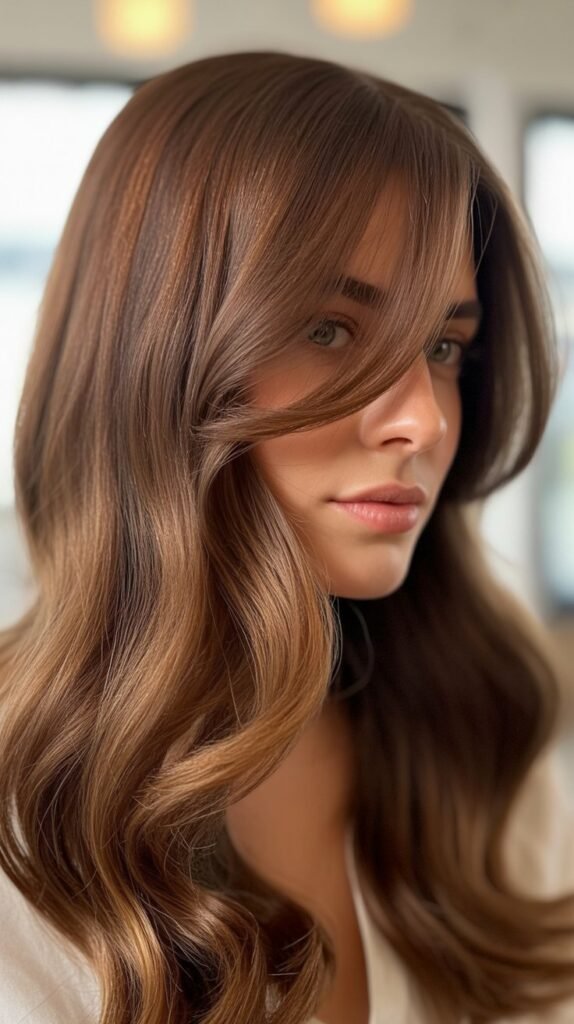
Side-swept bangs offer a universally flattering option that adds softness and sophistication to long hair.
This classic style works for virtually every face shape and hair texture, providing an elegant frame that draws attention to your eyes.
Side bangs create asymmetry that adds interest without requiring a dramatic commitment.
- Side-swept bangs typically start above the eyebrow and angle diagonally across the forehead.
- The length allows for versatility—you can sweep them dramatically or blend them subtly with your hair.
- This style particularly flatters square and round face shapes by creating angular lines.
- Side bangs can be cut thick and heavy or soft and wispy, depending on your preference.
- The style requires minimal daily maintenance beyond a quick blow-dry or flat iron.
- You can easily pin them back or incorporate them into updos when desired.
- Side-swept bangs grow out more gracefully than blunt, straight-across fringe.
- The cut pairs beautifully with both layered and one-length long hair styles.
7. Long Hair with Face-Framing Layers
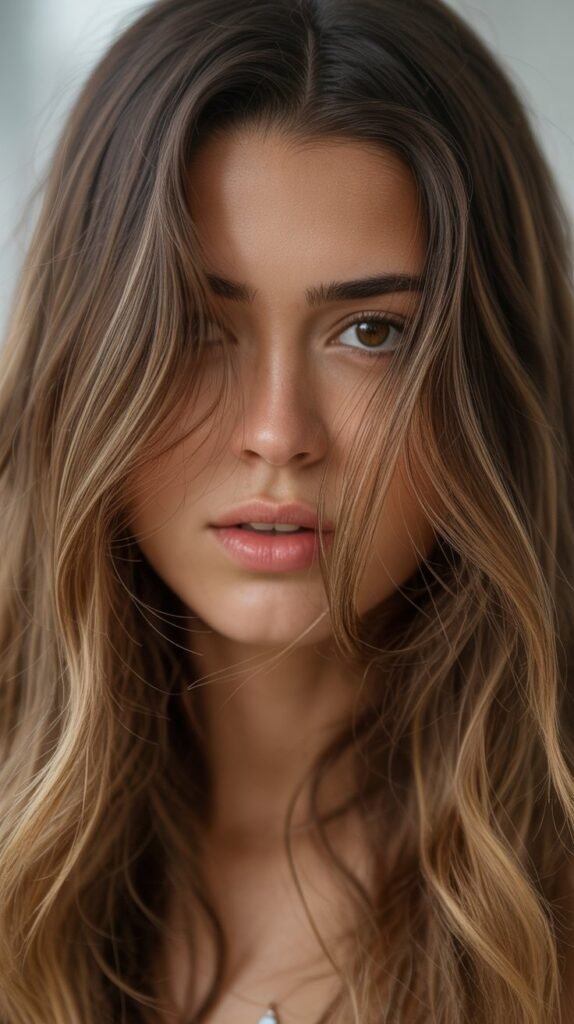
Face-framing layers concentrate shorter pieces around your face while keeping the bulk of your hair at maximum length.
This strategic cutting technique highlights your facial features and creates dimension without drastically changing your overall silhouette.
Face-framing layers offer the perfect solution for those who want subtle change with dramatic impact.
- The shortest layers typically begin at cheekbone or chin-level, gradually blending into longer lengths.
- These strategic pieces draw attention to your eyes, cheekbones, and jawline.
- Face-framing layers can be customized to suit your specific face shape and features.
- The style works equally well for straight, wavy, and curly hair textures.
- You can style these pieces with a round brush for volume or let them air-dry for casual texture.
- The layers add movement around your face without removing overall weight or length.
- This cut requires less maintenance than full layers throughout your entire head.
- Face-framing pieces naturally blend as they grow, requiring trims every 10-12 weeks.
8. Blunt Cut with Long Hair
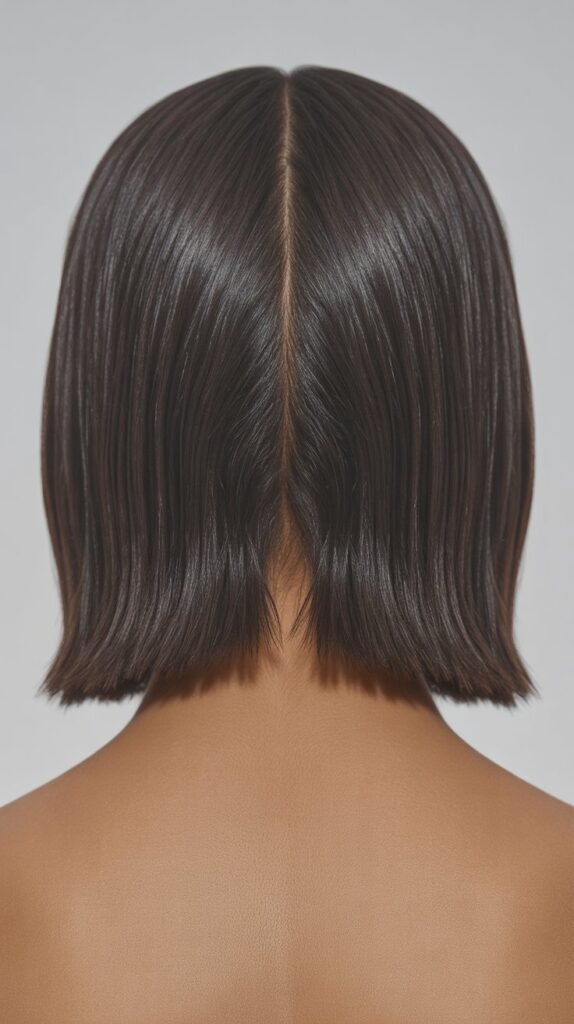
The blunt cut creates a bold, modern statement with its ruler-straight, one-length hemline.
This precise geometric cut has become increasingly popular for its sleek, polished appearance and strong visual impact.
While it may seem simple, the blunt cut requires expert execution and works best for those seeking a minimalist, high-fashion aesthetic.
- The blunt cut features hair cut straight across at one uniform length, typically between mid-back and waist-level.
- This style creates a thick, full appearance at the ends, making hair look denser and healthier.
- The geometric precision of the cut requires exceptionally healthy hair without split ends.
- Blunt cuts work best for straight to slightly wavy hair textures that showcase the clean line.
- The style appears particularly striking with solid, rich hair colors or subtle balayage.
- Regular trims every 6-8 weeks maintain the crisp, precise edge.
- This cut requires minimal styling—simply blow-dry smooth or air-dry for natural texture.
- The blunt cut pairs beautifully with center parts, side parts, or sleek pulled-back styles.
9. Long Bohemian Waves with Layers
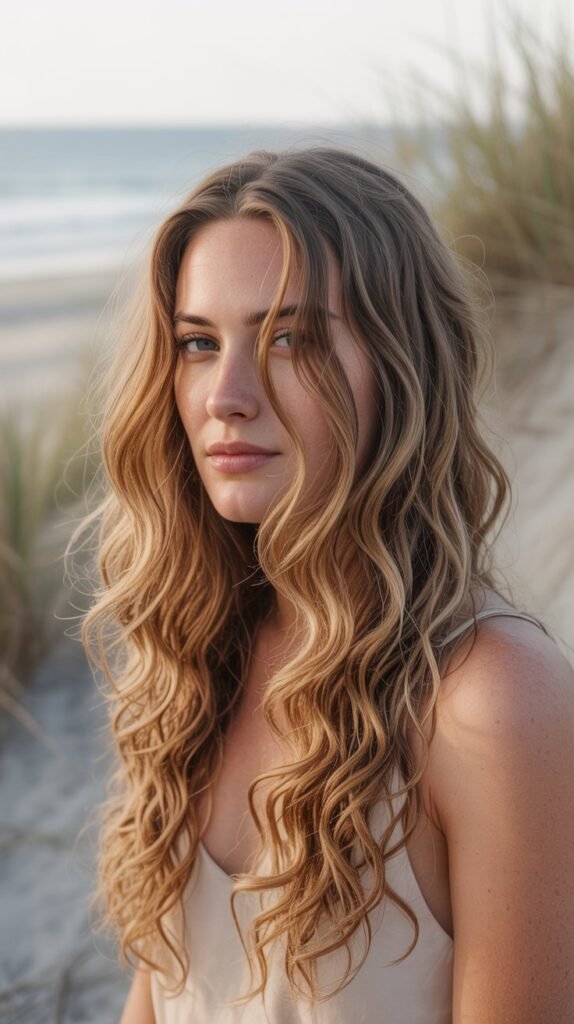
Bohemian waves combine effortless texture with strategic layering to create a romantic, free-spirited look.
This style captures the essence of beachy, windswept hair while maintaining a polished, intentional appearance.
Long bohemian waves work beautifully for those who want their hair to look naturally beautiful without appearing overly styled.
- This style features soft, loose waves that begin mid-shaft and continue through the ends.
- Layers throughout create movement and prevent the waves from looking heavy or triangular.
- The cut typically includes longer layers that start at shoulder-level or below.
- Bohemian waves work for all hair textures, though naturally wavy hair achieves this look most easily.
- The style can be created with large-barrel curling irons, wands, or braiding techniques.
- Sea salt spray and texturizing products enhance the tousled, lived-in quality.
- This low-maintenance style looks beautiful even as it falls throughout the day.
- The cut requires trims every 10-12 weeks to maintain healthy ends and optimal wave formation.
10. Long Layered Bob (Lob) Extension
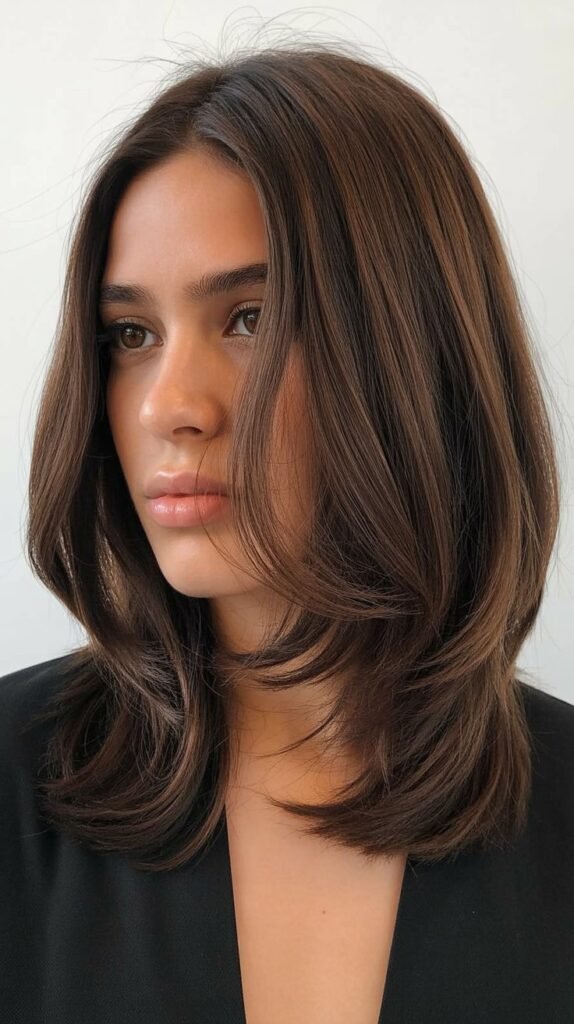
The long layered bob, affectionately called the “lob,” hovers between chin and shoulder-length, creating a sophisticated style that feels both contemporary and timeless.
When grown out into longer lengths, this cut maintains its layered structure while adding versatility.
The extended lob offers the best of both worlds—manageable length with the movement of layers.
- This cut typically features hair that extends from collarbone to several inches below the shoulders.
- Layers throughout create dimension and prevent the style from appearing bottom-heavy.
- The extended lob works exceptionally well for those transitioning from shorter to longer hair.
- Face-framing pieces add interest and create a flattering silhouette for all face shapes.
- This versatile cut can be styled straight, wavy, or curly with equal success.
- The length allows for ponytails and simple updos while still feeling manageable.
- The layered structure reduces styling time compared to one-length hair.
- Regular trims every 8-10 weeks maintain the shape and health of this cut.
11. Long Hair with Wispy Bangs
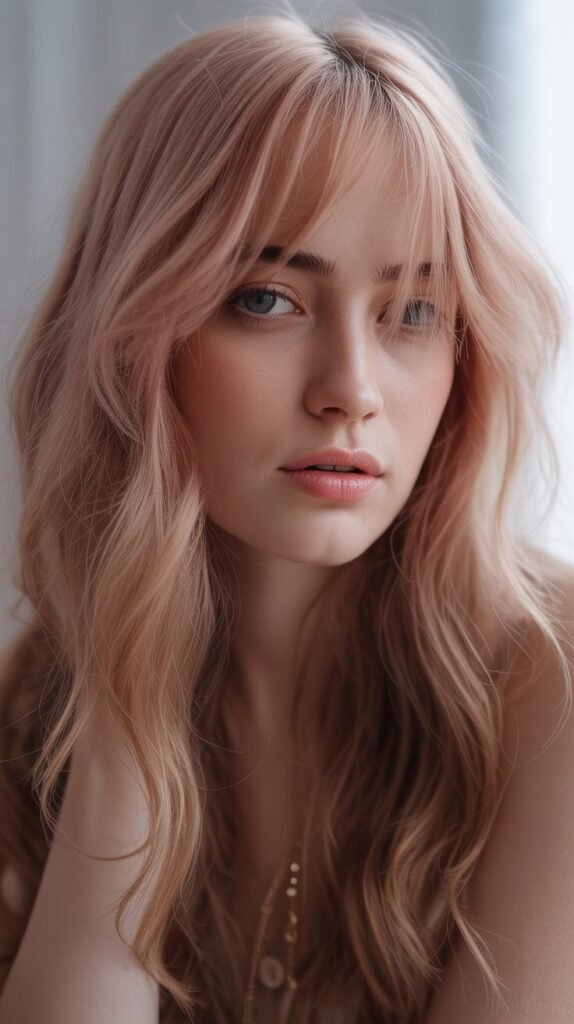
Wispy bangs bring a soft, delicate quality to long hair with their feathered, see-through texture.
Unlike heavier bang styles, wispy bangs feel light and airy, creating a youthful, romantic appearance.
This gentle framing option works particularly well for those hesitant about committing to full bangs.
- Wispy bangs feature thin, textured pieces that allow glimpses of your forehead to show through.
- The bangs typically fall between eyebrow and eyelash-level, depending on preference.
- This style creates a soft frame that doesn’t overwhelm smaller or more delicate facial features.
- Wispy bangs work beautifully for fine to medium hair textures.
- The see-through quality makes them appear less dramatic and easier to grow out gracefully.
- You can style them with a round brush for lift or simply air-dry for natural texture.
- The light, feathered texture blends seamlessly with face-framing layers.
- Maintenance requires touch-up trims every 4-6 weeks to maintain the wispy texture.
12. Long Feathered Haircut
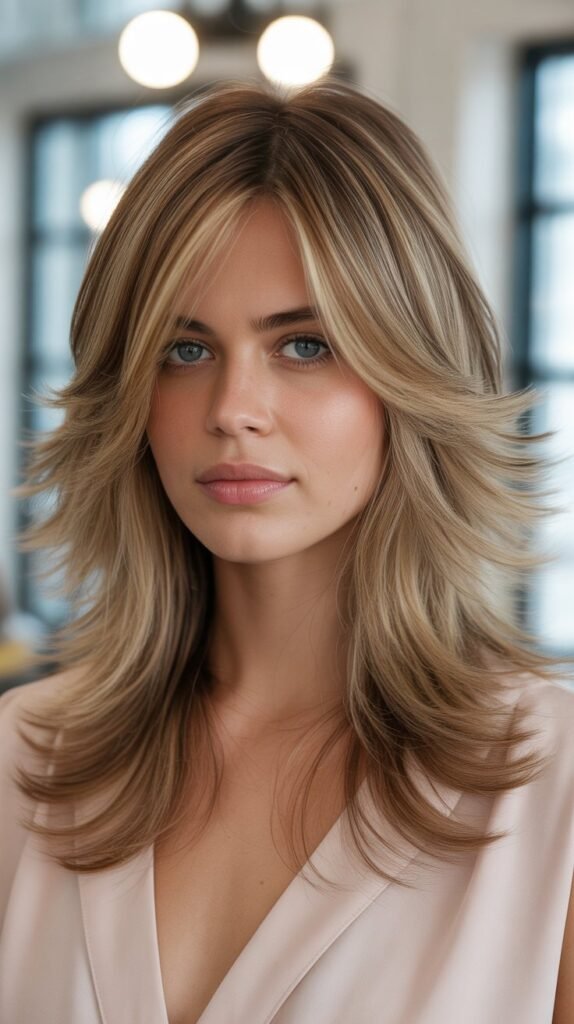
The feathered haircut brings back the beloved technique from the 1970s with a modern twist, creating soft, fluttery layers that move beautifully.
This technique uses a razor or point-cutting method to create wispy, textured ends that resemble bird feathers.
The long feathered cut adds incredible softness and movement to lengthy locks.
- Feathering creates soft, tapered ends rather than blunt, heavy ones throughout your layers.
- The technique works particularly well for thick hair that needs weight removed.
- Layers are cut at angles that create a flipped-out, fluttery effect at the ends.
- This style adds natural-looking volume and movement without requiring extensive styling.
- Feathered cuts work beautifully with blow-drying techniques that enhance the flipped ends.
- The soft texture creates a feminine, romantic appearance that flatters most face shapes.
- This cut pairs exceptionally well with highlights that emphasize the textured, dimensional layers.
- Regular trims every 8-10 weeks maintain the feathered texture and prevent frizzy ends.
13. Long Hair with Asymmetrical Layers
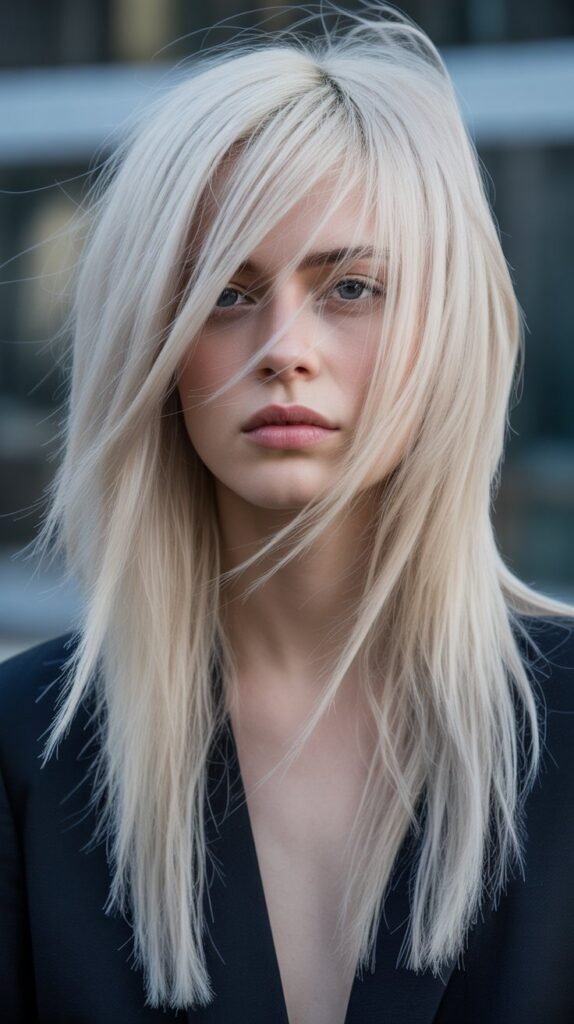
Asymmetrical layers create visual interest through intentionally uneven cutting that places more emphasis on one side.
This edgy approach to layering adds a fashion-forward element while maintaining the functionality of traditional layers.
Asymmetrical cuts work beautifully for those wanting to stand out with a unique, personalized style.
- One side features noticeably shorter layers while the opposite side maintains longer lengths.
- The asymmetry creates dynamic movement and draws the eye across your face.
- This style works particularly well when paired with a deep side part that emphasizes the difference.
- Asymmetrical layers can be subtle or dramatic, depending on your comfort level.
- The cut flatters various face shapes by creating diagonal lines and visual interest.
- You can style the shorter side tucked behind your ear to emphasize the asymmetry.
- This cut requires a skilled stylist who understands how to balance uneven lengths.
- Maintenance trims every 8-10 weeks preserve the intentional asymmetrical shape.
14. Long Hair with Money Pieces
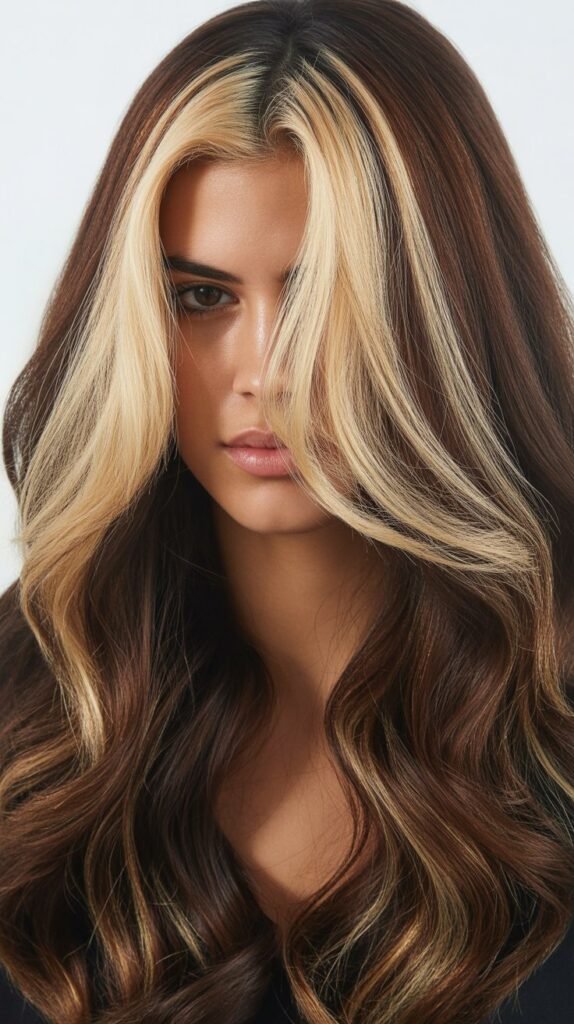
Money pieces refer to the bright, face-framing highlights that create a striking contrast against darker base colors.
When combined with a well-executed haircut featuring face-framing layers, these bold highlights become even more prominent.
This color-and-cut combination creates dimension and draws attention to your facial features.
- Money pieces typically consist of two chunky highlights framing the face on either side of your part.
- The highlights are usually 2-4 shades lighter than your base color for maximum impact.
- Face-framing layers enhance the visibility and impact of the money piece highlights.
- This combination works beautifully for all hair colors, from dark brunettes to medium blondes.
- The style creates a brightening effect around your face similar to strategic contouring.
- Money pieces require less maintenance than full highlights since they’re concentrated in one area.
- The cut and color combination offers versatility for both everyday and special occasion styling.
- Touch-ups every 8-12 weeks maintain the brightness and contrast of the money pieces.
15. Long Textured Ends
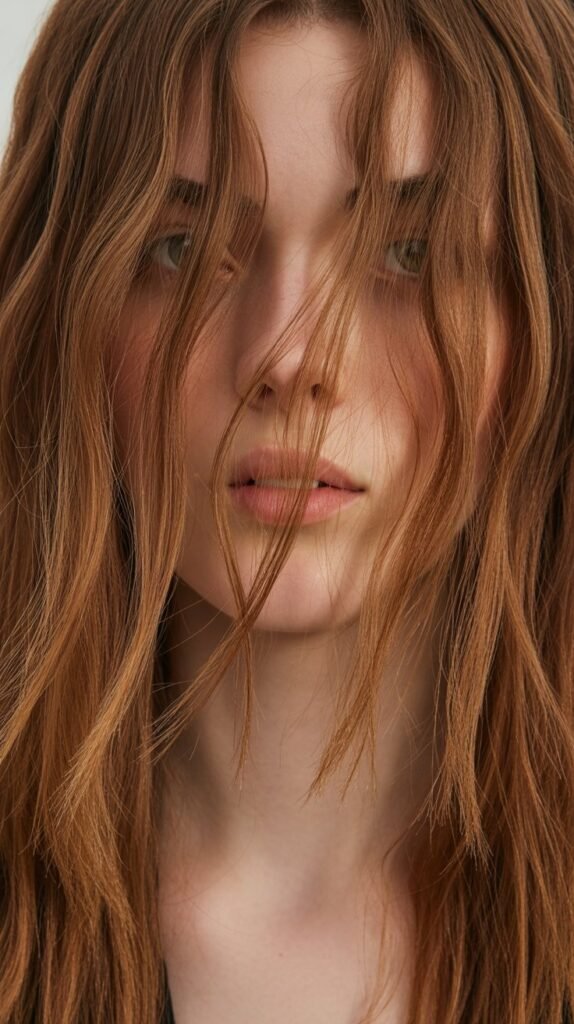
Long textured ends focus on creating interest and dimension specifically at the bottom portion of your hair.
This technique uses point-cutting, razoring, or texturizing shears to create piece-y, undone ends that prevent your hair from looking too perfect or helmet-like.
Textured ends add a modern, lived-in quality to long hair.
- The texturing technique removes weight specifically from the last few inches of your hair.
- Point-cutting creates soft, irregular ends rather than a blunt, straight line.
- This approach works exceptionally well for thick hair that tends to look heavy at the ends.
- Textured ends prevent the bottom of your hair from appearing too bulky or triangular.
- The piece-y quality enhances wavy and curly hair by allowing individual pieces to separate.
- This technique pairs beautifully with balayage or ombre color that emphasizes the textured pieces.
- Styling products like texturizing spray or sea salt spray enhance the piece-y separation.
- Regular trims every 10-12 weeks maintain healthy, textured ends without split ends.
16. Long Hair with Choppy Layers
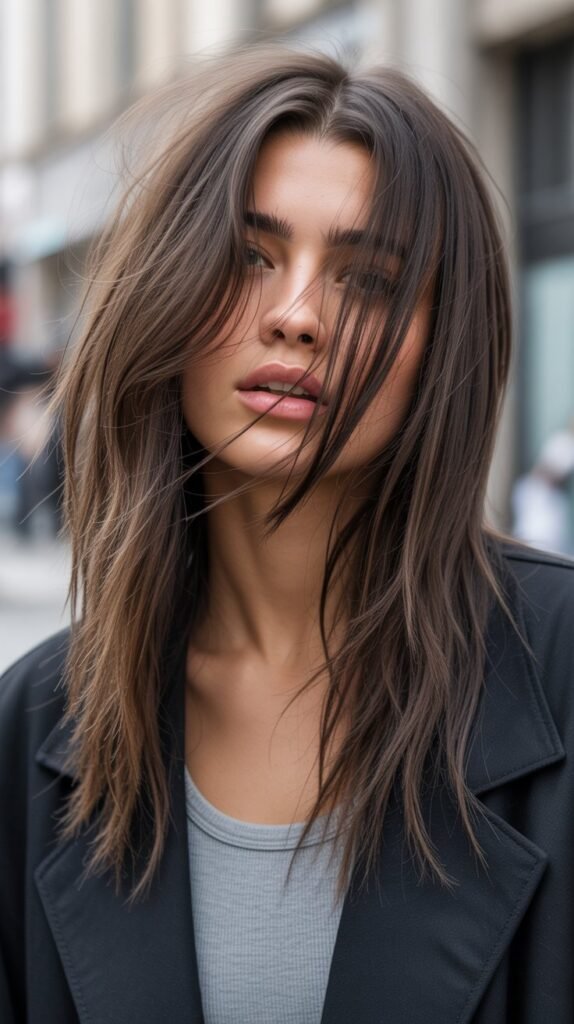
Choppy layers bring an edgy, rock-and-roll aesthetic to long hair with their intentionally uneven, piece-y appearance.
This cutting technique creates maximum texture and movement while maintaining substantial length.
Choppy layers work beautifully for those seeking a fashion-forward look that doesn’t require perfect styling.
- Choppy layers are cut with point-cutting or razor techniques that create irregular, jagged ends.
- The layers are intentionally disconnected, creating gaps and separation for texture.
- This style adds volume and movement throughout your hair rather than just at the ends.
- Choppy layers work particularly well for straight to slightly wavy hair textures.
- The cut creates a cool, effortless vibe that looks intentionally undone.
- You can enhance the choppy texture with styling products designed for separation and definition.
- This style works beautifully with edgier hair colors like platinum blonde or jet black.
- Maintenance every 8-10 weeks preserves the choppy texture and prevents overgrown layers.
17. Long U-Cut Layers
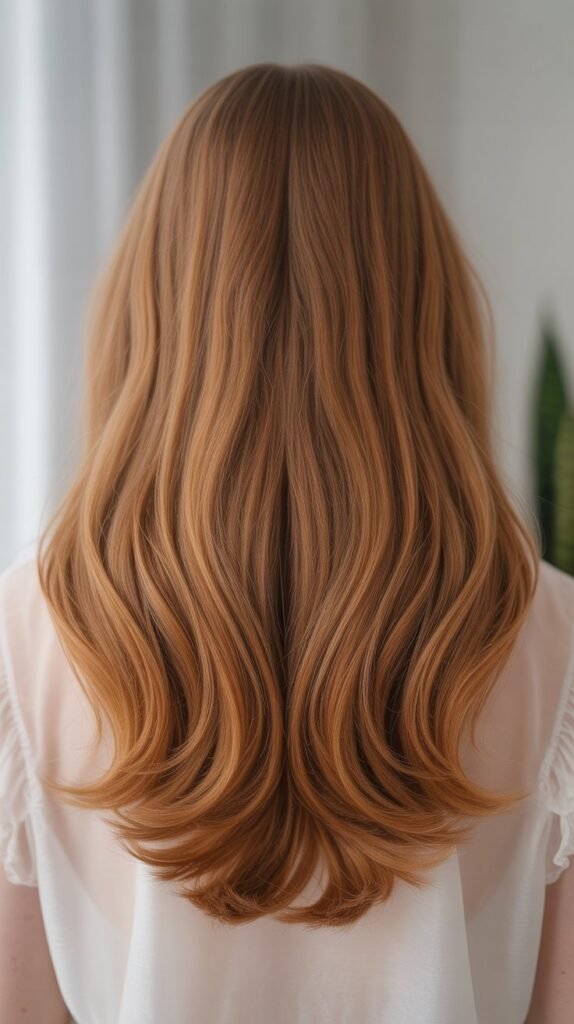
The U-cut creates a soft, rounded shape at the back of your hair, forming a gentle “U” curve when viewed from behind.
This feminine cut offers a softer alternative to the dramatic V-cut while still providing shape and dimension.
The U-cut maintains fullness on the sides while creating a graceful curve at the bottom.
- The U-cut features layers that gradually increase in length from the sides toward the center back.
- This creates a soft, rounded horseshoe shape that appears gentle and romantic.
- The cut maintains more weight on the sides compared to the V-cut, creating fullness.
- Face-framing layers typically accompany the U-shape for balance and dimension.
- This style works beautifully for medium to thick hair that can showcase the rounded shape.
- The U-cut appears especially flattering when hair is worn in loose curls or waves.
- The rounded shape creates a feminine silhouette without appearing too structured or geometric.
- Regular trims every 10-12 weeks maintain the soft U-shaped curve.
18. Long Hair with Micro Bangs
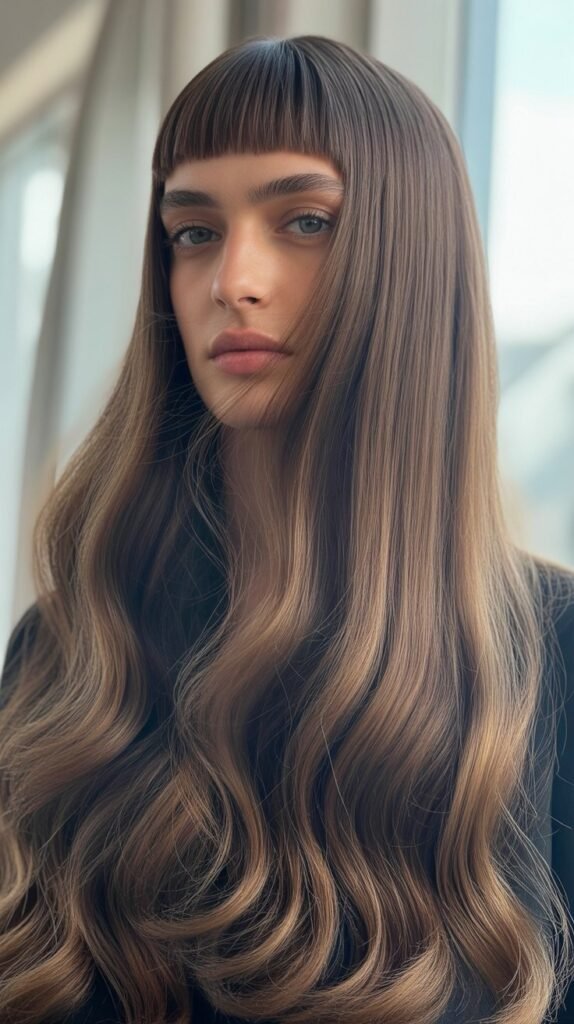
Micro bangs make a bold, avant-garde statement with their ultra-short length that falls well above the eyebrows.
When paired with long hair, this dramatic contrast creates a striking, editorial look.
Micro bangs require confidence and commitment, but they deliver maximum impact for fashion-forward individuals.
- Micro bangs typically end at mid-forehead level or higher, creating a retro-futuristic appearance.
- The extreme contrast between short bangs and long hair creates visual drama.
- This style works best for oval and heart-shaped faces with balanced proportions.
- Micro bangs draw significant attention to your eyes, eyebrows, and facial features.
- The look requires regular maintenance every 2-3 weeks to prevent the bangs from growing out.
- This edgy style pairs beautifully with sleek, straight long hair for maximum contrast.
- Micro bangs can be styled blunt and straight across or with slight texture.
- The commitment level is high, as growing out micro bangs requires patience and transitional styling.
19. Long Layered Hair with Balayage
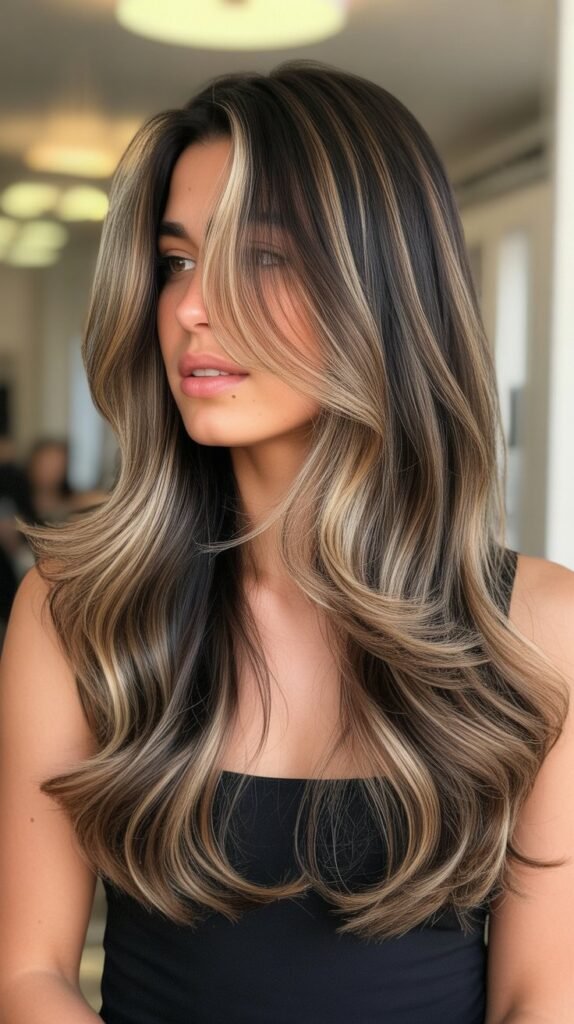
Combining strategically placed layers with hand-painted balayage highlights creates dimensional, sun-kissed perfection.
This color-and-cut combination enhances the movement created by layers while adding depth and richness.
The synergy between well-executed layers and balayage creates a multidimensional masterpiece.
- Layers are placed strategically to showcase the lighter balayage pieces and create movement.
- Balayage highlights are painted onto layers to emphasize dimension and depth.
- The combination creates a natural, sun-kissed appearance that mimics how hair naturally lightens.
- Face-framing layers often receive brighter balayage pieces to illuminate the face.
- This pairing works for all hair colors, from warm brunettes to cool blondes.
- The dimensional quality means your hair appears thick and healthy with enhanced texture.
- Styling becomes easier as the highlights and layers work together to create natural movement.
- Maintenance requires color touch-ups every 12-16 weeks and cuts every 8-10 weeks.
20. Long Hair with Graduated Layers
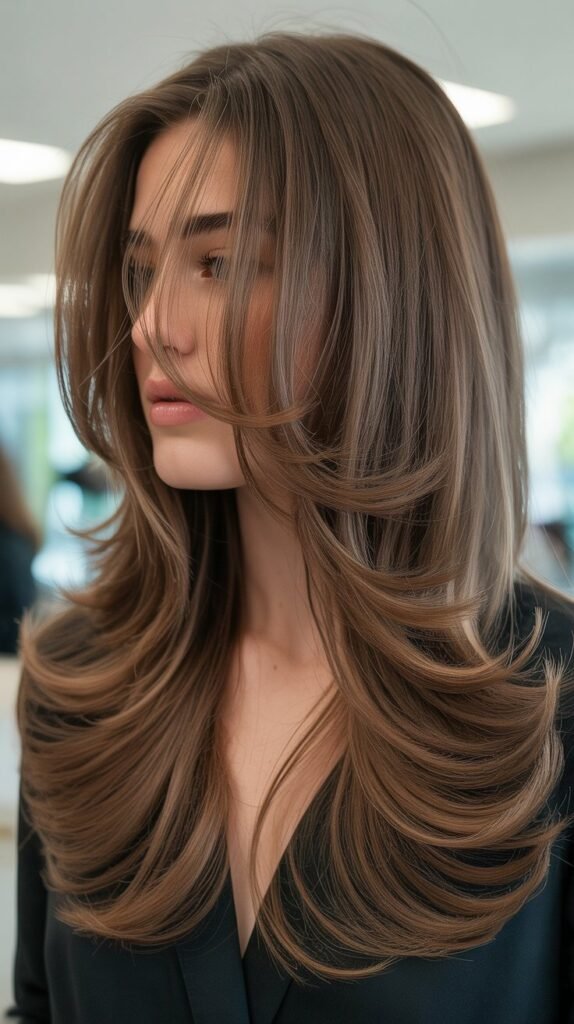
Graduated layers create a stacked effect with shorter layers on top that progressively lengthen toward the bottom.
This technique adds volume at the crown while maintaining length at the ends, creating a flattering silhouette.
Graduated layers work particularly well for fine to medium hair that needs lift and body.
- The shortest layers begin at the crown, creating maximum volume and lift at the top.
- Each subsequent layer is gradually longer, creating a stacked, volumized effect.
- This cutting technique prevents fine hair from lying flat against the head.
- Graduated layers create natural movement and bounce throughout your hair.
- The style works beautifully when blow-dried with a round brush for maximum volume.
- Face-framing pieces are typically incorporated to balance the voluminized crown.
- This cut creates an elegant, polished appearance suitable for professional environments.
- Regular trims every 8-10 weeks maintain the graduated structure and volume.
21. Long Hair with Razored Layers
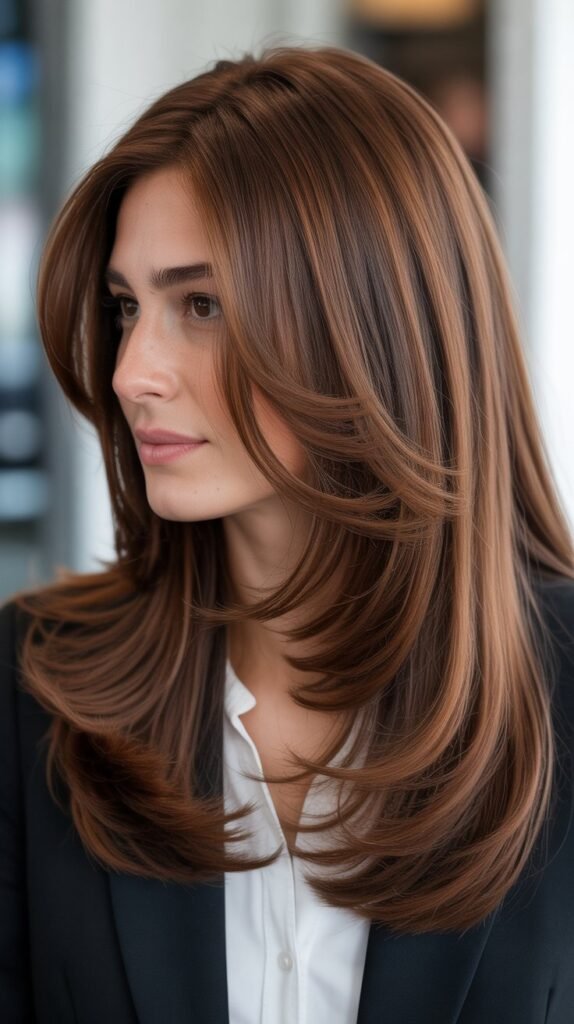
Razored layers utilize a straight razor instead of scissors to create ultra-soft, feathered texture throughout your hair.
This technique produces wispy, irregular ends that create natural-looking movement and dimension.
Razored layers work particularly well for thick, heavy hair that needs thinning and texturizing.
- The razor cutting technique creates softer, more textured ends compared to scissor-cut layers.
- This method removes bulk while adding movement and fluidity to thick hair.
- Razored layers create a piece-y, separated quality that enhances natural texture.
- The technique works beautifully for straight to wavy hair but should be avoided on very curly hair.
- This cutting method produces an effortless, lived-in appearance with minimal styling.
- The softened ends reduce the appearance of a harsh line or weight at the bottom.
- Razored layers pair exceptionally well with beach waves and tousled styling.
- Maintenance requires trims every 8-10 weeks to prevent excessive thinning or wispy ends.
22. Long Hair with Hidden Layers (Internal Layers)
Hidden or internal layers remove weight and bulk from the interior of your hair while maintaining a smooth, one-length appearance on the surface.
This secret weapon creates manageability and movement without dramatically changing your hair’s appearance.
Internal layers work beautifully for thick, heavy hair that needs invisible thinning.
- Internal layers are cut underneath the surface layer, remaining hidden when hair hangs naturally.
- This technique maintains the appearance of blunt, one-length hair while reducing bulk.
- The hidden layers create easier styling and faster drying times for thick hair.
- Your hair maintains its dense appearance while feeling lighter and more manageable.
- This approach works particularly well for those who want length without heaviness.
- The technique allows for versatile styling—sleek straight or voluminous curls both work beautifully.
- Internal layers reduce the triangular, bottom-heavy appearance of very thick hair.
- Maintenance every 10-12 weeks refreshes the internal structure without changing your outer appearance.
23. Long Hair with Swoopy Layers
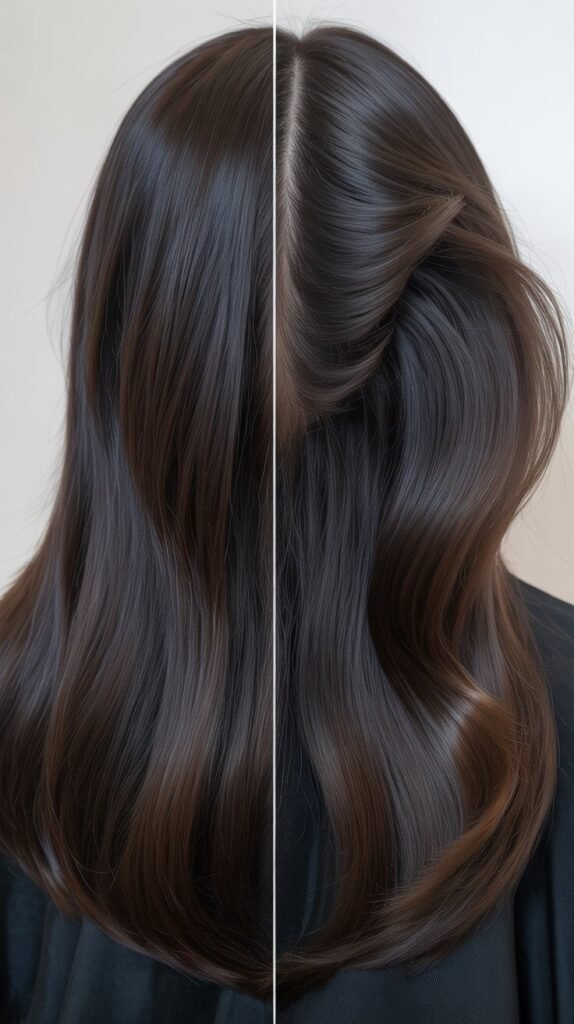
Swoopy layers create soft, curved pieces that frame your face and flow seamlessly into your longer hair.
This feminine cutting technique produces layers that naturally curve under or outward, creating graceful movement.
Swoopy layers offer a romantic, polished alternative to choppy or heavily textured styles.
- Swoopy layers are cut with curved, swooping motions that create rounded, flowing shapes.
- The layers curve gently under or flip outward, creating soft, feminine movement.
- This technique works beautifully when paired with blow-drying or styling with round brushes.
- Face-framing swoopy layers draw attention to your features while maintaining softness.
- The style creates a polished, salon-finished appearance even with minimal styling.
- Swoopy layers work particularly well for straight to slightly wavy hair textures.
- This cut creates vintage-inspired glamour reminiscent of classic Hollywood styling.
- Regular trims every 8-10 weeks maintain the curved shape and flowing movement.
24. Long Hair with Diagonal Forward Layers
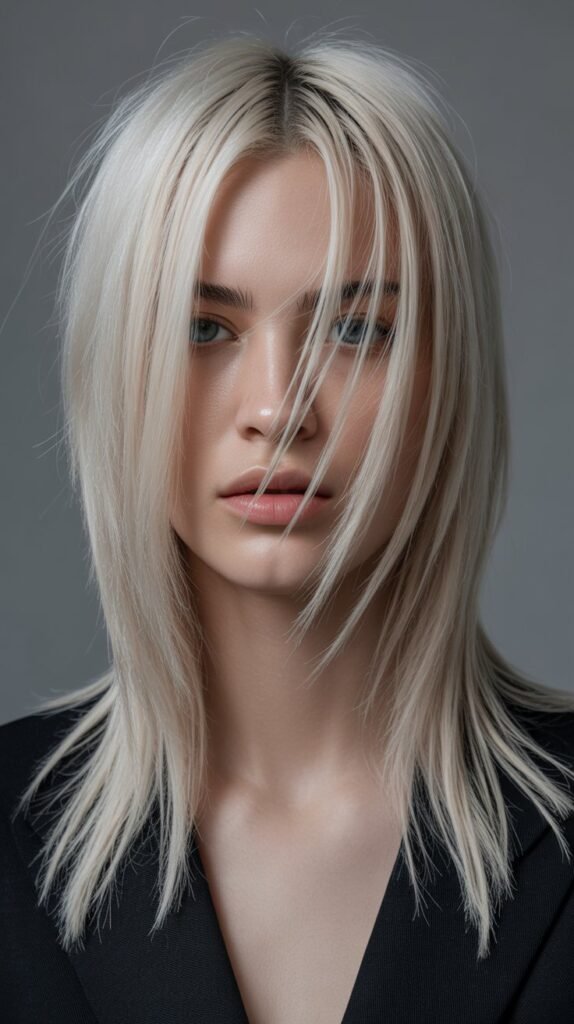
Diagonal forward layers angle toward your face, creating a dramatic, fashion-forward silhouette.
This cutting technique produces layers that are longer in the back and progressively shorter toward the front, emphasizing facial features.
Diagonal layers add architectural interest while maintaining overall length.
- The layers are cut at a diagonal angle, creating the shortest pieces near your face.
- This technique draws the eye forward, emphasizing your facial features and bone structure.
- Diagonal forward layers create dramatic movement when you turn your head.
- The style works particularly well for those wanting to showcase specific facial features.
- This cutting angle naturally frames your face without requiring additional face-framing pieces.
- The architectural quality creates a modern, editorial appearance.
- Diagonal layers work beautifully with both straight and wavy styling.
- Maintenance every 8-10 weeks preserves the intentional diagonal angle and face-framing effect.
25. Long Hair with Peek-a-Boo Layers
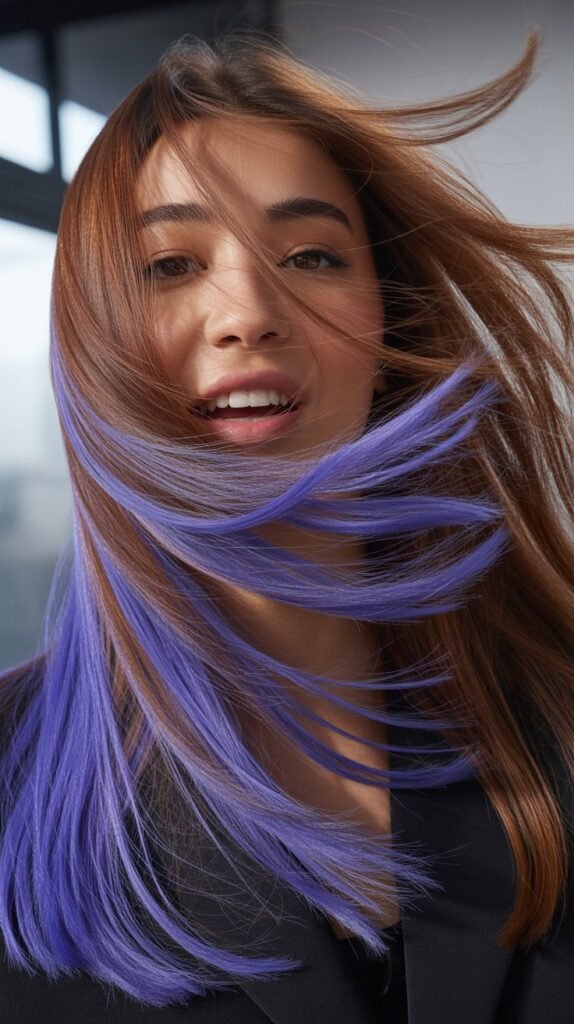
Peek-a-boo layers create surprise and dimension with strategic underlayers that occasionally reveal themselves as you move.
This cutting technique combines visible layers on top with hidden textured layers underneath.
Peek-a-boo layers add secret dimension that creates visual interest without dramatically changing your silhouette.
- The technique involves cutting shorter layers underneath longer surface layers.
- These hidden layers “peek” through when you move, flip your hair, or style it in certain ways.
- Peek-a-boo layers add volume and texture without obvious, heavy layering throughout.
- The style works particularly well when combined with peek-a-boo color underneath.
- This cutting method creates surprise dimension that reveals itself with movement.
- You can showcase the peek-a-boo layers by curling or styling your hair with volume.
- The hidden layers maintain a sleek appearance when hair is worn straight and smooth.
- Maintenance every 10-12 weeks refreshes both visible and hidden layers.
26. Long Hair with Soft A-Line Layers
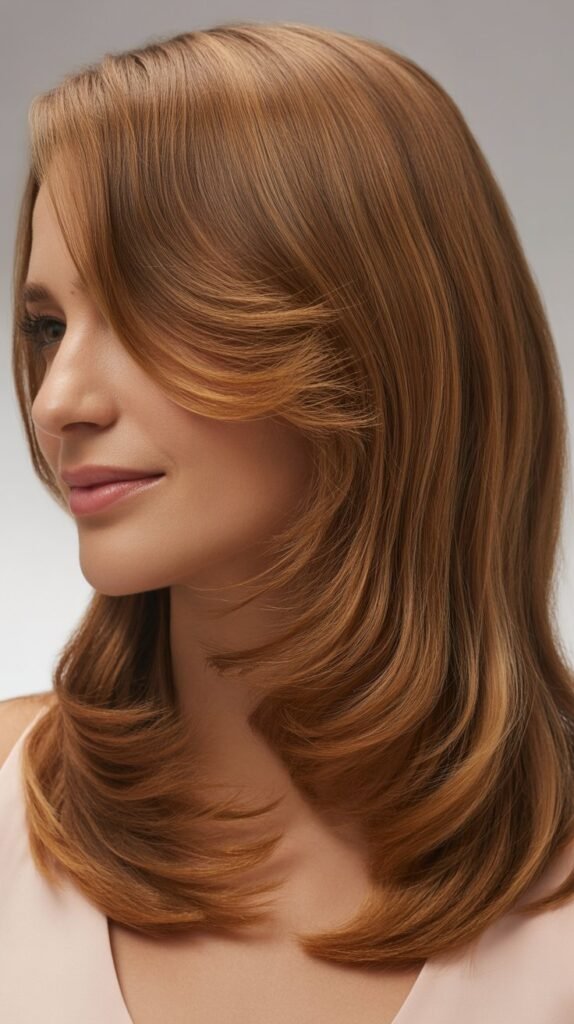
Soft A-line layers create a gentle graduation where hair is slightly shorter in the front and gradually lengthens toward the back.
This subtle variation on classic layers adds shape without dramatic difference.
The soft A-line creates a flattering frame that works beautifully for most face shapes.
- The front pieces fall slightly shorter than the back, creating a soft angle.
- This technique is more subtle than a traditional A-line bob but uses the same principle.
- The gentle graduation adds interest without drastically changing your hair’s length.
- Soft A-line layers work particularly well for oval, round, and heart-shaped faces.
- The style naturally frames your face and draws attention to your jawline.
- This cutting technique maintains fullness throughout while adding subtle dimension.
- The A-line shape becomes more visible when hair is worn smooth and straight.
- **Regular trims every 8-10
weeks maintain the soft angled shape and prevent the front from becoming too long.**
27. Long Hair with Waterfall Layers
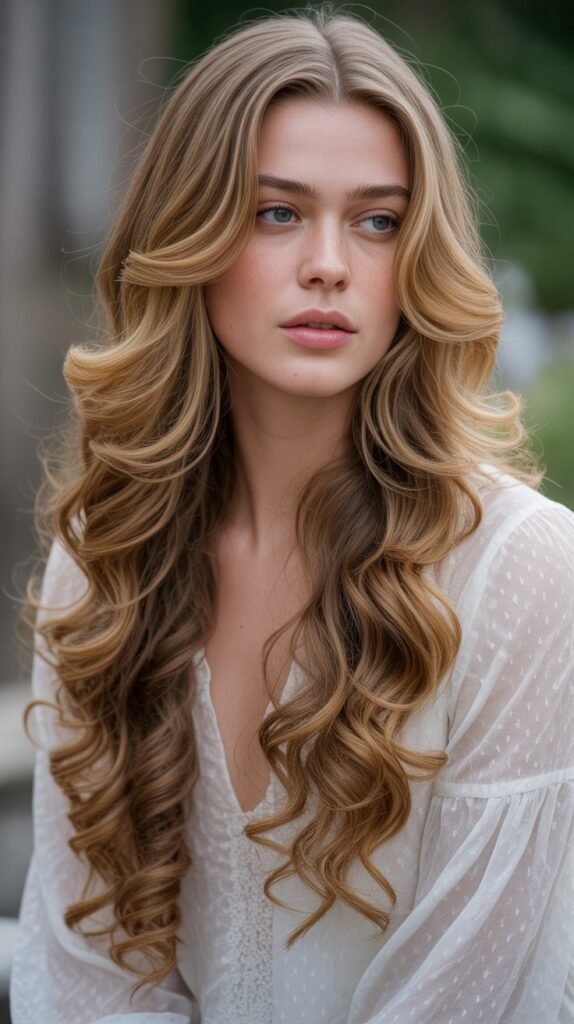
Waterfall layers cascade down your hair like a flowing waterfall, with each layer distinctly visible and beautifully blended into the next.
This cutting technique creates obvious, romantic layers that add maximum movement and dimension.
Waterfall layers transform flat, heavy hair into a flowing, dynamic masterpiece.
- Each layer is cut to be visibly distinct yet seamlessly blended, creating a cascading effect.
- The layers typically begin at shoulder-level and continue down in gradual increments.
- This technique creates maximum movement and prevents hair from appearing heavy or flat.
- Waterfall layers work beautifully for all hair textures, especially wavy and curly hair.
- The cascading effect becomes enhanced when hair is styled with loose waves or curls.
- This style creates a romantic, feminine appearance perfect for special occasions.
- The distinct layers add incredible dimension that catches light beautifully.
- Maintenance every 8-10 weeks keeps the waterfall effect fresh and prevents blending into one length.
28. Long Hair with Disconnected Layers
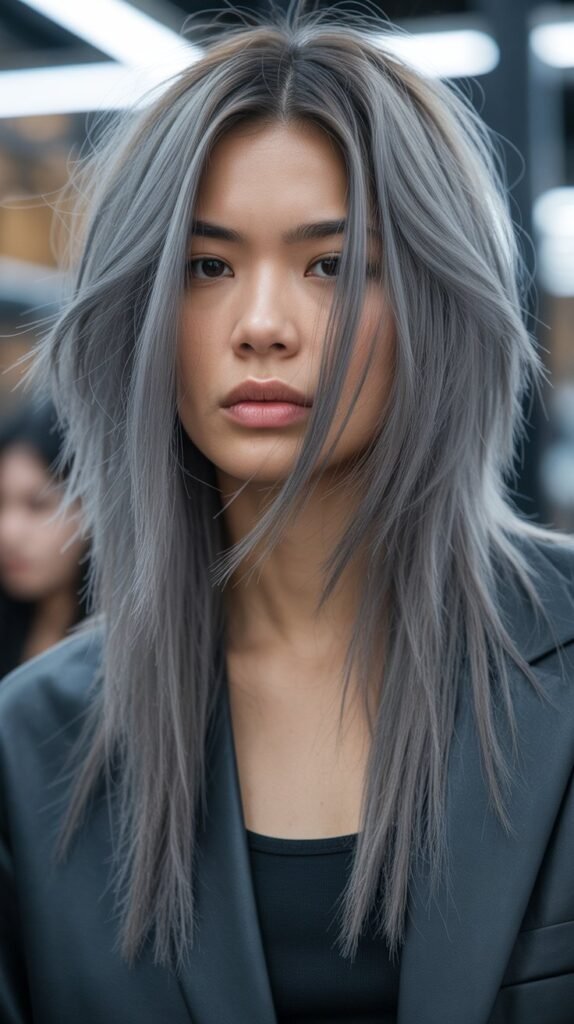
Disconnected layers feature intentional gaps between layer lengths, creating a modern, edgy texture.
Unlike traditional blended layers, disconnected layers maintain distinct separation for dramatic effect.
This avant-garde cutting technique appeals to fashion-forward individuals seeking unique, statement-making styles.
- Layers are cut with deliberate spaces between them rather than gradual blending.
- The disconnection creates visible separation and texture throughout your hair.
- This technique adds volume and movement while maintaining a contemporary, editorial appearance.
- Disconnected layers work particularly well for straight to wavy hair that showcases the separation.
- The style creates an intentionally undone, piece-y quality that looks effortlessly cool.
- You can enhance the disconnected effect with texturizing products and styling techniques.
- This cutting method pairs beautifully with bold hair colors or creative color placement.
- Regular maintenance every 8-10 weeks preserves the intentional disconnection and prevents accidental blending.
29. Long Hair with Slide Cutting Layers
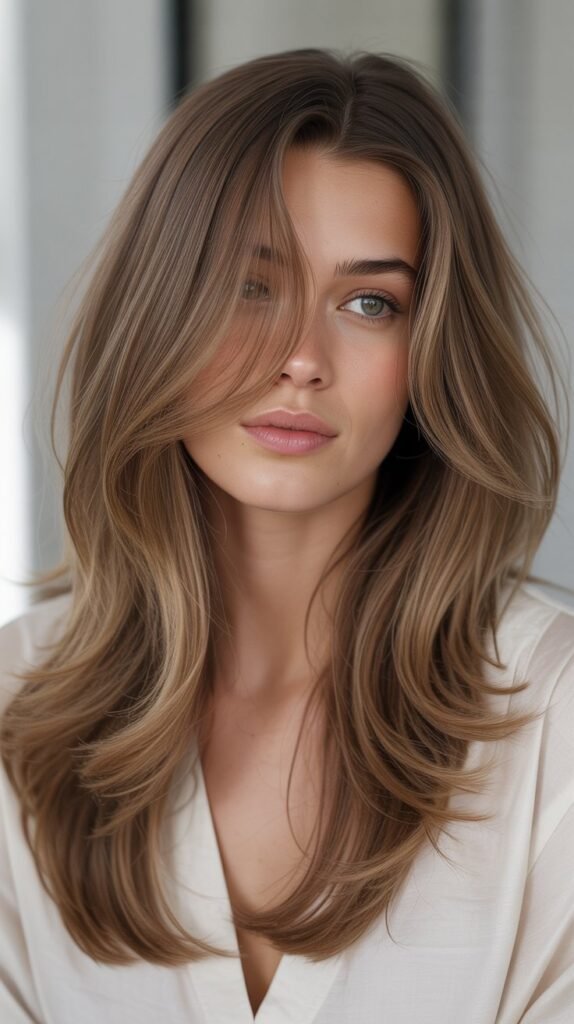
Slide cutting creates ultra-soft, diffused layers using a specialized scissors technique where the stylist slides the shears down the hair shaft.
This method produces the softest, most blended layers possible, creating seamless transitions. Slide cutting works beautifully for those wanting subtle dimension without harsh lines.
- The slide cutting technique involves closing scissors while sliding them down sections of hair.
- This method creates incredibly soft, diffused layers with imperceptible transitions.
- The result is natural-looking dimension that appears to grow that way organically.
- Slide cutting works exceptionally well for fine to medium hair textures.
- The technique removes weight while maintaining a cohesive, flowing appearance.
- This cutting method creates effortless movement that requires minimal styling.
- The ultra-blended layers prevent any harsh lines or obvious cut marks.
- Maintenance every 10-12 weeks refreshes the soft, diffused layers and maintains hair health.
30. Long Hair with Undercut Hidden Design
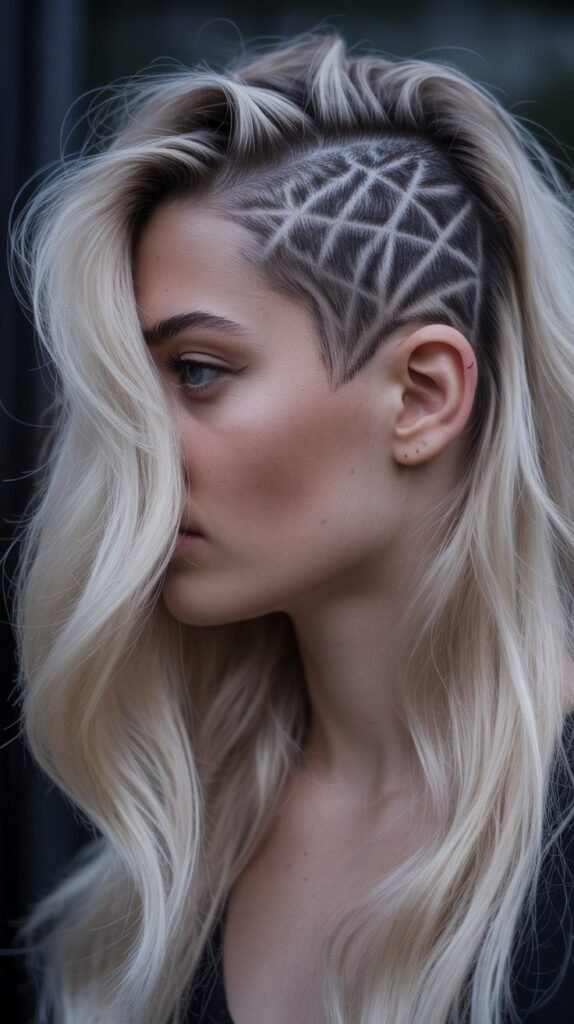
An undercut features shaved or very short hair underneath longer top layers, creating hidden surprise elements.
When paired with long hair, the undercut remains concealed until you style your hair up or to the side.
This daring choice combines the femininity of long hair with edgy, rebellious undertones.
- The undercut is shaved or cut very short in specific areas underneath your longer hair.
- Popular placement includes the nape of the neck, behind ears, or one side of the head.
- The longer top layers conceal the undercut when hair is worn down naturally.
- You can reveal the undercut by styling your hair in ponytails, buns, or side-swept styles.
- Some people add designs, patterns, or creative shapes to the undercut area.
- This style offers versatility—professional appearance when hidden, edgy when revealed.
- The undercut reduces heat and heaviness, making it practical for thick hair.
- Maintenance requires regular shaving or trimming every 3-4 weeks to keep the undercut neat.
Styling Tips for Long Haircuts
Maintaining and styling your new long haircut requires the right techniques and products to showcase its best features. Understanding how to work with your specific cut ensures you’ll love your hair every day, not just when you leave the salon. These universal styling tips apply to most long haircuts and will help you achieve professional-looking results at home.
- Invest in quality heat protectant spray before using any hot tools on your hair.
- Use a lightweight leave-in conditioner on damp hair to enhance manageability and shine.
- Blow-dry with a round brush to add volume at the roots and smooth the mid-lengths.
- Apply texturizing spray or sea salt spray to enhance layers and create piece-y separation.
- Use a large-barrel curling iron or wand to create loose waves that showcase your layers.
- Deep condition weekly to maintain healthy ends, especially with layered or textured cuts.
- Sleep on silk or satin pillowcases to reduce friction and prevent frizz overnight.
- Refresh your style between washes with dry shampoo focused at the roots only.
- Consider your hair’s natural texture and work with it rather than against it.
- Book regular trims at recommended intervals to maintain your cut’s shape and integrity.
Choosing the Right Haircut for Your Hair Type
Your hair’s natural texture and density significantly impact which long haircuts will work best for you. Understanding your hair type helps you select styles that complement your natural characteristics rather than fighting against them. This ensures easier daily styling and a haircut that truly enhances your unique beauty.
For Fine Hair
- Choose styles with layers that add volume and movement, like butterfly cuts or graduated layers.
- Avoid too many layers which can make fine hair appear stringy or thin.
- Consider blunt cuts that create the illusion of thicker, fuller ends.
- Face-framing layers add dimension without removing too much overall weight.
For Thick Hair
- Embrace internal layers, razored layers, or heavily layered styles to remove bulk.
- Long shags and textured ends work beautifully to reduce heaviness.
- Avoid completely blunt cuts which can appear bottom-heavy and triangular.
- Regular thinning and texturizing keeps thick hair manageable.
For Wavy Hair
- Layered cuts enhance natural wave patterns and prevent triangular shapes.
- Bohemian waves, long shags, and waterfall layers complement natural texture.
- Avoid styles requiring perfectly straight hair unless you enjoy daily heat styling.
- Embrace your natural texture with cuts designed to enhance waves.
For Curly Hair
- Choose dry cuts from stylists experienced with curly hair textures.
- Avoid razor cutting which can create frizz and damage curl patterns.
- Layer placement should follow your natural curl pattern for best results.
- Longer lengths generally work better as weight helps elongate and define curls.
Maintaining Your Long Haircut Between Salon Visits
Proper maintenance extends the life of your haircut and keeps your hair looking healthy and beautiful between appointments. These habits ensure your investment in a quality cut continues paying dividends long after you leave the salon chair. Consistent at-home care makes a dramatic difference in how your haircut ages and performs.
- Trim your bangs at home if comfortable, or book quick bang trims between full appointments.
- Address split ends immediately by carefully trimming individual damaged ends yourself.
- Use hair masks or deep conditioning treatments weekly to maintain moisture and health.
- Protect your hair from environmental damage with UV protectant sprays and products.
- Minimize heat styling when possible by embracing air-dried or heatless styling methods.
- Brush your hair gently starting from ends and working upward to prevent breakage.
- Keep styling tools clean and replace them when they show signs of wear or damage.
- Adjust your washing frequency to prevent over-stripping natural oils from your hair.
- Take hair-supporting supplements like biotin if recommended by your healthcare provider.
- Communicate with your stylist about concerns or desired adjustments at every appointment.
Conclusion
Finding the perfect cut from these 27+ cute haircuts for long hair you’ll want to try opens up a world of styling possibilities while maintaining the length you cherish.
Whether you’ve chosen romantic waterfall layers, edgy disconnected pieces, or classic face-framing cuts, your new haircut should make you feel confident and beautiful every single day.
The right long haircut transforms your appearance without requiring you to sacrifice your lengthy locks, offering the best of both worlds—dramatic change and comfortable familiarity.
Remember that working with a skilled stylist who understands your hair type, face shape, and lifestyle ensures the best results possible.
Your hair is your most versatile accessory, and with the perfect cut, you’ll discover renewed excitement about styling it each morning.
Embrace the journey of finding your signature style among these beautiful options, and don’t be afraid to step outside your comfort zone to try something new and exciting.

