
If you’ve been hesitant about going short because of your fine hair texture, it’s time to reconsider.
Short pixie haircuts for thin fine hair aren’t just a styling option—they’re often the perfect solution for adding volume, dimension, and a fresh sense of confidence to your look.
Fine hair can feel limp and lifeless when left long, but the right pixie cut creates the illusion of thickness while bringing out your facial features in the most flattering way.
This comprehensive guide explores 33 amazing short pixie haircuts for thin fine hair, covering everything from textured crops and layered styles to asymmetrical cuts and tapered designs.
You’ll discover styling tips, maintenance advice, color techniques that enhance volume, and expert recommendations for making fine hair look fuller and more dynamic.
Whether you’re ready for a dramatic transformation or simply looking for inspiration to refresh your current style, these pixie variations prove that fine hair and short cuts are a match made in heaven.
Get ready to explore cuts that work with your hair’s natural texture rather than against it, creating effortless style that looks polished from every angle.
1. Classic Pixie Cut with Textured Layers
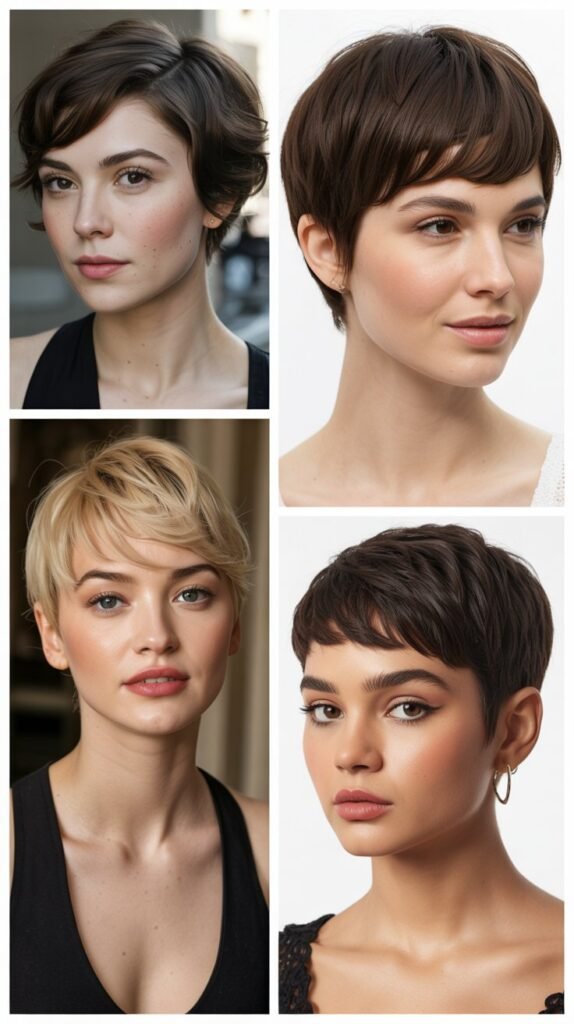
The classic pixie with textured layers remains one of the most versatile options for fine hair because it creates movement without requiring excessive length.
This timeless style features short sides and back with slightly longer top sections that can be styled forward, swept to the side, or tousled for a casual finish.
- The layered approach prevents fine hair from lying flat against the scalp by creating separation between strands.
- Texturizing techniques remove weight from the ends while maintaining enough density to create the appearance of fullness.
- This cut works exceptionally well for oval, heart-shaped, and diamond face shapes by balancing proportions.
- Styling requires minimal product—a lightweight mousse or texturizing spray applied to damp hair provides hold without weighing strands down.
- The classic pixie grows out gracefully, making it ideal for those transitioning to shorter styles for the first time.
- Regular trims every 4-6 weeks maintain the shape and prevent the style from looking overgrown or losing its definition.
2. Choppy Pixie with Razored Ends
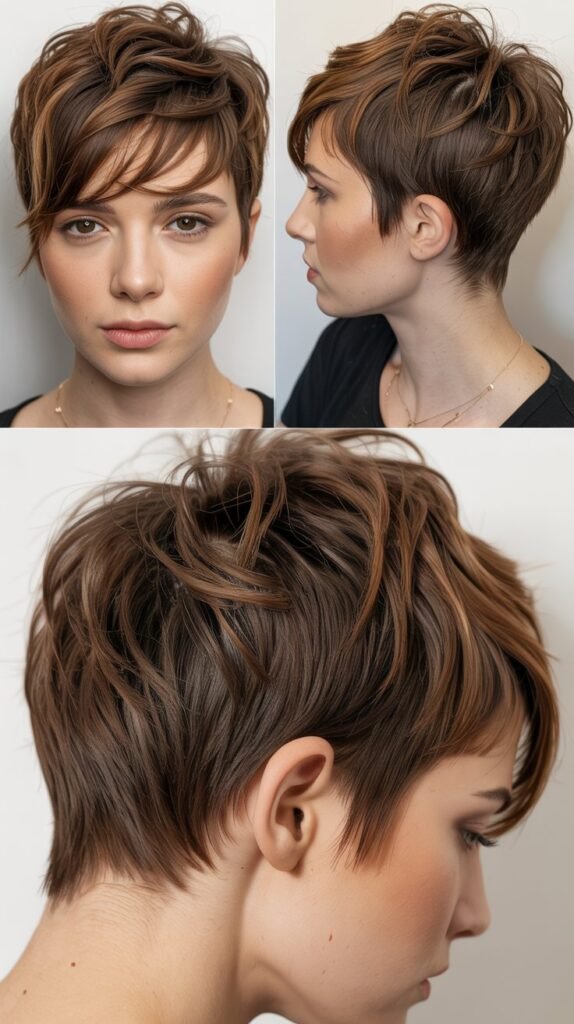
The choppy pixie with razored ends brings an edgy, modern aesthetic while solving the common fine hair problem of blunt, heavy ends that fall flat.
Razor cutting creates feathered, irregular edges that enhance movement and make hair appear denser than it actually is.
- Razored ends catch light differently than scissor-cut hair, creating visual interest and dimension throughout the style.
- The choppy texture allows for versatile styling from sleek and polished to deliberately messy and undone.
- This technique works particularly well for fine hair because it removes bulk without creating visible gaps or sparse areas.
- Applying a small amount of pomade or wax to the ends emphasizes the piecey texture and definition.
- The razored approach creates a softer, more blended look compared to blunt cutting methods.
- Face-framing layers can be incorporated to draw attention to eyes and cheekbones while maintaining the overall choppy aesthetic.
3. Asymmetrical Pixie with Side Swept Bangs
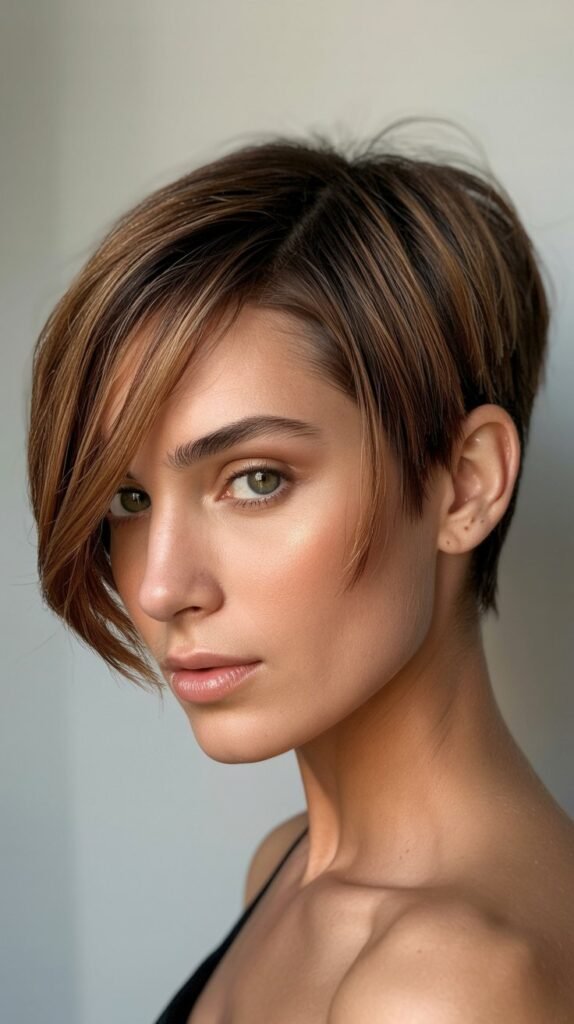
The asymmetrical pixie breaks traditional symmetry rules by featuring different lengths on each side, creating visual intrigue while adding perceived volume to fine hair.
Side swept bangs elongate the face and provide styling versatility that straight-across bangs cannot offer.
- The longer side typically extends to cheekbone or jaw length while the shorter side sits above the ear for dramatic contrast.
- This imbalance draws the eye across the face rather than down, which is particularly flattering for round or square face shapes.
- Side swept bangs can be styled smooth for formal occasions or tousled for casual, everyday wear.
- The asymmetrical design creates the illusion of more hair by eliminating the predictable, uniform look that can emphasize thinness.
- Fine-haired individuals benefit from the strategic weight distribution that prevents one side from overwhelming the other.
- Texturizing the bangs prevents them from appearing too heavy or separated into obvious sections.
4. Tapered Pixie with Disconnected Undercut
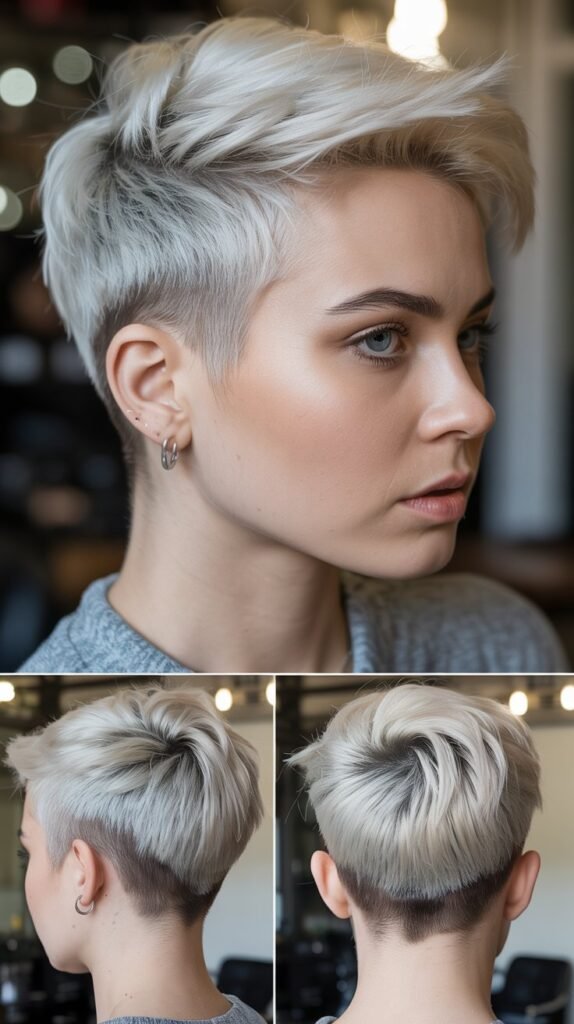
The tapered pixie with disconnected undercut offers maximum volume on top while keeping sides and back extremely short, creating a stark contrast that makes fine hair appear thicker where it matters most.
The undercut adds contemporary edge while reducing styling time and product needs.
- The disconnected element means there’s no gradual blend between the longer top and shaved sides, creating deliberate definition.
- This style concentrates all available hair density on the crown and top area where it’s most visible.
- The undercut portion can be maintained with clippers at home between salon visits, extending time between full haircuts.
- Fine hair gains significant height when all length is focused on the upper sections rather than distributed throughout.
- Styling the top section with volumizing products creates dramatic lift that wouldn’t be possible with a more traditional taper.
- The contrast between lengths adds architectural interest that distracts from hair’s natural thinness.
5. Feathered Pixie with Volume at the Crown
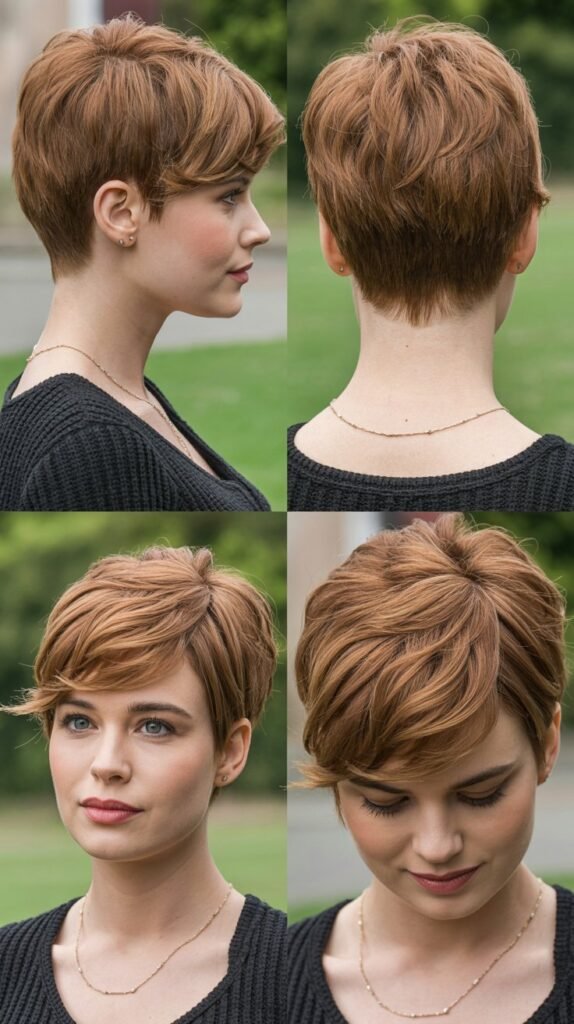
The feathered pixie focuses on creating lift and airiness through strategic layering concentrated at the crown area, where thinning often appears most noticeable.
Feathering techniques produce soft, wispy ends that move freely and catch light beautifully.
- Crown volume immediately draws attention upward and away from any thinning at the temples or hairline.
- Feathered layers are cut at angles that encourage hair to lift away from the scalp rather than cling to it.
- This approach works with fine hair’s natural tendency to be lightweight by enhancing rather than fighting its movement.
- Blow-drying with a round brush at the roots amplifies the built-in volume that the cut provides.
- The feathered texture prevents harsh lines that can make fine hair appear sparse or overly structured.
- Strategic layering throughout the sides and back ensures the crown volume looks intentional rather than disproportionate.
6. Pixie Bob Hybrid for Fine Hair
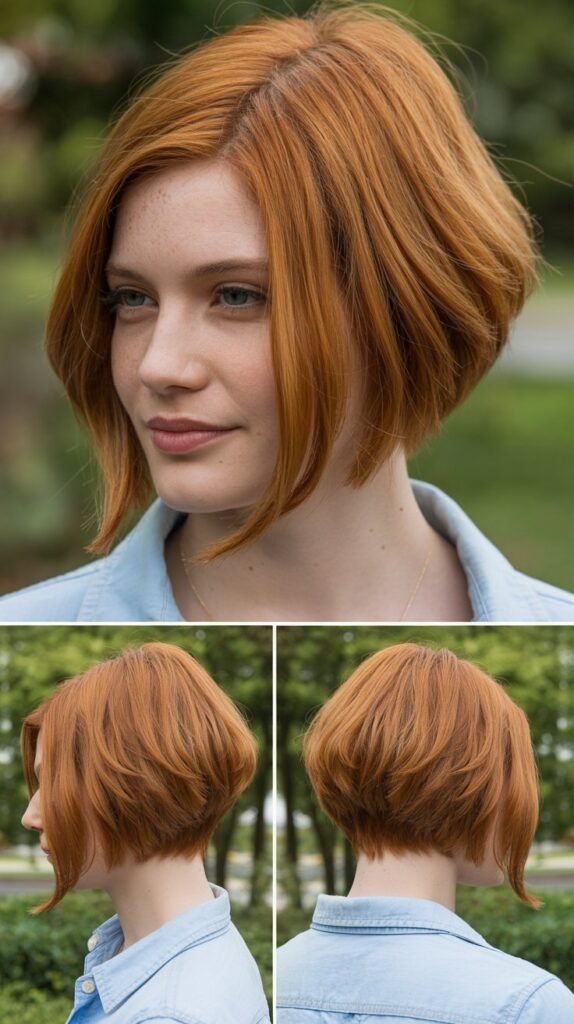
The pixie bob hybrid combines the short convenience of a pixie with the slight length of a bob, typically featuring hair that reaches from ear level to chin length depending on the section.
This transitional style offers security for those not ready to commit to extremely short hair while still providing fine hair benefits.
- The added length compared to traditional pixies allows for more styling versatility including tucking behind ears or slight curling.
- Strategic layering prevents the bob-length sections from weighing down fine hair while maintaining enough length for comfort.
- This style bridges the gap between short and medium lengths, making it psychologically easier for first-time pixie wearers.
- The longer front sections can be gradually shortened over subsequent cuts as confidence with short hair grows.
- Fine hair maintains better shape at this length because there’s still enough weight to prevent flyaways while avoiding the limpness of longer styles.
- Face-framing pieces at bob length soften the overall look while the shorter back provides the easy-care benefits of a pixie.
7. Sleek Pixie with Straight Styling
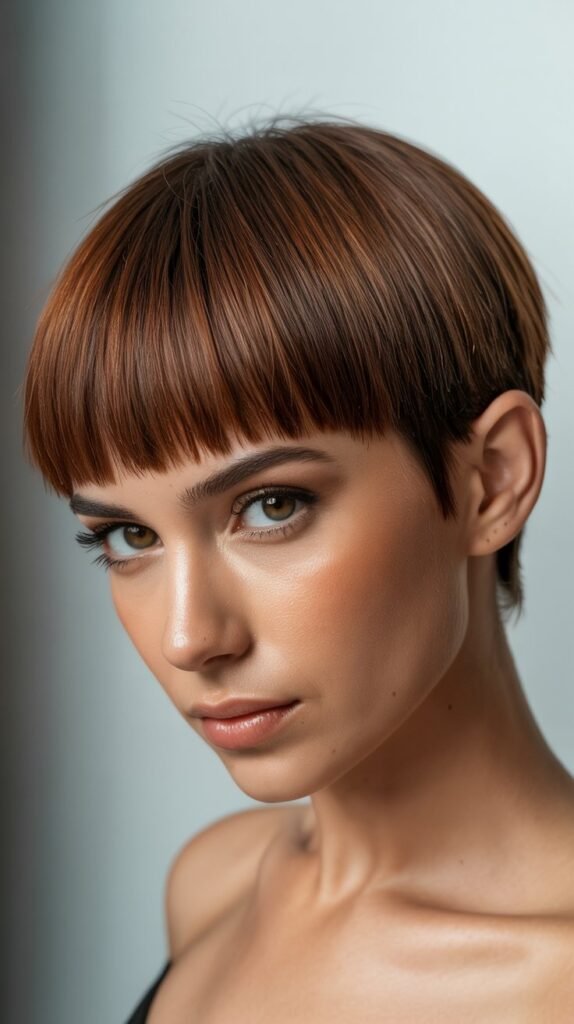
The sleek pixie embraces fine hair’s natural tendency to lie smooth by creating a polished, sophisticated look that celebrates shine and precision cutting.
This minimalist approach requires excellent cutting technique since every line is visible without texture to hide imperfections.
- Straightening balms or serums enhance shine while preventing frizz that can make fine hair appear even thinner.
- The sleek finish works exceptionally well in professional settings where a refined appearance is valued.
- Precision cutting ensures that even without added texture, the style maintains structure and doesn’t fall flat.
- This approach is lower maintenance than textured styles since it doesn’t require deliberate styling to create piecey separation.
- Fine hair’s natural silkiness becomes an asset rather than a liability when styled sleek and smooth.
- Strategic angles and lengths create interest without relying on texture or volume products.
8. Tousled Pixie with Bedhead Texture
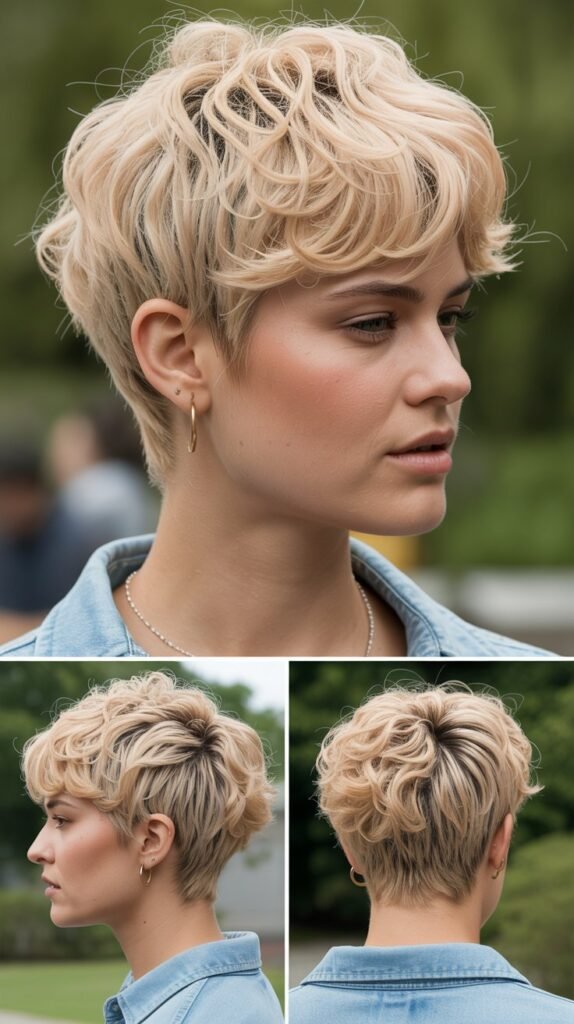
The tousled pixie with bedhead texture transforms fine hair’s natural tendency to show movement into a deliberately casual, effortlessly chic style.
This approach requires excellent cutting to ensure the “messy” look appears intentional rather than unkempt.
- Sea salt spray or texturizing products enhance natural wave and separation without adding weight.
- The deliberately undone aesthetic is surprisingly flattering for most face shapes because it softens angular features.
- This style works with fine hair’s lightweight nature by encouraging random movement rather than structured placement.
- Morning styling can be as simple as finger-combing damp hair with product and allowing it to air dry.
- The tousled approach hides regrowth better than more structured styles, extending time between salon visits.
- Strategic layering ensures the bedhead look has dimension rather than appearing simply flat or uncombed.
9. Pixie with Micro Bangs
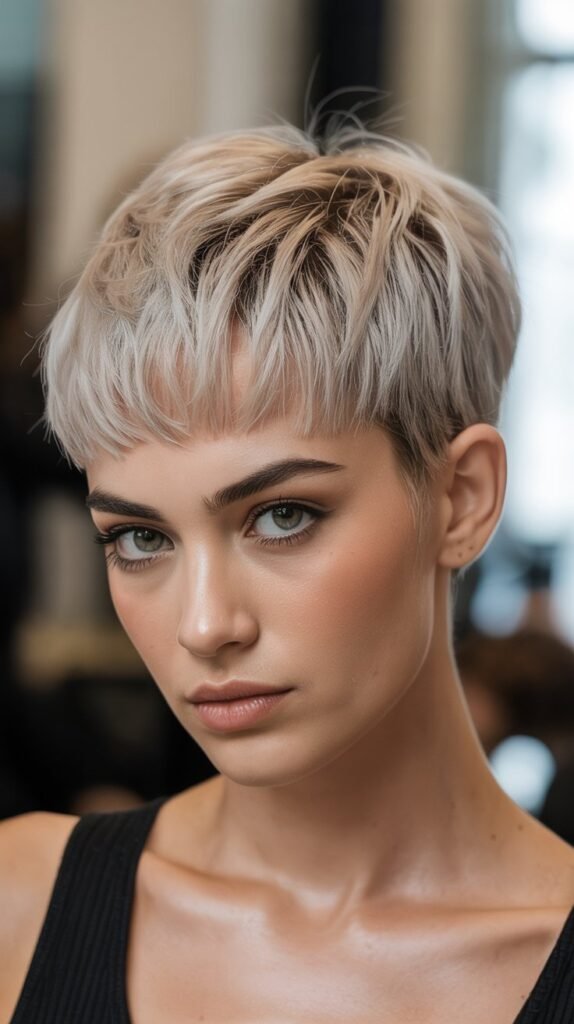
The pixie with micro bangs makes a bold statement while drawing attention to the eyes and away from overall hair density.
These ultra-short bangs typically sit well above the eyebrows, creating a high-fashion look that requires confidence to wear.
- Micro bangs reduce the amount of face covered by hair, which paradoxically makes the style feel more substantial despite using less hair.
- The dramatic fringe creates a focal point that distracts from any thinness in other areas.
- This style works best for those with relatively straight fine hair since curly or wavy textures make micro bangs difficult to maintain.
- Regular bang trims are essential—micro bangs grow out quickly and lose their impact when they start reaching toward eyebrows.
- The rest of the pixie can be textured or sleek depending on personal preference since the bangs provide sufficient visual interest.
- Face shape considerations are crucial since micro bangs emphasize forehead height and eye placement.
10. Curly Pixie for Fine Hair
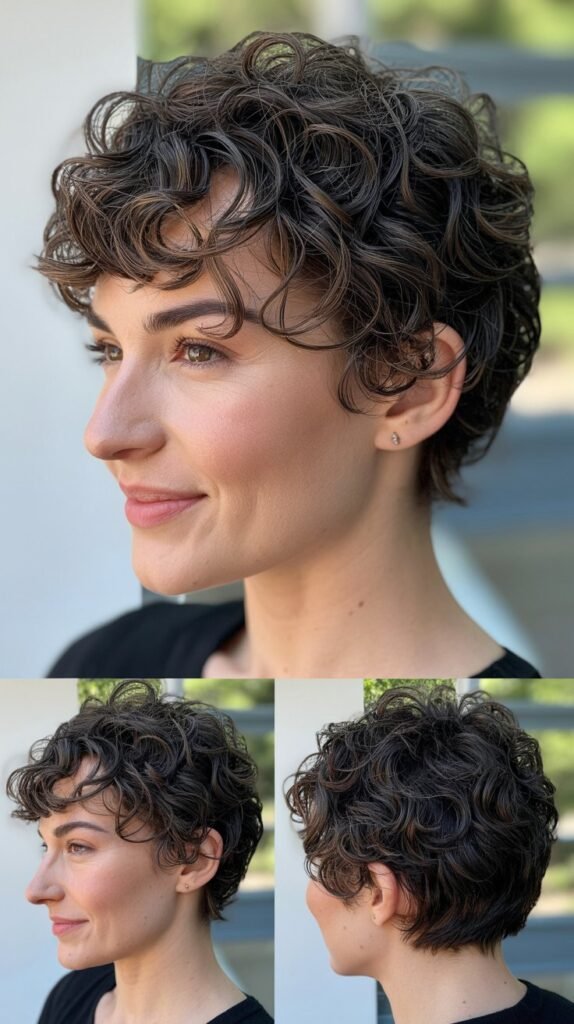
The curly pixie proves that fine hair and natural curl can coexist beautifully when cut properly to enhance rather than fight the curl pattern.
This style requires understanding how curls behave when short and cutting accordingly to prevent pyramid or triangle shapes.
- Curl patterns appear tighter when cut short, so lengths should account for this spring-back effect.
- Fine curly hair often has more volume than fine straight hair, making pixie cuts particularly flattering for this texture combination.
- Hydrating products are essential to prevent frizz while defining individual curl clumps without weighing them down.
- Layers should be cut to follow the curl pattern rather than against it to avoid disrupting natural curl formation.
- The curly pixie requires different maintenance than straight pixies—less frequent washing and more moisture-based products.
- Strategic shaping can channel curls into flattering directions that complement face shape and feature placement.
11. Pixie with Shaved Sides and Long Top
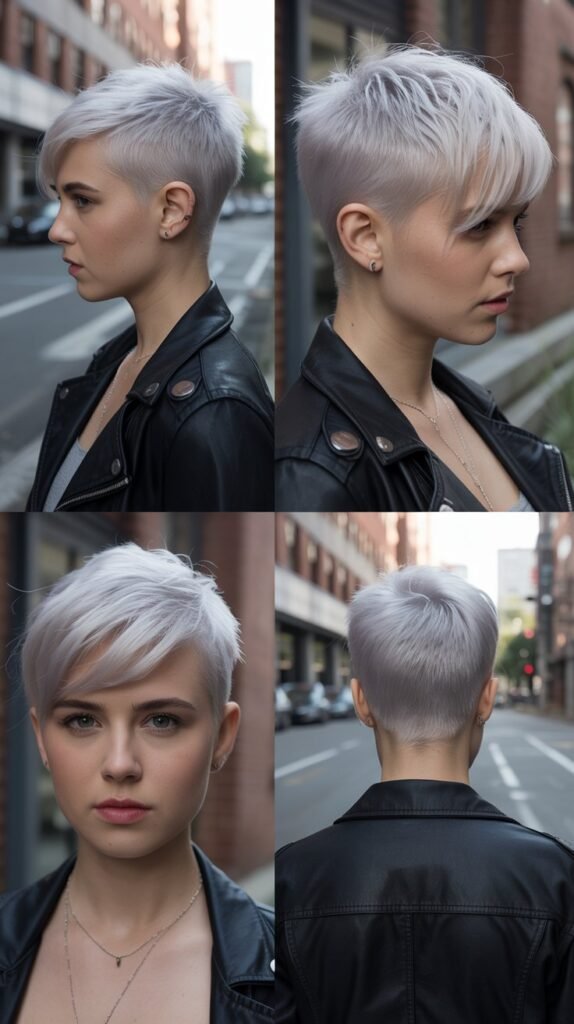
The pixie with shaved sides and long top creates maximum contrast by removing nearly all hair from the sides while maintaining substantial length on top.
This dramatic style is perfect for fine-haired individuals who want to make a statement while concentrating their limited hair density where it’s most impactful.
- The shaved sections can feature designs or patterns for those wanting extra personalization and edge.
- All available hair density is concentrated on the top section, allowing for impressive styling height and volume.
- This low-maintenance option eliminates the need to style the sides since there’s essentially no hair there to manage.
- The long top can be styled in multiple ways from slicked back to pushed forward or swept to the side.
- Regular maintenance of the shaved sections is necessary but can often be done at home with clippers.
- This style works exceptionally well for those with strong facial features that can balance the dramatic proportions.
12. Rounded Pixie Cut
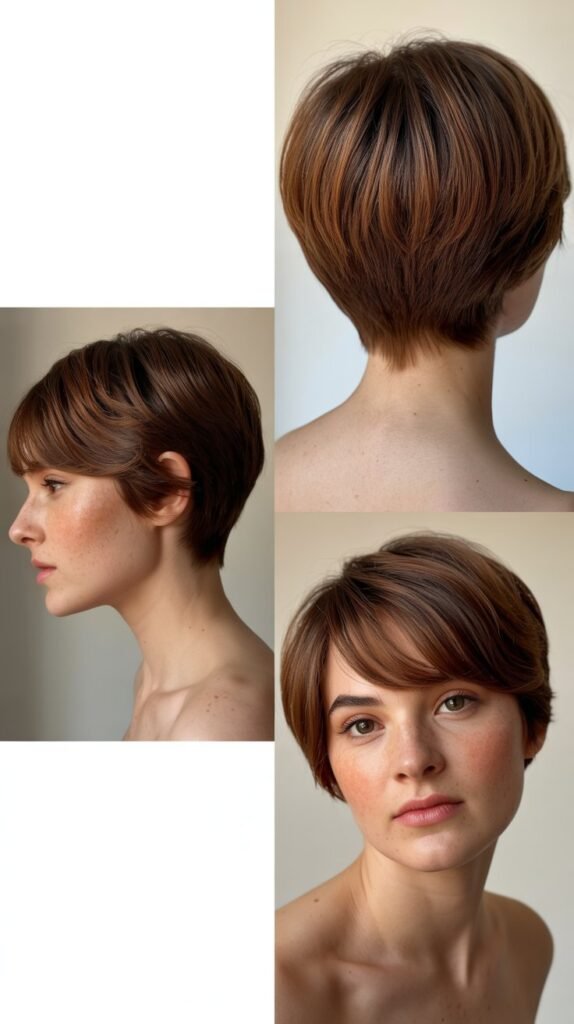
The rounded pixie creates a soft, feminine silhouette that follows the head’s natural curve, resulting in a universally flattering shape that suits most face types.
This style is particularly effective for fine hair because the rounded shape creates the illusion of fullness from every angle.
- The curved outline prevents harsh lines that can emphasize areas where fine hair is thinnest.
- Graduated layering maintains the round shape while providing enough texture to prevent flatness.
- This classic approach is timeless rather than trendy, ensuring the style won’t look dated quickly.
- The rounded pixie is versatile enough for professional environments while still being stylish and modern.
- Styling is straightforward—blow-drying with a round brush maintains the shape while adding volume at the roots.
- The soft edges created by this cut are particularly flattering for angular face shapes that benefit from curved lines.
13. Pixie with Highlighted Dimension
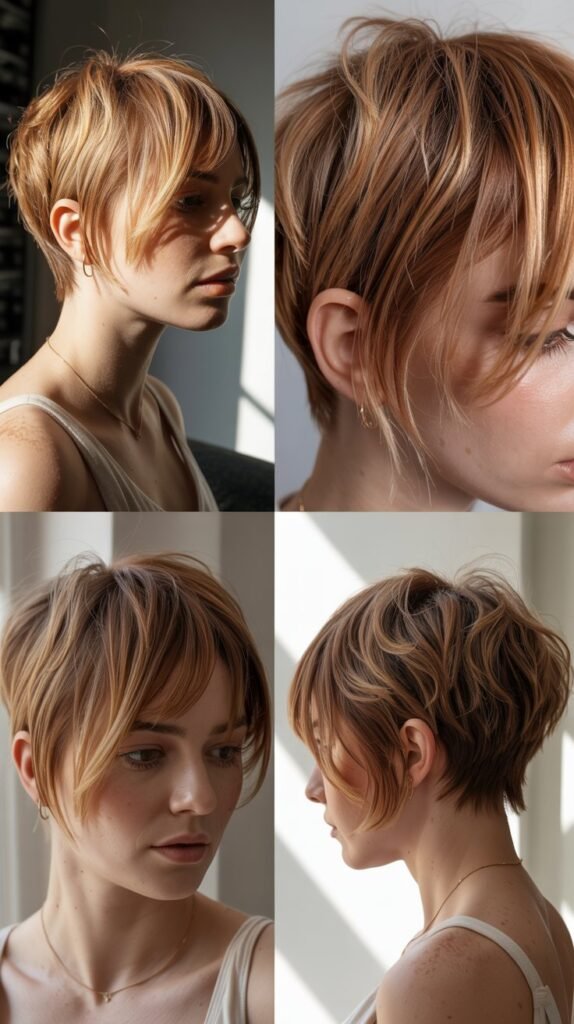
The pixie with highlighted dimension uses strategic color placement to create the illusion of depth and fullness that fine hair often lacks.
Highlights catch light and create shadows that make hair appear more textured and voluminous than it actually is.
- Babylights—very fine highlights throughout—create natural-looking dimension without obvious streaks or chunks.
- Balayage techniques allow for hand-painted highlights that concentrate lighter tones where volume is desired.
- The contrast between base color and highlights tricks the eye into perceiving more individual strands than exist.
- Cooler-toned highlights can make fine hair appear shinier and healthier when applied to the appropriate base colors.
- Strategic placement near the face draws attention forward while highlights at the crown enhance perceived height.
- Multiple tonal variations within a close color family create complexity that single-process color cannot achieve.
14. Longer Pixie with Side Part
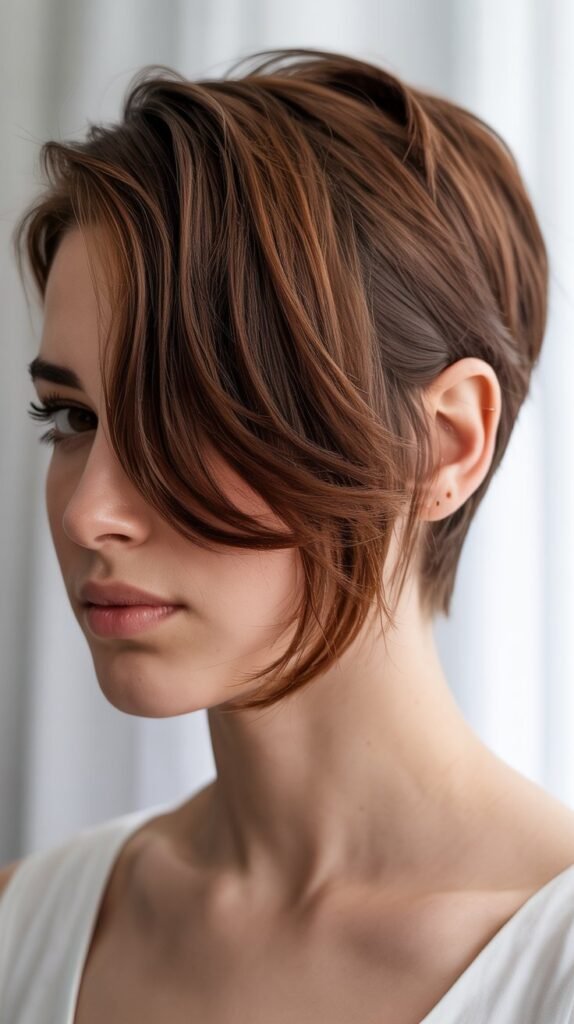
The longer pixie with side part offers sophistication and styling versatility while maintaining the general ease of a short style.
The defined part creates asymmetry that adds visual interest while allowing hair to naturally fall with volume on one side.
- Deep side parts create more dramatic volume on the heavier side, making fine hair appear fuller overall.
- The longer length—typically reaching from mid-ear to cheekbone—provides security for those nervous about going too short.
- This style can be worn smooth and polished or textured and casual depending on occasion and mood.
- Fine hair holds side parts well because there’s not enough weight to pull the part back to center.
- The swept-over sections can be pinned back for versatility or left down for coverage and softness.
- Strategic layering prevents the longer lengths from appearing heavy or dragging down the overall style.
15. Pixie with Wispy Nape
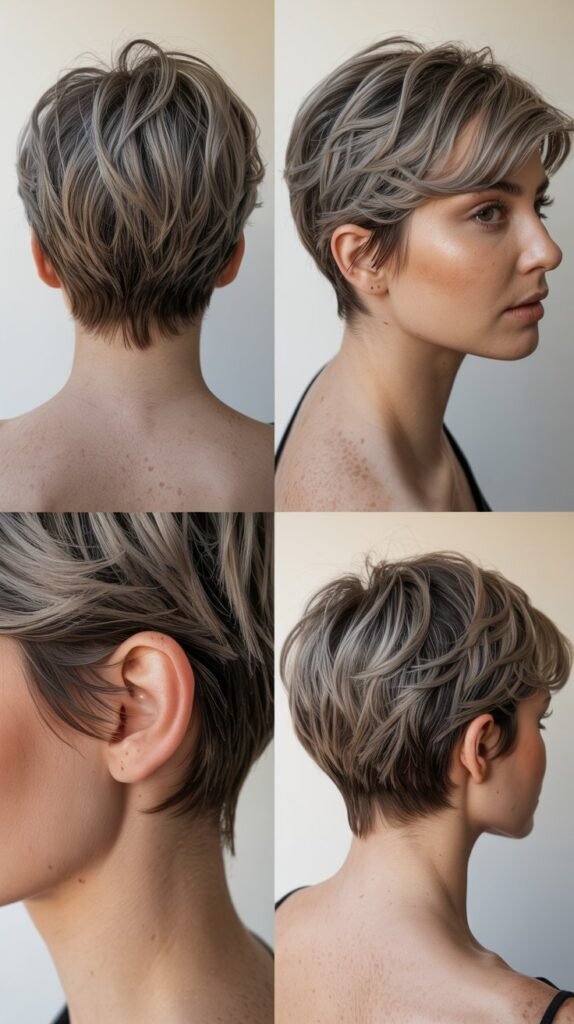
The pixie with wispy nape features soft, feathered hair at the neckline that creates a feminine, delicate finish to an otherwise bold cut.
This detail adds refinement and prevents the back from appearing too blunt or masculine.
- Wispy ends at the nape soften the overall look and create a gradual transition from hair to skin.
- Point cutting or texturizing the nape area creates the feathered effect without removing too much hair.
- This detail is particularly flattering for those with beautiful neck lines who want to show them off without harsh edges.
- The wispy texture prevents the common problem of fine hair looking too sparse or thin at the nape.
- This finishing touch adds movement and dimension to an area that often goes unnoticed in other pixie variations.
- Regular trims maintain the wispy effect since this delicate hair grows quickly and can become uneven.
16. Edgy Pixie with Undercut Design
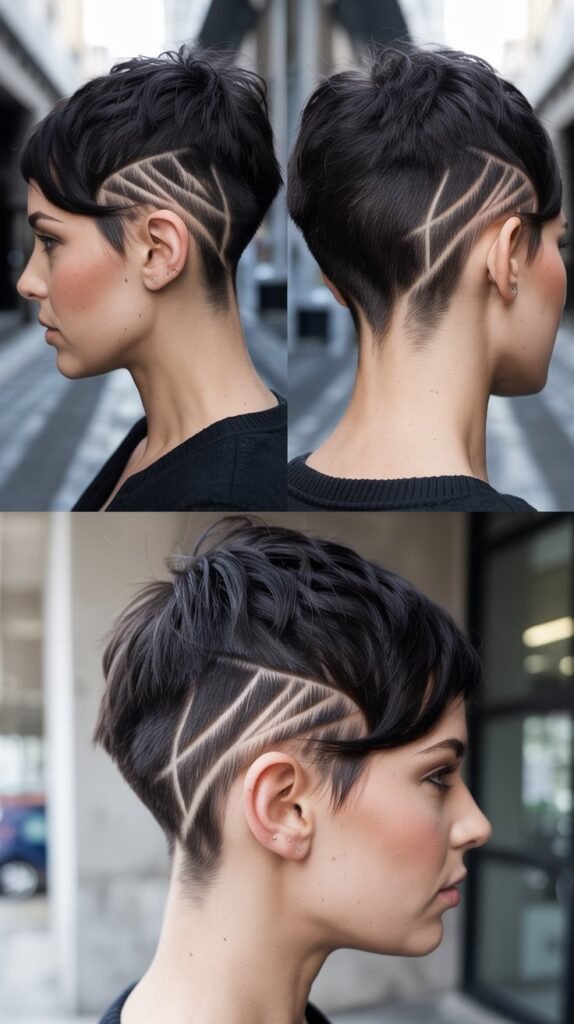
The edgy pixie with undercut design takes the basic undercut concept further by incorporating shaved patterns, lines, or geometric shapes into the short sections.
This personalized approach creates a unique statement piece while concentrating fine hair’s limited density on top.
- Undercut designs can range from simple lines to complex patterns depending on personal style and boldness.
- The design element provides visual interest that distracts from overall hair thinness or fine texture.
- Regular maintenance is required to keep designs crisp and visible as hair grows out.
- This style works best for those comfortable with frequent salon visits or willing to learn basic clipper maintenance.
- The dramatic aesthetic pairs well with alternative fashion styles and creative professional fields.
- Design placement should be chosen based on which areas will be most visible given styling preferences.
17. Pixie with Finger Wave Detail
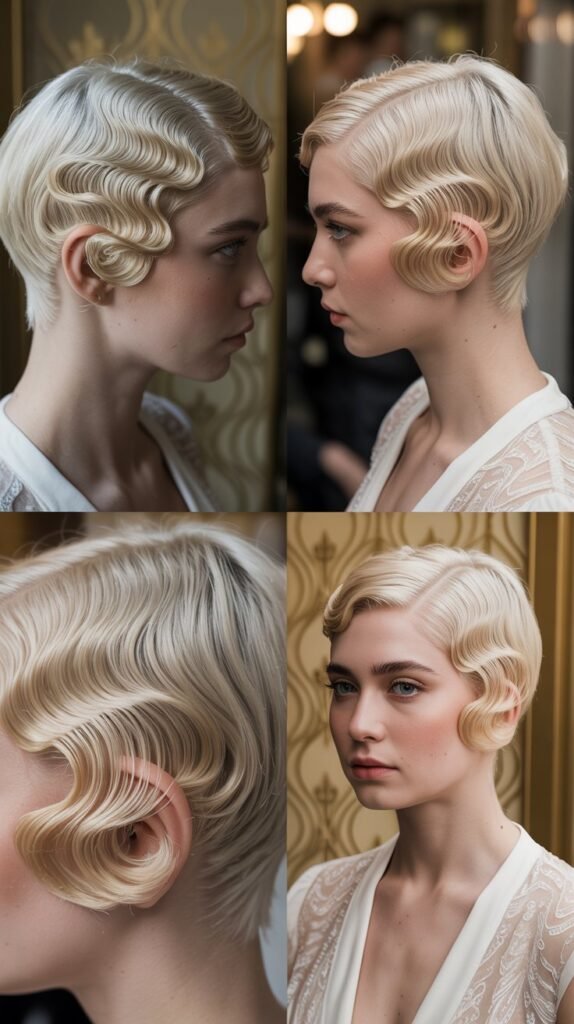
The pixie with finger wave detail incorporates vintage-inspired wave patterns into short hair, creating texture and visual interest that makes fine hair appear more substantial.
This retro element adds glamour and sophistication to an otherwise contemporary cut.
- Finger waves work surprisingly well with fine hair since the texture is easier to mold and shape than thick, coarse hair.
- Setting lotion or gel is applied to damp hair before creating the wave pattern with fingers and a comb.
- The waves add dimension and catch light in ways that straight or simply textured pixies cannot achieve.
- This styling technique is perfect for special occasions when a polished, vintage-inspired look is desired.
- Modern interpretations of finger waves can be subtle and incorporated into just the front sections for everyday wear.
- The wave pattern itself creates the illusion of movement and volume without requiring actual hair density.
18. Pixie with Exposed Ears
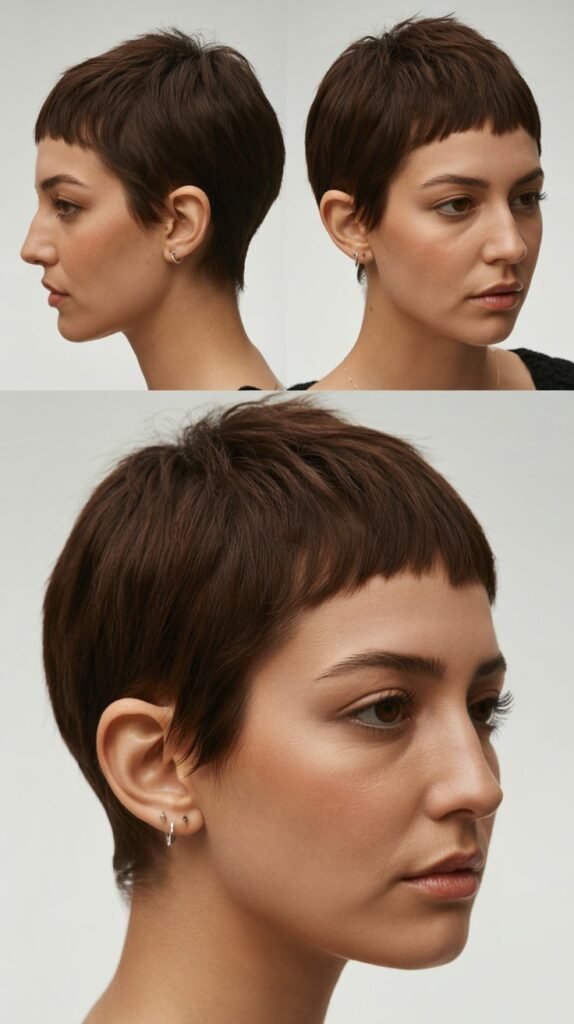
The pixie with exposed ears completely reveals the ears rather than covering them, creating a bold, fashion-forward look that celebrates facial features.
This approach is particularly effective for fine hair since it removes length from areas where thinness might be most apparent.
- Exposed ears draw attention to jewelry, making statement earrings a styling opportunity rather than a hidden detail.
- This cut emphasizes facial bone structure and can make cheekbones and jawlines appear more defined.
- Fine hair requires less styling product overall when cut this short, reducing the risk of weighing down delicate strands.
- The ear-exposing cut is one of the lowest maintenance pixie options available since there are no longer sections to style.
- This bold choice works best for those confident in their facial features and comfortable with maximum hair brevity.
- The simplicity of this cut makes hair quality and cut precision extremely important since there’s nowhere to hide imperfections.
19. Pixie with Crown Volume Boost
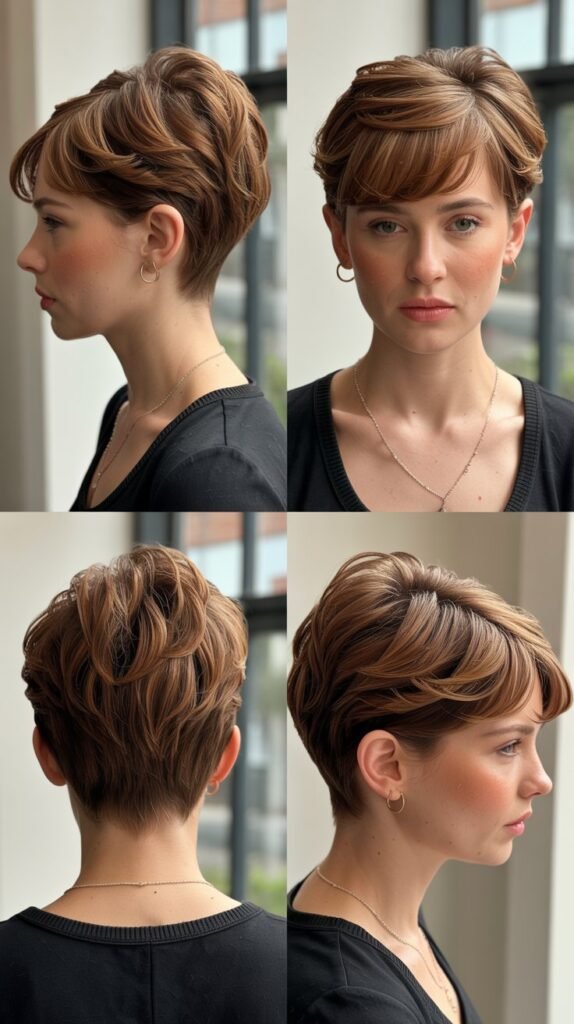
The pixie with crown volume boost uses strategic cutting and styling techniques to create maximum height at the highest point of the head.
This targeted approach to volume makes fine hair appear fuller while creating a flattering vertical line.
- Crown volume elongates the face and draws attention upward, which is particularly flattering for round face shapes.
- Graduated layers at the crown are cut shorter underneath to push longer top layers upward and outward.
- Blow-drying with fingers lifting hair straight up from the roots creates lasting volume in this key area.
- Volumizing powder or mousse applied specifically at the crown provides additional lift without affecting other sections.
- The contrast between the boosted crown and shorter sides creates dimension that makes fine hair appear thicker.
- This styling approach works with gravity rather than against it by concentrating lift where hair naturally wants to stand.
20. Textured Crop Pixie
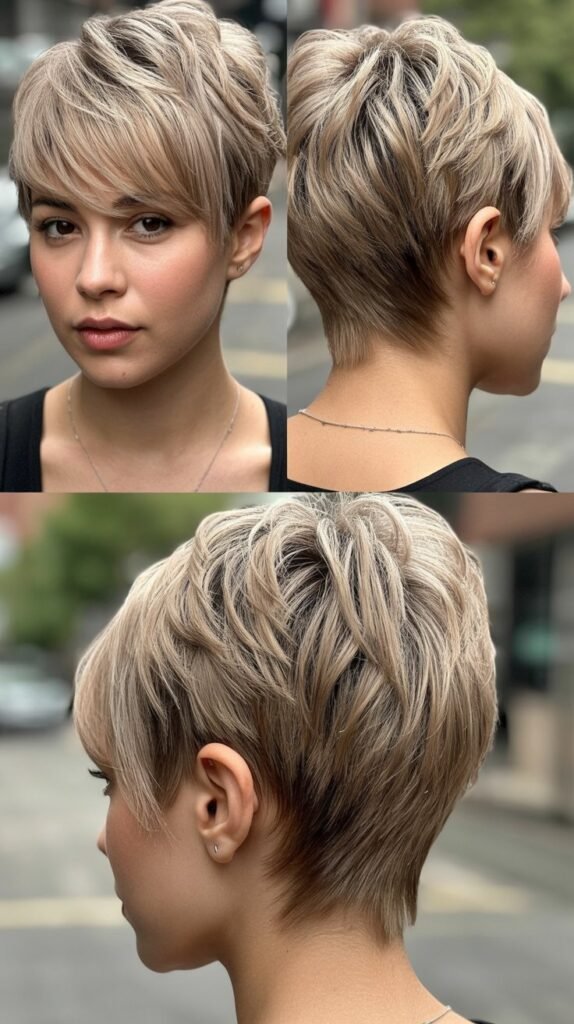
The textured crop pixie features uniform length throughout with heavy texturizing to create a choppy, piecey finish.
This modern, gender-neutral style has gained popularity for its effortless cool and low maintenance requirements.
- The crop typically maintains similar length all around, creating a rounded or slightly squared silhouette depending on head shape.
- Heavy texturizing removes weight without removing length, which is ideal for fine hair that needs substance without bulk.
- This style air-dries beautifully and often looks better slightly messy than perfectly styled.
- Texturizing paste or clay applied to dry hair enhances the piecey separation and definition.
- The uniform length makes this one of the easiest pixies to maintain since regrowth is less noticeable than in graduated styles.
- Face shape becomes less of a concern with crops since the overall shape is determined more by head shape than cutting angles.
21. Pixie with Dramatic Side Sweep
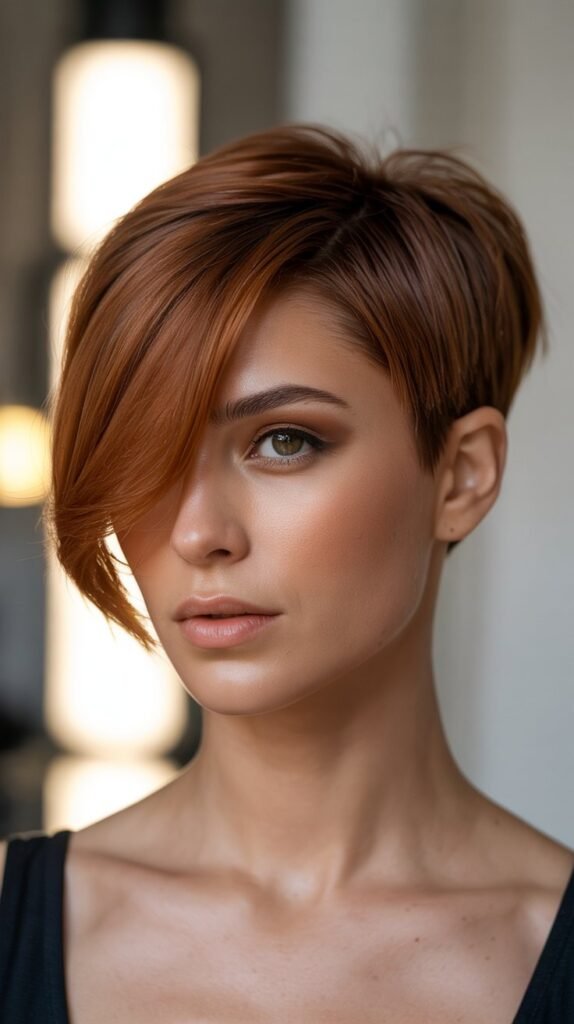
The pixie with dramatic side sweep features all or most of the top length styled across the head to one side, creating movement and asymmetry. This styling approach makes fine hair appear more substantial by consolidating it visually rather than distributing it evenly.
- The sweep can be smooth and polished or textured and piecey depending on product choice and application.
- This directional styling naturally creates height on the side where hair is swept toward since it pushes against the grain.
- The side sweep draws attention horizontally across the face, which can balance facial proportions.
- Strong-hold products are necessary to maintain the swept position throughout the day without hair falling flat.
- This versatile styling option can be alternated—swept to the right some days and left on others for variety.
- The dramatic sweep works particularly well for oval and heart-shaped faces that can handle asymmetry.
22. Pixie with Balayage Color Melt
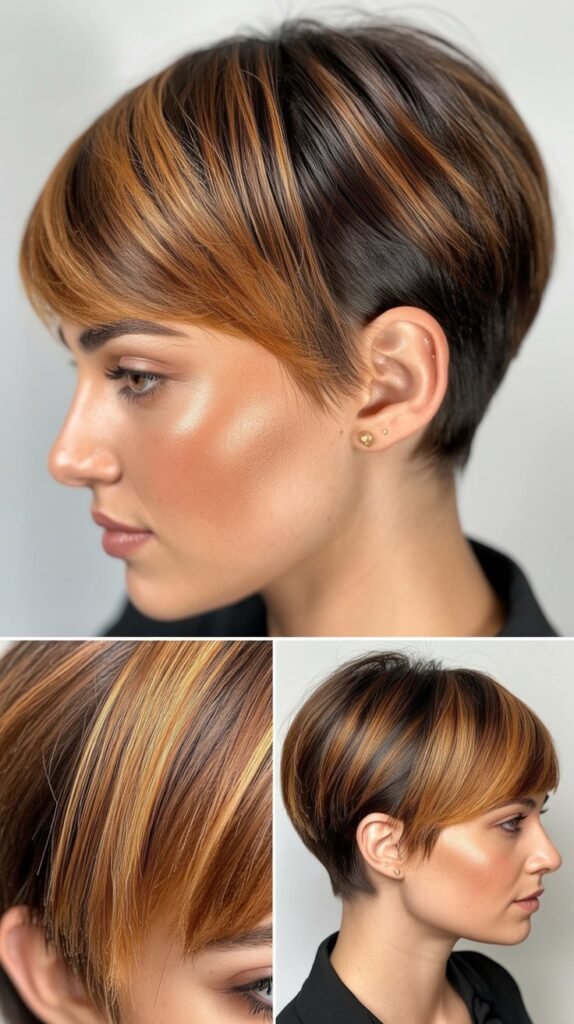
The pixie with balayage color melt uses hand-painted color that gradually transitions from darker roots to lighter ends, creating dimension that makes fine hair appear fuller and more dynamic.
The seamless blend eliminates harsh lines that can emphasize thinness.
- Color melting creates a soft gradient that adds depth perception to short hair that might otherwise appear one-dimensional.
- The lighter ends catch more light, drawing attention to the style’s movement and texture.
- Darker roots provide visual anchor and make regrowth less obvious between color appointments.
- The balayage technique allows for customized placement that enhances the specific pixie cut’s shape and features.
- Multiple tones within the melt create complexity that tricks the eye into perceiving more hair strands.
- This color approach requires less frequent maintenance than all-over color since the grown-out look is intentional.
23. Swept Back Pixie
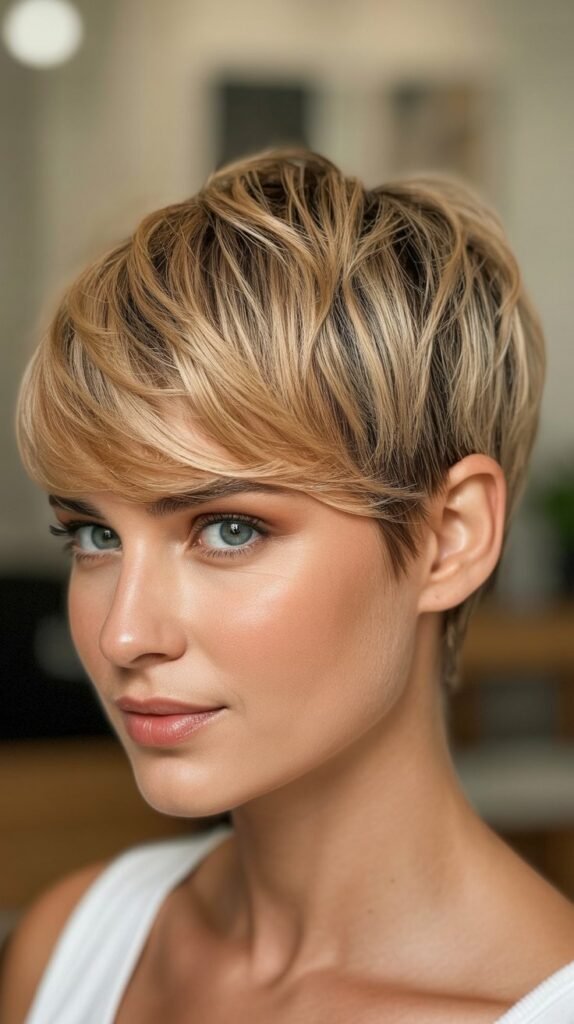
The swept back pixie styles all front and top sections away from the face, creating a sophisticated, polished look that showcases facial features fully.
This approach requires enough length on top to push backward without popping back up.
- Strong-hold pomade or gel is essential to maintain the backward direction without hair reverting forward.
- This styling reveals the entire forehead and can make faces appear longer and more oval.
- The swept back approach concentrates volume at the crown where hair is pushed up and back.
- This professional, refined style works exceptionally well in formal or business settings.
- Fine hair’s natural smoothness actually benefits this style since texture can make achieving the sleek sweep more difficult.
- The styling direction naturally creates lift at the roots since hair is pushed against its growth pattern.
24. Pixie with Copper Tones
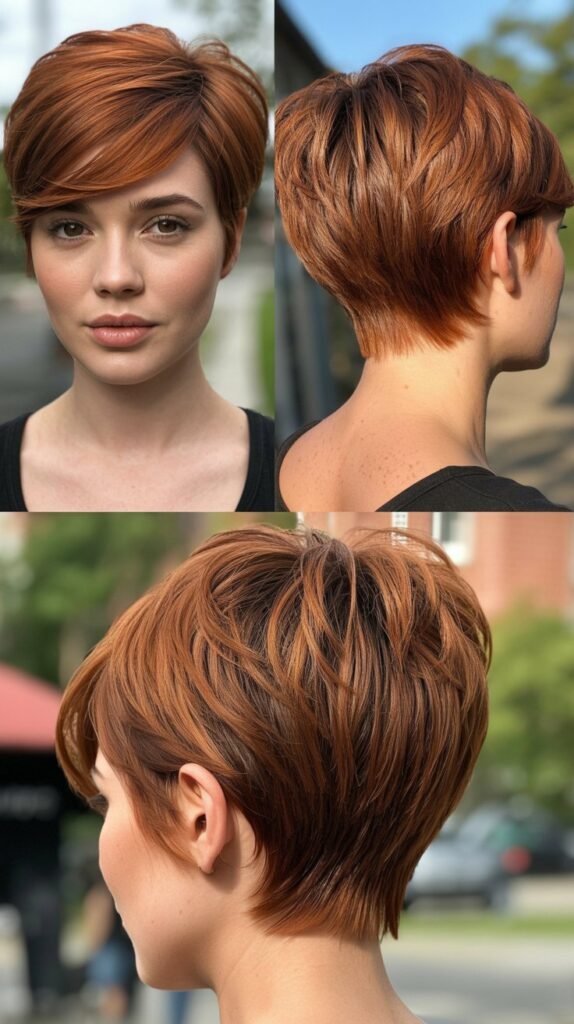
The pixie with copper tones uses warm, reddish-orange color to create richness and dimension that makes fine hair appear more substantial.
Copper tones catch light beautifully and create warmth that enhances most skin tones.
- Copper color creates the illusion of multiple strands even in fine hair by reflecting light in varied ways.
- The warmth of copper tones adds vibrancy and energy to short styles that might otherwise appear flat.
- Different copper intensities—from subtle strawberry blonde to deep auburn—can be customized to skin tone and personal preference.
- Copper requires specific color maintenance including purple-toned shampoos to prevent brassiness and maintain vibrancy.
- The richness of copper shades makes hair appear healthier and more lustrous than similar styles in neutral colors.
- Subtle copper highlights mixed with natural brown base create dimensional warmth without full color commitment.
25. Pixie with Face-Framing Layers
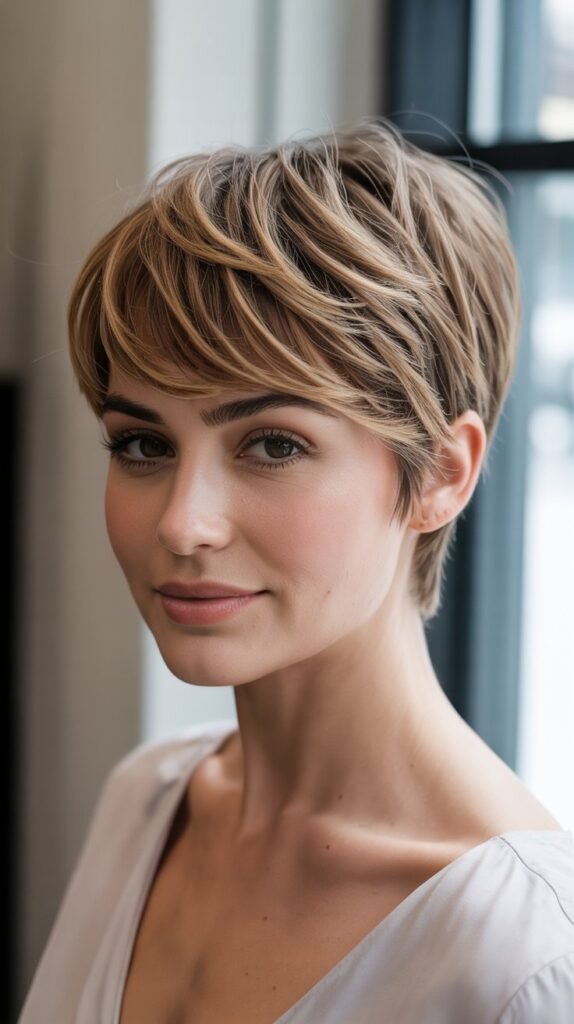
The pixie with face-framing layers features longer pieces specifically cut to fall along the cheekbones, jawline, or around the face perimeter while the rest remains shorter.
These strategic pieces soften the overall look while drawing attention to facial features.
- Face-framing layers can be subtle or dramatic depending on the length difference between these pieces and the rest of the cut.
- The longer pieces provide versatility—they can be tucked behind ears, left down, or styled forward for different looks.
- These layers create a flattering frame that can minimize wider face shapes or add softness to angular features.
- Fine hair holds these layers well without becoming stringy since there’s not enough weight to pull them down excessively.
- The contrast between face-framing length and shorter surrounding hair creates dimension and visual interest.
- Strategic layering around the face ensures these pieces blend naturally rather than appearing disconnected or choppy.
26. Platinum Blonde Pixie
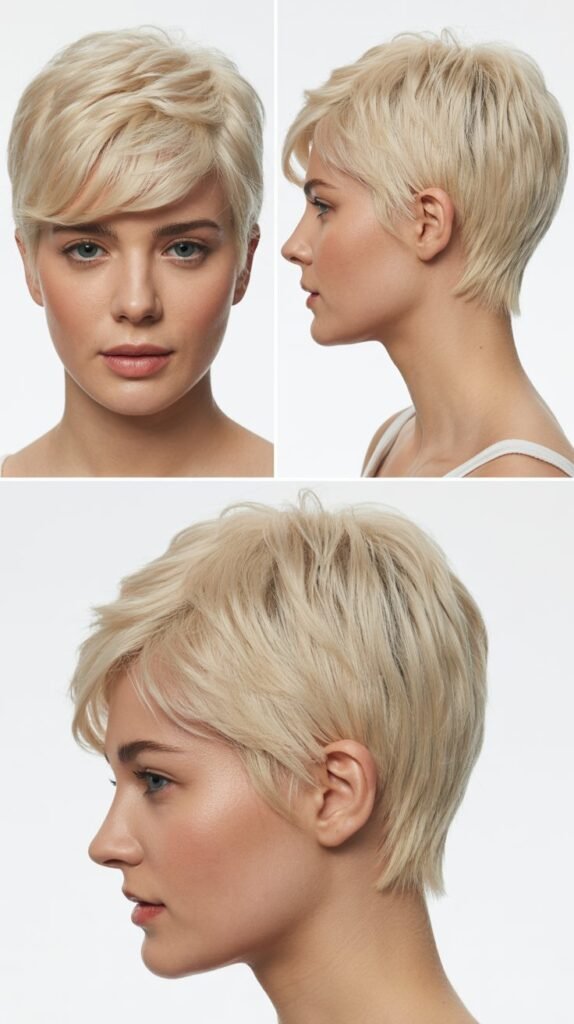
The platinum blonde pixie uses ultra-light, almost white blonde color to create a striking, high-fashion look while making fine hair appear more substantial through light reflection.
Platinum color catches and reflects light unlike any other shade.
- Platinum blonde requires significant bleaching and professional expertise to achieve without damaging fine hair’s delicate structure.
- The extreme lightness creates visual volume by making each strand more visible and distinct from surrounding hair.
- Purple-toning treatments are essential to maintain the cool, icy tone and prevent unwanted yellow or brassy warmth.
- This dramatic color works exceptionally well with edgy or modern pixie cuts that match its bold aesthetic.
- Regular deep conditioning treatments are necessary to maintain hair health after the intensive lightening process.
- Platinum blonde is particularly striking on those with cool skin undertones and can create dramatic contrast with darker features.
27. Pixie with Nape Undercut
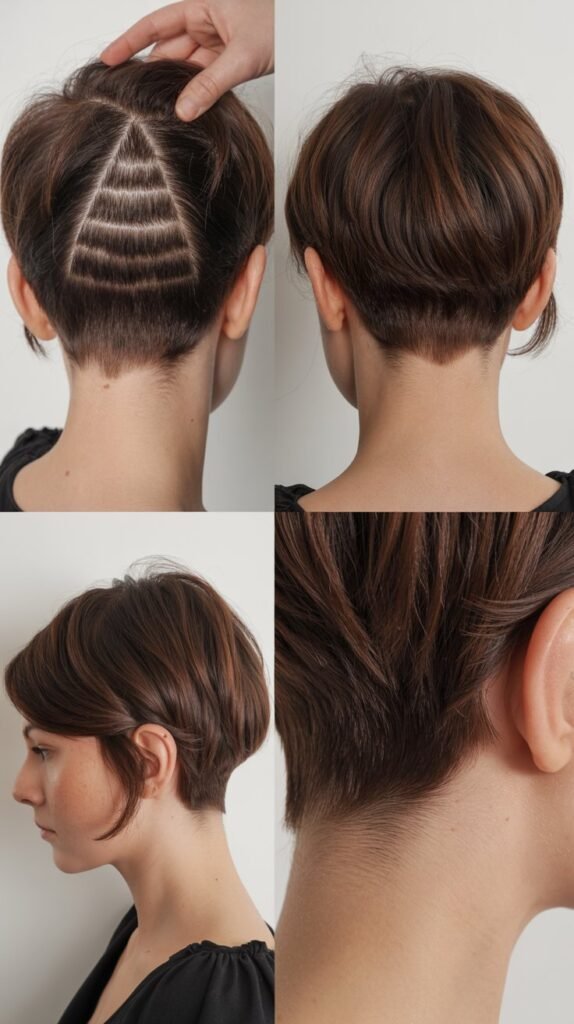
The pixie with nape undercut features shaved or closely clipped hair at the back of the neck while maintaining length throughout the rest of the cut.
This hidden detail provides edge and interest that’s revealed when hair is styled up or away from the neck.
- The undercut at the nape keeps the neck cool and comfortable, especially during warm weather or physical activity.
- This placement allows for conservative styling when needed—the undercut can be completely hidden by longer top layers.
- The nape undercut gradually grows out less obviously than side undercuts since the area is less visible.
- This detail adds unexpected edge to otherwise traditional pixie cuts without requiring full-time commitment to a dramatic style.
- Maintenance of the nape undercut can often be done at home with clippers or extended between salon visits.
- The undercut reduces overall hair volume in a typically humid area prone to frizz and flyaways.
28. Spiky Textured Pixie
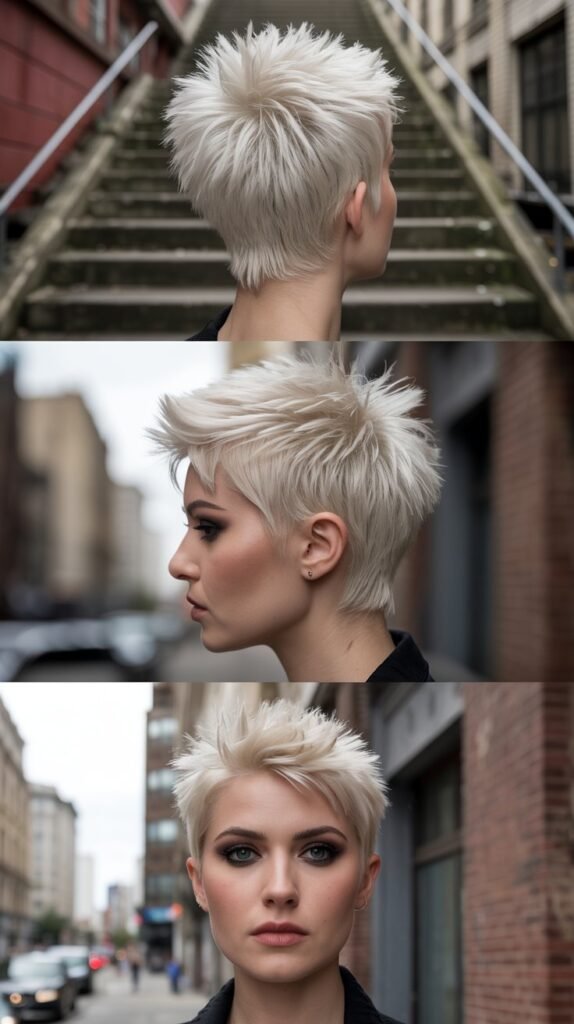
The spiky textured pixie uses strong-hold products and strategic cutting to create upward-pointing pieces throughout the top and crown.
This energetic, youthful style adds significant height and dimension to fine hair.
- Shorter underlying layers provide support and foundation for longer top pieces that are styled into spikes.
- Strong-hold gel, wax, or pomade is necessary to achieve and maintain the upward spike direction.
- The spiky texture creates dramatic shadow and depth that makes fine hair appear substantially thicker.
- This playful style works particularly well for those wanting an edgy, alternative aesthetic that stands out.
- Different spike intensities can be achieved—from subtle textured pieces to dramatic punk-inspired points.
- The upward styling naturally creates volume and height without requiring teasing or excessive manipulation.
29. Pixie with Graduated Nape
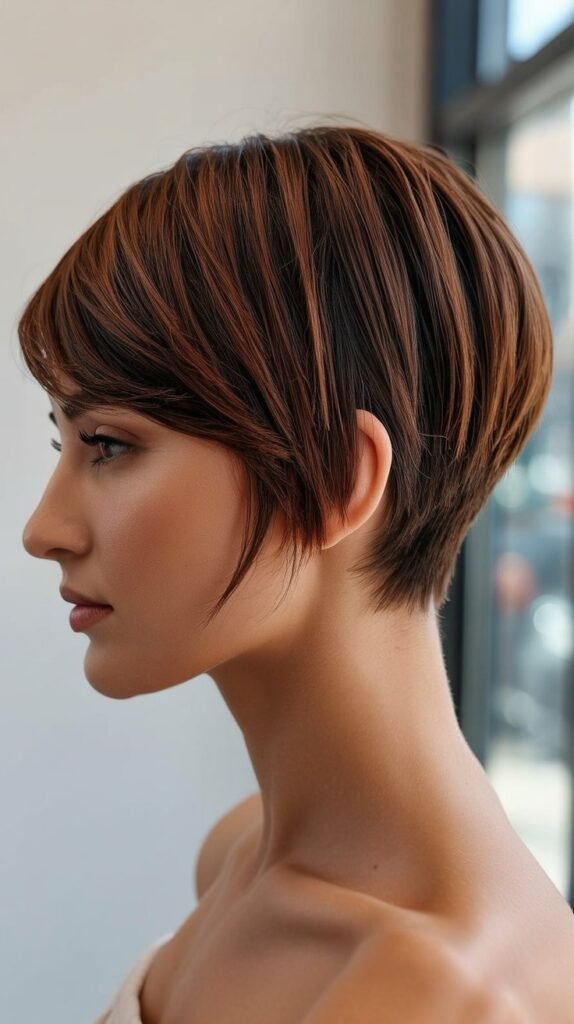
The pixie with graduated nape features precisely tapered lengths that create a smooth, elegant transition from longer hair at the crown to shorter hair at the neckline.
This classic technique creates a polished, refined finish particularly suitable for professional environments.
- The graduation creates a natural curve that follows the head’s shape while preventing the bulky, triangular silhouette that can occur with fine hair.
- Precise scissor work is essential for achieving the smooth gradient without visible lines or steps.
- This technique works particularly well for fine hair because it removes weight gradually without creating sparse or thin-looking areas.
- The graduated nape is versatile enough to work with various top sections from sleek and smooth to textured and tousled.
- This finishing approach is timeless rather than trendy, ensuring longevity and appropriateness across different settings.
- The smooth neckline created by graduation is particularly flattering on those with elegant neck lines or who wear their hair up occasionally.
30. Pixie with Peek-a-Boo Color
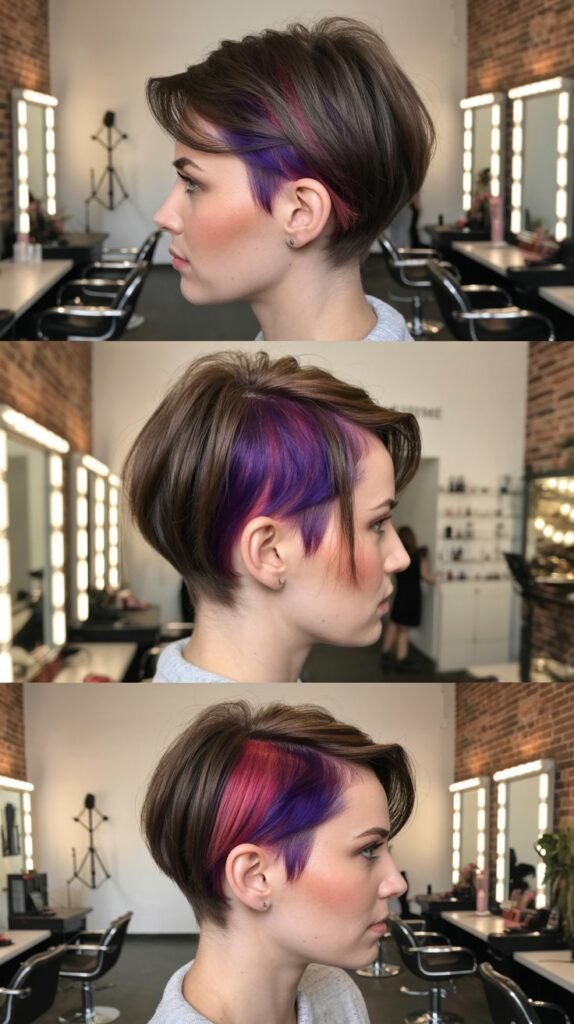
The pixie with peek-a-boo color features hidden color panels underneath visible top layers that reveal themselves with movement or specific styling.
This playful color technique adds surprise and personality while creating dimension in fine hair.
- Underneath sections can be colored in vibrant fashion shades or subtle tonal variations depending on personal style.
- The hidden color is revealed when hair is styled behind ears, pushed forward, or moved by wind and activity.
- This approach allows for creative color expression that can be concealed when necessary for professional settings.
- The color contrast between visible and hidden sections creates depth that makes fine hair appear fuller.
- Strategic placement of peek-a-boo panels can enhance the specific pixie cut’s shape and movement patterns.
- The technique works with both natural and unnatural color choices from subtle caramel to bold purple or blue.
31. Soft Feminine Pixie
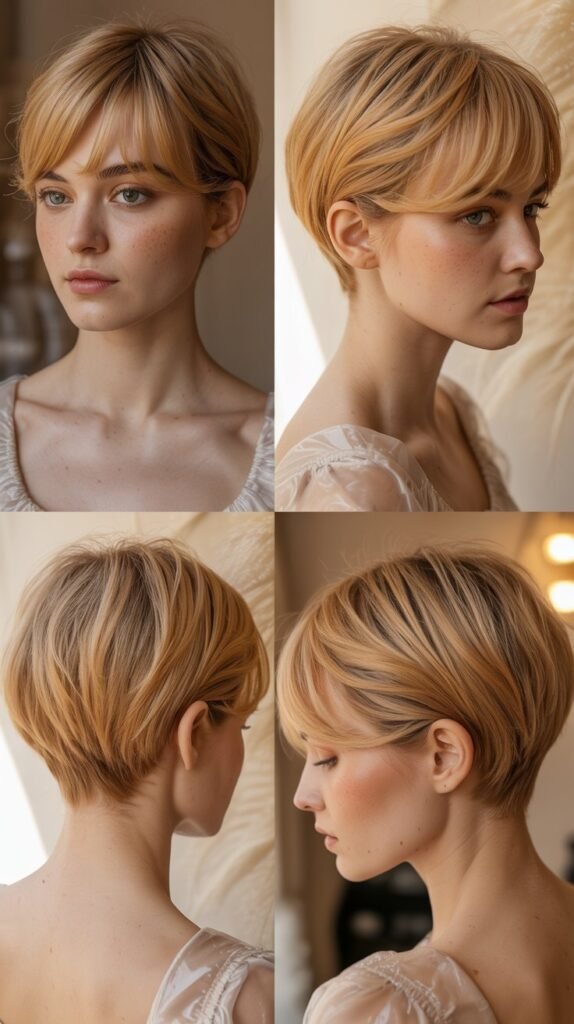
The soft feminine pixie emphasizes gentle curves, rounded edges, and delicate texturing to create a romantic, approachable look.
This style proves that pixie cuts don’t have to be edgy or androgynous to be beautiful and effective for fine hair.
- Rounded layering throughout creates soft movement without harsh lines or dramatic angles.
- Point cutting techniques produce feathered ends that appear delicate and wispy rather than blunt.
- This approach typically incorporates longer sections near the face for a softer, more traditionally feminine frame.
- The overall shape follows the head’s natural contours while maintaining enough structure to prevent flatness.
- Styling emphasizes smoothness and subtle texture rather than piecey separation or dramatic spikes.
- This versatile cut works well across age groups and professional settings while still being stylish and modern.
32. Pixie with Temple Undercut
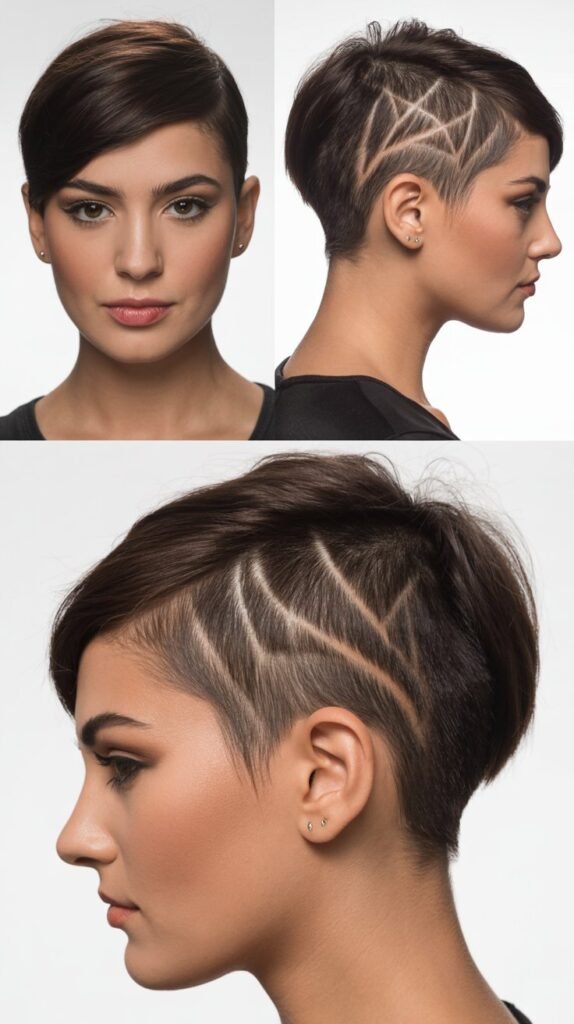
The pixie with temple undercut features shaved or closely clipped sections at the temples while maintaining length throughout the rest of the style.
This placement creates visual interest while concentrating fine hair’s limited density where it’s most visible.
- Temple undercuts draw attention to the eyes and create a face-lifting effect by removing weight from the sides.
- The placement is less common than side or nape undercuts, making it a unique choice that stands out.
- This detail can be symmetrical on both temples or asymmetrical on just one side for added interest.
- The temple area typically grows hair slowly, meaning this undercut requires less frequent maintenance than other placements.
- This strategic removal of hair from the temples prevents the common issue of fine hair lying flat and lifeless in this area.
- The undercut can incorporate designs or patterns for those wanting additional customization and edge.
33. Pixie with Piecey Definition
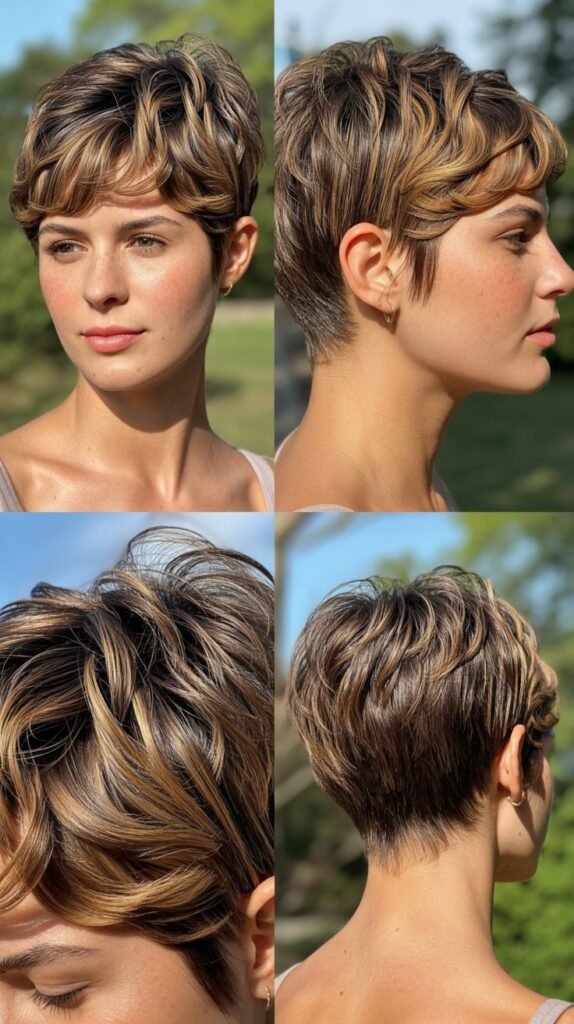
The pixie with piecey definition uses texturizing techniques and strategic product application to create visible separation between small sections of hair throughout the style.
This approach adds dimension and visual interest that makes fine hair appear fuller and more textured.
- Texturizing shears or point cutting create varied lengths that naturally separate when styled with appropriate products.
- Lightweight waxes, pomades, or texturizing pastes applied to individual pieces create definition without heaviness.
- The piecey effect works throughout the entire cut from the fringe to the nape, creating cohesive texture.
- This technique adds movement and dimension that catches light differently than smooth or uniformly textured styles.
- The defined pieces create shadows and depth that trick the eye into perceiving more hair density than actually exists.
- Strategic piece placement can enhance facial features by directing visual attention to eyes, cheekbones, or other desired focal points.
Maintenance Schedule for Pixie Cuts
Fine hair pixie cuts require regular maintenance to maintain their shape, volume, and style integrity.
- Professional cuts every 4-6 weeks prevent the style from losing its shape and becoming overgrown.
- Undercut sections need maintenance every 2-3 weeks to keep designs crisp and prevent shagginess.
- Color touch-ups depend on the specific color service but typically range from 4-8 weeks for permanent color.
- Deep conditioning treatments once weekly help maintain fine hair’s health and prevent breakage from frequent styling.
- Daily styling with appropriate products takes 5-15 minutes depending on the complexity and finish desired.
- Clarifying shampoo once monthly removes product buildup that can weigh down fine hair and reduce volume.
33 Amazing Short Pixie Haircuts for Thin Fine Hair demonstrates that limited hair density doesn’t mean limited style options.
Each of these variations offers unique solutions to the challenges fine-haired individuals face while providing opportunities for personal expression and style experimentation.
From classic and feminine to edgy and dramatic, there’s a pixie cut that will work with your hair’s natural texture rather than against it.
The key to success with any of these styles lies in finding an experienced stylist who understands how to cut fine hair for maximum volume and movement, choosing the right products that enhance without weighing down, and committing to the regular maintenance that keeps short cuts looking their best.
Whether you’re drawn to sleek sophistication or tousled texture, asymmetrical drama or soft romance, the perfect pixie exists for your fine hair, face shape, and lifestyle.
These 33 options prove that embracing a short cut can be the best decision for showcasing fine hair’s natural beauty while gaining the confidence and ease that comes with a perfectly executed pixie.

