Long hair offers endless styling possibilities, but finding the perfect cut that frames your face while maintaining length can be challenging.
When you’re searching for 32 Long Layered Cuts That Highlight the Front Beautifully, you’re looking for styles that combine elegance with dimension, creating movement and shape around your facial features.
This comprehensive guide explores a diverse collection of layered haircuts specifically designed to enhance your front sections while preserving your gorgeous length.
From soft, face-framing layers to bold, statement-making cuts, each style offers unique benefits for different hair textures, face shapes, and personal preferences.
Whether you have straight, wavy, or curly hair, these expertly crafted cuts will help you discover the perfect balance between maintaining your long locks and adding flattering dimension around your face.
Get ready to transform your look with cuts that bring attention to your best features while keeping your hair healthy, manageable, and absolutely stunning.
1. Curtain Bangs with Long Layers
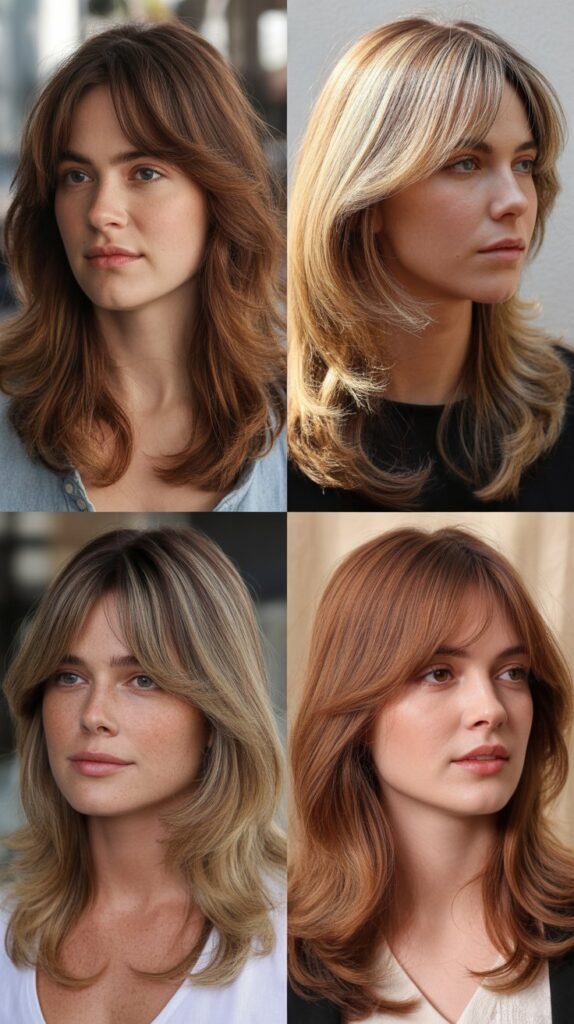
Curtain bangs paired with long layers create a vintage-inspired look that beautifully frames the face while maintaining overall length. This style features wispy, parted bangs that sweep gracefully to each side, blending seamlessly into longer layers throughout the hair.
- The curtain bang technique involves cutting the front sections shorter, typically grazing the cheekbones or just below the eyes.
- These bangs part naturally in the middle, creating a soft, effortless look that flatters most face shapes.
- Long layers begin at the shoulders and cascade downward, adding movement without sacrificing length.
- This cut works exceptionally well for those wanting a low-maintenance style that grows out gracefully.
- The layers blend seamlessly from the bangs through to the ends, creating a cohesive, flowing appearance.
- Face-framing pieces are typically cut in a diagonal line, creating a flattering angle that draws attention to the eyes and cheekbones.
2. Feathered Front Layers
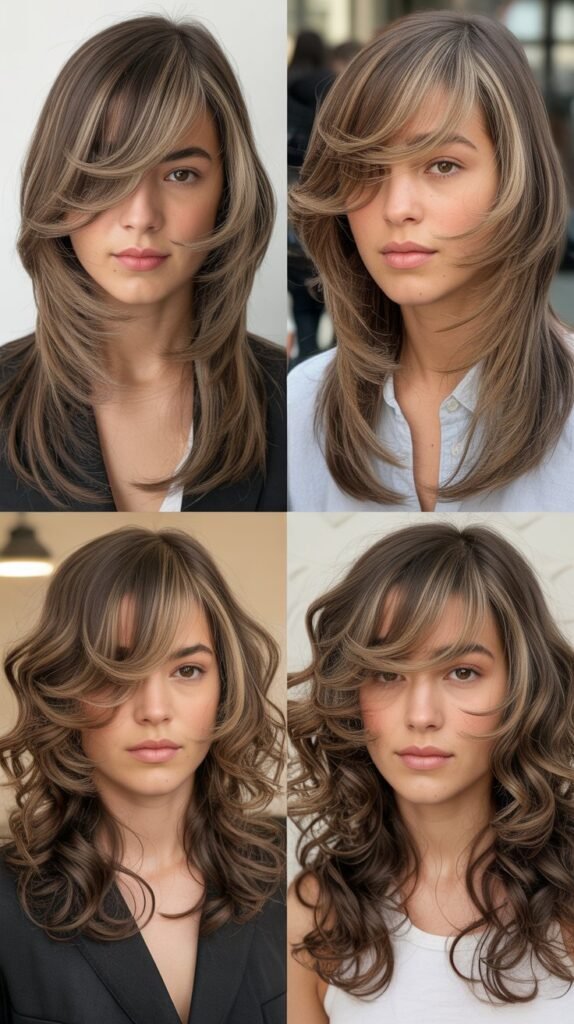
Feathered front layers bring texture and softness to long hair by incorporating delicate, wispy pieces around the face. This technique creates a light, airy feel while adding dimension and movement to the front sections.
- Feathering involves point-cutting or razor-cutting the hair to create soft, tapered ends.
- The front layers are cut shorter and gradually blend into the longer lengths, creating a seamless transition.
- This technique removes bulk from thick hair while adding body to finer textures.
- Feathered layers frame the face beautifully, drawing attention to facial features without appearing harsh or heavy.
- The style works particularly well with highlight placement, as the layered pieces catch light naturally.
- Styling is simple—feathered layers respond well to blow-drying with a round brush or air-drying for a relaxed look.
3. Face-Framing Money Pieces
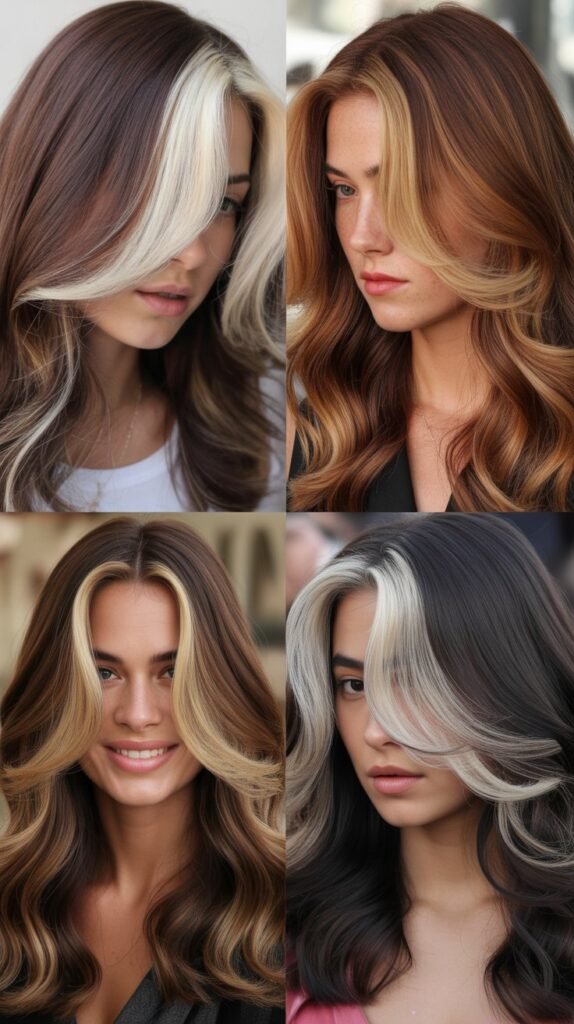
Money pieces are bold, face-framing highlights combined with strategic layering that creates a striking contrast and dimensional look. The front sections are both colored and cut to draw maximum attention to the face.
- Money pieces typically involve two thick sections of lighter color placed at the front of the hair.
- These sections are cut into layers that fall around the face, creating both color and structural dimension.
- The layering technique ensures the highlighted pieces are visible and frame the face regardless of styling.
- This approach works beautifully with both subtle and dramatic color contrasts.
- The layers begin at various lengths depending on face shape—shorter for round faces, longer for elongated faces.
- The cut maintains length in the back while bringing focus and brightness to the front.
4. Long Shag with Choppy Front Layers
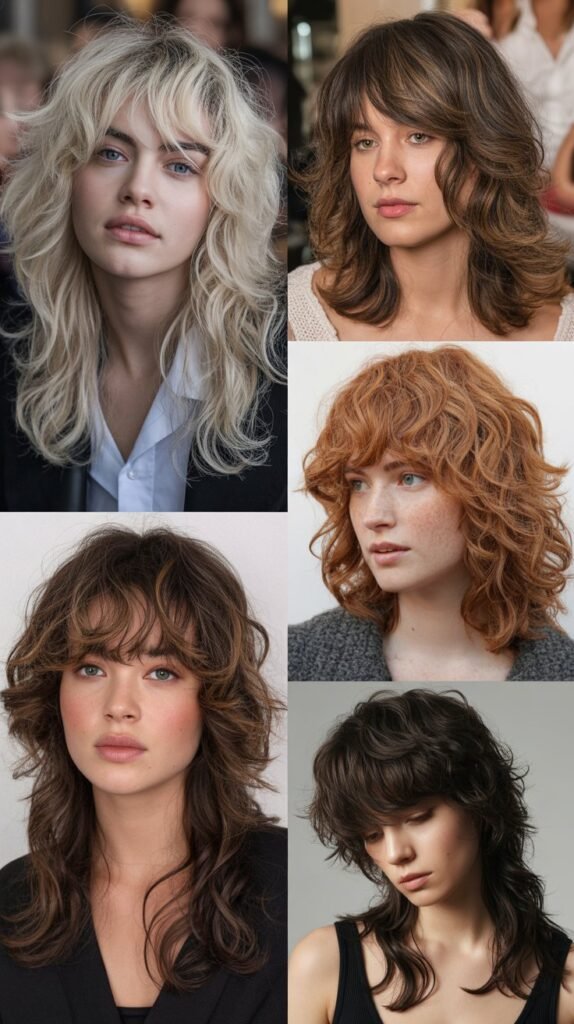
The modern long shag incorporates choppy, textured front layers that create an edgy, rock-and-roll vibe while maintaining feminine length. This cut combines multiple layering techniques for maximum dimension and movement.
- The long shag features layers throughout the entire head, with the most dramatic cutting concentrated around the face.
- Choppy front layers are cut with texturizing techniques, creating separation and definition.
- This style adds significant volume at the crown while keeping length at the ends.
- The front pieces are typically cut shorter, often at cheekbone or chin length, before gradually lengthening.
- Styling products like texturizing spray or paste enhance the choppy, lived-in appearance.
- The shag grows out beautifully, maintaining its shape and movement for months after cutting.
5. Bottleneck Bangs with Gradual Layers
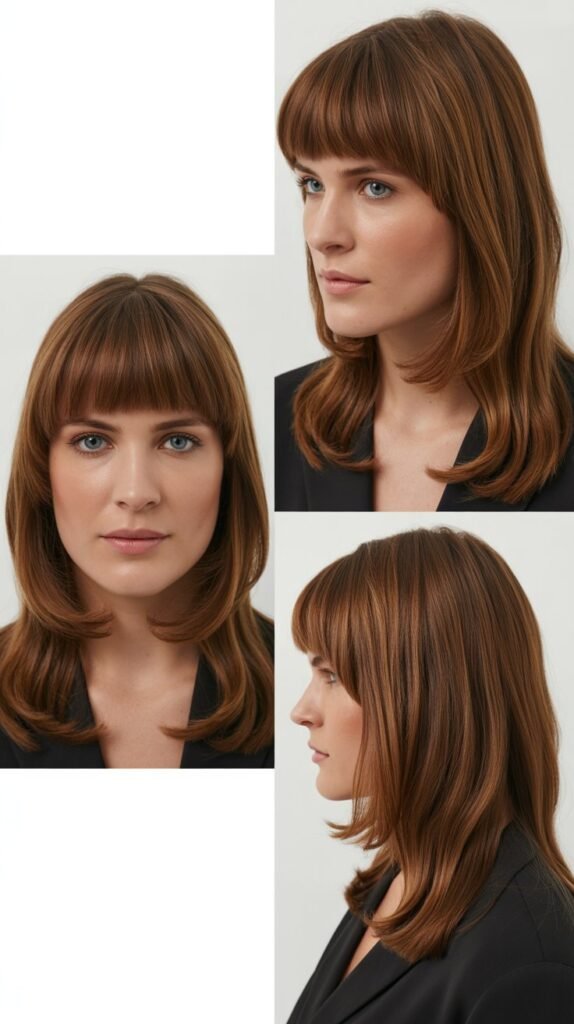
Bottleneck bangs create a unique, tapered shape that’s wider at the forehead and narrows as it extends toward the chin. Combined with gradual long layers, this style offers a fresh, contemporary look.
- Bottleneck bangs start wider at the top and gradually narrow, resembling the neck of a bottle.
- This bang shape flatters various face types by creating balance and drawing attention to the eyes.
- The layers begin where the bangs end and continue throughout the length, creating seamless blending.
- This cut works particularly well for those transitioning from full bangs to a layered look.
- The style requires minimal maintenance while offering maximum face-framing impact.
- Blow-drying with a round brush enhances the tapered shape and creates beautiful movement.
6. Butterfly Layers
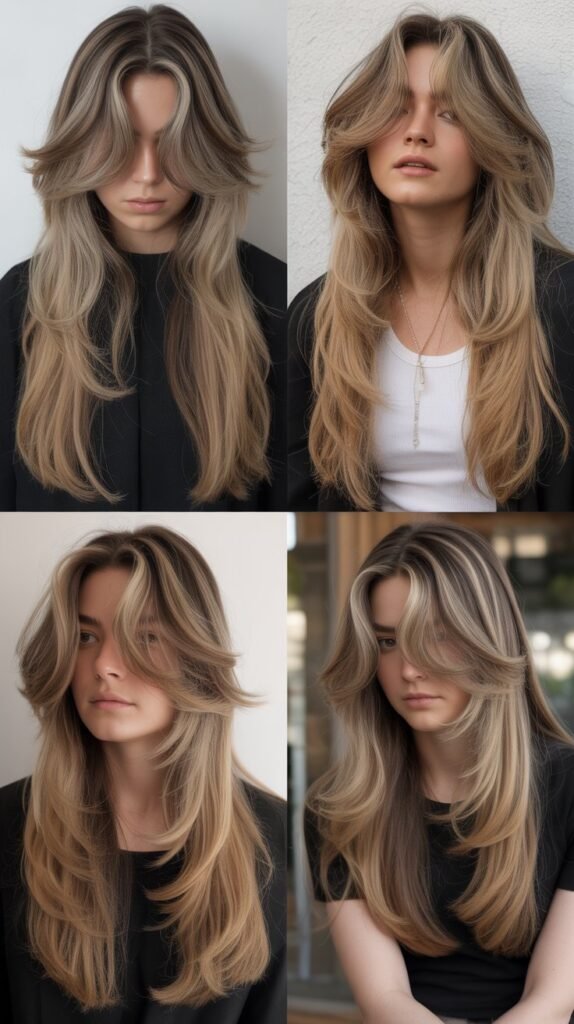
Butterfly layers create volume and movement in the top sections while maintaining weight and length at the bottom, resembling the shape of butterfly wings. This technique brings beautiful dimension to the front of long hair.
- Butterfly layers are characterized by shorter pieces at the crown and top sections.
- The front layers frame the face at varying lengths, typically starting around eye or cheekbone level.
- This cutting technique creates lift and volume at the top while preserving length underneath.
- The layers are cut in a rounded shape, creating the “butterfly wing” effect when styled.
- This style works beautifully with both straight and wavy hair textures.
- The dimensional layering catches light naturally, adding depth and interest to the hair.
7. Side-Swept Bangs with Cascading Layers
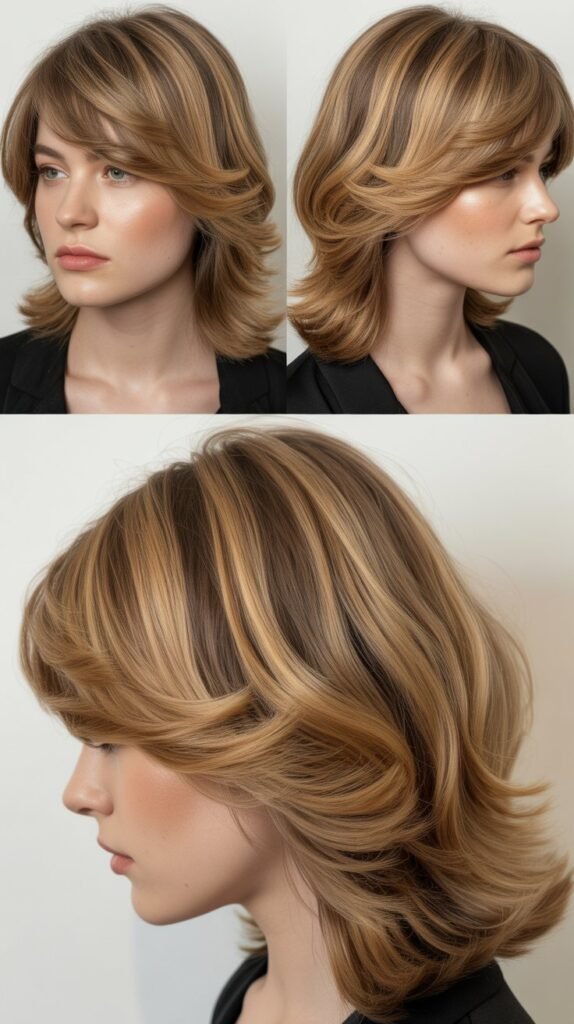
Side-swept bangs combined with cascading long layers create an elegant, sophisticated look that flatters the face while maintaining drama and length. This classic style never goes out of fashion.
- Side-swept bangs are cut on an angle, allowing them to sweep gracefully across the forehead to one side.
- The bang length typically ranges from eyebrow-skimming to eye-covering, depending on preference.
- Cascading layers begin at the bangs and continue throughout the length, creating a waterfall effect.
- This style elongates the face and draws attention to the eyes and cheekbones.
- The layers are cut at strategic intervals to prevent bulkiness while maintaining volume.
- Styling involves blow-drying the bangs to the side while adding loose waves or curls to the layers.
8. Wispy Face-Framing Layers
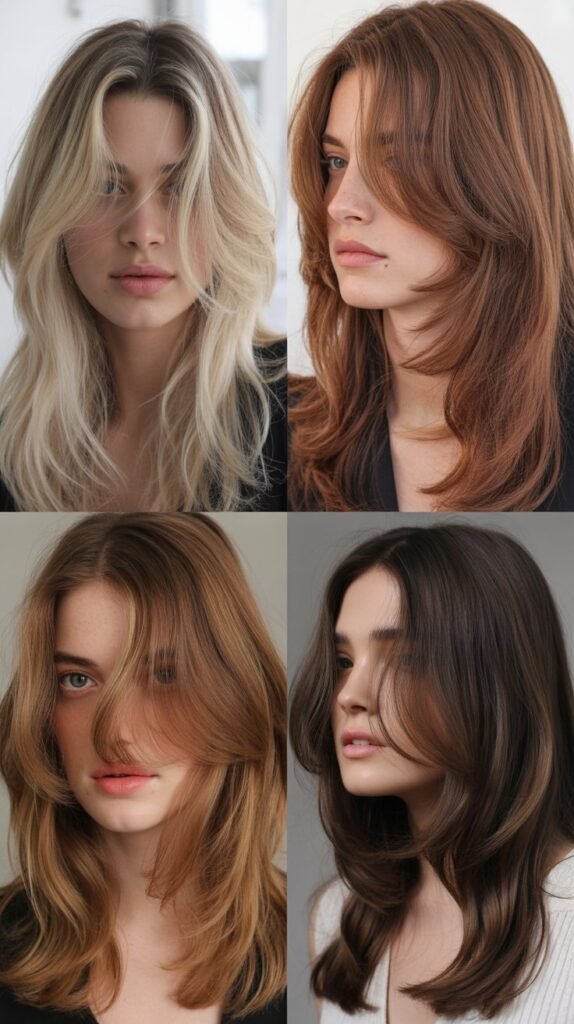
Wispy face-framing layers create a soft, romantic look by incorporating delicate, thin pieces around the face. This subtle approach to layering enhances facial features without dramatic cutting.
- Wispy layers are created using point-cutting or slide-cutting techniques for soft, feathered edges.
- These layers start at the cheekbones or jawline and gradually blend into the overall length.
- The technique removes minimal hair while creating maximum face-framing effect.
- Wispy layers work particularly well for fine to medium hair textures.
- This style requires little maintenance and grows out naturally without harsh lines.
- The layers can be styled sleek and straight or with gentle waves for added softness.
9. Long V-Cut with Front Layers
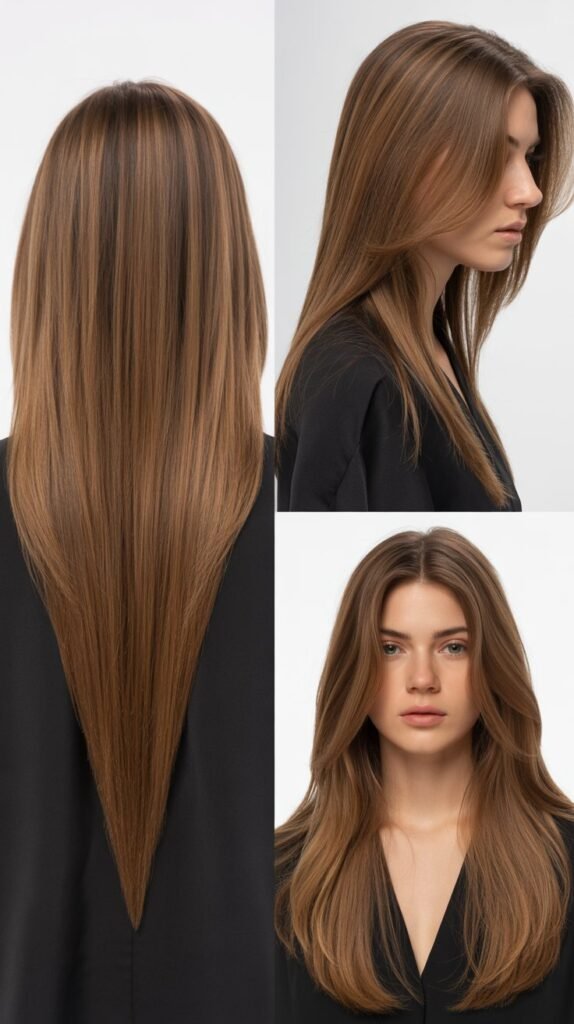
The V-cut creates a dramatic point at the back while incorporating shorter front layers that highlight the face. This combination offers the best of both worlds—length and dimension.
- The V-cut features hair that gradually lengthens toward the center back, creating a V or chevron shape.
- Front layers are cut shorter, typically starting at chin or shoulder length.
- This combination creates beautiful movement and allows for versatile styling options.
- The V-shape adds visual interest when hair is worn down, especially from behind.
- Face-framing layers draw attention forward while the V-cut creates drama from all angles.
- This cut maintains maximum length in the back while keeping the front light and bouncy.
10. Layered Lob (Long Bob) Extension
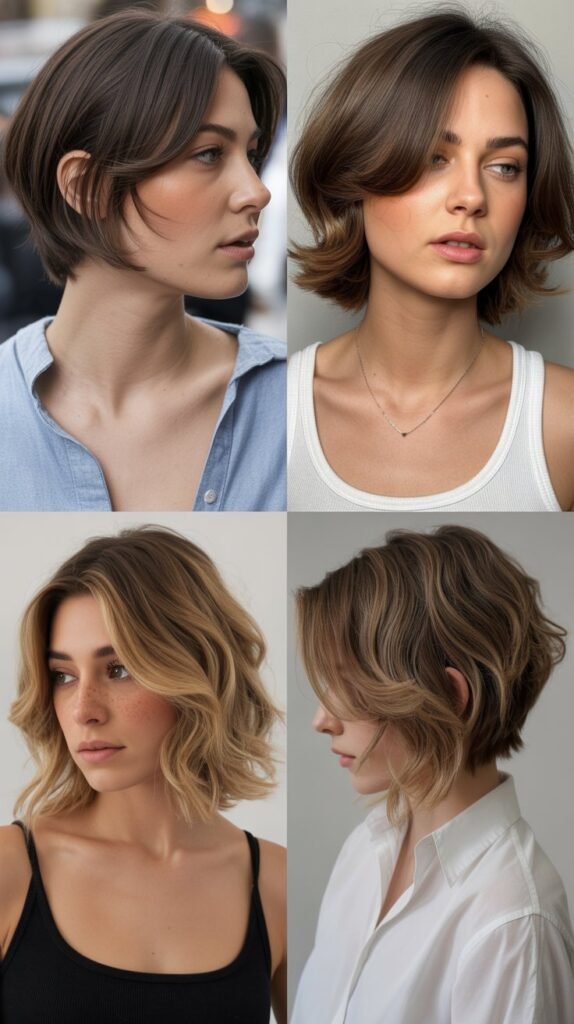
The layered lob extension maintains the classic long bob shape in the front while keeping length in the back. This hybrid cut creates interesting dimension and modern appeal.
- The front sections are cut to lob length, typically between chin and collarbone.
- The back maintains longer length, creating a graduated effect.
- Layers are incorporated throughout to blend the different lengths seamlessly.
- This style offers the freshness of a lob without committing to cutting all your length.
- The front layers frame the face beautifully while the back provides styling versatility.
- This cut works exceptionally well for those wanting a change without dramatic length loss.
11. Swoopy Front Layers
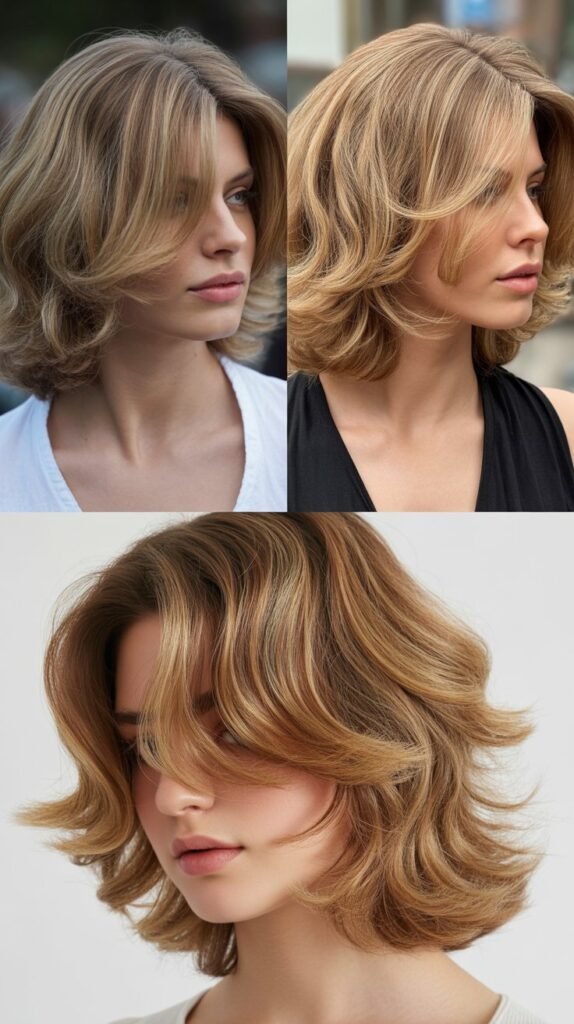
Swoopy front layers create movement and bounce by incorporating layers that curl or wave away from the face. This playful style adds youthful energy to long hair.
- Swoopy layers are cut to encourage hair to naturally bend or wave outward.
- The front sections are typically cut at angles that promote the swooping effect.
- This cutting technique works with the hair’s natural texture rather than against it.
- Layers begin at various points around the face, creating multiple swoops for dimension.
- Styling with a round brush during blow-drying enhances the swoopy movement.
- This style adds volume and prevents hair from falling flat around the face.
12. Diagonal Forward Layers
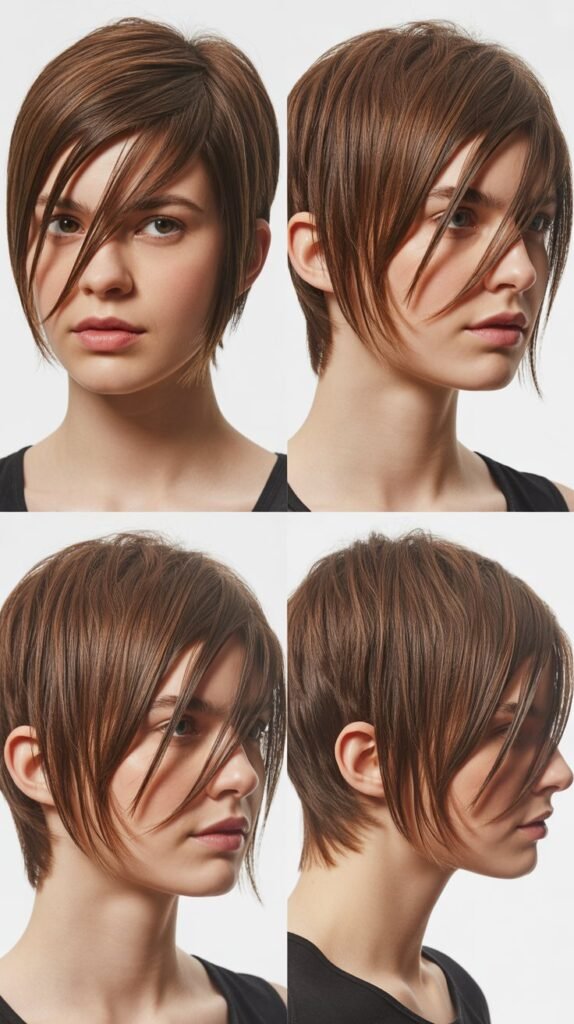
Diagonal forward layers are cut at an angle that directs the eye toward the face, creating a slimming and elongating effect. This technique strategically uses layers to enhance facial features.
- Layers are cut on a diagonal line that angles forward toward the face.
- The shortest layers typically start at the cheekbone or jawline.
- This cutting angle creates a face-slimming effect that flatters most shapes.
- The diagonal direction guides the viewer’s eye toward the center of the face.
- Layers gradually lengthen as they move toward the back, creating seamless blending.
- This technique works beautifully with both straight and wavy hair textures.
13. Peek-A-Boo Layers with Color
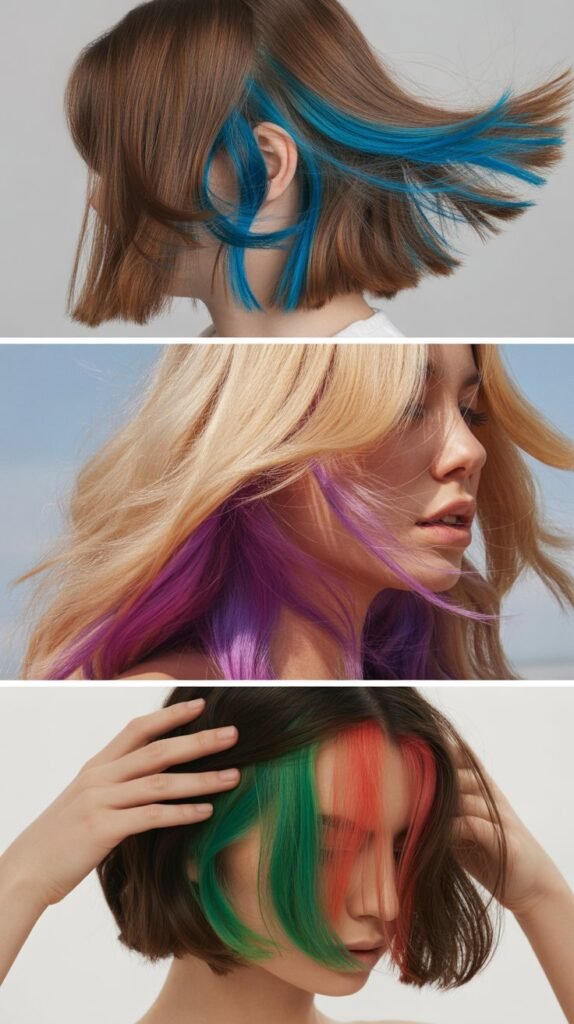
Peek-a-boo layers combine strategic cutting with hidden color placement, creating layers that reveal contrasting shades when hair moves. This dynamic style offers surprise and dimension.
- Peek-a-boo layers are cut shorter underneath or at the front to showcase hidden color.
- The front layers are designed to fall in a way that reveals the colored sections beneath.
- This technique creates dimension through both cutting and color placement.
- The layers move and shift, revealing different colors with different styling methods.
- Face-framing pieces can be highlighted or lowlighted to create maximum contrast.
- This style offers versatility—wear hair straight for subtle color or wavy for maximum reveal.
14. Textured Razored Front Pieces
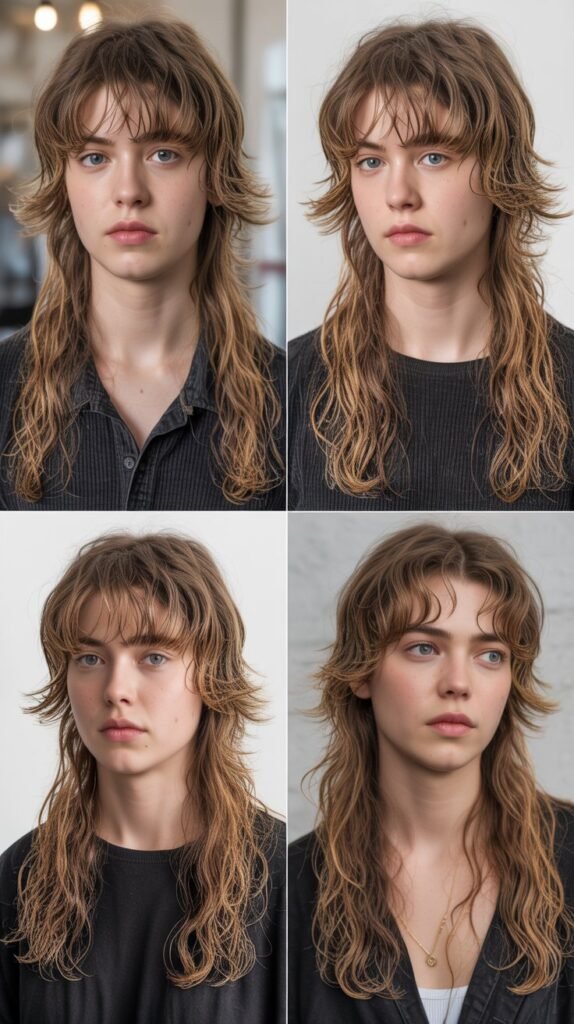
Textured razored front pieces create edgy, modern dimension through the use of razor-cutting techniques. This approach produces soft, jagged edges that add interest around the face.
- Razor-cutting creates softer, more textured edges than traditional scissor cutting.
- Front pieces are razored to remove bulk while creating movement and separation.
- This technique works particularly well for thick or coarse hair textures.
- The textured pieces frame the face with an effortless, lived-in appearance.
- Razored layers require minimal styling—often looking best with air-drying.
- This cutting method creates pieces that move independently, adding dimension and depth.
15. Collarbone-Grazing Front Layers
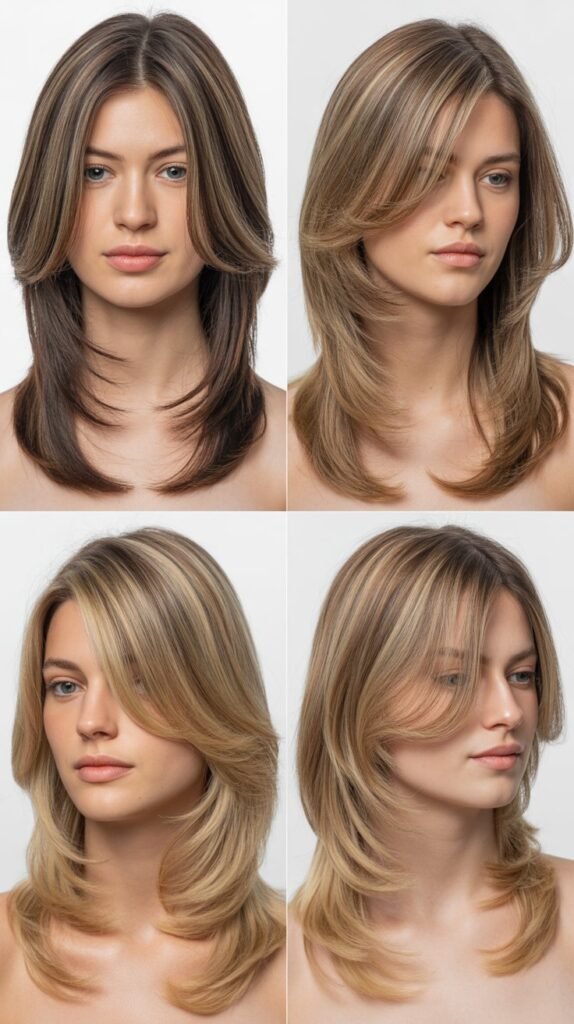
Collarbone-grazing front layers create a universally flattering length that highlights the face while maintaining long hair. This precise cutting technique offers elegance and sophistication.
- The front layers are cut to exactly graze the collarbone, creating a precise, clean line.
- This length draws attention to the neck and collarbone area, creating an elegant silhouette.
- Back sections maintain longer length, offering contrast and dimension.
- The collarbone length flatters most face shapes and neck lengths.
- This cutting precision creates intentional, polished styling when worn straight.
- The layers can be styled under, over, or straight for different looks.
16. Crown Layering with Front Focus
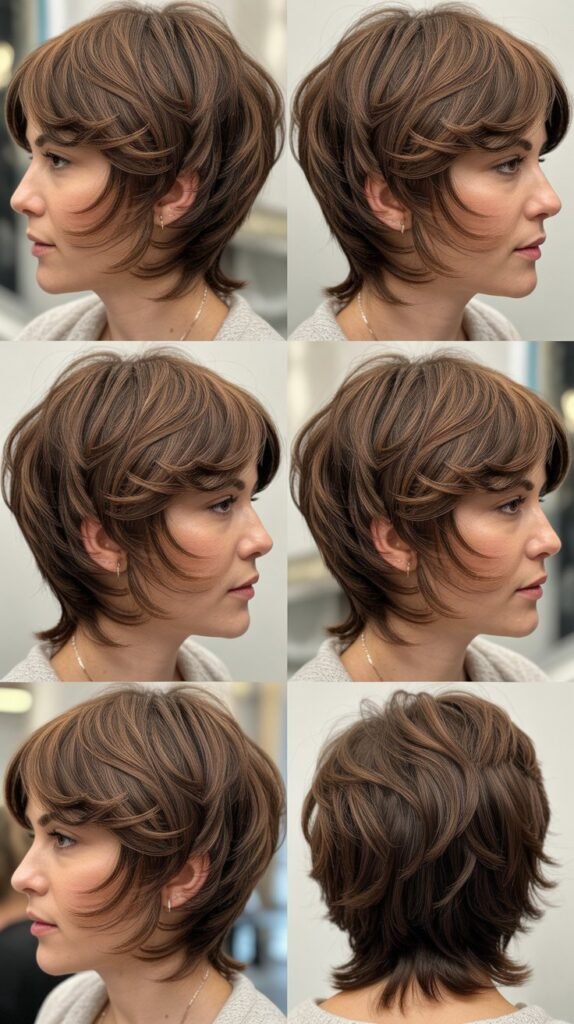
Crown layering with front focus concentrates shorter layers at the top of the head while keeping the front heavily layered, creating lift and volume where it’s most visible.
- Crown layers are cut shorter to create lift and prevent flatness at the top of the head.
- Front sections feature multiple layers that cascade from crown to face.
- This technique is perfect for fine or flat hair needing volume.
- The layering creates a rounded, flattering shape around the head.
- Front layers draw attention to facial features while crown layers add height.
- Styling involves lifting the crown while directing front layers toward the face.
17. Soft Blunt Layers
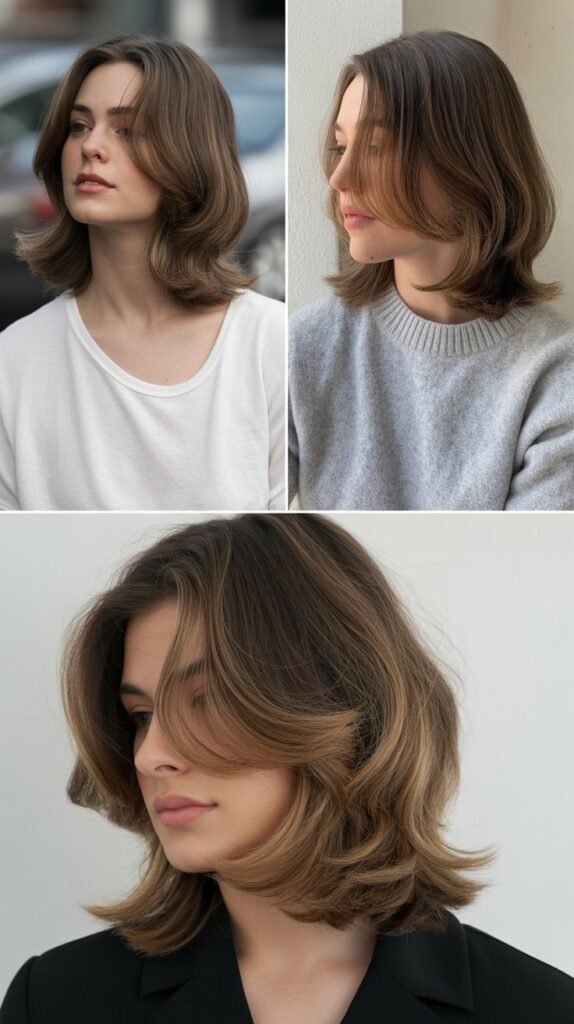
Soft blunt layers maintain the weight and thickness of hair while incorporating subtle layering for face-framing dimension. This technique offers the best aspects of both blunt and layered cuts.
- Soft blunt layers maintain most of the hair’s weight while adding strategic face-framing pieces.
- The layers are minimal and concentrated around the front of the hair.
- This cutting technique preserves the appearance of thickness and fullness.
- Front pieces are cut to frame the face without creating excessive layering throughout.
- The blunt baseline remains intact, giving hair a healthy, thick appearance.
- This style works particularly well for those with fine hair wanting to maintain the illusion of thickness.
18. Asymmetrical Front Layers
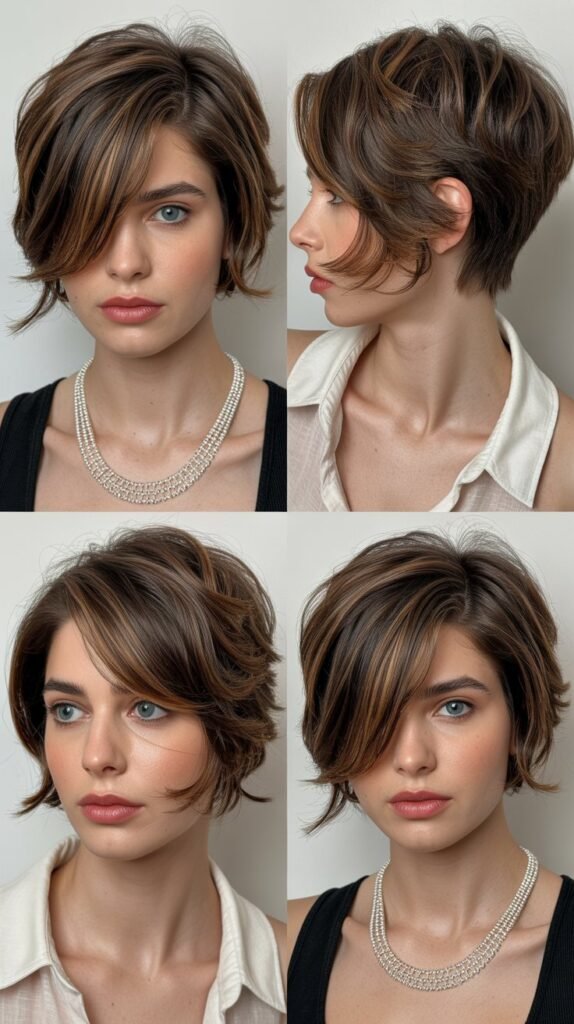
Asymmetrical front layers create visual interest through intentional unevenness, with one side featuring shorter or more dramatic layers than the other. This bold style makes a statement.
- One side of the hair is cut with shorter, more dramatic layers while the other remains longer.
- This creates an intentionally unbalanced, modern look that draws attention.
- The asymmetry can be subtle or dramatic depending on personal preference.
- This style works well for those wanting an edgy, fashion-forward appearance.
- Face-framing occurs on both sides but with different intensities and lengths.
- The asymmetry can be styled to enhance or minimize the difference between sides.
19. Graduated Layers Throughout
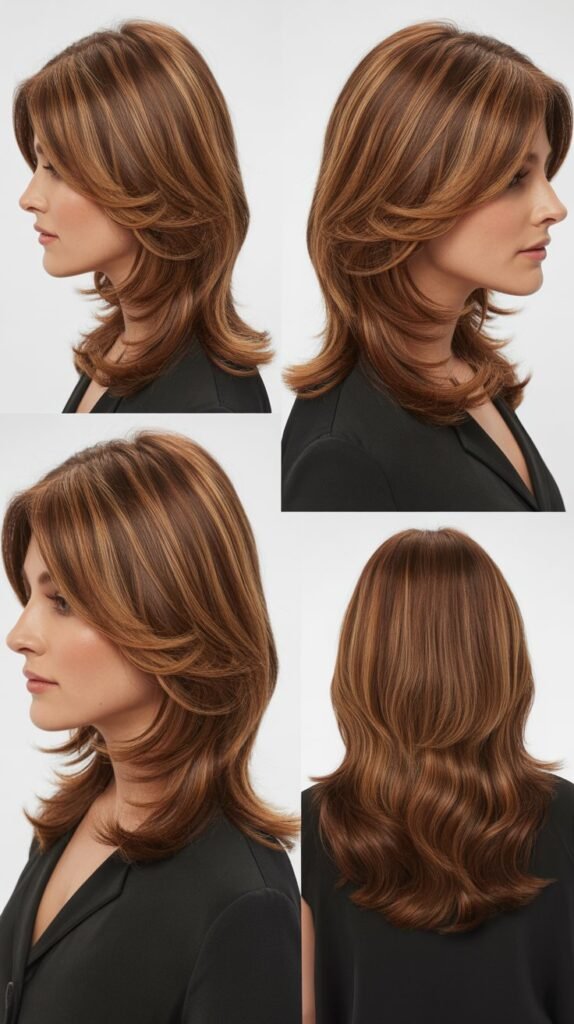
Graduated layers throughout the hair create a seamless blend from front to back, with the shortest layers concentrated around the face. This classic technique offers timeless appeal.
- Graduated layering starts with the shortest pieces at the front and gradually lengthens toward the back.
- Each section is cut slightly longer than the one in front of it, creating smooth transitions.
- This technique prevents choppy or disconnected layers throughout the hair.
- Front layers receive the most dramatic cutting, creating strong face-framing.
- The graduation creates natural movement and prevents the hair from appearing heavy or triangular.
- This cutting method works with all hair textures and maintains shape during growth.
20. Micro Bangs with Long Layers
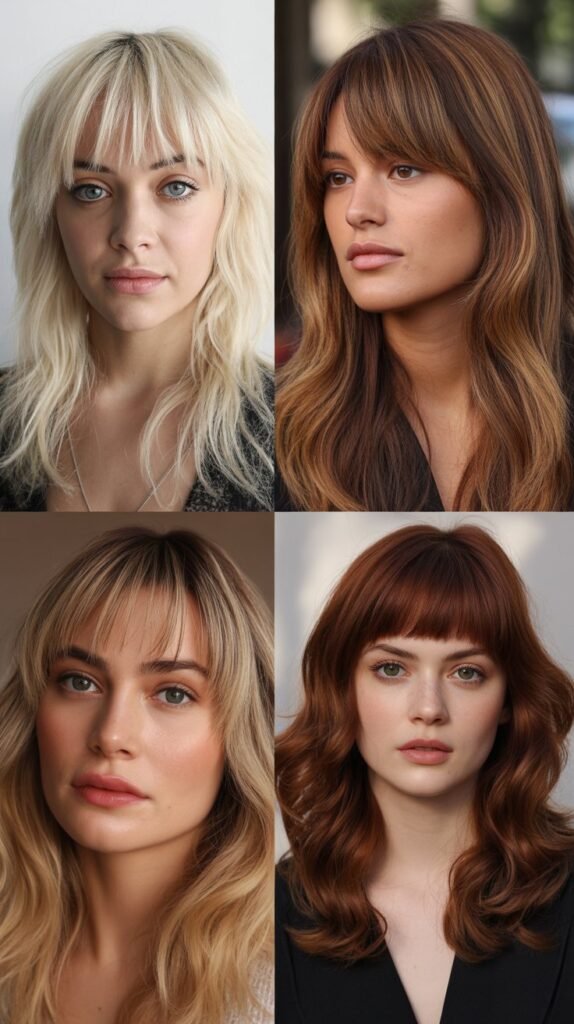
Micro bangs paired with long layers create a bold, fashion-forward look that showcases the forehead while maintaining length. This daring combination makes a strong style statement.
- Micro bangs are cut extremely short, typically sitting well above the eyebrows.
- The dramatic contrast between short bangs and long layers creates visual interest.
- Long layers begin below the bangs and cascade throughout the hair length.
- This style requires confidence and regular maintenance to keep bangs at the desired length.
- The micro bang draws attention to the eyes and eyebrows, creating a striking focal point.
- This cutting combination works best for those with strong facial features and oval to oblong face shapes.
21. Layered Curtain Fringe
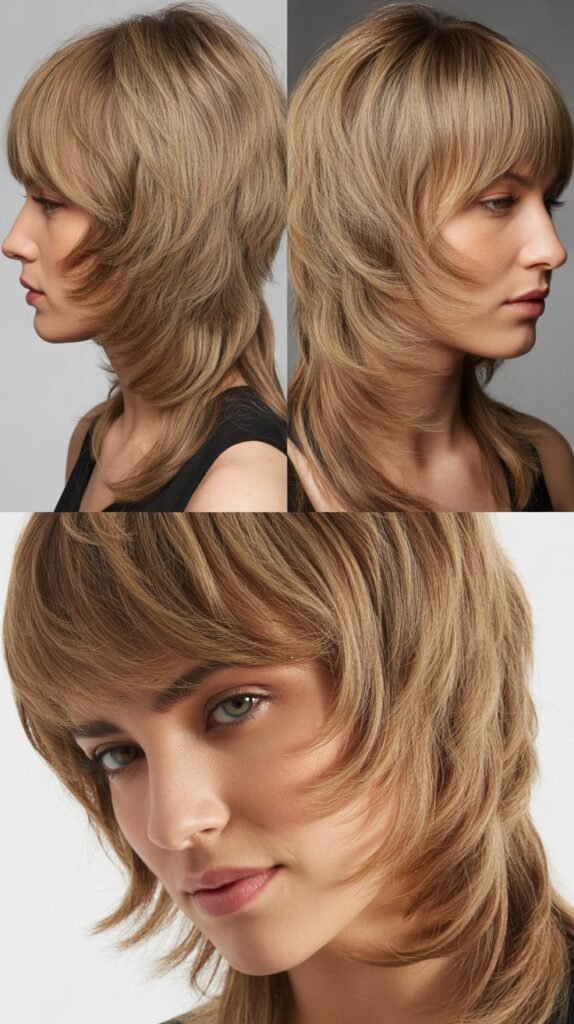
Layered curtain fringe combines the popular curtain bang trend with additional layering throughout the front sections, creating enhanced dimension and movement around the face.
- The curtain fringe is cut with multiple layers rather than one solid bang piece.
- This creates more texture, movement, and dimension in the front sections.
- Layers within the fringe allow for versatile styling—can be worn full or separated.
- The technique removes bulk while maintaining the face-framing curtain shape.
- Works exceptionally well for thick hair that might otherwise feel heavy as bangs.
- The layered approach creates a softer, more natural-looking curtain effect.
22. Face-Framing Highlights with Strategic Layers
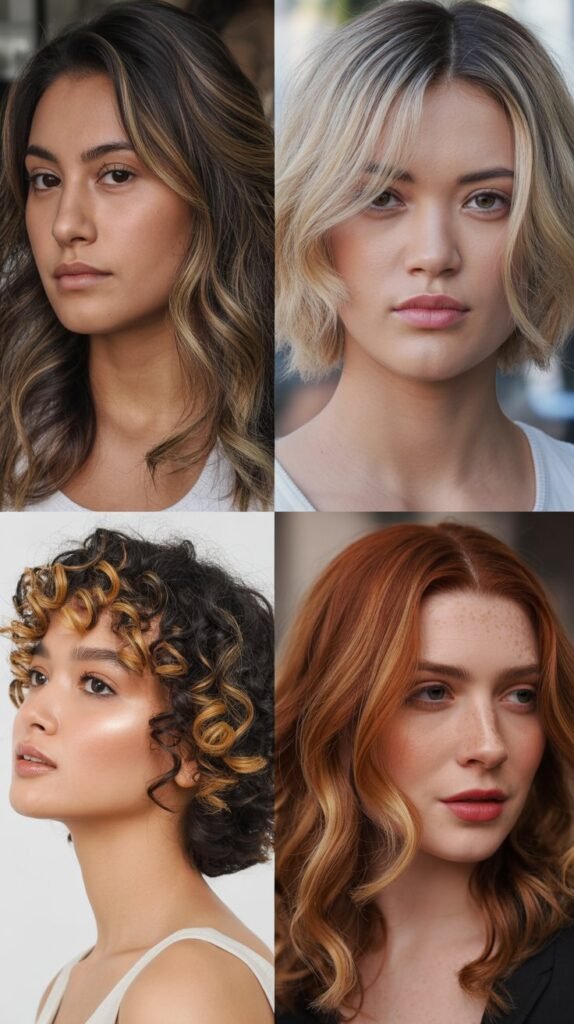
Face-framing highlights combined with strategic layering creates both dimensional color and structural interest around the face. This dual approach maximizes the face-highlighting effect.
- Highlights are placed specifically around the face in sections that will be layered.
- Layers are then cut to showcase and emphasize the highlighted pieces.
- This combination ensures the lighter pieces are always visible and face-framing.
- The technique works with both subtle and dramatic color contrasts.
- Strategic layer placement prevents highlighted sections from blending into the rest of the hair.
- This approach creates maximum dimension through both color and cutting techniques.
23. Bardot Bangs with Flowing Layers
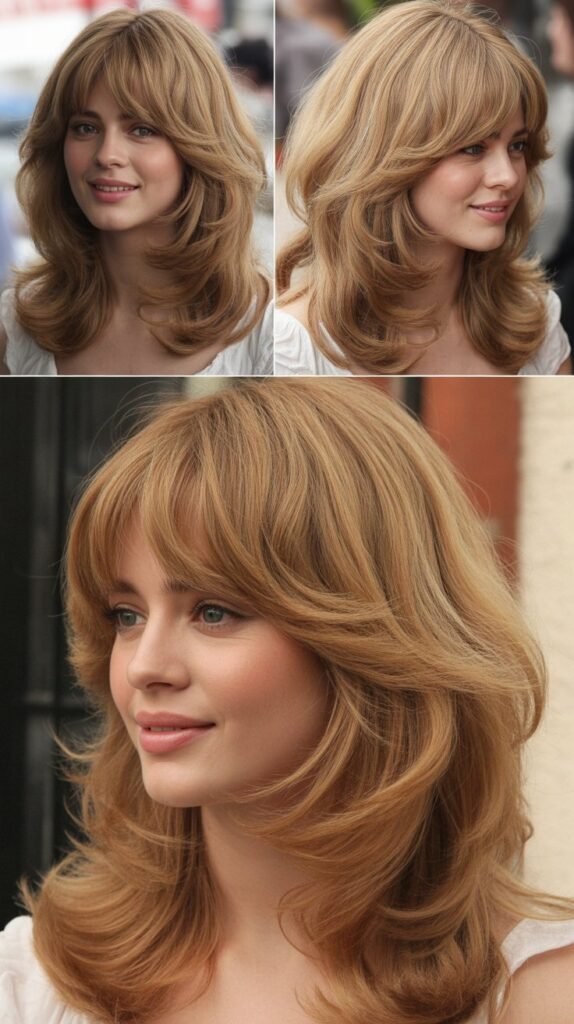
Bardot bangs, inspired by iconic actress Brigitte Bardot, feature soft, wispy bangs paired with long flowing layers. This romantic style exudes French-girl effortlessness.
- Bardot bangs are cut to eyebrow length or slightly longer with a soft, feathered appearance.
- The bangs are typically styled with volume and slight separation for a lived-in look.
- Long layers throughout the hair complement the romantic, vintage aesthetic.
- This style works beautifully when paired with gentle waves or curls.
- The bangs can be styled swept to the sides or worn more centrally depending on preference.
- Face-framing layers blend seamlessly with the bang sections, creating cohesive flow.
24. Angled Face-Framing Layers
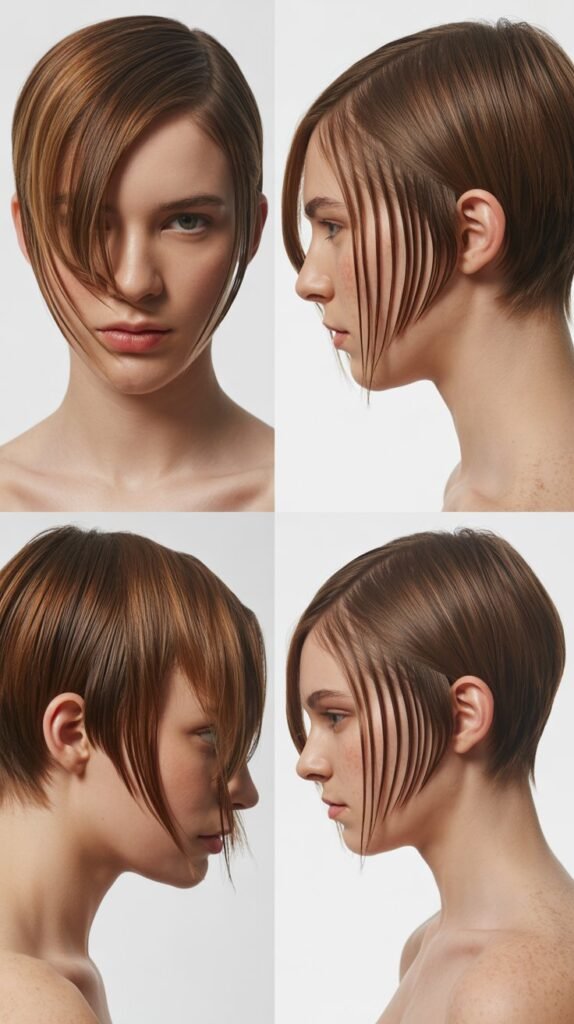
Angled face-framing layers are cut at precise angles that create a slimming, elongating effect around the face. This geometric approach to layering offers modern sophistication.
- Layers are cut at specific angles that direct the eye in flattering directions.
- The angle typically slopes from shorter at the front to longer at the back.
- This cutting technique creates a face-slimming effect through visual lines.
- Precise angle cutting ensures consistency and intentional styling.
- The layers can be cut at dramatic or subtle angles depending on desired impact.
- This technique works exceptionally well when hair is worn straight, showcasing the precise cutting.
25. Layered with Internal Texturing
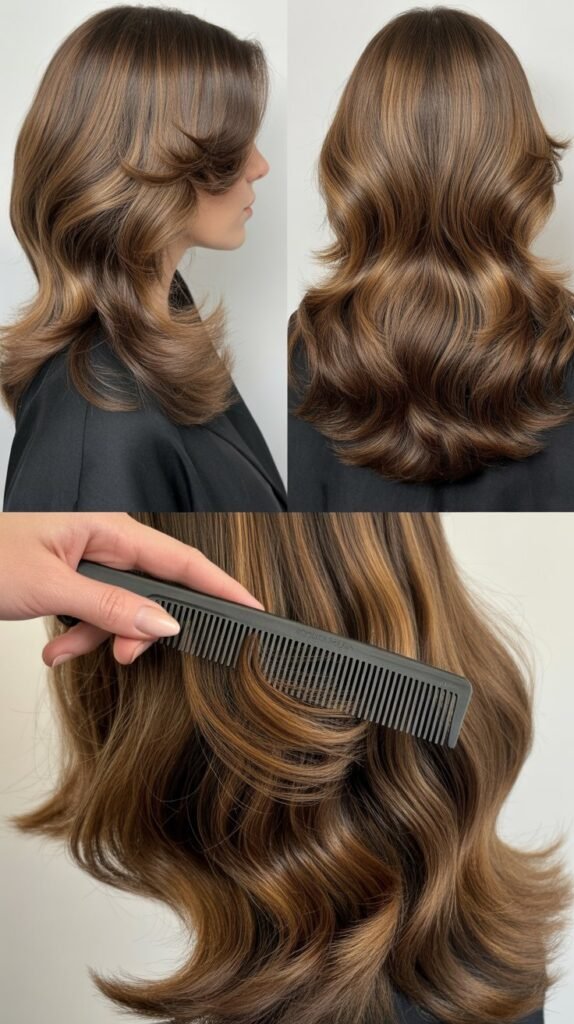
Layered with internal texturing removes weight from within the hair while maintaining the outer perimeter, creating movement and reducing bulk without obvious layering.
- Internal texturing involves cutting layers within the hair rather than just at the perimeter.
- This technique removes bulk and weight without creating obvious external layering.
- Face-framing pieces are cut traditionally while internal layers add movement throughout.
- This approach is ideal for thick hair needing weight removal without losing length appearance.
- The hair maintains a fuller, thicker look while being lighter and more manageable.
- Internal layers create movement that’s felt rather than overtly seen.
26. Swoosh Front Sections
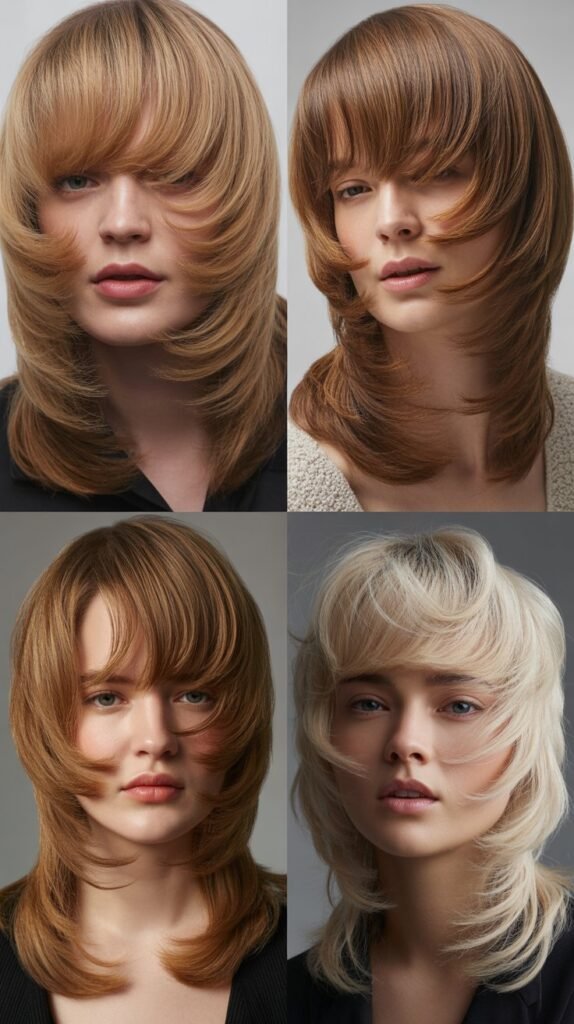
Swoosh front sections feature layers cut specifically to create a sweeping motion away from the face, adding dramatic movement and volume to the front area.
- Swoosh sections are cut to naturally sweep away from the face when styled.
- The layers are longer at the crown and gradually shorten toward the face, then lengthen again.
- This creates a lifted, voluminous appearance in the front sections.
- The cutting angle encourages hair to move in a specific direction naturally.
- Styling involves blow-drying with a round brush to enhance the swooshing motion.
- This technique adds drama and personality to long hair without extreme cutting.
27. Disconnected Front Layers
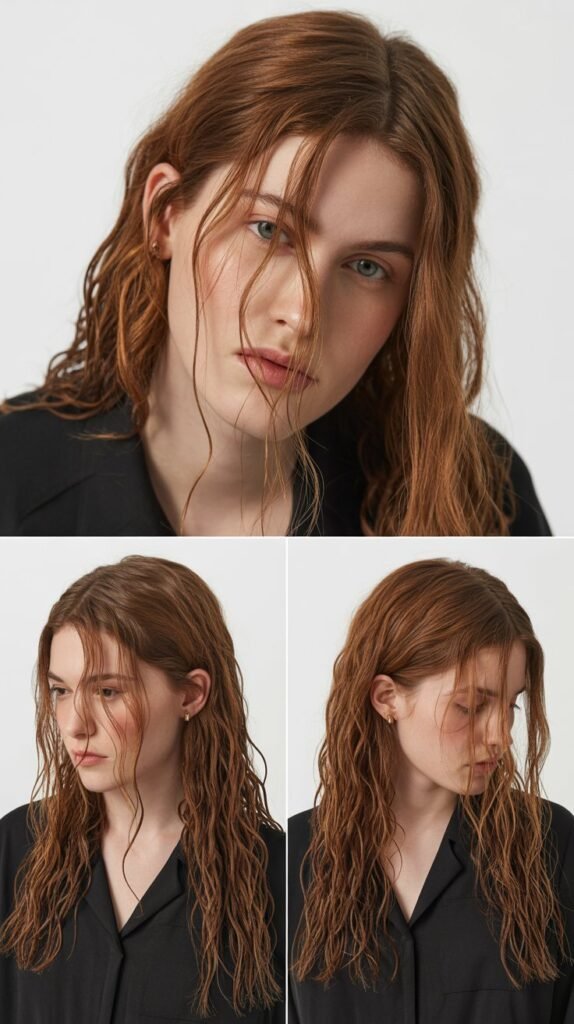
Disconnected front layers feature an intentional separation between the front face-framing pieces and the rest of the hair, creating a bold, modern look with distinct sections.
- Front layers are cut significantly shorter than the underlying hair, creating visible separation.
- This disconnection creates a deliberate, edgy appearance rather than seamless blending.
- The technique works well for those wanting a bold, fashion-forward statement.
- Face-framing pieces stand out distinctly against the longer background hair.
- This style requires confidence and works best with straight or slightly wavy hair textures.
- The disconnection can be subtle or dramatic depending on the length difference between sections.
28. Long Layers with Tapered Ends
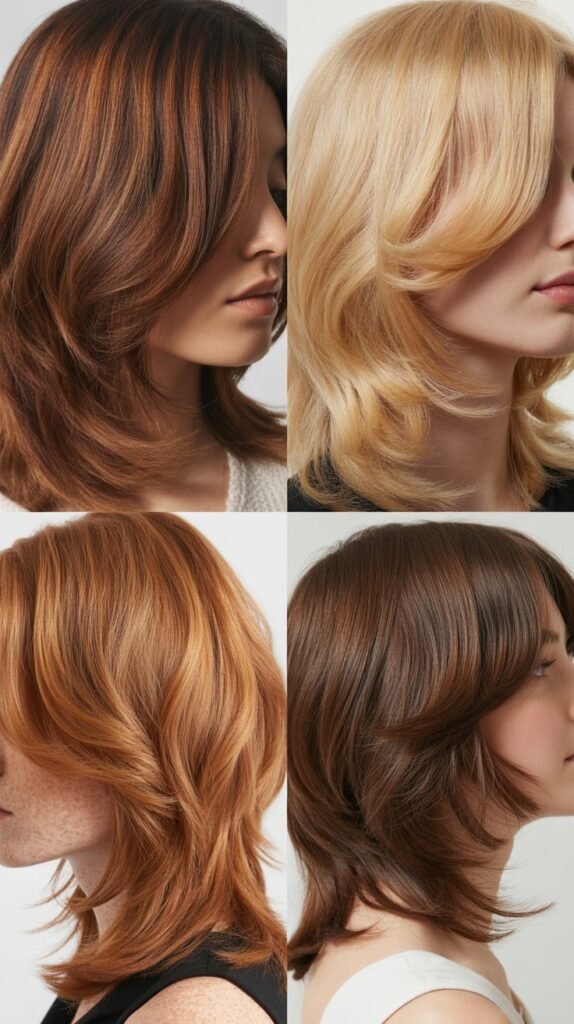
Long layers with tapered ends combine extended layering throughout with point-cut or razor-cut ends, creating softness and movement from mid-length to ends.
- Layers begin relatively low, maintaining weight and fullness through most of the hair.
- Ends are tapered using point-cutting or razoring for soft, feathered edges.
- This technique prevents blunt, harsh lines at layer ends.
- Front layers frame the face while tapered ends create a wispy, romantic finish.
- The tapering removes weight gradually, preventing pyramid-shaped hair.
- This cutting combination works beautifully with highlights, as tapered ends catch light naturally.
29. Layered with Hidden Undercut
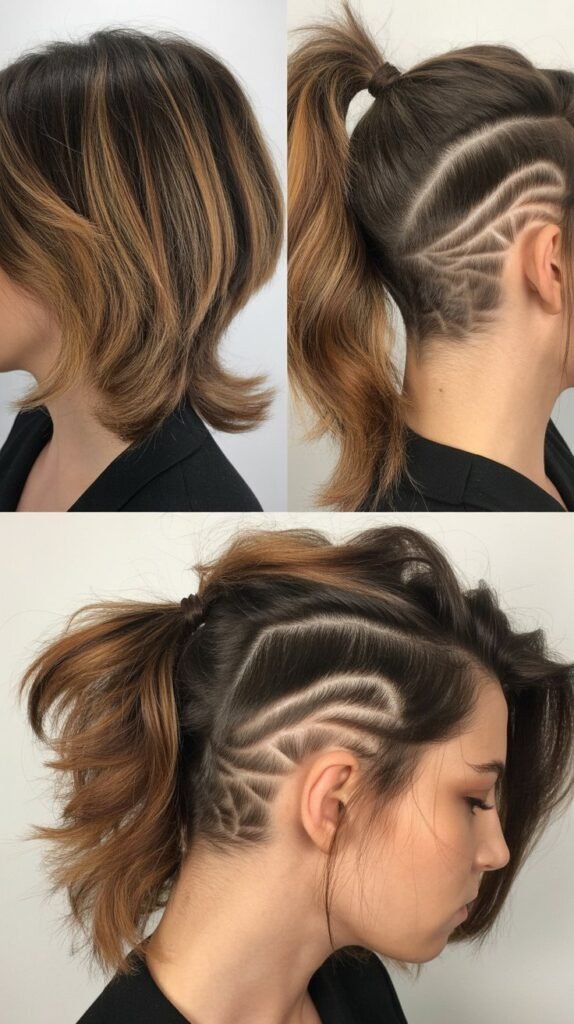
Layered with a hidden undercut combines traditional face-framing layers with shaved or very short sections underneath, creating a secret edge and reducing bulk dramatically.
- The undercut is hidden beneath longer top layers and isn’t visible when hair is worn down.
- Face-framing layers flow naturally over the undercut, creating seamless appearance.
- This technique dramatically reduces weight and volume for thick hair.
- The undercut can be revealed through updos or specific styling for versatility.
- Front layers provide traditional face-framing while the undercut offers secret rebellion.
- This combination keeps the head cooler and reduces drying time significantly.
30. Soft Layered Framing
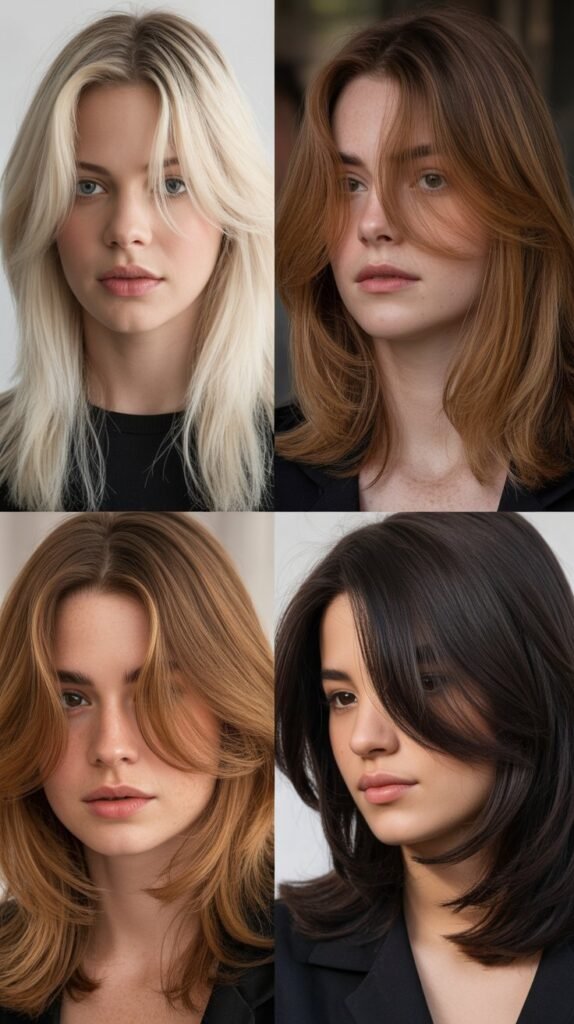
Soft layered framing focuses exclusively on the front sections with minimal layering throughout the rest, creating face emphasis while maintaining overall weight and length.
- Layers are concentrated primarily around the face with minimal cutting elsewhere.
- This technique maintains the hair’s overall weight, thickness, and length.
- Front layers are cut softly without harsh lines or dramatic angles.
- The rest of the hair remains relatively one-length or with very subtle layering.
- This approach is perfect for those wanting face-framing without committing to extensive layering.
- The style grows out gracefully, maintaining shape for extended periods.
31. Layered with Bang Blend
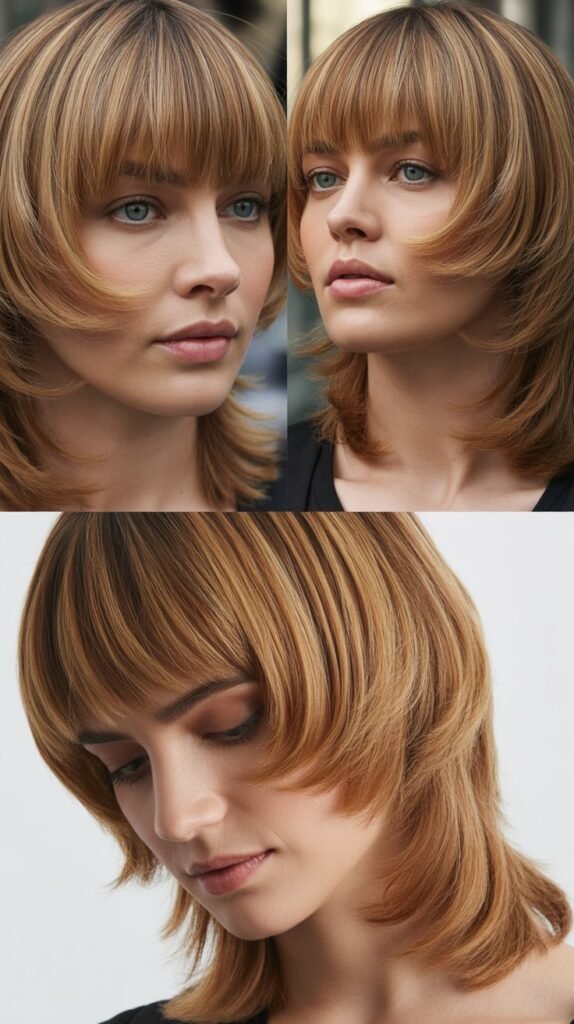
Layered with bang blend creates seamless integration between bangs and face-framing layers, making it impossible to tell where bangs end and layers begin.
- Bangs are cut and then extended into layers with no clear separation point.
- The blending creates a natural, organic flow from forehead to face sides.
- This technique works with various bang styles—straight, side-swept, or curtain.
- The seamless blend prevents awkward growing-out stages.
- Face-framing pieces appear to naturally emerge from the bang sections.
- This cutting approach creates cohesive, flowing movement around the entire face area.
32. Waterfall Layers
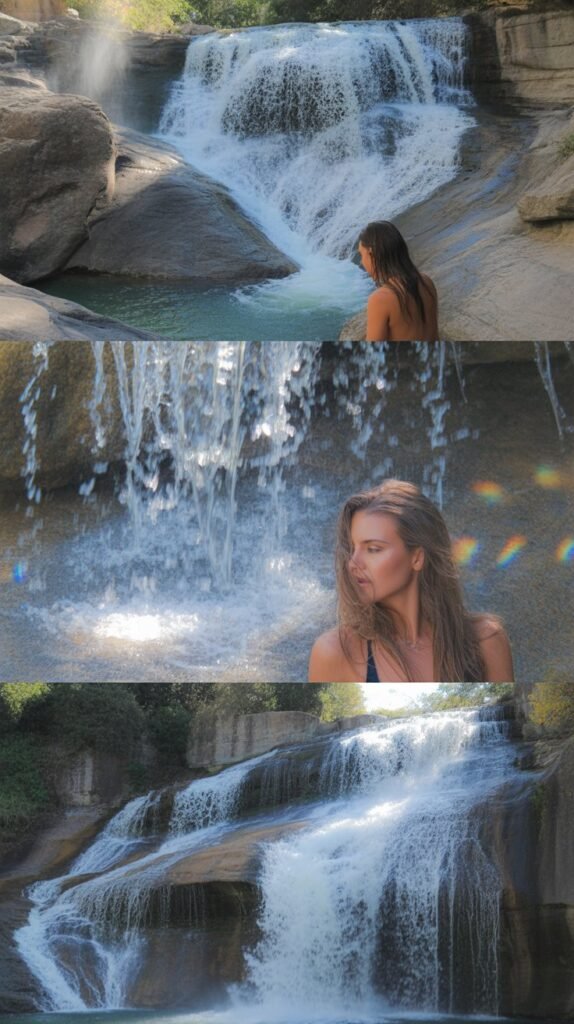
Waterfall layers create the illusion of hair cascading down like a waterfall, with multiple layers flowing into each other at the front while maintaining length in the back.
- Multiple layer lengths are cut at the front, creating a cascading, waterfall-like effect.
- Each layer flows into the next with soft transitions, mimicking water movement.
- The technique creates maximum dimension and movement around the face.
- Layers begin at various lengths—from chin to collarbone to shoulder—all in the front sections.
- This cutting style works beautifully with highlights, as multiple layers create depth.
- The waterfall effect is most prominent when hair has natural wave or is styled with gentle curls.
Conclusion
Finding the perfect haircut that flatters your face while maintaining your beloved length is a journey worth taking, and these 32 Long Layered Cuts That Highlight the Front Beautifully offer something for everyone.
Each style brings its own unique personality, from soft and romantic to bold and edgy, ensuring that you can express your individual taste while enhancing your natural beauty.
The beauty of these cuts lies in their versatility—they work across different hair textures, densities, and personal styling preferences, making them accessible to virtually anyone seeking to refresh their look.
Remember that the best haircut is one that not only frames your face beautifully but also fits seamlessly into your lifestyle and maintenance routine.
Whether you choose subtle wispy layers or dramatic disconnected sections, these cuts prove that you don’t have to sacrifice length to achieve stunning face-framing dimension.
Consult with a skilled stylist who can customize these techniques to your specific features, hair type, and desired maintenance level.
With the right cut from this collection, you’ll enjoy hair that moves beautifully, frames your face perfectly, and makes you feel absolutely confident every single day.

