Long hair offers endless styling possibilities, but without the right cut, it can fall flat and lifeless.
Front layer haircuts for long hair transform your appearance by adding movement, dimension, and a carefree elegance that turns heads wherever you go. Whether you’re seeking subtle face-framing layers or bold curtain bangs, these 27 front layer haircuts for long hair that look effortless will inspire your next salon visit.
This comprehensive guide explores various layering techniques, styling tips, and maintenance strategies to help you achieve that perfect balance between polished and naturally beautiful.
From classic feathered layers to modern shaggy cuts, you’ll discover how strategic front layers can enhance your facial features, add volume where needed, and create that coveted “I woke up like this” aesthetic that everyone desires.
1. Classic Face-Framing Layers
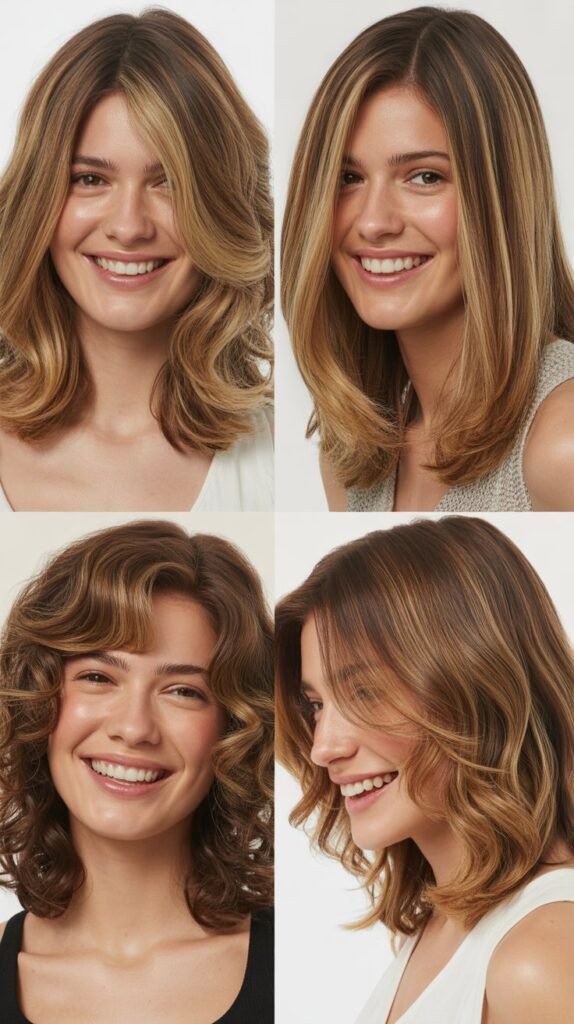
Face-framing layers are the foundation of effortless long hair styling, creating a soft halo effect around your features.
These layers start around the cheekbones or chin and gradually blend into the length, adding instant dimension without sacrificing overall hair length.
- Face-framing layers work by drawing attention to your best features while softening angular jawlines or wide foreheads.
- The cut typically begins 2-3 inches below the chin and cascades downward in graduated sections.
- This style suits all face shapes but particularly flatters oval and heart-shaped faces by adding width at the cheekbones.
- Styling requires minimal effort—simply blow-dry with a round brush directing layers away from the face.
- The layers create natural movement that catches light beautifully, giving hair a multi-dimensional appearance.
- Maintenance involves trimming every 8-10 weeks to prevent the layers from growing out unevenly.
- This cut reduces bulk around the face while maintaining fullness at the back and sides.
2. Curtain Bangs with Long Layers
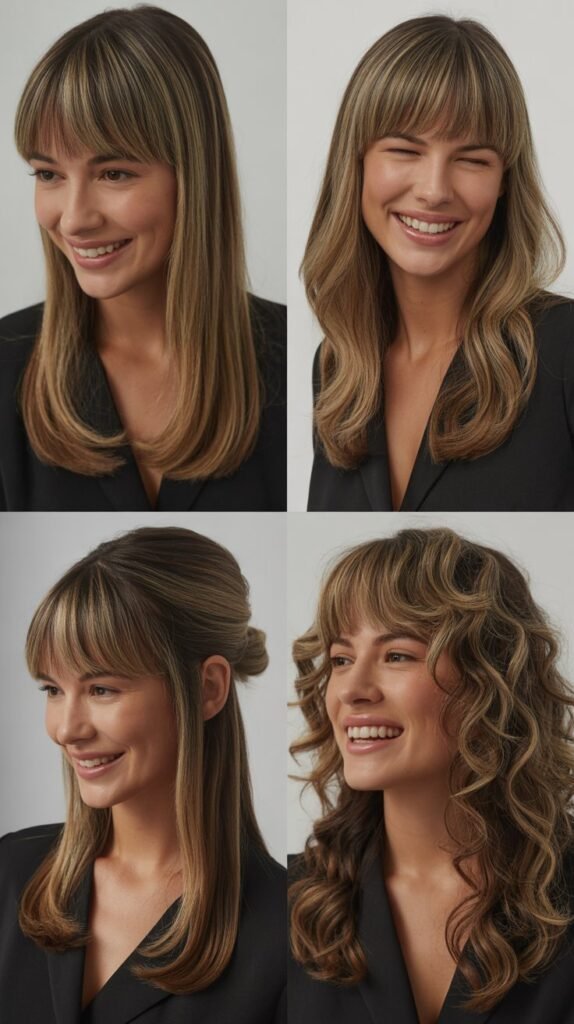
Curtain bangs paired with long layers deliver a vintage-inspired look that’s simultaneously trendy and timeless. This style features center-parted bangs that sweep to either side like curtains, blending seamlessly with layered lengths.
- Curtain bangs typically start at the eyebrow level and gradually lengthen toward the temples.
- The versatility of this cut allows styling the bangs forward, swept back, or tucked behind ears.
- Long layers beginning at shoulder length create continuity between bangs and the rest of the hair.
- This combination works exceptionally well for those wanting to ease into bangs without full commitment.
- The style elongates round faces and adds softness to square or rectangular face shapes.
- Styling involves blow-drying bangs with a round brush while directing them outward from the center part.
- Regular bang trims every 3-4 weeks keep the curtain effect looking fresh and intentional.
- The cut reduces styling time as the natural fall of the bangs creates effortless chic.
3. Feathered Front Layers
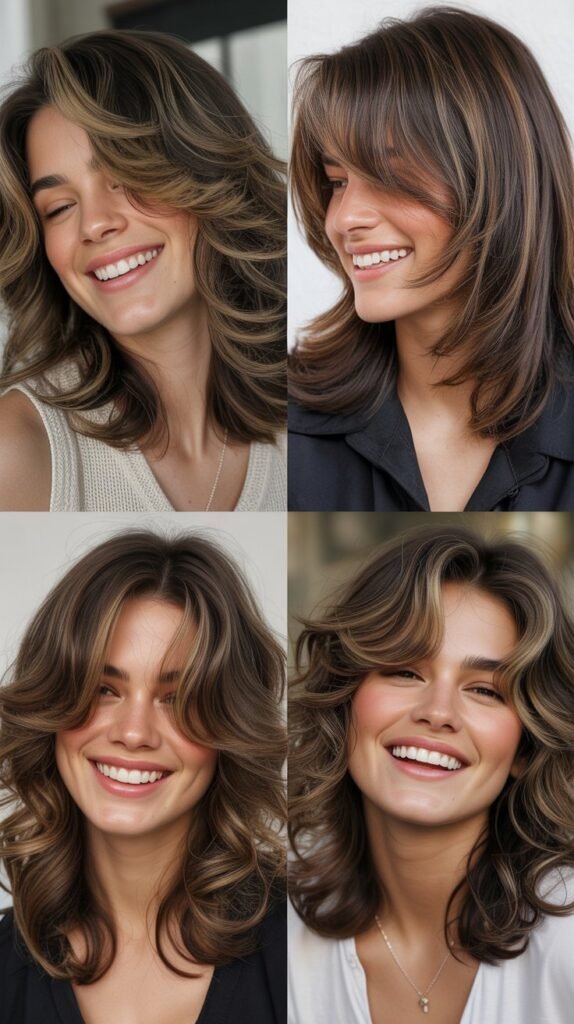
Feathered front layers bring a 70s-inspired texture to modern long hair, creating soft, wispy pieces that move with incredible lightness. This technique involves point-cutting or razoring the ends to achieve a delicate, feather-like finish.
- The feathering technique removes weight from hair ends, creating pieces that flip and turn naturally.
- This style adds volume around the crown and face without making hair appear overly layered.
- Feathered layers work best on fine to medium hair textures that can hold the delicate shape.
- The cut requires a skilled stylist who understands angle and tension to achieve authentic feathering.
- Styling involves blow-drying with fingers or a diffuser to enhance the natural texture.
- The ends naturally flip outward or inward depending on hair’s natural growth pattern.
- This approach creates an airy, romantic aesthetic that photographs beautifully.
- Maintenance includes regular trims every 6-8 weeks to preserve the feathered texture.
4. Graduated Front Layers
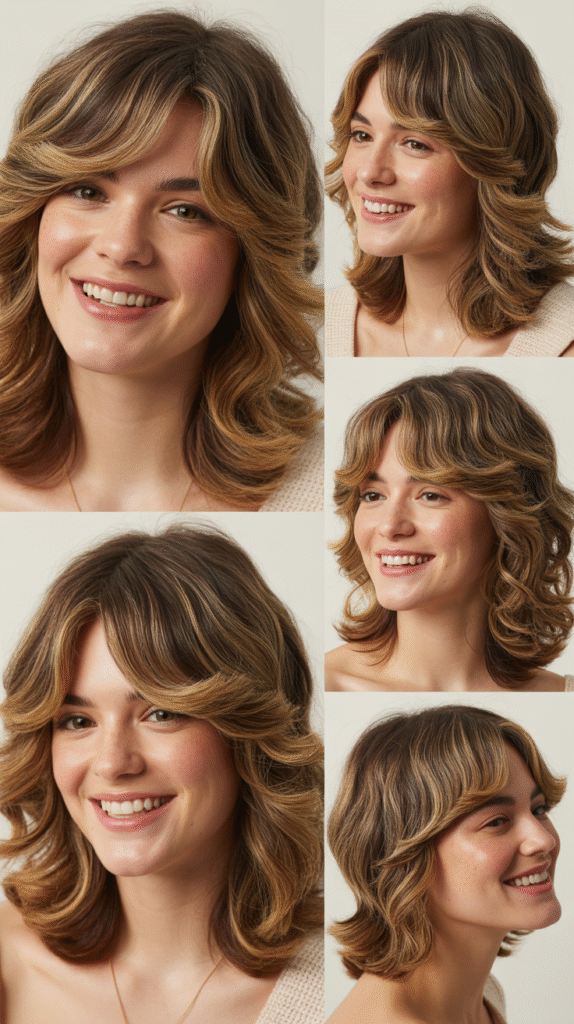
Graduated front layers feature a structured approach where each layer is distinctly shorter than the one below, creating visible steps or tiers. This precise cutting method delivers maximum volume and defined shape to long hair.
- The graduation typically begins at chin length with subsequent layers increasing by 1-2 inches.
- This technique removes significant bulk from thick hair while adding body to fine hair.
- The structured layers create a triangular silhouette that’s fuller at the bottom and tapered at the top.
- Graduated cuts work particularly well for those with dense, heavy hair needing movement.
- Styling requires blow-drying each layer separately to maintain the distinct graduation.
- The visible layers create dramatic dimension that’s especially striking in highlights or balayage.
- This cut maintains length at the back while creating shorter, face-framing pieces in front.
- Regular maintenance every 8 weeks prevents layers from blending together and losing definition.
5. Soft Shaggy Layers
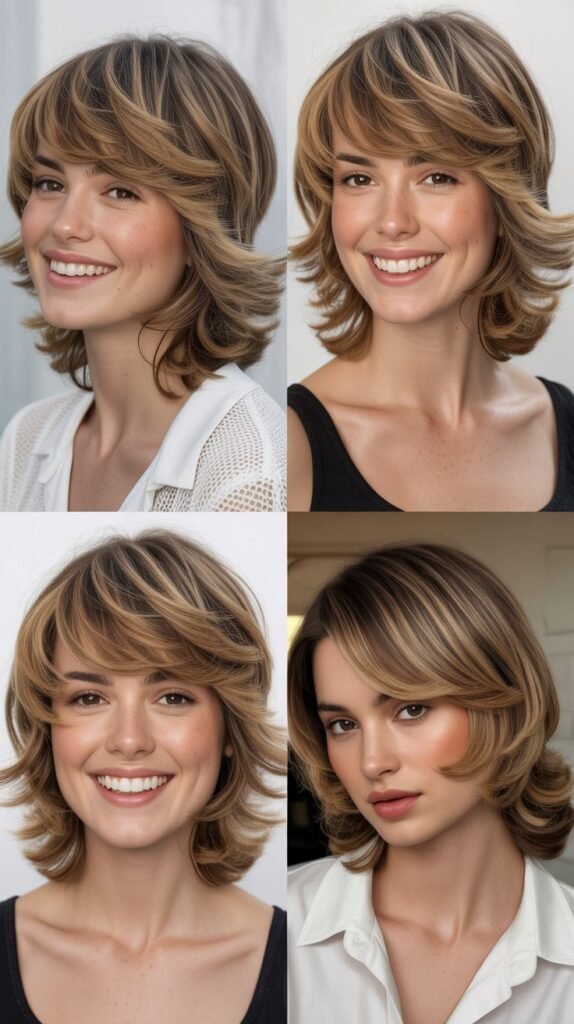
Soft shaggy layers bring an effortlessly cool, lived-in vibe to long hair through strategic layering throughout the entire head. This modern interpretation of the classic shag features gentler, more blended layers than traditional versions.
- The soft shag incorporates layers starting at the crown and continuing through to the ends.
- Unlike harsh choppy layers, soft shaggy cuts feature seamless transitions between lengths.
- This style creates incredible movement and texture that looks naturally undone.
- The cut suits most hair types but truly shines on wavy or textured hair.
- Styling involves air-drying with texture spray or scrunching with mousse for enhanced definition.
- The layers prevent long hair from appearing weighed down or lifeless.
- Face-framing pieces are typically shortest near the cheekbones, gradually lengthening downward.
- This cut reduces styling time as the tousled appearance is the intended look.
6. Wispy Front Pieces
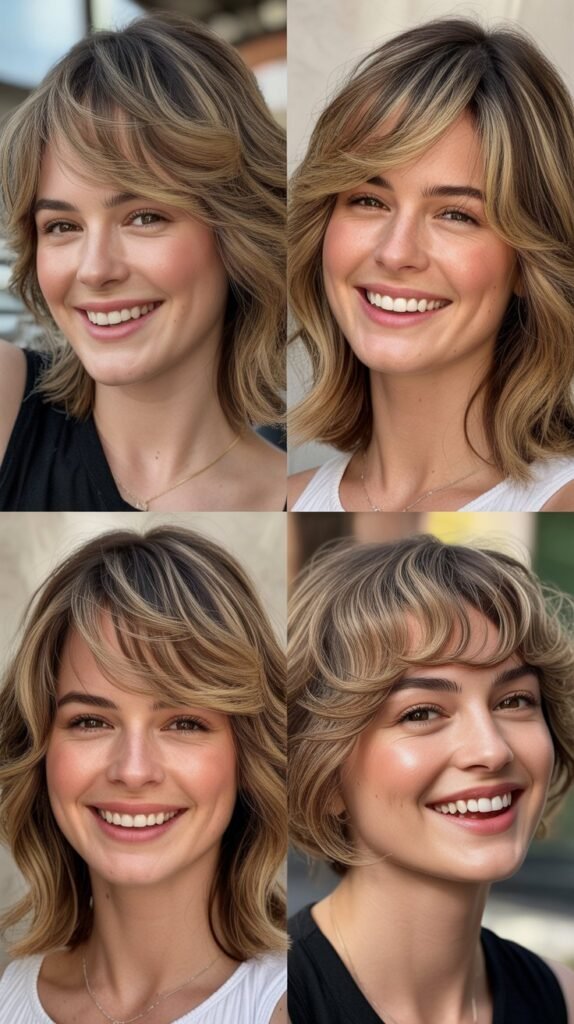
Wispy front pieces create delicate, hair-like strands that soften the hairline and add ethereal femininity to long hair. These ultra-fine layers concentrate around the face and temples for a romantic, dreamy effect.
- Wispy pieces are created using thinning shears or point-cutting techniques for maximum delicacy.
- These layers work best when kept between eyebrow and chin length for optimal face-framing.
- The technique adds softness without committing to full bangs or heavy layers.
- Wispy front sections reduce the appearance of a high or prominent forehead.
- This style particularly flatters those with fine hair as it doesn’t remove excessive length.
- Styling requires minimal product—a small amount of lightweight styling cream maintains the wispy texture.
- The pieces blend naturally with the rest of the hair when swept back or styled away from the face.
- Maintenance involves careful trimming every 6-8 weeks to preserve the delicate, wispy quality.
7. Blunt Cut with Internal Layers
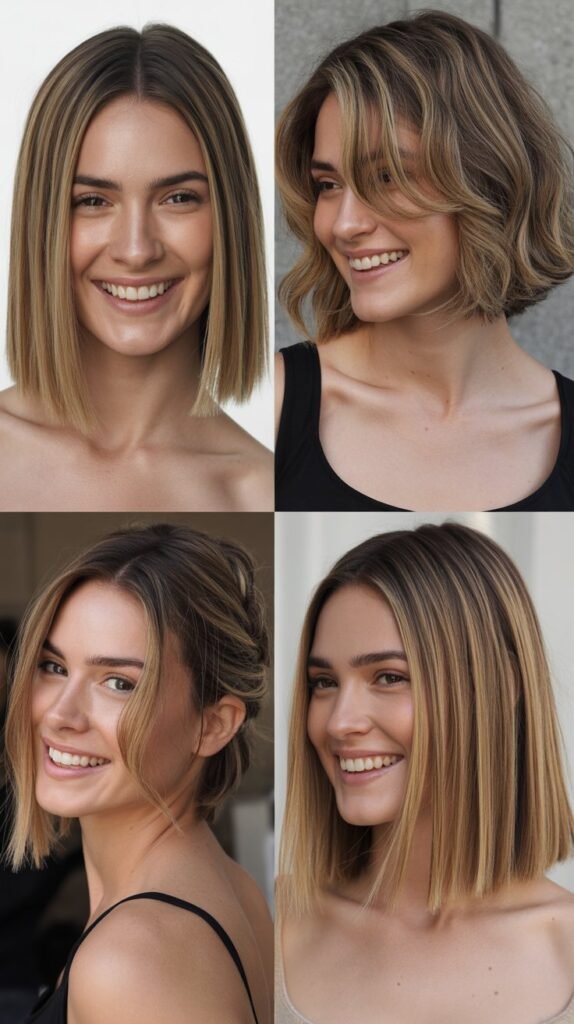
A blunt cut with internal layers maintains a sharp, even hemline while incorporating hidden layers underneath for movement and volume. This sophisticated approach delivers the best of both worlds—sleek appearance with built-in dimension.
- The external appearance shows a perfectly straight, blunt edge that looks polished and intentional.
- Internal layers begin several inches from the ends, removing weight without affecting the perimeter.
- This technique prevents the “Christmas tree” effect where hair tapers too drastically.
- The cut works exceptionally well for thick, dense hair that needs weight removal.
- Styling reveals the hidden layers when hair is blown out or curled, creating voluminous movement.
- The blunt edge maintains the appearance of length and fullness while layers provide functionality.
- This approach suits professional environments where polished appearance is preferred.
- Maintenance requires precise trimming every 8-10 weeks to maintain the sharp blunt line.
8. Long Layers Starting at the Shoulders
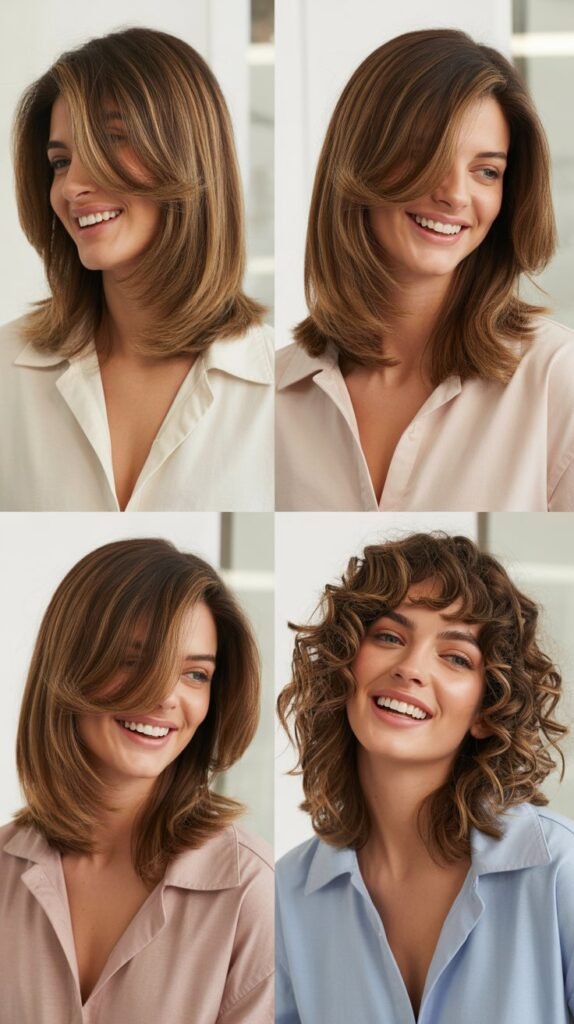
Long layers starting at the shoulders create gentle movement without dramatically altering hair’s overall length. This conservative layering approach is ideal for those hesitant about heavy layering but seeking added dimension.
- The first layer typically sits at shoulder level with subsequent layers graduated every 2-3 inches downward.
- This technique maintains maximum length while eliminating the heavy, one-length appearance.
- Long shoulder layers frame the collarbone area beautifully, creating elegant lines.
- The cut suits those growing out shorter styles or transitioning to layered hair gradually.
- Styling involves blow-drying with a large round brush to enhance the subtle layering.
- The conservative approach prevents removing too much length while still adding movement.
- This style works across all hair types and face shapes due to its subtle nature.
- Maintenance intervals can extend to 10-12 weeks since growth is less noticeable with longer layers.
9. Choppy Front Sections
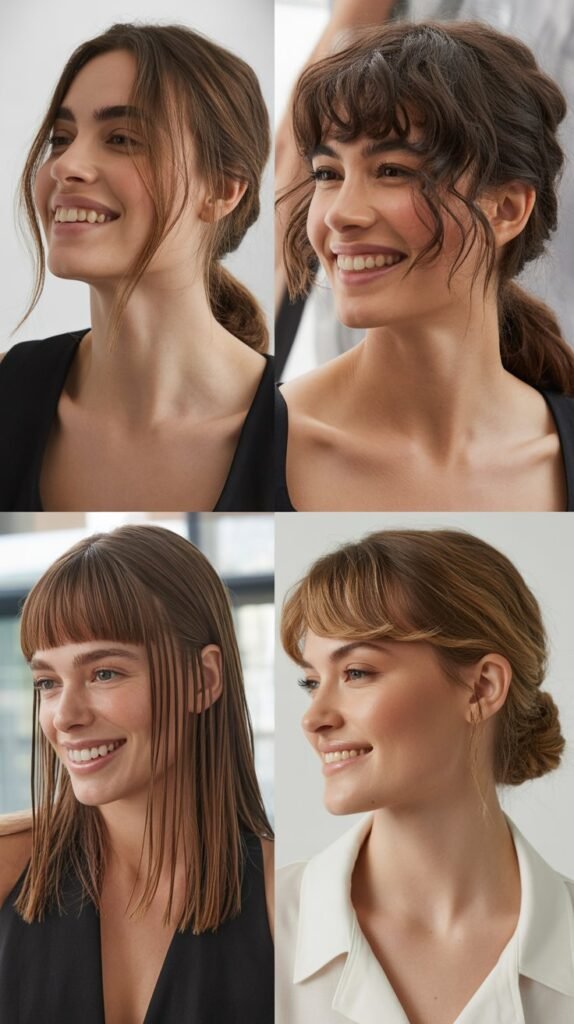
Choppy front sections deliver edgy, modern appeal through intentionally irregular, piece-y layers around the face. This bold cutting technique creates defined separation and striking texture.
- Choppy layers are created using point-cutting or slide-cutting techniques for irregular, jagged ends.
- The varying lengths create dramatic texture and visual interest concentrated at the front.
- This style suits those seeking an edgier, fashion-forward aesthetic rather than soft femininity.
- Choppy sections typically range from chin to shoulder length with significant variation between pieces.
- The cut adds substantial volume and fullness around the face through the disconnected layers.
- Styling involves applying texture paste or pomade to emphasize the piece-y, separated look.
- This technique works best on medium to thick hair that can support the choppy structure.
- The bold nature of this cut requires confidence and regular maintenance every 6-8 weeks.
10. Side-Swept Bangs with Layers
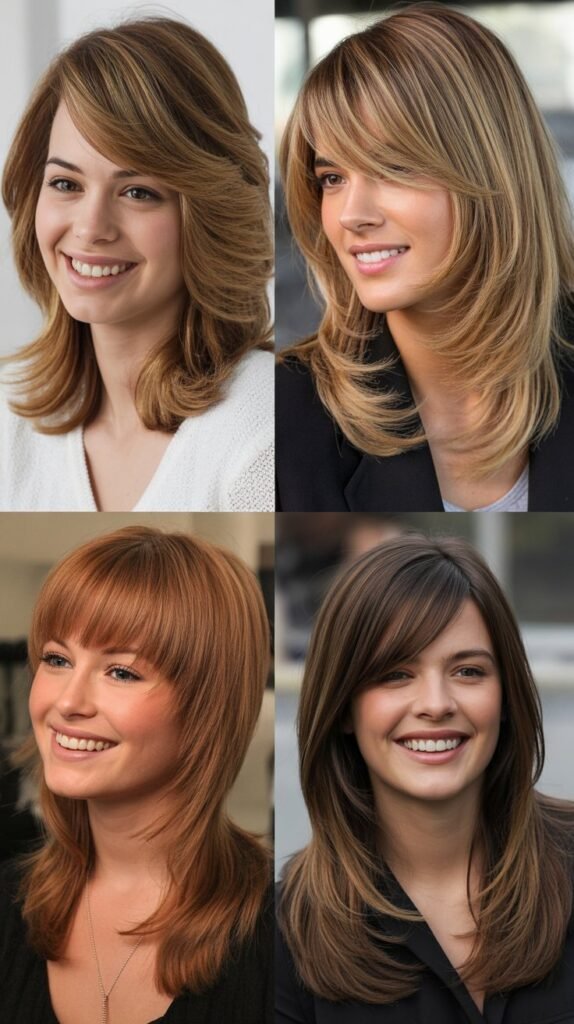
Side-swept bangs with layers combine the elegance of asymmetrical bangs with the dimension of layered lengths. This universally flattering style elongates the face while adding softness and movement.
- Side-swept bangs begin at one side of the part and sweep diagonally across the forehead.
- The bangs typically start around eyebrow length on the short side and extend to cheekbone length on the long side.
- Coordinating layers begin near the chin and blend with the bang length for cohesive flow.
- This style disguises asymmetrical features and softens strong jawlines effectively.
- The diagonal line created by side-swept bangs elongates round faces and adds interest to oval faces.
- Styling requires blow-drying bangs in the desired direction with a round brush for smooth finish.
- The versatility allows pinning bangs back when desired without disrupting the overall style.
- Maintenance includes bang trims every 3-4 weeks and full layer refreshes every 8-10 weeks.
11. Butterfly Layers
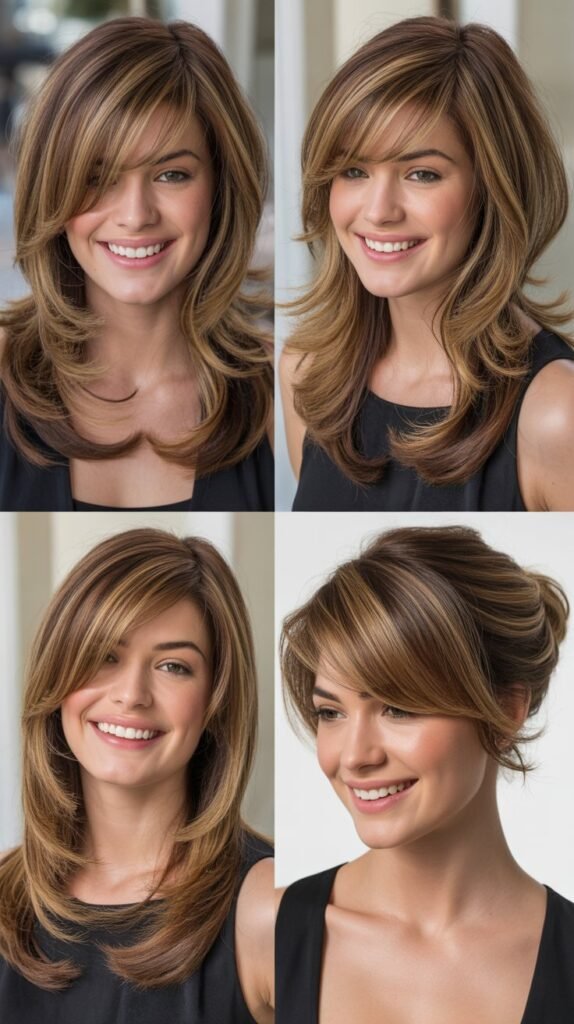
Butterfly layers create a distinctive silhouette with shorter layers concentrated around the crown that gradually lengthen, resembling butterfly wings when styled.
This trending technique adds dramatic volume on top while maintaining length at the bottom.
- The shortest layers sit at the crown, typically between 4-6 inches long, creating maximum lift.
- Layers gradually increase in length as they move toward the sides and back of the head.
- This technique creates the illusion of thicker, fuller hair through concentrated top volume.
- Butterfly layers work exceptionally well for fine or thin hair needing body and dimension.
- The style became popular through social media trends showcasing its transformative effects.
- Styling involves blow-drying crown layers upward and outward with a round brush for lift.
- The dramatic layering creates movement that’s especially visible when hair is worn down and straight.
- This cut requires skilled execution to avoid creating unwanted bulk or awkward transitions.
12. Textured Front Layers
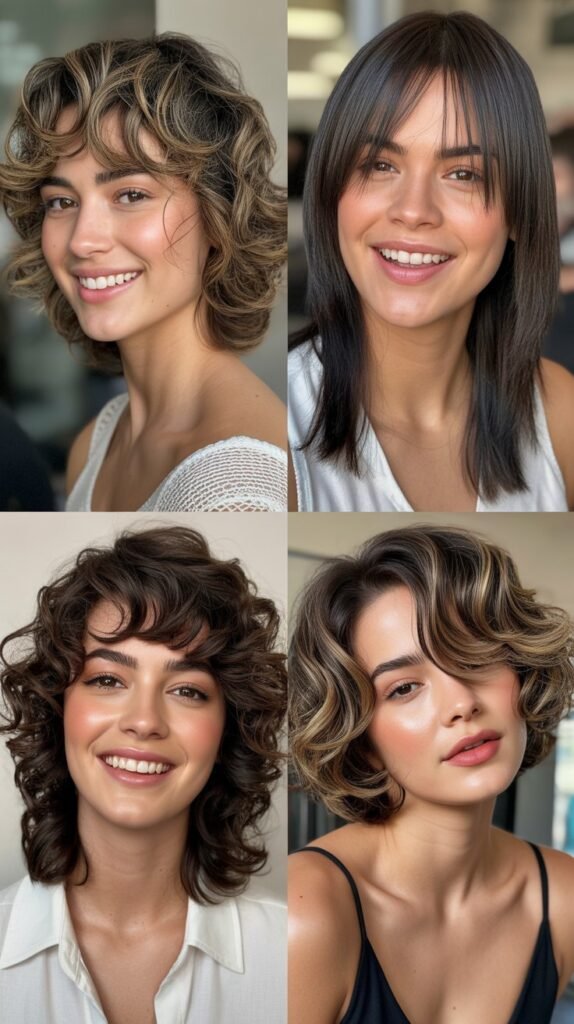
Textured front layers incorporate varied cutting techniques to create organic, lived-in dimension around the face. This approach uses point-cutting, notching, and texturizing methods for natural-looking movement.
- Texturizing removes bulk while creating internal movement that appears effortlessly undone.
- Multiple cutting techniques applied to front layers prevent harsh lines or blunt edges.
- This method works across all hair types but particularly enhances wavy or curly textures.
- The varied lengths catch light differently, creating depth and multi-dimensional appearance.
- Textured layers reduce the “freshly cut” look, instead appearing naturally settled and worn-in.
- Styling involves minimal product application—texture spray or light mousse enhances the natural texture.
- The organic nature of textured cuts means they grow out gracefully without requiring frequent trims.
- This approach suits those preferring low-maintenance styles with maximum visual interest.
13. Razor-Cut Front Layers
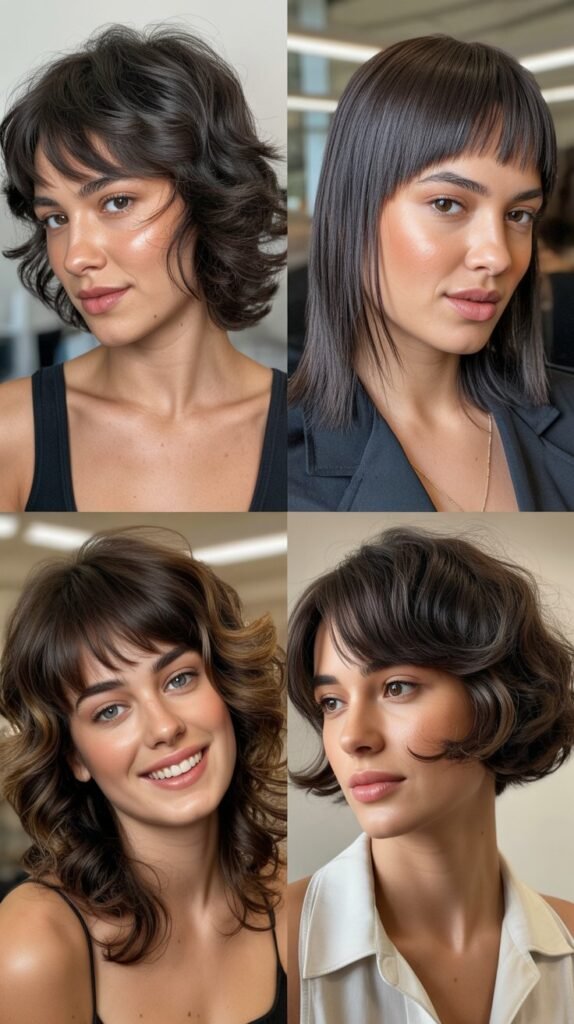
Razor-cut front layers deliver ultra-soft, feathered edges through the use of a razor blade rather than traditional scissors. This technique creates incredible movement and wispy texture around the face.
- The razor blade cuts at an angle, creating tapered, paper-thin ends that move freely.
- This method removes weight more effectively than scissors, ideal for thick or dense hair.
- Razor-cutting produces softer, more feminine results compared to blunt scissor cuts.
- The technique requires dry cutting on clean, product-free hair for precision.
- Razor-cut layers blend seamlessly without visible demarcation lines between lengths.
- The delicate ends catch and reflect light beautifully, adding luminosity to hair.
- This cutting method is not recommended for curly or very fine hair as it can cause frizz.
- Maintenance involves refreshing the razor cut every 8-10 weeks to maintain the soft texture.
14. V-Shaped Front Layers
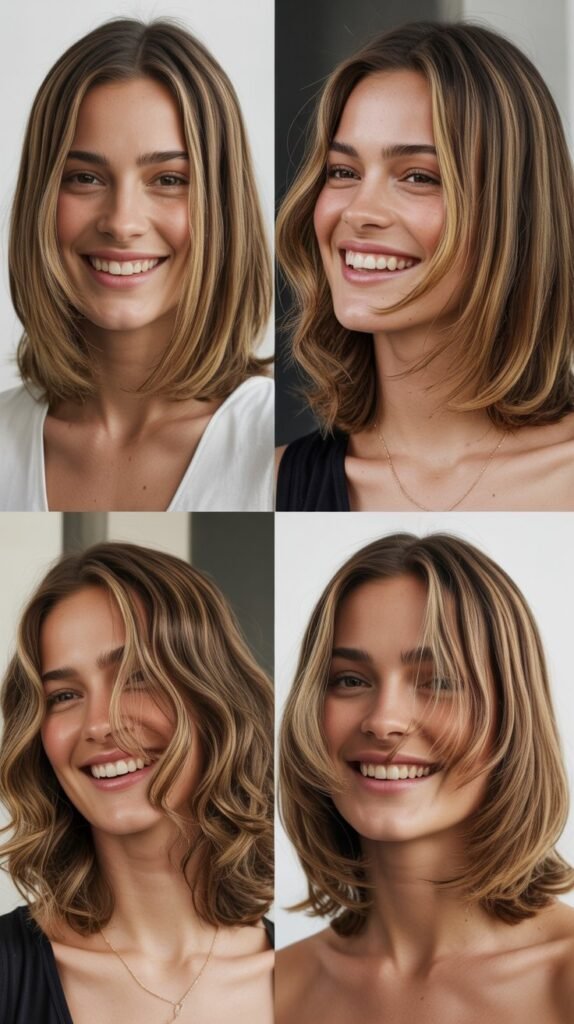
V-shaped front layers create a pointed, dramatic silhouette when hair is viewed from the back, with the shortest layers framing the face in a distinctive V formation.
This bold style emphasizes facial features while maintaining length in the back.
- The V shape is created by cutting front layers progressively shorter, with the shortest point centered on the face.
- This technique draws eyes upward toward facial features and creates vertical elongation.
- The dramatic angle of the V suits those seeking a statement-making, fashion-forward cut.
- Back length remains longest at the center spine, tapering shorter toward the sides.
- V-shaped layers work particularly well for showcasing hair color techniques like ombre or balayage.
- The pointed formation creates natural movement that flows toward the face.
- This style suits heart-shaped and oval faces by balancing proportions.
- Maintenance requires careful trimming to preserve the precise V formation every 8 weeks.
15. Invisible Layers
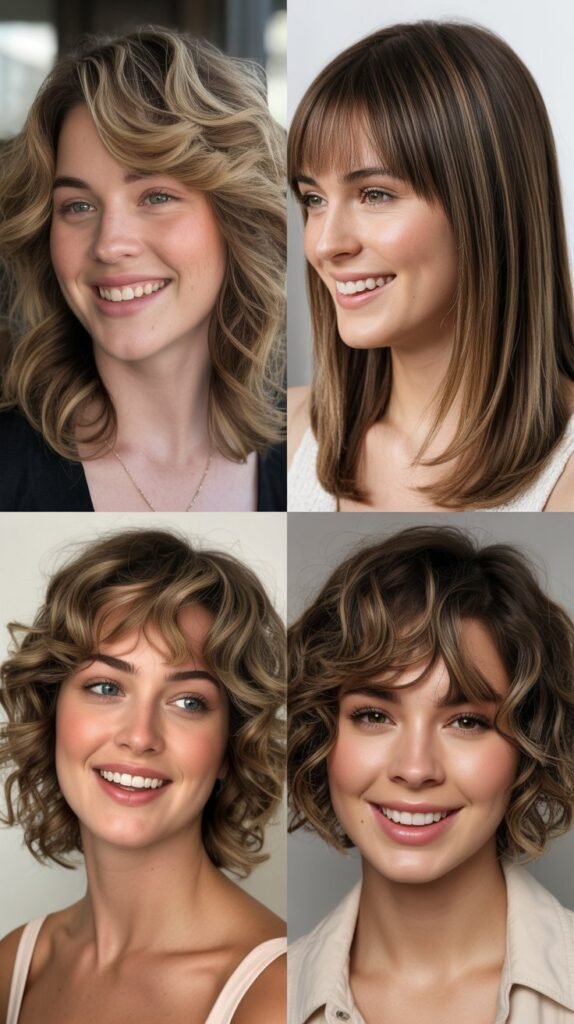
Invisible layers create subtle dimension and movement without obvious layering lines or steps. This advanced technique removes weight and adds flow while maintaining the appearance of one-length hair.
- The technique involves cutting layers so they blend imperceptibly with the surrounding hair.
- Internal layers remove bulk without creating visible shorter pieces at the exterior.
- This method suits those wanting the benefits of layers without a dramatically layered appearance.
- Invisible layering works exceptionally well for professional environments requiring polished looks.
- The subtle approach prevents the dated “stacked” or heavily layered appearance.
- Styling reveals the layers through movement and volume without obvious shorter sections.
- This technique requires a highly skilled stylist with precision cutting abilities.
- The seamless nature means the cut grows out gracefully without awkward in-between stages.
16. Boho Beach Layers
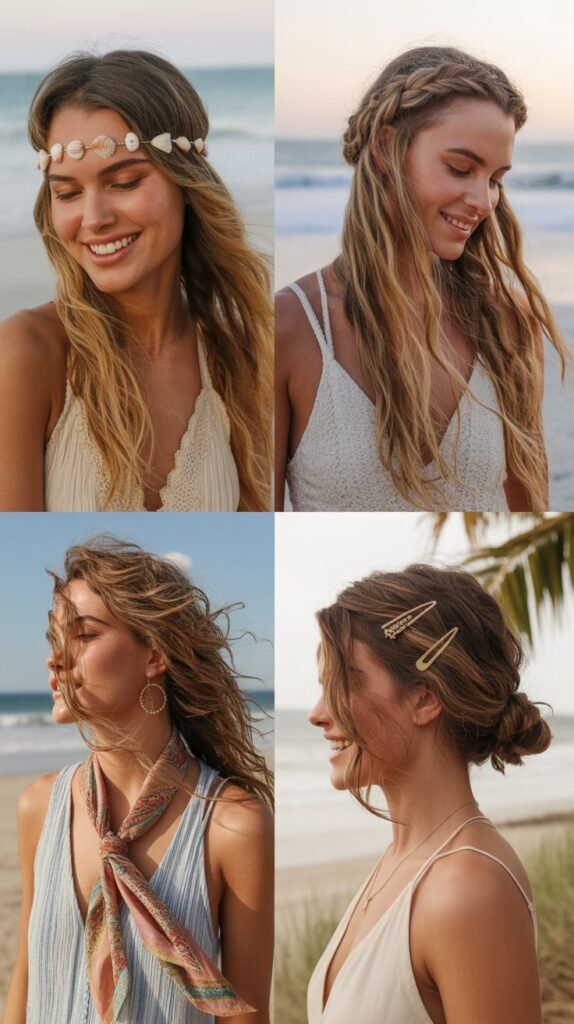
Boho beach layers evoke carefree, sun-kissed vibes through relaxed, organic layering that mimics naturally wind-tousled hair. This style emphasizes texture and effortless waves over precise structure.
- The cutting approach focuses on irregular, natural-looking layers rather than geometric precision.
- Layers vary in length and placement, creating the appearance of hair naturally shaped by elements.
- This style pairs perfectly with wavy or slightly curly hair textures.
- Boho layers typically concentrate around the face and throughout the mid-lengths.
- The relaxed approach to layering means less frequent salon visits are required.
- Styling involves enhancing natural texture with salt spray or curl cream, then air-drying.
- The lived-in aesthetic means hair looks better as it grows and settles.
- This cut suits free-spirited individuals preferring low-maintenance, natural-looking styles.
17. Face-Contouring Layers
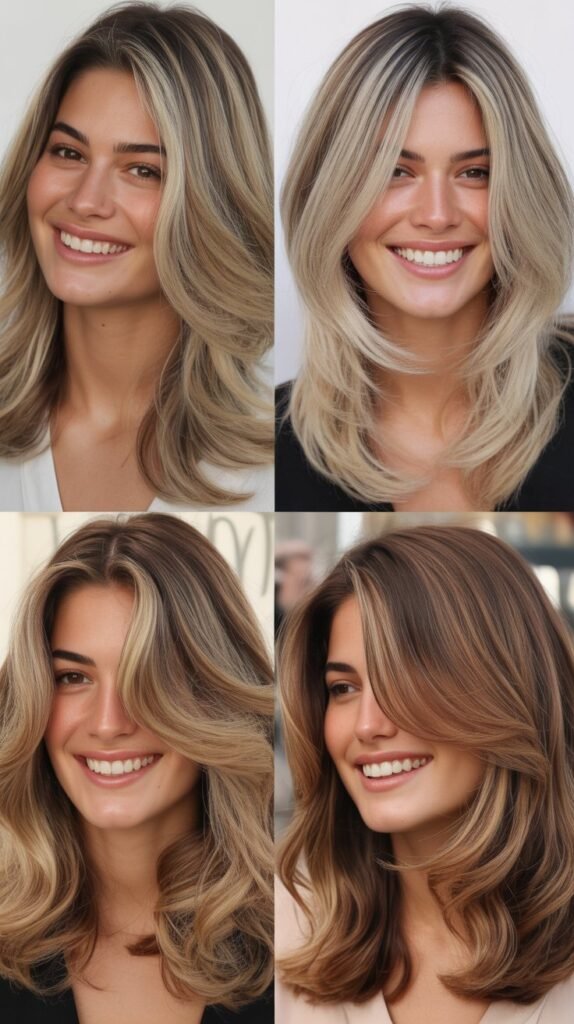
Face-contouring layers are strategically placed to enhance or minimize specific facial features, similar to makeup contouring techniques. This customized approach creates the most flattering frame for individual face shapes.
- Layer placement is determined by analyzing facial structure, features, and proportions.
- Shorter layers placed at cheekbone level create width for narrow faces.
- Longer layers starting below the chin elongate round or square face shapes.
- The technique can minimize prominent foreheads, wide jaws, or asymmetrical features.
- Face-contouring requires consultation with a skilled stylist who understands facial analysis.
- The customized approach ensures layers work with rather than against natural features.
- Styling involves blow-drying layers in specific directions to enhance the contouring effect.
- This precision technique delivers the most flattering possible frame for individual faces.
18. Layered Fringe with Long Hair
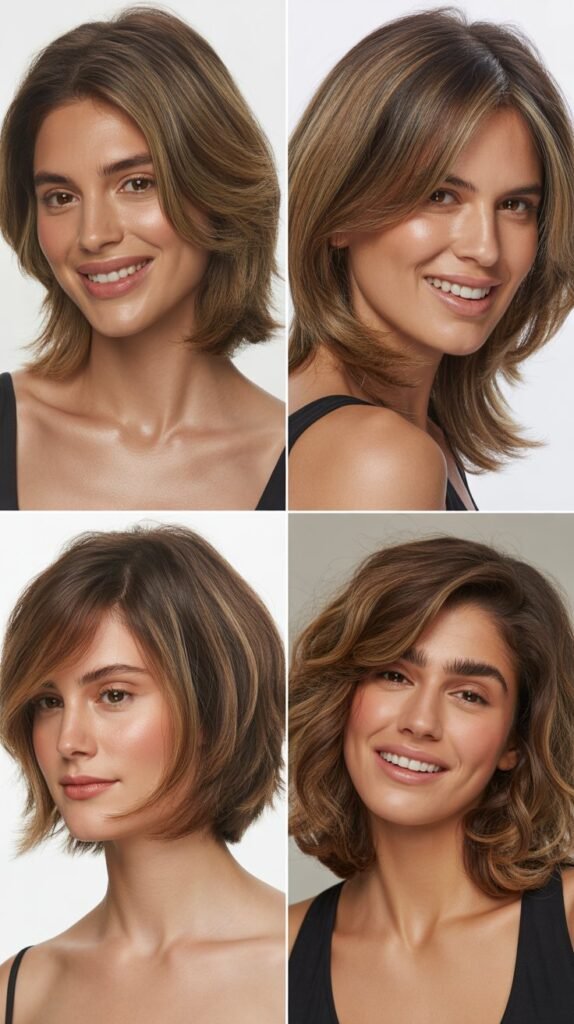
Layered fringe with long hair combines full bangs with coordinating layers throughout the length. This cohesive style creates a polished, put-together appearance with built-in versatility.
- The fringe typically sits at eyebrow level or slightly longer, cut with internal layers for texture.
- Coordinating layers begin at chin length and continue throughout the hair in graduated sections.
- Layered fringe appears less heavy and blocky than blunt-cut bangs.
- The internal layers within the fringe allow styling flexibility—straight, side-swept, or parted.
- This combination works well for those wanting a complete style refresh without sacrificing length.
- The fringe draws attention to eyes while layers add movement throughout.
- Styling requires blow-drying both fringe and layers for cohesive finish.
- Regular fringe trims every 3-4 weeks maintain the look between full layer refreshes.
19. Money Piece Layers
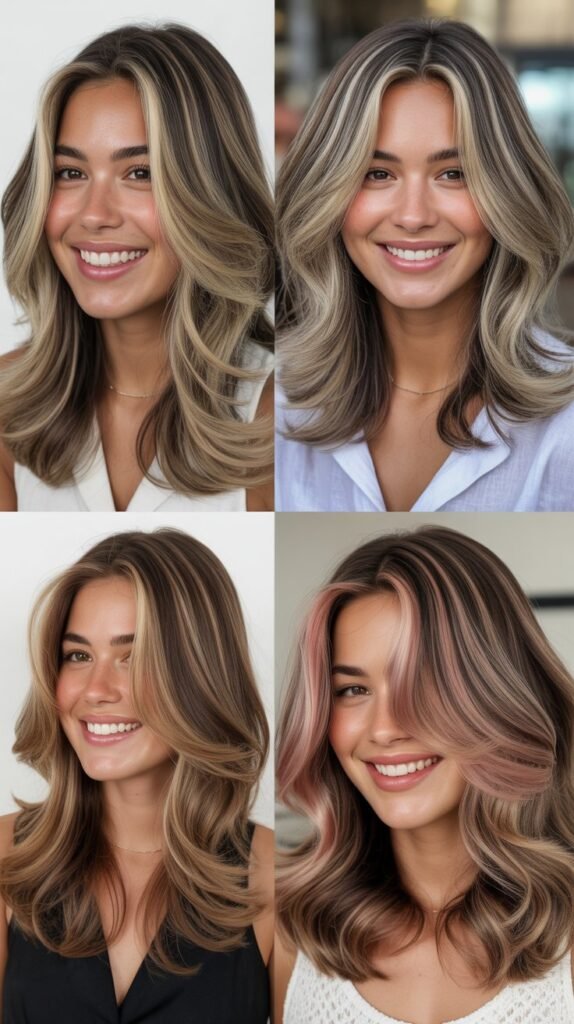
Money piece layers feature face-framing highlights or lowlights combined with coordinating layers that showcase the dimensional color. This trendy style emphasizes the brightened sections through strategic cutting.
- The “money pieces” are two face-framing sections on either side, typically lighter than base color.
- Layers are cut to emphasize these colored sections, usually starting at chin or collarbone length.
- The technique creates instant brightness around the face without full highlighting.
- Money piece layers work with all base colors—blonde, brunette, red, or dark hair.
- The combination of color and cut creates a high-impact, fashion-forward look.
- Styling involves blow-drying the money pieces forward to showcase the color dimension.
- This trend suits those wanting a bold change without committing to full hair color transformation.
- Maintenance includes root touch-ups every 6-8 weeks and layer trims simultaneously.
20. Cascading Front Layers
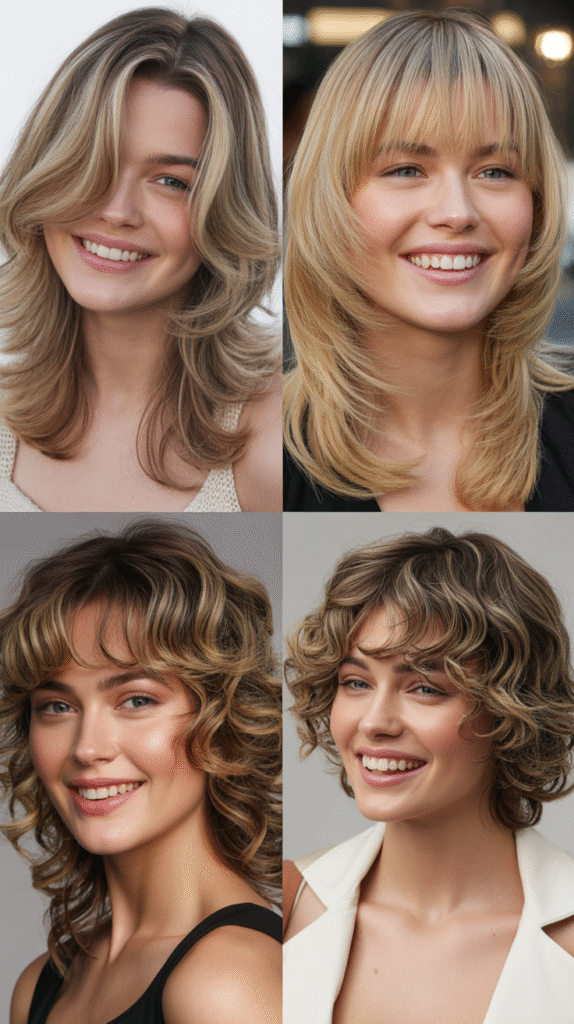
Cascading front layers create a waterfall effect where each layer flows seamlessly into the next, generating continuous movement and fluidity. This romantic style emphasizes graceful, flowing lines.
- Multiple layers are cut at regular intervals, creating smooth transitions rather than distinct steps.
- The cascading effect starts at the front and continues throughout the sides and back.
- This technique maximizes movement and prevents hair from appearing flat or lifeless.
- Cascading layers work beautifully with both straight and wavy hair textures.
- The flowing nature creates elegance and sophistication suitable for formal occasions.
- Styling involves blow-drying with a round brush, directing each layer outward and downward.
- The continuous layering catches light at multiple points, enhancing shine and dimension.
- This style requires regular maintenance every 8-10 weeks to preserve the cascading effect.
21. Asymmetrical Front Layers
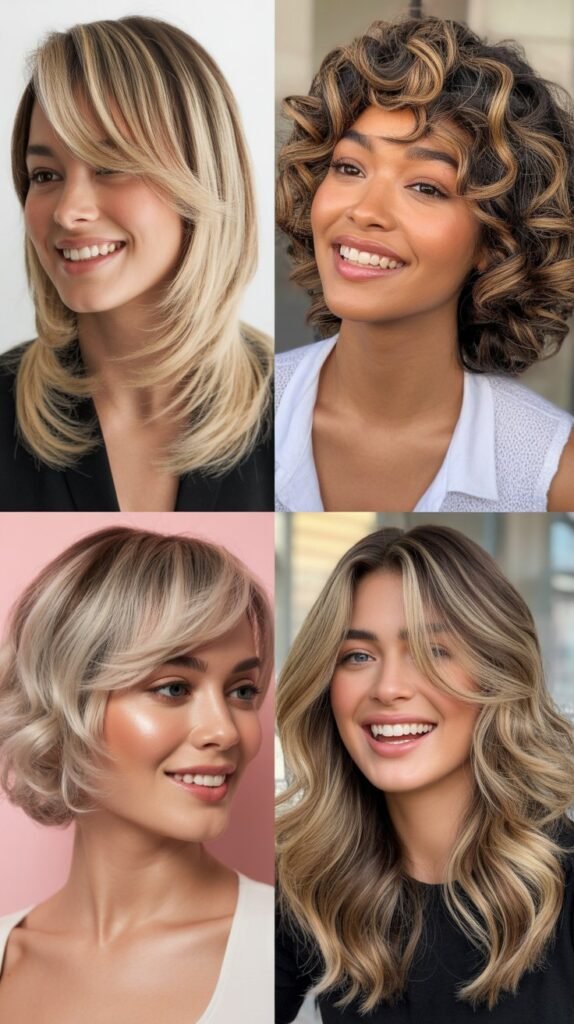
Asymmetrical front layers feature intentionally uneven lengths on either side of the face, creating modern, edgy appeal. This bold style breaks traditional symmetry rules for artistic, fashion-forward results.
- One side typically features layers 2-4 inches shorter than the opposite side.
- The asymmetry can be subtle for understated interest or dramatic for bold statements.
- This style works exceptionally well for those with strong facial asymmetry, creating visual balance.
- Asymmetrical layers draw attention and create talking points through their unexpected nature.
- The style requires confidence as it purposefully defies traditional beauty symmetry standards.
- Styling involves blow-drying each side separately to emphasize the different lengths.
- This cut suits modern, creative individuals seeking unique, personalized styles.
- Maintenance requires preserving the asymmetrical lengths through precise trimming every 6-8 weeks.
22. Soft Angled Layers
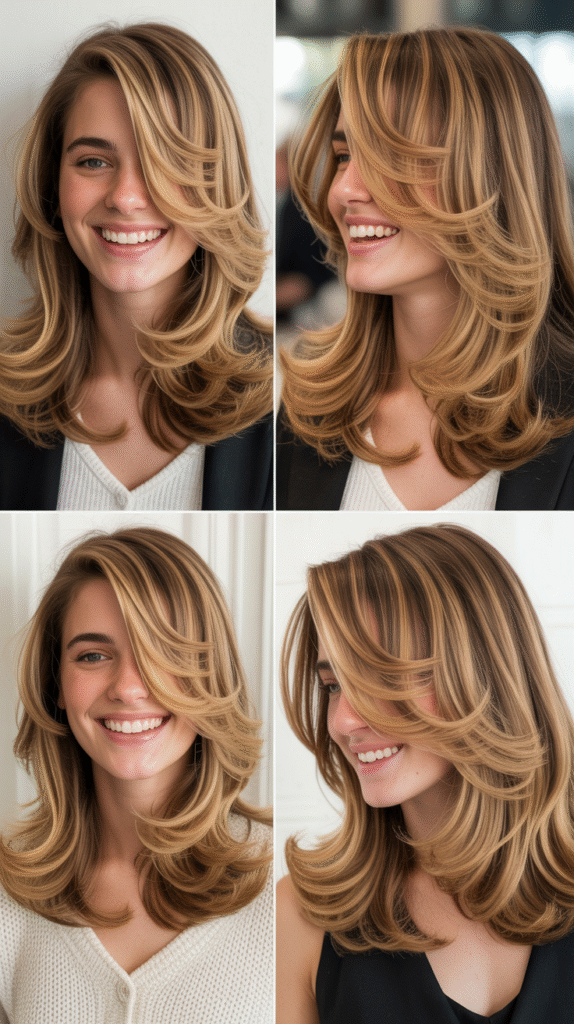
Soft angled layers create gentle diagonal lines that add movement without harsh demarcation. This refined technique delivers sophistication through subtle geometric precision.
- The layers are cut at slight angles rather than straight across, creating soft geometric interest.
- Angles typically range from 10-30 degrees, enough for visual interest without dramatic appearance.
- This technique adds subtle dimension that’s professional and polished.
- Soft angles prevent the blunt, heavy appearance of one-length hair while maintaining sophistication.
- The method works across all hair types and face shapes due to its subtle nature.
- Styling involves blow-drying following the natural angle of the layers.
- The refined approach suits corporate environments and formal settings.
- Maintenance every 8-10 weeks preserves the precise angles and prevents blending.
23. Feathered Curtain Bangs with Layers
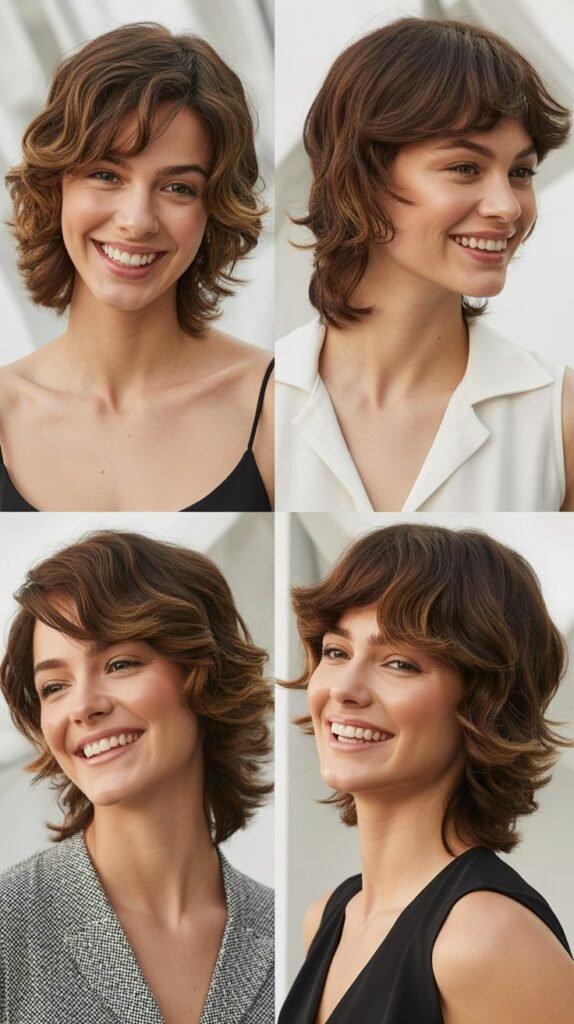
Feathered curtain bangs with layers combine two popular techniques—soft feathering and center-parted curtain bangs—with coordinating layers throughout. This dimensional style creates maximum movement and vintage-inspired charm.
- The curtain bangs are cut using feathering techniques for ultra-soft, wispy texture.
- Bangs part naturally at the center and sweep to either side in gentle curves.
- Coordinating feathered layers continue throughout the length, creating cohesive texture.
- This combination delivers retro-inspired aesthetics with modern wearability.
- The double-feathering technique creates incredible lightness and movement.
- Styling involves blow-drying bangs outward from center part while scrunching layers for texture.
- The feathered finish prevents harsh lines and creates soft, romantic appeal.
- This style suits those wanting maximum texture and vintage-inspired charm.
24. Piecey Front Sections
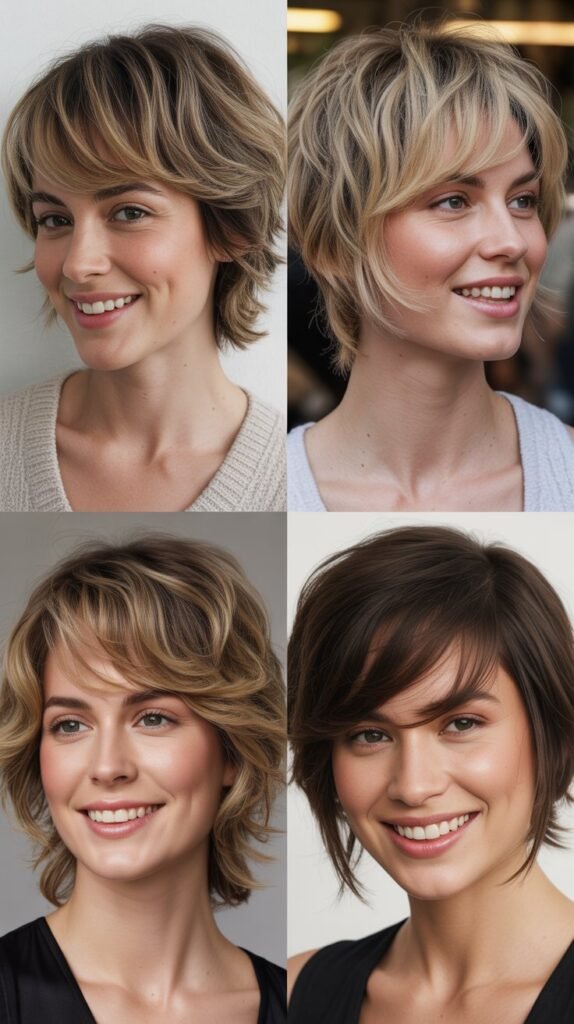
Piecey front sections emphasize defined, separated strands around the face through precise cutting and styling techniques. This modern approach creates intentional, fashion-magazine texture.
- Individual pieces are cut to varying lengths for intentional irregularity and texture.
- The technique emphasizes separation and definition rather than blended smoothness.
- Piecey sections work best on fine to medium hair that can hold defined shapes.
- This style delivers editorial, high-fashion aesthetics suitable for trendy environments.
- The defined pieces create visual interest and dimension around the face.
- Styling requires texture paste, pomade, or wax to separate and define individual pieces.
- The intentional imperfection aligns with current undone, lived-in style trends.
- Maintenance every 6-8 weeks preserves the piece-y effect and prevents over-blending.
25. U-Shaped Front Layers
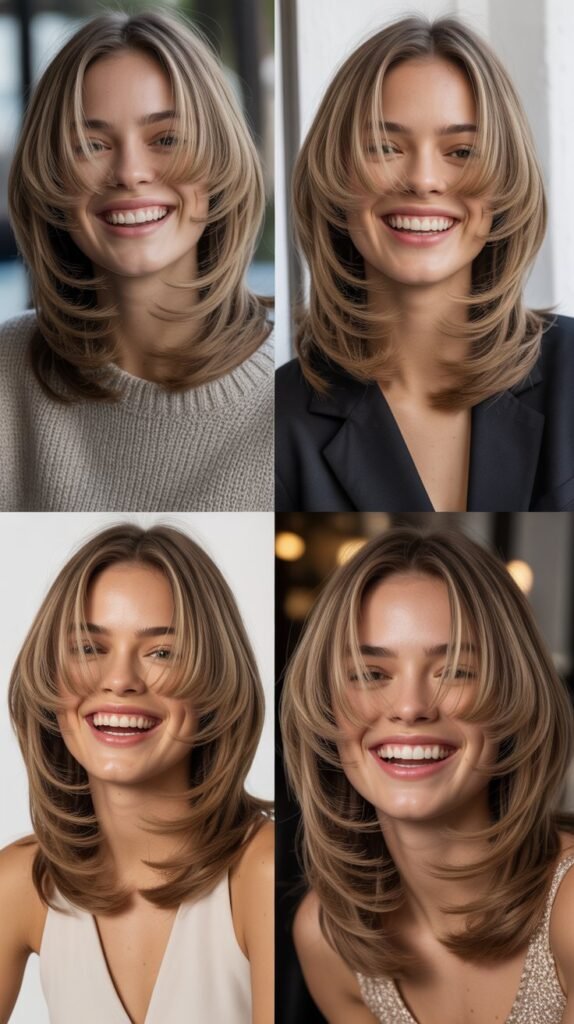
U-shaped front layers create a rounded, feminine silhouette when viewed from behind, with layers forming a gentle U curve. This softer alternative to V-shaped layers delivers romantic appeal.
- The U shape is created through layers that are shortest at the front and gradually lengthen toward the back center.
- This technique creates fullness around the face while maintaining length at the back.
- The rounded formation appears softer and more feminine than angular V-shaped cuts.
- U-shaped layers frame the face beautifully without creating dramatic points or angles.
- The style works particularly well for round and oval face shapes.
- Styling involves blow-drying layers with a round brush, following the natural U curve.
- The rounded shape prevents harsh lines and creates gentle, flowing movement.
- Maintenance requires preserving the U curve through careful trimming every 8-10 weeks.
26. Disconnected Front Layers
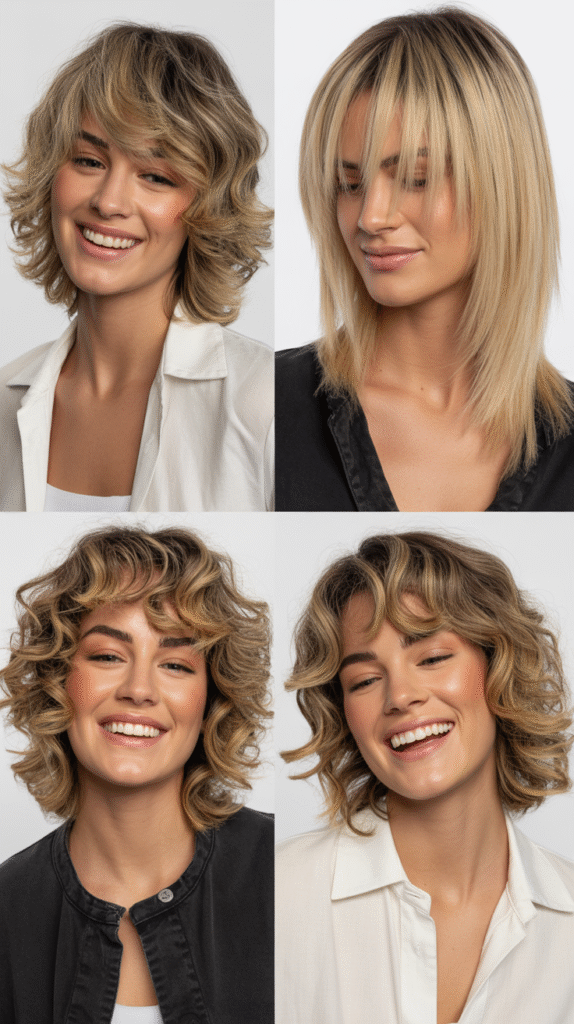
Disconnected front layers feature noticeable gaps or “disconnections” between layer lengths, creating dramatic texture and modern edge. This bold technique intentionally breaks traditional blending rules.
- The disconnection creates layers that don’t blend seamlessly but instead show distinct length differences.
- This technique delivers high-fashion, editorial aesthetics rather than conventional beauty.
- Disconnected layers add substantial texture and visual interest through the length variation.
- The style works best on medium to thick hair that can support the structural disconnections.
- This bold approach suits confident individuals seeking statement-making styles.
- Styling emphasizes the disconnections through texture products that define separation.
- The intentional gaps create depth and dimension impossible with traditional blended layers.
- This fashion-forward cut requires skilled execution and maintenance every 6-8 weeks.
27. Micro Front Layers
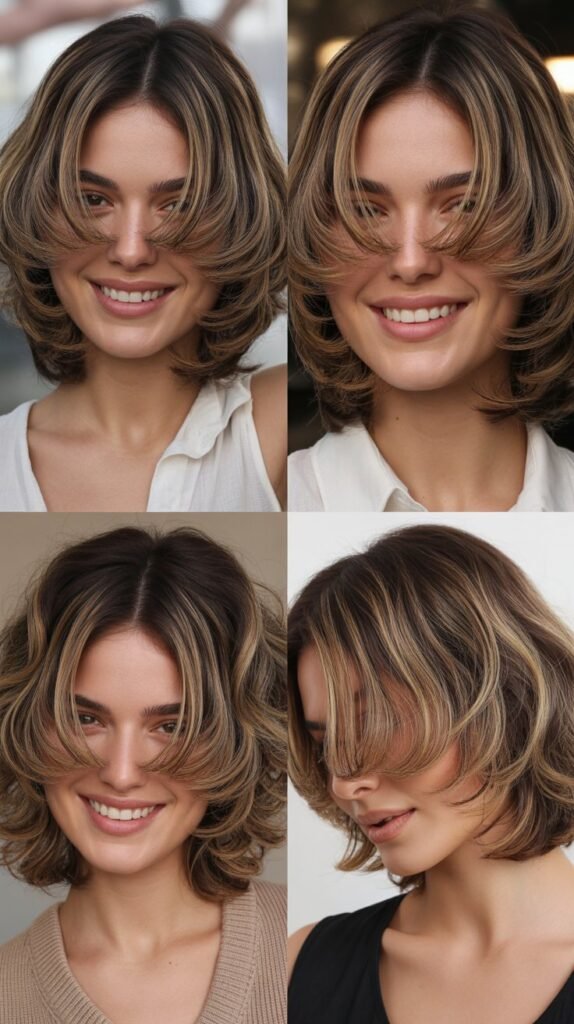
Micro front layers feature subtle, barely-there layering around the face that adds gentle movement without obvious cutting. This minimal approach delivers refinement and sophistication.
- The layers are cut in minimal increments, often just half-inch to one-inch differences.
- This ultra-subtle approach prevents dramatic change while adding gentle dimension.
- Micro layers work exceptionally well for those hesitant about traditional layering.
- The technique suits professional environments requiring conservative, polished appearance.
- The barely-there layers add just enough movement to prevent flat, lifeless hair.
- Styling requires minimal effort as the subtle layers enhance natural hair movement.
- This conservative approach grows out gracefully without awkward in-between stages.
- The refined nature means infrequent maintenance—trims every 10-12 weeks suffice.
Comparison Table: Finding Your Perfect Front Layer Style
| Layer Style | Best For Face Shape | Hair Texture | Maintenance Level | Style Vibe |
|---|---|---|---|---|
| Classic Face-Framing | All shapes | All textures | Low | Timeless, elegant |
| Curtain Bangs | Oval, round, heart | Straight to wavy | Medium | Vintage, trendy |
| Feathered Layers | Oval, heart | Fine to medium | Low | Romantic, soft |
| Graduated Layers | Round, square | Thick, dense | Medium | Structured, bold |
| Soft Shaggy | All shapes | Wavy, textured | Low | Effortless, cool |
| Wispy Pieces | Oval, heart | Fine | Low | Delicate, feminine |
| Blunt with Internal | All shapes | Thick | Medium | Polished, sleek |
| Butterfly Layers | Oval, long | Fine, thin | Medium | Dramatic, voluminous |
| Money Piece | All shapes | All textures | High | Trendy, bold |
| Asymmetrical | Strong features | Medium to thick | High | Edgy, modern |
Styling Tips for Front Layer Haircuts
Maintaining and styling your front layer haircut ensures it looks salon-fresh every day with minimal effort.
- Invest in a quality round brush sized appropriately for your layer length—smaller brushes for shorter layers, larger for longer sections.
- Apply heat protectant spray before blow-drying to prevent damage and maintain layer integrity.
- Blow-dry layers in the direction you want them to fall, using tension on the brush for smooth results.
- Use lightweight styling products on front layers to avoid weighing them down—heavy products flatten the dimension.
- Refresh front layers between washes using dry shampoo at roots and dry texturizing spray on lengths.
- Sleep with hair in a loose braid or bun to preserve layer shape and prevent tangling.
- Schedule regular trims every 6-10 weeks depending on layer style to maintain shape and prevent split ends.
- Experiment with different partings to change how front layers frame your face—center, side, or deep side parts create varied looks.
Maintenance and Care for Layered Long Hair
Proper maintenance keeps your front layer haircut looking fresh and prevents damage that can compromise the style.
- Use sulfate-free shampoo and conditioner to preserve hair health and prevent color fading in highlighted layers.
- Apply conditioning treatments or hair masks weekly, focusing on mid-lengths and ends where layers are concentrated.
- Trim layers regularly according to your specific style—some require maintenance every 6 weeks while others last 10-12 weeks.
- Avoid excessive heat styling which can damage layer ends and create frizz—use heat tools maximum 3-4 times weekly.
- Protect hair during sleep with silk or satin pillowcases that reduce friction and prevent layer disruption.
- Communicate clearly with your stylist about layer maintenance—bring reference photos and discuss growth patterns.
- Consider seasonal adjustments to your layers—lighter, more textured layers for summer and slightly fuller layers for winter.
- Monitor layer growth and book appointments before layers lose shape rather than waiting until style completely grows out.
Conclusion
Whether you choose classic face-framing layers, trendy curtain bangs, or bold asymmetrical cuts, these 27 front layer haircuts for long hair that look effortless provide endless possibilities for transforming your appearance.
The right front layers enhance your natural beauty, complement your face shape, and create that coveted effortless aesthetic that never goes out of style.
Remember that successful layered hair requires finding a skilled stylist who understands your hair texture, face shape, and lifestyle needs, then committing to regular maintenance that preserves your chosen style.
With the proper cut, styling techniques, and care routine, your front layer haircut will deliver movement, dimension, and confidence every single day.
