
Living with fine hair doesn’t mean you have to settle for flat, lifeless locks that refuse to hold volume.
The right hairstyle can transform thin strands into a gorgeous mane that turns heads and boosts your confidence instantly.
This comprehensive guide to 34 Confidence Boosting Hairstyles That Make Fine Hair Look Thicker will walk you through strategic cuts, clever styling techniques, and volumizing approaches that create the illusion of fuller, thicker hair.
From layered bobs to textured pixies, from strategic highlights to root-lifting tricks, you’ll discover professional secrets that hairstylists use to maximize volume and dimension.
Whether you prefer short, medium, or long hair, there’s a thickness-enhancing solution waiting for you that matches your lifestyle and personal style.
Get ready to say goodbye to flat hair days and hello to voluminous confidence that lasts from morning until night.
1. The Layered Bob
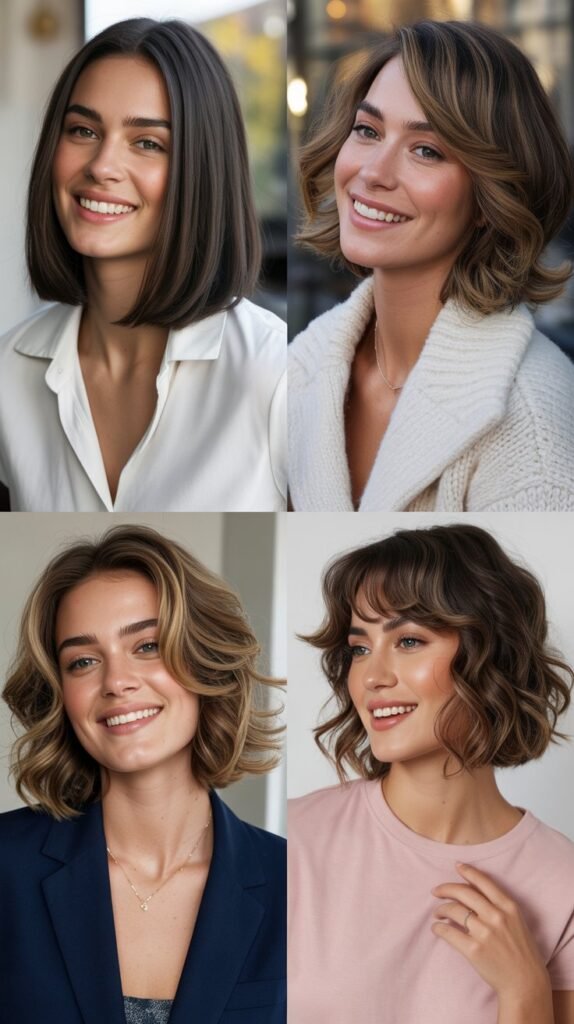
The layered bob stands as one of the most powerful weapons against fine, flat hair because it removes weight while adding movement and dimension.
Strategic layers create separation between hair sections, preventing strands from clumping together and lying flat against your scalp.
This classic cut works beautifully for fine hair because shorter lengths naturally appear fuller and healthier at the ends.
- The key to a successful layered bob for fine hair lies in asking your stylist for internal layers rather than heavily graduated external layers that can thin out the ends
- Keeping the perimeter relatively blunt while adding layers throughout the interior creates the perfect balance of fullness at the bottom with airiness at the crown
- A layered bob that sits between chin and shoulder length hits the sweet spot for fine hair, as this length prevents hair from being weighed down by its own length
- Adding face-framing layers around the front softens the style while directing attention to your best features
- The layered bob requires minimal styling effort—simply blow-drying with a round brush at the roots creates instant volume that lasts all day
- This versatile cut adapts to various textures, working equally well for straight, wavy, or slightly curly fine hair
- Regular trims every 6-8 weeks maintain the shape and prevent thin ends from diminishing the volumizing effect
2. The Blunt Cut Lob
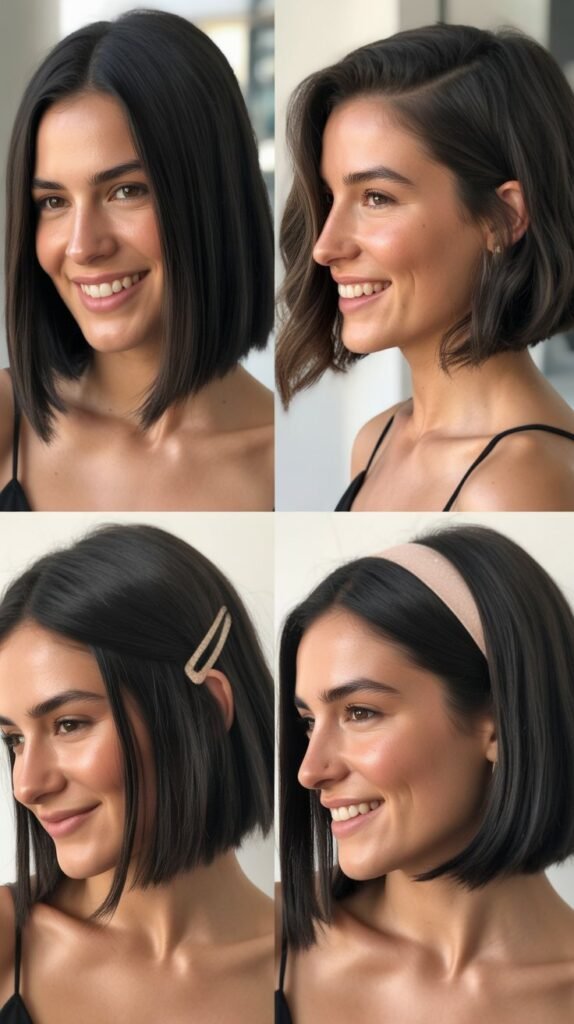
The blunt cut lob (long bob) creates an optical illusion of thickness by maintaining maximum density at the ends of your hair.
When all strands are cut to the same length without layers or thinning, your hair appears fuller and more substantial.
This style has dominated runways and red carpets precisely because it makes fine hair look deliberately thick and luxurious.
- The blunt lob typically falls between the collarbone and shoulders, creating a length that’s substantial enough to look intentionally thick
- Cutting all hair to one length prevents the tapered, wispy ends that plague many fine-haired individuals with longer styles
- This cut works exceptionally well when styled with a slight bend or wave, which adds even more perceived volume and texture
- Pairing a blunt lob with subtle highlights or balayage creates dimensional color that tricks the eye into seeing more hair than actually exists
- The weight distribution in a blunt cut prevents flyaways and frizz that can make fine hair look sparse and unkempt
- Styling this cut requires minimal effort—a flat iron with a slight flip at the ends or loose waves with a curling wand both emphasize the thickness
- Maintaining the blunt line requires precision cuts every 8-10 weeks to prevent natural breakage from creating uneven, thin-looking ends
3. Textured Pixie Cut
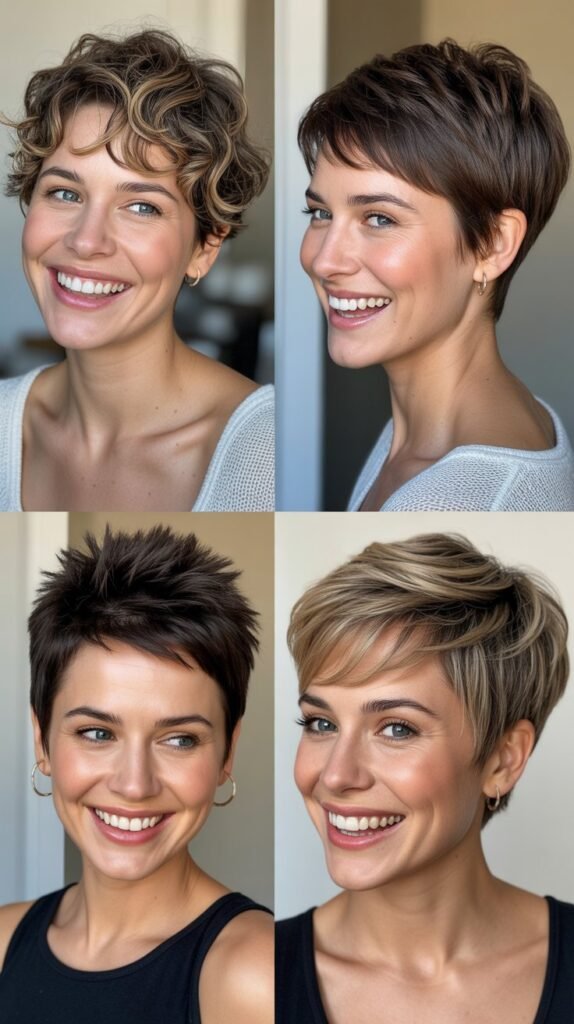
The textured pixie cut liberates fine hair from the weight that causes flatness, creating maximum volume through short, strategically cut layers.
This bold style removes the burden of length while introducing choppy, piece-y texture that makes each strand count.
Pixie cuts for fine hair focus on creating height at the crown and movement throughout.
- The beauty of a textured pixie for fine hair lies in its ability to stand away from the scalp rather than lying flat against the head
- Asking your stylist for point-cutting or razor-cutting techniques creates the choppy, separated pieces that prevent fine hair from clumping together
- Longer pieces on top (around 2-4 inches) provide enough length to style upward and create dramatic volume
- Keeping the sides and back shorter creates contrast that makes the top section appear even fuller and more substantial
- A textured pixie requires daily styling with volumizing products, but the routine takes just minutes with the right mousse or texturizing spray
- This cut grows out gracefully, maintaining its voluminous shape for 4-6 weeks before needing a trim
- Confidence soars with a pixie because it frames the face beautifully while eliminating bad hair days caused by limp, fine locks
4. Shaggy Layers Throughout
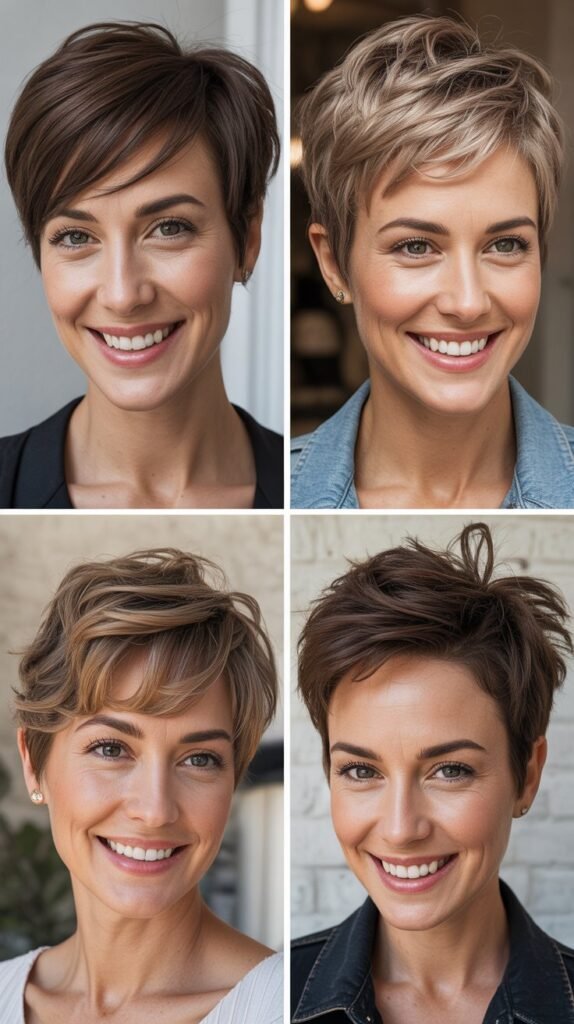
The shaggy, heavily layered cut brings rock-and-roll texture to fine hair by creating multiple levels of length that add perceived density.
Unlike traditional layers, shag cuts feature choppy, disconnected layers that create intentional messiness and fullness.
This retro-inspired style has made a major comeback because it solves the fine hair dilemma with effortless cool.
- Shag cuts work by creating so many different lengths that hair cannot lie flat in a uniform, limp manner
- The choppy layers reflect light differently, creating shadows and highlights that give the illusion of more hair volume
- Bangs or fringe elements often accompany shag cuts, adding another dimension of fullness around the face
- This style embraces natural texture rather than fighting it, making styling incredibly low-maintenance for busy individuals
- Product application becomes crucial—sea salt spray or texturizing cream enhances the piece-y, separated look that maximizes volume
- Shaggy layers work across all hair lengths, from pixie-length shags to shoulder-grazing versions, each creating substantial fullness
- The intentionally messy aesthetic means imperfection becomes perfection, relieving pressure to achieve sleek, perfect styles that showcase thinness
5. Side-Swept Bangs
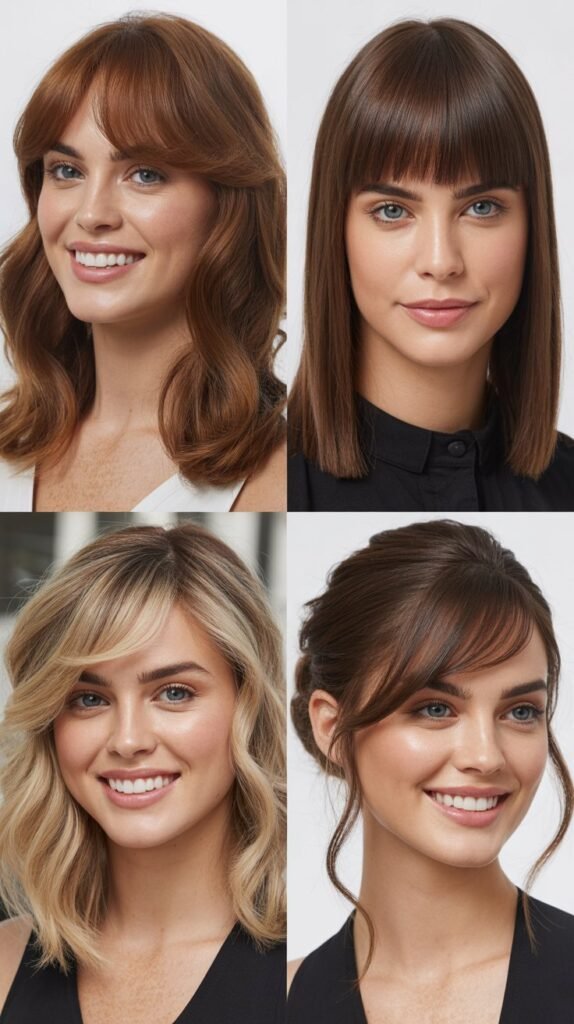
Side-swept bangs create an instant focal point that draws attention away from overall hair volume while adding fullness around the face.
This strategic framing technique makes your entire hairstyle appear more substantial by introducing dimension and movement at the most visible area.
Bangs also provide coverage that can disguise a thin hairline or sparse crown.
- Side-swept bangs work better than blunt, straight-across bangs for fine hair because they create diagonal lines that suggest movement and fullness
- The sweeping motion of styled side bangs adds height at the root area, which translates to overall perceived volume
- Cutting bangs slightly longer (grazing the cheekbone or jaw) prevents them from appearing too thin or wispy
- Styling side-swept bangs with a round brush while blow-drying creates a lifted curve that sits away from the forehead
- This bang style integrates seamlessly with virtually any haircut length, from pixies to long layers
- The asymmetrical nature of side-swept bangs creates visual interest that makes the entire hairstyle appear more deliberately styled and fuller
- Regular bang trims every 3-4 weeks maintain the shape without requiring a full haircut appointment
6. Beach Waves for Texture
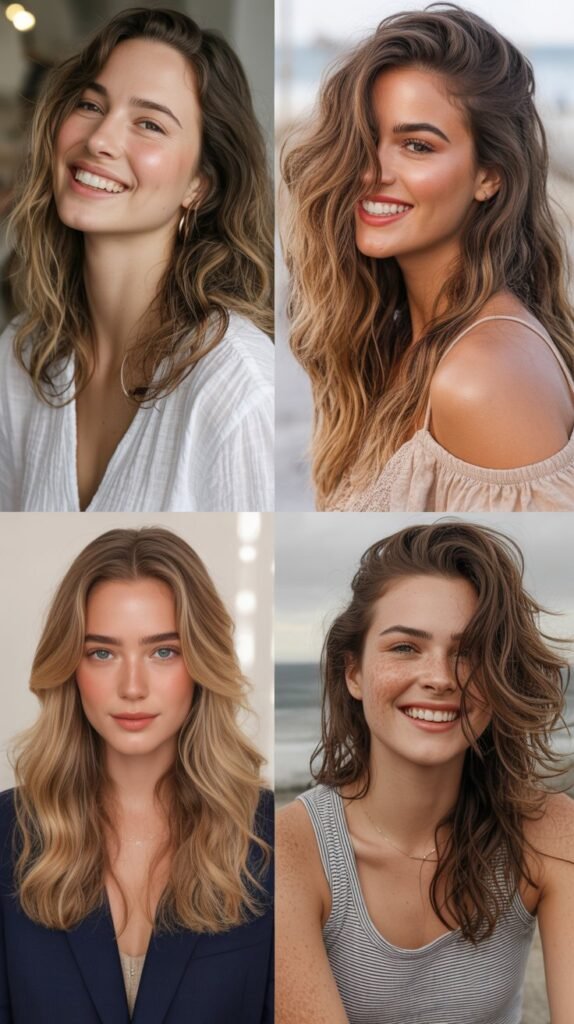
Beach waves introduce bends and curves into fine hair that would otherwise hang straight and flat against the head.
These loose, relaxed waves create space between hair sections, dramatically increasing perceived volume.
The tousled, undone nature of beach waves makes fine hair look intentionally textured rather than accidentally thin.
- Creating beach waves involves adding texture without creating tight, defined curls that can actually make fine hair look stringy when they fall
- The S-shaped bends of beach waves catch light at multiple angles, creating dimensional shadows that suggest depth and fullness
- Using a salt spray or texturizing spray before styling helps fine hair hold the waves throughout the day
- The technique of wrapping hair around a curling iron or wand without clamping the ends creates the loose, imperfect waves ideal for fine hair
- Beach waves work especially well on layered cuts, as different lengths create varied wave patterns that enhance the messy, full appearance
- This styling method adds substantial height at the crown by lifting hair away from the scalp in gentle curves
- The relaxed nature of beach waves means they look better as they settle throughout the day, unlike precise curls that deflate disappointingly
7. Root Teasing Technique
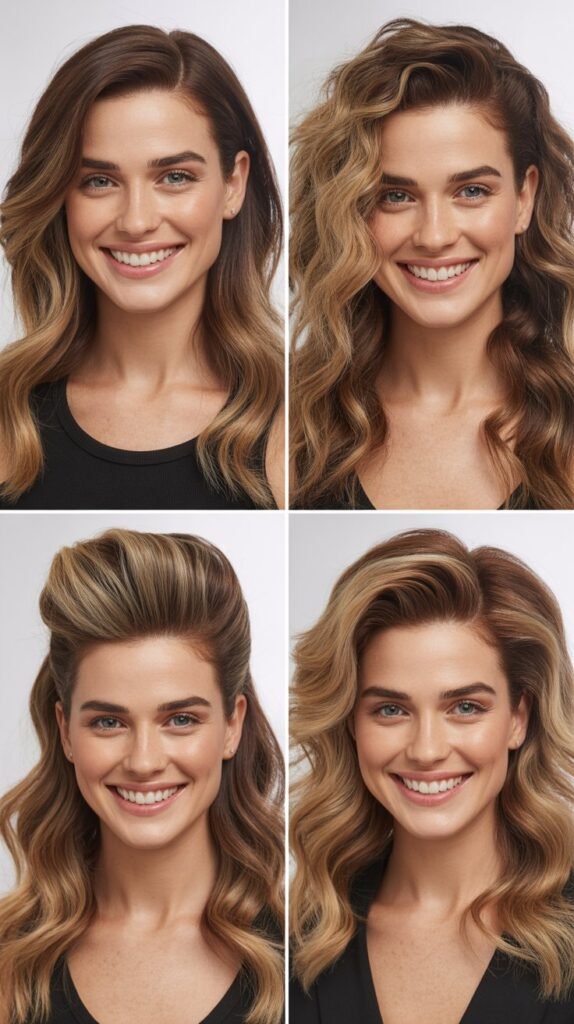
Root teasing, also called backcombing, creates instant volume at the scalp by gently tangling hair near the roots to form a supportive cushion.
This classic technique has stood the test of time because it works immediately and dramatically for fine, flat hair.
Modern root teasing focuses on strategic placement rather than all-over teasing for a natural, lifted look.
- The key to successful root teasing involves working on small sections (about one inch wide) and teasing only the hair closest to the scalp
- Using a fine-toothed comb or teasing brush, gently push hair downward toward the scalp in short strokes to create a foundation of volume
- Focusing teasing efforts on the crown area and along the part line creates maximum impact where volume is most visible
- After teasing, smoothing the top layer of hair over the teased sections conceals the technique while maintaining the lifted effect
- Setting the teased volume with a light-hold hairspray ensures the lift lasts all day without becoming stiff or crunchy
- Root teasing works as a standalone technique or combines beautifully with other styling methods like curling or straightening
- Gentle brushing and proper conditioning during washing prevents damage from regular teasing, making it a sustainable volume solution
8. Angled Bob Cut
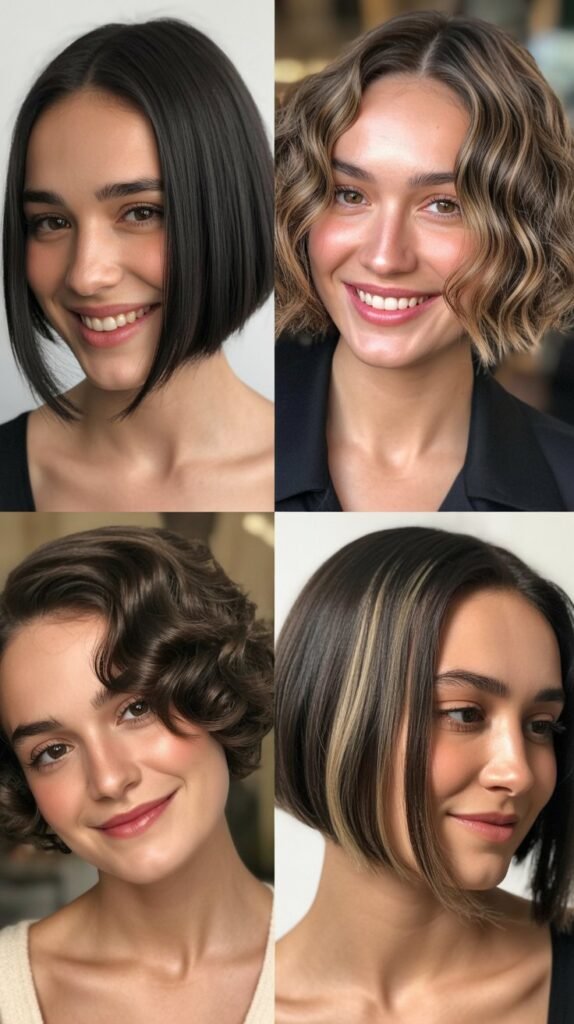
The angled bob features a dramatic graduation from shorter back to longer front, creating a dynamic shape that makes fine hair appear intentionally geometric and full.
This architectural cut uses precise angles to add movement and the illusion of density.
The strategic length variation ensures hair never appears uniformly thin.
- Angled bobs typically feature back lengths at or above the nape of the neck, gradually lengthening to pieces that reach the chin or beyond at the front
- The shorter back section removes weight and creates a stacked effect that adds fullness at the crown and back of the head
- Longer front pieces frame the face beautifully while appearing thicker due to the weight removal from the back sections
- This cut creates incredible movement when you turn your head, drawing attention to the style rather than the texture of individual strands
- Styling an angled bob simply requires blow-drying the shorter back sections forward and under to enhance the stacked volume
- The geometric precision of this cut makes fine hair appear intentionally styled rather than accidentally thin
- Color techniques like darker tones underneath and lighter pieces on top further enhance the dimensional, full appearance of angled bobs
9. Crown Volume Styling
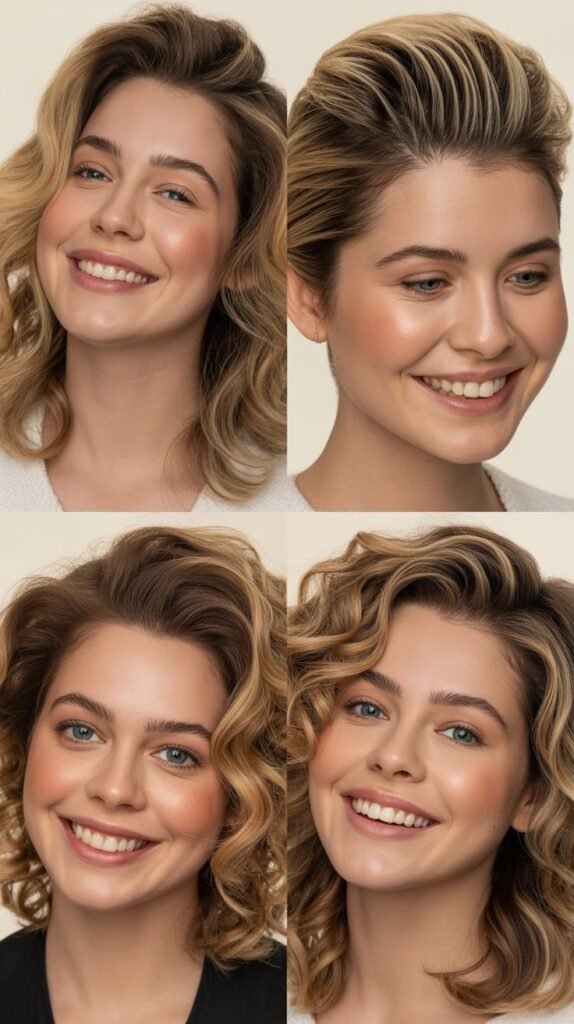
Crown volume styling focuses specifically on creating maximum height at the very top of the head, where thinness is most noticeable on fine hair.
This targeted approach uses blow-drying techniques, products, and styling tools to lift hair away from the scalp at the crown.
The elevated crown makes the entire hairstyle appear more voluminous.
- The foundation of crown volume begins during blow-drying by directing airflow upward and away from the scalp rather than downward
- Using a round brush underneath hair sections at the crown while applying heat from above creates lasting lift
- Volumizing products like root-lifting sprays or mousses applied directly to the crown before styling provide hold and support
- The clip method involves rolling crown sections in large Velcro rollers or securing them with clips while they cool after blow-drying
- Strategic backcombing at the crown, covered by smooth top layers, creates additional height that photographs beautifully
- Crown volume works with any hair length and style, from short pixies to long layers, making it universally applicable
- Maintaining crown volume throughout the day requires a light touch-up spray and occasional finger-lifting to refresh the height
10. Dimensional Highlights
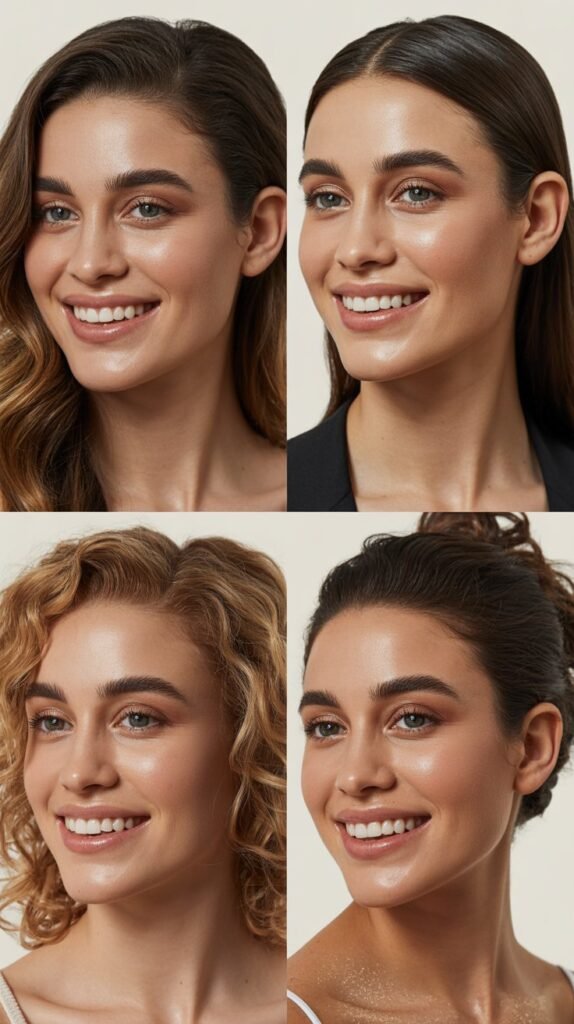
Dimensional highlights create the optical illusion of thickness by introducing multiple color tones throughout fine hair.
Light and shadow play between different shades makes hair appear to have more depth and layers than it actually possesses.
Strategic color placement can add perceived volume where hair is thinnest.
- Highlights work by creating lighter pieces that catch and reflect light differently than the base color, suggesting multiple layers of hair
- Placing lighter highlights around the face and crown area draws the eye to these sections, making them appear fuller and more prominent
- The contrast between darker base colors and lighter highlights creates shadows that give the illusion of depth and thickness
- Balayage techniques that hand-paint color onto hair create natural-looking dimension without harsh lines that can emphasize thinness
- Combining different shades within the same color family (like multiple blonde or brown tones) adds complexity that suggests volume
- Fine hair actually takes color exceptionally well, making highlights a powerful tool for creating the appearance of fullness
- Maintaining dimensional color requires touch-ups every 8-12 weeks, with toning treatments to keep highlights looking fresh and dimensional
11. Messy Updo Styles
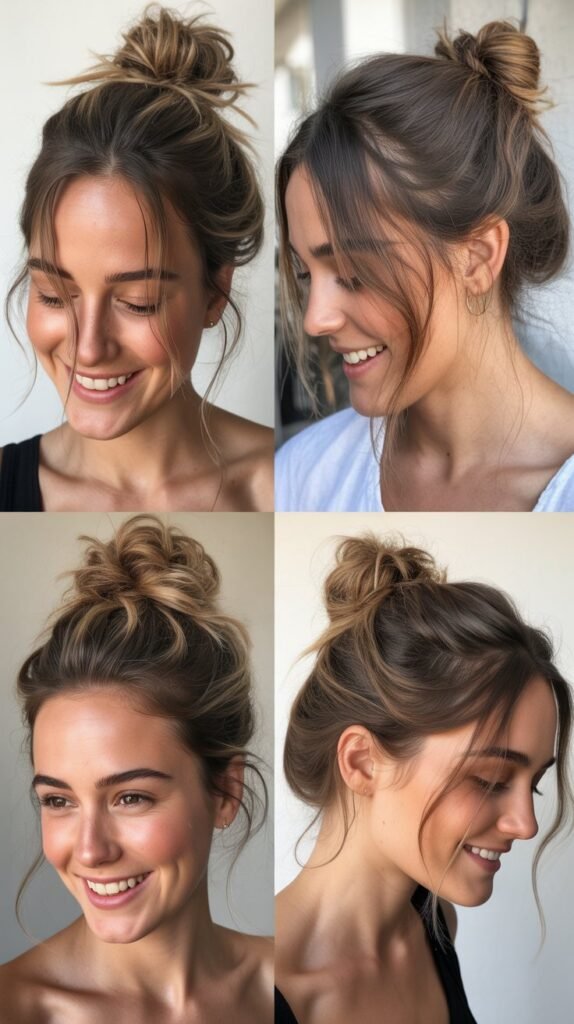
Messy updos transform fine hair into seemingly thick, textured creations by bundling hair loosely and pulling out strategic pieces.
These intentionally imperfect styles work with fine hair’s natural tendency toward softness, creating romantic, voluminous looks.
The messy aesthetic means perfection isn’t required, making fine hair an asset rather than a challenge.
- The secret to voluminous messy updos involves teasing or texturizing hair before gathering it into the updo structure
- Leaving face-framing pieces loose and pulling out small sections throughout the updo creates intentional messiness that suggests thickness
- Using hair donuts, padding, or even additional hairpieces within the updo creates a fuller foundation that fine hair wraps around
- Pancaking technique—gently pulling apart sections of braids or twisted sections—makes the style appear wider and more substantial
- Texturizing sprays and dry shampoos applied before styling give fine hair the grit needed to hold messy updo shapes
- Multiple smaller sections twisted or braided together create more visual interest and perceived volume than one large section
- Messy updos photograph beautifully, making them perfect for special occasions when fine hair needs to look its absolute fullest
12. The Wedge Cut
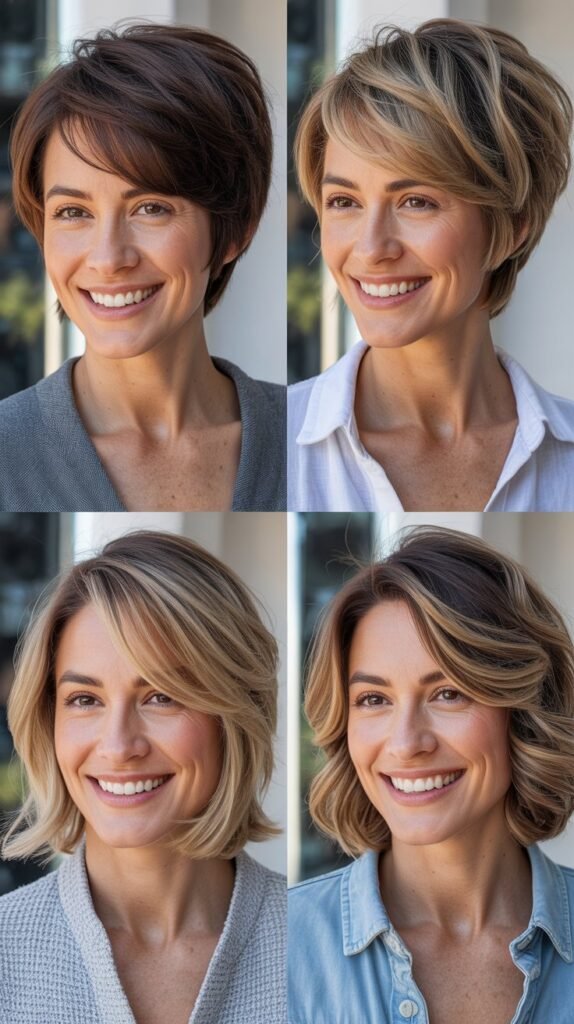
The wedge cut creates a rounded, stacked back that adds significant volume to fine hair through precise geometric cutting.
This retro-inspired style features short, graduated layers in the back that stack upon each other, creating a dome of fullness.
The wedge proves that strategic cutting can manufacture volume where nature didn’t provide it.
- The wedge cut involves cutting back sections progressively shorter from the crown downward, creating layers that stack and support each other
- This stacking effect lifts hair away from the head at the back, creating a rounded, full silhouette that’s impossible with one-length cuts
- The sides and front of a wedge cut can be customized to various lengths, from chin-length pieces to longer sections that frame the face
- Blow-drying a wedge cut requires directing airflow forward and under to enhance the stacked volume in the back
- The precision required for a true wedge cut means finding an experienced stylist familiar with this classic technique is essential
- Modern interpretations of the wedge incorporate softer, more blended layers while maintaining the volume-creating stacked structure
- This cut requires regular maintenance every 5-6 weeks to maintain the precise stacking that creates the signature volume
13. Tousled Lob with Layers
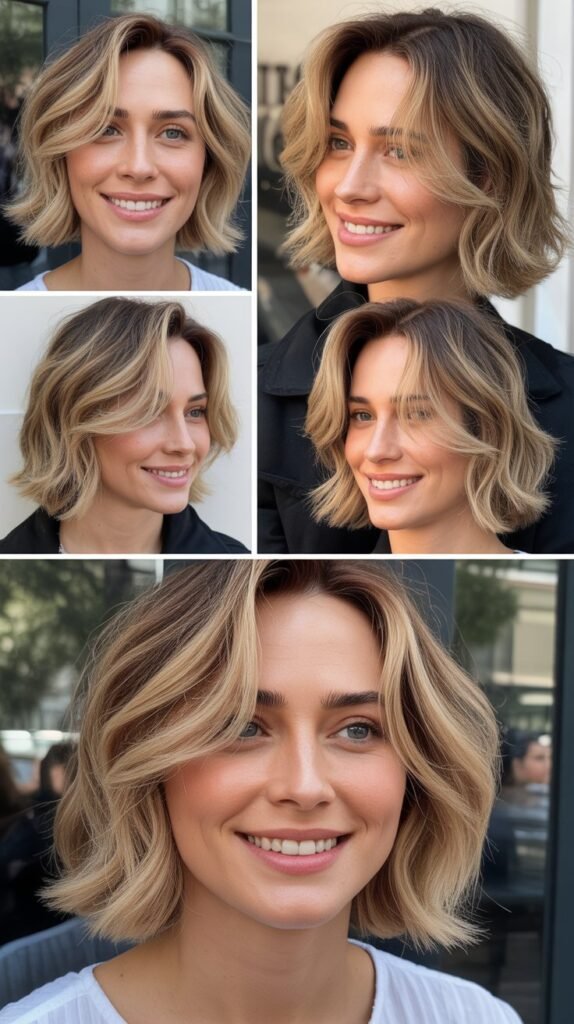
The tousled lob combines the fullness-creating blunt cut with strategic internal layers and messy styling for maximum volume.
This style balances the thickness of a blunt perimeter with movement-creating layers throughout, styled in an effortlessly textured manner.
The result is hair that appears both full at the ends and voluminous throughout.
- Internal layers throughout a lob add movement without sacrificing the density-creating blunt perimeter that makes ends look thick
- Tousling involves creating irregular, imperfect waves and bends that prevent hair from lying flat in a uniform, thin-looking manner
- The styling process incorporates sea salt spray or texturizing products that give fine hair grip and separation
- Scrunching hair while blow-drying with a diffuser or air-drying creates the natural, undone texture that makes fine hair look intentionally messy
- The lob length (typically shoulder-grazing or slightly longer) provides enough weight to prevent excessive flyaways while remaining short enough to hold volume
- Face-framing layers around the front add dimension and draw attention to the face rather than the hair’s fine texture
- This versatile style transitions easily from casual daytime looks to more polished evening styles with minimal adjustment
14. Asymmetrical Cuts
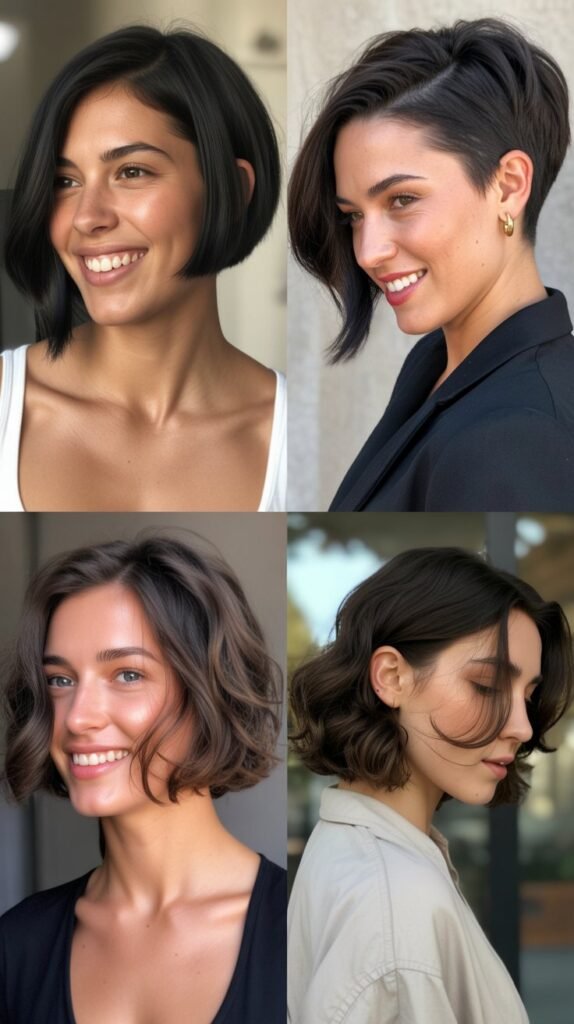
Asymmetrical cuts feature intentionally uneven lengths on different sides of the head, creating visual interest that distracts from fine texture while adding perceived volume.
These edgy, modern styles use dramatic length differences to create movement and dimension.
The eye-catching asymmetry becomes the focal point rather than hair thickness.
- Asymmetrical cuts typically feature one side cut shorter (often above the ear) while the other side remains longer (reaching the chin or shoulder)
- The dramatic difference in lengths creates an angular, geometric shape that makes the overall style appear intentionally bold and full
- Longer sections can be styled with waves or texture to enhance volume while shorter sections lie sleek against the head for contrast
- This style works particularly well for fine hair because attention focuses on the interesting shape rather than individual hair texture
- Styling asymmetrical cuts often involves creating volume on the longer side through blow-drying, curling, or texturizing techniques
- The modern, fashion-forward appearance of asymmetrical cuts projects confidence that extends beyond hair thickness concerns
- Maintenance requires precision trimming every 6-8 weeks to maintain the dramatic length difference that defines the style
15. Half-Up Top Knot
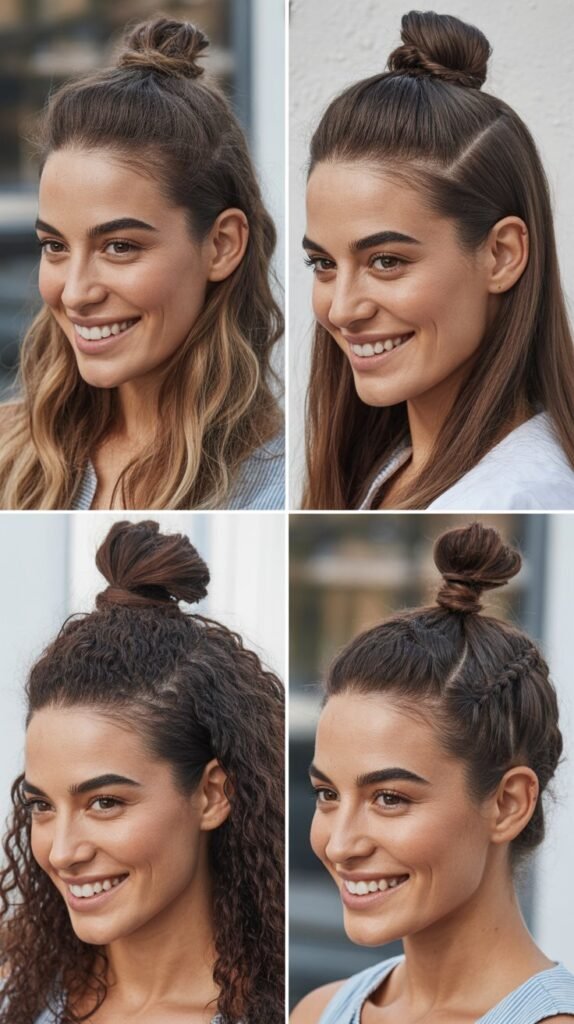
The half-up top knot creates instant height and volume by gathering the top section of hair into a small bun or knot at the crown.
This trendy style lifts hair away from the scalp while leaving the bottom section down, creating a two-dimensional look that appears fuller.
The elevated top section draws the eye upward, suggesting more hair overall.
- Creating the half-up top knot involves sectioning hair from temple to temple and from the crown forward, gathering only the top portion
- Teasing the gathered section before twisting it into a knot adds extra volume that makes the top portion appear substantial
- The small bun or knot positioned high on the crown creates vertical height that makes the entire head appear larger and fuller
- Leaving the bottom section down (whether straight, wavy, or curled) provides contrast and shows off the total length while the top creates volume
- Pulling out small face-framing pieces softens the style and adds to the relaxed, full appearance
- This style works across all hair lengths from medium to long, adapting easily to different situations from casual to semi-formal
- The half-up top knot conceals thinning at the crown while creating the appearance of thick, abundant hair throughout
16. Feathered Layers
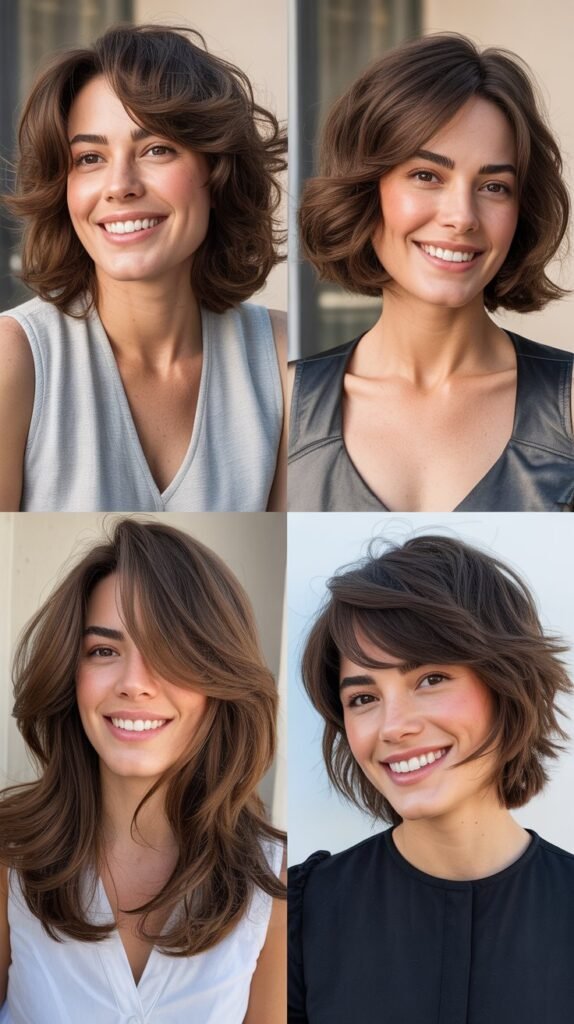
Feathered layers involve cutting hair so that the ends taper and flip outward, creating soft, feather-like movement that adds volume and dimension.
This classic technique from the 1970s has been modernized for today’s fine-haired individuals seeking fullness.
The outward-flipping ends create width and the illusion of more hair.
- Feathering involves point-cutting or razor-cutting the ends of layers to create soft, tapered pieces that naturally flip outward when styled
- The technique works throughout the hair from crown to ends, with each feathered layer adding to the overall fullness
- Blow-drying feathered layers with a round brush while pulling outward and under creates the signature flipped appearance
- The outward movement of feathered ends makes hair appear wider and fuller than straight, inward-turning layers
- Feathered layers work especially well on medium to long hair where there’s enough length to showcase the flipping movement
- Modern feathering creates softer, more blended results than the dramatic feathering of past decades, perfect for contemporary tastes
- This cutting technique adds so much natural movement that styling time decreases significantly—hair wants to flip and move on its own
17. Voluminous Ponytail Tricks
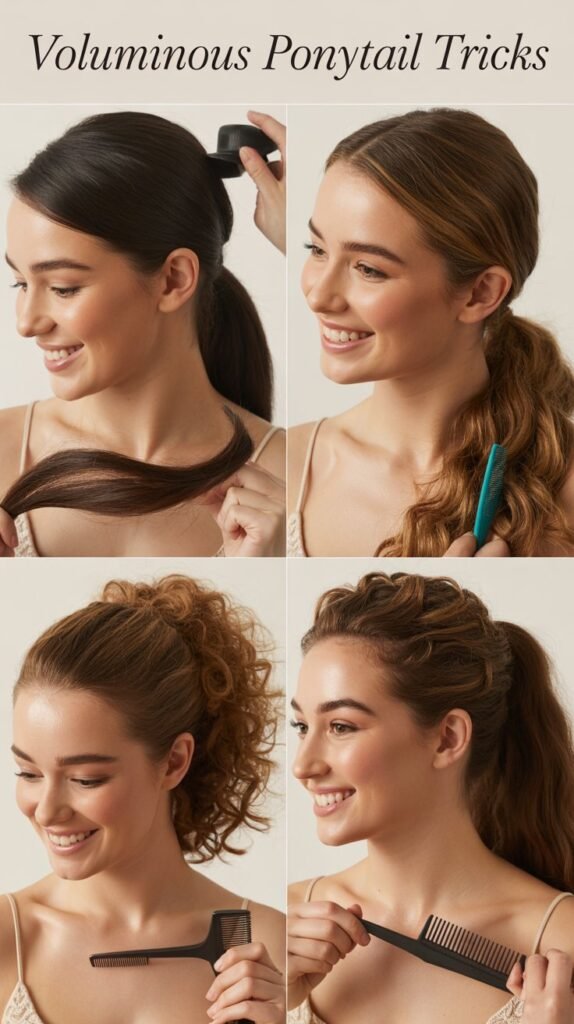
Transforming a standard ponytail into a voluminous statement involves strategic techniques that make fine hair appear thick and full when pulled back.
These tricks create the illusion of a massive ponytail through clever positioning, teasing, and doubling methods.
The result is a polished, substantial-looking ponytail perfect for any occasion.
- The double ponytail method involves creating two separate ponytails stacked vertically—one at the crown and one at the nape—for doubled fullness
- Teasing hair throughout the length of the ponytail before securing it creates internal volume that makes the ponytail appear thicker
- Wrapping a small section of hair around the elastic base conceals the band while adding polish and perceived thickness
- Creating volume at the crown before pulling hair into a ponytail ensures the style doesn’t appear flat on top
- Using a volumizing powder or dry shampoo at the roots before creating the ponytail adds grip and lift
- Positioning the ponytail higher on the head (at the crown rather than the nape) creates more visible volume and a fuller appearance
- Gently pulling apart the ponytail sections after securing creates width that makes fine hair look intentionally full and textured
18. Graduated Bob
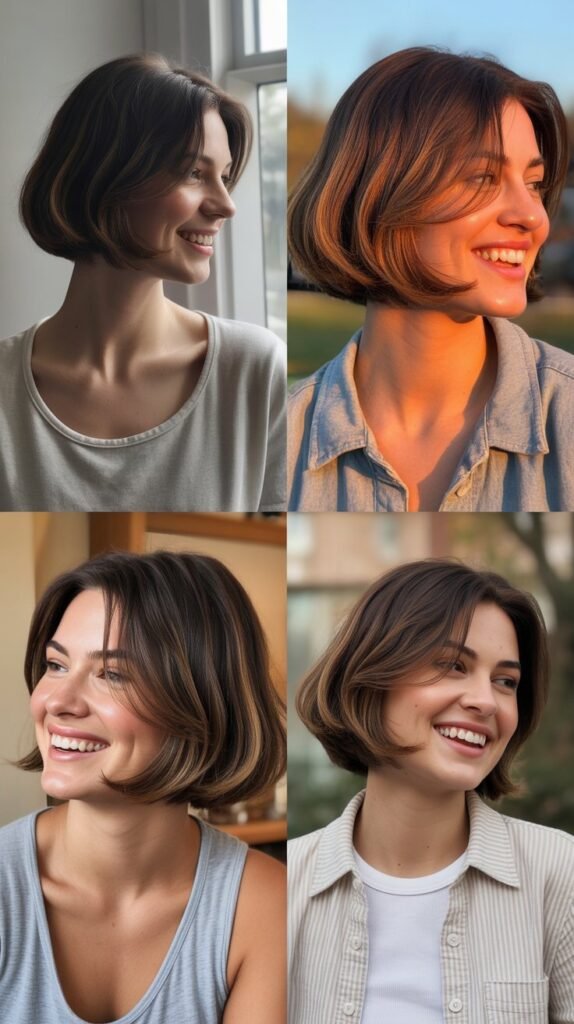
The graduated bob features shorter layers stacked at the back of the head with gradually longer pieces toward the front, creating a wedge-like shape with maximum volume.
This precision cut lifts fine hair away from the head through systematic layering that supports itself.
The graduation creates architectural volume that doesn’t require extensive styling.
- Graduated bobs build volume through systematic cutting where each layer is slightly longer than the one beneath it
- The stacking effect in the back creates a rounded, full shape that stands away from the head naturally
- Front pieces that frame the face can be customized to various lengths while the back maintains the graduated, stacked volume
- This cut works exceptionally well for fine, straight hair that needs structure and shape to appear fuller
- Blow-drying a graduated bob involves directing the back sections forward and under to enhance the stacked volume
- The precision required means scheduling appointments with experienced stylists who understand graduation techniques
- Color can enhance graduated bobs—darker tones underneath and lighter on top emphasize the dimensional layers and increase perceived fullness
19. Textured Waves with Sea Salt Spray
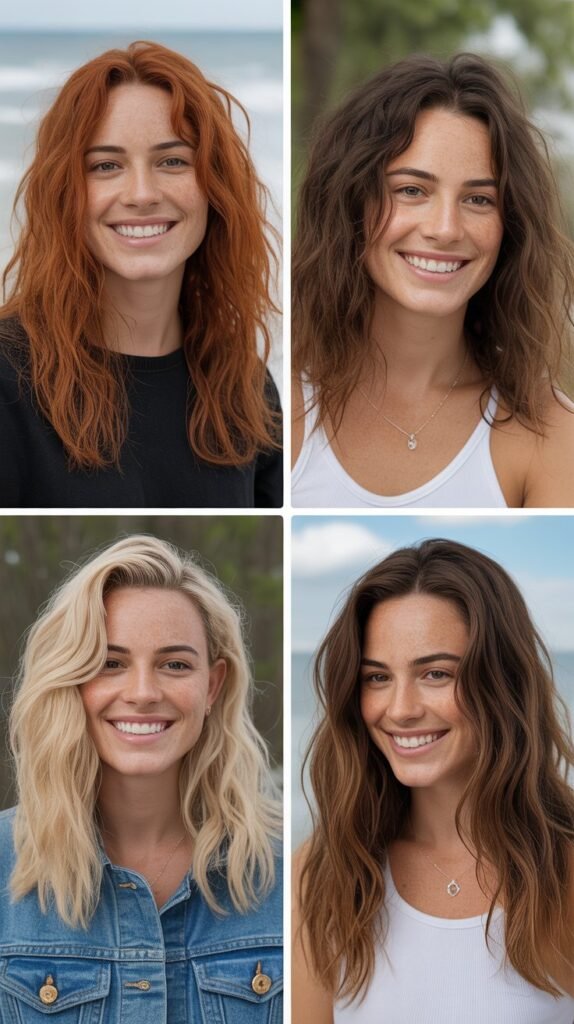
Textured waves created with sea salt spray transform fine, flat hair into beach-inspired, voluminous locks full of movement and dimension.
This styling method adds grit and separation to fine strands, preventing them from lying flat together.
The result is hair that appears thicker, fuller, and effortlessly styled.
- Sea salt spray works by depositing minerals onto hair strands that create texture and grip, preventing fine hair from becoming too slick and flat
- Applying the spray to damp hair and scrunching creates natural-looking waves as hair dries
- The separation between strands that sea salt spray creates makes each piece visible, increasing the perception of hair quantity
- For more defined waves, wrapping sections around a curling iron after applying sea salt spray creates textured, piece-y curls
- The matte finish that sea salt spray provides makes hair appear thicker than shiny, sleek styles that reveal every thin section
- Combining sea salt spray with heat-free styling methods prevents damage while creating substantial volume
- This styling approach works across all hair lengths and adapts to various occasions from casual to dressed-up events
20. Choppy Curtain Bangs
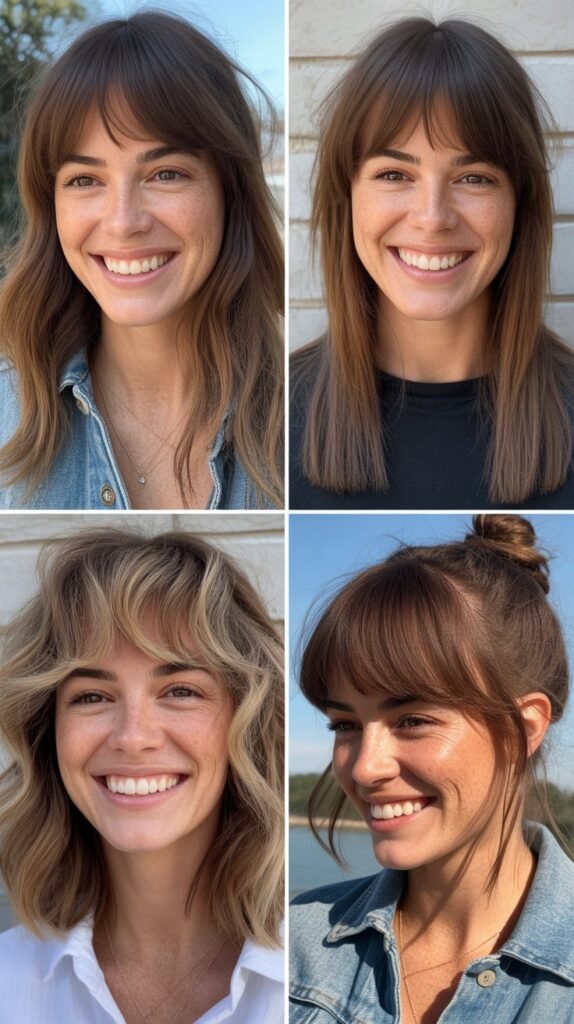
Choppy curtain bangs frame the face with textured, piece-y fringe that parts down the middle, creating dimension and fullness around the most visible area.
These modern bangs combine the volume-adding benefits of face-framing layers with the style quotient of trendy curtain framing. The choppy texture prevents bangs from appearing thin or wispy.
- Curtain bangs sweep away from a center part, with each side framing the face in soft, face-hugging pieces
- The choppy cutting technique creates multiple lengths within the fringe, preventing the thin, stringy appearance of blunt bangs on fine hair
- Styling curtain bangs involves blow-drying them away from the face with a round brush to create volume and the signature swooping shape
- The longer pieces that frame the cheekbones blend seamlessly into the rest of the hair, creating a cohesive, full look
- Choppy curtain bangs work with virtually any hair length and style, from pixies to long layers
- The center part of curtain bangs creates symmetry that draws attention to facial features rather than hair texture
- Maintenance is minimal—curtain bangs grow out gracefully and require trimming only every 6-8 weeks
21. Root Lift Products
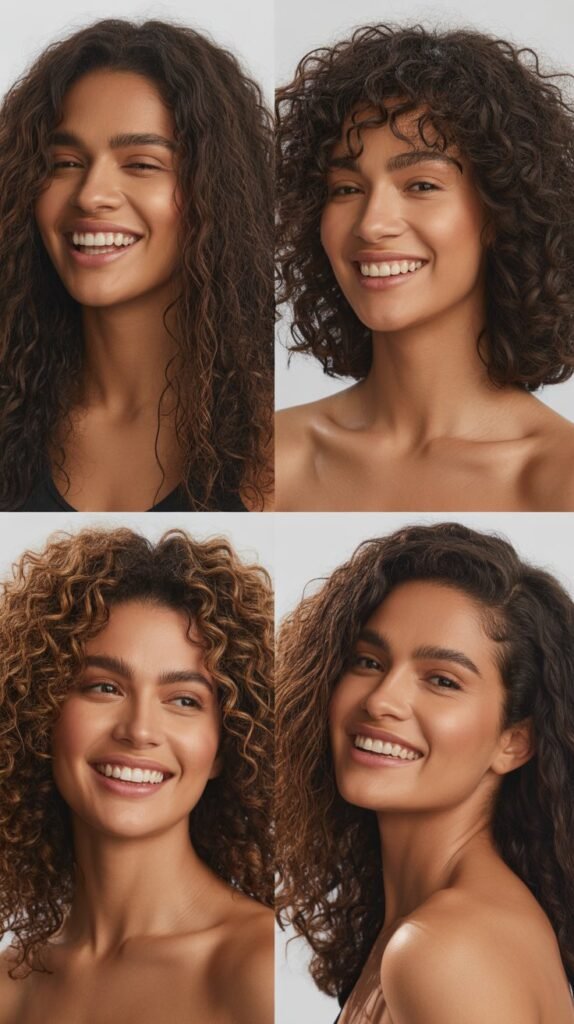
Root lift products specifically formulated to create volume at the scalp transform fine hair from flat to full with minimal effort.
These specialized mousses, sprays, and powders work with fine hair’s texture rather than against it. Strategic product application creates lasting lift that survives humidity and daily activities.
- Root lift sprays are applied directly to the scalp on damp hair before blow-drying, creating a foundation of volume from the very beginning
- Volumizing mousses distributed through roots and mid-lengths add body and hold without weighing down fine strands
- Root lift powders sprinkled directly onto dry roots create instant texture and lift for quick volume boosts throughout the day
- The key to successful product use involves applying small amounts only where needed—the crown, part line, and sides near the face
- Blow-drying with root lift products in place sets the volume, creating lasting lift that doesn’t collapse within hours
- Combining multiple root lift products (spray at roots, mousse through lengths) creates layered volume that appears completely natural
- Modern volumizing formulas avoid the sticky, crunchy texture of older products, leaving hair soft and touchable while dramatically fuller
22. Bounce-Creating Roller Sets
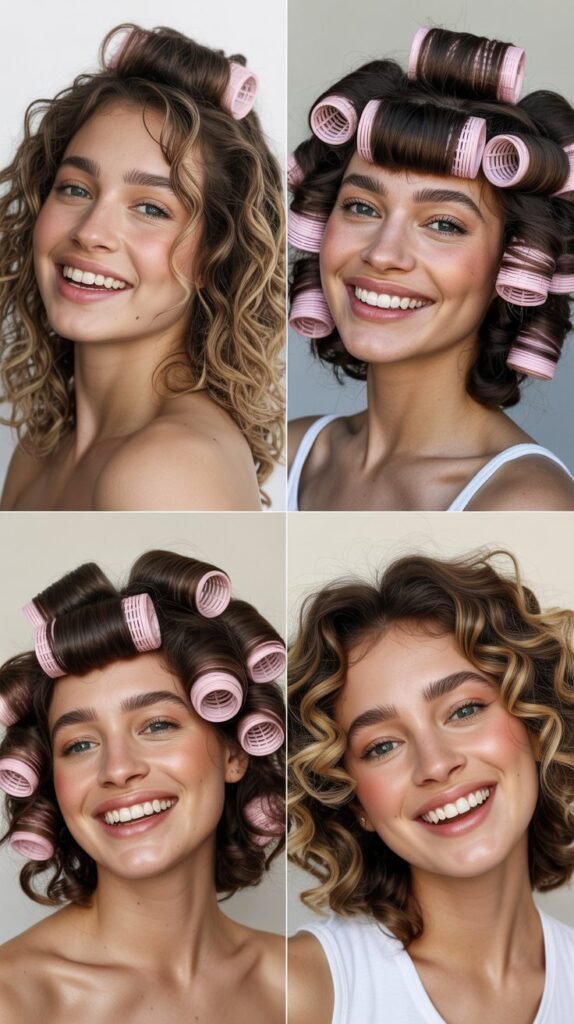
Roller sets create lasting volume and body in fine hair through heat-free styling that lifts hair away from the scalp in smooth, bouncy sections.
This vintage technique has maintained popularity because it delivers dramatic fullness without damage. Strategic roller placement creates volume exactly where fine hair needs it most.
- Velcro rollers work exceptionally well on fine hair, gripping strands without requiring pins or clips that can create dents
- Rolling sections away from the face and upward toward the crown creates lift at the roots that makes the entire style appear fuller
- The size of rollers determines the tightness of curls—larger rollers create smooth, bouncy volume while smaller ones create more defined curls
- Allowing rollers to cool completely before removal ensures the shape sets properly and volume lasts throughout the day
- Setting spray applied before rolling helps fine hair hold the voluminous shape longer
- Strategic roller placement focuses on crown, top, and side sections where volume makes the most visual impact
- The smooth, polished finish of roller sets creates a put-together appearance that makes fine hair look intentionally glamorous rather than accidentally thin
23. Inverted Bob Structure
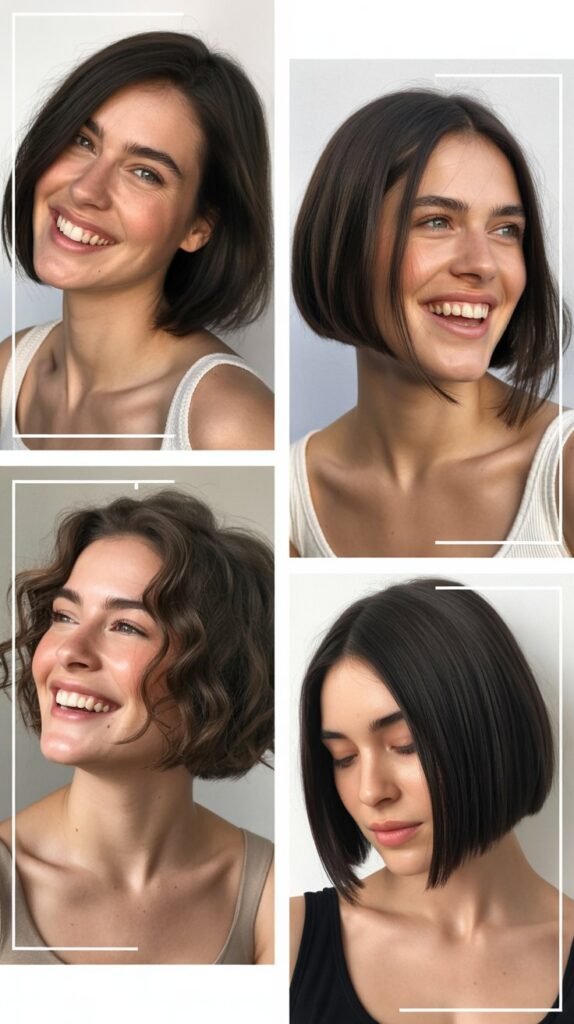
The inverted bob features dramatic stacking in the back with an angled front that creates architectural volume and modern style.
This bold cut removes weight from the back while maintaining length in front, creating a shape that lifts fine hair away from the head.
The inverted structure manufactures fullness through precise geometric cutting.
- Inverted bobs combine elements of graduated and angled cuts, with heavily stacked backs that create maximum volume
- The shortest point at the back nape gradually lengthens toward the front, creating an inverted angle that appears full and intentional
- Stacking in the back involves cutting multiple short layers that support each other, creating a dome of volume
- Front pieces can extend to chin length or beyond, framing the face while the back remains short and stacked
- This dramatic cut works best on straight or slightly wavy fine hair that can showcase the precise angles and volume
- Styling involves blow-drying the back sections upward and forward to enhance the lifted, stacked appearance
- The bold shape of inverted bobs creates such strong visual impact that hair texture becomes secondary to the overall architectural effect
24. Lived-In Color Dimension
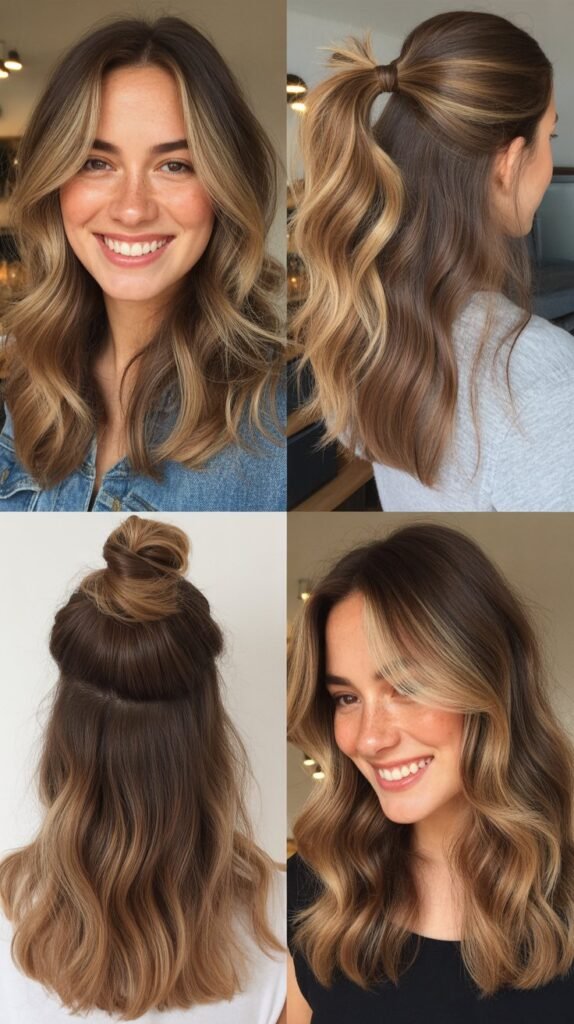
Lived-in color techniques create low-maintenance dimensional color that adds depth and perceived volume to fine hair.
This approach to coloring focuses on natural-looking variation that grows out gracefully while creating shadows and highlights that suggest thickness.
Strategic color placement makes fine hair appear fuller without obvious roots or harsh lines.
- Lived-in color involves placing lighter and darker tones throughout hair in a way that mimics natural sun-lightening and variation
- The technique creates softer, more diffused color changes compared to traditional highlights, making regrowth less noticeable
- Dimension from multiple tones creates shadows between color sections that suggest depth and multiple layers of hair
- Balayage and hand-painting methods achieve the lived-in look by applying color strategically rather than in uniform patterns
- Lighter pieces concentrated around the face and crown draw attention to these areas, making them appear fuller
- The low-maintenance nature of lived-in color means fewer salon visits and less damage from repeated processing
- Root shadowing or color melting techniques ensure new growth blends seamlessly with existing color, maintaining the dimensional fullness
25. The Modern Mullet
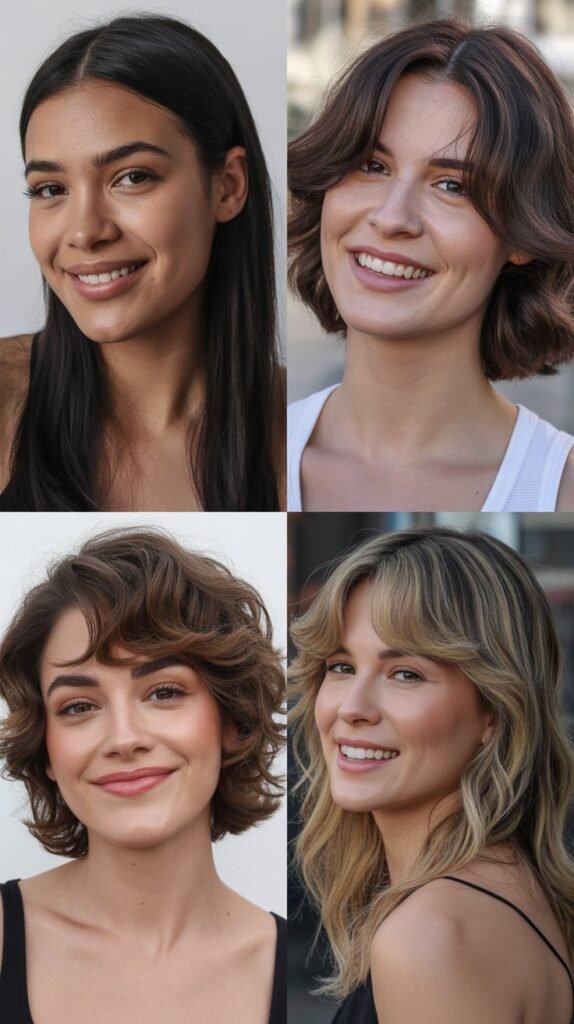
The modern mullet features short, textured layers on top and sides with length maintained in the back, creating an edgy style that adds volume through strategic cutting.
This reimagined retro cut balances shortness that creates lift with length that showcases substance. The contrast between sections makes fine hair appear intentionally styled and full.
- Modern mullets differ from their 1980s predecessors through softer transitions between short and long sections and more textured cutting
- The short top and crown sections are heavily layered and textured to stand away from the head, creating maximum volume
- Sides typically remain short (often undercut or faded) to emphasize the fullness on top
- Back length can range from neck-grazing to shoulder-length, providing substance and intentional style
- Styling the modern mullet involves texturizing the top section with product to create piece-y, separated fullness
- The bold, fashion-forward nature of modern mullets projects confidence that transcends hair texture concerns
- This versatile cut works across gender expressions and adapts to various personal styles from punk to polished
26. Strategic Extensions or Clip-Ins
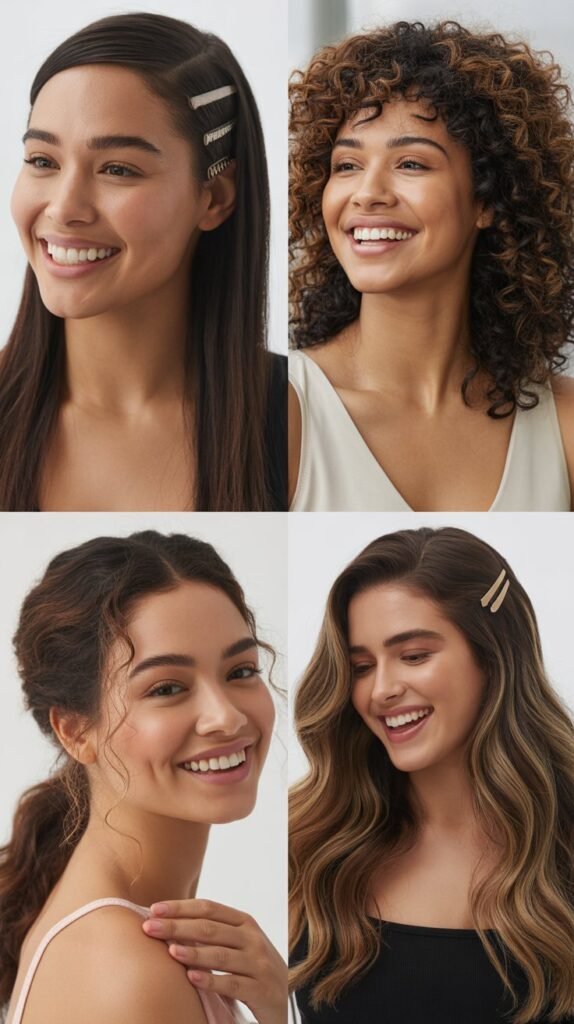
Strategic use of hair extensions or clip-in pieces adds instant volume and length to fine hair without commitment or damage. These temporary or semi-permanent solutions create dramatic fullness exactly where needed.
Modern extensions blend seamlessly with fine hair when properly selected and applied.
- Clip-in extensions specifically designed for fine hair feature thinner wefts that don’t create bulky areas that reveal the additions
- Strategic placement focuses on adding extensions at the crown, sides, and back rather than using heavy, all-over coverage
- Selecting extension hair that matches the texture of fine hair (straight or slightly wavy) ensures seamless blending
- Halo extensions that sit on top of the head without clips work exceptionally well for very fine hair that can’t support clip weight
- Tape-in or sew-in extensions offer semi-permanent solutions that last several weeks with proper maintenance
- Professional color matching and blending techniques ensure extensions appear natural rather than obviously added
- The instant confidence boost from fuller hair makes strategic extension use worthwhile for special occasions or daily wear
27. Dry Shampoo Volume Technique
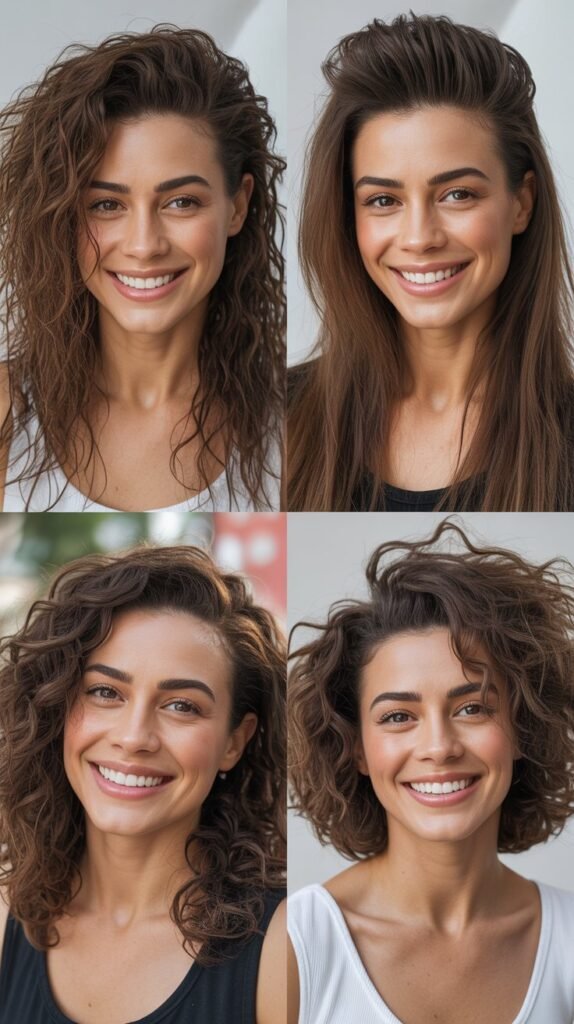
Dry shampoo serves double duty as an oil absorber and volume creator when applied strategically to fine hair.
This technique uses the texture-adding properties of dry shampoo to create lift and fullness at roots. Proper application transforms flat fine hair into voluminous, refreshed locks within minutes.
- Applying dry shampoo to roots while hair is still relatively clean (not overly oily) creates maximum volume-boosting texture
- Spraying dry shampoo at the roots then waiting 2-3 minutes before massaging allows the product to absorb oil and create grip
- Focusing application on the crown, part line, and sides where hair tends to fall flat creates strategic lift
- Flipping hair upside down and spraying dry shampoo at the roots from underneath adds dramatic volume
- The powder in dry shampoo creates texture that prevents fine strands from sliding together and lying flat
- Proper dry shampoo use can extend the life of voluminous blowouts, maintaining fullness between washes
- Brushing through ends after applying dry shampoo at roots prevents white residue while maintaining volume at the scalp
28. Face-Framing Layered Highlights
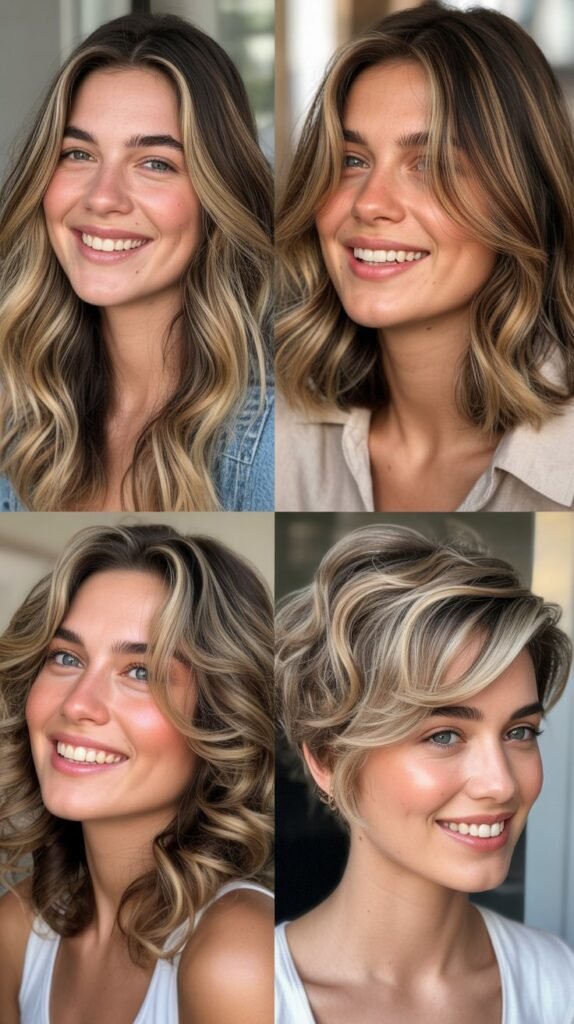
Face-framing layered highlights combine the volumizing power of dimensional color with strategic cutting around the face.
This comprehensive approach uses both color and cut to create maximum perceived fullness where it matters most.
The brightening effect around the face draws attention upward and outward, suggesting more hair overall.
- Face-framing highlights involve painting lighter color on the pieces that fall around the face, from the part line downward
- The combination of lighter color and shorter layers around the face creates dimension that makes this area appear substantially thicker
- The contrast between darker base color and lighter face-framing pieces creates depth that suggests multiple layers of hair
- Layers cut to various lengths around the face (from cheekbone to collarbone) ensure the highlighted sections have movement and body
- The brightening effect of face-framing highlights draws the eye to facial features rather than the crown or back where hair may appear thinner
- Styling involves bending or curling the face-framing pieces to showcase both the color dimension and the cut layers
- This technique works across all hair colors and can be as subtle or dramatic as desired while still adding perceived volume
29. Twisted Crown Updo
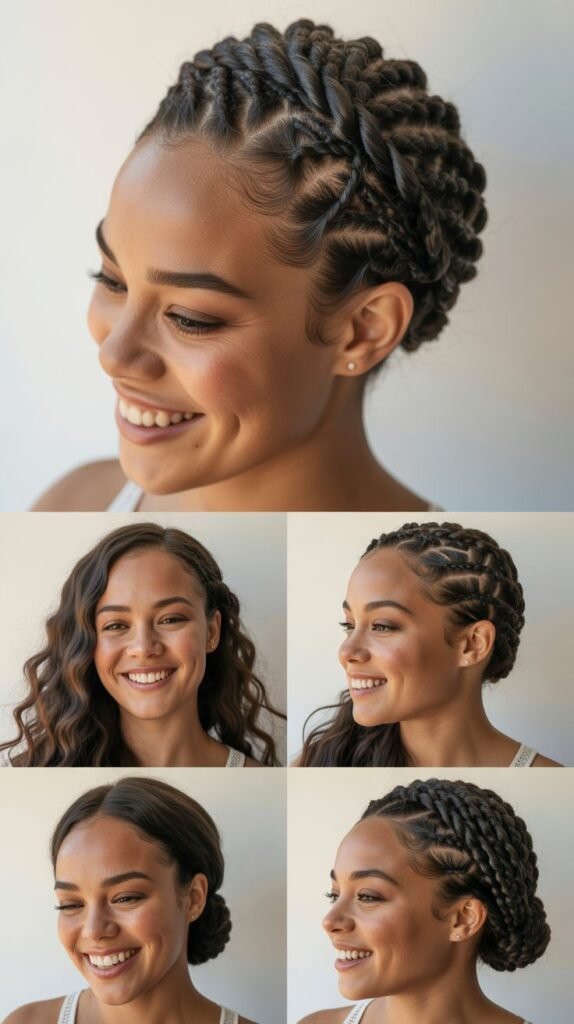
The twisted crown updo creates the illusion of thick, abundant hair by twisting and pinning sections around the crown and sides.
This romantic style incorporates texture and dimension that makes fine hair appear fuller than it actually is.
Strategic pulling and loosening techniques transform thin sections into voluminous twisted elements.
- Creating a twisted crown involves sectioning hair from ear to ear across the top of the head
- Each section is twisted loosely and pinned in place, with subsequent twists layered over previous ones
- Gently pulling apart the twisted sections (pancaking) makes them appear wider and fuller
- Leaving the back section down or gathering it into a low bun creates a two-part style that shows off volume on top
- Incorporating texture through pre-styling with a curling iron or texturizing products helps twists appear more substantial
- Face-framing pieces left loose around the front soften the style and add to the romantic, full appearance
- This updo works beautifully for fine hair because the twisted technique itself creates the appearance of thickness through bundling
30. Blow-Dry Bar Techniques at Home
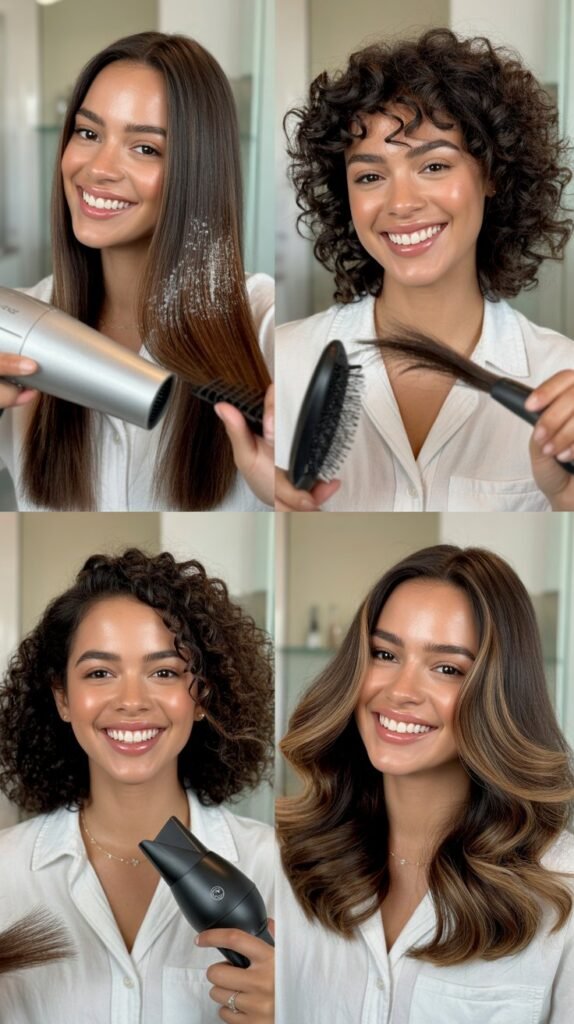
Professional blow-dry bar techniques adapted for home use transform fine hair from flat to full through strategic drying methods.
These salon-quality approaches focus on direction, tension, and product use to create maximum volume. Mastering these techniques eliminates the need for frequent salon blow-outs.
- The foundation of volume-creating blow-drying involves sectioning hair into manageable parts and working systematically from bottom to top
- Using a round brush with tension (pulling hair taut while drying) creates lift at the roots and smooth fullness through lengths
- Directing airflow from the blow dryer upward and away from the scalp at the roots creates volume that lasts
- The cooling shot button on blow dryers sets the style once each section is dry, helping volume remain throughout the day
- Overdirecting—pulling hair in the opposite direction from where it naturally falls—creates significant lift at roots
- Using Velcro rollers in crown sections while drying other areas allows heat to set volume in the most visible spot
- The right products applied before blow-drying (volumizing mousse, root lift spray) make home blow-outs rival professional results
31. The Undercut for Volume
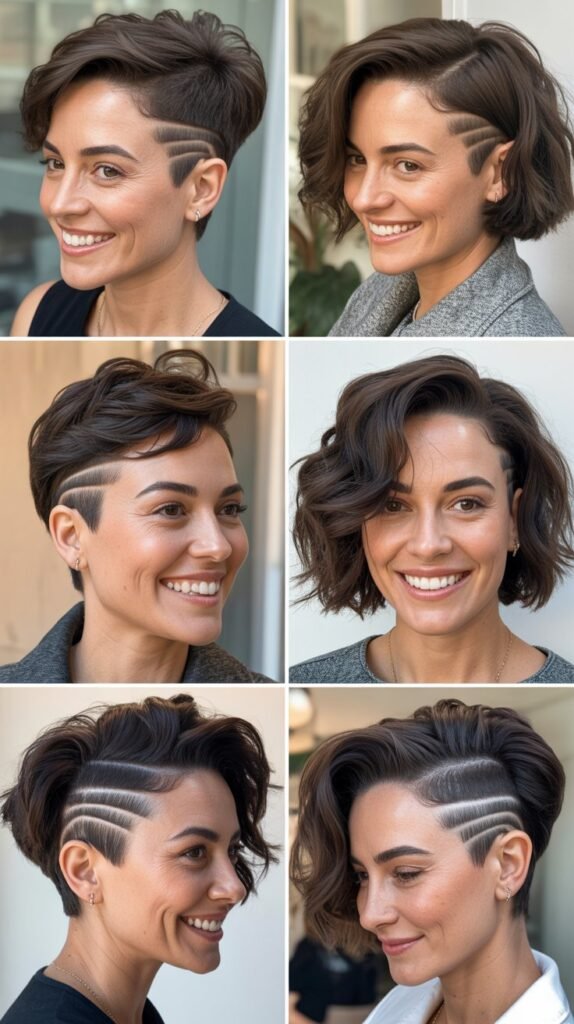
Strategic undercuts remove weight from underneath hair, allowing top sections to lift more easily and appear fuller.
This modern technique creates volume through weight redistribution rather than adding length.
The hidden undercut provides structure that makes visible hair sections stand away from the head dramatically.
- Undercuts for volume involve shaving or closely cutting hair underneath while leaving top sections long enough to cover the cut area
- Removing the weight of underneath sections allows top hair to lift more easily from the scalp without pulling downward
- Common undercut placements include the nape, sides, or even underneath the entire crown section
- The top sections that cover the undercut appear dramatically fuller because they’re no longer weighed down by bottom layers
- Styling simply involves tousling or brushing top sections over the undercut, with natural volume appearing automatically
- Undercuts grow out relatively quickly, with most people needing touch-ups every 4-6 weeks to maintain the volume effect
- This hidden technique provides volume benefits without the obvious appearance of an undercut unless hair is pulled up or worn in certain styles
32. Braided Volume Techniques
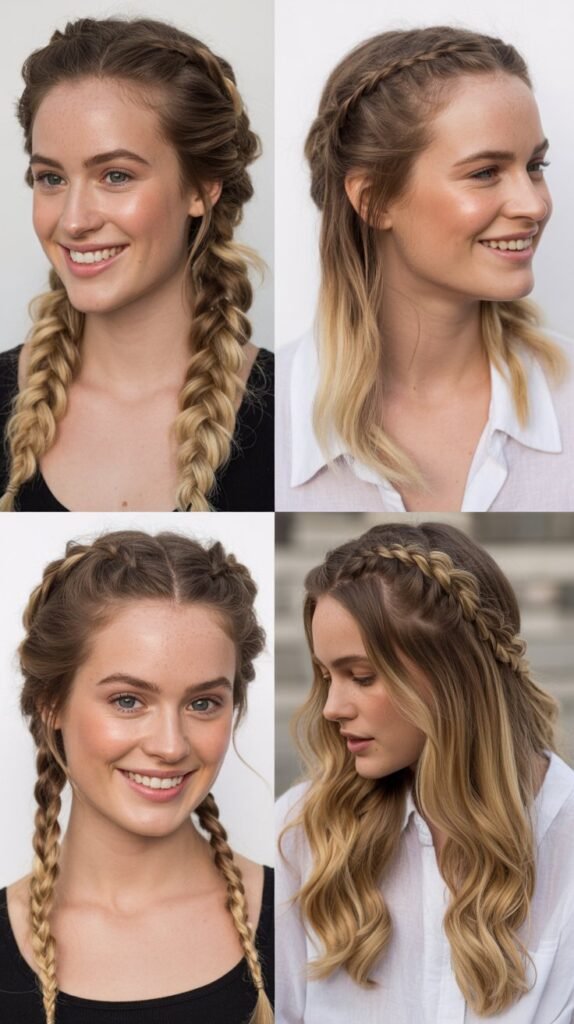
Incorporating braids into hairstyles creates texture and perceived thickness in fine hair through the bundling and weaving of strands.
These techniques transform thin sections into substantial-looking plaits that add dimension. Strategic braid placement and pulling techniques maximize the volumizing effect.
- The pancaking technique—gently pulling braid sections wider after creating them—makes thin braids appear substantially thicker
- Dutch braids (inverted French braids that sit on top of the head) create more visible volume than regular French braids
- Creating multiple smaller braids rather than one large braid makes fine hair appear to have more texture and substance
- Combining braided sections with loose, textured hair creates dimension that suggests overall fullness
- Braiding hair when slightly dirty or with texturizing product applied helps fine hair hold braid shapes better
- Crown braids or halo braids create volume around the face and top of the head where thinness is most noticeable
- Loose, messy braids work better for fine hair than tight, sleek braids that can emphasize the thinness of individual strands
33. Volumizing Hair Powder Application
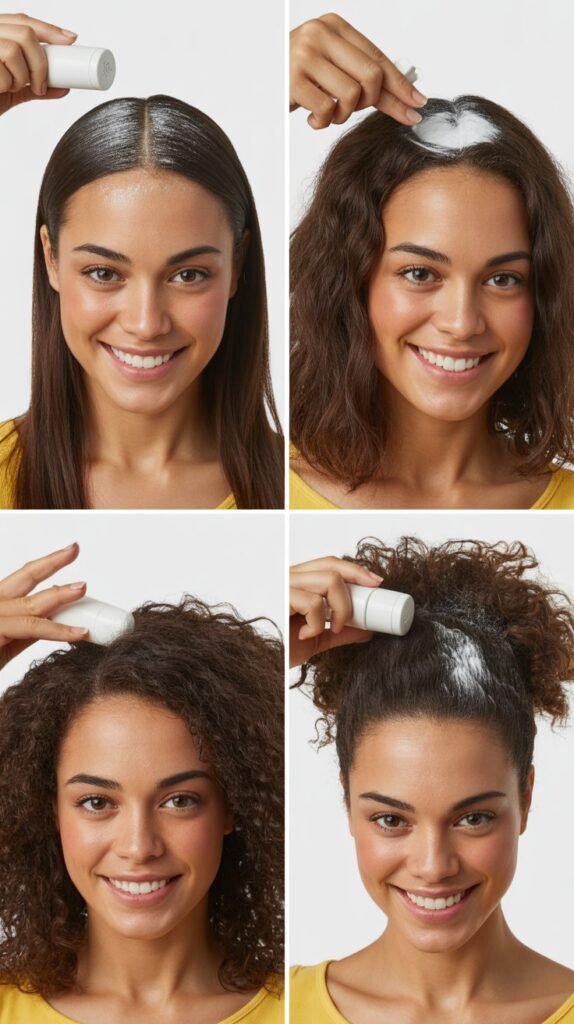
Volumizing hair powder creates instant lift and texture in fine hair through targeted application of lightweight, grip-creating product.
This finishing technique adds volume exactly where needed without heavy buildup. Proper powder application transforms flat roots into lifted, full-looking hair within seconds.
- Volumizing powders work by creating texture and grip at the hair root, preventing strands from lying flat against the scalp
- Application involves sprinkling small amounts of powder directly onto the scalp at the part line and crown
- Massaging the powder into roots with fingertips distributes the product and creates immediate lift
- The matte texture that volumizing powder creates makes hair appear thicker than shiny, flat hair
- Using powder as a finishing touch after other styling maintains volume throughout the day
- Less is more with volumizing powder—too much can create a chalky appearance or make hair feel gritty
- Combining volumizing powder with other techniques like teasing or blow-drying creates layered, lasting fullness
34. Confidence Through Hair Health
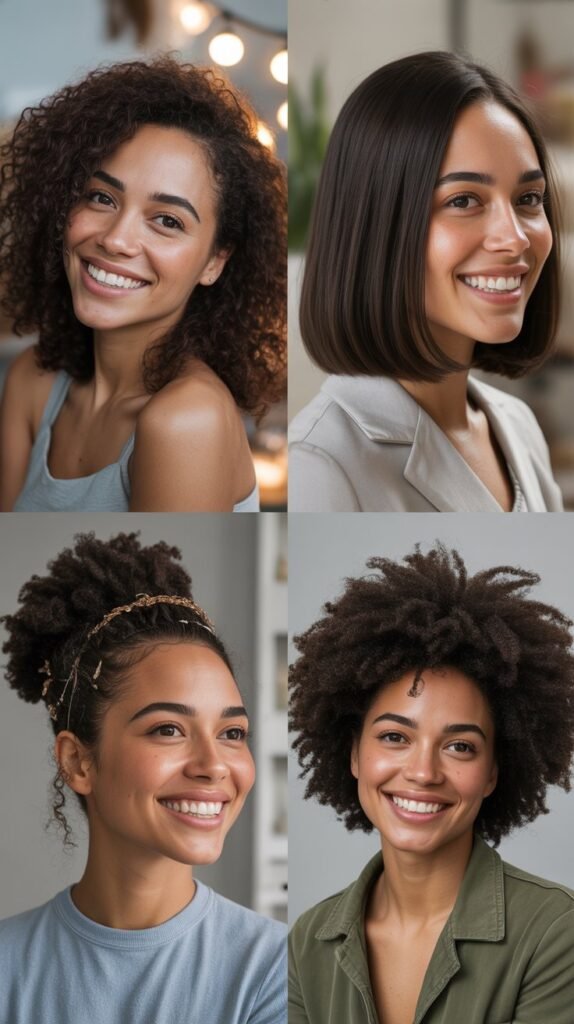
Maintaining optimal hair health creates the foundation for all volume-boosting techniques to work effectively on fine hair. Healthy fine hair appears fuller, shinier, and more substantial than damaged fine hair.
Comprehensive hair care focused on strength and health maximizes natural volume potential.
| Hair Health Factor | Impact on Volume | Action Steps |
|---|---|---|
| Protein Treatments | Strengthens strands, makes them appear thicker | Weekly treatments with keratin or protein masks |
| Proper Conditioning | Prevents breakage, maintains fullness | Condition mid-lengths to ends only, avoiding roots |
| Heat Protection | Prevents damage-related thinning | Always use heat protectant before styling tools |
| Gentle Handling | Reduces breakage and loss | Use wide-tooth combs, avoid aggressive brushing |
| Scalp Health | Promotes optimal hair growth | Regular scalp massages and gentle cleansing |
- Trimming ends regularly (every 8-10 weeks) prevents split ends from traveling up the hair shaft and making fine hair appear thinner
- Using products specifically formulated for fine hair prevents weighing down strands with heavy ingredients
- Avoiding over-washing (every 2-3 days is often sufficient) allows natural oils to provide texture and volume
- Silk pillowcases reduce friction during sleep, preventing breakage that diminishes overall hair volume
- Proper nutrition including protein, biotin, and iron supports healthy hair growth from the inside out
- Avoiding chemical over-processing (excessive coloring, perms, relaxers) maintains hair integrity and natural body
- Confidence in healthy, well-maintained fine hair translates to better styling results and overall fullness in appearance
Conclusion
Embracing fine hair doesn’t mean accepting flat, lifeless locks—instead, these 34 Confidence Boosting Hairstyles That Make Fine Hair Look Thicker prove that strategic cuts, clever styling, and smart techniques can create incredible volume and fullness.
From precision cuts like layered bobs and inverted bobs to styling methods like beach waves and root teasing, you now have a comprehensive toolkit for maximizing your hair’s potential.
The combination of proper cutting techniques, volumizing products, strategic color placement, and confident styling transforms fine hair from a challenge into an asset that you can work with beautifully.
Remember that healthy hair forms the foundation for all these techniques to work effectively, so investing in proper care pays dividends in volume and fullness.
Whether you choose bold changes like asymmetrical cuts and modern mullets or subtle enhancements through highlights and styling products, the right approach for your lifestyle exists within these options.
Armed with these professional secrets and techniques, you can confidently create the thick-looking, voluminous hair you’ve always wanted, proving that fine hair can be just as stunning and full as any other texture when styled with knowledge and intention.

