
How To Get Dog Hair Out Of Car Carpet: The Best Trick
Quick Summary: The best trick to get dog hair out of car carpet is using a damp rubber glove or squeegee, which creates static to lift embedded fur, making it easy to collect and remove. This simple method is highly effective for tackling stubborn pet hair.
Key Takeaways
- Use a damp rubber glove for quick hair removal.
- Squeegees offer a powerful alternative for embedded fur.
- Vacuuming is essential for a thorough clean.
- Preventative measures save significant cleaning time.
- Regular car grooming keeps fur manageable.
- Consider fabric softener spray for easier removal.
Does your car carpet look like a furry battlefield after your beloved canine companion’s adventures? You’re not alone! Pet hair can be incredibly clingy, weaving itself into the very fibers of your car’s interior. It’s a common frustration for dog owners, and finding a truly effective solution can feel overwhelming. But don’t worry, there’s a surprisingly simple and effective trick that can make a huge difference. Get ready to reclaim your car’s cleanliness and enjoy a fur-free ride. We’ll guide you through the best method to tackle this hairy situation.
Understanding the Challenge: Why Dog Hair Sticks
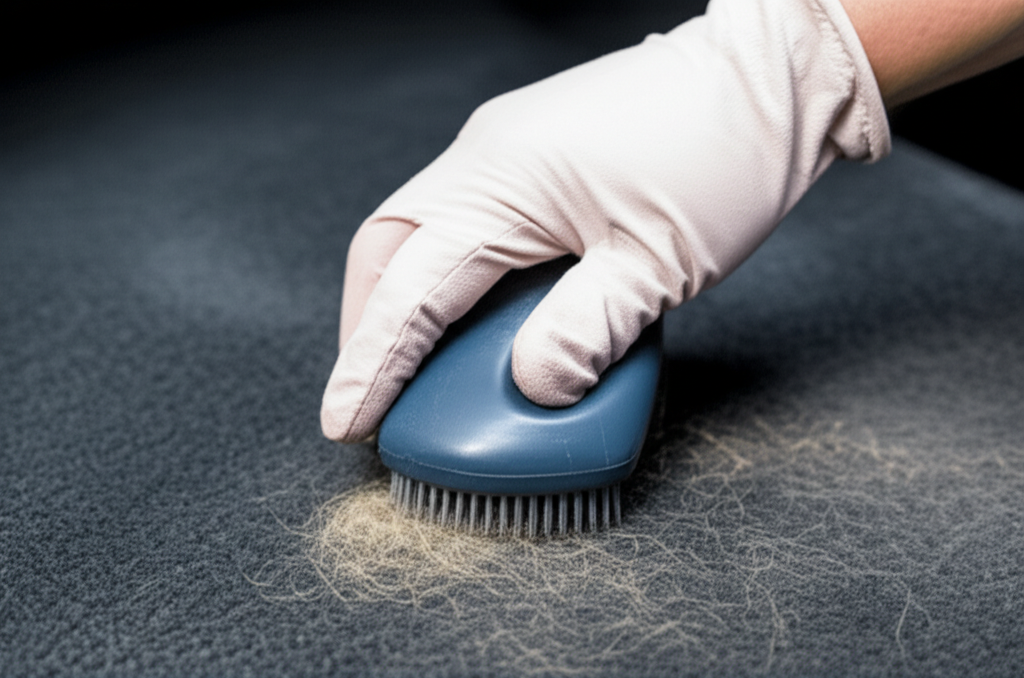
Before we dive into the solutions, it’s helpful to understand why dog hair is so persistent. Unlike human hair, dog fur is often barbed or has a rougher texture. This texture allows it to snag and embed itself deep within carpet fibers, especially those in car interiors which are designed for durability and can have a more textured weave. Static electricity also plays a significant role, further cementing the hair to the fabric. This makes simply vacuuming, while necessary, often insufficient on its own.
The static charge that builds up, especially in dry conditions, makes the hair cling even more tenaciously. Think of it like tiny burrs sticking to your clothes; the texture and static create an almost magnetic bond. This is why many of the most effective methods involve breaking down this bond or using tools that can physically lift and gather the embedded strands.
The Best Trick Revealed: The Power of Rubber
The secret weapon for many dog owners facing this exact problem is surprisingly low-tech and budget-friendly: a simple rubber glove or a window squeegee. These tools leverage the power of friction and static electricity in your favor.
Method 1: The Rubber Glove Gambit
This is often hailed as the ultimate trick for a reason. The rubber material, when slightly dampened, creates a remarkable amount of static cling that attracts and balls up the dog hair. Here’s how to do it:
- Gather Your Supplies: You’ll need a pair of household rubber gloves (the kind you use for washing dishes is perfect) and a spray bottle with water.
- Slightly Dampen the Glove: Lightly spray the inside or outside of the glove with water. You don’t want it dripping wet, just slightly damp. This helps enhance the static effect.
- The Motion: Put on the glove and begin to wipe your hand across the car carpet in one direction. Use firm, sweeping strokes. You’ll notice the hair immediately start to gather and cling to the glove.
- Collect the Hair: As the hair accumulates on the glove, periodically rinse the glove under water or pull off the clumped hair into a trash bag. Continue the process, working in sections across the carpet.
- Repeat and Refine: Go over the areas multiple times if necessary, especially in heavily soiled spots. The key is consistent, firm strokes.
This method is incredibly satisfying because you can see the results almost instantly. It’s gentle on your car’s carpet but tough on embedded fur. The visual confirmation of success is a big confidence booster for beginners.
Method 2: The Squeegee Sweep
A window squeegee, especially one with a firm rubber blade, works on a similar principle. It’s particularly effective for larger areas and can be less physically demanding than the glove method.
- Choose Your Squeegee: A standard household window squeegee with a stiff rubber blade is ideal.
- The Technique: Hold the squeegee at a slight angle against the carpet. Pull it towards you in short, firm strokes. The rubber edge will scrape against the carpet fibers, lifting and gathering the hair into piles.
- Work in Sections: Like the glove method, work in manageable sections. Pull the hair into a concentrated pile at the edge of each section.
- Gather and Dispose: Once you have a good pile of hair, use a dustpan and brush, or your vacuum cleaner, to collect it.
- Dampen if Needed: If the hair isn’t lifting easily, you can lightly mist the carpet with water (be careful not to oversaturate) or slightly dampen the squeegee blade.
The squeegee is excellent for covering more ground quickly and is a fantastic tool for tackling those deeply embedded hairs that regular vacuuming might miss. Its effectiveness lies in the precise pressure and scraping action it applies to the carpet fibers.
Essential Supporting Techniques: Vacuuming and Brushing
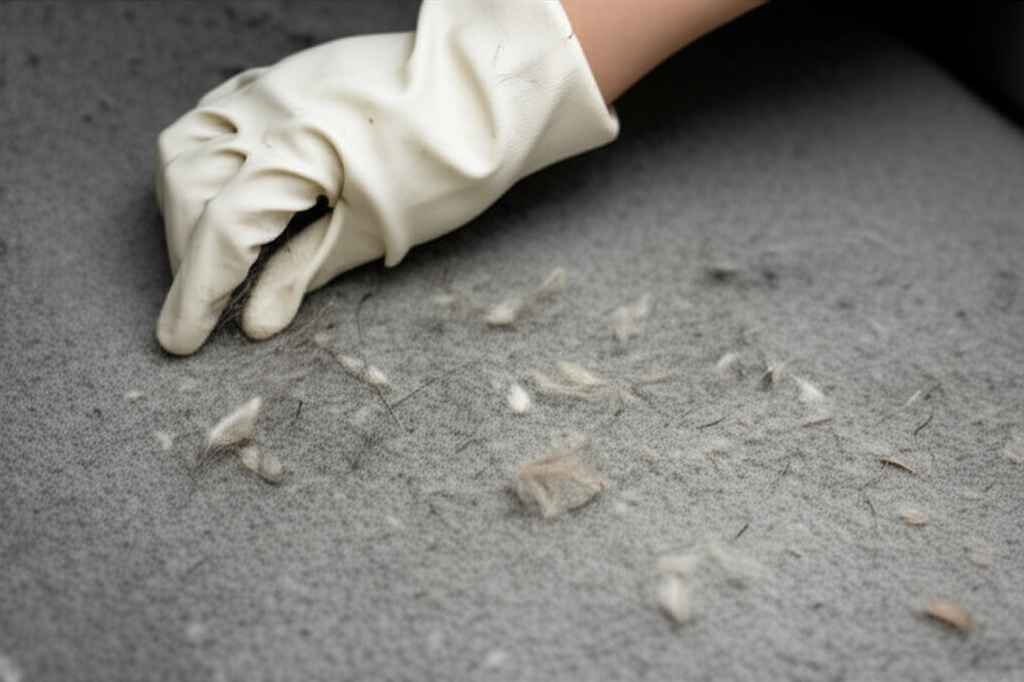
While the rubber glove or squeegee is the “best trick” for lifting embedded hair, it’s crucial to have a solid cleaning routine that includes vacuuming and potentially specialized brushes.
The Role of the Vacuum Cleaner
A good vacuum cleaner is indispensable. After using the rubber glove or squeegee to gather hair into piles, vacuuming is essential for removing loose debris and any remaining hair. For best results:
- Use the Right Attachment: Utilize the upholstery attachment or a crevice tool to get into tight spots. Some vacuums have specialized pet hair attachments that can be very effective.
- Slow and Steady: Vacuum slowly over the areas where you’ve loosened the hair. This allows the suction to effectively pick up the gathered fur and any smaller particles.
- Multiple Passes: Don’t be afraid to go over the same area multiple times, especially if it’s a high-traffic area or where your dog frequently sits.
Consider investing in a vacuum with strong suction power, specifically designed to handle pet hair if this is a frequent battle in your household. Many brands now offer models with advanced filtration systems and specialized brush rolls that help lift and trap pet dander and hair.
Specialized Pet Hair Brushes and Tools
Beyond the rubber glove and squeegee, several other tools can aid in the battle against dog hair:
- Pet Hair Removal Brushes: These brushes often have fine, short bristles or rubber nubs designed to grab and lift pet hair from upholstery and carpets. Brands like ChomChom Roller or Fur-Zoff offer unique solutions.
- Carpet Rakes: Similar to a garden rake but designed for fabric, these can be very effective at loosening deeply embedded hair before vacuuming.
- Lint Rollers (Heavy Duty): While less effective for deeply embedded hair, heavy-duty or extra-sticky lint rollers can be useful for quick touch-ups on seats or smaller areas.
These tools complement the primary rubber-based methods by offering different approaches to loosening and collecting hair. Experimenting with a few can help you find what works best for your specific car interior and your dog’s shedding patterns.
Step-by-Step Guide: The Ultimate Dog Hair Removal Routine
To achieve the cleanest car carpet, combine the best trick with other effective methods. Here’s a comprehensive routine:
- Initial Vacuum: Start by giving the car carpet a thorough vacuuming to remove loose dirt, debris, and any easily accessible surface hair. This prepares the carpet for deeper cleaning.
- Targeted Hair Removal (The Best Trick): Choose your preferred rubber-based method – the damp rubber glove or the squeegee. Work methodically across the carpet, focusing on areas where hair is most concentrated. Gather the hair into piles.
- Secondary Vacuum: Once you’ve gathered the bulk of the hair into piles using your chosen trick, vacuum these piles up immediately. This ensures all the loosened hair is removed from the car.
- Detailing with Crevice Tools: Use a crevice tool on your vacuum or a specialized brush to get into seams, edges, and around seat tracks where hair loves to hide.
- Wipe Down Surfaces: Use a slightly damp microfiber cloth to wipe down hard surfaces like the dashboard, doors, and center console. This removes any stray hairs that may have settled there.
- Clean Windows: Don’t forget your car windows! A good glass cleaner and microfiber cloth will make them sparkle.
This layered approach ensures that you tackle the hair at every level, from surface fluff to deeply embedded strands, leaving your car looking and feeling fresh.
Pro Tip: The Fabric Softener Secret
For extremely stubborn hair, a light spray of a fabric softener and water mixture can help. Mix one part fabric softener with three parts water in a spray bottle. Lightly mist the carpet (don’t soak it!). Let it sit for a few minutes. The fabric softener can help to loosen the static bond between the hair and the carpet fibers, making it easier for your rubber glove or squeegee to lift the hair. Always test this in an inconspicuous area first to ensure it doesn’t stain or damage your carpet.
Preventative Measures: Keeping Fur at Bay
The best way to deal with dog hair is to minimize its presence in your car in the first place. Implementing preventative measures can save you a lot of cleaning time and effort.
- Seat Covers and Cargo Liners: Invest in high-quality, waterproof seat covers or a cargo liner. These act as a barrier, catching most of the hair before it reaches your car’s upholstery and carpet. Look for ones specifically designed for cars and that are easy to clean.
- Dog Hammocks or Car Seats: For smaller dogs, a dedicated car seat or hammock can contain shedding. These often have a wipeable surface.
- Grooming Your Dog Regularly: Brushing your dog frequently, especially before car rides, can significantly reduce the amount of loose hair shed in the car. A good deshedding tool can make a big difference. Learn more about effective deshedding techniques from resources like the American Veterinary Medical Association (AVMA).
- Keep a “Car Kit”: Maintain a small kit in your car with essentials like a lint roller, a small brush, and a small vacuum or dustpan/brush set for quick cleanups.
- Wipe Down Before They Enter: A quick brush-down of your dog with a damp towel or a specialized pet hair removal mitt before they get into the car can trap a surprising amount of loose fur.
These proactive steps can make a dramatic difference in the overall cleanliness of your car’s interior, turning a constant battle into a manageable routine.
Comparing Hair Removal Tools: A Quick Look
To help you decide which tools to integrate into your routine, here’s a comparison:
| Tool | Pros | Cons | Best For |
|---|---|---|---|
| Rubber Glove (Damp) | Highly effective for embedded hair, inexpensive, readily available, satisfying to use. | Can be tiring for large areas, requires periodic rinsing. | Stubborn, embedded hairs, detailed work, quick cleanups. |
| Window Squeegee | Covers larger areas quickly, effective on embedded hair, inexpensive. | Requires some pressure, may not get into very tight crevices. | Large carpeted areas, initial removal of significant amounts of hair. |
| Vacuum Cleaner | Essential for overall cleanliness, removes loose debris, good for finishing. | Often insufficient alone for deeply embedded hair, requires power. | Removing gathered hair piles, general upkeep, removing surface debris. |
| Pet Hair Brush/Mitt | Designed specifically for pet hair, can be very effective, reusable. | Varies greatly in effectiveness by brand, can be an added expense. | General pet hair removal, complementing other methods. |
| Lint Roller (Heavy Duty) | Good for quick touch-ups, portable. | Ineffective for deeply embedded hair, can be wasteful if disposable. | Surface hair on seats and smaller, easily accessible areas. |
Frequently Asked Questions About Dog Hair in Car Carpet
Q1: How often should I clean dog hair from my car?
This depends on how often your dog rides in the car and how much they shed. For frequent travelers, a quick sweep with a rubber glove or squeegee and a vacuum once a week is recommended. For less frequent use, monthly cleaning might suffice, with spot cleaning as needed.
Q2: Can I use a vacuum cleaner with a beater bar on car carpet?
While some vacuums have adjustable beater bars, it’s generally safer to use the upholstery attachment or a vacuum without a harsh beater bar on car carpet. A beater bar can sometimes push the hair deeper into the fibers or even damage delicate carpet weaves. Always check your car’s carpet material and your vacuum’s instructions.
Q3: Is it safe to use water on my car carpet?
A slightly damp rubber glove or squeegee is generally safe. However, avoid saturating your car carpet with water, as this can lead to mold, mildew, and unpleasant odors. If you need to deep clean, use specialized car carpet cleaners and ensure proper drying. Resources on automotive care from organizations like the Consumer Reports can offer further guidance.
Q4: What if my dog has very short, stiff hair?
Short, stiff hairs can be particularly challenging. The rubber glove and squeegee methods are often even more effective for these types of hairs because the friction and static grip them well. You might need to use more pressure and make more passes. A stiff-bristled carpet brush or rake used before the rubber tools can also help loosen these stubborn hairs.
Q5: How do I get rid of dog hair smell along with the hair?
After removing the hair, you can use a pet-specific odor eliminator spray designed for upholstery. Baking soda is also a great natural deodorizer. Sprinkle it liberally on the carpet, let it sit for several hours (or overnight), and then vacuum it up thoroughly. Ensure the car is well-ventilated during and after cleaning.
Q6: Are there any natural remedies for removing dog hair?
The damp rubber glove and squeegee are excellent natural methods. For odors, baking soda is a natural option. Some people also find success with a light mist of distilled white vinegar (diluted with water) for deodorizing, but always test in an inconspicuous area first, as vinegar can affect some dyes. Ensure good ventilation when using any cleaning agents.
Conclusion
Tackling dog hair in your car carpet doesn’t require expensive gadgets or professional detailing. The simple, yet incredibly effective, trick of using a damp rubber glove or a squeegee harnesses basic physics – friction and static electricity – to lift embedded fur with surprising ease. When combined with regular vacuuming and preventative measures like seat covers and consistent grooming, you can maintain a clean and comfortable car interior. So, next time your furry friend hops in, don’t fret about the fur. Armed with the right knowledge and a simple rubber tool, you’re well-equipped to keep your car looking its best.

