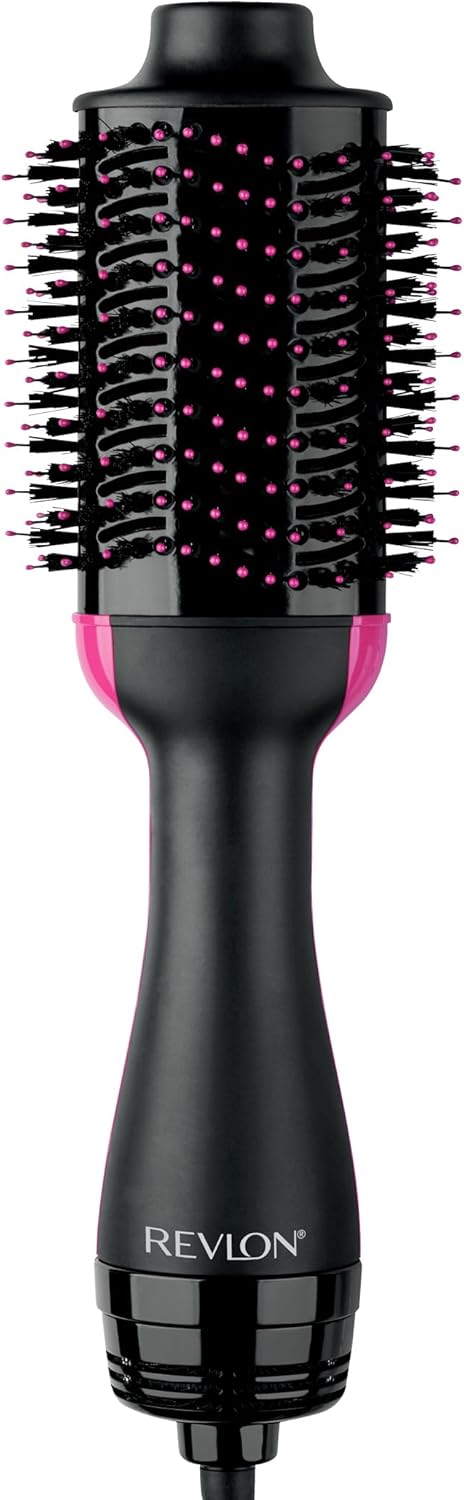
Taking care of long hair is all about gentle routines, proper hydration, and smart protection. This guide offers essential tips for beginners to keep long locks healthy, shiny, and strong with simple, effective practices.
Key Takeaways
- Wash less often to preserve natural oils.
- Detangle gently with a wide-tooth comb.
- Deep condition regularly for moisture.
- Protect hair from heat and environmental damage.
- Trim ends to prevent split ends.
- Nourish from within with a balanced diet.
How To Take Care Of Long Hair: Essential Tips for Beginners
Long hair is beautiful, but it can also be a mystery to care for. You might wonder if you’re washing it too much, if your conditioner is good enough, or how to prevent knots. It’s common to feel a bit lost when you’re aiming for healthy, flowing locks. But don’t worry, taking care of long hair doesn’t have to be complicated. This guide will break down everything you need to know, step-by-step, to achieve and maintain gorgeous, healthy long hair.
Understanding Your Long Hair’s Needs

Long hair has traveled a long journey. By the time it reaches its length, the ends have been around for years, meaning they are older, drier, and more prone to damage than the roots. This is why a different approach is needed compared to shorter styles. The goal is to preserve the health of the existing hair shaft while encouraging new, healthy growth. This involves a careful balance of cleansing, conditioning, protecting, and nourishing.
The Foundation: Gentle Washing Techniques
Washing your hair is essential, but how often and how you do it makes a big difference, especially for long hair. Over-washing can strip away natural oils, leading to dryness and breakage. Under-washing can lead to buildup, making hair look dull and feel heavy.
How Often Should You Wash Long Hair?
For most people with long hair, washing every 2-4 days is a good starting point. This can vary based on your hair type, scalp’s oil production, activity level, and the products you use.
- Oily Hair: You might need to wash every other day.
- Dry or Curly Hair: You might be able to go 3-5 days or even longer between washes.
- Fine Hair: May show oiliness faster than thicker hair.
- Thick Hair: Can often go longer without washing.
Listen to your hair and scalp. If your scalp feels itchy or your roots look greasy, it’s time for a wash. If your ends feel dry and brittle, you might be washing too frequently or using a harsh shampoo.
Choosing the Right Shampoo and Conditioner
The products you use are crucial. Look for gentle, sulfate-free shampoos. Sulfates are strong detergents that can strip hair of its natural oils. For conditioner, focus on moisturizing ingredients.
- Shampoo Ingredients to Look For: Glycerin, aloe vera, natural oils (like argan, jojoba, coconut), panthenol (Vitamin B5).
- Conditioner Ingredients to Look For: Shea butter, argan oil, coconut oil, hydrolyzed proteins, fatty alcohols (like cetyl or stearyl alcohol), hyaluronic acid.
Avoid products with harsh alcohols (like denatured alcohol) that can dry out hair. For long hair, it’s often beneficial to use a shampoo primarily on the scalp and let the suds run down the lengths, while applying conditioner generously from the mid-lengths to the ends.
The Washing Process: Step-by-Step
- Detangle First: Gently brush your hair to remove knots before getting it wet. This prevents breakage during washing.
- Rinse Thoroughly with Lukewarm Water: Hot water can strip oils and damage the hair cuticle. Lukewarm or cool water is best.
- Apply Shampoo to Scalp: Focus shampoo application on your scalp, where oil and dirt accumulate. Gently massage with your fingertips, not your nails.
- Rinse Shampoo Out Completely: Ensure all shampoo is washed away to prevent residue buildup.
- Apply Conditioner to Mid-Lengths and Ends: Avoid applying conditioner directly to your scalp, as this can weigh down roots and make them greasy. Concentrate on the drier, older parts of your hair.
- Leave Conditioner On: Let the conditioner sit for a few minutes to allow it to penetrate the hair shaft.
- Rinse with Cool Water: This helps to seal the hair cuticle, locking in moisture and adding shine.
Detangling Long Hair: The Gentle Art

Knots are a common nemesis for long hair. The key to detangling is patience and the right tools. Aggressive brushing can cause significant breakage and damage.
Tools for Detangling
Invest in good detangling tools. These can make a world of difference in preserving your hair’s health.
| Tool | Purpose | Best For |
|---|---|---|
| Wide-tooth comb | Gently separating knots without snagging or pulling. | Detangling wet or dry hair, especially for thicker or curly textures. |
| Wet brush or detangling brush | Designed with flexible bristles that bend and glide through tangles. | All hair types, particularly good for minimizing breakage on wet hair. |
| Fingers | The gentlest way to work out small knots, especially with conditioner. | When hair is very delicate or you want to be extra careful. |
Detangling Techniques
Whether your hair is wet or dry, follow these principles:
- Start from the Ends: Always begin detangling at the very ends of your hair. Work your way up in small sections, gradually moving towards the roots. This way, you’re not pulling knots tighter or forcing them down the hair shaft.
- Work in Sections: Divide your hair into manageable sections. This makes the process less overwhelming and more effective.
- Use a Detangling Product: Apply a leave-in conditioner, detangling spray, or a generous amount of your rinse-out conditioner to damp hair. This provides slip, allowing the comb or brush to glide through more easily.
- Be Patient: Never yank or pull. If you encounter a stubborn knot, try to gently tease it apart with your fingers or more product.
- Detangle Wet Hair with Caution: Hair is most vulnerable when wet. Use a wide-tooth comb or a detangling brush designed for wet hair, and always apply conditioner first.
Deep Conditioning and Treatments
Regular deep conditioning is non-negotiable for long hair. It replenishes lost moisture and nutrients, strengthens the hair, and improves elasticity, making it less prone to snapping.
The Power of Deep Conditioners
Unlike regular conditioners that provide a quick dose of moisture, deep conditioners are designed for more intensive treatment. They often contain higher concentrations of moisturizing ingredients, proteins, and fatty acids that penetrate the hair shaft more deeply.
How to Deep Condition
- After Washing: Apply your deep conditioner to clean, damp hair, focusing on the mid-lengths and ends.
- Distribute Evenly: Use a wide-tooth comb to ensure the product is spread throughout the hair.
- Add Heat (Optional but Recommended): For an extra boost, cover your hair with a shower cap and apply gentle heat. You can use a hooded dryer, a warm towel wrapped around the cap, or even sit in a warm room. Heat helps to open the hair cuticle, allowing the conditioner to penetrate better.
- Leave It On: Follow the product’s instructions, but typically, leave it on for 15-30 minutes.
- Rinse Thoroughly: Rinse with cool water to seal the cuticle.
Aim to deep condition at least once a week, or more if your hair is particularly dry or damaged. You can also explore DIY hair masks using natural ingredients like avocado, honey, yogurt, or olive oil for added nourishment.
Protein Treatments
Protein treatments can be beneficial, especially if your hair feels mushy, overly elastic, or is experiencing breakage due to chemical treatments or heat styling. Proteins like keratin and hydrolyzed wheat protein help to rebuild the hair structure. However, too much protein can make hair stiff and brittle, so use them sparingly (every few weeks) and always follow up with a moisturizing treatment. A good rule of thumb is to balance moisture and protein treatments.
Protecting Your Long Hair from Damage
Long hair is exposed to more environmental stressors and physical manipulation than shorter hair. Protecting it is key to maintaining its health and length.
Heat Styling Protection
Heat styling tools like blow dryers, straighteners, and curling irons can cause significant damage if used improperly or without protection.
- Always Use a Heat Protectant: Apply a heat protectant spray or serum to damp or dry hair before using any heated tool. These products create a barrier that reduces moisture loss and protects the hair shaft from extreme temperatures. Look for ingredients like silicones (e.g., dimethicone, cyclomethicone), hydrolyzed proteins, and natural oils.
- Lower the Heat Setting: Use the lowest effective heat setting on your styling tools. For most hair types, this is between 300-375°F (150-190°C).
- Minimize Heat Exposure: Try to air dry your hair whenever possible. If you must blow dry, use a medium heat setting and keep the dryer moving, holding it at least 6 inches away from your hair. Avoid over-styling; try to achieve your desired look in one or two passes.
According to the U.S. Food and Drug Administration (FDA), excessive heat can damage the hair’s outer layer, leading to dryness and breakage.
Environmental Protection
Sun, wind, chlorine, and saltwater can all wreak havoc on long hair.
- Sun: UV rays can dry out and fade hair color. Wear a hat or use hair products with UV filters when spending extended time in the sun.
- Wind: Tangles are exacerbated by wind. Keep your hair tied back in a loose braid or bun when it’s windy.
- Chlorine and Saltwater: These can strip hair of moisture and protein. Rinse your hair with fresh water before swimming and wash it thoroughly immediately afterward. Applying a leave-in conditioner before swimming can also create a protective barrier.
Physical Damage Prevention
The friction from rough towels, tight hairstyles, and sleeping can cause breakage.
- Towel Drying: Instead of rubbing your hair vigorously with a rough terrycloth towel, gently squeeze out excess water with a soft microfiber towel or an old cotton t-shirt.
- Hairstyles: Avoid very tight ponytails, buns, or braids that constantly pull on the hair follicles. Opt for looser styles and switch up your hairstyle frequently to avoid stress on the same areas. Consider silk or satin scrunchies, which are gentler than elastic bands.
- Sleeping: Consider braiding your hair loosely or putting it in a loose bun on top of your head (a “pineapple”) before bed. Sleeping on a silk or satin pillowcase can also reduce friction and prevent tangles and breakage.
The Importance of Regular Trims
It might seem counterintuitive, but regular trims are crucial for maintaining healthy long hair. Trimming doesn’t make your hair grow faster, but it prevents damage from traveling up the hair shaft.
Why Trim?
Split ends are the frayed, damaged tips of your hair. If left untrimmed, they can split further, leading to breakage and making your hair appear thinner and less healthy. A trim removes these damaged ends before they cause more harm. For those growing their hair out, a small trim every 8-12 weeks is usually sufficient.
What to Ask For
Talk to your stylist about your hair goals. You can ask for a “dusting” or “blunt trim,” where only the very tips are removed, preserving as much length as possible. Ensure your stylist uses sharp shears designed for hair to make clean cuts and avoid further damage.
Nourishing Long Hair from Within
Hair health starts from the inside out. A balanced diet plays a significant role in the strength, shine, and growth of your hair.
Key Nutrients for Hair Health
Ensure your diet includes a variety of these essential nutrients:
| Nutrient | Why It’s Important for Hair | Food Sources |
|---|---|---|
| Protein | Hair is made of protein (keratin). Adequate intake is essential for hair structure and growth. | Lean meats, fish, eggs, beans, lentils, tofu, nuts, seeds. |
| Iron | Iron deficiency (anemia) is a common cause of hair loss. It helps red blood cells carry oxygen to hair follicles. | Red meat, spinach, lentils, fortified cereals, oysters. |
| Omega-3 Fatty Acids | Promote scalp health and hair shine. | Fatty fish (salmon, mackerel), flaxseeds, chia seeds, walnuts. |
| Vitamins A & C | Vitamin A helps produce sebum, which moisturizes the scalp. Vitamin C is an antioxidant that helps protect hair and aids iron absorption. | Carrots, sweet potatoes, spinach (A); Citrus fruits, berries, bell peppers (C). |
| Biotin (Vitamin B7) | Plays a role in keratin production. | Eggs, nuts, seeds, sweet potatoes, salmon. |
| Zinc | Important for hair tissue growth and repair. | Oysters, beef, pumpkin seeds, lentils. |
| Vitamin E | Antioxidant that can help prevent oxidative stress on the scalp. | Nuts, seeds, spinach, avocado. |
Staying hydrated is also critical. Drinking plenty of water helps keep your entire body, including your hair follicles, functioning optimally.
Supplements: When and If Needed
While a balanced diet should be your primary focus, supplements can be considered if you have a diagnosed deficiency or difficulty obtaining certain nutrients through food. Biotin, iron, and multivitamins formulated for hair health are popular. However, it’s always best to consult with a doctor or a registered dietitian before starting any new supplement regimen, as excessive intake of certain vitamins can be harmful. The National Institutes of Health (NIH) provides comprehensive information on nutrient requirements for health.
Scalp Health: The Unsung Hero of Long Hair
A healthy scalp is the foundation for healthy hair growth. Neglecting your scalp can lead to issues like dandruff, inflammation, and poor hair growth, which can hinder your progress with long hair.
Maintaining a Clean and Healthy Scalp
- Regular Cleansing: Ensure you’re effectively cleansing your scalp to remove buildup of oil, dead skin cells, and product residue. As mentioned, focus shampoo on the scalp.
- Scalp Massage: Gently massaging your scalp with your fingertips can stimulate blood circulation to the hair follicles, promoting growth. You can do this while shampooing or with a few drops of a scalp oil.
- Exfoliation: Occasionally, consider a gentle scalp scrub or exfoliant to remove stubborn buildup. This can be done once every few weeks.
- Avoid Irritation: Be mindful of ingredients in your hair products that might irritate your scalp. If you experience persistent itching, redness, or flaking, consult a dermatologist.
Choosing Scalp-Friendly Products
Look for shampoos and scalp treatments that are formulated to be gentle and beneficial for the scalp. Ingredients like tea tree oil, peppermint oil, salicylic acid (in moderation), and aloe vera can be soothing and beneficial for scalp health.
Pro Tips
Always use a silk or satin pillowcase at night. This reduces friction, preventing tangles and breakage that can occur from tossing and turning on cotton pillowcases. It also helps to keep your hair moisturized.
Styling Long Hair Without Causing Damage
Once you have healthy long hair, you’ll want to keep it that way while styling. The key is to be mindful of tension and heat.
Gentle Hairstyles for Long Hair
- Loose Braids: A classic for a reason, loose braids keep hair contained and protected.
- Low Ponytails: Avoid high, tight ponytails that pull on the hairline. Opt for a loose, low ponytail secured with a fabric scrunchie.
- Buns: Similar to ponytails, keep buns loose. A messy bun or a low chignon is less likely to cause tension.
- Half-Up, Half-Down: This style can keep hair out of your face while still allowing you to show off your length.
Avoiding Common Styling Mistakes
- Over-brushing: Brushing too often or too aggressively can cause breakage.
- Constant Heat Styling: Give your hair breaks from blow dryers and hot tools.
- Tight Hairstyles: As mentioned, avoid styles that cause pulling or tension.
- Friction from Accessories: Use fabric-covered hair ties and avoid metal clips that can snag hair.
When to Seek Professional Help
While many hair concerns can be managed at home, there are times when professional help is necessary. If you’re experiencing significant hair loss, persistent scalp conditions like severe dandruff or psoriasis, or if your hair has undergone severe damage, consult a dermatologist or a trichologist. They can diagnose underlying issues and recommend appropriate treatments. A good stylist can also offer personalized advice on care routines and products for your specific hair type and concerns.
Frequently Asked Questions (FAQ)
Q1: How can I make my long hair grow faster?
While you can’t drastically speed up your hair’s natural growth rate (which is typically about half an inch per month), you can create the optimal conditions for healthy growth. This involves a nutrient-rich diet, gentle hair care practices to prevent breakage, regular trims to remove split ends, and maintaining a healthy scalp. Focus on keeping the hair you have healthy and strong, so it can reach its maximum potential length.
Q2: My long hair feels dry and brittle. What can I do?
Dry, brittle hair often lacks moisture. Increase your use of moisturizing conditioners and incorporate a weekly deep conditioning treatment. Ensure you’re not over-washing your hair, as this strips natural oils. Consider using a leave-in conditioner daily and a hair oil on your ends. Also, check your diet for sufficient intake of healthy fats and hydration.
Q3: How do I deal with split ends on long hair?
The only way to truly get rid of split ends is to cut them off. Regular trims (every 8-12 weeks) are essential. You can also use products containing silicones or specific anti-split end treatments to temporarily seal the split, but this is not a permanent solution. Preventing them by avoiding heat damage, gentle detangling, and protective hairstyles is key.
Q4: Is it okay to brush my long hair every day?
Yes, but gently. Brushing helps distribute natural oils from the scalp down the hair shaft, adds shine, and prevents tangles. However, avoid aggressive brushing, especially when hair is wet. Use a wide-tooth comb or a brush designed for detangling, and start from the ends, working your way up in sections. Limit brushing to a couple of times a day if your hair tends to tangle easily.
Q5: My long hair gets oily at the roots but dry at the ends. How should I wash it?
This is a common concern. Use a gentle, sulfate-free shampoo primarily on your scalp, massaging it in to cleanse the roots. Let the lather rinse down the lengths of your hair, which is usually enough to clean the ends without over-drying them. Apply a moisturizing conditioner only from the mid-lengths to the ends of your hair, avoiding the scalp altogether.
Q6: How can I protect my long hair from sun damage?
Just like skin, hair can be damaged by UV rays. Wear a hat or use a scarf when you’re in direct sunlight for extended periods. You can also use hair products that contain UV filters. Rinsing your hair with fresh water after swimming in chlorinated or saltwater pools will also help protect it from harsh chemicals and drying salts.
Conclusion
Caring for long hair is a journey that rewards patience and consistency. By adopting gentle washing habits, mastering the art of detangling, committing to regular deep conditioning, and protecting your hair from heat and environmental stressors, you are well on your way to achieving and maintaining beautiful, healthy, and strong long hair. Remember that nutrition and scalp health are just as vital. With these essential tips, you can confidently manage your long locks and enjoy their beauty for years to come.