
Caring for your human hair wig is simple with this essential guide! Learn the best methods to keep it looking beautiful, healthy, and natural, extending its lifespan with easy, step-by-step instructions.
Key Takeaways
Clean your wig gently with sulfate-free products.
Always use a wig stand for drying and storage.
Condition deeply to maintain moisture and shine.
Detangle with a wide-tooth comb, starting from the ends.
Avoid excessive heat styling to prevent damage.
Store your wig properly to preserve its style.
How To Care For Human Hair Wig: Your Essential Guide
You’ve invested in a beautiful human hair wig, and now you want to keep it looking its absolute best. It’s natural to feel a little unsure about how to properly care for it. Many people find wig care confusing, but it doesn’t have to be! This guide will walk you through everything you need to know, step-by-step. We’ll cover washing, conditioning, styling, and storage, so you can feel confident in maintaining your wig’s health and natural beauty for years to come. Let’s dive into the simple routines that will make a big difference.
Understanding Your Human Hair Wig
Before we get into the nitty-gritty of care, it’s important to understand what makes a human hair wig special. Unlike synthetic wigs, human hair wigs are made from real human hair, which means they behave much like your own natural hair. This also means they require a similar, if not slightly more delicate, approach to care to maintain their luster, movement, and overall health. Understanding the fiber will help you appreciate why certain care methods are essential.
The Benefits of Human Hair
Human hair offers unparalleled natural appearance and feel. It can be heat-styled, dyed (with caution), and washed just like your own hair. This versatility is a major advantage, but it also highlights the need for proper maintenance. Without the scalp’s natural oils (sebum), human hair wigs can become dry and brittle if not cared for correctly. This is where understanding the right products and techniques becomes crucial for longevity and maintaining that just-like-new look.
Essential Tools for Wig Care
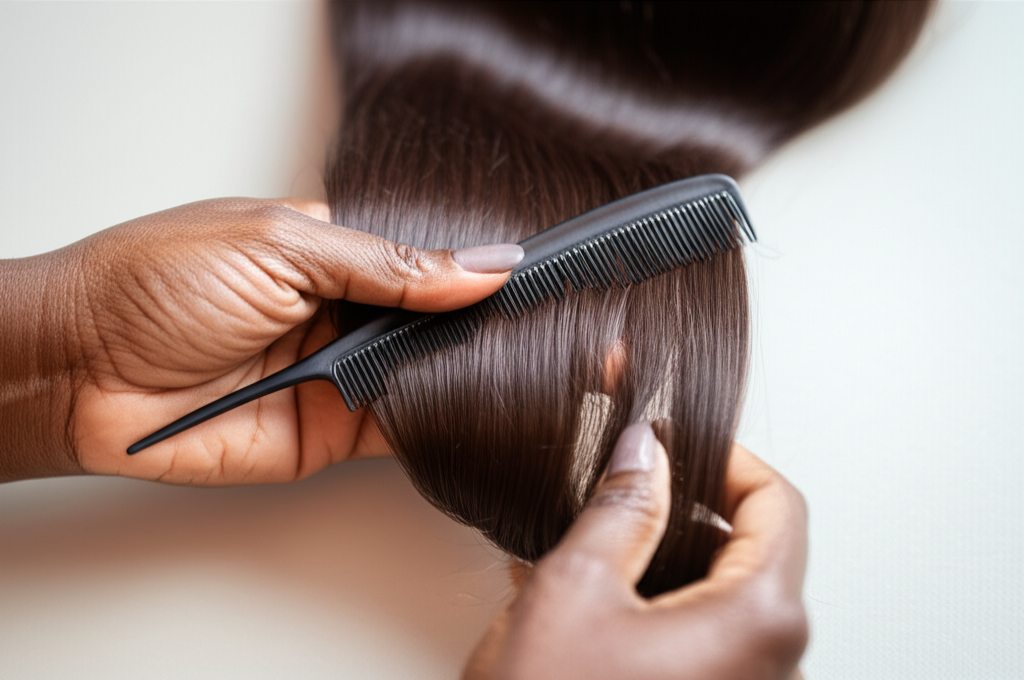
Having the right tools makes all the difference in keeping your human hair wig in top condition. These items are specifically designed to be gentle and effective for wig maintenance. Investing in these few key items will significantly contribute to the health and appearance of your wig.
Must-Have Wig Care Accessories
- Wig Stand: Essential for maintaining the wig’s shape while drying and for storage. A collapsible stand is great for travel.
- Wide-Tooth Comb or Wig Brush: Crucial for detangling without causing breakage or pulling out hairs.
- Satin Pillowcase or Bonnet: Reduces friction while you sleep, preventing tangles and frizz.
- Sulfate-Free Shampoo and Conditioner: Gentler formulas that won’t strip the hair of its natural moisture. Look for products specifically designed for wigs or color-treated hair.
- Leave-In Conditioner or Wig Serum: Provides extra moisture and helps with manageability and shine.
- Towel (Microfiber Preferred): For gently blotting excess water.
The Ultimate Washing Routine for Your Human Hair Wig
Washing your human hair wig correctly is the cornerstone of its care. Over-washing or using harsh products can lead to dryness, tangling, and a shortened lifespan. The goal is to clean gently, replenish moisture, and preserve the hair’s natural integrity. Frequency depends on how often you wear it and the products you use. A good rule of thumb is to wash it every 10-20 wears, or when it starts to feel heavy or look dull.
Step-by-Step Washing Guide
Follow these steps for a gentle and effective wash:
- Detangle First: Gently brush out any tangles using a wide-tooth comb or wig brush, starting from the tips and working your way up to the roots. Never try to detangle a wet wig.
- Prepare Your Sink: Fill a basin or sink with cool or lukewarm water. Avoid hot water, as it can damage the hair cuticles and the wig cap.
- Add Shampoo: Add a small amount of sulfate-free shampoo. Gently swish the wig in the water to distribute the shampoo. Do not rub or scrub the hair, as this can cause matting and tangles. Focus on gently cleansing the hair from root to tip.
- Rinse Thoroughly: Drain the soapy water and refill the basin with clean, cool water. Gently rinse the wig until all shampoo residue is gone.
- Apply Conditioner: Apply a generous amount of wig-specific conditioner, focusing on the mid-lengths and ends of the hair. Let it sit for a few minutes to allow the moisture to penetrate.
- Rinse Conditioner: Rinse the wig again with cool water until the conditioner is completely washed out.
- Gentle Squeeze: Gently squeeze out excess water from the wig. Do not wring or twist the hair.
- Towel Dry: Lay the wig on a clean, absorbent towel (microfiber is best) and gently pat it dry. Avoid rubbing.
- Air Dry on a Stand: Place the wig on a wig stand to air dry completely. This helps it maintain its shape and allows for proper airflow. Never use a hairdryer on high heat, as it can damage the hair.
Deep Conditioning for Hydrated Hair
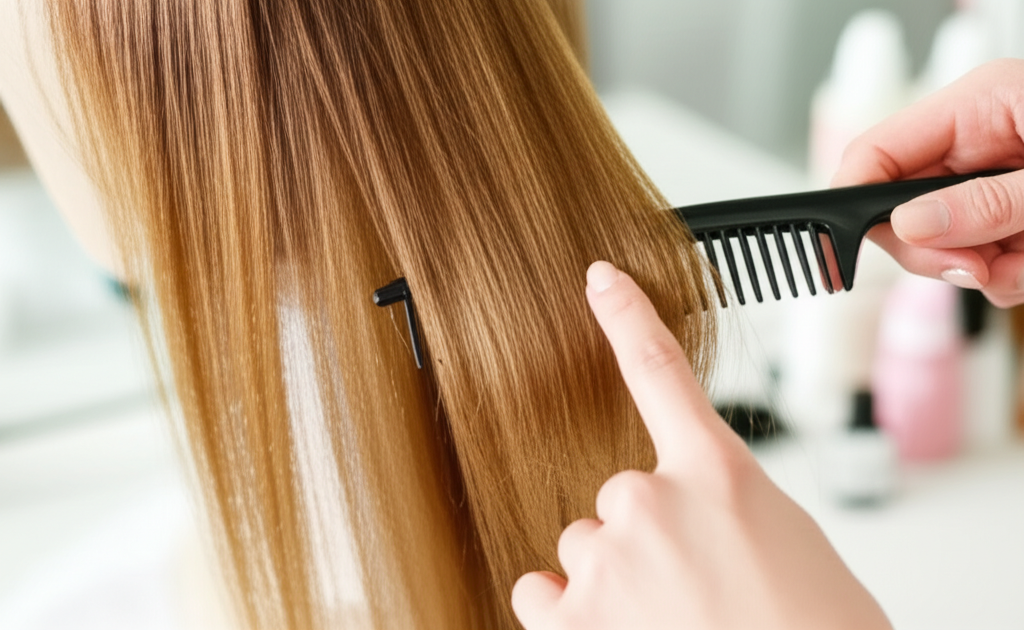
Human hair wigs, lacking natural sebum from the scalp, can quickly become dry and brittle. Deep conditioning is your secret weapon to combat this. It replenishes lost moisture, improves manageability, and restores shine, making your wig look and feel healthier. Aim to deep condition at least once a month, or more often if your wig appears dry or tangled.
Benefits of Deep Conditioning
Deep conditioning treatments provide intense hydration and nourishment. They help to:
- Restore moisture balance
- Improve elasticity
- Reduce frizz and flyaways
- Enhance shine and softness
- Make detangling easier
How to Deep Condition
After washing and rinsing your wig, apply a deep conditioner generously. You can use a leave-in treatment or a more intensive conditioning mask. Gently comb through the wig with a wide-tooth comb to ensure even distribution. Leave the conditioner on for the time recommended on the product label (usually 10-30 minutes). For an extra boost, you can cover the wig with a shower cap and apply a gentle heat source, like a hairdryer on a low setting held at a distance, for a few minutes. Rinse thoroughly with cool water and follow the towel-drying and air-drying steps as outlined in the washing section.
Styling Your Human Hair Wig Safely
One of the biggest advantages of human hair wigs is their ability to be styled with heat tools. However, just like your natural hair, excessive heat can cause damage. Always use heat protectant sprays and opt for lower heat settings whenever possible. Treat your wig with care to maintain its quality and style.
Heat Styling Tips
- Always Use Heat Protectant: This is non-negotiable. A good heat protectant spray creates a barrier between the hair and the heat, minimizing damage.
- Lower Heat Settings: Start with the lowest heat setting on your styling tools (curling iron, flat iron, blow dryer) and increase only if necessary. Most human hair wigs can be styled effectively at around 250-300°F (120-150°C). Avoid going above 350°F (175°C).
- Work in Sections: Divide the wig into manageable sections for more even styling and to avoid over-processing any single strand.
- Avoid Over-Styling: Try not to pass the styling tool over the same section of hair multiple times.
- Let it Cool: Allow styled sections to cool completely before brushing or touching them. This helps the style set and prevents frizz.
- Consider Heatless Styling: For curls, consider using rollers or braids on damp hair overnight.
Coloring and Chemical Treatments
While human hair wigs can be colored, it’s a process best left to professionals, especially if you’re new to it. Coloring a wig is permanent and irreversible if done incorrectly. If you choose to color your wig, opt for a shade that is lighter than your desired color to avoid over-processing. Always perform a strand test first. Similarly, perms or chemical straightening should be handled with extreme caution and ideally by a wig specialist.
External Resource: For more in-depth information on hair coloring and its effects, the U.S. Food & Drug Administration (FDA) provides valuable safety information.
Storing Your Human Hair Wig
Proper storage is vital for preserving the shape, style, and overall condition of your human hair wig. Incorrect storage can lead to tangles, matting, and loss of style. Think of it like storing any delicate garment – it needs a safe and structured environment.
Best Practices for Wig Storage
- Use a Wig Stand: This is the ideal way to store your wig. It maintains its natural shape and allows air to circulate, preventing static and tangles.
- Wig Box or Bag: If a wig stand isn’t available, store your wig in a breathable wig bag or its original box. Ensure it’s not crammed in.
- Avoid Folding: Never fold or crease your wig, as this can damage the roots and create permanent bends in the hair.
- Keep Away from Heat and Sunlight: Store your wig in a cool, dry place away from direct sunlight or heat sources, which can fade the color and dry out the hair.
- Satin or Silk Protection: If storing loose, consider placing it in a satin or silk bag to minimize friction and prevent tangles.
Troubleshooting Common Wig Issues
Even with the best care, you might encounter a few common issues. Here’s how to tackle them:
Tangles and Matting
Tangles are common, especially with longer wigs or those exposed to friction. Matting is more severe tangling that can be difficult to undo. Prevention is key: brush regularly, avoid friction, and use a leave-in conditioner. If tangling occurs, use a wide-tooth comb or your fingers, starting from the ends and gently working your way up. For severe matting, sometimes it’s best to consult a wig specialist, as aggressive detangling can cause significant hair loss.
Dryness and Brittleness
This usually indicates a lack of moisture. Ensure you’re using a moisturizing shampoo and conditioner. Deep conditioning treatments are crucial here. You can also apply a small amount of wig serum or leave-in conditioner to the ends daily to keep them hydrated.
Frizz
Frizz can be caused by humidity, friction, or damage from heat styling. Use anti-frizz serums or sprays. Ensure your wig is properly conditioned. When styling, use a heat protectant and lower heat settings. For curly wigs, avoid brushing when dry; instead, use your fingers or a wide-tooth comb with a curl-defining product.
Comparing Wig Care Products: A Quick Guide
Choosing the right products can seem overwhelming. Here’s a simple breakdown to help you make informed decisions:
| Product Type | Purpose | Key Ingredients/Features to Look For | When to Use |
|---|---|---|---|
| Sulfate-Free Shampoo | Gentle cleansing | Moisturizing agents (e.g., glycerin, shea butter), pH-balanced | Every wash |
| Moisturizing Conditioner | Replenishes moisture, detangles | Natural oils (argan, coconut), fatty alcohols, silicones (for slip) | Every wash, after shampoo |
| Deep Conditioner/Mask | Intensive hydration and repair | Shea butter, keratin, ceramides, proteins | Weekly or bi-weekly |
| Leave-In Conditioner/Serum | Daily moisture, detangling, shine | Lightweight oils, silicones, humectants | After washing and on dry hair as needed |
| Heat Protectant Spray | Protects from heat damage | Silicones (dimethicone, cyclomethicone), polymers | Before heat styling |
Maintaining Scalp Health (Under the Wig)
While this guide focuses on wig care, remember that a healthy scalp is the foundation for comfortable wig wear. Keeping your natural scalp clean and healthy prevents itching, irritation, and potential hair issues.
Scalp Care Tips
- Cleanse Regularly: Wash your natural hair and scalp regularly, even if you’re wearing a wig.
- Moisturize: Use a lightweight, non-greasy moisturizer on your scalp if it tends to get dry.
- Allow Your Scalp to Breathe: Take breaks from wearing your wig when possible to allow your scalp to breathe and recover.
- Use a Wig Liner: A breathable wig liner or cap can help absorb sweat, protect your scalp, and keep your wig cleaner for longer.
Pro Tip: Ensure your wig cap or liner is made of a breathable material like cotton or bamboo to prevent overheating and moisture buildup on your scalp.
Frequently Asked Questions (FAQ)
Q1: How often should I wash my human hair wig?
You should wash your human hair wig approximately every 10-20 wears, or when it starts to look dull, feel heavy, or accumulate product buildup. Over-washing can strip natural moisture, so it’s best to wash it only when necessary.
Q2: Can I sleep in my human hair wig?
It’s generally not recommended to sleep in your human hair wig. Sleeping can cause significant tangles, matting, and friction, which can damage the hair and shorten the wig’s lifespan. If you must, wear a satin bonnet or use a satin pillowcase.
Q3: My wig is looking dry and frizzy. What can I do?
Dryness and frizz are common signs of a lack of moisture. Ensure you are using moisturizing shampoos and conditioners. Incorporate a deep conditioning treatment weekly or bi-weekly. Applying a leave-in conditioner or wig serum to the ends of the hair can also help restore hydration and smoothness.
Q4: How can I detangle my human hair wig without causing damage?
Always detangle your wig when it is dry and before washing. Use a wide-tooth comb or a wig brush. Start from the ends of the hair and gently work your way up towards the roots. Be patient and never force a tangle. For stubborn knots, you can use a detangling spray or a small amount of leave-in conditioner.
Q5: Can I color my human hair wig?
Yes, human hair wigs can be colored. However, it is best to have this done by a professional wig stylist, as coloring wigs can be tricky. If you choose to color it yourself, always use a lighter shade than your target color and perform a strand test first. Avoid bleaching human hair wigs unless you are experienced, as it can easily damage the hair.
Q6: What’s the best way to store my wig when I’m not wearing it?
The best method is to store your wig on a wig stand to maintain its shape. If you don’t have a stand, use a breathable wig bag or the original box, ensuring it’s not crushed. Keep it in a cool, dry place away from direct sunlight and heat.
Q7: Can I use my regular hair products on my human hair wig?
While some regular hair products might work, it’s best to use products specifically formulated for wigs or those labeled sulfate-free and moisturizing. Regular shampoos and conditioners can be too harsh and strip the wig of its natural oils and moisture, leading to dryness and damage. Avoid products with drying alcohols.
Conclusion
Caring for your human hair wig doesn’t have to be a daunting task. By understanding its unique needs and adopting a gentle, consistent routine, you can ensure your wig remains beautiful, healthy, and vibrant for a long time. From the right washing and conditioning techniques to safe styling and proper storage, each step plays a vital role. Treat your human hair wig with the same care you would your own hair, and it will reward you with natural beauty and longevity. Enjoy the confidence and versatility your human hair wig brings!

