
Caring for 1a hair involves gentle cleansing, light hydration, and avoiding heavy products to maintain its natural straightness and shine. This guide provides a simple routine for healthy 1a hair.
Key Takeaways
- Embrace gentle cleansing for straight hair.
- Use lightweight conditioners and avoid heavy oils.
- Protect 1a hair from heat damage.
- Detangle carefully to prevent breakage.
- Focus on scalp health for optimal growth.
How To Take Care Of 1a Hair: The Perfect Beginner’s Guide
Welcome to the world of 1a hair care! If you have naturally straight, fine hair, you might find it can sometimes feel a bit limp or prone to greasiness. But don’t worry, understanding your hair type is the first step to unlocking its full potential. This guide is designed to be your simple, step-by-step companion. We’ll walk you through everything you need to know to keep your 1a hair healthy, bouncy, and beautifully straight. Get ready to discover the secrets to vibrant, manageable hair, right at home.
Understanding 1a Hair: What Makes It Unique?
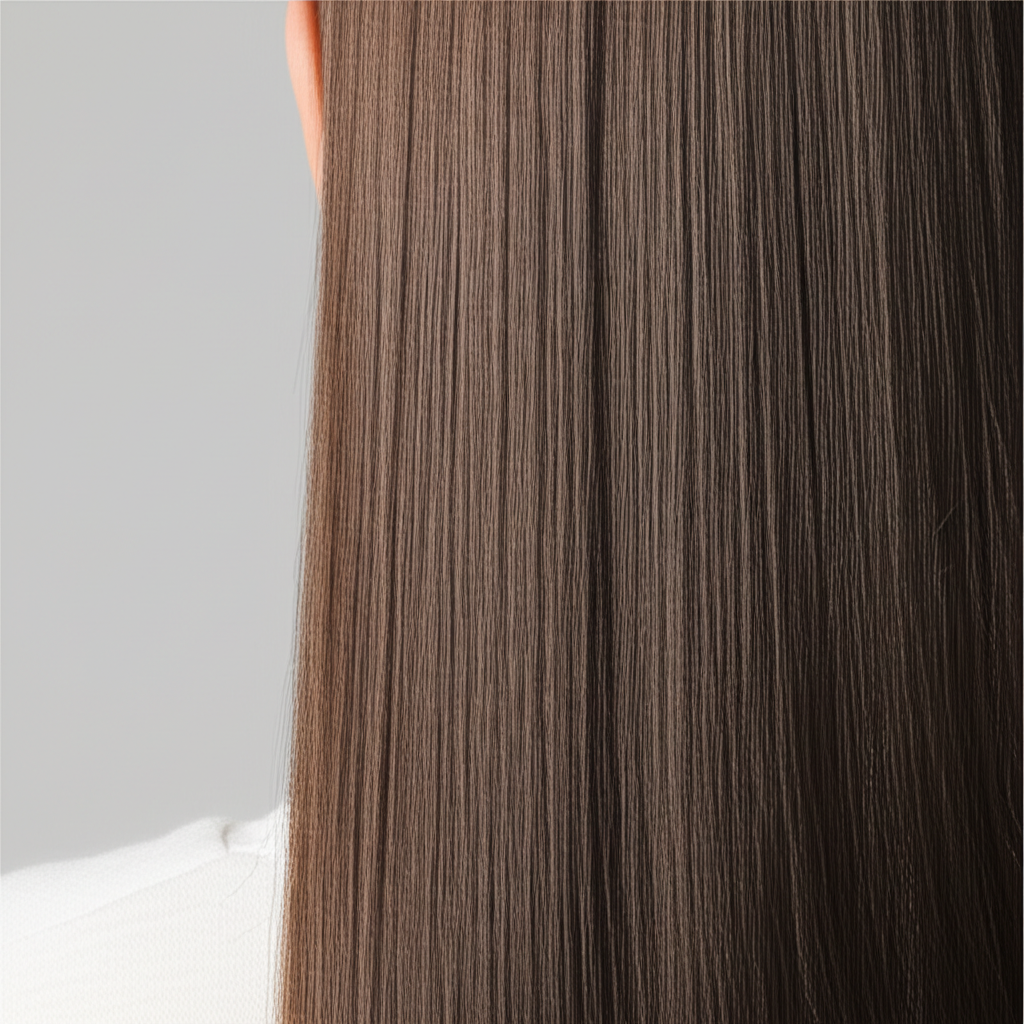
Hair typing systems, like the Andre Walker Hair Typing System, help us categorize different hair textures. Type 1 hair is naturally straight. It doesn’t have waves or curls. Within Type 1, there are three subcategories: 1a, 1b, and 1c. Our focus today is on 1a hair. This is the finest and straightest of all hair types. It often lacks volume and can be prone to becoming oily quickly because sebum, your scalp’s natural oil, can travel down the hair shaft with ease. Because it’s so fine, 1a hair can be more delicate and susceptible to damage. Understanding these characteristics is key to choosing the right products and techniques.
The primary challenge with 1a hair is maintaining body and preventing it from falling flat. Unlike curlier textures that have natural structure and hold, straight hair relies more on volume and a healthy cuticle layer for its appearance. This means we need to be mindful of what we apply to it and how we handle it daily. Our goal is to nourish without weighing it down, cleanse effectively without stripping, and style in ways that enhance its natural sleekness and shine.
The Essential 1a Hair Care Routine
Establishing a consistent routine is fundamental for healthy hair. For 1a hair, this routine emphasizes gentleness, lightness, and protection. It’s about working with your hair’s natural tendencies, not against them. We’ll break down each step to make it easy to follow.
1. Gentle Cleansing: The Foundation of Healthy Hair
Washing your hair is crucial, but for 1a hair, the type of shampoo and frequency matters. Since 1a hair can get oily, you might be tempted to wash it every day. However, overwashing can strip your scalp of its natural oils, leading to a cycle of dryness and increased oil production. Aim to find a balance that works for your scalp.
Choosing the Right Shampoo
Look for shampoos that are:
- Sulfate-free: Sulfates are strong detergents that can be too harsh for fine hair, stripping away moisture and leaving it dry and brittle.
- Lightweight and Volumizing: These formulations are designed to cleanse without leaving residue that can weigh hair down. Avoid shampoos labeled as “moisturizing” or “hydrating” if they feel too heavy.
- Clarifying (Occasionally): A clarifying shampoo can be beneficial once or twice a month to remove product buildup that can make fine hair look dull and greasy. Be sure to follow up with a light conditioner.
Washing Frequency
Most people with 1a hair find that washing every 2-3 days is ideal. If your hair gets very oily, you might need to wash daily, but try to incorporate sulfate-free options and monitor your hair’s response. Listen to your hair and scalp; they will tell you what they need.
2. Lightweight Conditioning: Hydration Without the Heaviness
Conditioner is important for detangling and adding a smooth finish, but for 1a hair, it’s essential to choose wisely. Heavy conditioners can coat the hair shaft, making it look greasy and flat. The key is to apply conditioner strategically.
Product Selection
Opt for conditioners that are:
- Lightweight or volumizing formulas: These are designed to provide moisture without adding excess weight.
- Silicone-free: While silicones can make hair feel smooth, some types can build up on fine hair over time, leading to dullness and limpness. Look for water-soluble silicones if you don’t want to avoid them entirely.
- Avoid heavy oils: Ingredients like shea butter or coconut oil, while great for some hair types, can be too heavy for 1a hair and weigh it down.
Application Technique
Always apply conditioner from the mid-lengths to the ends of your hair. Avoid applying it directly to your scalp, as this is where greasiness is most noticeable. Rinse thoroughly to ensure no residue is left behind.
Pro Tip: Consider using a leave-in conditioner spray instead of a rinse-out one if you find your hair still needs a bit of moisture after washing but you want to avoid heaviness. Apply sparingly to the ends.
3. Detangling: A Gentle Approach
Detangling 1a hair requires a delicate touch. Because it’s fine, it can be more prone to breakage. The goal is to remove knots and tangles without causing stress to the hair strands.
Tools of the Trade
- Wide-tooth comb: This is your best friend for detangling. The wide spacing between the teeth gently separates knots.
- Fingers: Sometimes, your fingers are the gentlest tool. Work through sections of hair slowly.
The Detangling Process
- Start with damp hair: Hair is more elastic and less prone to breakage when it’s damp, especially after conditioning.
- Apply a detangler (optional): A lightweight detangling spray can help smooth the hair cuticle and make the process easier.
- Begin at the ends: Always start detangling from the bottom of your hair and work your way up towards the roots. This prevents you from pulling knots tighter.
- Work in sections: Divide your hair into manageable sections. This makes the process more thorough and less overwhelming.
- Be patient: Never yank or pull at knots. If you encounter a stubborn tangle, try to gently work it out with your fingers or a bit more detangler.
4. Drying Your Hair: Minimizing Damage
How you dry your hair significantly impacts its health and appearance. For 1a hair, the aim is to dry it in a way that promotes shine and volume without causing damage.
Air Drying
Air drying is the gentlest option. Simply towel dry your hair gently by squeezing out excess water (don’t rub vigorously, as this can cause frizz and breakage). Then, let it air dry completely. This method preserves the hair’s natural moisture and minimizes heat exposure.
Towel Drying Techniques
Traditional terrycloth towels can be rough on fine hair. Consider switching to:
- Microfiber towels: These are much softer and absorb water more efficiently, reducing drying time and friction.
- T-shirt cotton: An old cotton t-shirt can also be a great, gentle alternative for patting your hair dry.
Blow Drying Tips
If you prefer to blow dry for speed or styling:
- Use a heat protectant: This is non-negotiable. A good heat protectant spray will create a barrier between your hair and the heat, preventing damage. Look for lightweight formulas.
- Use the lowest heat setting: High heat can damage fine hair quickly. Opt for medium or cool settings.
- Use a concentrator nozzle: This directs the airflow down the hair shaft, smoothing the cuticle and enhancing shine.
- Keep the dryer moving: Don’t concentrate the heat on one spot for too long.
- Dry your hair upside down: For added volume, flip your head upside down while blow drying. This lifts the roots away from the scalp.
5. Styling 1a Hair: Enhancing Natural Beauty
Styling 1a hair is often about adding texture, volume, or enhancing its natural sleekness. Because it can be prone to falling flat, products and techniques that provide lift are often beneficial.
Product Choices for Styling
- Mousse: A lightweight mousse applied to the roots can provide lift and hold without making hair stiff or sticky.
- Root lifters: These sprays are specifically designed to add volume at the scalp.
- Dry shampoo: Excellent for absorbing oil and adding a bit of grit and volume, especially on second-day hair.
- Lightweight hairspray: For hold that doesn’t weigh hair down.
- Texturizing sprays: Can add a bit of grit and body to fine, straight hair.
Styling Techniques
- Blow drying upside down: As mentioned, this is a great way to create root lift.
- Using velcro rollers: After blow drying, set sections of hair with velcro rollers, focusing on the crown, and let them cool. This adds significant volume and bounce.
- Minimal heat styling: If you use flat irons or curling irons, ensure you use a heat protectant and keep the heat settings moderate. For 1a hair, often minimal heat styling is best to maintain health.
- Avoiding heavy styling products: Serums, heavy oils, and waxes should be used sparingly, if at all, and only on the ends.
6. Scalp Health: The Unsung Hero
Healthy hair starts with a healthy scalp. For 1a hair, which can be prone to oiliness, maintaining a clean and balanced scalp is vital for optimal hair growth and preventing issues like dandruff.
Keeping Your Scalp Clean
Regular, gentle cleansing is key. Ensure you’re thoroughly rinsing out shampoo and conditioner to prevent buildup. If you experience excessive oiliness, consider using a clarifying shampoo once a month, or a scalp-exfoliating treatment designed for oily scalps.
Scalp Massage
Massaging your scalp can stimulate blood circulation, which is beneficial for hair follicles. Use your fingertips (not nails) to gently massage your scalp in circular motions for a few minutes each day, or during your shampooing routine. You can do this on a dry scalp or when it’s wet with shampoo or conditioner.
Balanced Diet and Hydration
Your scalp’s health is also influenced by your overall well-being. Ensure you’re drinking plenty of water and eating a balanced diet rich in vitamins and minerals like biotin, zinc, and iron. These nutrients are essential for healthy hair growth. For more information on hair-healthy nutrients, the National Institutes of Health (NIH) provides extensive resources on dietary guidelines.
Ingredients to Look For (And Avoid) in 1a Hair Products
Understanding product ingredients can help you make informed choices for your 1a hair. Here’s a quick guide:
Beneficial Ingredients
- Lightweight Proteins (e.g., Hydrolyzed Wheat Protein, Hydrolyzed Rice Protein): These can help strengthen fine hair without weighing it down.
- Humectants (e.g., Glycerin, Hyaluronic Acid): These draw moisture from the air to hydrate hair, but use them cautiously in very humid or very dry climates, as they can sometimes cause frizz or dryness respectively.
- Panthenol (Vitamin B5): Adds moisture and shine.
- Silica: Can help absorb excess oil.
Ingredients to Use Sparingly or Avoid
- Heavy Oils (e.g., Coconut Oil, Shea Butter, Castor Oil): These are often too heavy for 1a hair and can lead to greasiness and limpness.
- Heavy Silicones (e.g., Dimethicone, Amodimethicone): While some silicones are fine, heavy ones can build up on fine hair. Look for water-soluble alternatives if you choose to use products with silicones.
- Waxes: Can coat hair and make it feel heavy and dirty.
- Alcohol (Denatured Alcohol, Ethanol): Can be drying if present in high concentrations, especially in styling products.
It’s always a good idea to check ingredient lists. If you’re unsure about an ingredient, a quick search on a reputable cosmetic ingredient database like INCIdecoder can provide more information.
Addressing Common 1a Hair Concerns
Even with the best intentions, 1a hair can present specific challenges. Here’s how to tackle them:
1. Greasiness
Cause: Sebum travels easily down straight, fine hair. Over-shampooing can also trigger more oil production.
Solutions:
- Wash hair every 2-3 days with a lightweight, sulfate-free shampoo.
- Focus conditioner on the ends, avoiding the scalp.
- Use dry shampoo between washes to absorb excess oil and add volume.
- Rinse hair with cool water to help close the cuticle and reduce oiliness.
- Consider a clarifying shampoo once a month.
2. Lack of Volume and Flatness
Cause: The fine nature of 1a hair and the easy spread of sebum can make it fall flat.
Solutions:
- Use volumizing shampoos and conditioners.
- Apply mousse or root lifters to the roots when hair is damp.
- Blow dry your hair upside down.
- Use velcro rollers for added lift and bounce.
- Consider a light texturizing spray.
3. Brittleness and Breakage
Cause: Fine hair is naturally more delicate and can be easily damaged by heat, harsh brushing, and chemical treatments.
Solutions:
- Use gentle detangling methods with a wide-tooth comb, starting from the ends.
- Always use a heat protectant spray before any heat styling.
- Opt for lower heat settings on styling tools.
- Avoid overwashing, which can strip natural oils.
- Deep condition occasionally with a lightweight protein treatment.
4. Frizz
Cause: While straight hair isn’t prone to curly frizz, it can still experience flyaways due to humidity or damage.
Solutions:
- Ensure hair is well-moisturized with lightweight products.
- Use a microfiber towel or t-shirt to dry hair gently.
- Apply a tiny amount of lightweight serum or hair oil to the ends to smooth flyaways.
- Use a heat protectant and smooth the cuticle when blow drying with a concentrator nozzle.
Table: Product Recommendations for 1a Hair
Here’s a general guide to product types and what to look for:
| Product Type | What to Look For | What to Avoid |
|---|---|---|
| Shampoo | Sulfate-free, lightweight, volumizing, clarifying (occasional) | Heavy moisturizing, cleansing sulfates (in excess) |
| Conditioner | Lightweight, volumizing, silicone-free (or water-soluble silicones) | Heavy, creamy formulas, rich oils (shea butter, coconut oil) |
| Leave-In Conditioner | Lightweight spray, detangling formula | Heavy creams, oils |
| Styling Mousse | Light hold, volumizing | Strong hold, sticky formulas |
| Hairspray | Light hold, flexible hold | Extra strong hold, stiff formulas |
| Oils/Serums | Lightweight (e.g., argan oil, jojoba oil – used sparingly) | Heavy oils, waxes |
External Resources for Further Learning
For those who want to dive deeper into hair science and health, consider these authoritative sources:
- The American Academy of Dermatology (AAD): Offers comprehensive information on hair loss, scalp conditions, and general hair care from a medical perspective. You can find them at aad.org.
- PubMed: A database of biomedical literature that can provide access to scientific studies on hair care ingredients and treatments. Search for terms like “hair cuticle structure,” “sebum production,” or “hair breakage mechanisms.”
- University Extension Offices: Many universities have extension programs that offer research-based advice on consumer health and wellness, which can sometimes include hair and skin care.
Frequently Asked Questions About 1a Hair Care
Q1: How often should I wash my 1a hair?
A1: Most people with 1a hair find washing every 2-3 days works best. If your hair gets very oily, you might need to wash daily, but always use a gentle, sulfate-free shampoo. Listen to your scalp.
Q2: What kind of conditioner is best for 1a hair?
A2: Opt for lightweight or volumizing conditioners. Apply them only from the mid-lengths to the ends, avoiding the scalp, and rinse thoroughly to prevent greasiness.
Q3: Can I use hair oils on my 1a hair?
A3: Yes, but use them very sparingly and choose lightweight oils like argan or jojoba oil. Apply only to the ends to add shine and prevent dryness, avoiding the scalp altogether.
Q4: How can I add volume to my 1a hair?
A4: Use volumizing products like mousse or root lifters, blow dry your hair upside down, and consider using velcro rollers for lift. Dry shampoo can also add texture and volume between washes.
Q5: Is heat styling bad for 1a hair?
A5: Heat styling can be damaging, especially for fine 1a hair. If you do use heat, always apply a heat protectant spray, use the lowest effective heat setting, and keep the tool moving.
Q6: My 1a hair gets greasy quickly. What can I do?
A6: Ensure you’re using a lightweight shampoo and not over-conditioning at the roots. Using dry shampoo between washes is very effective. A clarifying shampoo once a month can also help remove buildup.
Q7: Can I use hair masks on 1a hair?
A7: Yes, but choose lightweight masks designed for fine hair or protein treatments. Avoid heavy, intensely moisturizing masks that can weigh your hair down. Apply to the mid-lengths and ends.
Conclusion
Caring for 1a hair doesn’t have to be complicated. By understanding its fine, straight nature and its tendency towards oiliness and flatness, you can adopt a routine that enhances its natural beauty. Gentle cleansing, strategic lightweight conditioning, careful detangling, and mindful styling are your keys to healthy, vibrant 1a hair. Remember to protect your hair from excessive heat and always prioritize scalp health. With these simple steps and product choices, you’ll be well on your way to achieving the sleek, shiny, and voluminous hair you desire. Embrace your natural texture, and enjoy the journey to beautiful, healthy hair!
