
Caring for black hair involves understanding its unique needs, focusing on moisture, gentle handling, and the right products. This essential guide provides beginners with a step-by-step approach to nurturing healthy, vibrant black hair.
Key Takeaways
- Moisturize your black hair daily.
- Handle hair gently to prevent breakage.
- Deep condition regularly for nourishment.
- Protect hair from heat and environmental damage.
- Choose natural ingredients for best results.
- Listen to your hair’s specific needs.
How To Take Care Of Black Hair: Essential Guide
Black hair is beautiful, versatile, and often carries a rich cultural heritage. But for many beginners, understanding how to care for it can feel like a mystery. You might have heard conflicting advice or felt overwhelmed by the sheer number of products. The truth is, black hair has unique characteristics, especially its tendency to be drier and more prone to breakage. This guide is here to demystify the process. We’ll break down exactly what your black hair needs, step by step, so you can feel confident and empowered in your hair care journey. Let’s dive into creating a routine that celebrates and nourishes your gorgeous hair.
Understanding Your Black Hair’s Unique Needs
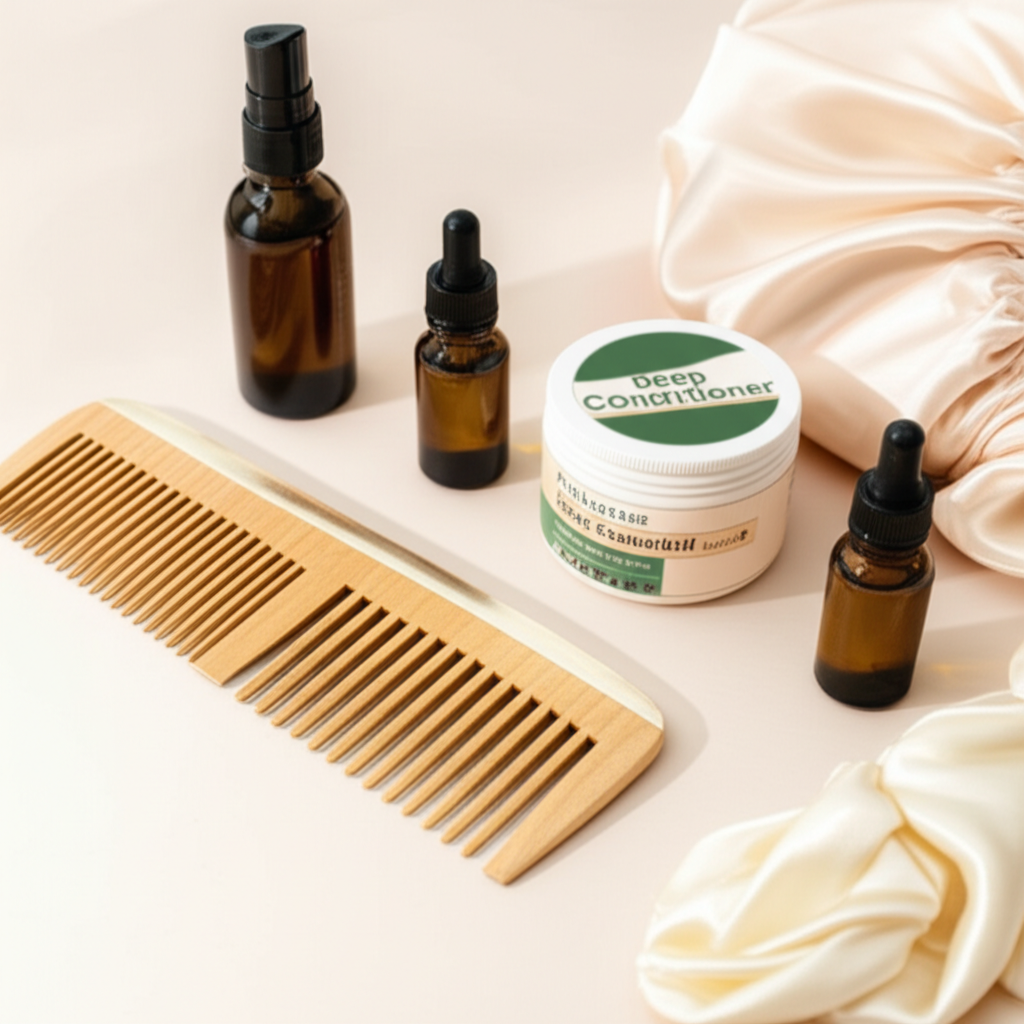
Black hair, often characterized by its natural curl patterns (ranging from waves to tight coils and kinks), has a distinct structure. The natural oils produced by your scalp, called sebum, have a harder time traveling down the entire hair shaft due to the twists and turns of the curl pattern. This means black hair is naturally drier than straighter hair types. This dryness is the root of many common concerns, such as frizz, breakage, and a lack of shine. Understanding this fundamental difference is the first and most crucial step in learning how to take care of black hair effectively.
The cuticle, the outermost layer of the hair shaft, is also more delicate in black hair. This makes it more susceptible to damage from heat styling, harsh chemicals, and rough handling. Therefore, a gentle approach is paramount. When you prioritize moisture and protection, you create an environment where your black hair can thrive, grow longer, and look its best.
The Foundation: Cleansing and Conditioning
Cleansing and conditioning are the cornerstones of any good hair care routine, and for black hair, they require a thoughtful approach. The goal is to clean your scalp without stripping your hair of its precious moisture.
Gentle Cleansing for Black Hair
Traditional shampoos can be harsh and drying for black hair because they often contain sulfates, which are powerful detergents. Sulfates can strip away natural oils, leaving your hair feeling brittle and looking dull. For this reason, many people with black hair opt for gentler cleansing methods.
Co-washing: This involves using a cleansing conditioner instead of a traditional shampoo. Co-washes gently clean the scalp and hair while replenishing moisture. They are ideal for frequent washing or for those with very dry hair. Look for co-wash products specifically formulated for curly or natural hair.
Sulfate-Free Shampoos: If you prefer to use shampoo, choose one that is labeled “sulfate-free.” These shampoos still effectively clean your scalp but are much kinder to your hair’s natural oils. They often contain moisturizing ingredients that help counteract any potential dryness.
Frequency of Washing: How often you wash depends on your hair’s needs and lifestyle. For many with black hair, washing once a week or even every two weeks is sufficient. Over-washing can lead to dryness. Listen to your scalp; if it feels itchy or flaky, it might be time to wash, but if it feels balanced, stick to your schedule.
The Power of Deep Conditioning
Deep conditioning is non-negotiable for black hair. It’s an intensive treatment that infuses your hair with moisture, strengthens the strands, and improves elasticity. Think of it as a spa treatment for your hair!
How to Deep Condition: After cleansing, apply a generous amount of a rich, creamy deep conditioner to your hair, focusing on the mid-lengths and ends. Cover your hair with a shower cap, and for an extra boost, apply gentle heat. A warm towel wrapped around the cap or a hooded dryer can enhance penetration. Leave it on for at least 20-30 minutes, or as directed by the product. Rinse thoroughly with cool water to seal the cuticle.
Frequency: Aim to deep condition at least once a week, or bi-weekly if your hair is less dry. If your hair feels particularly parched or damaged, you might need to do it more often.
Leave-In Conditioners: Daily Moisture Boost
A leave-in conditioner is applied after rinsing out your regular conditioner and is not washed out. It provides an extra layer of moisture and protection throughout the day. This is especially beneficial for black hair, which tends to lose moisture quickly.
Benefits: Leave-in conditioners help to detangle, reduce frizz, improve manageability, and add shine. They create a protective barrier, sealing in moisture and preventing environmental damage.
Application: Apply a small amount to damp hair, focusing on the ends. You can also use it on dry hair for a quick refresh.
Moisture: The Golden Rule for Black Hair
As mentioned, dryness is a primary concern for black hair. Therefore, maintaining adequate moisture is the single most important aspect of caring for it. This involves a multi-pronged approach: hydration from within, sealing in moisture, and protecting your hair from moisture loss.
Hydration vs. Sealing
It’s important to understand the difference between hydrating your hair and sealing in that moisture. Water is the ultimate hydrator. Products that contain water or humectants (ingredients that attract water, like glycerin or hyaluronic acid) help to add moisture to your hair strands.
Sealing, on the other hand, involves using oils or butters to create a barrier on the hair shaft. This barrier prevents the moisture you’ve added from evaporating. Without sealing, the water you put into your hair will simply escape, leaving it dry again.
The LOC and LCO Methods: These are popular techniques for layering products to maximize moisture retention in black hair.
- LOC Method: This stands for Leave-in conditioner, Oil, then Cream. You apply your leave-in conditioner first, followed by a penetrating oil (like jojoba or olive oil), and then seal it all in with a thicker cream or butter (like shea butter or mango butter).
- LCO Method: This is the reverse: Leave-in conditioner, Cream, then Oil. This method is often preferred by those with finer hair or if the LOC method feels too heavy.
Experiment to see which method works best for your hair’s porosity and thickness.
Best Moisturizing Ingredients for Black Hair
When choosing hair care products, look for ingredients known for their moisturizing and nourishing properties:
| Ingredient Type | Examples | Benefits for Black Hair |
|---|---|---|
| Humectants | Glycerin, Hyaluronic Acid, Honey, Aloe Vera | Attract moisture from the air into the hair shaft, providing hydration. |
| Emollients (Oils) | Coconut Oil, Olive Oil, Jojoba Oil, Argan Oil, Avocado Oil | Soften hair, improve elasticity, add shine, and help seal in moisture. |
| Butters | Shea Butter, Mango Butter, Cocoa Butter | Provide intense moisture, seal the cuticle, and protect hair from dryness. |
| Proteins | Hydrolyzed Wheat Protein, Keratin, Silk Amino Acids | Strengthen hair strands, repair damage, and improve manageability. (Use in moderation if hair is protein-sensitive). |
| Natural Extracts | Rosemary Extract, Chamomile, Lavender | Soothe the scalp, promote circulation, and add a natural scent. |
You can learn more about common hair care ingredients and their functions from resources like the U.S. Food and Drug Administration’s (FDA) guidance on cosmetics, which includes information on ingredients used in hair products.
Handling Your Black Hair with Care
Black hair, with its delicate curl structure and tendency towards dryness, requires a gentle touch. Rough handling is a leading cause of breakage and damage. Implementing mindful practices during washing, detangling, and styling can make a significant difference.
Detangling Techniques
Detangling can be a challenging part of caring for black hair, especially when it’s dry. The key is to be patient and use the right tools and techniques.
- Detangle When Wet or Damp: It’s generally easier and safer to detangle hair when it’s wet or damp and has a good amount of conditioner or a detangling spray applied. This allows the knots to slip apart more easily.
- Use Your Fingers First: Your fingers are often the gentlest detangling tool. Start from the ends of your hair and work your way up to the roots, gently separating any knots.
- Wide-Tooth Comb or Detangling Brush: If your fingers aren’t enough, use a wide-tooth comb or a brush specifically designed for detangling curly hair (like a Denman brush or Tangle Teezer). Again, start from the ends and work your way up.
- Section Your Hair: Divide your hair into smaller sections. This makes the detangling process more manageable and prevents you from creating new tangles as you work.
Protective Styling for Black Hair
Protective styles are designed to tuck away the ends of your hair, minimize manipulation, and shield it from the elements. This helps to reduce breakage and retain length.
Examples of Protective Styles:
- Braids (box braids, cornrows)
- Twists (two-strand twists, flat twists)
- Bantu knots
- Faux locs
- Wigs and weaves (when installed and maintained correctly)
Important Considerations for Protective Styles:
- Don’t Install Too Tightly: Styles that pull excessively on the scalp can lead to traction alopecia, a form of hair loss. Ensure your stylist or yourself isn’t braiding or twisting too tightly.
- Moisturize While Styled: Even in protective styles, your hair needs moisture. Use lightweight sprays or oils to keep your scalp and hair hydrated.
- Give Your Hair Breaks: Avoid keeping protective styles in for too long. Most styles should be removed after 4-8 weeks to allow your hair and scalp to breathe and prevent matting.
- Nighttime Protection: Even when not in a formal protective style, protect your hair at night. Use a satin or silk bonnet, scarf, or pillowcase. Cotton absorbs moisture from your hair, so avoid it.
Styling Black Hair: Minimizing Damage
Styling black hair can be a creative outlet, but it’s essential to do so in a way that prioritizes hair health.
Heat Styling
While heat styling (blow dryers, flat irons, curling irons) can achieve sleek looks, it’s one of the most damaging practices for black hair. The high heat can break down the protein structure of the hair, leading to dryness, brittleness, and breakage.
If You Use Heat:
- Always Use a Heat Protectant: This is non-negotiable. A good heat protectant creates a barrier between your hair and the heat, minimizing damage.
- Lower the Heat Setting: Use the lowest heat setting that still achieves your desired style.
- Don’t Overdo It: Avoid passing the heat tool over the same section of hair multiple times.
- Deep Condition After Heat: Replenish moisture after heat styling with a deep conditioning treatment.
- Consider Heatless Styles: Explore options like flexi-rods, perm rods, or braiding your hair while damp to achieve curls without heat.
Natural Styling and Versatility
Black hair is incredibly versatile! Embracing your natural texture is a beautiful way to care for your hair. Experiment with wash-and-gos, twist-outs, braid-outs, and puffs to discover styles you love.
Key for Natural Styling:
- Product Choice: Use styling creams, gels, and mousses formulated for your curl type. Look for products that offer hold without drying out your hair.
- Technique: Proper application techniques, like raking, praying hands, or shingling, can enhance curl definition and reduce frizz.
Scalp Health: The Roots of Healthy Hair
A healthy scalp is the foundation for healthy hair growth. Neglecting your scalp can lead to various issues, including itchiness, dandruff, and even hindering hair growth.
Keeping Your Scalp Clean and Balanced
Regular cleansing is crucial to remove product buildup, dirt, and excess oil that can clog hair follicles. As discussed earlier, opt for sulfate-free shampoos or co-washes.
Scalp Massages: Gently massaging your scalp can stimulate blood circulation, which is believed to promote hair growth. You can do this with your fingertips during cleansing or when applying oils to your scalp. Using a scalp massager tool can also be effective.
Addressing Scalp Issues: If you experience persistent dryness, itching, or flaking, it’s important to address it. Look for shampoos or treatments with ingredients like tea tree oil, salicylic acid, or pyrithione zinc, which can help combat dandruff and soothe the scalp. If issues persist, consult a dermatologist or trichologist.
Oiling Your Scalp
Scalp oils can provide nourishment and moisture. However, it’s essential to use them correctly.
Which Oils to Use: Oils like jojoba, castor oil, rosemary oil, and peppermint oil are popular choices for scalp health. Jojoba oil is structurally similar to sebum, making it a great moisturizer. Castor oil is known for its potential to promote hair growth, though more research is needed. Rosemary and peppermint oils can increase circulation.
How to Apply: Apply a small amount of oil directly to your scalp using the dropper or applicator. Massage it in gently. Avoid over-oiling, which can lead to buildup. It’s often best to oil your scalp a day or two before washing your hair.
Nutrition and Lifestyle for Black Hair Growth
What you put into your body significantly impacts the health and growth of your hair. A balanced diet and healthy lifestyle are crucial for optimal hair health.
Dietary Recommendations
Your hair is made of protein, so ensuring adequate protein intake is vital. Other key nutrients include:
- Proteins: Found in lean meats, fish, eggs, beans, and lentils.
- Vitamins:
- Biotin (B7): Found in eggs, nuts, and whole grains. Essential for keratin production.
- Vitamin A: Found in sweet potatoes, carrots, and spinach. Helps with sebum production.
- Vitamin C: Found in citrus fruits, berries, and bell peppers. An antioxidant that aids iron absorption and collagen production.
- Vitamin D: Found in fatty fish, fortified foods, and sunlight exposure.
- Vitamin E: Found in nuts, seeds, and leafy greens. An antioxidant that protects hair.
- Minerals:
- Iron: Found in red meat, spinach, and lentils. Crucial for carrying oxygen to hair follicles.
- Zinc: Found in oysters, pumpkin seeds, and beef. Plays a role in hair tissue growth and repair.
- Omega-3 Fatty Acids: Found in fatty fish, flaxseeds, and walnuts. Support scalp health.
Staying hydrated by drinking plenty of water is also essential for overall health, including hair health.
Lifestyle Factors
Stress can contribute to hair shedding. Finding healthy ways to manage stress, such as exercise, meditation, or hobbies, can benefit your hair.
Getting enough sleep is also important for cellular repair and regeneration, including the cells responsible for hair growth.
Troubleshooting Common Black Hair Concerns
Even with the best intentions, you might encounter common issues. Here’s how to address them.
Breakage
Causes: Dryness, harsh chemicals, heat damage, rough handling, tight styles.
Solutions: Focus on moisture, use gentle detangling methods, minimize heat, opt for protective styles, deep condition regularly, and trim split ends.
Frizz
Causes: Dryness, humidity, raised hair cuticles.
Solutions: Use moisturizing conditioners and leave-ins, seal moisture with oils or butters, use anti-frizz serums, and try protective styles. Ensure your hair is properly hydrated before styling.
Slow Growth
Causes: Genetics, poor nutrition, scalp issues, breakage (hair may be growing but breaking off at the same rate).
Solutions: Focus on retaining length through gentle handling and protective styles, ensure a balanced diet rich in nutrients, maintain a healthy scalp, and consider ingredients known to promote growth like rosemary oil.
Dandruff and Dry Scalp
Causes: Dryness, fungal overgrowth, product buildup, sensitivity to products.
Solutions: Use anti-dandruff shampoos or treatments, ensure regular but gentle cleansing, use moisturizing scalp oils, and avoid harsh ingredients.
Pro Tips
Pro Tip: When transitioning from chemically straightened hair to your natural texture, be extra gentle. Your natural curls may be more fragile in the areas where they meet the straightened ends. Consider a “big chop” or gradually trim away the relaxed ends to promote healthier growth.
Frequently Asked Questions About Black Hair Care
Q1: How often should I wash my black hair?
A1: For most people with black hair, washing once a week or every 7-10 days is sufficient. This helps to maintain moisture while keeping the scalp clean. However, this can vary based on your hair’s oiliness, activity level, and styling practices. If your scalp feels itchy or dirty, it might be time to wash.
Q2: What is the best oil for black hair?
A2: There isn’t one single “best” oil, as it depends on your hair’s needs. Popular and effective oils include coconut oil (penetrates the hair shaft), jojoba oil (mimics natural sebum), castor oil (known for growth potential), and argan oil (adds shine and moisture). It’s often beneficial to use a combination or rotate between different oils.
Q3: Can I use regular conditioner on my black hair?
A3: While regular conditioners can help, it’s highly recommended to use conditioners specifically formulated for black hair or curly textures. These are often richer, more moisturizing, and contain ingredients better suited to combating dryness and breakage. Always ensure your conditioner is applied from mid-shaft to ends.
Q4: How do I deal with breakage?
A4: Breakage is often a sign of dryness or damage. Prioritize moisture by deep conditioning regularly and using leave-in conditioners and sealants. Handle your hair gently, detangle with care, minimize heat styling, and consider protective styles to reduce manipulation. Regular trims can also help prevent split ends from traveling up the hair shaft.
Q5: Is it okay to sleep without a bonnet?
A5: It’s best to protect your black hair at night. Cotton pillowcases absorb moisture from your hair, leading to dryness and frizz. Sleeping with a satin or silk bonnet, scarf, or on a satin/silk pillowcase significantly reduces friction and helps retain moisture, preventing breakage and preserving your style.
Q6: How can I make my black hair grow faster?
A6: Hair growth is largely determined by genetics, but you can optimize your hair’s health to encourage maximum growth and retention. Focus on a healthy diet, scalp massages to stimulate circulation, gentle handling to prevent breakage (allowing hair to retain length), and consistent moisture. Patience and a consistent routine are key.
Conclusion
Learning how to take care of black hair is a journey of understanding its unique needs and responding with consistent, gentle care. By prioritizing moisture, choosing the right products, handling your hair with care, and nurturing your scalp and body from the inside out, you can cultivate strong, healthy, and beautiful black hair. Embrace the process, experiment with what works best for you, and enjoy the confidence that comes with healthy, vibrant hair. Your hair is a crown; wear it with pride and proper care!
