
Taking care of tape in hair extensions is simple with the right routine. Proper washing, conditioning, brushing, and styling will keep your tape-ins looking luscious and lasting longer. Follow these essential tips for beautiful, manageable extensions.
Key Takeaways
- Wash gently with sulfate-free shampoo.
- Condition mid-lengths to ends, avoiding the tape.
- Brush regularly with a soft-bristle brush.
- Sleep with hair in a loose braid.
- Use heat protectant spray before styling.
- Schedule professional maintenance appointments.
How To Take Care Of Tape In Hair Extensions: Essential Tips
Dreaming of longer, fuller hair? Tape-in hair extensions can be a wonderful way to achieve this. But once they’re in, you might wonder about the best way to keep them looking their best. It’s common to feel a little unsure about how to wash, brush, or style them. You want to protect your investment and ensure your natural hair stays healthy too. Don’t worry! Caring for tape-in extensions is straightforward once you know the essential steps. This guide will walk you through everything you need to know to keep your tape-in hair extensions looking beautiful and natural. Let’s dive into how to take care of tape in hair extensions with confidence.
Understanding Your Tape-In Extensions

Before we get into the nitty-gritty of care, let’s briefly understand what tape-in extensions are. They consist of wefts of hair that have a strip of medical-grade adhesive tape on one side. These wefts are sandwiched around your natural hair, creating a seamless blend. Because they are attached with adhesive, they require a different care approach than clip-ins or sew-ins. Gentle handling is key to ensuring both the extensions and your natural hair remain healthy and undamaged.
The Foundation: Proper Washing Techniques
Washing your hair with tape-in extensions is a critical step in their maintenance. The goal is to clean your scalp and hair without compromising the adhesive bond or drying out the extension hair. This means choosing the right products and adopting a gentle technique.
Choosing the Right Shampoo and Conditioner
The products you use are paramount. Opt for formulas that are specifically designed to be gentle. Sulfates and alcohols can strip moisture from both your natural hair and the extension hair, leading to dryness and breakage. They can also degrade the adhesive. Look for shampoos and conditioners that are sulfate-free, paraben-free, and alcohol-free. Hydrating formulas are your best friend.
- Sulfate-Free Shampoos: These cleanse effectively without stripping natural oils.
- Moisturizing Conditioners: Focus on hydration to keep hair soft and manageable.
- Avoid: Shampoos with sulfates (like Sodium Lauryl Sulfate), alcohols, and heavy oils near the tape tabs.
A good rule of thumb is to look for ingredients like glycerin, hyaluronic acid, shea butter, and natural oils (like argan or coconut oil) in your conditioner. These provide much-needed moisture.
The Washing Process: Step-by-Step
Washing your tape-ins requires a slightly different approach than you might be used to. Patience and a gentle touch are essential.
- Detangle First: Always brush your hair thoroughly before washing to remove any knots. This prevents tangles from worsening when the hair is wet and more prone to stretching.
- Use Lukewarm Water: Hot water can open the hair cuticle excessively and potentially loosen the adhesive. Opt for lukewarm or cool water.
- Apply Shampoo to the Scalp: Concentrate your shampoo application on your scalp and roots. Gently lather and rinse. Avoid scrubbing the wefts or the tape tabs directly. Let the shampoo run down the lengths of your hair as you rinse.
- Condition Mid-Lengths to Ends: Apply conditioner from the mid-lengths of your hair down to the ends. Crucially, avoid applying conditioner directly to the tape tabs or the roots where the extensions are attached. Conditioner on the tape can weaken the bond.
- Rinse Thoroughly: Ensure all shampoo and conditioner are completely rinsed out. Leftover product can weigh down the hair and cause irritation.
- Be Gentle: Do not wring or twist your hair. Gently squeeze out excess water.
Washing your extensions typically less often is also beneficial. Aim for every 3-4 days, or as needed. Dry shampoo can be a great tool for refreshing your roots between washes.
Brushing Your Tape-In Extensions
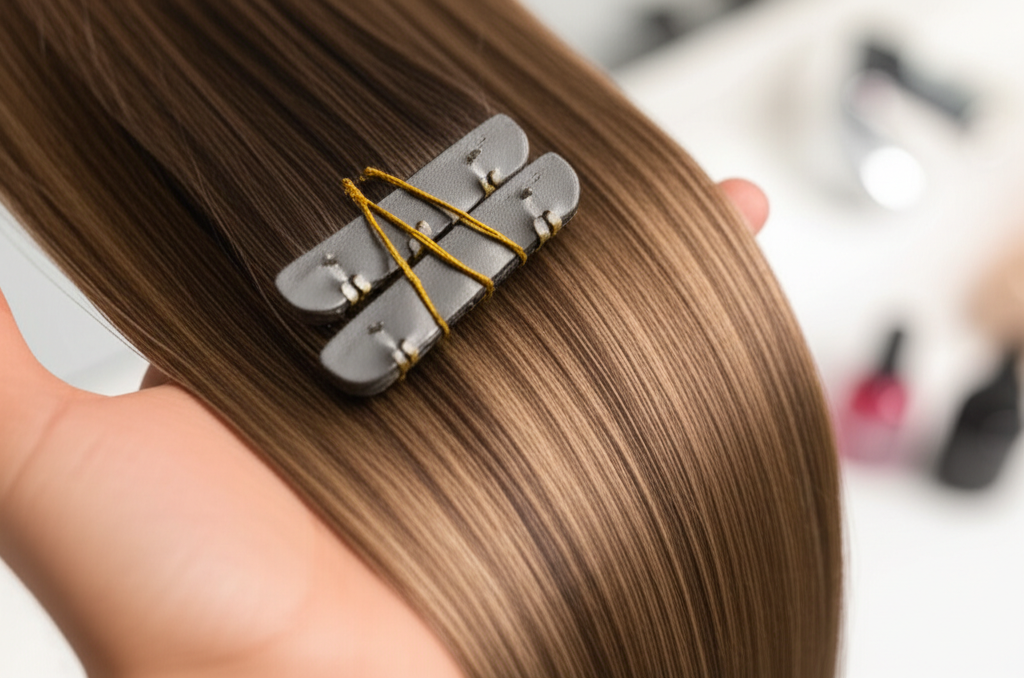
Brushing is vital for preventing tangles and keeping your extensions smooth. However, the technique matters significantly to avoid pulling on the tape bonds.
The Right Tools for the Job
Invest in a good quality, soft-bristle brush or a wide-tooth comb. Avoid brushes with harsh bristles or balls on the ends, as these can snag and pull the hair.
- Soft-Bristle Brushes: Ideal for daily brushing and smoothing.
- Wide-Tooth Combs: Excellent for detangling, especially after washing.
- Detangling Brushes: Specifically designed to glide through knots with minimal damage.
Brushing Technique for Tape-Ins
The key is to start from the bottom and work your way up.
- Start at the Ends: Begin by gently brushing the very ends of your hair, working upwards.
- Support the Roots: As you brush, use your free hand to gently hold the hair near the tape-in bonds. This provides support and prevents the tape from being pulled or loosened.
- Work in Sections: Divide your hair into manageable sections. Brush each section carefully, starting from the ends and moving upwards.
- Be Extra Gentle Around the Tapes: Pay special attention to brushing around the tape-in wefts. Ensure the brush glides smoothly over them without snagging.
- Never Brush When Soaking Wet: Wait until your hair is at least 70-80% dry before extensive brushing. Lightly detangle with a comb while still wet if necessary, but avoid vigorous brushing.
Regular brushing helps distribute natural oils and conditioner, keeping the extension hair healthy and preventing matting. It’s also crucial for maintaining a natural look by preventing tangles that can make extensions appear unkempt.
Styling Your Tape-In Extensions
Styling tape-in extensions is largely similar to styling your natural hair, but with a few precautions to protect the bonds and the extension hair itself.
Heat Styling: Temperature and Protection
Tape-in extensions can generally be heat styled, but moderation is key. High heat can damage the extension hair, causing it to become dry, brittle, or even melt the adhesive. Always use a heat protectant spray before applying any heat.
- Heat Protectant: This is non-negotiable. It creates a barrier between the heat and the hair.
- Lower Heat Settings: Use your styling tools on a medium or low heat setting whenever possible.
- Avoid Direct Heat on Tapes: Never direct the heat from your blow dryer or curling iron directly onto the tape tabs. This can weaken the adhesive and cause them to slide out.
- Styling Tools: Use quality tools. Ceramic or tourmaline-based irons and dryers distribute heat more evenly, reducing damage.
When blow-drying, hold the dryer at least six inches away from your hair and keep it moving. When curling or straightening, work in small sections and avoid holding the heat on any one area for too long.
Other Styling Considerations
When applying products like hairspray, mousse, or serums, always aim for the mid-lengths and ends of your hair. Avoid getting these products directly on the tape bonds, as they can cause them to slip or degrade.
If you plan on wearing your hair up, opt for loose styles. Tight ponytails or buns can put stress on the tape bonds. Braids are a great option for sleeping and can also be a stylish daytime look.
Sleeping with Tape-In Extensions
Proper sleeping habits can significantly impact the longevity and condition of your tape-in extensions. Tossing and turning can cause friction and tangles, leading to matting and stress on the bonds.
Best Practices for Sleep
The most recommended method is to keep your hair secured to minimize movement.
- Loose Braid: A loose, single braid is excellent. It keeps your hair contained without pulling.
- High Ponytail: A very loose, high ponytail can also work, ensuring it’s not tight against your scalp.
- Silk Pillowcase: Sleeping on a silk or satin pillowcase reduces friction compared to cotton, helping to prevent tangles and frizz.
- Protect Your Hair: Consider wearing a silk bonnet or scarf for extra protection, especially if you tend to move a lot in your sleep.
Never go to bed with your hair wet, as this can create tangles and potentially damage the extension hair. Always ensure your hair is completely dry and gently brushed before you sleep.
Maintenance and Removal
Tape-in extensions are semi-permanent, meaning they require professional maintenance and eventual removal. Understanding this timeline is crucial for healthy hair.
When to Seek Professional Help
Typically, tape-in extensions need to be moved up every 4-8 weeks, depending on your hair growth rate and how well you maintain them. During a maintenance appointment, your stylist will:
- Gently remove the extensions using a specialized tape-in remover solution.
- Cleanse your natural hair to remove any residue.
- Reapply new tape to the wefts.
- Reinstall the extensions, placing them in a fresh section of your natural hair to give your scalp a break.
Attempting to remove or reapply tape-in extensions yourself without the proper knowledge and tools can lead to significant damage to your natural hair. Always rely on a trained professional for these services. Reputable sources like the U.S. Food and Drug Administration (FDA) offer general advice on cosmetic products, underscoring the importance of safe application and removal practices for hair enhancements.
Caring for Your Natural Hair
While your extensions are in, it’s vital to continue caring for your natural hair underneath. Ensure you’re not wearing your hair too tight, and give your scalp regular gentle massages to promote circulation. When the extensions are removed, consider giving your natural hair a break and a deep conditioning treatment.
Troubleshooting Common Issues
Even with the best care, you might encounter minor issues. Knowing how to address them can save you a lot of hassle.
Dealing with Slipping Tapes
If you notice a tape tab starting to slip, it could be due to several factors: product buildup on the tape, oil from your scalp, or improper application. Avoid using heavy oils or conditioners near the roots. If a tape is slipping significantly, it’s best to contact your stylist for a quick fix before it causes damage or falls out completely.
Tangles and Matting
Tangles usually occur when hair is not brushed regularly or when sleeping without securing it. If you experience matting, do not try to force through it with a brush, as this will cause breakage. Gently work on small sections with a wide-tooth comb or your fingers, using a detangling spray or a small amount of conditioner. For severe matting, professional help is recommended.
Itchy Scalp
An itchy scalp can be caused by product buildup, a reaction to the adhesive, or even just the feeling of something new attached to your hair. Ensure you are thoroughly rinsing your hair after washing and avoiding direct contact of styling products with your scalp. If the itching persists or is severe, consult your stylist or a dermatologist, as it could indicate an allergic reaction or a scalp condition.
Product Recommendations for Tape-In Care
Choosing the right products can make a significant difference. Here’s a guide to what to look for and what to avoid.
| Product Type | Recommended Ingredients/Features | What to Avoid |
|---|---|---|
| Shampoo | Sulfate-free, Paraben-free, Alcohol-free, Moisturizing | Sulfates (SLS, SLES), Alcohol, Heavy Oils near roots |
| Conditioner | Hydrating, Glycerin, Shea Butter, Argan Oil (use on mid-lengths/ends) | Direct application to tape tabs or roots |
| Leave-In Conditioner/Serum | Lightweight, Hydrating, Shine-enhancing | Oily formulas that can weigh hair down or affect tape |
| Heat Protectant | Silicone-based or water-based sprays/serums | None, but ensure it’s applied evenly |
| Styling Products (Mousse, Hairspray) | Light hold, Alcohol-free | Heavy hold formulas, alcohol-heavy sprays near roots |
Always read product labels carefully. When in doubt, consult your hair stylist for personalized recommendations. A fantastic resource for understanding hair product ingredients is the Healthline guide on shampoo ingredients, which can help you make informed choices.
Pro Tips for Longevity
Here are a few extra tricks to help your tape-in extensions last longer and look their best:
- Deep Condition Weekly: Give your extensions some extra love with a deep conditioning mask once a week. Apply it from mid-lengths to ends, avoiding the tape.
- Protect from Chlorine and Saltwater: Before swimming, wet your hair with fresh water and apply a leave-in conditioner. This helps create a barrier. Rinse your hair thoroughly immediately after swimming.
- Avoid Over-Brushing: While brushing is important, over-brushing can cause friction and damage. Be mindful and gentle.
- Coloring Extensions: It’s generally not recommended to color tape-in extensions, especially lighter shades that have already been processed. If you must, consult a professional who has experience with extensions, but be aware that it can significantly shorten their lifespan.
- Be Mindful of Products: Avoid oil-based products like Moroccan oil or coconut oil directly at the root or tape area, as they can break down the adhesive.
Frequently Asked Questions About Tape-In Extension Care
Here are some common questions beginners have about caring for their tape-in hair extensions.
How often should I wash my tape-in extensions?
It’s best to wash your tape-in extensions no more than 2-3 times a week. Over-washing can strip moisture and weaken the adhesive. Dry shampoo can help refresh your roots between washes.
Can I sleep with my hair wet with tape-in extensions?
No, absolutely not. Sleeping with wet hair can cause matting and tangles, which are difficult to undo and can damage both your natural hair and the extensions. Always ensure your hair is completely dry before going to sleep.
Will tape-in extensions damage my natural hair?
When applied and removed correctly by a professional, and with proper at-home care, tape-in extensions should not damage your natural hair. Damage can occur if they are applied too tightly, if you pull on them, or if they are removed improperly.
How long do tape-in extensions usually last?
With proper care, tape-in extensions can last anywhere from 6 to 12 weeks. They are typically moved up by a stylist every 4-8 weeks as your natural hair grows out.
Can I swim with tape-in extensions?
Yes, you can swim with tape-in extensions, but it’s important to take precautions. Before swimming, wet your hair with fresh water and apply a leave-in conditioner or a protective oil to the ends. This helps seal the hair cuticle. After swimming, rinse your hair with fresh water as soon as possible and gently detangle. Avoid prolonged submersion in chlorinated or saltwater if possible.
What should I do if my tape-in extensions start to feel sticky or loose?
If your tape-in extensions feel sticky or loose, it’s best to contact your stylist immediately. They can assess the situation and reapply the tape or remove the extension if necessary to prevent further issues or damage to your natural hair.
Can I use regular hair products on tape-in extensions?
You can use many regular hair products, but with caution. Always opt for sulfate-free, alcohol-free, and paraben-free shampoos and conditioners. Avoid applying heavy oils, silicones, or conditioners directly to the tape bonds, as these can weaken the adhesive and cause slippage.
Conclusion
Taking care of tape-in hair extensions is an achievable and rewarding process. By understanding the gentle techniques for washing, brushing, and styling, and by choosing the right products, you can ensure your extensions remain beautiful, healthy, and seamlessly blended. Regular professional maintenance is key to their longevity and the health of your natural hair. Embrace these essential tips, and enjoy the gorgeous, voluminous hair that your tape-in extensions provide. With a little dedication to a consistent routine, your extensions will be a source of confidence and style for weeks to come.
