
Grey hair doesn’t have to announce your age to the world.
Whether you’ve spotted your first silver strand or you’re dealing with a full head of grey, the right hair color can transform your look and restore your confidence without anyone suspecting you’re covering anything at all.
The secret lies not just in choosing any color, but in selecting shades that work with your grey hair’s unique texture and your natural undertones to create a seamless, youthful appearance.
Top 17+ Hair Colors to Hide Grey Hair: The Ultimate Guide to Youthful Locks will walk you through the most effective color options, expert techniques, and insider tips that professional colorists use to make grey coverage look completely natural.
From rich chocolate browns to sun-kissed highlights, you’ll discover exactly which shades offer the best coverage for your specific grey pattern, how to maintain your color between salon visits, and which techniques can actually make grey blending work in your favor.
This isn’t about hiding who you are—it’s about choosing how you want to present yourself to the world with colors that make you feel vibrant, confident, and absolutely stunning.
1. Rich Chocolate Brown: The Classic Grey Coverage Champion
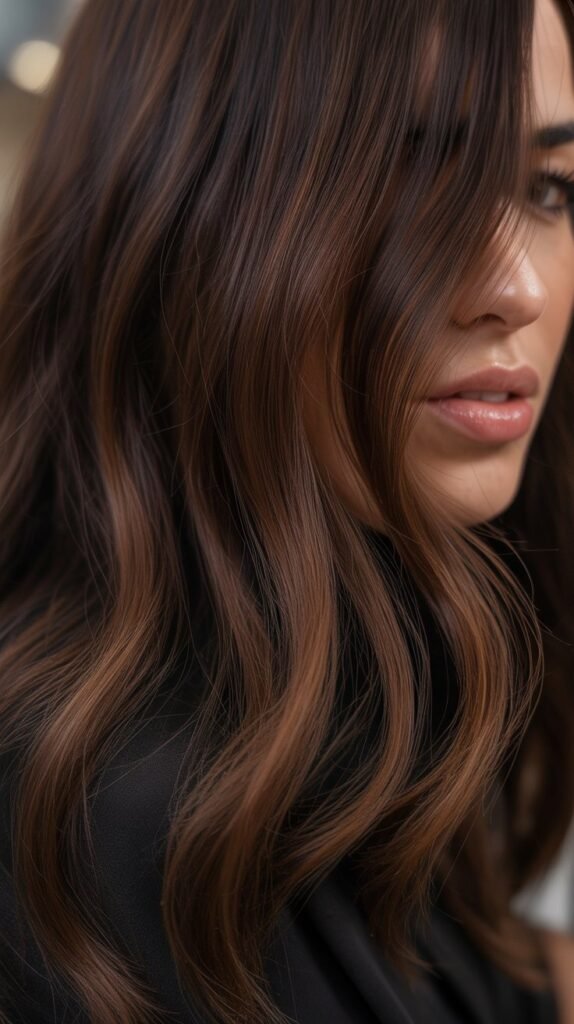
Rich chocolate brown stands as one of the most reliable and universally flattering options for concealing grey hair, particularly for those with medium to dark natural hair colors.
This deep, warm shade provides excellent opacity that thoroughly covers even the most stubborn silver strands while maintaining a natural appearance that doesn’t scream “dyed.”
Why Chocolate Brown Works So Well:
- The depth of chocolate brown contains enough pigment density to completely mask grey hairs in a single application, making it ideal for those with 50% or more grey coverage needs.
- This shade contains warm undertones that counteract the ashiness of grey hair, preventing the flat, dull appearance that sometimes occurs with cooler brown shades.
- Chocolate brown is forgiving when roots grow out, creating a softer line of demarcation compared to jet black, which means you can extend time between touch-ups.
- The color works harmoniously with most skin tones, particularly those with warm or neutral undertones, making it a safe choice for first-time color users.
Application Tips:
- For best results, permanent color formulas work better than semi-permanent options when dealing with resistant grey hair, as they provide longer-lasting coverage.
- Adding lowlights in a slightly darker shade creates dimension that makes the color look more natural and less one-dimensional.
- If your grey is concentrated around the hairline, ask your colorist about a shadow root technique that gradually transitions from your natural grey to chocolate brown.
2. Warm Caramel Highlights: Blending Grey with Brightness
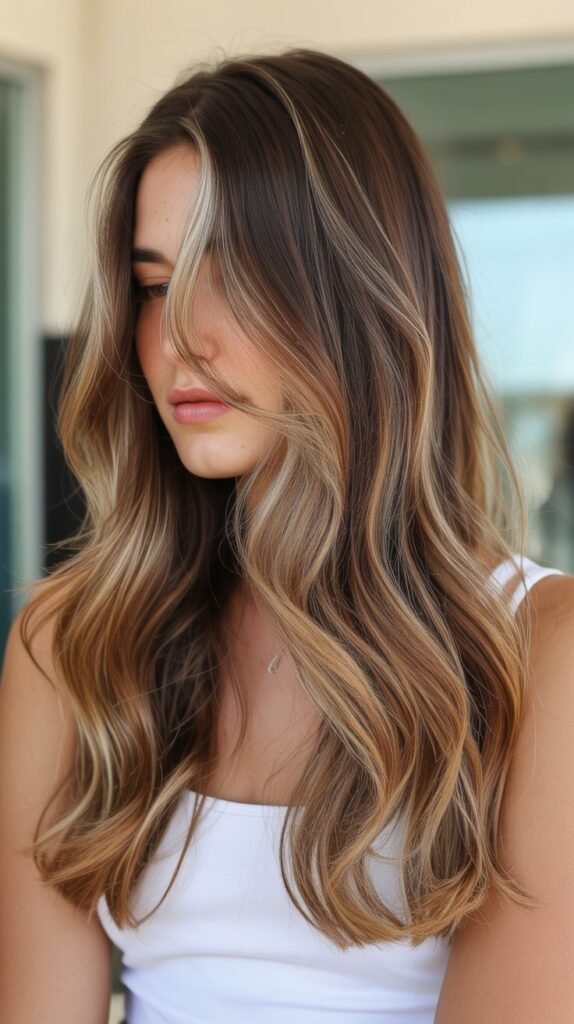
Warm caramel highlights offer a strategic approach to grey coverage by creating a multi-dimensional color pattern that literally camouflages silver strands within a tapestry of lighter tones.
Instead of fighting against your grey, this technique uses it as part of an overall blonde spectrum that looks intentional and sun-kissed.
The Science Behind Caramel Highlights:
- Grey hair naturally reflects light differently than pigmented hair, and blonde highlights mimic this reflective quality, making scattered greys less noticeable.
- The warm caramel tones prevent the brassy yellowing that sometimes occurs when covering grey with blonde, maintaining a sophisticated golden hue.
- This technique works particularly well for those with 30% or less grey coverage, as the highlights blend seamlessly with existing silver strands.
- Caramel shades complement a wide range of skin tones, especially those with warm, olive, or golden undertones.
Strategic Placement Matters:
- Face-framing highlights draw attention to your features while softening the appearance of grey at the temples and hairline.
- Babylights—ultra-fine highlights—create a more natural blend than chunky highlights and require less maintenance as they grow out.
- Combining caramel highlights with a slightly darker base color creates contrast that adds depth and makes grey less visible in the overall color scheme.
- The irregular pattern of highlights mimics natural sun-lightening, making the color appear as if you’ve spent time at the beach rather than in a salon chair.
3. Ash Brown: The Cool-Toned Grey Neutralizer
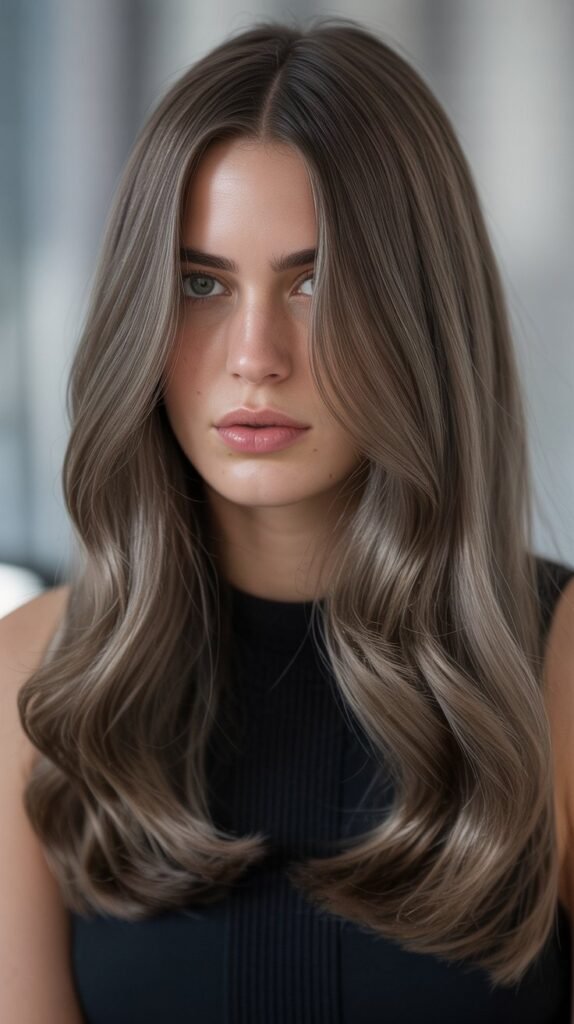
Ash brown provides a sophisticated solution for those with naturally cool undertones who want grey coverage that looks modern and refined rather than warm and brassy.
This shade is particularly effective for individuals whose grey hair has a yellowish or brassy cast that they want to neutralize.
Understanding Ash Brown Benefits:
- The cool, greyish undertones in ash brown actually work with your natural silver rather than against it, creating a cohesive color family.
- This shade prevents the orange or red tones that can emerge when covering grey with warmer browns, keeping your color looking fresh and contemporary.
- Ash brown is particularly flattering on those with cool or neutral skin tones, enhancing rather than competing with natural coloring.
- The subtle grey tones within ash brown mean that as your roots grow in, the transition is softer and less noticeable than with stark color differences.
Special Considerations:
- Ash brown requires proper maintenance with purple or blue-toned shampoos to prevent warmth from developing over time.
- This color works best when applied professionally, as achieving the right balance of ash without going too grey or flat requires expert color formulation.
- For those with warm skin tones, ash brown can appear too cool; in these cases, a neutral brown might be a better compromise.
- Ash brown pairs beautifully with silver highlights for those who want to embrace some grey while still maintaining a polished, intentional look.
4. Honey Blonde: Lightening Your Way to Grey Disguise
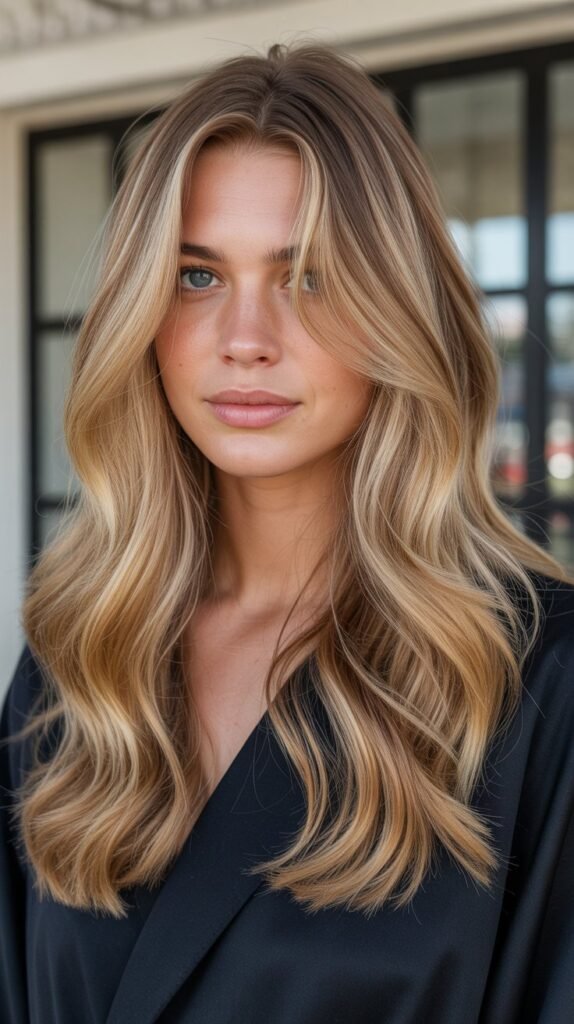
Honey blonde represents an excellent middle ground between brunette and platinum, offering warm golden tones that effectively disguise grey hair while creating a brighter, more youthful overall appearance.
This shade works particularly well for those who want to go lighter without the high maintenance that comes with platinum blonde.
Why Honey Blonde Excels at Coverage:
- The golden pigments in honey blonde have enough warmth to counteract the coolness of grey while still appearing natural and sun-kissed.
- This color creates an overall lightness that makes individual grey strands virtually invisible within the blonde matrix.
- Honey blonde works exceptionally well for those with light to medium brown natural hair who are dealing with early grey appearance (under 40% coverage).
- The warm tones are particularly flattering on those with warm or golden skin undertones, creating a harmonious, radiant look.
Maintenance and Application Strategy:
- Achieving honey blonde from darker hair with grey requires careful lifting and toning to avoid brassiness while ensuring complete grey coverage.
- This color benefits from regular toning treatments every 4-6 weeks to maintain the perfect honey hue without sliding into yellow or orange territory.
- Babylights and balayage techniques work beautifully with honey blonde, creating natural variation that makes regrowth less obvious.
- Using purple shampoo once weekly helps maintain the cool-toned balance that keeps honey blonde looking fresh rather than brassy.
5. Deep Auburn: Red Tones That Conceal and Captivate
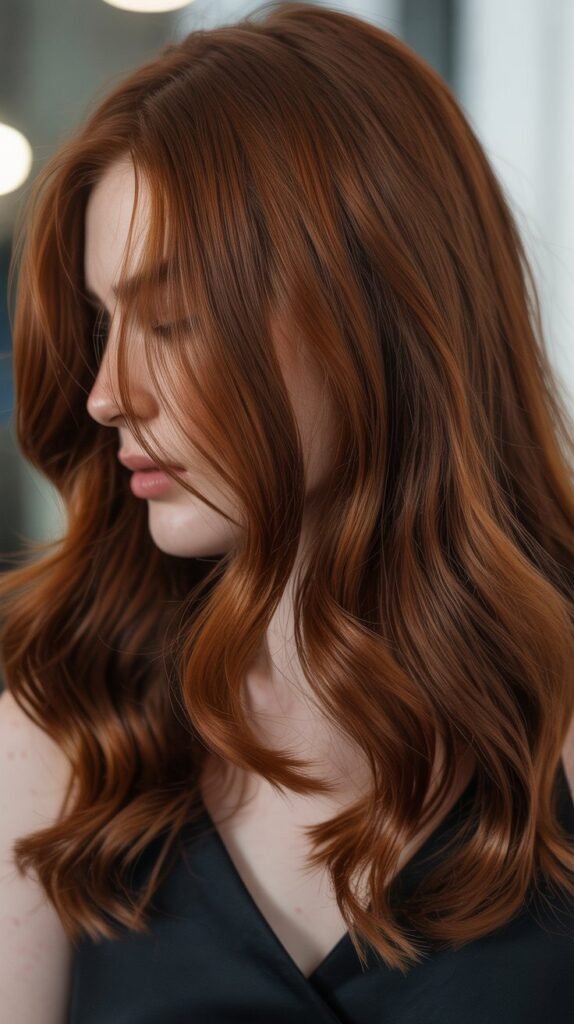
Deep auburn brings together the coverage power of dark colors with the vibrant personality of red, creating a stunning shade that completely conceals grey while making a bold yet natural statement.
This rich reddish-brown is particularly effective for those who want something more interesting than basic brown without going unnaturally bright.
The Coverage Power of Auburn:
- Red pigment molecules are some of the largest in hair color chemistry, providing exceptional opacity that thoroughly covers resistant grey hair.
- The depth of auburn means grey roots are less noticeable as they grow in compared to lighter red shades like copper or strawberry blonde.
- Auburn’s red undertones add warmth to the complexion, often creating a more youthful appearance by bringing color to the face.
- This shade works beautifully on those with warm or neutral skin tones and can even complement cool tones when formulated with the right balance.
Working with Auburn Color:
- Red pigments fade faster than other colors, so auburn requires more frequent maintenance and color-depositing treatments between salon visits.
- Using color-safe, sulfate-free shampoos specifically formulated for red hair dramatically extends the vibrancy of auburn shades.
- Deep auburn can be customized with different ratios of red to brown, allowing your colorist to create a unique shade that complements your specific features.
- Adding subtle copper or mahogany highlights creates dimension that makes the color look more natural and less flat.
6. Platinum Blonde with Lowlights: The High-Fashion Grey Solution
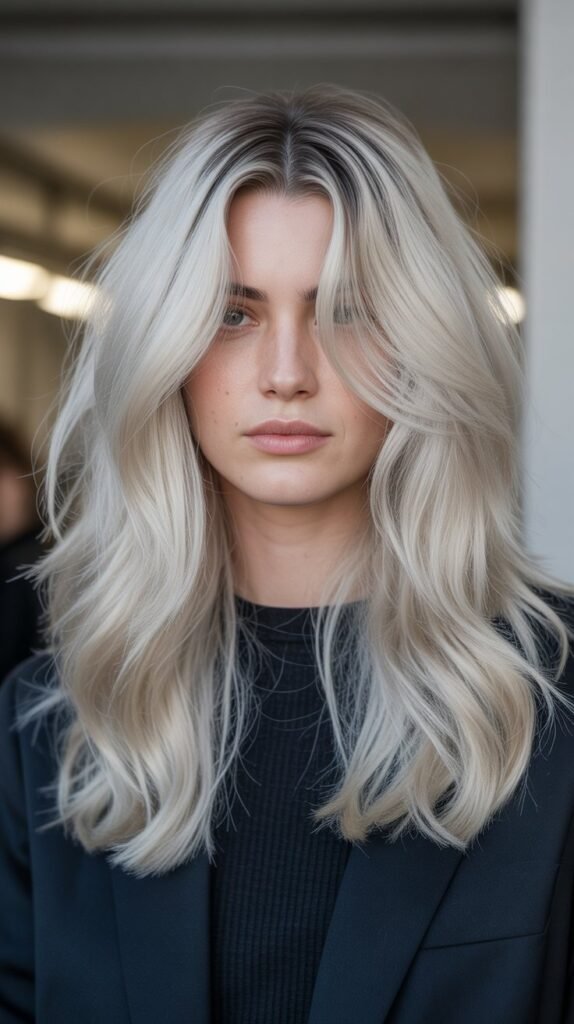
Platinum blonde with strategic lowlights represents an advanced technique that actually embraces grey hair as part of a designer color scheme, transforming silver strands into intentional highlights within a sophisticated blonde palette.
This approach works best for those with at least 50% grey who are ready to go significantly lighter.
Why This Technique Works:
- Your natural grey hair becomes indistinguishable from platinum blonde highlights, meaning you’re working with rather than against your silver strands.
- The lowlights create depth and dimension that prevent the flat, wig-like appearance that can occur with all-over platinum color.
- This is actually one of the lowest-maintenance grey coverage options once achieved, as grey roots blend seamlessly with the platinum sections.
- The high-contrast look is incredibly modern and fashion-forward, turning grey hair from a concern into a style asset.
Important Considerations:
- Achieving platinum requires significant lightening, which can be damaging if not done properly by an experienced colorist over multiple sessions.
- This color requires substantial at-home maintenance including purple shampoo, deep conditioning treatments, and heat protectants to keep hair healthy.
- Platinum works best on those with cool or neutral skin tones; warm skin tones may require adjusted formulas with slightly warmer platinum shades.
- The initial investment is higher than most grey coverage options, but the extended time between touch-ups can make it cost-effective long-term.
7. Soft Brunette Balayage: Natural Dimension Hides Grey
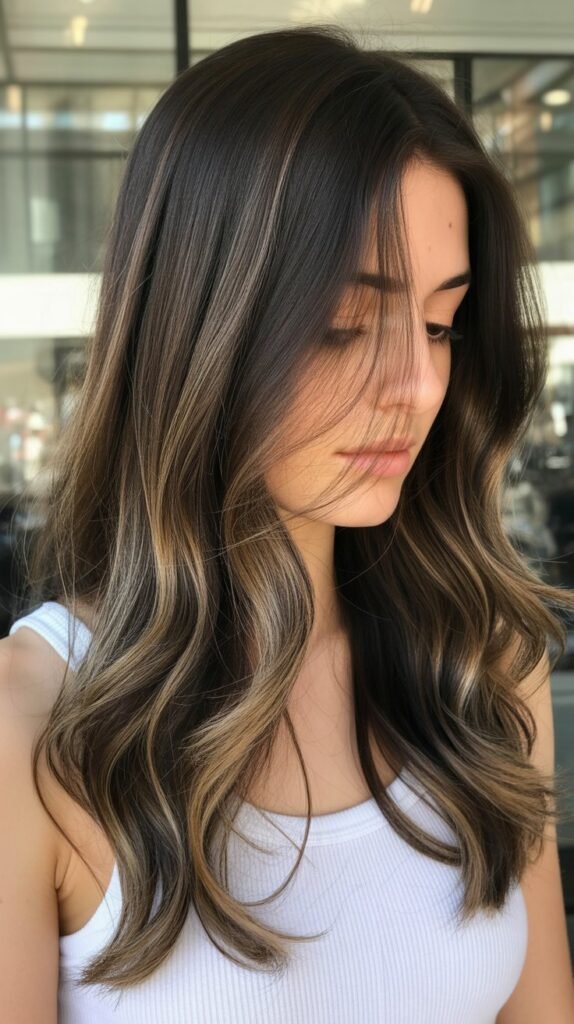
Soft brunette balayage employs a hand-painted highlighting technique that creates natural-looking dimension throughout your hair, strategically placing lighter pieces where grey tends to appear most prominently.
This technique is particularly effective for those who want grey coverage that looks like you’ve done nothing at all.
The Balayage Advantage for Grey Coverage:
- The graduated color placement means there’s no harsh line of demarcation as your hair grows, extending time between salon visits to 12-16 weeks.
- Lighter pieces are concentrated around the face and at the ends, exactly where grey often appears first, making silver strands virtually invisible.
- The variation in color from root to tip creates a three-dimensional effect that camouflages grey better than flat, one-tone color.
- Balayage looks natural and effortless, avoiding the “I dye my hair” appearance that some grey coverage techniques create.
Customizing Your Balayage:
- The base color should be chosen based on your natural shade before grey, typically one to two shades darker for maximum grey coverage.
- Highlighting tones can range from caramel to honey to beige blonde, depending on whether you have warm or cool undertones.
- The colorist can adjust the intensity of lightening based on your grey percentage—more grey requires more highlights to create effective camouflage.
- Adding a gloss treatment every 6-8 weeks maintains vibrancy and enhances the multidimensional effect.
8. Jet Black: Maximum Coverage for Stubborn Greys
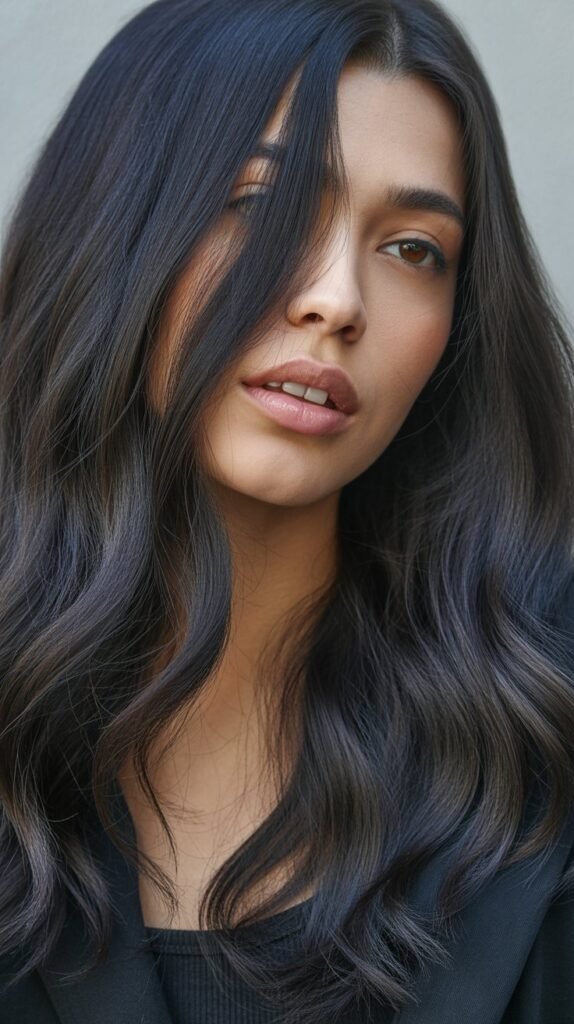
Jet black delivers the most intense grey coverage available, completely saturating hair with pigment that leaves no trace of silver behind.
This dramatic shade is best suited for those with naturally very dark hair who have significant grey coverage needs and want a bold, striking look.
The Power of Black Hair Color:
- Black pigment provides 100% opacity, covering even the most resistant grey hair that might show through with lighter shades.
- The intensity of black means fewer salon visits are needed to maintain coverage, as the pigment lasts longer than lighter colors.
- For those with naturally black or very dark brown hair, this shade looks completely natural and simply restores their original color.
- Jet black creates a high-contrast look that can actually be quite flattering, particularly when paired with bold makeup and strong features.
Critical Considerations:
- Black shows the most obvious regrowth line when grey roots come in, requiring precise touch-ups every 4-6 weeks for a polished appearance.
- This shade can be aging on some individuals, particularly those with very fair skin or softer facial features, as it creates stark contrast.
- Black is the most difficult color to remove from hair, so if you want to go lighter later, it requires professional color correction that can be damaging.
- Adding subtle highlights or a blue-black sheen can soften pure black and add dimension that makes it more flattering.
9. Sandy Blonde: Light Coverage for Fine Grey Strands
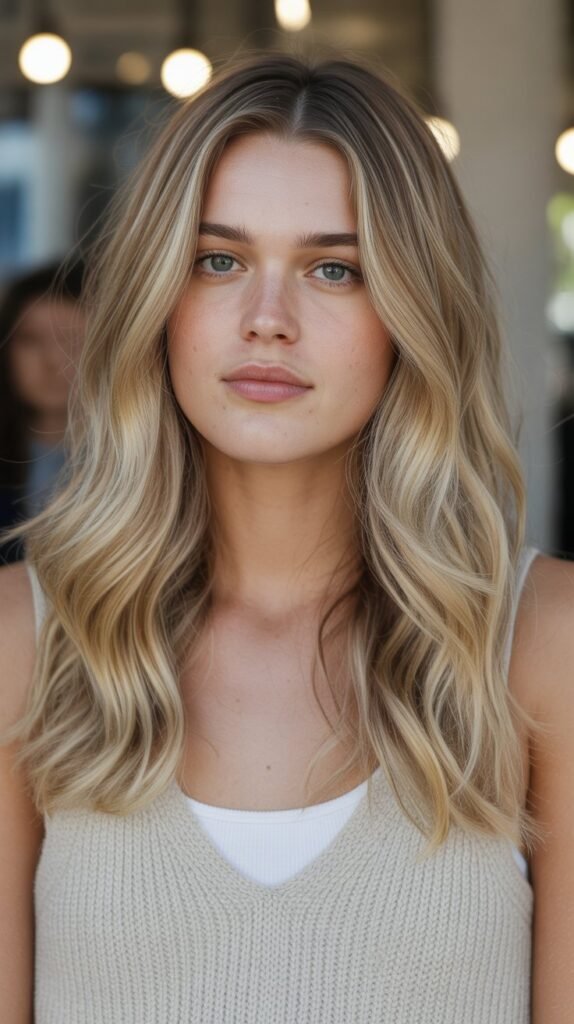
Sandy blonde offers a subtle, natural-looking approach to grey coverage that works exceptionally well for those with naturally light brown or dark blonde hair who are experiencing early grey (under 30% coverage).
This shade brings warmth and dimension while gently disguising silver strands.
Why Sandy Blonde Works for Grey:
- The beige and neutral tones in sandy blonde sit close enough to grey on the color spectrum that silver strands blend rather than contrast.
- This shade is perfect for those who want to lighten their overall look while addressing grey, creating a brighter, more youthful appearance.
- Sandy blonde requires less maintenance than many other options because the soft color allows roots to blend more naturally as they grow.
- The neutral tone works across various skin tones, particularly those with neutral or cool undertones.
Application Techniques:
- All-over sandy blonde color can be combined with lighter babylights to create variation that further disguises scattered grey hairs.
- A root shadow technique keeps natural roots slightly darker, extending time between touch-ups while maintaining the overall sandy blonde effect.
- For those with warmer skin tones, adding golden lowlights prevents the color from looking too ashy or washed out.
- Toning treatments every 6-8 weeks maintain the perfect sandy hue and prevent any brassiness from developing.
10. Espresso Brown: Deep Coverage with Warmth
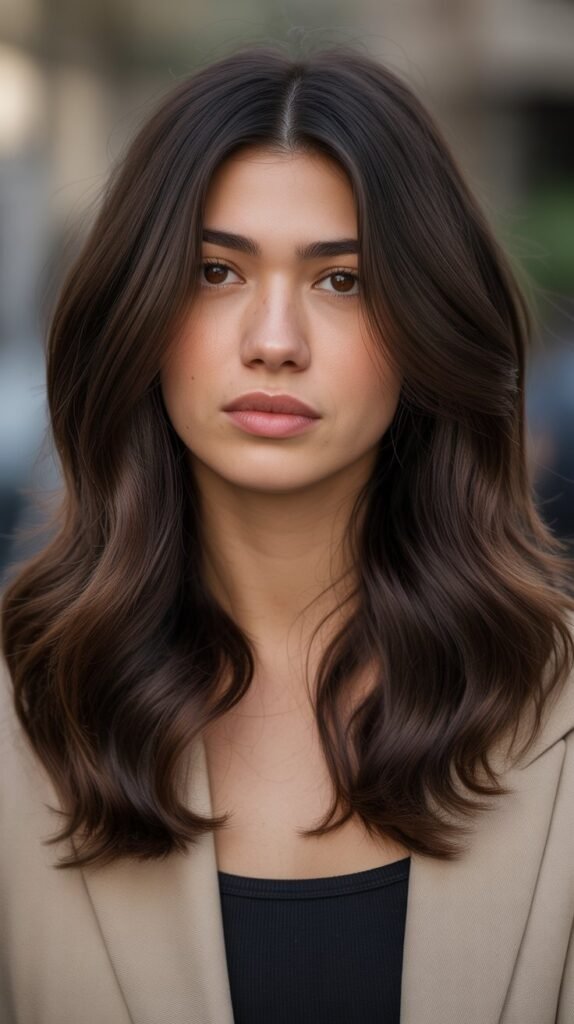
Espresso brown combines the coverage power of very dark brown with rich, warm undertones that prevent the flatness sometimes associated with black hair color.
This sophisticated shade is ideal for those who want maximum grey coverage without the harshness of pure black.
The Espresso Advantage:
- The near-black depth provides excellent opacity for covering high percentages of grey while still appearing natural and multidimensional.
- Warm undertones in espresso brown add richness that complements most skin tones and prevents the ashy appearance grey can create.
- This shade shows less obvious regrowth than jet black, allowing you to extend time between touch-ups by a week or two.
- Espresso brown can be enhanced with subtle caramel or mahogany highlights that add dimension while maintaining the overall dark appearance.
Maintenance Requirements:
- Color-depositing conditioners in dark brown shades help extend the life of espresso color between salon visits.
- This shade requires protection from sun exposure, which can cause warm tones to become brassy or develop red undertones over time.
- Using sulfate-free shampoos prevents premature fading and maintains the rich, deep color that provides effective grey coverage.
- A gloss treatment every 6 weeks revives shine and deepens the color, ensuring continued grey coverage and vibrancy.
11. Mushroom Brown: The Trendy Grey Blender
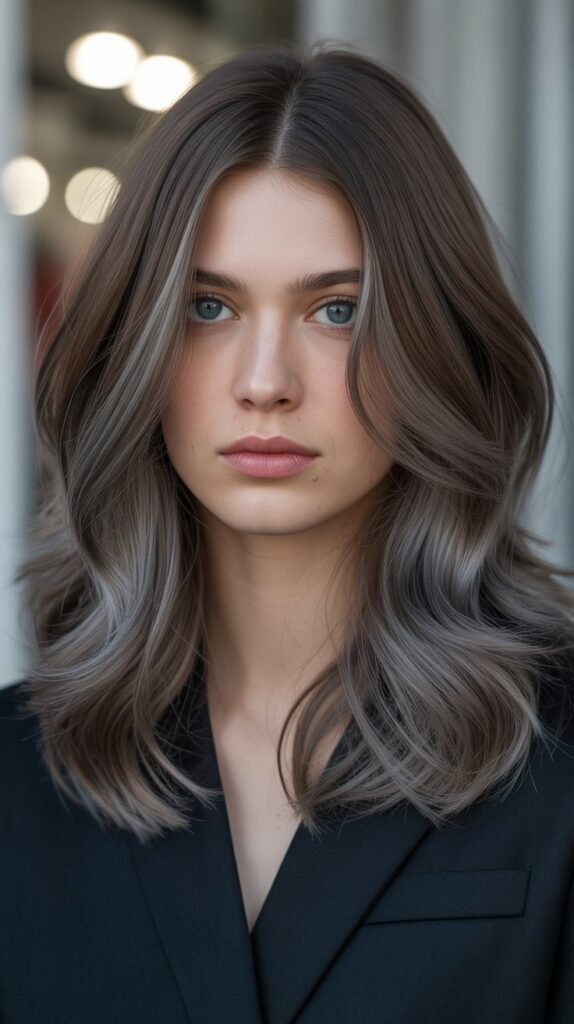
Mushroom brown has emerged as one of the most sophisticated modern hair colors, blending cool brown tones with subtle grey undertones to create a shade that actually works with your natural silver rather than trying to hide it completely.
This contemporary color is perfect for those who want to reduce the appearance of grey while maintaining a natural, low-maintenance look.
Why Mushroom Brown Is Different:
- The grey-ish brown tone means your natural grey hairs blend into the overall color scheme rather than standing out as contrasting strands.
- This shade is incredibly forgiving as roots grow in, making it one of the lowest-maintenance grey coverage options available.
- Mushroom brown works beautifully on those with cool or neutral skin tones and complements modern, understated style aesthetics.
- The subtle, muted quality of this color looks expensive and sophisticated rather than obviously dyed.
Creating the Perfect Mushroom Shade:
- The base color should be a medium brown with cool, ashy undertones rather than warm or golden tones.
- Babylights in slightly lighter ash blonde create the characteristic dimensional quality of mushroom brown.
- A toner with violet or blue undertones neutralizes any warmth and maintains the cool, greyish quality that makes this color work.
- This shade pairs beautifully with a lived-in root, allowing 2-3 inches of natural grey growth without looking unkempt.
12. Copper Red: Vibrant Coverage with Personality
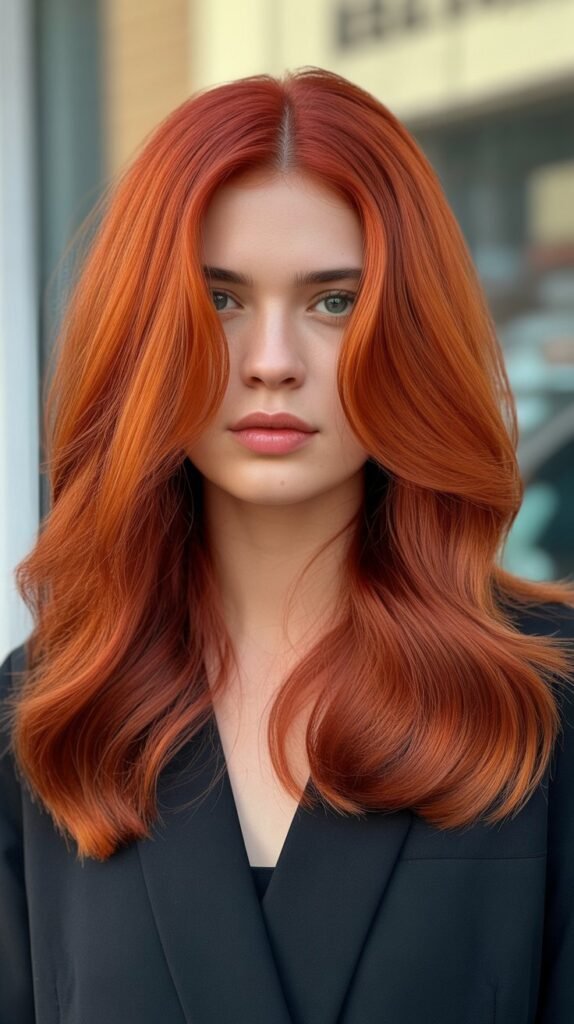
Copper red brings energy and vibrancy to grey coverage, utilizing the exceptional hiding power of red pigments while creating a warm, eye-catching shade that makes a statement.
This color works particularly well for those with warm skin tones who want their hair color to reflect their bold personality.
The Coverage Chemistry of Copper:
- Red copper pigments are molecularly large, providing superior coverage for resistant grey hair that might show through other colors.
- The bright, warm nature of copper actually reflects light in a way that makes remaining grey strands less noticeable.
- This shade adds warmth to the complexion, often creating a more youthful, vibrant overall appearance.
- Copper works exceptionally well on those with green or hazel eyes, creating a complementary color palette.
Maintaining Copper Vibrancy:
- Red tones fade faster than any other hair color, requiring weekly color-depositing treatments to maintain vibrancy between salon visits.
- Cold water washing and sulfate-free shampoos specifically formulated for red hair are essential for longevity.
- Avoiding heat styling or using heat protectants prevents the oxidation that causes copper to fade to brassy orange tones.
- Root touch-ups should be done every 4-5 weeks to maintain coverage, as grey roots are more visible against vibrant copper than against neutral browns.
13. Icy Platinum: Embracing Grey as a Feature
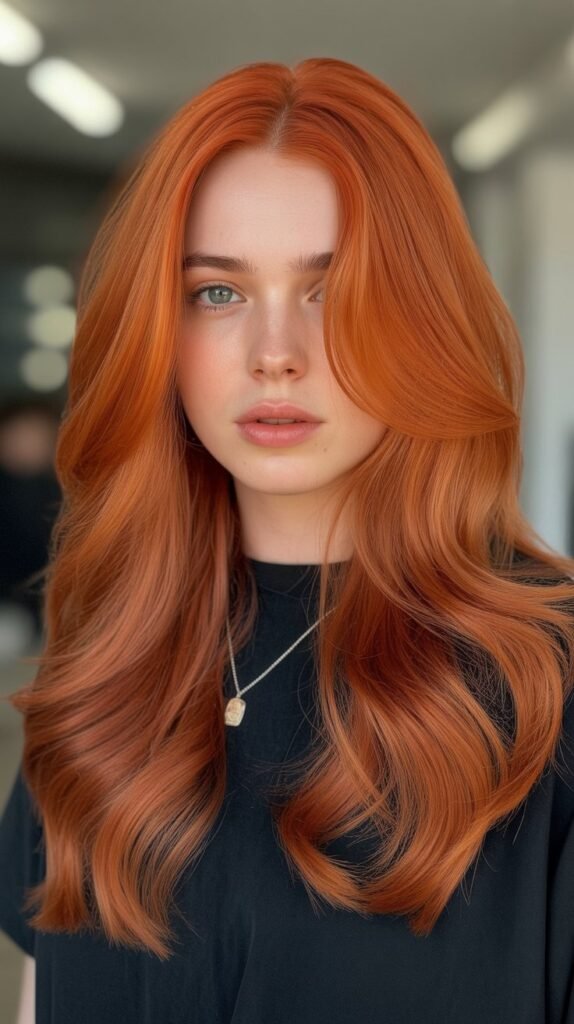
Icy platinum takes an entirely different approach to “covering” grey by transforming your entire head of hair into a similar cool-toned blonde that makes grey indistinguishable from deliberate color.
This works best for those with 60% or more grey who are ready to embrace rather than hide their silver.
The Revolutionary Approach:
- Instead of covering grey, this technique lightens all pigmented hair to match your natural silver, creating a uniform cool blonde.
- Once achieved, maintenance is minimal—grey roots simply blend into the overall icy color scheme rather than contrasting.
- This ultra-modern look has become increasingly popular as celebrities and influencers embrace their natural grey in stylized ways.
- Icy platinum works best on those with cool skin tones and can be incredibly striking and fashion-forward.
The Process and Commitment:
- Achieving icy platinum requires professional bleaching and toning, often over multiple sessions to protect hair health.
- This color requires significant at-home maintenance including purple shampoo 2-3 times weekly to prevent yellowing.
- Deep conditioning treatments are essential to maintain hair health after the lightening process required to achieve this shade.
- While root maintenance is minimal, toner touch-ups every 6-8 weeks keep the color icy rather than warm or brassy.
14. Chestnut Brown with Golden Highlights: Warm Dimension
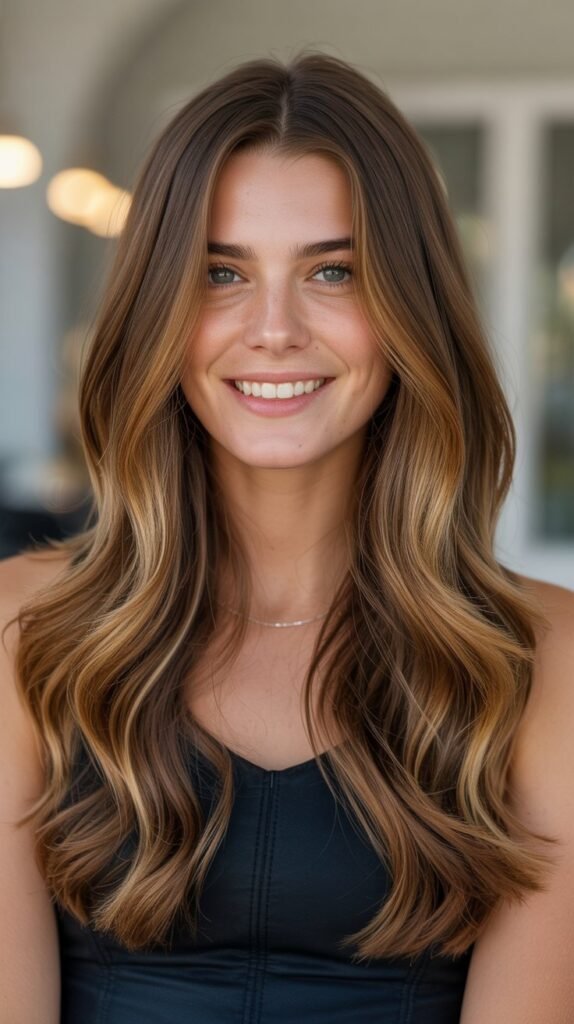
Chestnut brown paired with golden highlights creates a warm, multidimensional look that effectively camouflages grey while adding brightness and movement to your hair.
This combination is particularly flattering for those with warm or neutral skin tones who want natural-looking grey coverage.
The Multidimensional Approach:
- The medium-brown base provides solid coverage for grey hair while the golden highlights create light-reflecting points that draw attention away from any remaining silver.
- Varied tones throughout the hair create a natural appearance that mimics how sun naturally lightens hair, making the color look effortless.
- The warmth of both chestnut and golden tones works together to counteract the coolness of grey, preventing ashy or dull appearance.
- This color combination is forgiving as it grows out, with the dimensional quality making regrowth less obvious than flat color.
Strategic Color Placement:
- Face-framing golden highlights brighten the complexion and draw focus to your features rather than your hairline.
- Balayage application of highlights creates a natural graduation that requires less frequent maintenance than traditional foiled highlights.
- The chestnut base should be applied primarily at the roots for maximum grey coverage, with highlights concentrated from mid-shaft to ends.
- A gloss treatment combining both warm brown and golden tones unifies the overall look while adding brilliant shine.
15. Burgundy: Deep Red Coverage with Sophistication
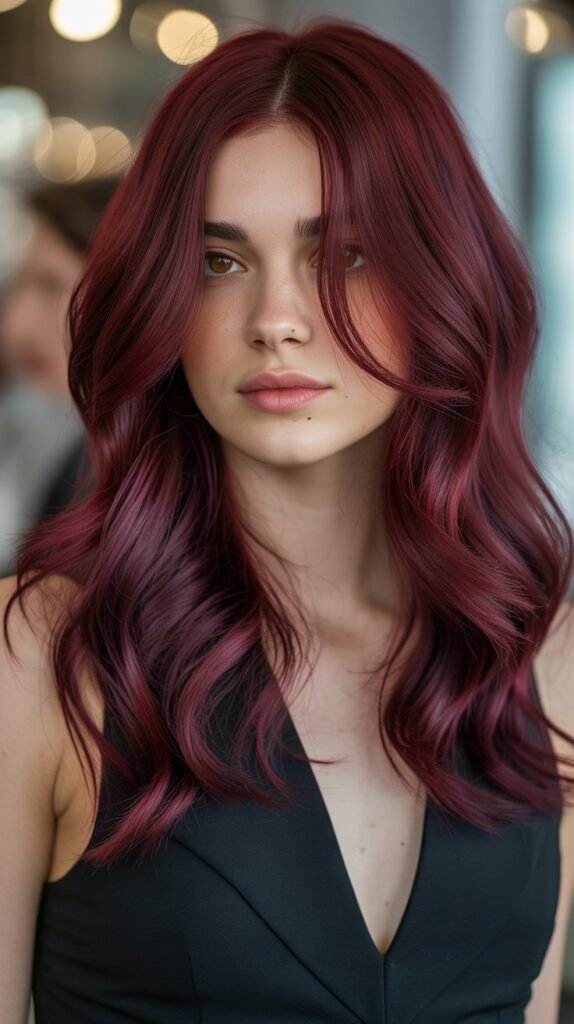
Burgundy offers a sophisticated take on red hair color, combining the coverage power of deep brown-red pigments with a rich, wine-inspired hue that looks elegant and intentional.
This shade is perfect for those who want grey coverage with a refined, distinctive look.
Why Burgundy Excels:
- The depth of burgundy provides excellent opacity for covering even stubborn grey hair while the red undertones add warmth and interest.
- This shade is more subtle than bright reds but more interesting than basic brown, striking a perfect balance for professional environments.
- Burgundy complements a wide range of skin tones, particularly those with cool or neutral undertones.
- The dark base means grey regrowth is less obvious than with lighter reds, extending time between touch-ups.
Color Maintenance Strategy:
- Burgundy requires color-depositing treatments between salon visits to maintain the red tones that distinguish it from basic brown.
- Using cool water for washing and limiting heat styling prevents the oxidation that can turn burgundy brassy or faded.
- A color gloss every 4-6 weeks refreshes the burgundy tone and maintains the depth that provides grey coverage.
- Sun protection is essential, as UV exposure can cause burgundy to fade to an unintended orange or copper tone.
16. Beige Blonde: Neutral Tones for Seamless Coverage
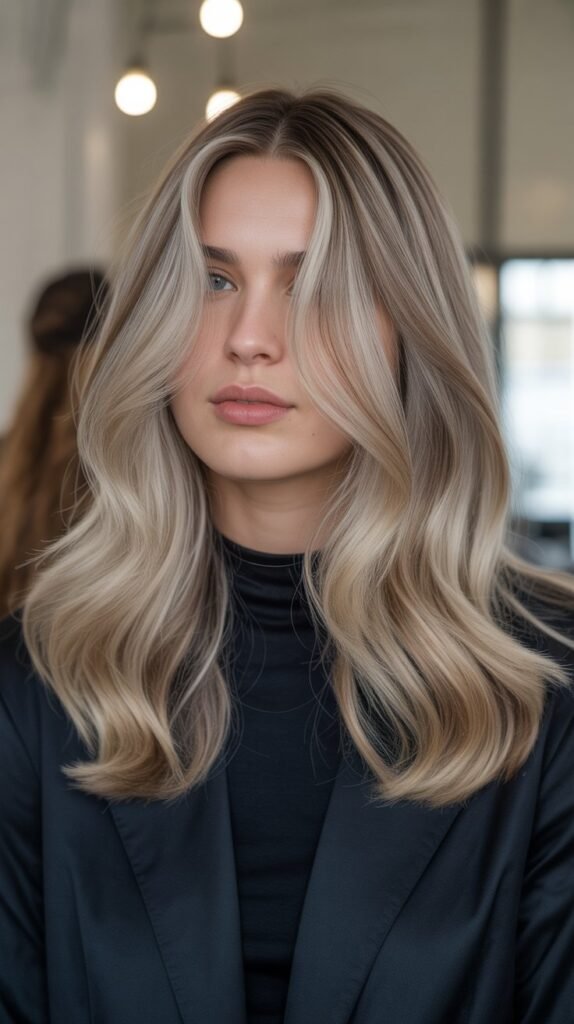
Beige blonde strikes the perfect balance between warm and cool tones, creating a neutral blonde that effectively disguises grey while looking natural and contemporary.
This versatile shade works across various skin tones and is particularly effective for those with 40% or less grey coverage.
The Neutral Advantage:
- Beige blonde contains enough warmth to prevent the washed-out appearance of ash blonde but enough coolness to avoid brassiness.
- The neutral nature of this shade means it sits close to natural grey on the color spectrum, allowing silver strands to blend seamlessly.
- This color works universally across cool, warm, and neutral skin tones, making it a safe choice for those unsure about undertones.
- Beige blonde creates a soft, natural look that appears effortless rather than obviously colored.
Achieving and Maintaining Beige Blonde:
- The right formula requires balancing gold and ash tones, which typically requires professional color knowledge to achieve correctly.
- Alternating between purple and blue shampoos helps maintain the neutral balance without the color swinging too warm or too cool.
- This shade benefits from regular toning every 6-8 weeks to refresh the beige tone and prevent any color shift.
- Babylights or balayage in slightly lighter beige tones add dimension that further camouflages scattered grey hairs.
17. Salt and Pepper Blend: Intentional Grey Integration
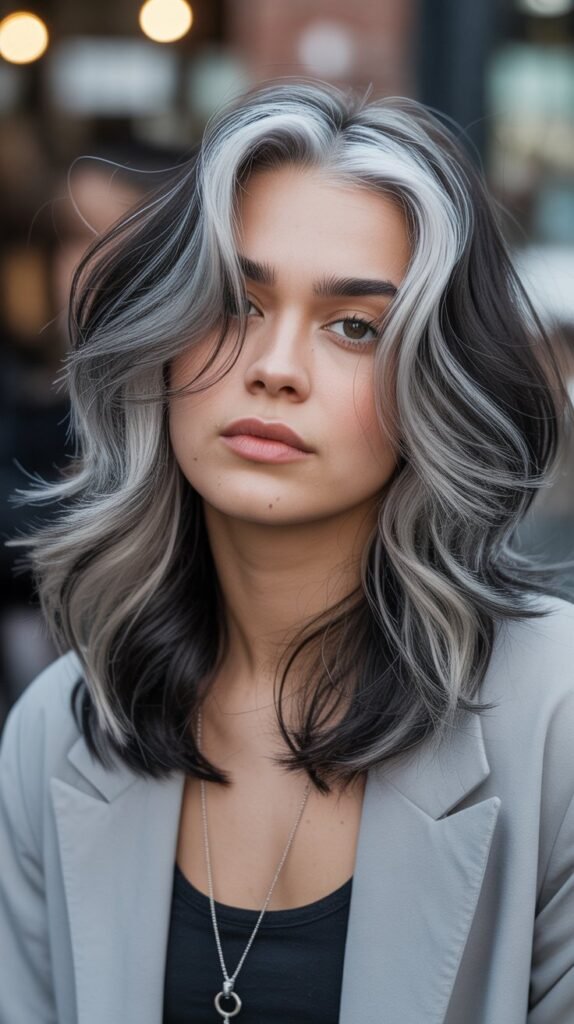
The salt and pepper blend represents a transformative approach that embraces your natural grey while adding strategic darker tones to create an intentional, stylized look that appears deliberate rather than neglected.
This technique works best for those with 50% or more grey who want a modern, low-maintenance option.
The Philosophy Behind Salt and Pepper:
- Rather than covering grey, this technique adds darker lowlights that create a peppered effect, making your grey appear to be a design choice.
- The contrast between silver and darker tones creates dimension and visual interest that makes the overall look more dynamic than all-grey or all-colored hair.
- This is one of the lowest-maintenance grey “coverage” options, as continued grey growth simply adds to the salt and pepper effect.
- The look has become increasingly popular as grey hair is embraced as a fashion statement rather than something to hide.
Creating the Perfect Blend:
- Strategic placement of darker lowlights, typically in shades of charcoal or deep brown, creates contrast without overwhelming the natural silver.
- The colorist should vary the thickness and placement of lowlights to create a natural, irregular pattern rather than uniform streaks.
- A silver toner applied to grey sections enhances the cool, metallic quality and prevents grey from looking yellow or dingy.
- This technique works particularly well when paired with a modern, edgy haircut that emphasizes the intentional nature of the color.
Additional Expert Tips for Long-Lasting Grey Coverage
Beyond choosing the right color, maintaining effective grey coverage requires understanding the science of hair color and implementing proper care routines. These expert strategies will help you maximize the longevity of your color while keeping your hair healthy and vibrant.
Pre-Color Preparation:
- Deep conditioning treatments one week before coloring strengthen hair structure, allowing it to better accept and hold color pigments.
- Avoiding clarifying shampoos for 2-3 days before coloring prevents excessive dryness that can lead to uneven color absorption.
- Grey hair is often more resistant to color due to its different texture, so professional colorists may recommend a pre-softening treatment for better results.
- Communicating your complete color history to your stylist, including any previous henna or metallic dyes, prevents unexpected chemical reactions.
Between-Color Maintenance:
- Color-depositing shampoos and conditioners extend the life of your color by adding small amounts of pigment with each wash.
- Washing hair in cool or lukewarm water rather than hot water prevents color molecules from being lifted out of the hair shaft.
- Limiting washing to 2-3 times per week preserves color longer, using dry shampoo between washes to absorb oil without stripping color.
- UV protection sprays shield hair from sun damage that causes color fading, particularly important for red and blonde shades.
Professional vs. At-Home Touch-Ups:
- Root touch-up kits can be effective between salon visits but should match your exact professional color formula for seamless results.
- At-home color works best for root coverage rather than all-over application, which should be left to professionals every 3-4 months.
- Investing in professional color initially creates a foundation that’s easier to maintain at home with quality touch-up products.
- Grey-blending techniques like root smudging can be done professionally to extend time between full color applications.
Understanding Your Grey Hair Type for Better Color Choices
Not all grey hair is created equal, and understanding your specific type of grey will help you choose the most effective color strategy. The texture, percentage, and distribution of your grey hair all influence which colors and techniques will work best for your individual needs.
Grey Hair Texture Variations:
- Coarse grey hair has a thicker diameter and is more resistant to color penetration, requiring longer processing times or stronger formulas.
- Fine grey hair accepts color more readily but may fade faster due to its thinner structure and smaller capacity for pigment molecules.
- Wiry grey hair often has a different curl pattern than your original hair and may require smoothing treatments before color for even application.
- Understanding your grey texture helps your colorist adjust the processing time and formula strength for optimal coverage.
Grey Distribution Patterns:
- Temple and hairline grey (most common) is best addressed with face-framing highlights or strategic root coverage.
- All-over salt and pepper grey (evenly distributed) works well with dimensional techniques like balayage or the intentional salt and pepper blend.
- Crown and top grey (less common) can be covered with lowlights that add depth while maintaining lighter ends.
- Patchy grey (clusters in certain areas) benefits from babylights or microfoils that create irregular patterns mimicking the natural distribution.
Percentage of Grey Coverage:
- Under 25% grey: Can often be disguised with highlights alone without need for full base color.
- 25-50% grey: Benefits most from dimensional color techniques that blend rather than fully cover.
- 50-75% grey: Requires solid base color coverage with dimensional highlights for best results.
- Over 75% grey: May be best served by embracing grey with strategic darkening or choosing very light colors that blend with natural silver.
18. The Role of Skin Tone in Choosing Grey-Covering Colors
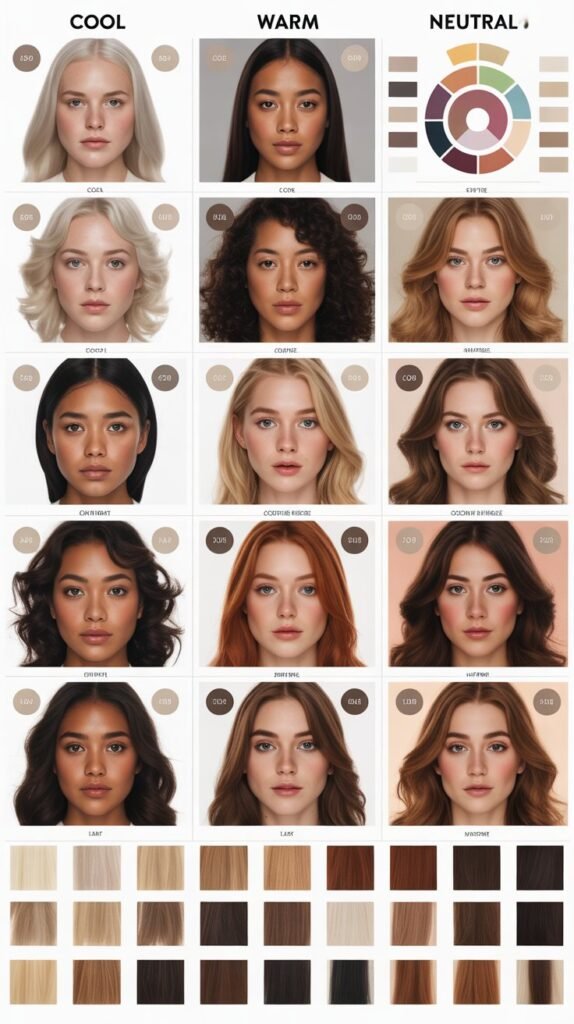
Selecting the perfect grey-covering hair color goes far beyond simply picking a shade you like—understanding your skin’s undertones is critical to choosing colors that harmonize with your natural coloring and create a youthful, flattering appearance.
The right color can brighten your complexion, while the wrong one can make you look washed out or aged.
Identifying Your Undertone:
- Cool undertones are characterized by pink, red, or blue hues beneath the skin surface and look best in jewelry made of silver or platinum.
- Warm undertones feature yellow, peachy, or golden hues and are typically complemented by gold jewelry.
- Neutral undertones contain a balance of both cool and warm characteristics and can wear both silver and gold jewelry equally well.
- The vein test provides a quick assessment: blue or purple veins indicate cool undertones, while green veins suggest warm undertones.
Color Matching for Cool Undertones:
- Ash brown, mushroom brown, and platinum shades complement cool skin by echoing its natural undertones without creating clash.
- Avoid overly warm colors like golden blonde or copper red, which can make cool-toned skin appear sallow or tired.
- Burgundy and deep auburn with cool red tones work beautifully, providing warmth without fighting against your natural coloring.
- Icy platinum and salt and pepper blends create a harmonious, modern look that enhances rather than competes with cool skin.
Color Matching for Warm Undertones:
- Honey blonde, caramel highlights, chocolate brown, and copper red enhance the golden quality of warm skin tones.
- Steer clear of ash tones or colors with strong grey undertones, which can make warm skin appear dull or lifeless.
- Chestnut brown with golden highlights creates a luminous effect that brings out the natural warmth in your complexion.
- Deep auburn and espresso brown with warm undertones add richness that complements golden or olive skin beautifully.
Color Matching for Neutral Undertones:
- Beige blonde, soft brunette balayage, and most medium brown shades work wonderfully with neutral skin’s versatility.
- You have the flexibility to experiment with both warm and cool tones, making you an ideal candidate for multidimensional color.
- Sandy blonde and mushroom brown offer sophisticated options that neither clash nor fade into your neutral coloring.
- Consider seasonal adjustments—warmer tones in summer and cooler tones in winter—to complement changing skin tone throughout the year.
19. Seasonal Adjustments for Optimal Grey Coverage
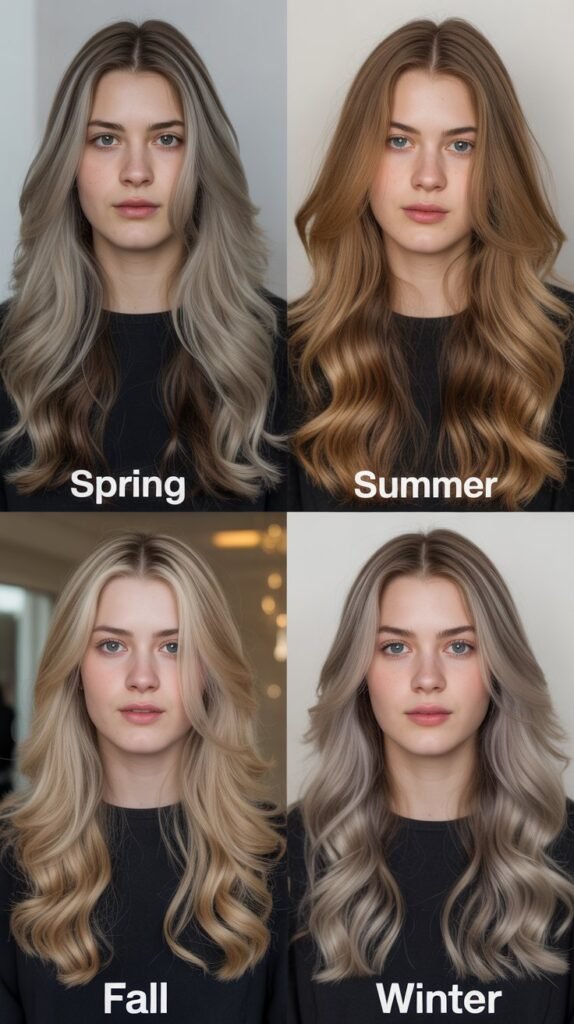
Your hair color strategy for covering grey doesn’t have to remain static throughout the year—seasonal adjustments can keep your look fresh, natural, and perfectly suited to changing light conditions and your evolving style preferences.
Understanding how to adapt your color seasonally ensures you always look your best.
Spring Color Transitions:
- Lightening your base color by one shade and adding brighter highlights creates a fresh, renewed appearance that mirrors the season’s energy.
- Warm caramel or honey tones added to your existing color bring sun-kissed brightness without compromising grey coverage.
- This is an ideal time to try dimensional techniques like balayage if you’ve been wearing solid color, as the natural variation suits spring’s transitional quality.
- Consider adding face-framing highlights that catch the increasing sunlight and draw attention to your features as you spend more time outdoors.
Summer Maintenance Strategies:
- Sun exposure can lighten and brighten hair naturally, so slightly deeper root color provides better grey coverage that won’t appear too light mid-season.
- Copper and auburn shades may need more frequent toning to prevent sun-induced brassiness from developing.
- Adding UV protection products becomes essential to prevent color fade and maintain grey coverage throughout summer months.
- Beachy, lived-in color with intentional root shadow allows you to extend time between appointments despite increased sun and water exposure.
Fall Color Deepening:
- Enriching your color with deeper, warmer tones like chocolate brown, espresso, or burgundy suits fall’s cozy aesthetic while maintaining coverage.
- Adding lowlights in darker shades creates depth that’s perfect for autumn and provides extra insurance against grey showing through.
- This is an excellent time to transition from summer highlights to more solid coverage if you’ve noticed increased grey growth.
- Warm, spicy tones like deep auburn or chestnut brown complement fall fashion colors and create a cohesive seasonal look.
Winter Color Strategy:
- Cooler, ashier tones often look more sophisticated during winter months and complement the season’s fashion palette.
- Deeper, richer colors require less maintenance during months when you’re less exposed to sunlight and pool chemicals.
- This is an ideal time for more dramatic changes like going platinum or trying icy tones, as indoor lighting flatters cool colors.
- Focus on maintaining shine and condition through deep treatments, as winter weather can dull hair and make grey coverage appear less vibrant.
20. The Best Hair Care Products for Maintaining Grey Coverage
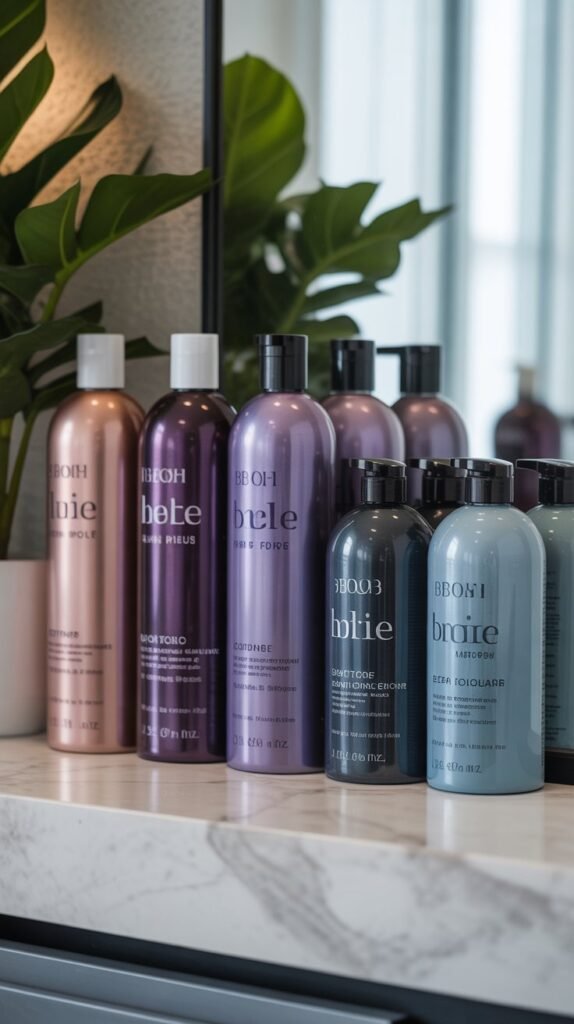
Investing in the right hair care products is just as important as choosing the perfect color—quality maintenance products protect your color investment, extend time between salon visits, and keep your hair healthy despite repeated coloring.
These product categories are essential for anyone covering grey hair.
Color-Protecting Shampoos and Conditioners:
- Sulfate-free formulas prevent premature color fade by cleaning hair without stripping color molecules from the hair shaft.
- Products specifically formulated for your color family (brown, red, blonde) contain pigments that deposit small amounts of matching color with each wash.
- pH-balanced formulas close the hair cuticle after washing, locking in color and preventing grey from becoming visible as color fades.
- Limit washing to 2-3 times weekly maximum, as every wash removes some color molecules regardless of product quality.
Toning and Color-Depositing Treatments:
- Purple shampoo neutralizes yellow or brassy tones in blonde and platinum hair, keeping grey coverage looking fresh and intentional.
- Blue shampoo works similarly for brunettes, preventing orange tones that can develop as brown color fades.
- Red-depositing conditioners are essential for auburn, copper, and burgundy shades, which fade faster than any other color family.
- Weekly color-depositing masks provide more intensive pigment renewal than daily shampoos and can extend salon visits by several weeks.
Deep Conditioning and Repair Treatments:
- Weekly deep conditioning masks restore moisture that chemical processing removes, keeping hair healthy enough to hold color properly.
- Protein treatments strengthen hair structure damaged by repeated coloring, preventing breakage and maintaining the appearance of thick, healthy hair.
- Bond-building treatments repair internal hair bonds broken during coloring, particularly important for those going lighter or using frequent color.
- Leave-in conditioners provide daily protection and moisture that prevents dryness from making grey coverage appear dull or faded.
Heat Protection and Finishing Products:
- Heat protectant sprays create a barrier between hot tools and hair, preventing heat-induced color fade and damage.
- UV protection products shield hair from sun damage that breaks down color molecules and causes premature fading.
- Color-enhancing glosses and glazes add brilliant shine while refreshing color between salon visits.
- Anti-humidity products prevent frizz that can make grey roots more visible and maintain the sleek appearance of freshly colored hair.
Recommended Product Investment Strategy:
- Professional salon products typically contain higher-quality ingredients and more concentrated formulas than drugstore options, making them more cost-effective long-term.
- Starting with color-safe shampoo and conditioner provides the foundation, then adding specialized treatments as budget allows.
- Color-depositing products offer the best return on investment for extending color life and maintaining grey coverage between appointments.
- Consulting your colorist about specific product recommendations ensures you’re using formulas compatible with your exact color service.
Common Grey Coverage Mistakes to Avoid
Even with the best color choice and quality products, certain mistakes can sabotage your grey coverage efforts, leading to premature fading, damage, or unnatural-looking results. Learning what to avoid is just as important as knowing what to do when managing grey hair with color.
Color Selection Errors:
- Choosing colors too far from your natural shade creates obvious, high-maintenance regrowth that requires frequent touch-ups.
- Going too dark can be aging and harsh, while going too light may not provide sufficient coverage for your grey percentage.
- Ignoring your skin tone when selecting color leads to unflattering results that can make you appear washed out or sallow.
- Attempting to replicate someone else’s color without considering your unique grey pattern, texture, and coloring rarely produces the desired outcome.
Application and Processing Mistakes:
- Overlapping color onto previously colored hair during root touch-ups causes damage, breakage, and uneven color from roots to ends.
- Under-processing grey hair (not leaving color on long enough) results in incomplete coverage that allows silver to show through within days.
- Over-processing can damage hair and cause color to appear flat, dull, or unnaturally dark.
- Applying box color from drugstores without professional consultation often results in color that’s too harsh, doesn’t match previous color, or damages hair.
Maintenance Missteps:
- Using clarifying shampoos or products containing sulfates strips color rapidly, requiring more frequent recoloring.
- Washing hair in hot water opens the cuticle and releases color molecules, causing premature fading.
- Swimming in chlorinated pools without protection can turn hair green (for blonde/platinum) or cause significant color fade.
- Failing to use heat protection before styling tools accelerates color fade and damages hair structure.
Home Color Disasters:
- Attempting major color changes at home, such as going from dark to blonde or covering significant grey for the first time, rarely produces professional results.
- Using permanent color for entire head repeatedly causes cumulative damage, when only roots need permanent color and lengths need demi-permanent refresh.
- Mixing different brands or formulas of at-home color can produce unpredictable results due to different chemical compositions.
- Leaving color on too long to “ensure coverage” causes over-processing that damages hair and can create unnaturally dark, flat color.
Timeline and Touch-Up Errors:
- Waiting too long between touch-ups makes grey more obvious and requires more dramatic application, creating demarcation lines.
- Touching up too frequently causes overlap damage and unnecessary chemical processing that weakens hair.
- Changing colors or techniques too often prevents your colorist from refining your formula and creating the perfect custom shade.
- Not communicating with your colorist about concerns or dissatisfaction leads to repeated results you’re unhappy with.
Professional vs. At-Home Grey Coverage: Making the Right Choice
Deciding between professional salon services and at-home color kits is one of the most important choices you’ll make in your grey coverage journey. Both options have merit depending on your specific situation, budget, and desired results—understanding the true differences helps you make an informed decision.
When Professional Color Is Essential:
- First-time grey coverage should always be done professionally to establish proper base color and ensure even application on virgin hair.
- Significant color changes, such as going more than two shades lighter or darker, require professional expertise to achieve safely.
- High percentages of grey (over 50%) benefit from professional formulation that ensures complete coverage without over-processing.
- Complex techniques like balayage, highlights, lowlights, and color melting require professional skills and cannot be replicated at home.
Advantages of Salon Services:
- Professional colorists assess your unique hair type, grey pattern, and skin tone to create customized formulas that work specifically for you.
- Salon color lines contain higher-quality ingredients and more concentrated pigments that provide better coverage and longevity.
- Even application is guaranteed, preventing the patchy, uneven results that often occur with self-application.
- Professional colorists can adjust the formula during processing if needed, something impossible with pre-mixed box color.
When At-Home Color Can Work:
- Simple root touch-ups between professional full-color appointments can extend salon visits and reduce costs.
- Maintaining the same color you’ve been using professionally is feasible with quality at-home formulas that match your salon shade.
- Those with minimal grey (under 25%) and medium to dark hair often achieve acceptable results with quality drugstore color.
- Budget constraints may make at-home color necessary, though investing in better quality at-home products produces significantly better results than basic box color.
Choosing Quality At-Home Products:
- Professional take-home color kits from your salon match your exact formula and provide better results than generic drugstore options.
- Semi-permanent or demi-permanent formulas are safer for at-home use than permanent color, which carries higher risk of damage.
- Root touch-up applicators designed specifically for grey coverage provide more precise application than traditional bottles or bowls.
- Investing in quality at-home products from professional brands produces results closer to salon services than budget options.
Hybrid Approach for Best Results:
- Professional all-over color every 3-4 months establishes the base and maintains hair health through expert application.
- At-home root touch-ups between professional visits extend your salon color and keep grey covered without excessive cost.
- Professional glossing or toning every 6-8 weeks refreshes your color and adds shine even if you’re doing roots at home.
- Consulting your colorist about at-home maintenance ensures your between-appointment care aligns with your professional services.
Cost-Benefit Analysis:
- Professional color costs $75-$300+ depending on technique and salon, while quality at-home color costs $15-$40.
- Damaged hair from poor at-home application requires expensive corrective color, often exceeding what professional maintenance would have cost.
- Professional color lasts longer due to better formulation and application, potentially requiring fewer total applications annually.
- The confidence and peace of mind from knowing your color looks professional is worth consideration beyond pure financial cost.
The Science Behind Grey Hair and Why Certain Colors Work Better
Understanding the biological and chemical reasons why hair turns grey and why certain colors provide better coverage helps you make informed decisions about your color choices and maintenance routines. This scientific foundation explains why some techniques work better than others for grey coverage.
Why Hair Turns Grey:
- Hair color comes from melanin pigment produced by cells called melanocytes located in hair follicles.
- As we age, melanocytes gradually produce less melanin, eventually stopping entirely, resulting in colorless (grey or white) hair.
- Grey hair isn’t actually grey—it’s hair without pigment that appears grey when mixed with still-pigmented hair.
- The rate and pattern of greying is primarily genetic, though stress, smoking, and certain medical conditions can accelerate the process.
How Grey Hair Differs from Pigmented Hair:
- Grey hair often has a coarser, wirer texture because the absence of melanin changes the protein structure of the hair strand.
- The cuticle layer of grey hair can be more resistant to color penetration, requiring longer processing times or stronger formulas.
- Grey hair may be more porous in some individuals and less porous in others, affecting how it accepts and holds color.
- The lack of underlying pigment means grey hair can appear more transparent and reflect light differently than pigmented hair.
Why Some Colors Provide Better Coverage:
- Darker colors contain more pigment molecules, providing higher opacity that completely masks the absence of natural pigment.
- Red pigments are the largest molecules in hair color chemistry, which is why auburn and burgundy shades provide excellent grey coverage.
- Warmer tones help counteract the cool, ashy appearance of grey hair, creating more natural-looking results.
- Multiple-toned techniques like balayage provide better visual coverage because the varied colors camouflage grey within an intentional pattern.
The Chemistry of Permanent vs. Semi-Permanent Color:
- Permanent color opens the hair cuticle with alkaline agents (usually ammonia), allowing small color molecules to penetrate and then oxidize into larger molecules that can’t escape.
- Semi-permanent color deposits color molecules on the hair surface without opening the cuticle, providing gentler but less durable coverage.
- Demi-permanent color slightly penetrates the cuticle without permanently altering hair structure, offering a middle ground between semi and permanent.
- Grey hair often requires permanent color for reliable coverage because its resistant texture needs cuticle-opening for effective pigment penetration.
Why Grey Hair Fades Differently:
- Without underlying pigment to support artificial color, grey hair can fade more quickly as color molecules wash out.
- The porous or resistant nature of grey hair affects how well it initially accepts color and how long that color lasts.
- Grey hair in sun-exposed areas fades faster due to UV radiation breaking down color molecules without natural melanin to protect them.
- The protein changes in grey hair can cause color to oxidize differently, sometimes developing unexpected tones as it fades.
Conclusion
Discovering the perfect shade to cover your grey hair is a deeply personal journey that combines science, artistry, and self-expression.
Throughout Top 17+ Hair Colors to Hide Grey Hair: The Ultimate Guide to Youthful Locks, we’ve explored an extensive range of options from rich chocolate browns and vibrant coppers to sophisticated platinum blends and modern mushroom tones, each offering unique advantages for different grey patterns, skin tones, and lifestyle preferences.
The key to successful grey coverage lies not in fighting against your natural hair but in working with it strategically, whether through complete coverage with deeply pigmented colors, dimensional techniques that camouflage silver within intentional patterns, or even embracing grey as a design element with the salt and pepper approach.
Remember that your hair color is one of the most noticeable aspects of your appearance and has the power to enhance your features, complement your skin tone, and reflect your personality while giving you the confidence that comes from looking your absolute best.
By understanding your unique grey pattern, selecting colors that harmonize with your natural undertones, investing in quality products and professional services when needed, and maintaining your color with proper care routines, you can achieve grey coverage that looks so natural and beautiful that no one would ever guess you’re covering anything at all.
The ultimate goal isn’t just hiding grey hair—it’s creating a polished, youthful, vibrant version of yourself that makes you feel confident and beautiful every single day.
