
Getting cornrows is just the beginning of your hair journey, not the end. Whether you’re rocking cornrows for style, convenience, or to protect your natural hair, knowing how to maintain them properly makes all the difference between looking sharp and dealing with itchiness, frizz, or even hair damage.
Many men invest time and money into getting the perfect cornrow style, only to watch it deteriorate within days because they didn’t know the essential care techniques.
This comprehensive guide on 36 Smart Care Cornrow Care Tips Every Man Should Know will walk you through everything from pre-braiding preparation and daily maintenance routines to scalp health strategies and sleep protection methods.
You’ll discover how to extend the life of your cornrows, keep your scalp healthy and comfortable, prevent common problems like buildup and breakage, and ensure your hair underneath stays strong and growing.
Whether this is your first time getting cornrows or you’re a seasoned veteran looking to upgrade your care routine, these expert-backed tips will help you maintain fresh, clean, and healthy cornrows that look professionally done from the first day to the last.
1. Prepare Your Hair Properly Before Getting Cornrows
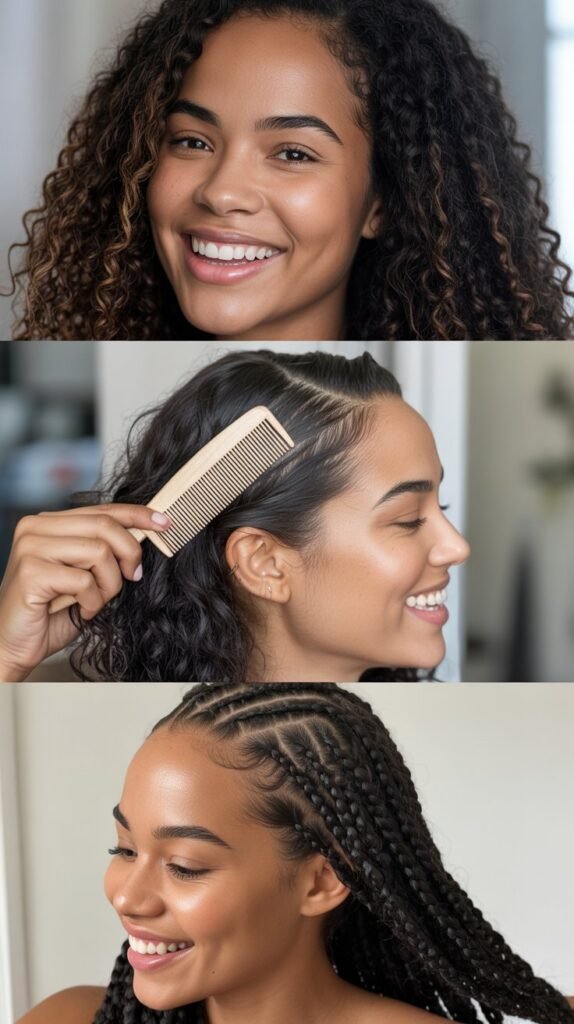
Before your braiding appointment, proper preparation sets the foundation for healthy, long-lasting cornrows. Many men skip this crucial step and wonder why their cornrows don’t last or cause scalp issues.
- Wash your hair thoroughly 1-2 days before your appointment with a clarifying shampoo to remove all product buildup, oils, and dirt
- Deep condition your hair to ensure it’s moisturized and strong enough to withstand the tension of braiding
- Trim any split ends or damaged hair that could worsen while braided
- Detangle your hair completely using a wide-tooth comb to make the braiding process smoother and less painful
- Avoid applying heavy oils or products right before braiding as they can cause slippage and reduce cornrow longevity
2. Choose The Right Braider And Communicate Your Needs
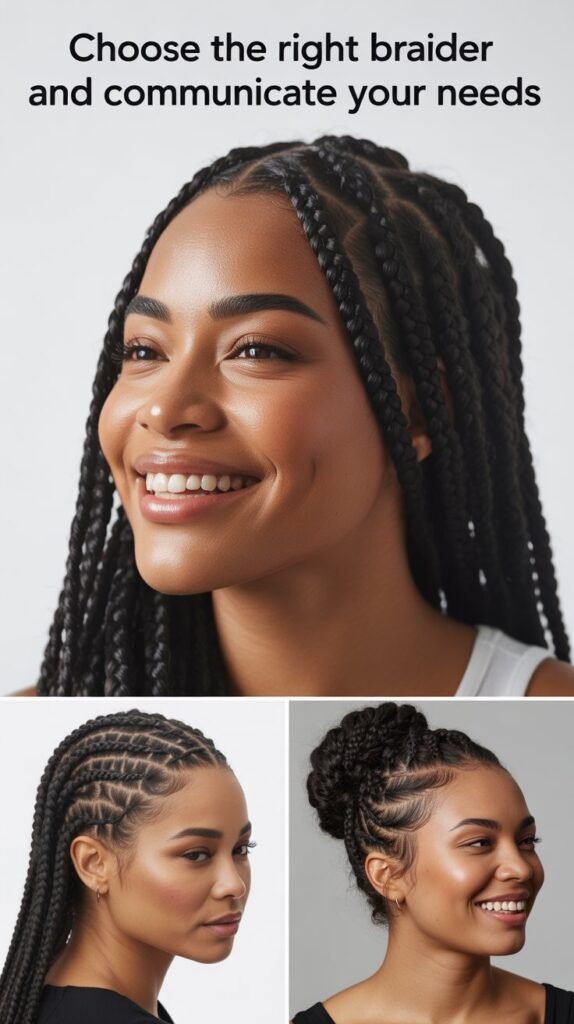
The skill of your braider directly impacts the health of your hair and scalp. Finding the right professional and clearly communicating your expectations prevents unnecessary damage and disappointment.
- Research braiders through reviews on platforms like Yelp, Instagram, or Google before booking an appointment
- Look at their portfolio to ensure their cornrow style matches what you want
- Communicate clearly about how tight you want your braids—too tight causes tension alopecia and scalp damage
- Ask about their sanitization practices to ensure clean tools and a hygienic environment
- Discuss how long you plan to keep the cornrows in so they can adjust their technique accordingly
- Don’t hesitate to speak up during the braiding process if you feel excessive pain or discomfort
3. Understand The Ideal Cornrow Tension
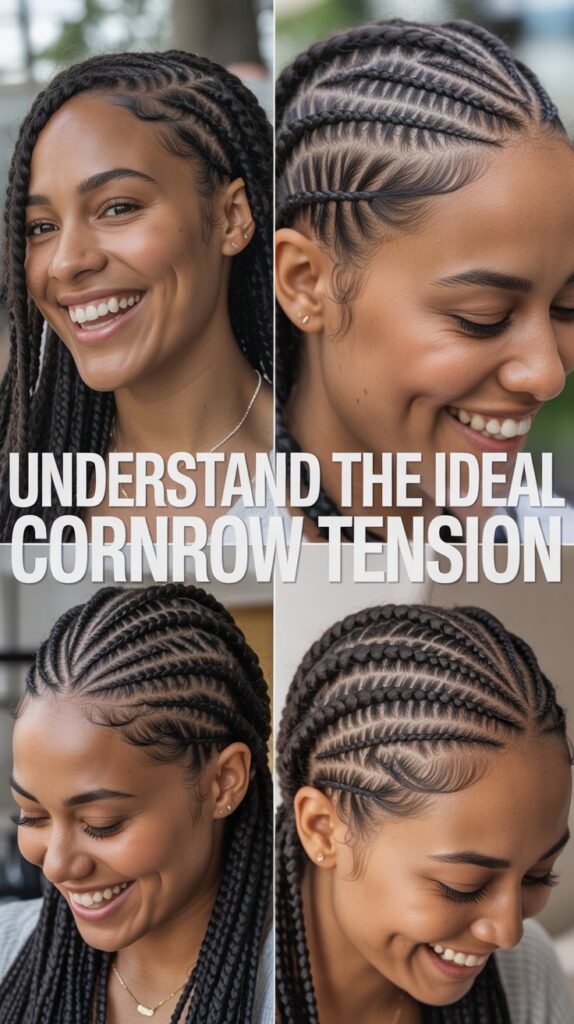
Proper tension is the most critical factor in preventing hair loss and scalp damage. Many men suffer from traction alopecia because their cornrows are braided too tightly.
- Your cornrows should feel secure but not painful—if you feel constant pulling or headaches, they’re too tight
- The “tender-headed” sensation should disappear within 24-48 hours after braiding
- Avoid braiders who believe “beauty is pain”—this mindset leads to permanent hair loss
- Check your hairline and edges in the mirror after braiding—if the skin looks shiny, stretched, or white, the braids are dangerously tight
- Request that your braider uses a lighter hand, especially around the hairline and temple areas which are most vulnerable
4. Moisturize Your Scalp Regularly

A well-moisturized scalp prevents itching, flaking, and dryness that can make wearing cornrows uncomfortable. Your scalp needs attention even when your hair is braided.
- Apply a light oil or moisturizing spray to your scalp every 2-3 days using an applicator bottle with a nozzle tip
- Focus on areas that feel dry or itchy, gently massaging the product in without disturbing the braids
- Use lightweight oils like jojoba, sweet almond, or grapeseed oil that won’t cause buildup
- Avoid heavy butters or thick oils that can clog your pores and attract dirt
- Consider products specifically designed for braids and locs that penetrate easily
5. Keep Your Cornrows Clean
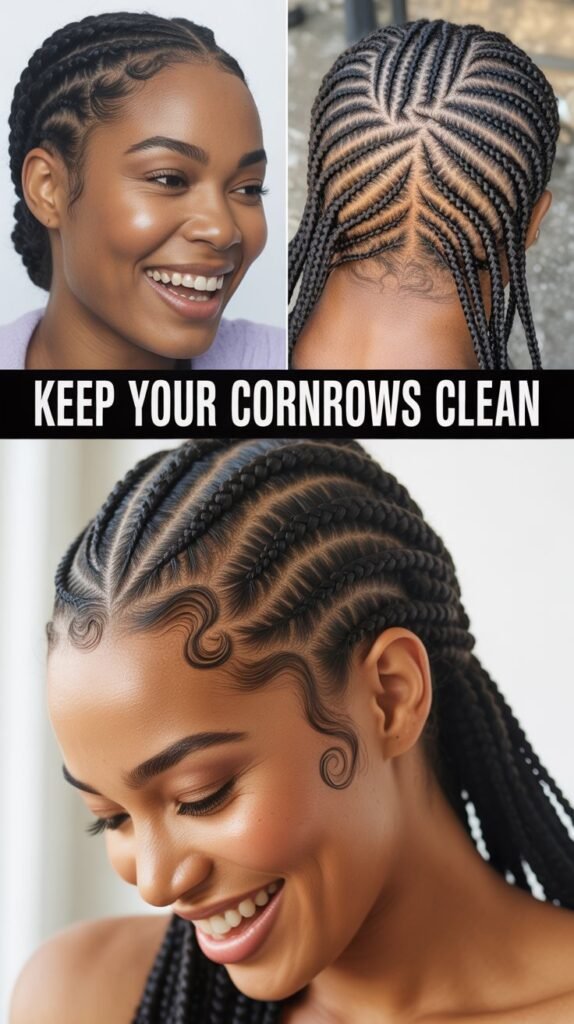
Clean cornrows last longer and keep your scalp healthy. Many men avoid washing their cornrows out of fear they’ll frizz, but proper cleansing is essential.
- Wash your cornrows every 1-2 weeks depending on your activity level and how much you sweat
- Dilute shampoo with water in an applicator bottle to make it easier to apply directly to your scalp
- Focus the shampoo on your scalp rather than the braids themselves to prevent excessive frizzing
- Rinse thoroughly in the direction of your cornrows using gentle water pressure
- Avoid rubbing or scrubbing motions that can cause frizz and unraveling
- Pat dry with a microfiber towel and allow to air dry completely before covering
6. Address Itchiness Without Damaging Your Style
Scalp itchiness is one of the most common complaints about cornrows, but scratching can damage both your braids and your scalp. There are better solutions.
- Apply witch hazel or a soothing scalp spray with tea tree oil directly to itchy areas
- Use the pads of your fingers to gently massage itchy spots rather than scratching with your nails
- Try a medicated dandruff shampoo if the itching is caused by scalp buildup or seborrheic dermatitis
- Apply aloe vera gel to soothe inflammation and calm irritation
- Keep your scalp moisturized as dryness is a primary cause of itching
- If itching persists beyond the first week or worsens, consult a dermatologist as it may indicate an allergic reaction or infection
7. Protect Your Cornrows While Sleeping
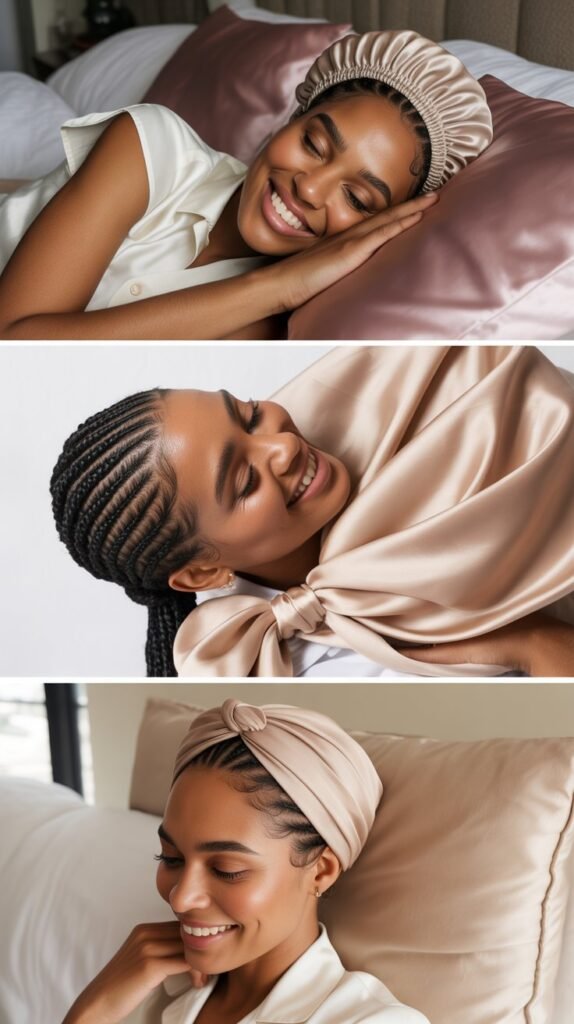
Nighttime protection is essential for maintaining neat cornrows and preventing frizz. What you do before bed determines how your cornrows look in the morning.
- Wear a satin or silk durag every night to reduce friction and maintain smoothness
- Alternatively, sleep on a satin or silk pillowcase if you find durags uncomfortable
- Avoid cotton materials that absorb moisture and create friction that leads to frizz
- Ensure your durag or bonnet covers all your cornrows completely, including the back and sides
- Tie your durag snugly but not so tight that it causes headaches or leaves marks on your forehead
8. Maintain Your Hairline And Edges
The hairline and edges are the most fragile parts of your hair and require special attention when wearing cornrows. Neglecting these areas leads to permanent hair loss.
- Ask your braider to leave your hairline slightly looser than the rest of your cornrows
- Apply castor oil or an edge control product specifically designed for strengthening to your hairline nightly
- Massage your hairline gently in circular motions to stimulate blood flow and promote growth
- Avoid styles that pull excessively on your edges—opt for cornrows that flow backward rather than pulling forward or to the sides
- Give your hairline a break between protective styles to allow recovery time
- If you notice thinning or recession, remove your cornrows immediately and consult a dermatologist
9. Avoid Over-Manipulation
Constantly touching, pulling, or adjusting your cornrows causes premature frizzing and loosening. The less you manipulate them, the longer they last.
- Resist the urge to constantly touch or rub your cornrows throughout the day
- Avoid pulling on loose hairs or attempting to re-braid sections yourself
- Keep your hands away from your hair when applying products—use applicator bottles instead
- Don’t repeatedly tie and untie durags or headbands in the same spots
- Limit styling changes—pick one look and stick with it for the duration of your cornrows
10. Know When To Remove Your Cornrows
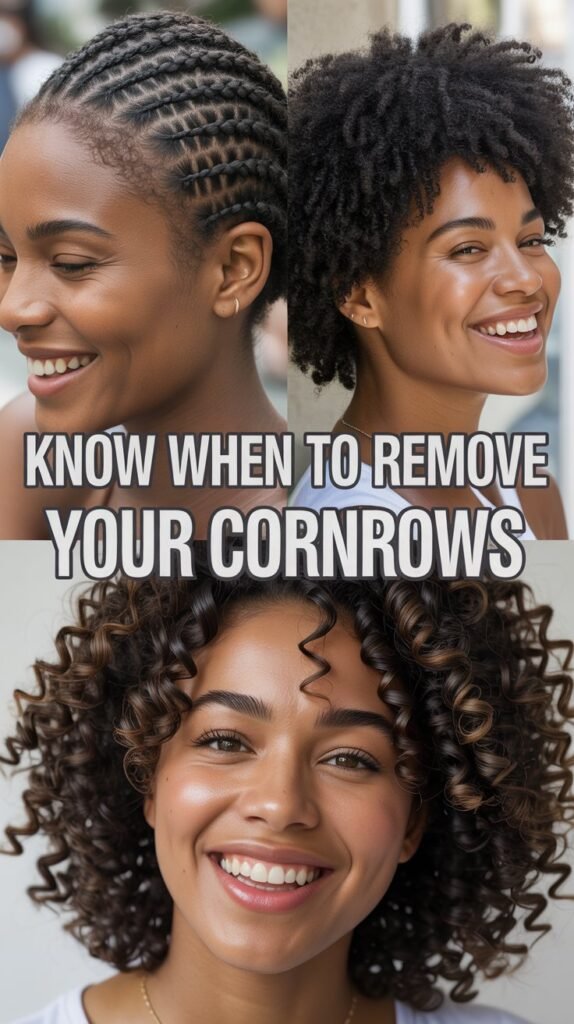
Keeping cornrows in too long causes more harm than good. Recognizing the right time to take them out protects your hair health.
- Plan to keep your cornrows for no longer than 4-6 weeks maximum
- Remove them sooner if you notice excessive itching, odor, or scalp tenderness
- Watch for signs of matting or loc formation at the roots which indicates they’ve been in too long
- Pay attention to significant frizzing or unraveling which means they’re no longer protective
- If your cornrows start looking unkempt despite maintenance efforts, it’s time for removal
- Never keep cornrows in longer than 8 weeks regardless of how good they look
11. Use The Right Products For Cornrow Maintenance
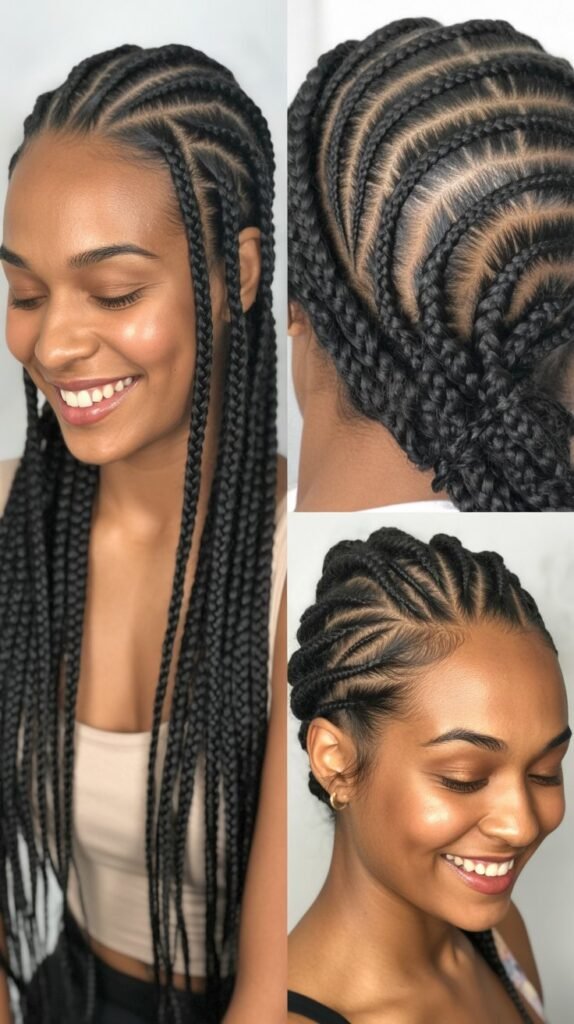
Product selection makes a significant difference in how your cornrows look and how healthy your scalp remains. Not all products are suitable for braided hair.
- Choose lightweight, water-based products that won’t cause buildup or attract excessive lint
- Look for products labeled specifically for braids, locs, or protective styles
- Avoid heavy waxes, thick pomades, or petroleum-based products that clog pores and are difficult to remove
- Use dry shampoos or cleansing foams between washes to keep your scalp fresh
- Consider natural ingredients like tea tree oil, peppermint oil, and aloe vera for scalp health
12. Exercise And Sweat Management With Cornrows
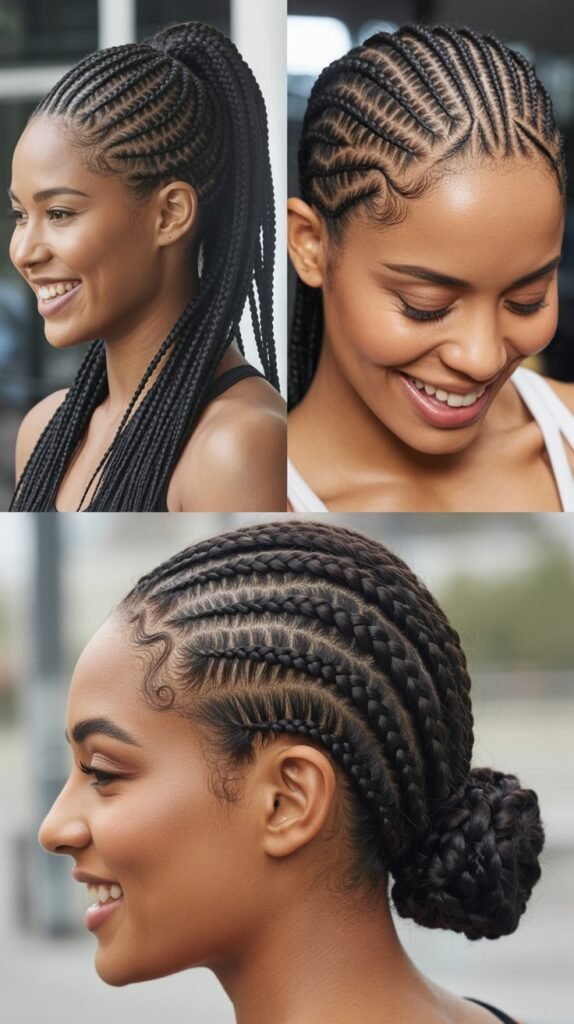
Staying active while wearing cornrows requires special considerations to prevent odor, buildup, and scalp issues. Sweat management is crucial for active men.
- Wear a sweatband or athletic durag during intense workouts to absorb sweat before it reaches your scalp
- Rinse your scalp with cool water after heavy sweating sessions even if you don’t do a full wash
- Apply a refreshing scalp spray with astringent properties like witch hazel after workouts
- Increase your washing frequency to once per week if you exercise daily
- Allow your cornrows to air dry completely after sweating to prevent mildew and odor
- Consider the length of time you’ll keep cornrows if you’re a heavy sweater—shorter durations may be better
13. Protect Your Cornrows From Environmental Damage
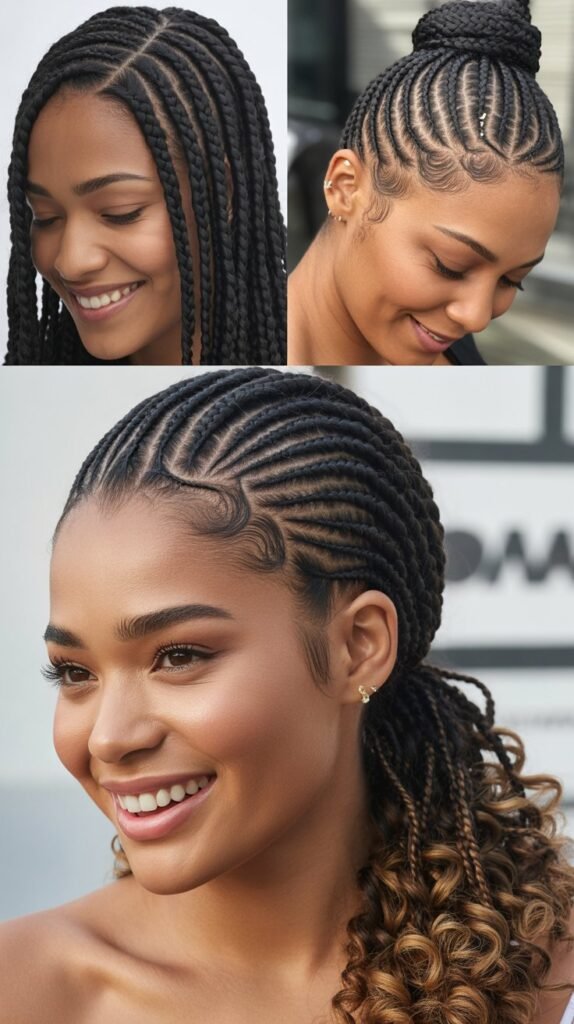
Environmental factors like sun, chlorine, and saltwater can damage your cornrows and the hair beneath them. Prevention is key to maintaining healthy braids.
- Wear a hat or apply SPF spray to your scalp when spending extended time in direct sunlight
- Rinse your cornrows immediately with fresh water after swimming in chlorinated pools
- Apply a protective oil or leave-in conditioner before entering saltwater to create a barrier
- Cover your cornrows with a swim cap when possible to minimize exposure to harsh chemicals
- Avoid extreme cold without proper head covering as it can make hair brittle and prone to breakage
14. Deal With Buildup And Residue Properly
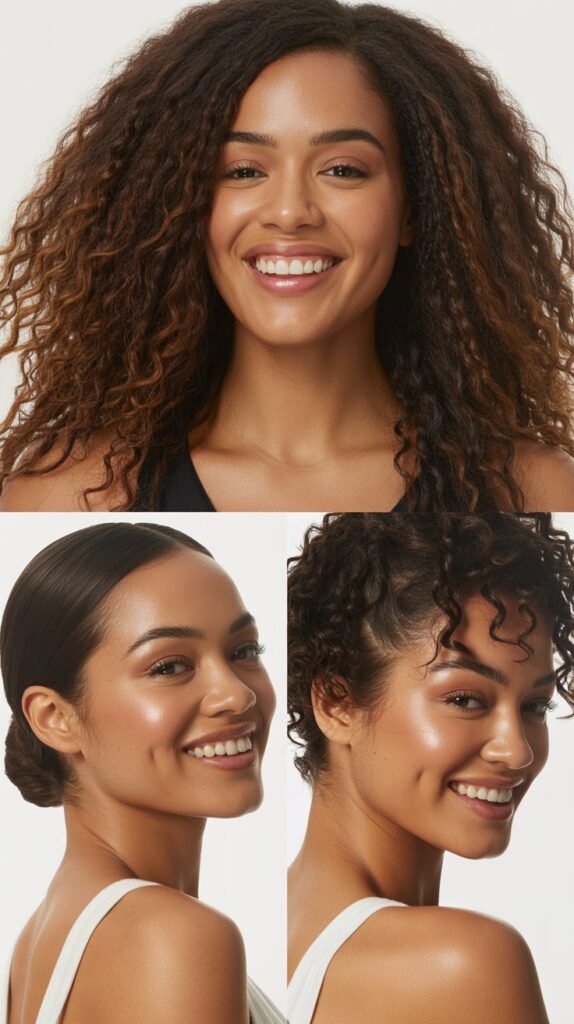
Product buildup, dead skin cells, and environmental debris accumulate on your scalp and between cornrows over time. Regular removal prevents irritation and odor.
- Use a clarifying shampoo every 2-3 weeks to remove stubborn buildup
- Apply apple cider vinegar diluted with water (1:4 ratio) as a natural clarifying treatment
- Gently exfoliate your scalp with a soft-bristled toothbrush during washing to remove dead skin cells
- Reduce the amount of products you use to minimize future buildup
- Rinse thoroughly every time you wash, spending extra time ensuring all product is removed
15. Maintain Proper Nutrition For Hair Health

Healthy cornrows start from within. Your diet directly impacts the strength and growth of the hair underneath your braids.
- Consume adequate protein (lean meats, fish, eggs, legumes) as hair is primarily made of protein
- Include omega-3 fatty acids from sources like salmon, walnuts, and flaxseeds for scalp health
- Eat foods rich in biotin such as eggs, nuts, and sweet potatoes to promote hair growth
- Stay hydrated by drinking at least 8 glasses of water daily to keep your scalp moisturized from inside
- Take a multivitamin or hair-specific supplement if your diet lacks essential nutrients
- Include iron-rich foods like spinach and red meat to prevent hair loss
16. Address Thinning Or Hair Loss Immediately

Recognizing and responding to hair loss quickly can prevent permanent damage from traction alopecia. Early intervention is critical.
- Remove your cornrows immediately if you notice increased shedding, bald patches, or thinning areas
- Consult a dermatologist specializing in hair loss to assess the damage and create a treatment plan
- Apply minoxidil or other dermatologist-recommended treatments to affected areas
- Take a break from all protective styling for at least 2-3 months to allow hair follicles to recover
- Massage your scalp daily to stimulate blood flow and promote regrowth
- Consider whether your cornrows are consistently too tight or worn too long
17. Refresh Your Cornrows Between Washes
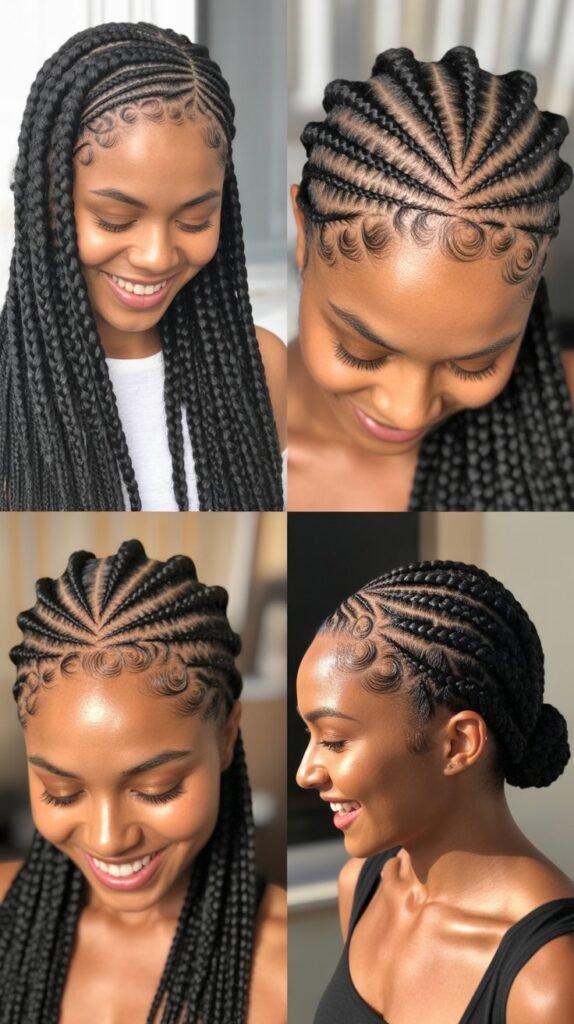
Keeping your cornrows looking fresh between washes maintains your appearance and confidence. Simple refresh techniques make a big difference.
- Apply a light holding spray or braid sheen to smooth down frizz without washing
- Use a small amount of edge control on flyaways and baby hairs around your hairline
- Gently smooth cornrows with a soft bristle brush or your hands after applying product
- Tie down with a durag for 30 minutes after applying refreshing products to set them
- Focus refresh efforts on the most visible areas—your hairline and the front sections
18. Choose Cornrow Patterns That Promote Hair Health
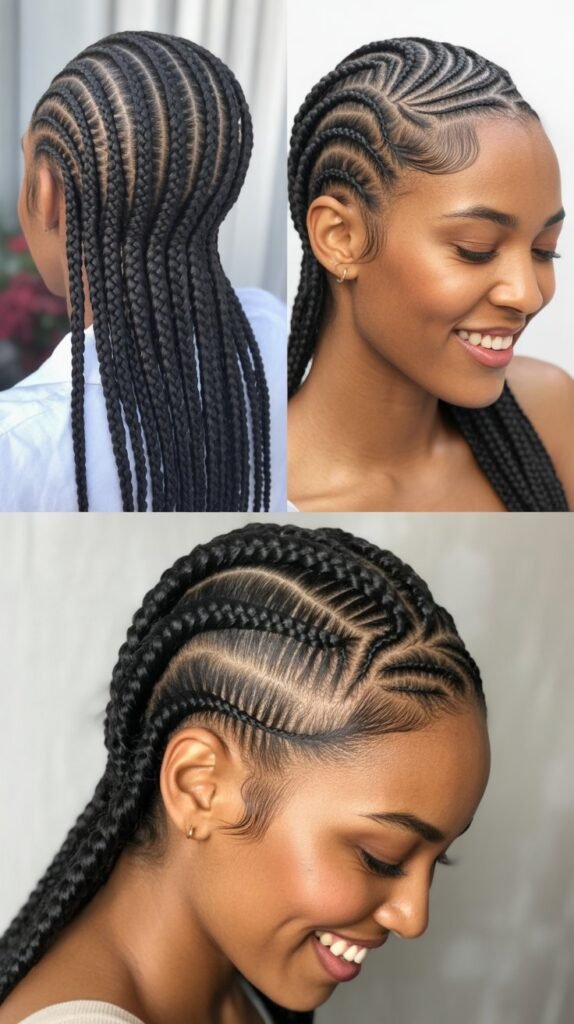
The pattern and style of your cornrows affects both aesthetics and hair health. Some designs are gentler on your hair than others.
- Opt for straight-back cornrows as they distribute tension evenly and are gentle on edges
- Avoid overly intricate patterns with sharp angles that create stress points on your scalp
- Consider the direction of your natural hair growth when choosing cornrow patterns
- Request thicker cornrows rather than extremely thin ones which cause more tension
- Vary your cornrow patterns between installations to prevent consistent stress on the same areas
19. Manage The Awkward Growing-Out Phase

As your cornrows age, new growth creates a less polished appearance. Managing this transition period prevents premature removal.
- Apply edge control or light gel to smooth the new growth at the roots
- Wear a durag more frequently as your cornrows mature to maintain neatness
- Use bobby pins or small clips to secure any completely loose braids temporarily
- Consider having your edges re-done professionally if the rest of your cornrows are still intact
- Accept that some loosening is natural and doesn’t always require immediate removal
20. Properly Remove Your Cornrows To Prevent Breakage
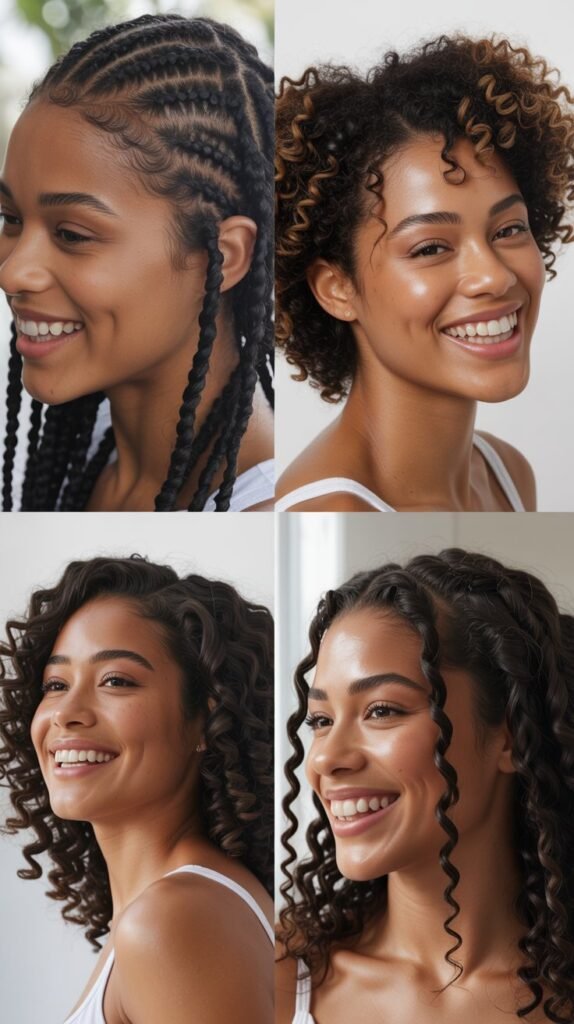
The removal process is just as important as installation and maintenance. Improper removal causes unnecessary breakage and damage.
- Set aside adequate time (2-4 hours) for careful removal without rushing
- Apply a detangling conditioner or oil liberally to your cornrows before unbraiding
- Cut the end knots carefully with small scissors before gently unraveling each braid
- Use your fingers to carefully separate the braids rather than pulling or yanking
- Detangle gently with a wide-tooth comb working from ends to roots after each braid is removed
- Expect to see accumulated shedding from the weeks your hair was braided—this is normal
21. Give Your Hair Recovery Time Between Styles

Your hair and scalp need breaks between protective styles to recover and breathe. Continuous braiding without rest causes cumulative damage.
- Allow at least 1-2 weeks of rest between removing cornrows and installing a new protective style
- Use this time to deep condition, protein treat, and assess your hair’s health
- Let your scalp breathe and recover from any tension or irritation
- Trim any damage or split ends that developed during the previous style
- Massage your scalp daily during recovery periods to restore blood flow
22. Understand The Role Of Hair Type In Cornrow Care
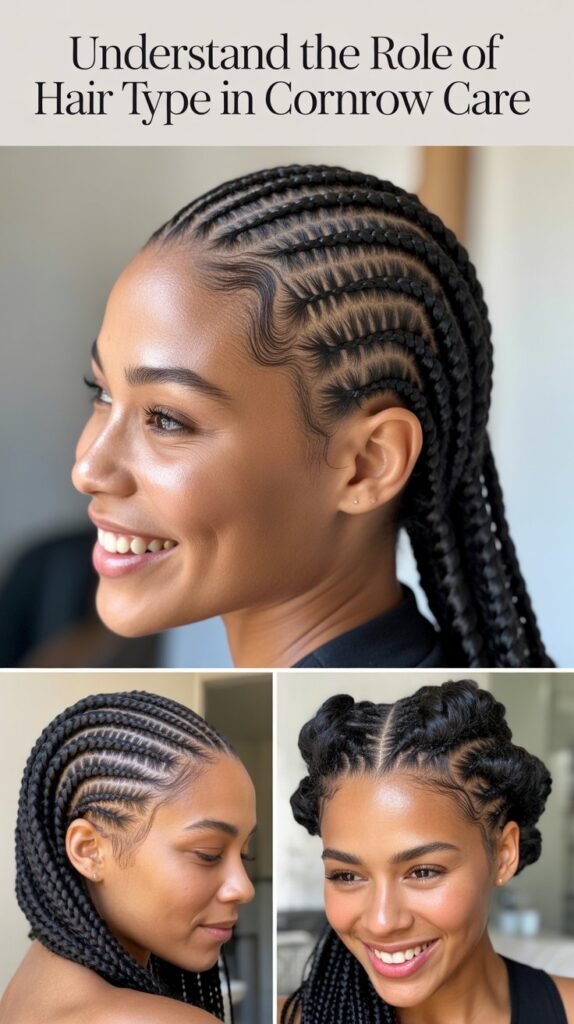
Different hair types have unique needs when it comes to cornrows. Understanding your specific hair texture helps you customize your care routine.
- Type 3 (curly) hair may need more moisture and lighter tension than type 4 (coily) hair
- Type 4 hair typically holds cornrows longer but requires more careful detangling during removal
- Fine hair regardless of curl pattern is more prone to breakage and needs gentler tension
- Thick, dense hair may require more frequent washing due to increased sweat and oil production
- Consult with your braider about adjustments based on your specific hair type and texture
23. Combat Odor And Keep Your Scalp Fresh
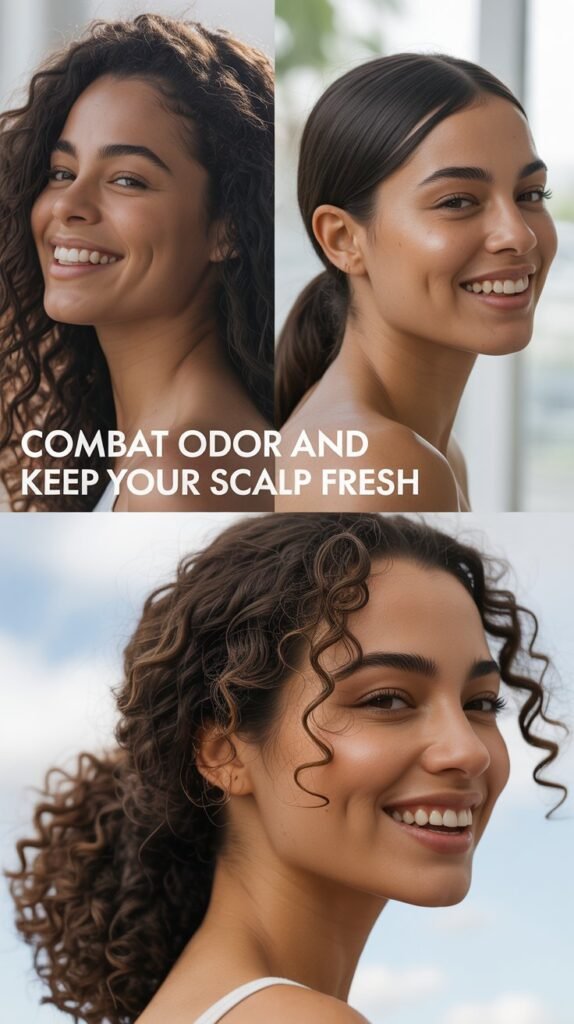
Scalp odor can develop when wearing cornrows for extended periods, especially for active men. Prevention and treatment strategies keep you confident.
- Ensure cornrows are completely dry after washing to prevent mildew formation
- Use products with natural antibacterial properties like tea tree oil or peppermint oil
- Apply a dry shampoo or scalp-refreshing powder between washes
- Increase washing frequency if you notice any unpleasant odors developing
- Avoid applying too many products which can mix with sweat and cause odor
- Keep your sleeping bonnet or durag clean by washing it weekly
24. Coordinate Your Cornrow Schedule With Your Lifestyle
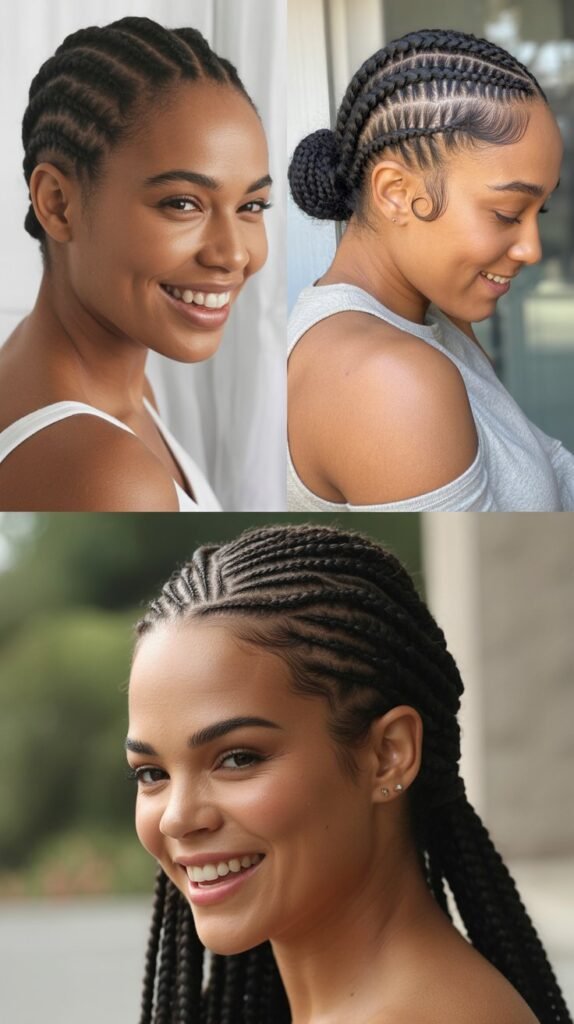
Strategic timing of when you get and remove cornrows makes maintenance easier and ensures you look your best for important events.
- Schedule your cornrow installation 1-2 days before major events when they look freshest
- Plan removal before job interviews or formal events if you prefer a more conservative look
- Consider your travel schedule—fresh cornrows are easier to maintain while traveling
- Time installations around your workout schedule to minimize sweating during the first few days
- Account for the first night’s tenderness when planning social activities
25. Invest In Quality Tools And Accessories

The right tools make cornrow maintenance significantly easier and more effective. Quality accessories are worth the investment.
- Purchase several satin or silk durags in different colors to match your wardrobe
- Invest in applicator bottles with precision tips for easy product application
- Get a spray bottle for diluting shampoo and applying moisture sprays
- Buy a soft-bristled brush specifically for smoothing braids without causing frizz
- Keep a wide-tooth comb designated solely for gentle detangling
- Consider a satin or silk pillowcase as a backup to your durag
26. Learn To Do Basic Cornrow Touch-Ups Yourself
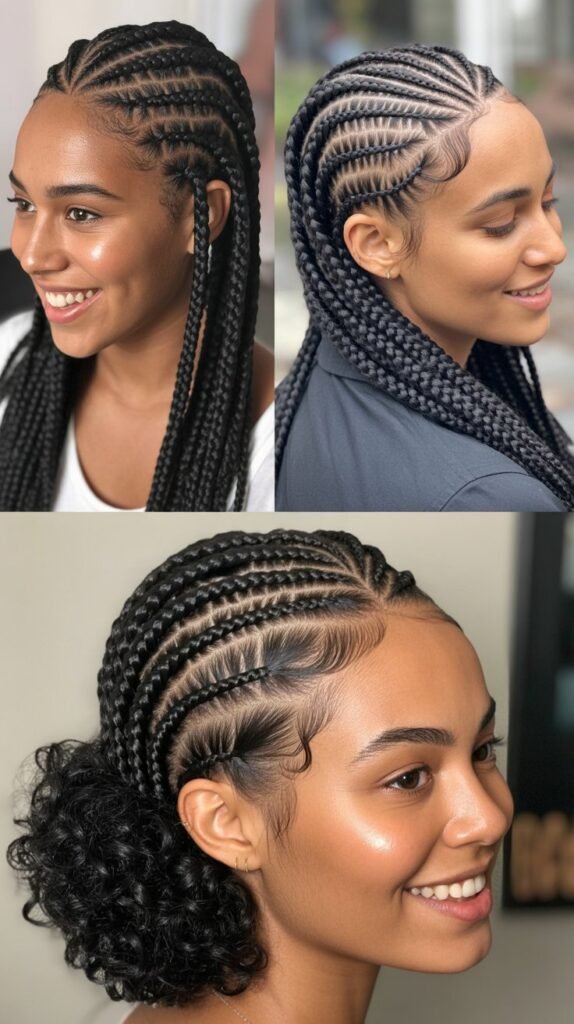
While professional installation is ideal, knowing basic maintenance techniques saves money and extends the life of your cornrows.
- Learn to re-braid your very edges if they come loose using YouTube tutorials or asking your braider for tips
- Practice applying edge control smoothly to create a polished appearance
- Master the proper way to tie your durag for optimal cornrow protection
- Know how to properly part your hair to apply products directly to your scalp
- Understand when a touch-up is possible versus when you need professional help
27. Address Allergic Reactions Immediately

Some men experience allergic reactions to braiding hair extensions or products. Recognizing and responding to reactions prevents serious complications.
- Watch for symptoms like excessive redness, swelling, oozing, or severe itching in the first 48 hours
- Remove cornrows immediately if you suspect an allergic reaction
- Wash your hair thoroughly with a gentle, fragrance-free shampoo
- Apply over-the-counter hydrocortisone cream to affected areas
- Consult a dermatologist if symptoms persist or worsen after removal
- Request synthetic-free or specific brand extensions if you’ve had reactions in the past
28. Optimize Your Washing Technique

How you wash your cornrows determines both cleanliness and longevity. Proper technique cleans without causing premature frizzing.
- Use lukewarm water rather than hot water which can cause unnecessary frizzing
- Apply diluted shampoo in the same direction as your cornrow pattern
- Focus water pressure directly on your scalp rather than the length of the braids
- Avoid circular scrubbing motions and use gentle back-and-forth movements instead
- Rinse multiple times to ensure no shampoo residue remains
- Consider using a stocking cap over your cornrows to wash through it for minimal disturbance
29. Prevent And Treat Bumps Or Folliculitis
Small bumps or pimples along your cornrow lines can develop from irritation or infection. Prevention and early treatment keep your scalp healthy.
- Keep your scalp clean and avoid allowing sweat and products to accumulate
- Apply products with antibacterial properties like tea tree oil preventatively
- Avoid touching your scalp with dirty hands which can introduce bacteria
- Use a gentle exfoliating scalp treatment weekly to prevent clogged follicles
- Apply a warm compress to any bumps that develop to reduce inflammation
- Consult a dermatologist if bumps persist, multiply, or show signs of infection
30. Maintain Cornrows In Different Seasons
Seasonal changes require adjustments to your cornrow care routine for optimal results. Temperature and humidity affect both your scalp and your braids.
Summer Cornrow Care:
- Increase washing frequency due to higher sweat production
- Use lighter oils that won’t melt or feel heavy in heat
- Protect your scalp from UV damage with SPF products or head coverings
- Apply refreshing sprays with cooling ingredients like peppermint more frequently
Winter Cornrow Care:
- Moisturize more often as indoor heating creates dryness
- Use slightly heavier oils to combat increased scalp dryness
- Protect cornrows from cold wind with hats or hoods
- Combat static with anti-static sprays or light oil application
31. Deal With Gray Hair In Cornrows
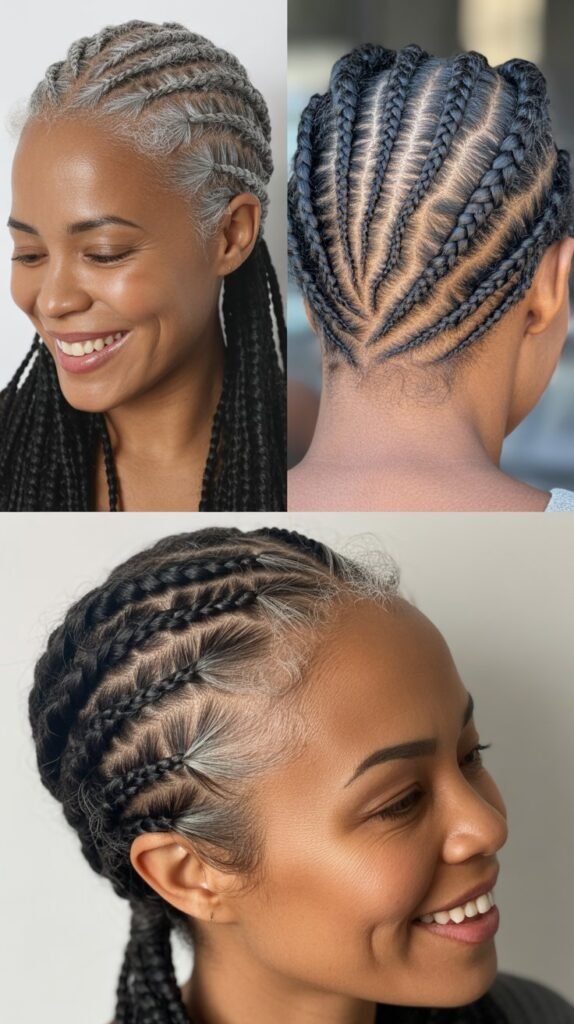
Gray hair has a different texture and may require special considerations when wearing cornrows. Understanding these differences ensures healthy, attractive results.
- Gray hair tends to be coarser and more wiry, requiring extra moisture during the braiding process
- Use purple-toning products if your gray hair develops yellowing between washes
- Expect gray hair to show more texture and frizz than pigmented hair
- Consider slightly shorter cornrow durations (3-4 weeks) as gray hair can be more fragile
- Embrace the distinguished look of gray cornrows rather than feeling self-conscious
32. Coordinate Cornrows With Facial Hair Grooming
Your overall appearance includes the coordination between your cornrows and facial hair. A well-groomed look considers both elements.
- Schedule beard trims around the same time as cornrow installations for a cohesive fresh look
- Use similar care principles for both—moisturize, keep clean, and protect at night
- Ensure your barber or braider considers your complete head and face aesthetic
- Apply beard oil at the same time you treat your scalp to maintain a routine
- Consider how your cornrow pattern complements your face shape and facial hair style
33. Budget And Plan For Cornrow Maintenance Costs
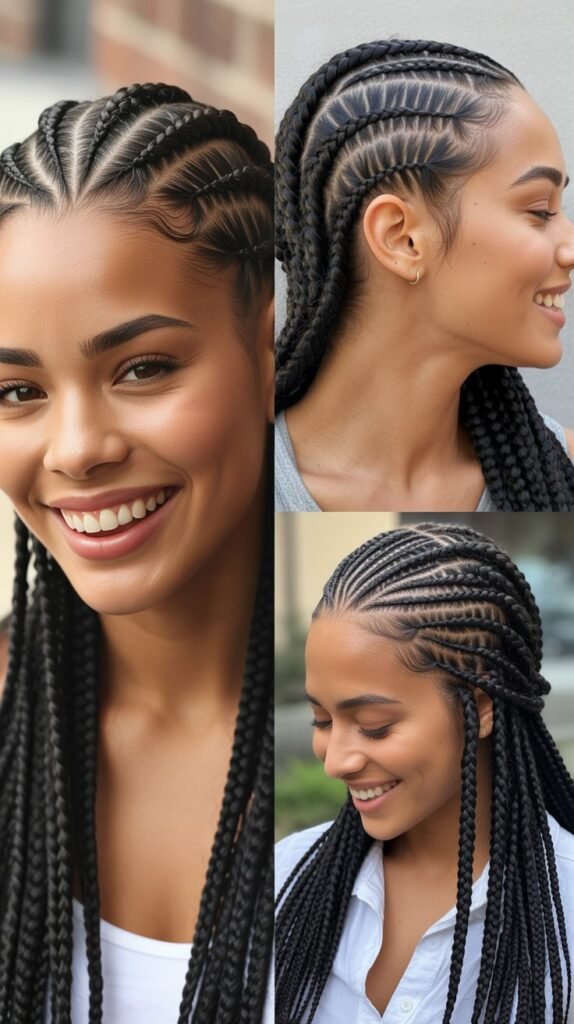
Understanding the financial commitment of maintaining cornrows helps you plan appropriately. Quality care requires investment in products and services.
| Expense Category | Estimated Cost | Frequency |
|---|---|---|
| Professional Installation | $50-$150 | Every 4-6 weeks |
| Quality Products (oils, shampoos, sprays) | $30-$60 | Every 2-3 months |
| Durags/Bonnets | $10-$30 | As needed |
| Professional Removal | $20-$50 | Every 4-6 weeks |
| Touch-ups or Edge Re-braiding | $15-$40 | Optional |
- Invest in quality products that last longer rather than cheap alternatives that require frequent replacement
- Learn to do your own removal to save money if you’re comfortable with the process
- Buy durags and accessories in bulk for better pricing
- Consider building a relationship with a regular braider who may offer loyalty discounts
34. Know When Cornrows Aren’t The Right Choice
Cornrows aren’t suitable for every situation or hair condition. Recognizing when to choose an alternative protects your hair health.
- Avoid cornrows if you currently have scalp conditions like severe dandruff, psoriasis, or open sores
- Skip braiding if your hair is severely damaged, over-processed, or excessively brittle
- Consider alternatives if you have very thin or fine hair that’s prone to traction alopecia
- Choose other styles if you’re in a profession where cornrows are explicitly prohibited
- Wait until active scalp infections or irritations are completely healed before braiding
- Consult a dermatologist if you’re unsure whether your hair and scalp are healthy enough for cornrows
35. Document Your Cornrow Journey
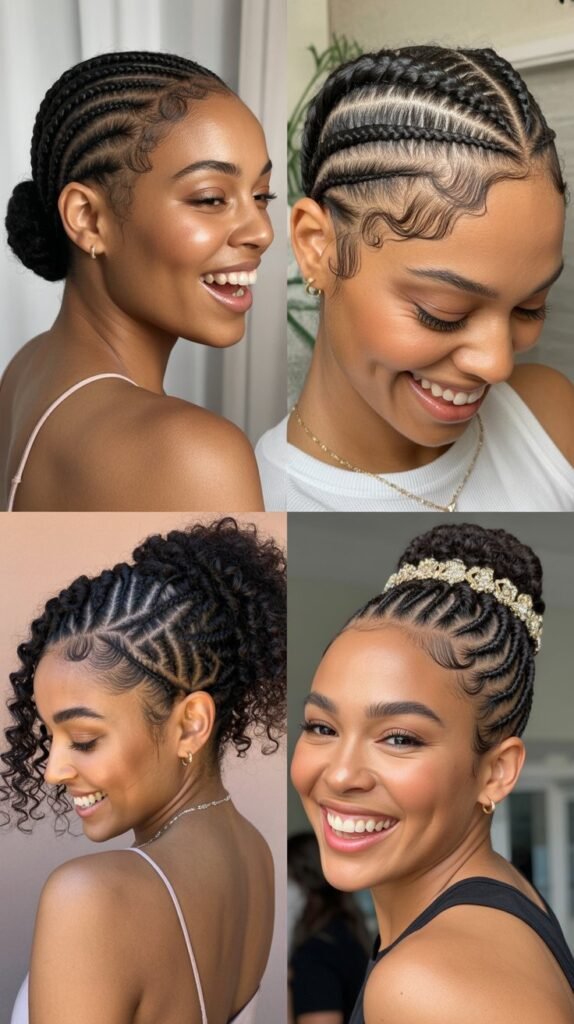
Tracking your cornrow experiences helps you optimize your routine and communicate effectively with your braider. Documentation leads to better results.
- Take photos of your cornrows from multiple angles after each installation to track what works
- Note the date of installation, braider name, and specific style details in your phone
- Record which products work best and which cause problems
- Track how long each style lasts and when you start experiencing issues
- Save photos of styles you love to show future braiders for consistency
- Document any negative reactions or problems to avoid repeating mistakes
36. Build A Relationship With A Skilled Braider
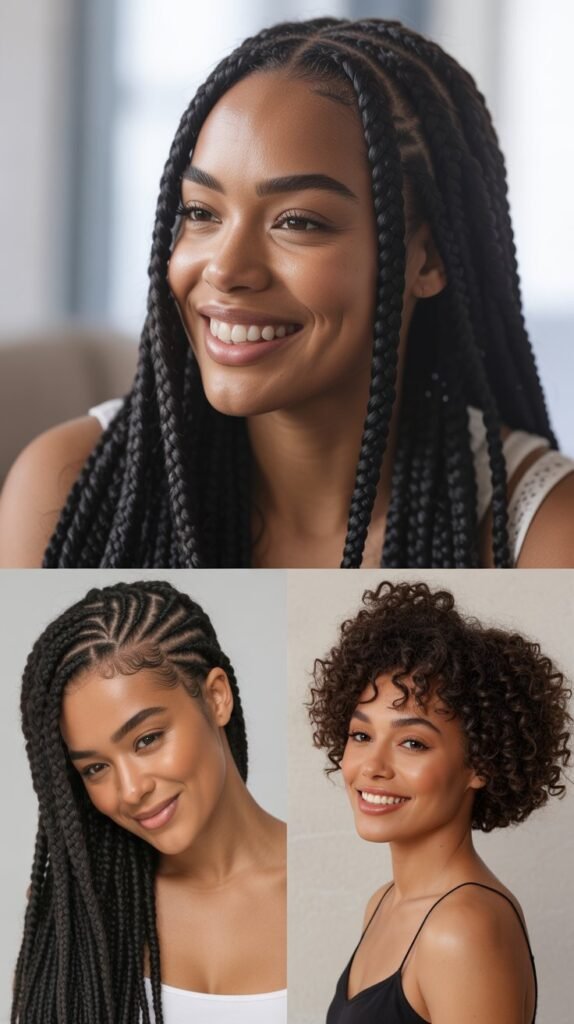
Consistency with a talented braider who understands your hair creates the best long-term results. A trusted professional becomes invaluable.
- Stick with a braider once you find someone whose work you trust and who listens to your concerns
- Communicate openly about what worked and what didn’t after each appointment
- Show appreciation for good work through tips, reviews, and referrals
- Book appointments in advance as skilled braiders often have full schedules
- Be reliable by showing up on time and respecting their cancellation policies
- Consider your braider a partner in your hair health journey, not just a service provider
Conclusion
Mastering the art of cornrow maintenance transforms protective styling from a temporary look into a sustainable hair care strategy.
These 36 Smart Care Cornrow Care Tips Every Man Should Know provide you with everything needed to keep your cornrows looking fresh, your scalp healthy, and your natural hair thriving underneath.
From the crucial pre-installation preparation to the gentle removal process, every step matters in protecting your hair while enjoying the convenience and style that cornrows offer.
Remember that cornrows should enhance your appearance and confidence, never cause pain, damage, or distress.
By implementing proper moisturizing routines, protecting your hairline, scheduling strategic breaks between styles, and building a relationship with a skilled braider, you’re investing in the long-term health of your hair.
Whether you wear cornrows for a few weeks or rotate them regularly as your go-to style, these expert-backed tips ensure that every installation is a positive experience that supports your hair goals rather than compromising them.
Your cornrows are more than just a hairstyle—they’re a commitment to both style and hair health that deserves the proper care and attention detailed in this comprehensive guide.

